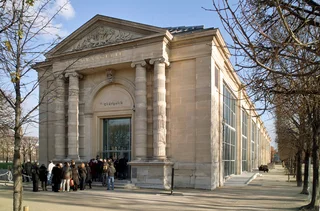
The story
When the First World War ended, Claude Monet offered France a gift. He had spent years in his garden at Giverny painting the surface of his lily pond at every hour of the day, and he wanted the largest canvases installed as a single room where people could sit surrounded by water and light. His friend Georges Clemenceau, the wartime prime minister, found him a home for them, an old orangery in the Tuileries gardens that once sheltered orange trees through winter.
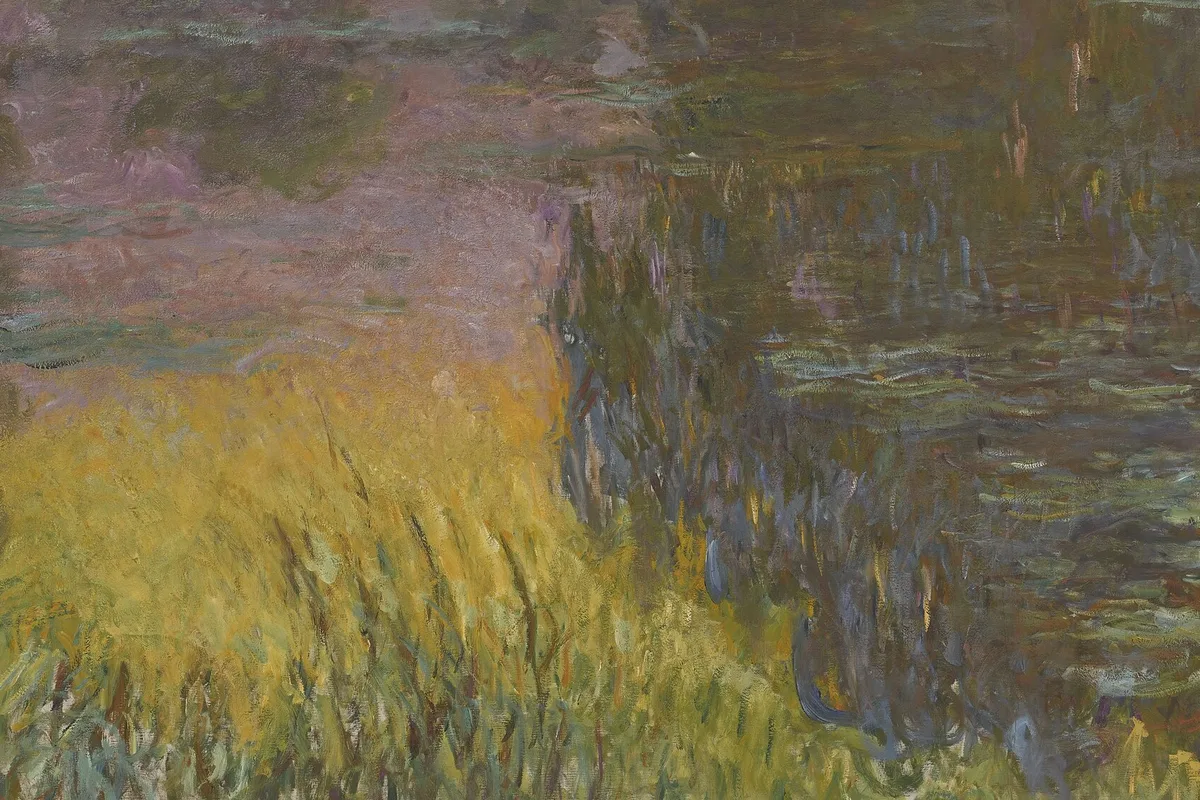
Monet worked on the panels until his death in 1926, and they went on show here in 1927. Eight of them, nearly two metres tall and running about 91 metres in all, curve around two oval rooms shaped like a lying figure-eight, lit from above by daylight. There are no banks and no horizon, just green water and floating flowers wrapping the walls.
Downstairs sits a second collection, gathered by the dealer Paul Guillaume and later his wife: Cézanne, Renoir, a wide-eyed Rousseau, Soutine, and a room of Modigliani portraits with their long tilted necks.
More articles
Collection
102 works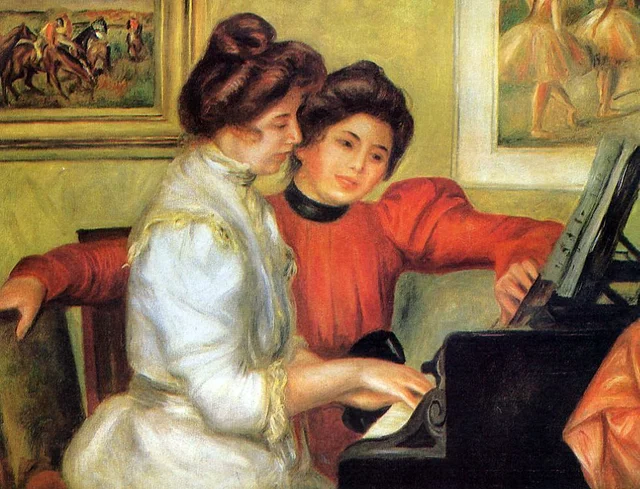 Yvonne and Christine Lerolle at the PianoPierre-Auguste Renoir, 1897
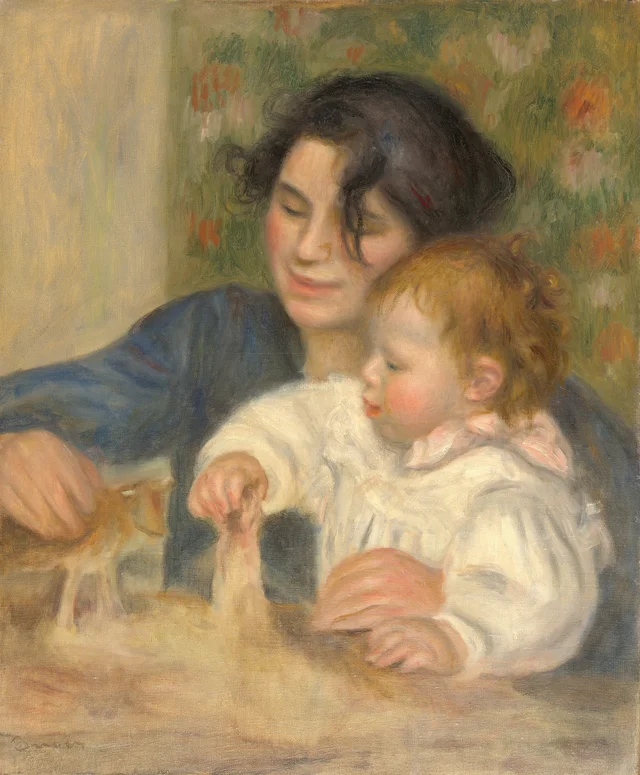 Gabrielle and JeanPierre-Auguste Renoir, 1895
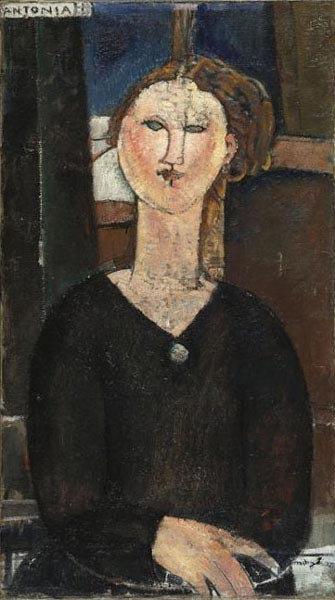 AntoniaAmedeo Modigliani, 1915
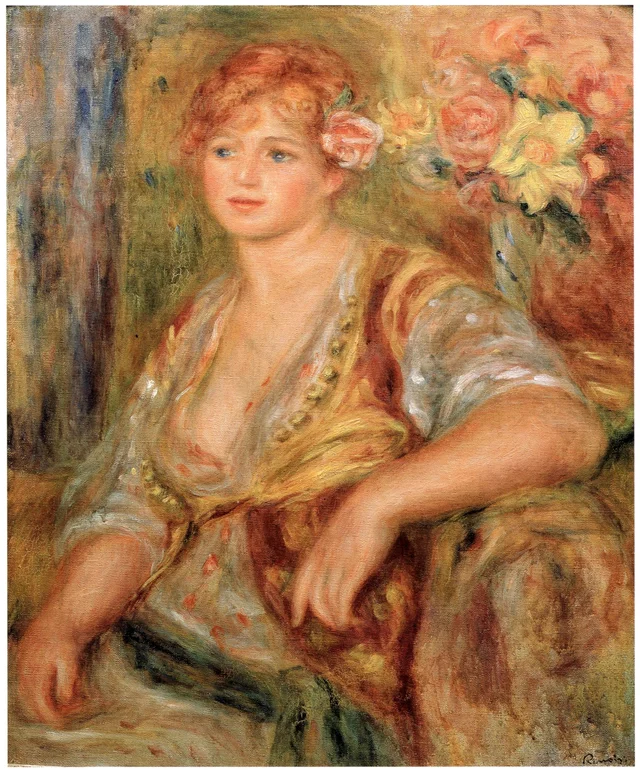 Blonde Girl with a RosePierre-Auguste Renoir, 1915
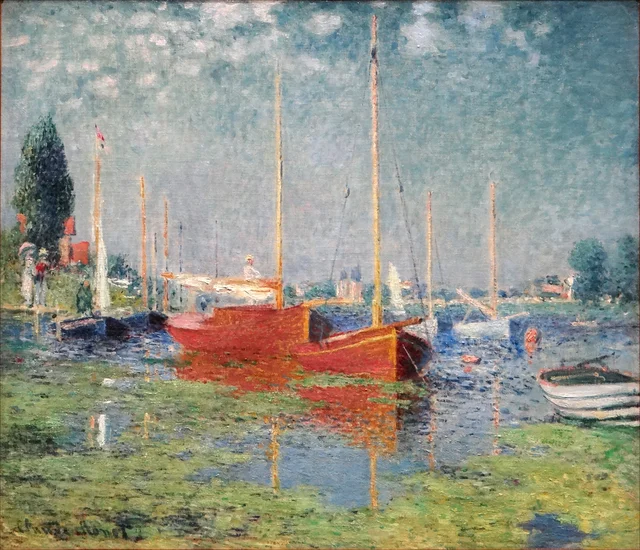 Red Boats at ArgenteuilClaude Monet, 1875
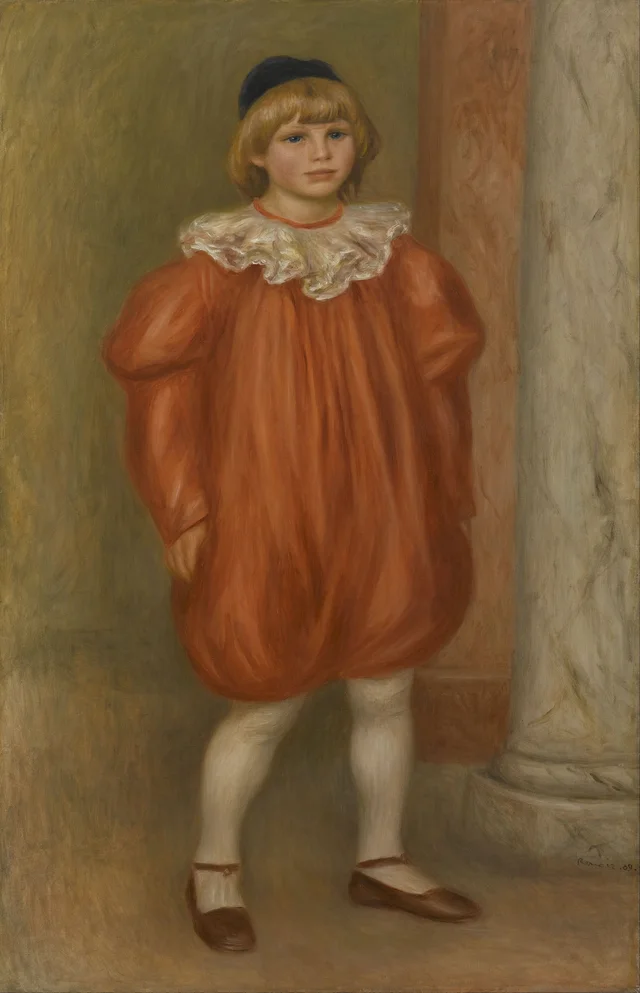 Claude Renoir as a ClownPierre-Auguste Renoir, 1909
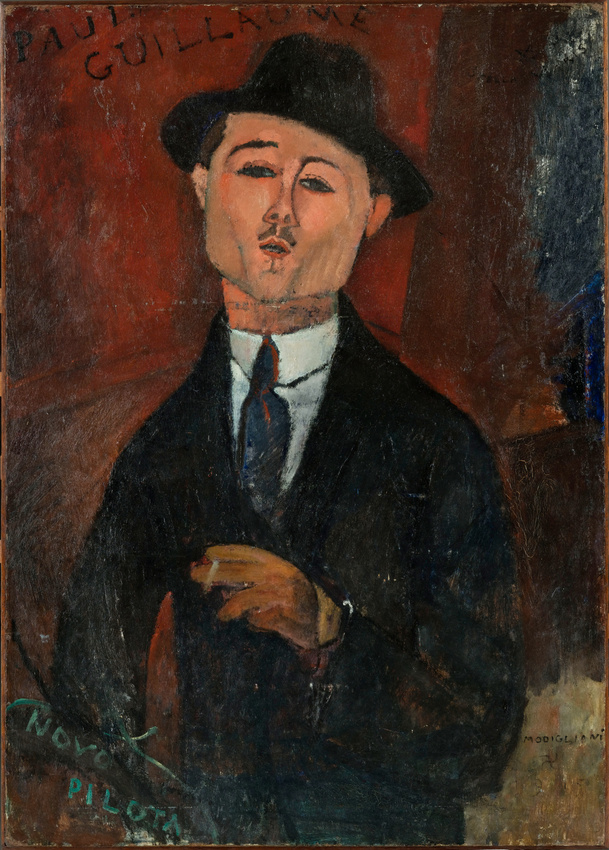 Portrait of Paul GuillaumeAmedeo Modigliani, 1915
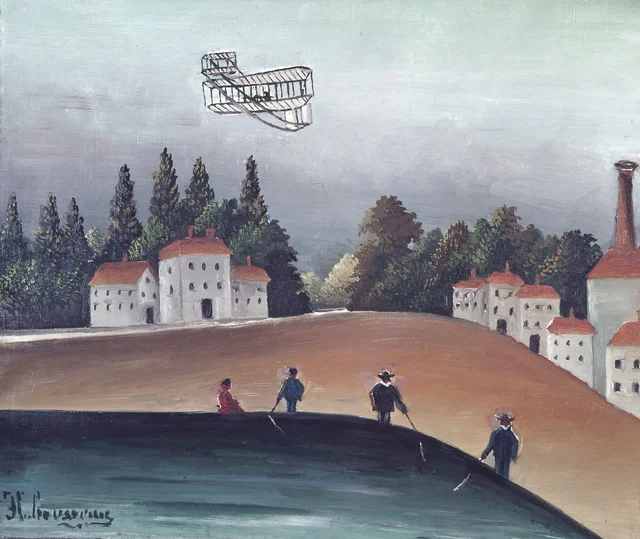 AnglersHenri Rousseau, 1908
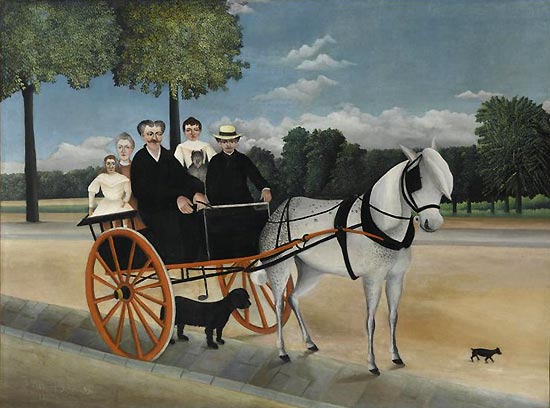 La Carriole du Père JunierHenri Rousseau, 1908
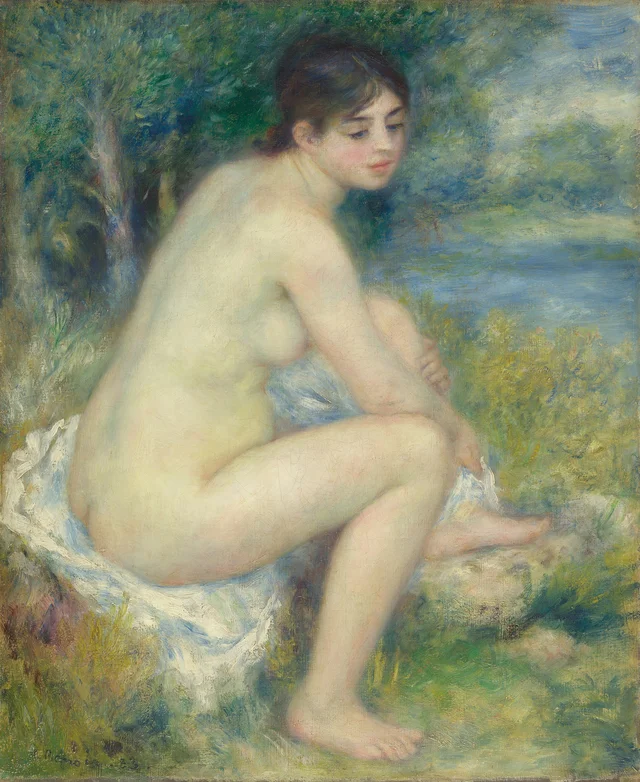 Naked Woman in a LandscapePierre-Auguste Renoir, 1883
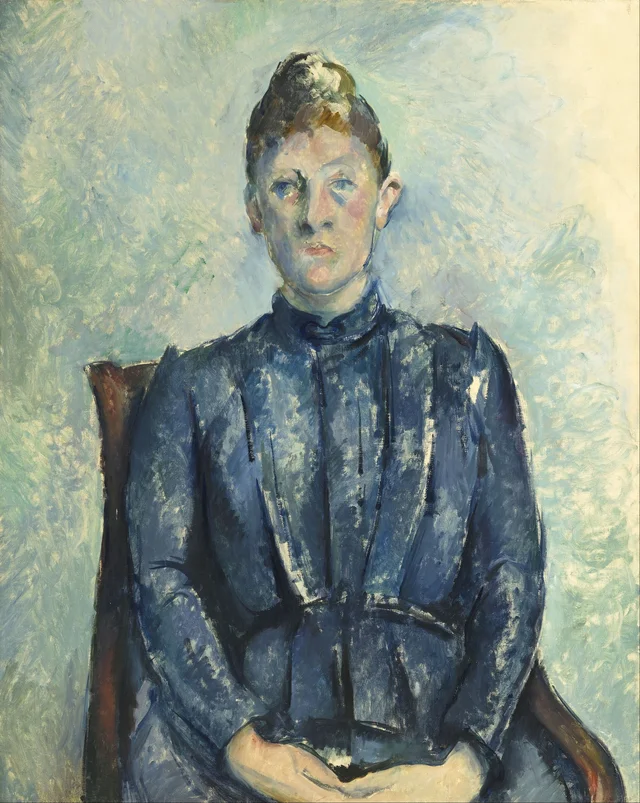 Portrait of Madame CézannePaul Cézanne, 1890
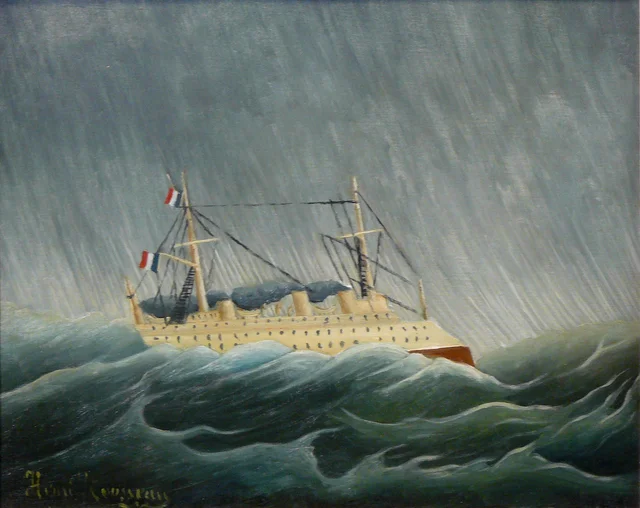 The Ship in the TempestHenri Rousseau, 1899
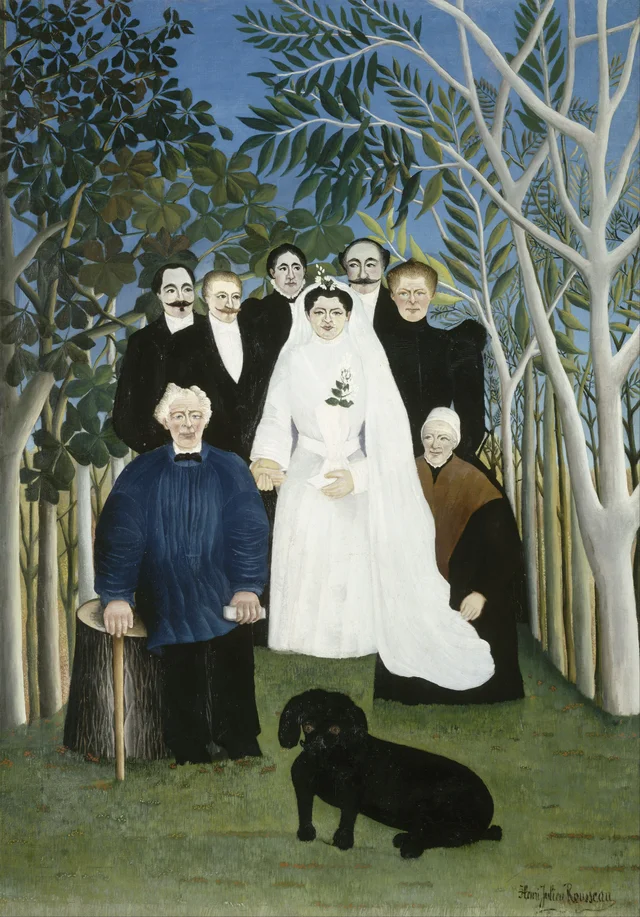 The Wedding PartyHenri Rousseau, 1905
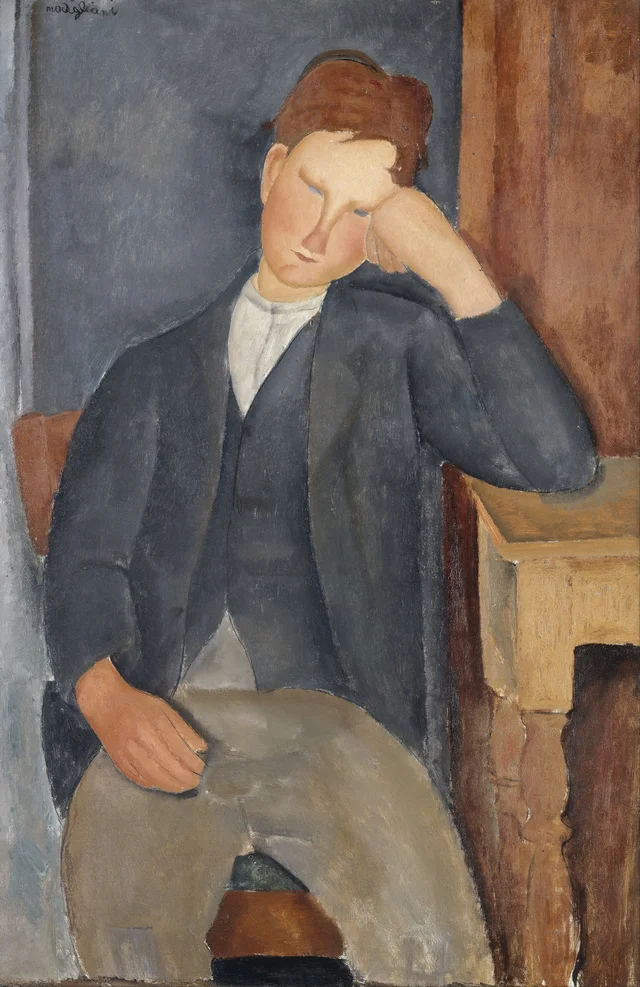 The Young ApprenticeAmedeo Modigliani, 1918
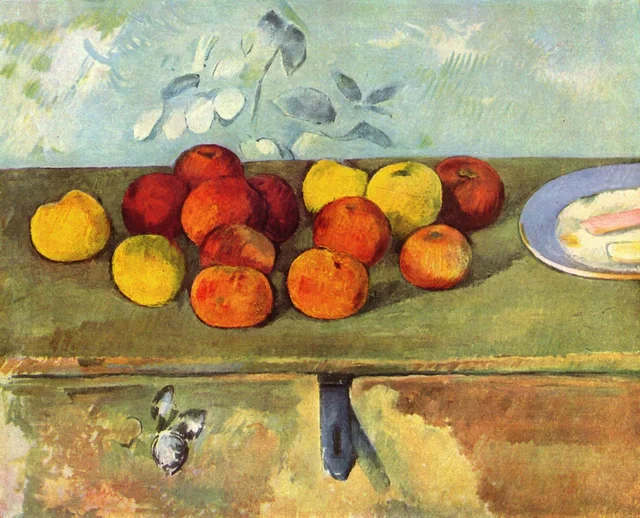 Apples and biscuitsPaul Cézanne, 1880
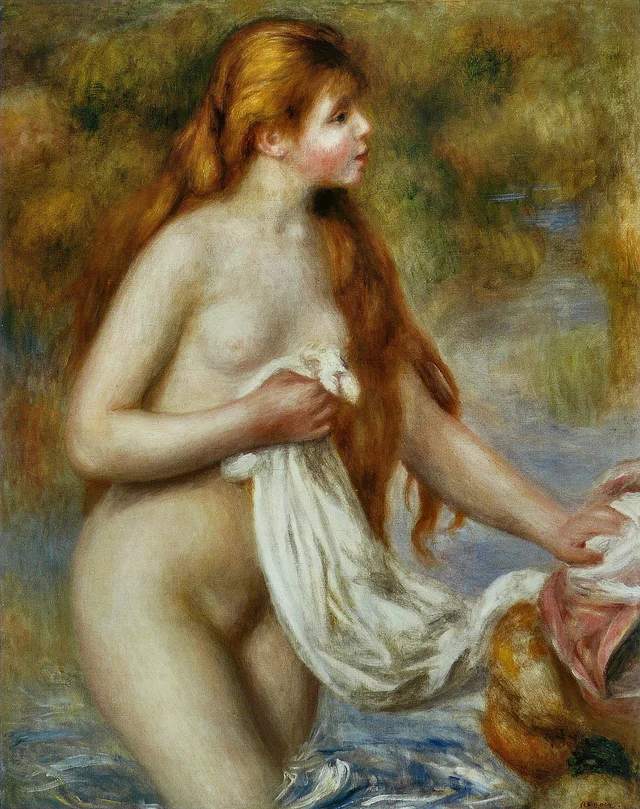 Long-haired batherPierre-Auguste Renoir, 1895
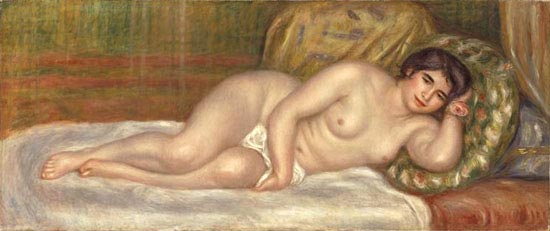 Naked woman, lyingPierre-Auguste Renoir, 1907
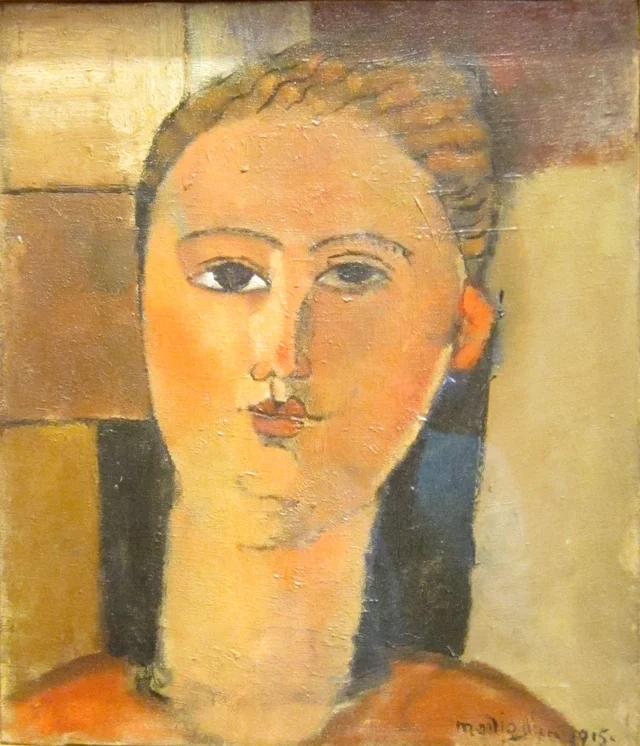 Red-Haired GirlAmedeo Modigliani, 1915
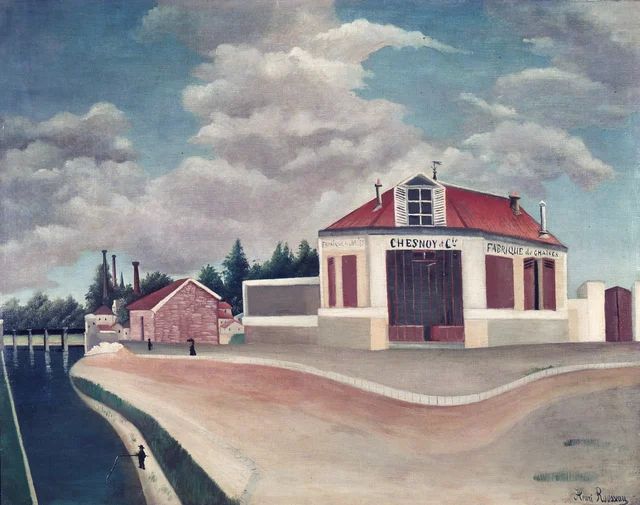 The Chair Factory in AlfortvilleHenri Rousseau, 1897
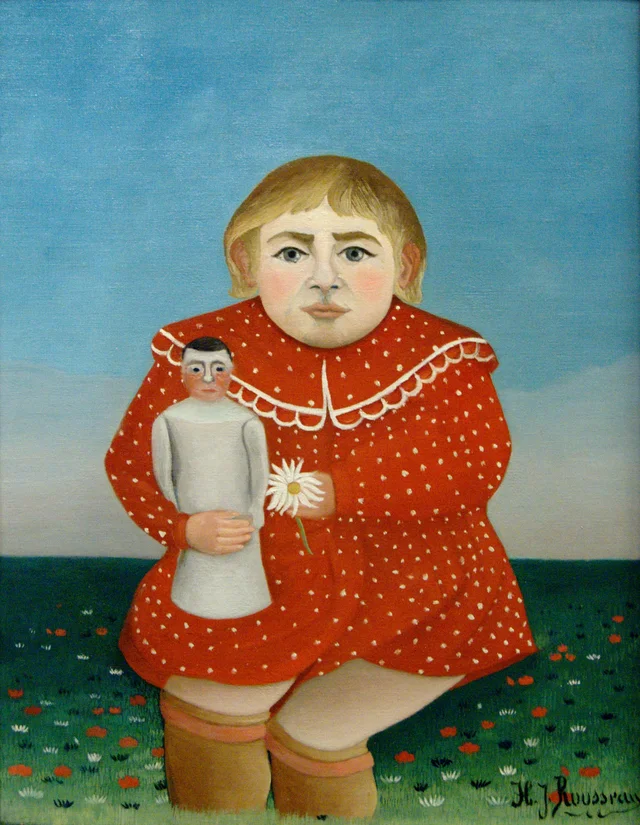 The child with the dollHenri Rousseau, 1892
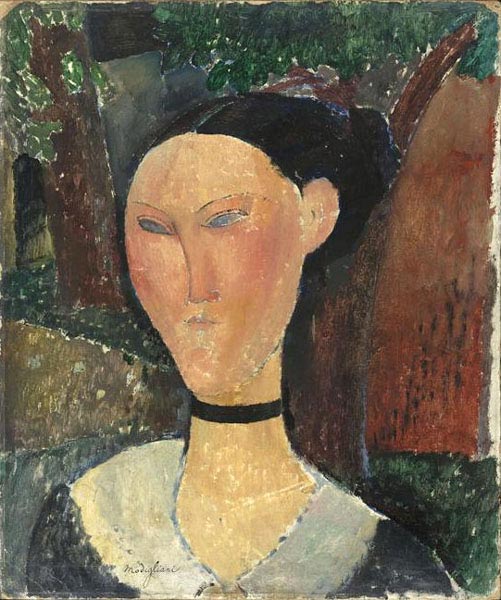 Woman with Velvet RibbonAmedeo Modigliani, 1915
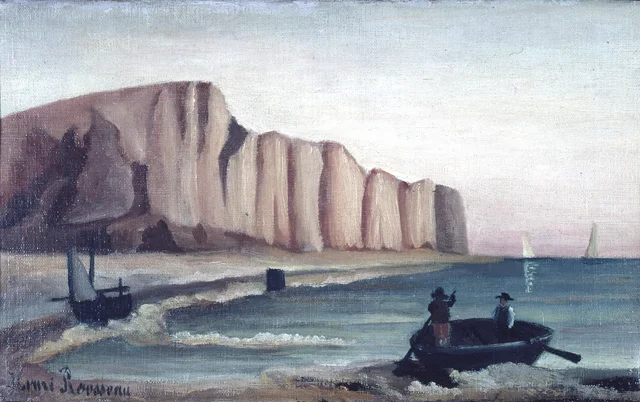 La FalaiseHenri Rousseau, 1895
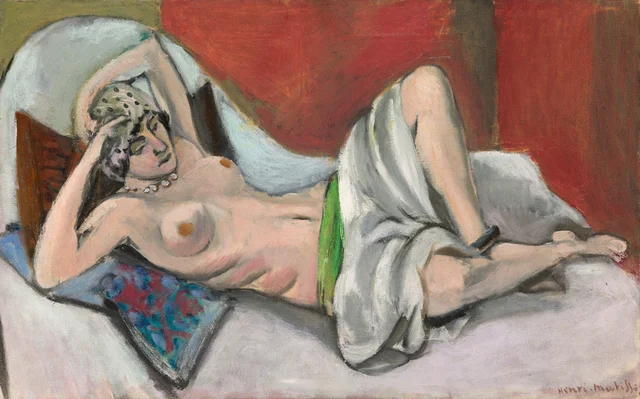 Nu drapé étenduHenri Matisse, 1923
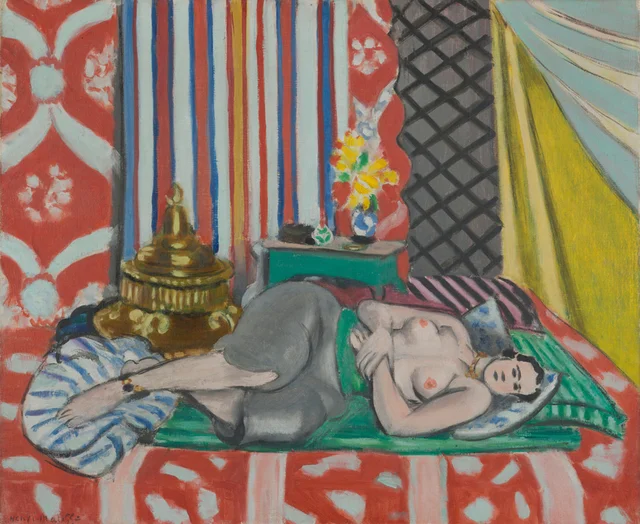 Odalisque à la culotte griseHenri Matisse, 1927
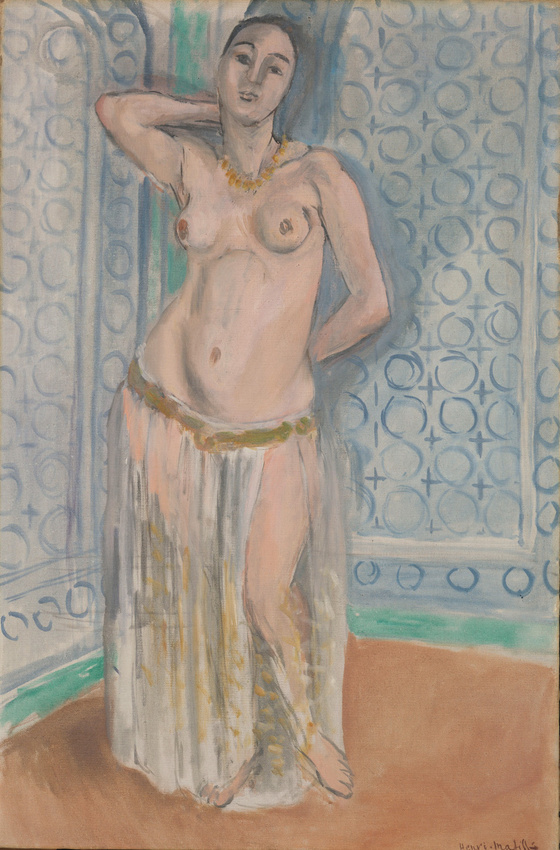 Odalisque bleueHenri Matisse, 1921