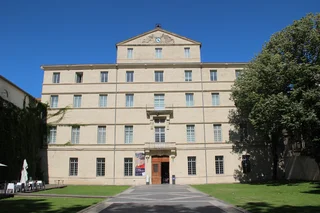
The story
The museum takes its name from François-Xavier Fabre, a painter from Montpellier who trained in Paris, spent years in Italy, and came home late in life with the art he had gathered along the way. In 1825 he offered it to his native city, and the museum opened three years later.
What lifts it above a local gallery is a later gift, from Alfred Bruyas, a Montpellier collector who backed living painters when few others would. He befriended Gustave Courbet and bought his work, and the museum now holds one of the largest groups of Courbet anywhere, including "The Meeting," in which the artist paints himself being greeted on a dusty road by Bruyas, his patron. The collection runs from old masters to Frédéric Bazille, an early Impressionist and another son of Montpellier.
Collection
29 works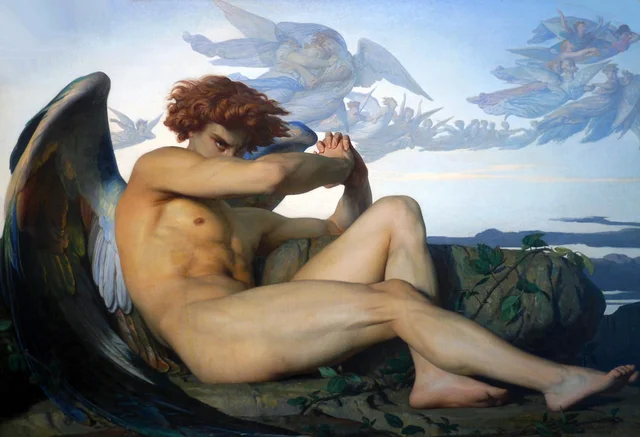 Fallen angelAlexandre Cabanel, 1847
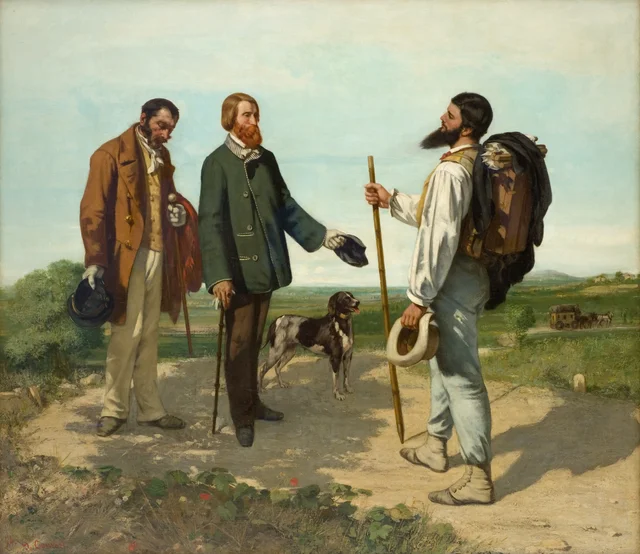 The Meeting, or Bonjour, Monsieur Courbet!Gustave Courbet, 1854
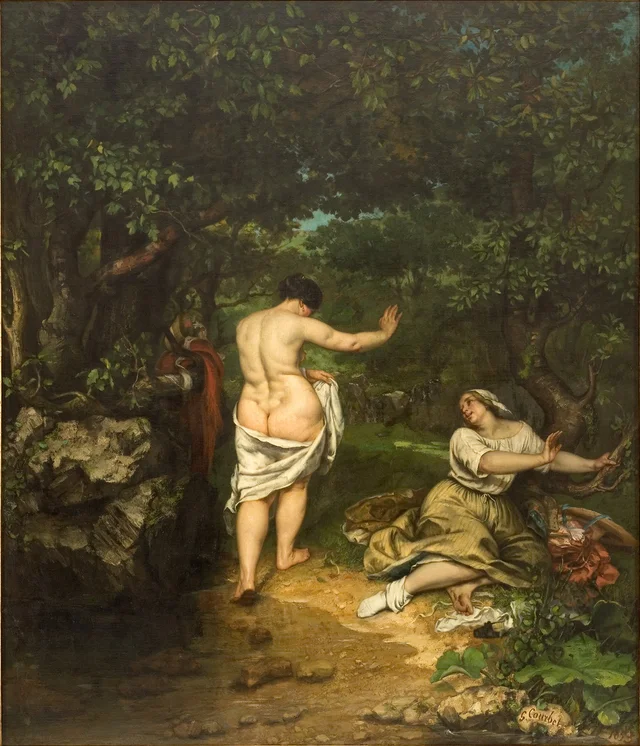 The BathersGustave Courbet, 1853
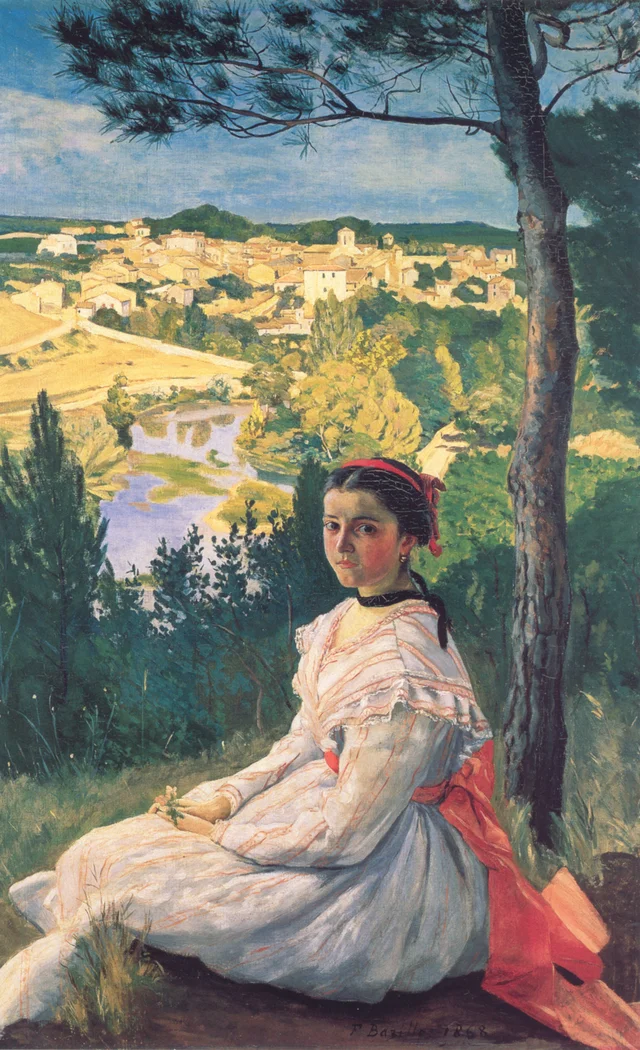 View of the VillageFrédéric Bazille, 1868
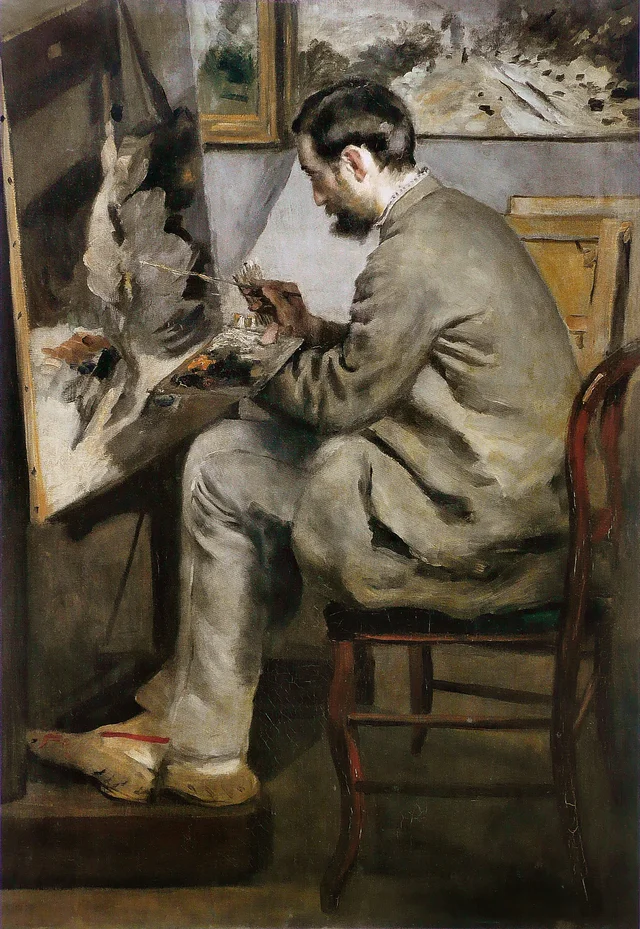 Portrait of Frédéric Bazille PaintingPierre-Auguste Renoir, 1867
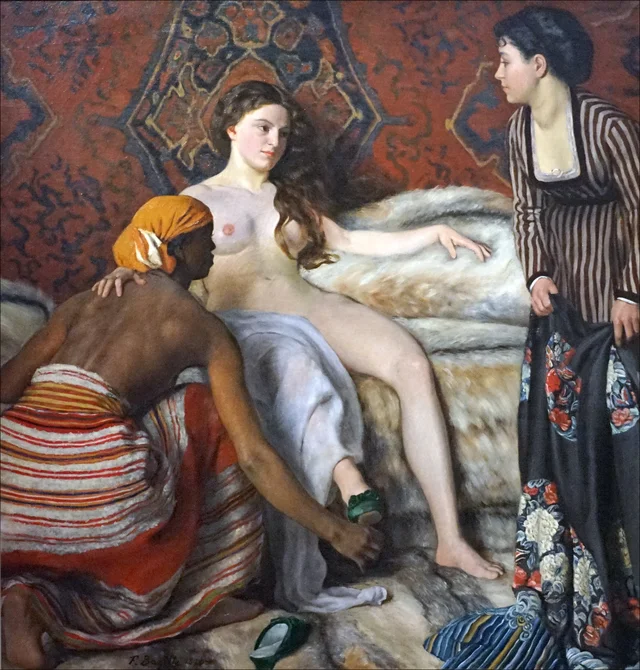 La ToiletteFrédéric Bazille, 1870
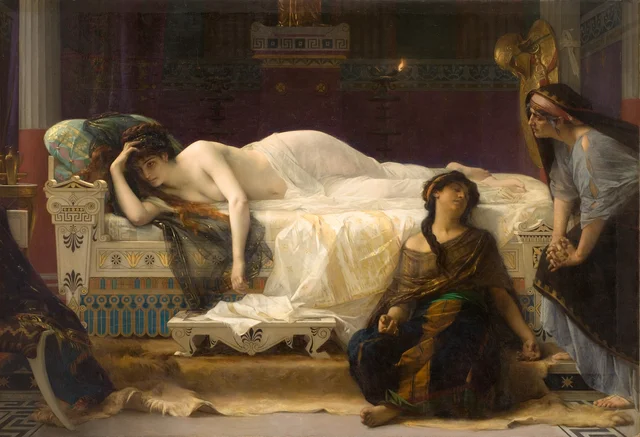 PhaedraAlexandre Cabanel, 1880
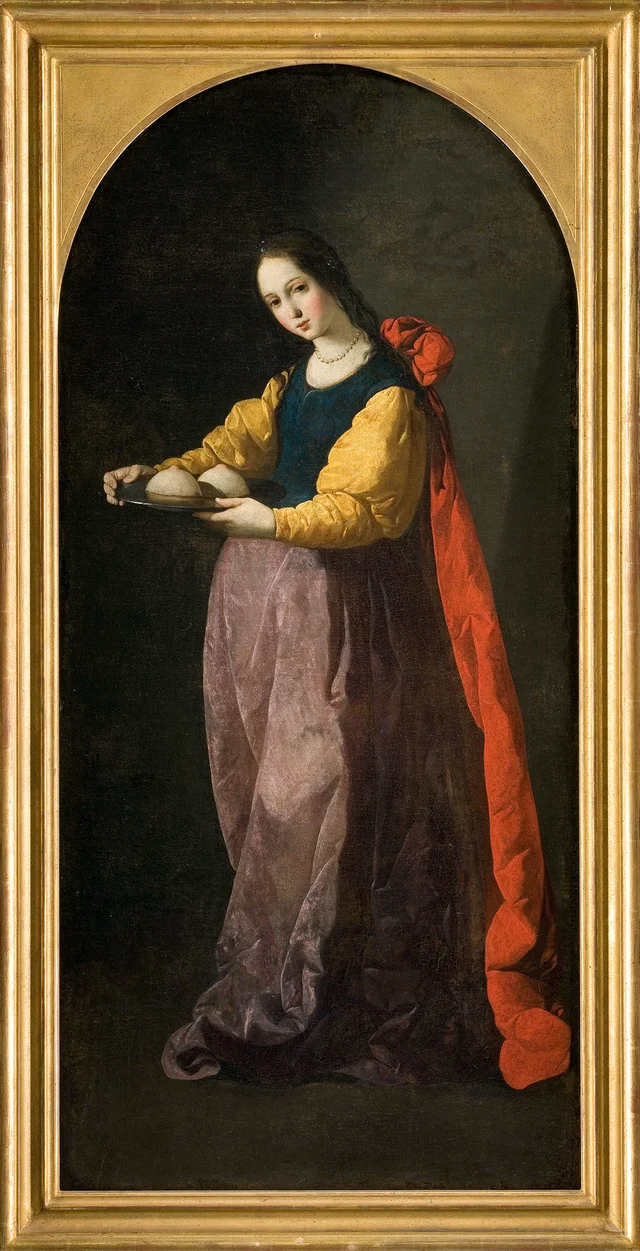 Saint AgathaFrancisco de Zurbarán, 1630
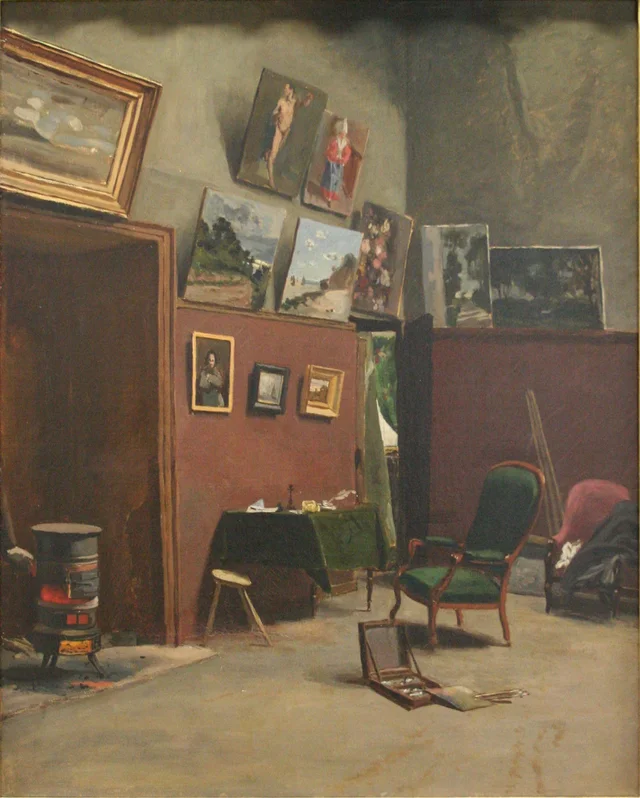 Studio in the Rue de FurstembergFrédéric Bazille, 1865
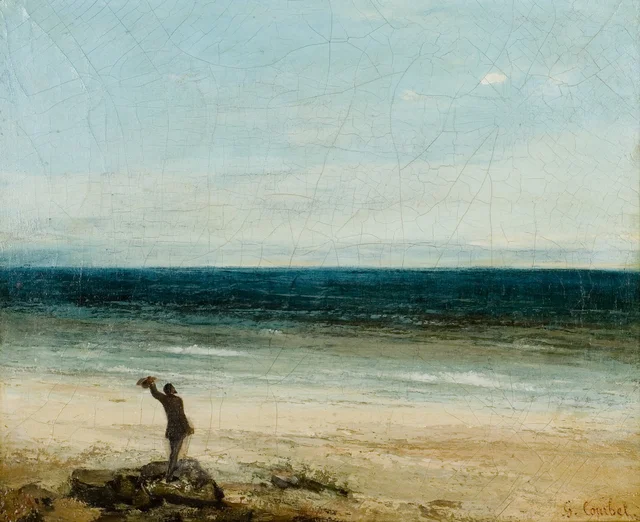 The Beach at PalavasGustave Courbet, 1854
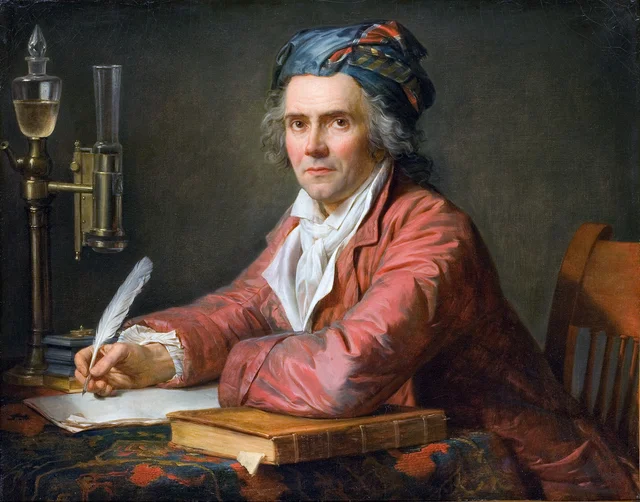 Portrait of Alphonse LeroyJacques-Louis David, 1783
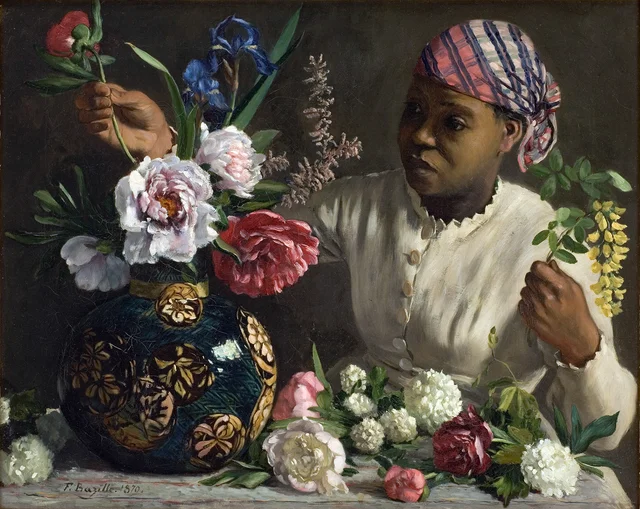 Black Woman with PeoniesFrédéric Bazille, 1870
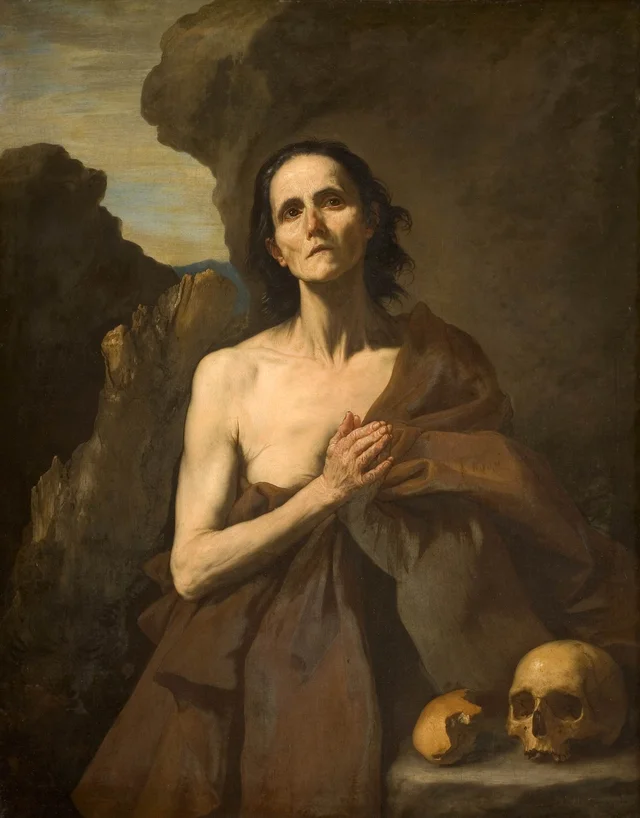 Saint Mary of EgyptJusepe de Ribera, 1641
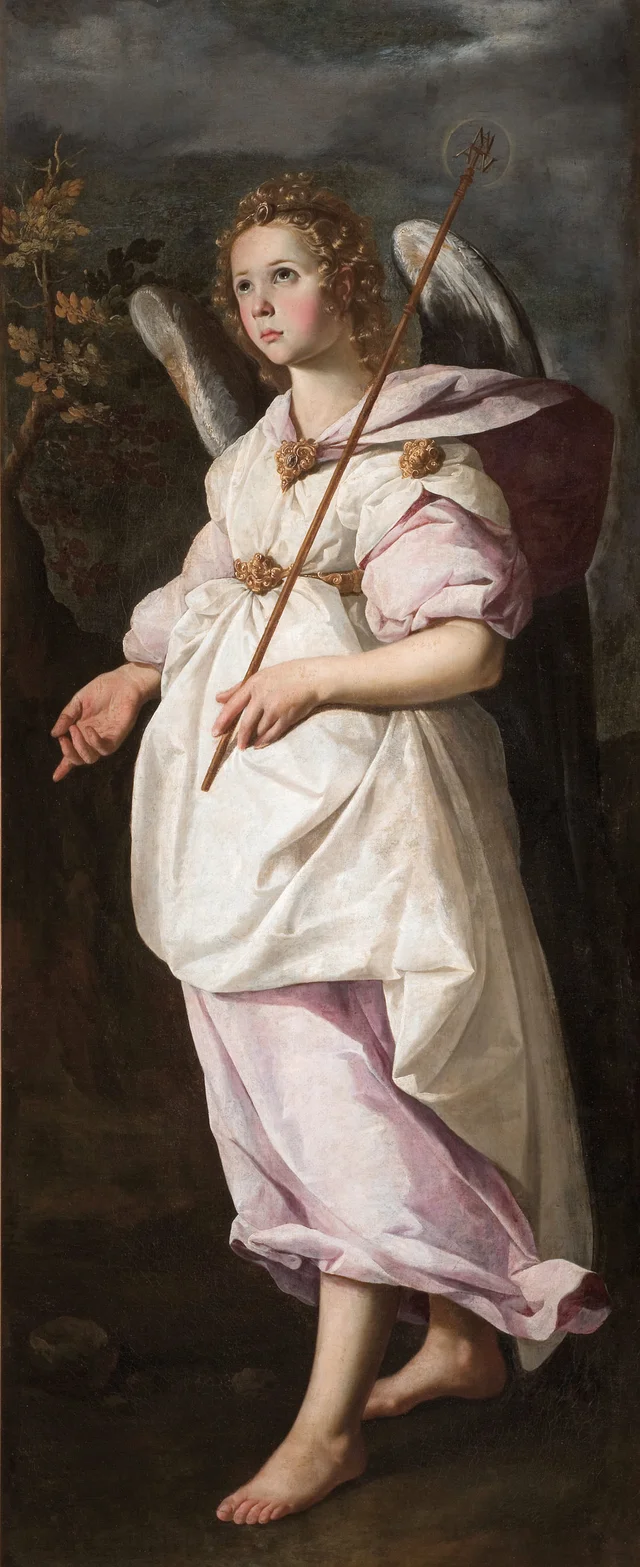 The Archangel GabrielFrancisco de Zurbarán, 1631
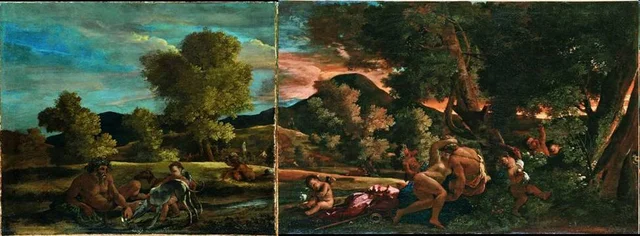 Vénus et Adonis. Paysage de Grottaferrata (right half of Venus and Adonis)Nicolas Poussin, 1625
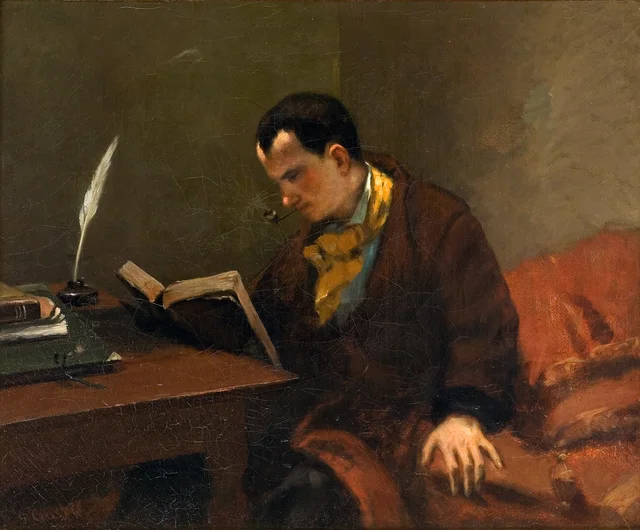 Portrait of BaudelaireGustave Courbet, 1848
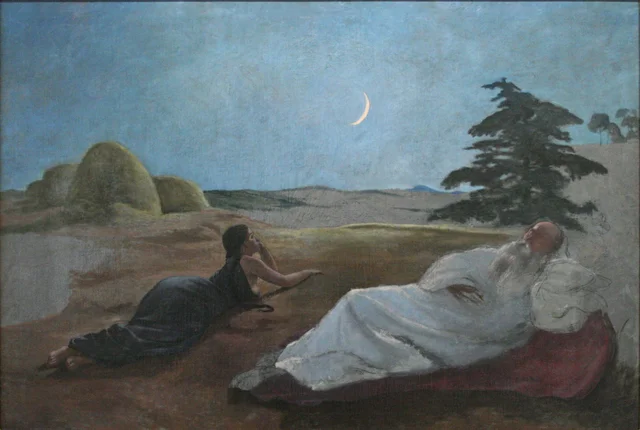 Ruth et BoozFrédéric Bazille, 1870
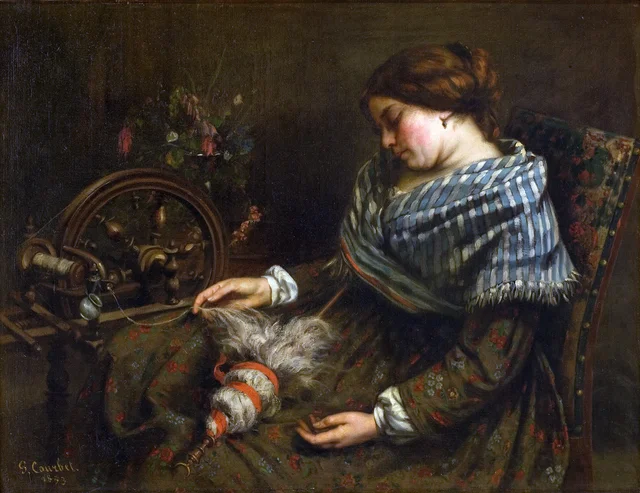 The Sleeping SpinnerGustave Courbet, 1853
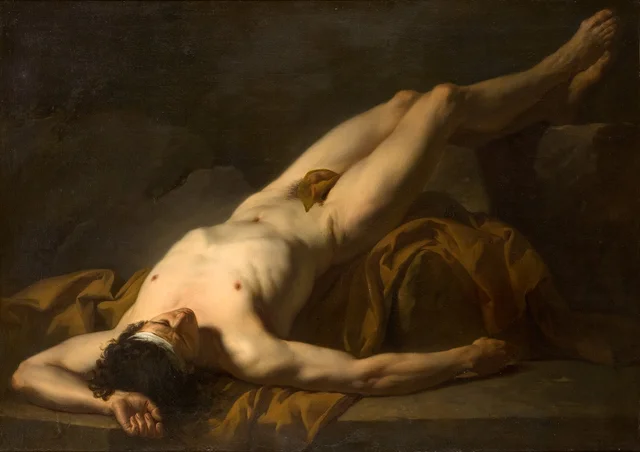 Académie d'homme, HectorJacques-Louis David, 1778
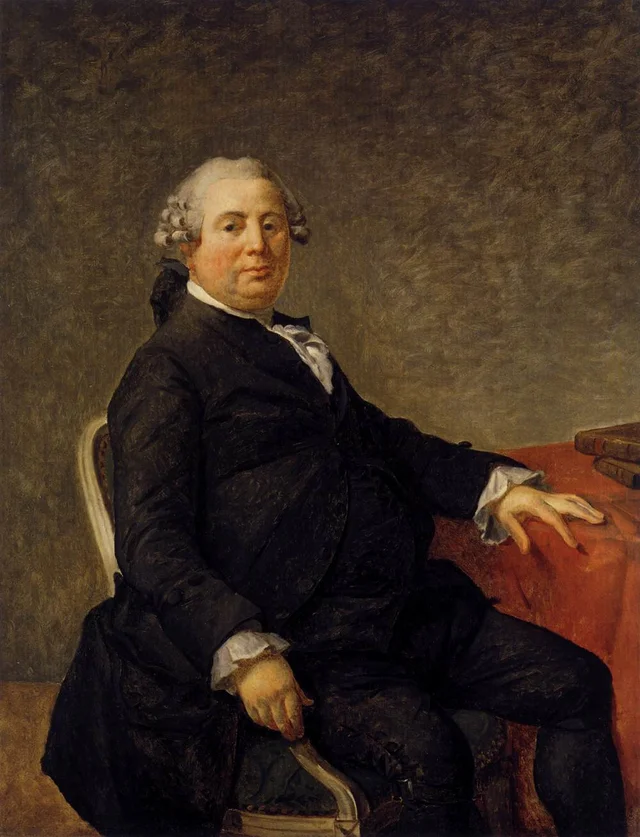 Philippe-Laurent de JoubertJacques-Louis David, 1790
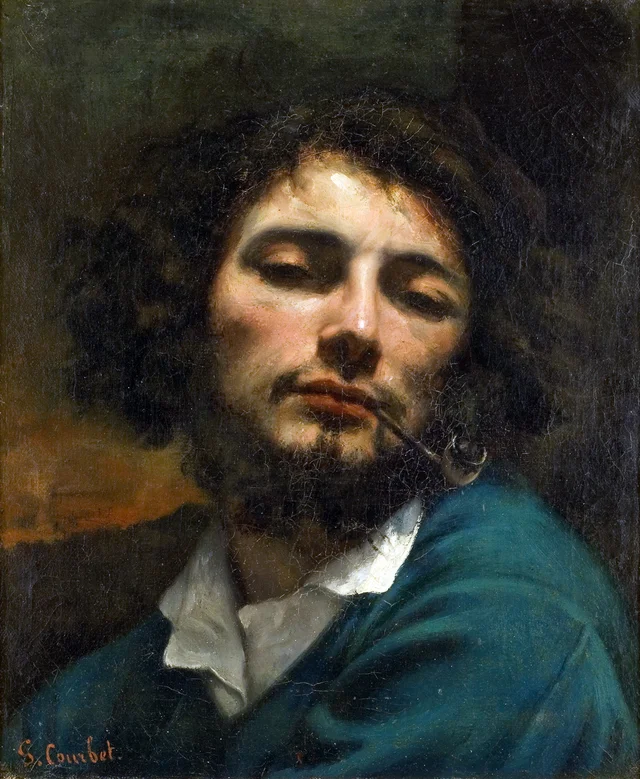 Self-Portrait with PipeGustave Courbet, 1849
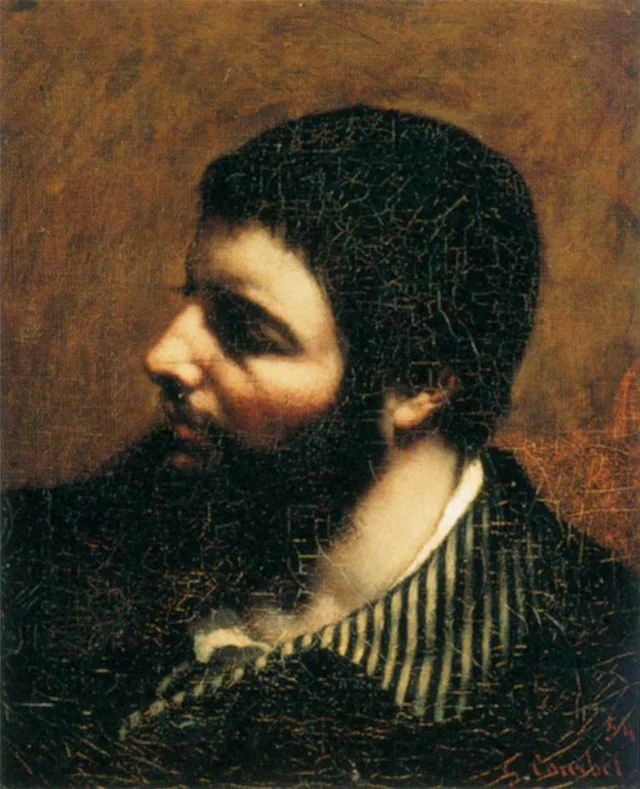 self-portrait with Striped CollarGustave Courbet, 1854
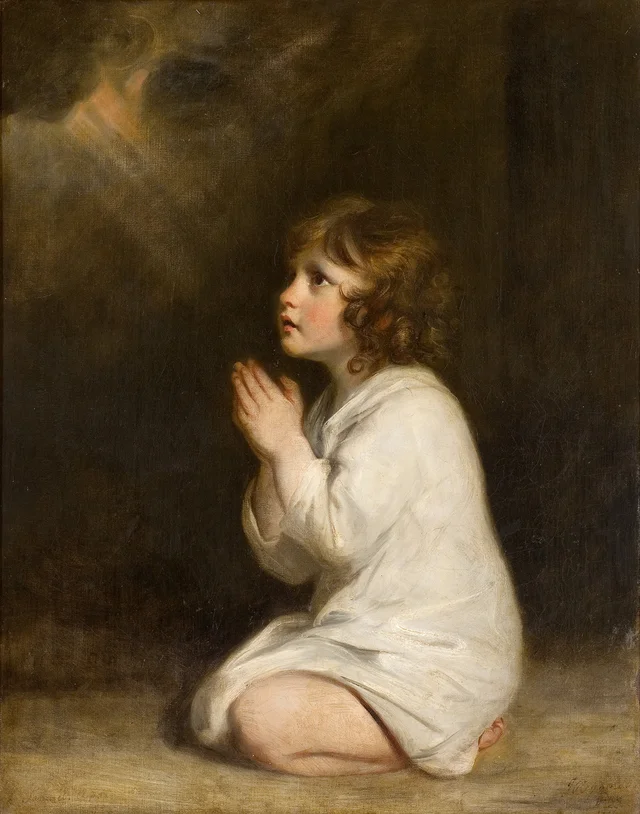 The Infant SamuelJoshua Reynolds, 1777
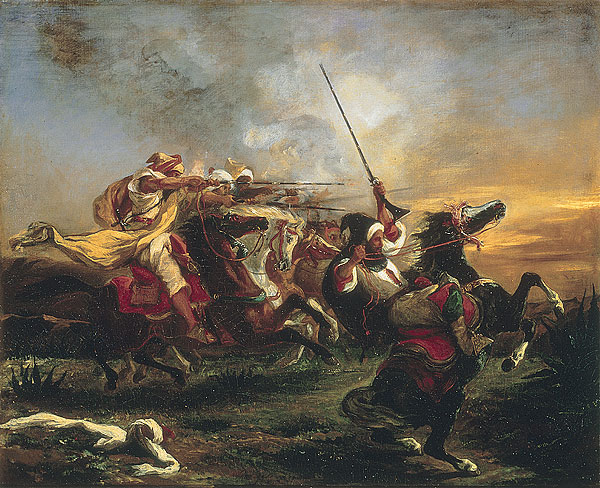 Exercices militaires des marocainsEugène Delacroix, 1832
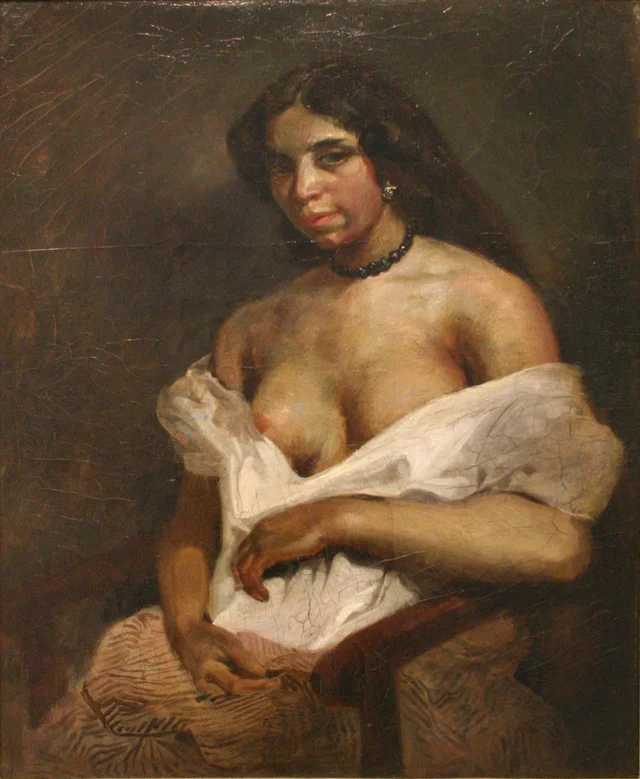 Study after the Model AspasieEugène Delacroix, 1824