The story
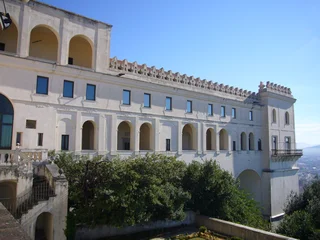
High on the Vomero hill, just below the castle of Sant'Elmo, the old charterhouse of San Martino looks straight down over Naples and its bay. Carthusian monks lived here, with interruptions, from the 14th century until 1866, when the new Italian state took over the complex. A year later it opened as a museum, and the monastery itself, with its cloisters, church and treasury, is a large part of what you come to see.
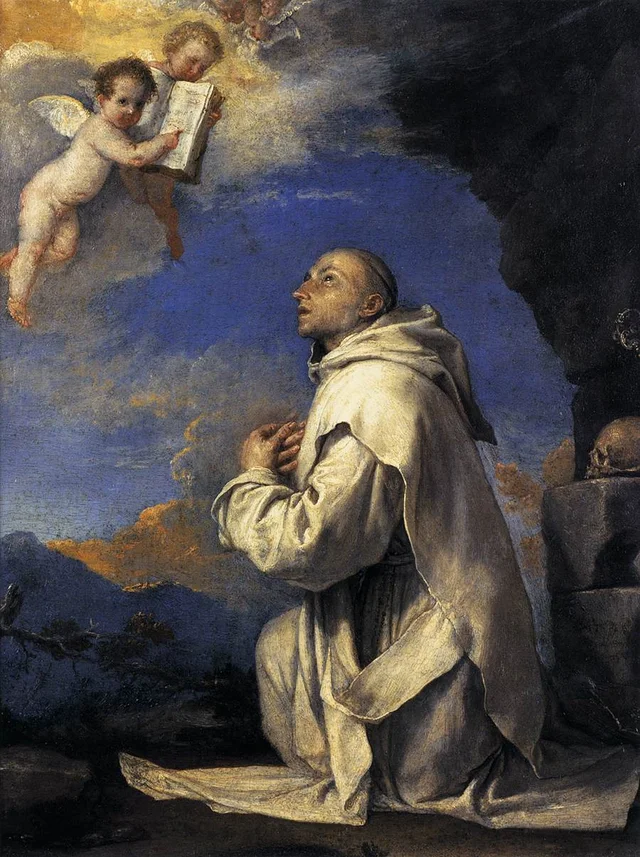
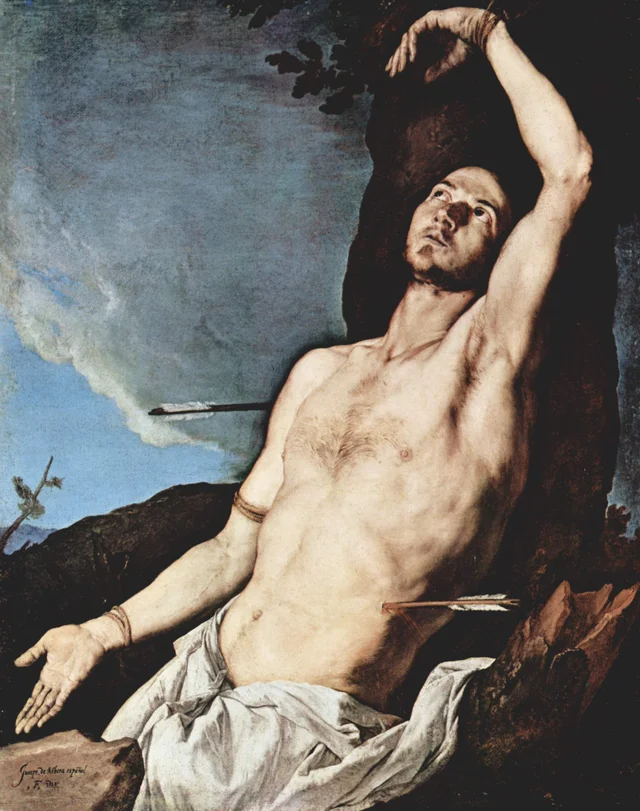
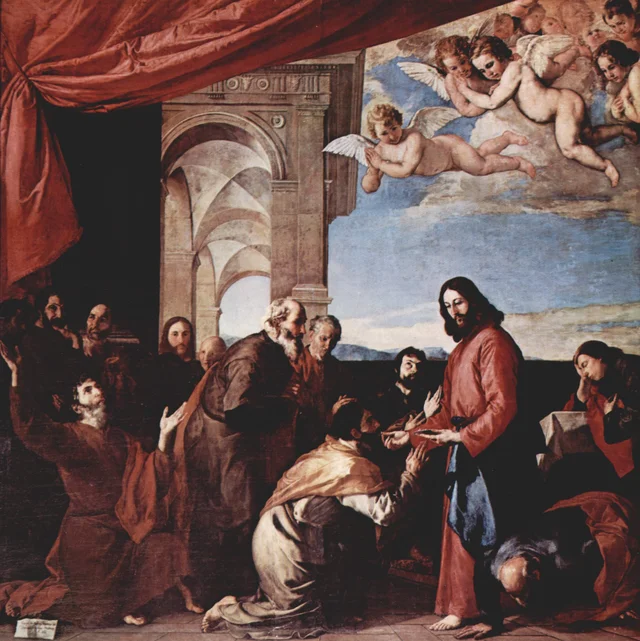
Most of its splendour is Baroque. Cosimo Fanzago, the architect and sculptor who directed the works from 1631 to 1656, covered it in coloured marble, and the monks hired the strongest painters in Naples. Jusepe de Ribera, the Spanish master who made his career in the city, painted his Lamentation over the dead Christ for them in 1637, and it still hangs in the monastery's treasury chapel. His Saint Bruno, founder of the Carthusian order, receiving the Rule and a late Saint Sebastian are here as well.
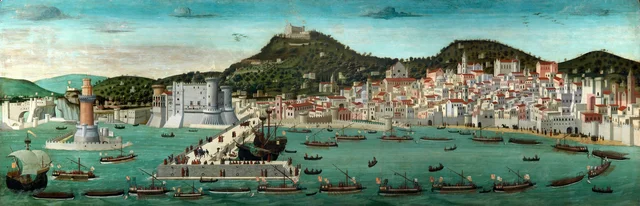
In the museum rooms the city looks back at itself. The Tavola Strozzi, a panel from the 1470s linked to the Florentine banker Filippo Strozzi, shows Naples from the sea as the Aragonese fleet sails home after a victory in 1465. It is usually given to Francesco Rosselli, though other Florentine painters have been proposed. Nearby is the great 18th-century Neapolitan nativity scene given by the collector Michele Cuciniello, crowded with shepherds, musicians and street vendors.