The story
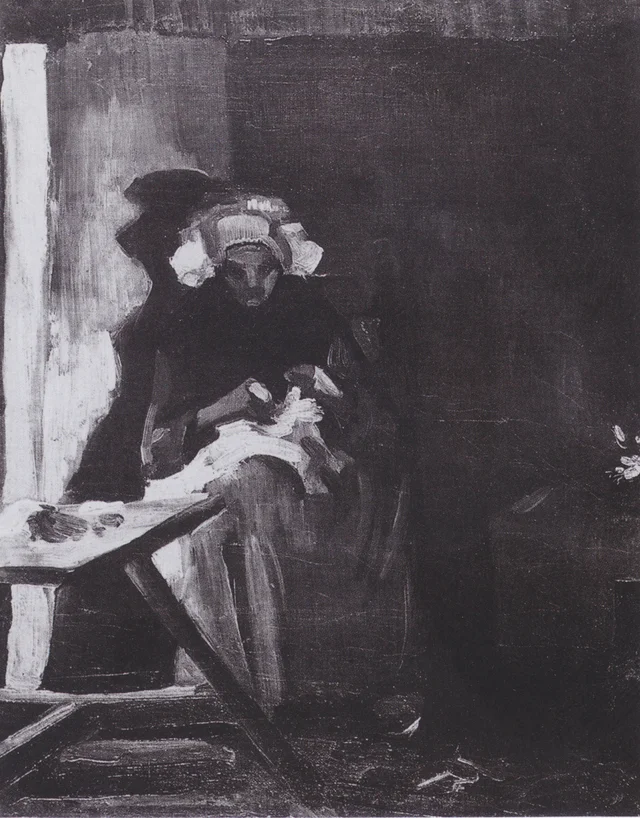
Georg Schäfer ran a ball-bearing empire in Schweinfurt and spent his fortune on a single, unfashionable love: German painting of the 19th century, at a time when the market chased the French. By his death he had gathered one of the largest private holdings of it anywhere.
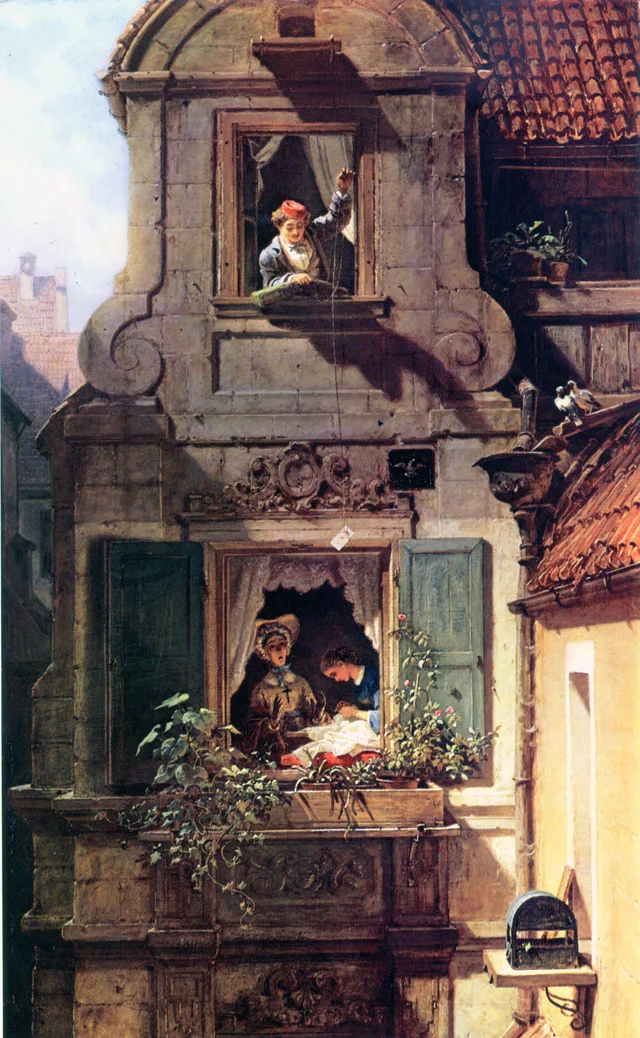
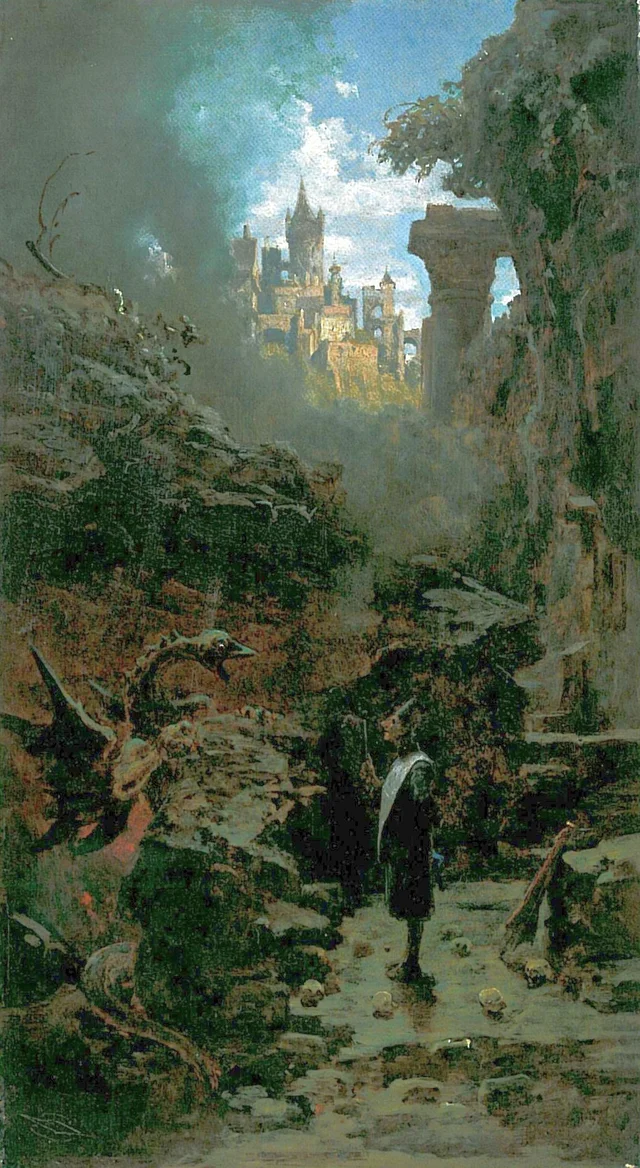
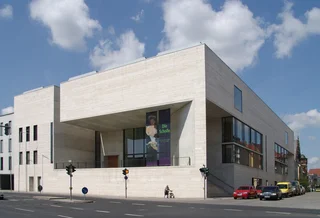
The museum that opened in 2000 to show it, a sharp travertine-and-glass cube by the Berlin architect Volker Staab, stands above the Main river. Its heart is the world's largest collection of Carl Spitzweg, the Munich painter of small, wry scenes of provincial life, including his best-known image, The Bookworm, of an old scholar perched on a library ladder with books clamped under both arms.
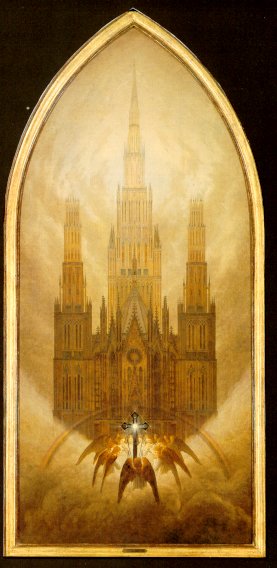
Around Spitzweg hang Caspar David Friedrich's quiet Baltic evening, Menzel, Leibl and the German Romantics, roughly 270 paintings covering the years from 1760 to 1930.