The story
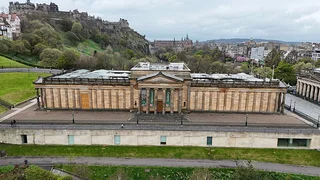
In the middle of Edinburgh, on an artificial hill called the Mound that links the old and new towns, stand two Greek-temple buildings in honey-coloured sandstone. The southern one is the Scottish National Gallery, designed by the city's great classical architect William Henry Playfair and opened in 1859.
Inside, the walls are a deep red, and the Scottish collection is a draw in its own right. The best-loved picture is Henry Raeburn's small portrait of a clergyman skating on a frozen loch outside Edinburgh, arms folded, gliding, painted around 1795 and known to everyone here as the Skating Minister.
The gallery also reaches well beyond Scotland. It shares with London's National Gallery two of Titian's great mythologies, 'Diana and Actaeon' and 'Diana and Callisto', painted in the 1550s for the king of Spain, which the two museums bought together to keep in Britain. Around them hang Botticelli, Raphael, Velazquez's early kitchen scene of an old woman frying eggs, and a strong run of Impressionists. Entry to the permanent collection is free.
Collection
52 works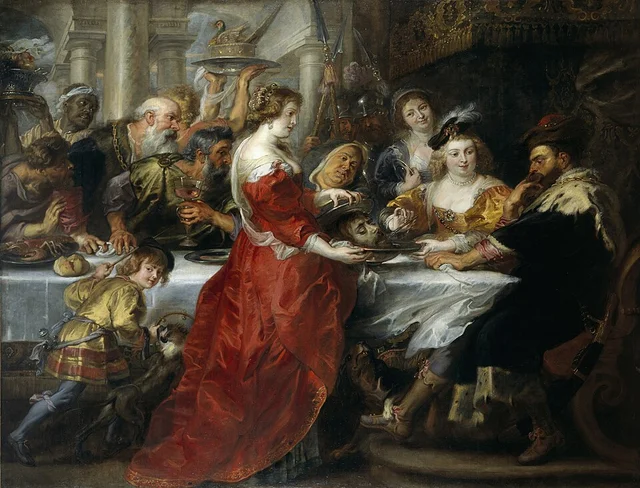 The Feast of HerodPeter Paul Rubens, 1636
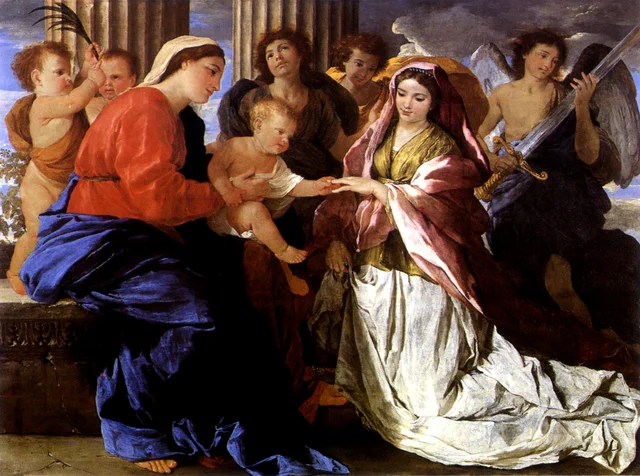 The Mystic Marriage of Saint CatherineNicolas Poussin, 1628
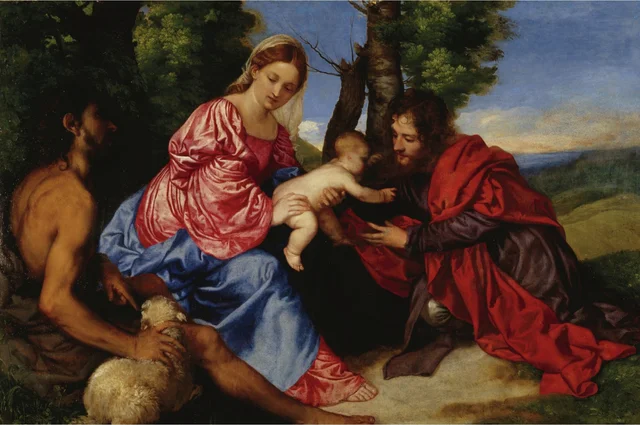 The Virgin and Child with St John the Baptist and an Unidentified SaintTitian, 1517
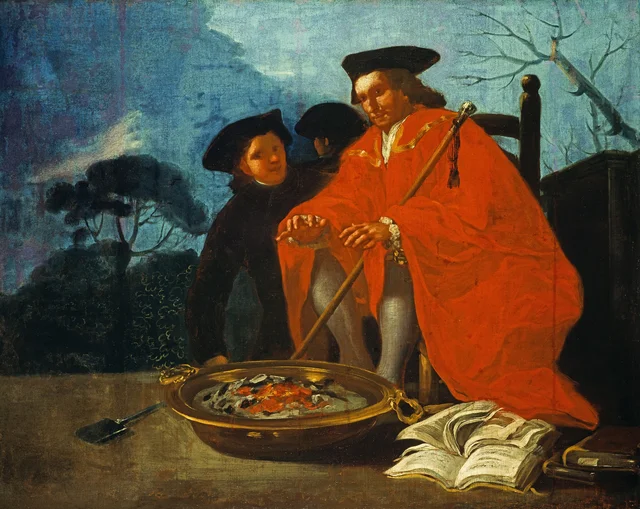 El MédicoFrancisco Goya, 1780
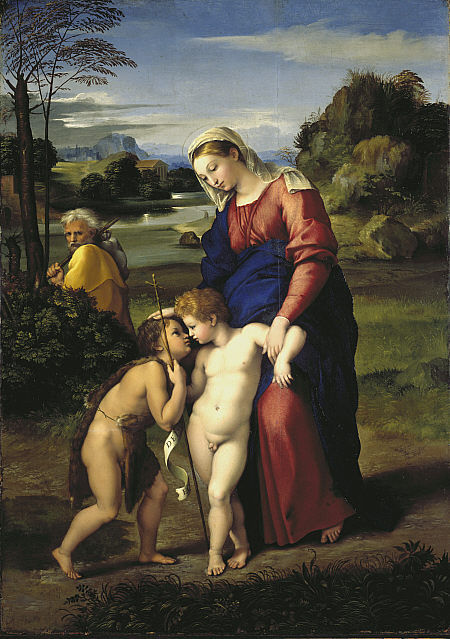 Madonna del PasseggioRaphael, 1516
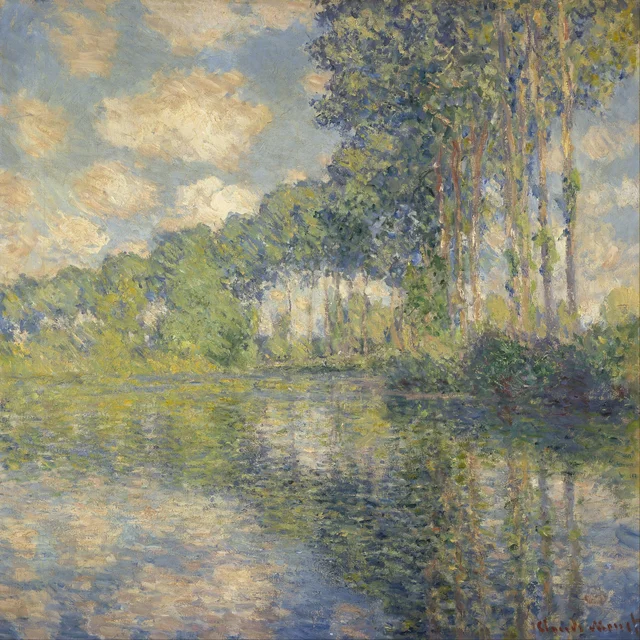 Poplars on the EpteClaude Monet, 1891
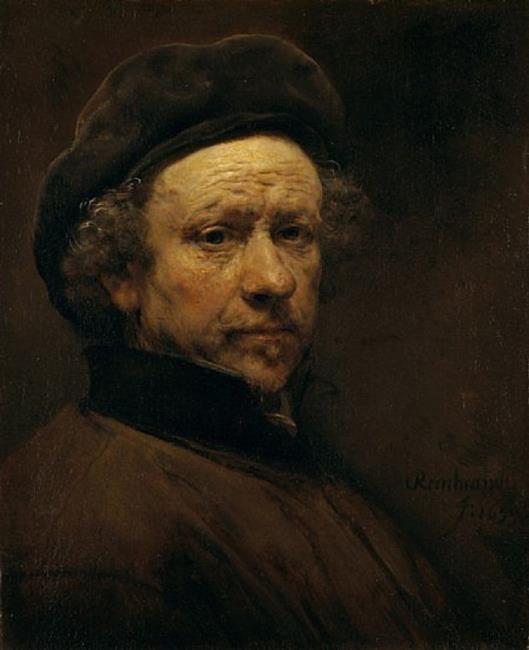 Self-portraitRembrandt, 1657
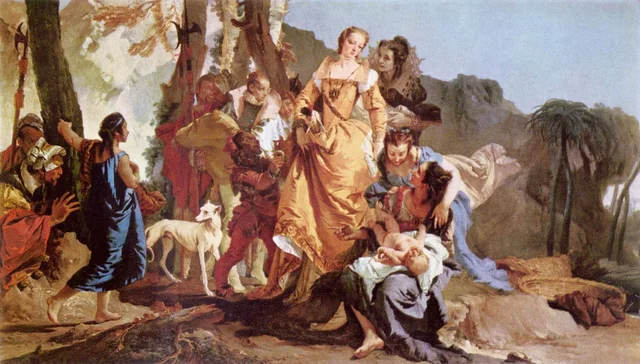 The Finding of MosesGiovanni Battista Tiepolo, 1740
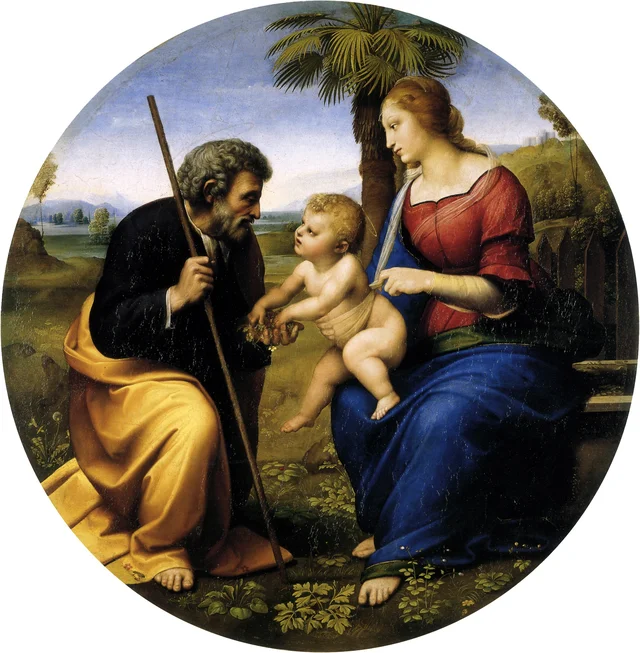 The Holy Family With a Palm TreeRaphael, 1506
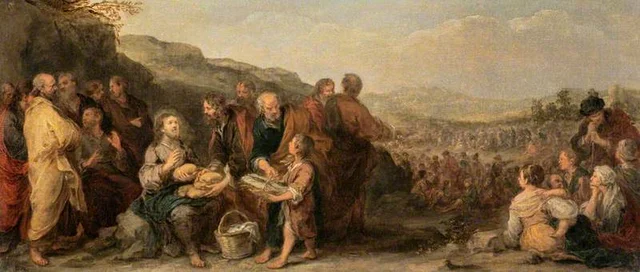 The Miracle of the Loaves and the FishesBartolomé Esteban Murillo, 1674
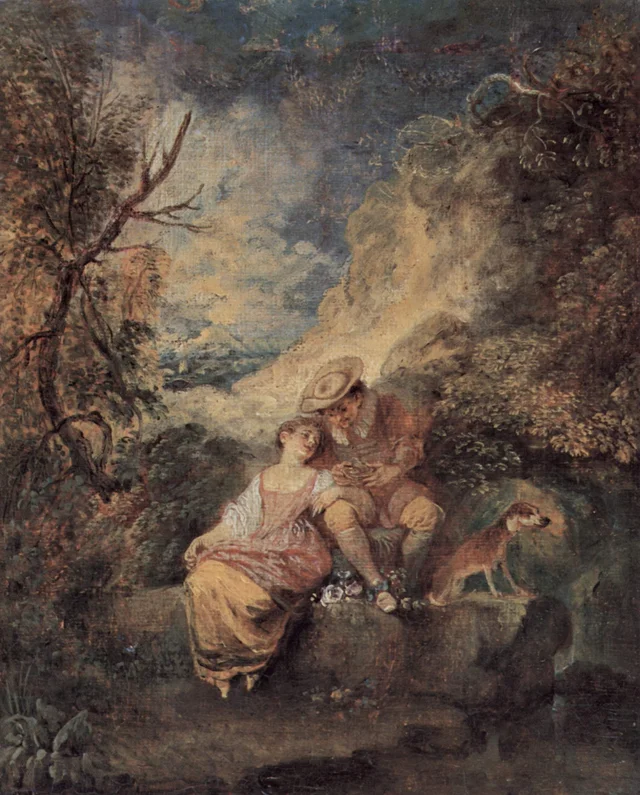 The Robber of the Sparrow's NestJean-Antoine Watteau, 1712
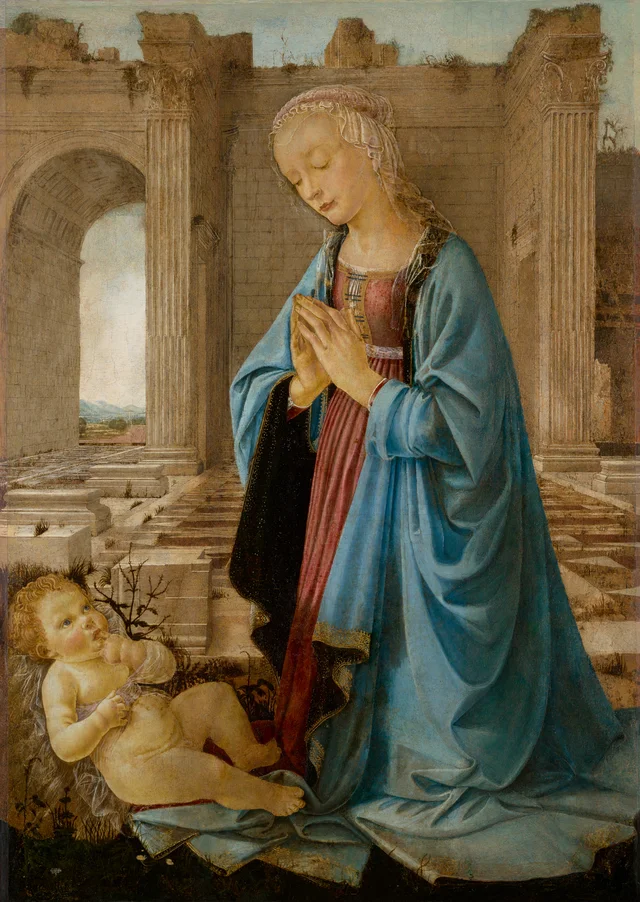 The Virgin Adoring the Christ ChildAndrea del Verrocchio, 1470
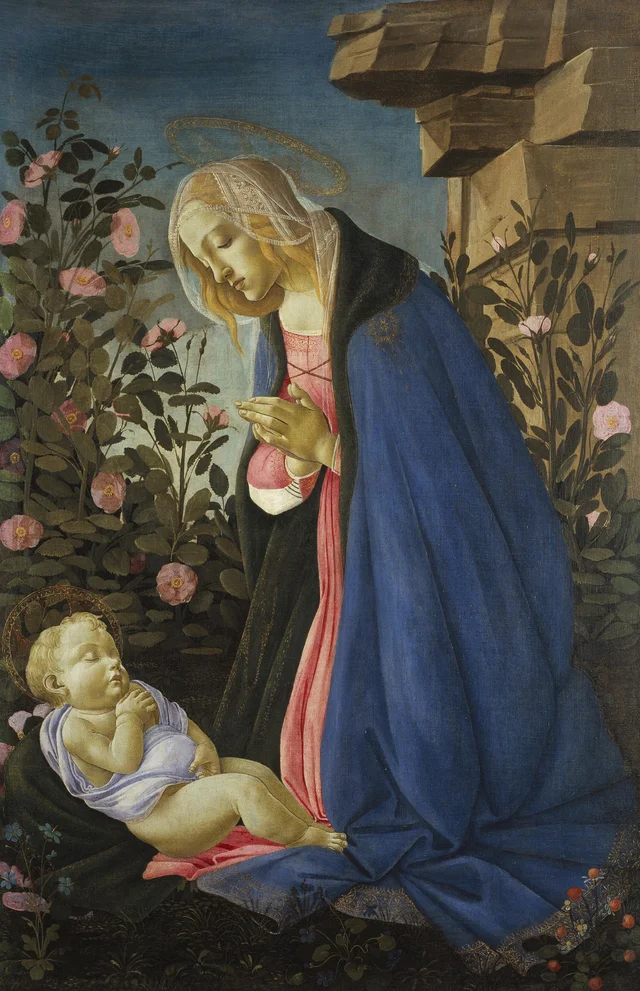 The Virgin Adoring the Sleeping Christ ChildSandro Botticelli, 1485
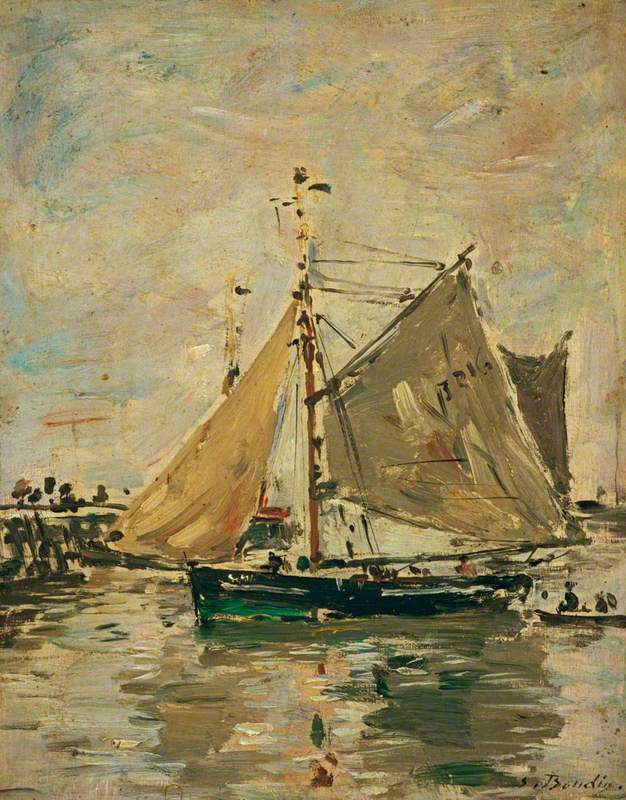 A Fishing Boat, TrouvilleEugène Louis Boudin, 1894
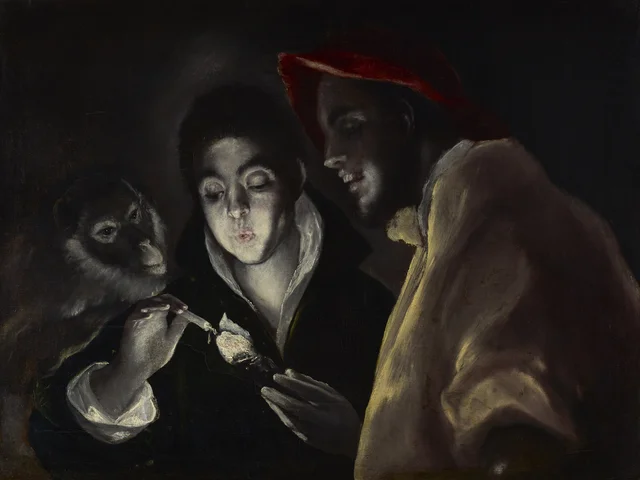 An Allegory (Fàbula)El Greco, 1582
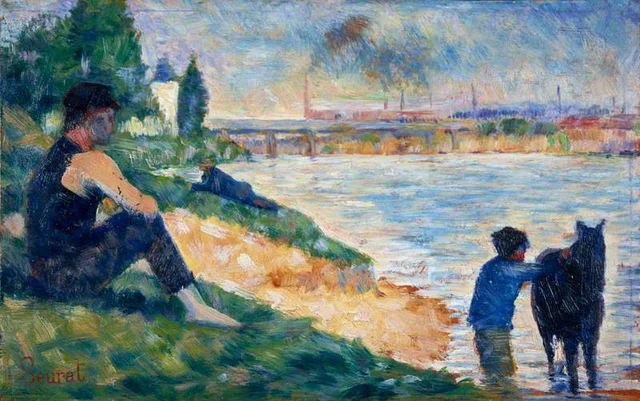 Bathers at Asnières (Study III)Georges Seurat, 1883
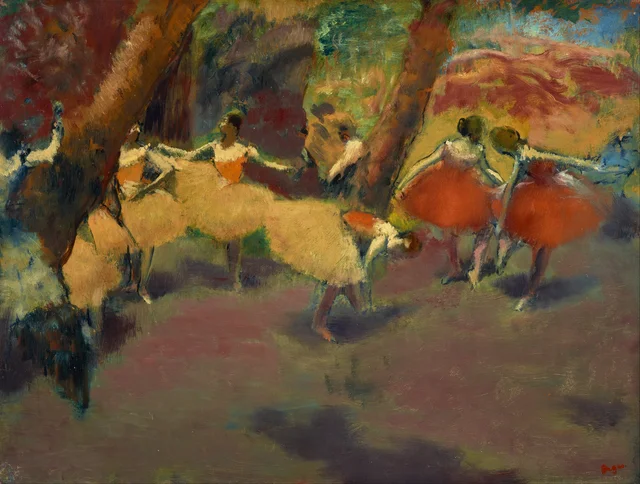 Before the PerformanceEdgar Degas, 1896
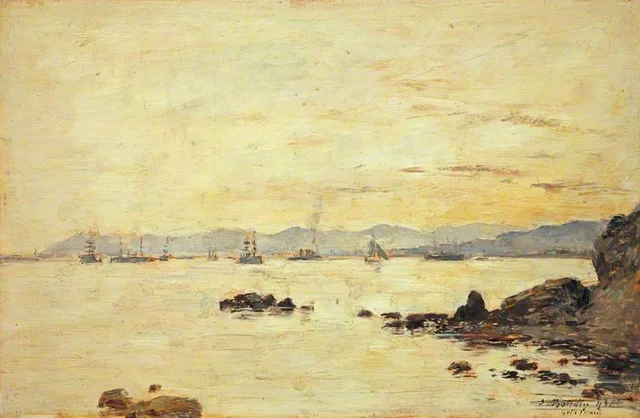 Golfe-JuanEugène Louis Boudin, 1893
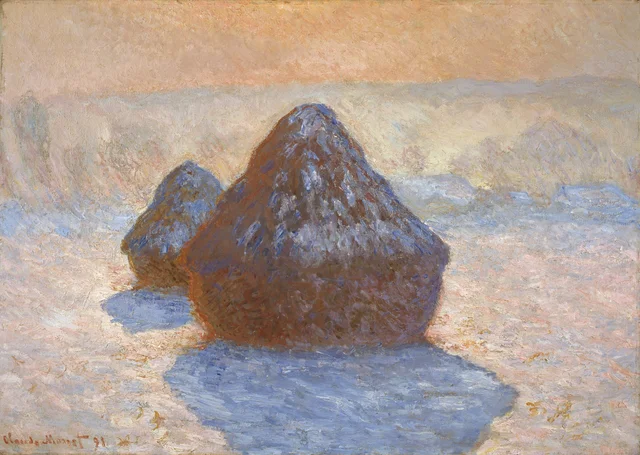 Haystacks: Snow EffectClaude Monet, 1891
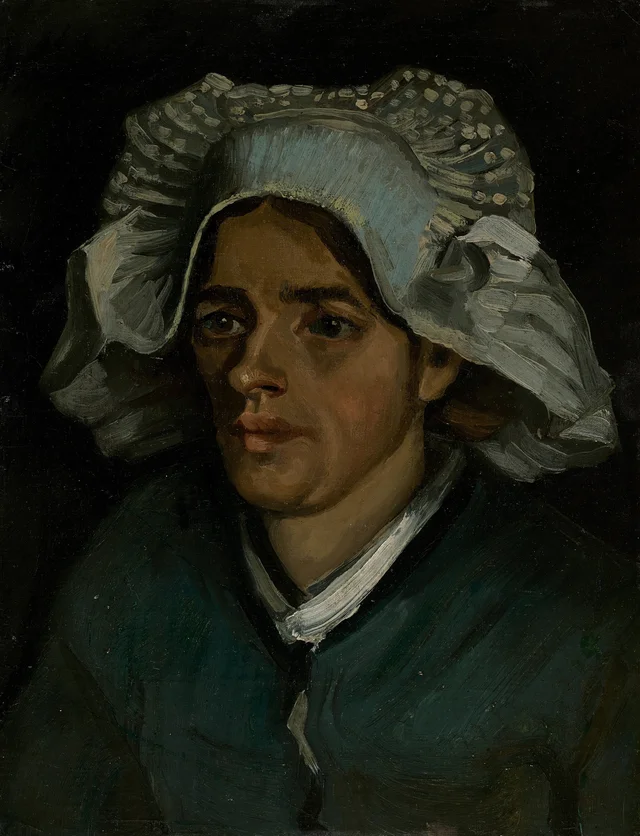 Head of a Peasant WomanVincent van Gogh, 1885
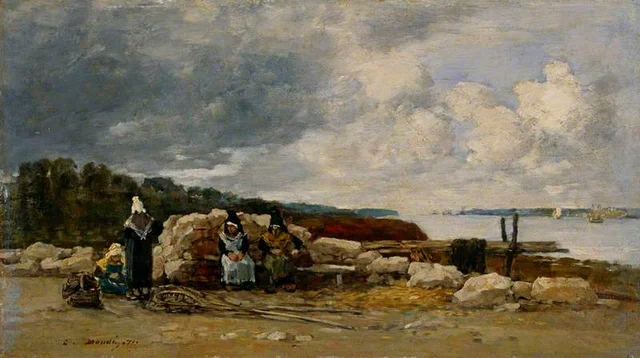 Plougastel: Shrimp FisherwomenEugène Louis Boudin, 1871
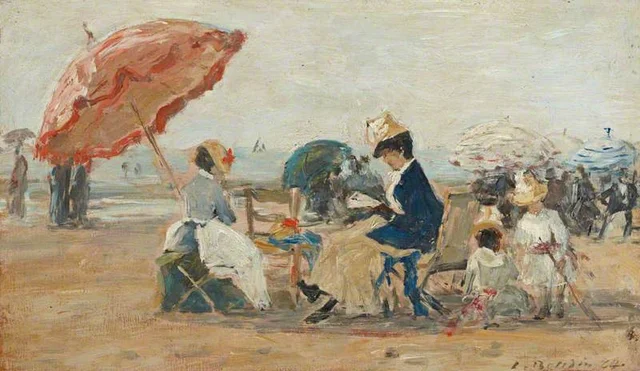 The Beach at TrouvilleEugène Louis Boudin, 1884
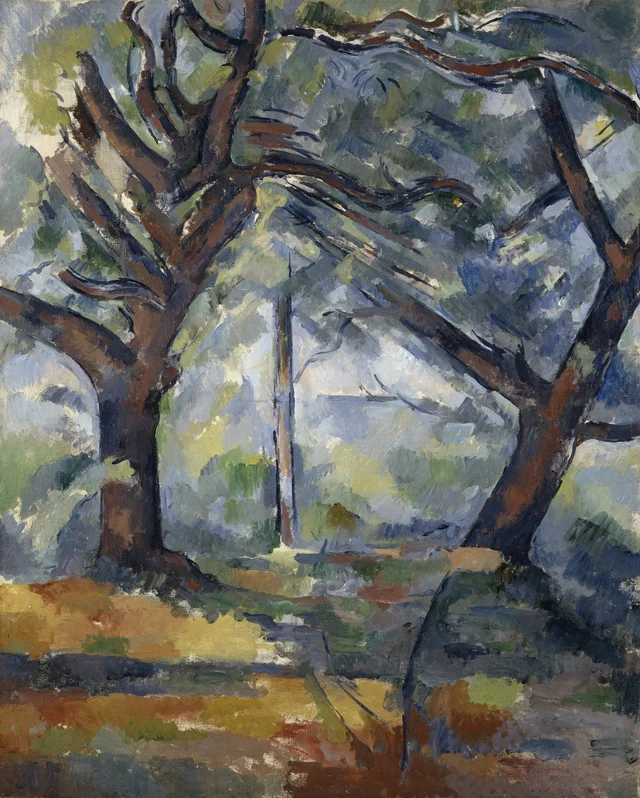 The Big TreesPaul Cézanne, 1904
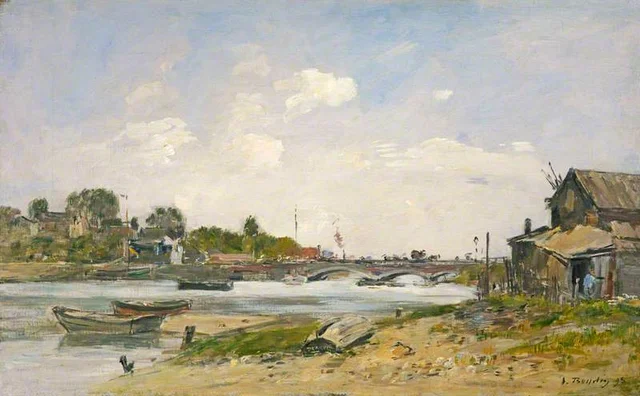 The Bridge over the Touques at DeauvilleEugène Louis Boudin, 1895
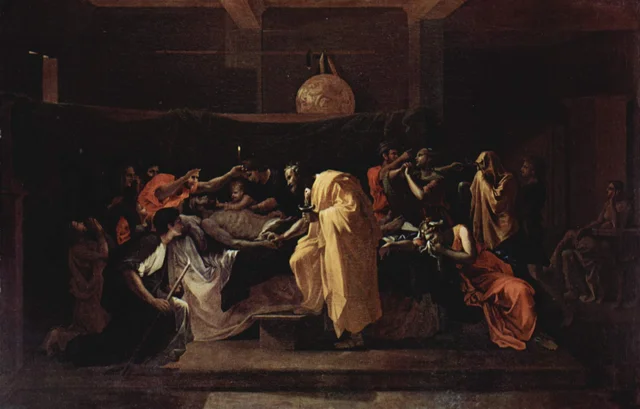 The Sacrament of Extreme UnctionNicolas Poussin, 1644