The story
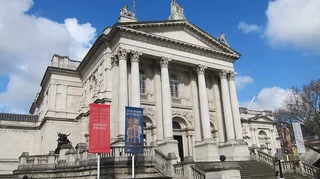
The ground Tate Britain stands on beside the Thames was once the largest prison in London. Millbank Penitentiary held convicts here, many of them awaiting transport to Australia, until it was demolished around 1890. On the cleared site the sugar magnate Henry Tate, who had offered the nation his own collection of modern British paintings, helped pay for a new gallery, which opened in 1897.
Its subject is British art, from the 16th century to now: Hogarth and Gainsborough, the Pre-Raphaelites, Constable, Stanley Spencer, Francis Bacon and David Hockney, telling the story of art made in these islands under one roof.
At its heart is Turner. When J.M.W. Turner died in 1851 he left the nation the huge contents of his studio, thousands of paintings and works on paper, on the wish that they be kept together. That Turner Bequest finally got a home built for it in 1987, the Clore Gallery, a wing added to one side of the museum, where his storms and burning sunsets hang in daylit rooms overlooking the river he painted so often.
Collection
77 works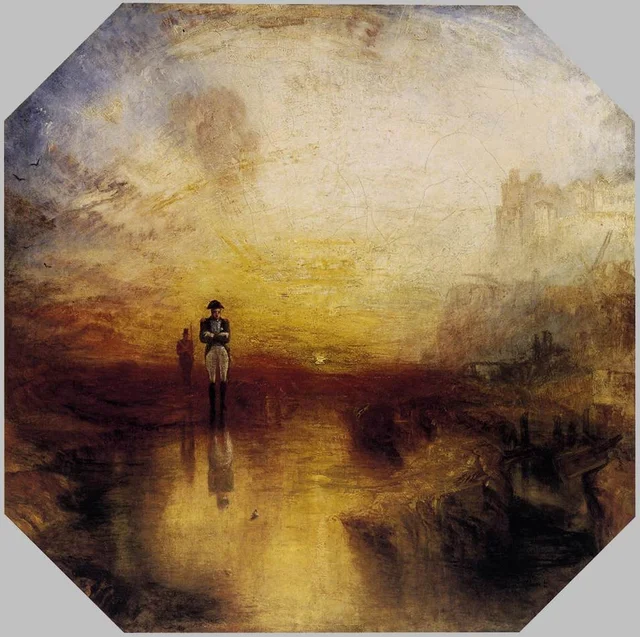 War. The Exile and the Rock LimpetJ. M. W. Turner, 1842
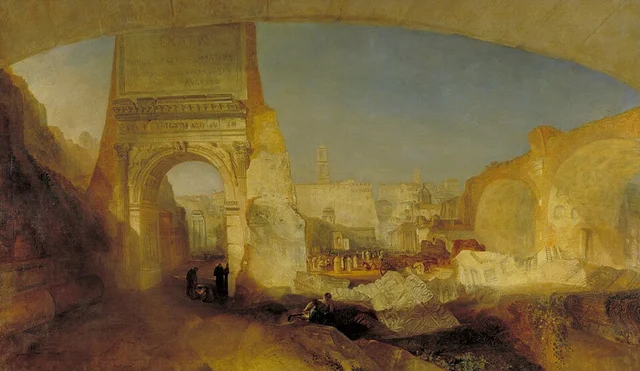 Forum Romanum, for Mr Soane's MuseumJ. M. W. Turner, 1826
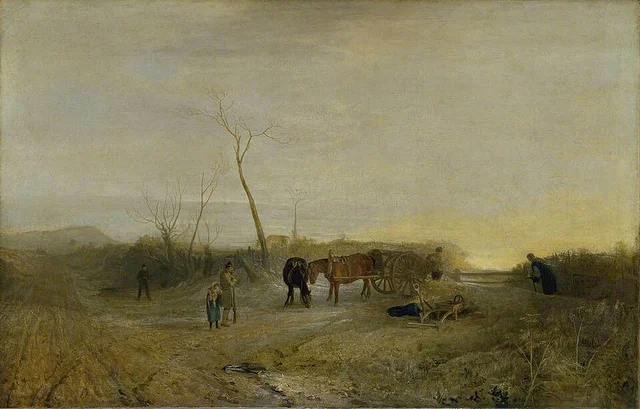 Frosty morningJ. M. W. Turner, 1813
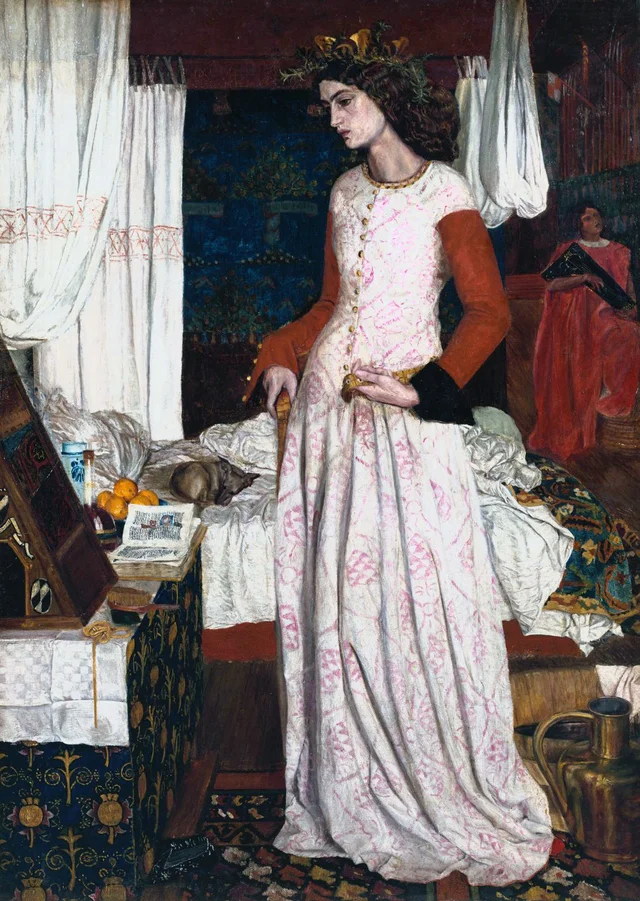 La Belle IseultWilliam Morris, 1858
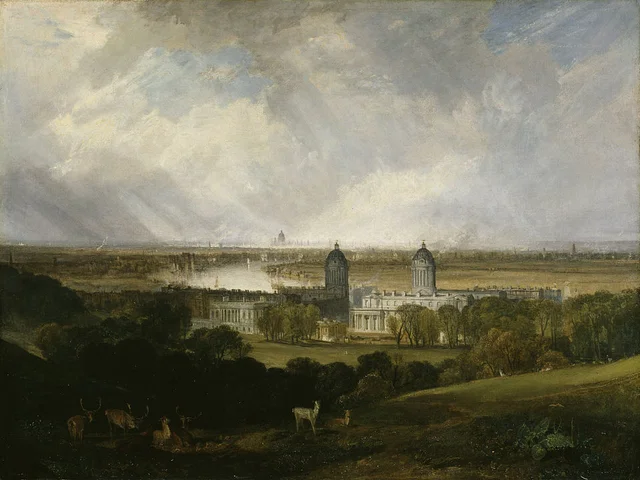 London from Greenwich ParkJ. M. W. Turner, 1809
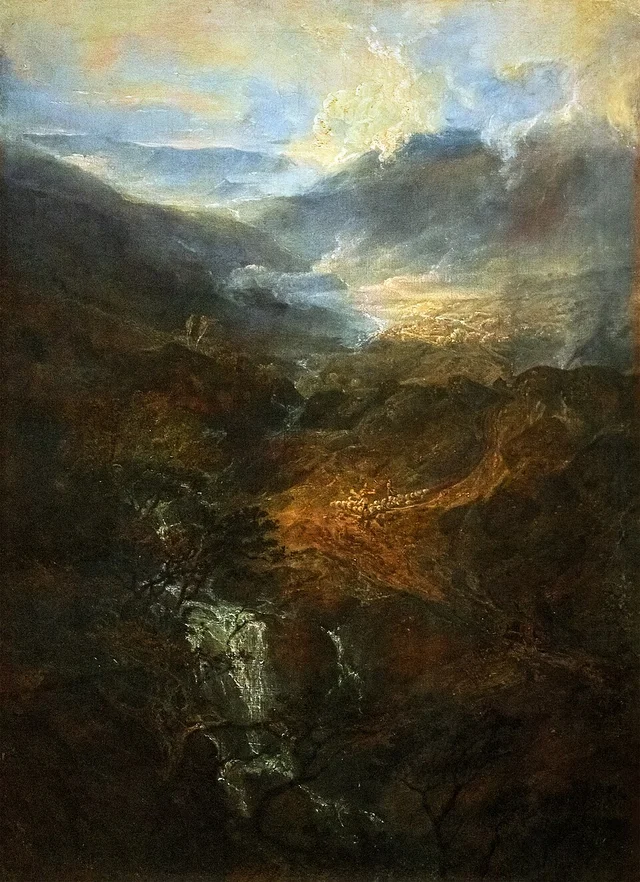 Morning amongst the Coniston Fells, CumberlandJ. M. W. Turner, 1798
 Portrait of Master Crewe as Henry VIIIJoshua Reynolds, 1775
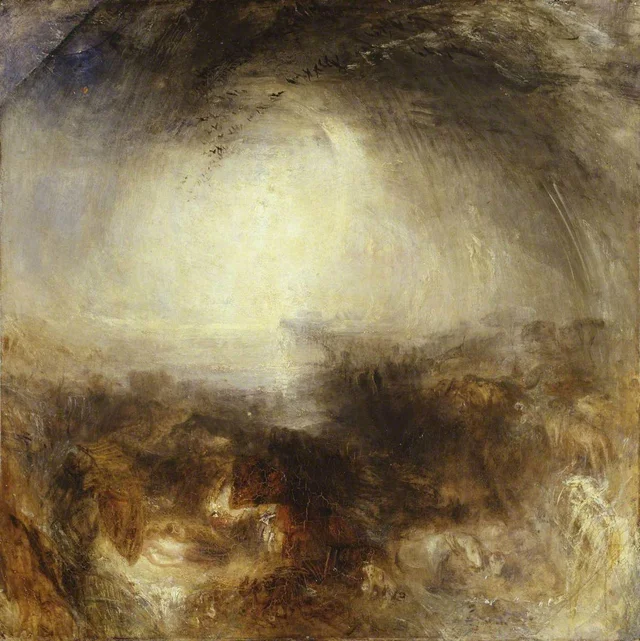 Shade and DarknessJ. M. W. Turner, 1843
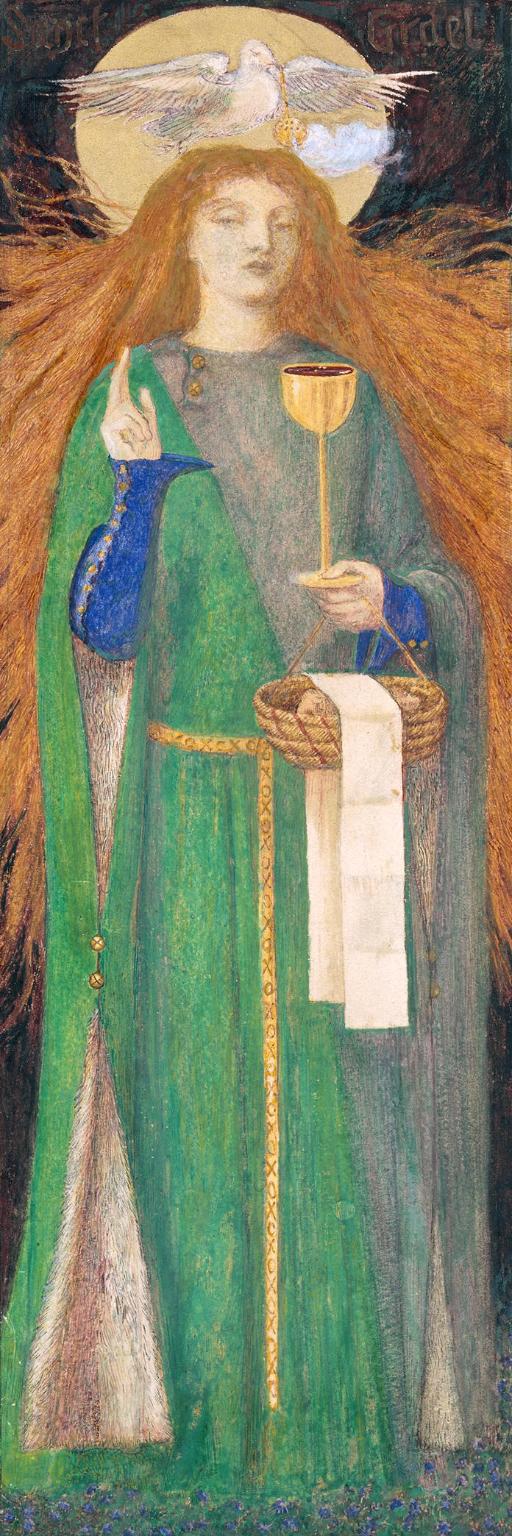 The Damsel of Sanct GraelDante Gabriel Rossetti, 1857
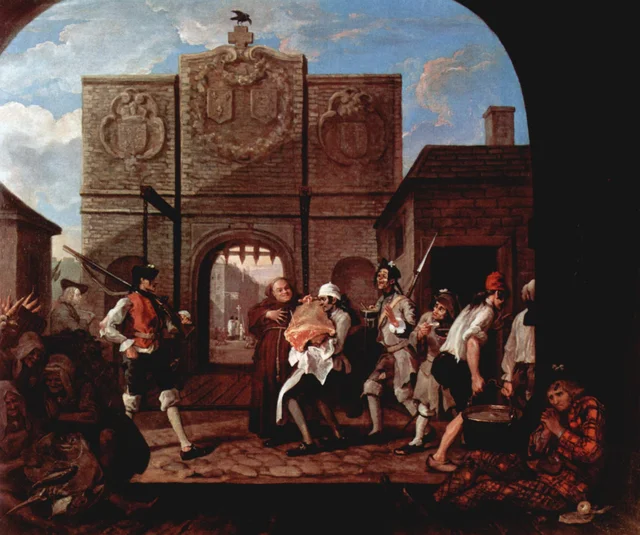 The Gate of CalaisWilliam Hogarth, 1748
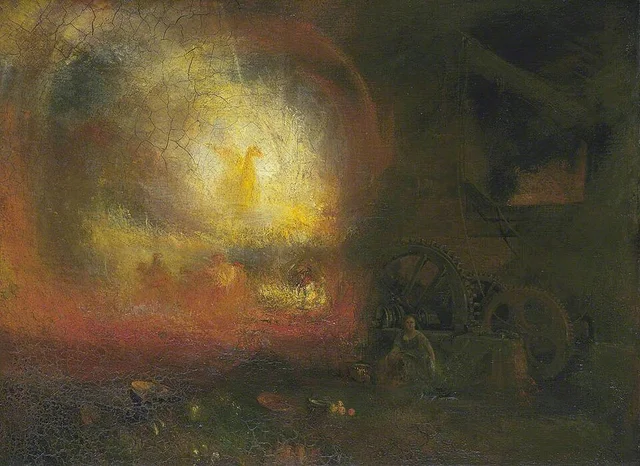 The Hero of a Hundred FightsJ. M. W. Turner, 1847
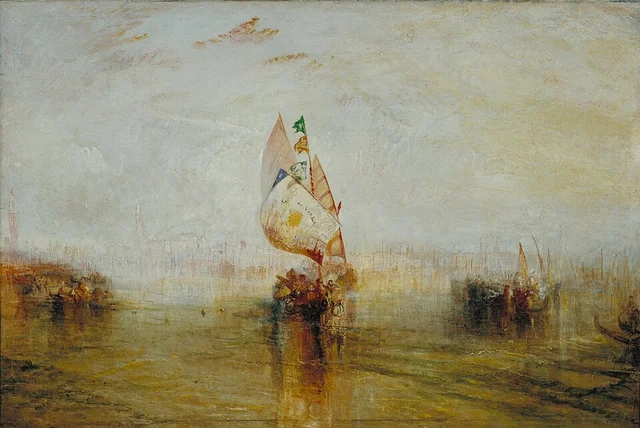 The Sun of Venice Going to SeaJ. M. W. Turner, 1843
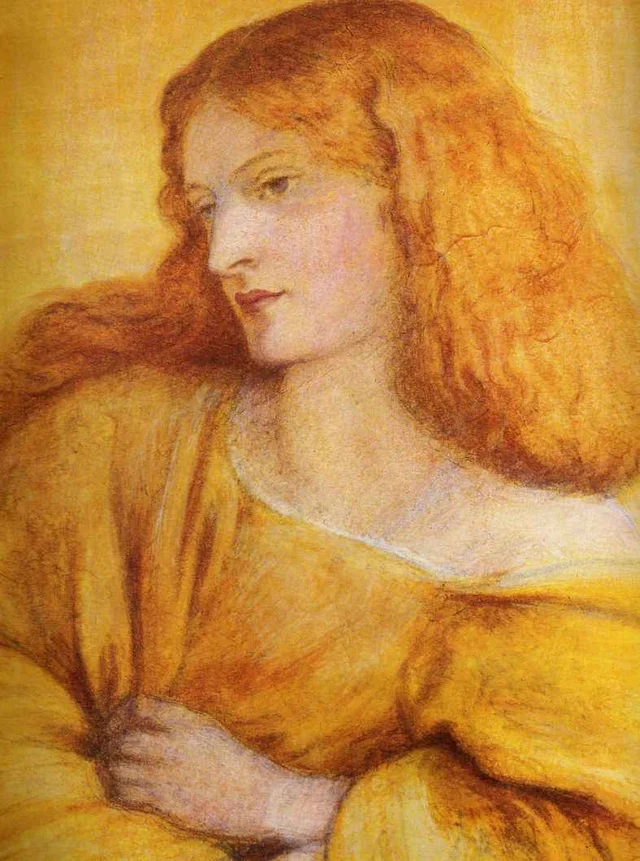 Woman in YellowDante Gabriel Rossetti, 1863
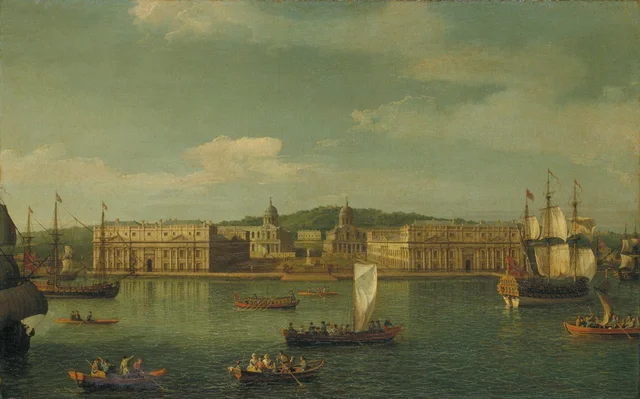 A View of Greenwich from the RiverCanaletto, 1752
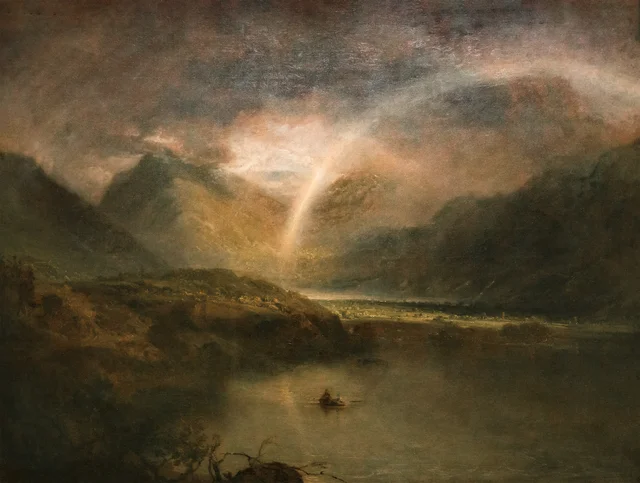 Buttermere Lake, with Part of Cromackwater, Cumberland, a ShowerJ. M. W. Turner, 1797
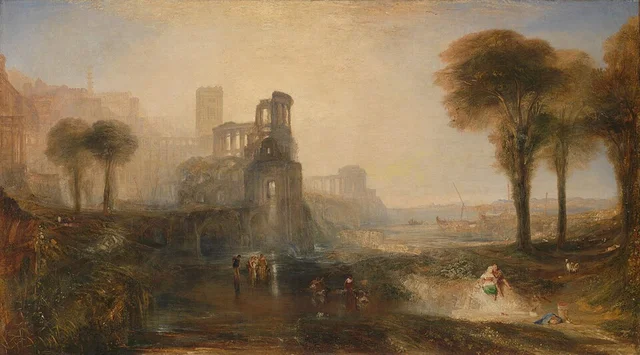 Caligula's Palace and BridgeJ. M. W. Turner, 1831
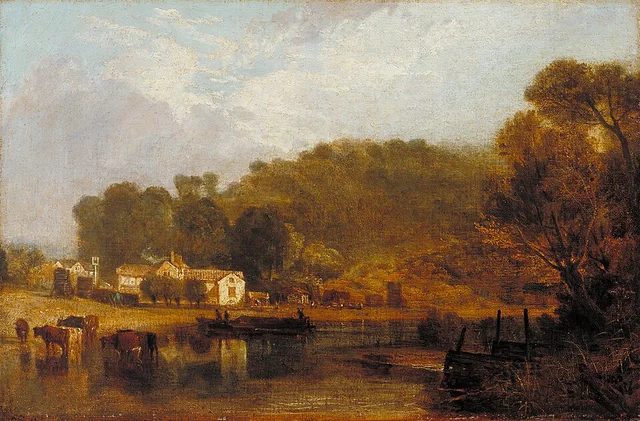 Cliveden on ThamesJ. M. W. Turner, 1807
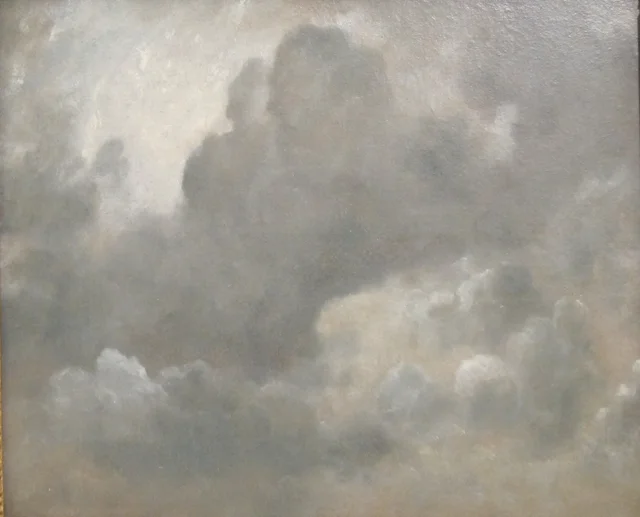 Cloud studyJohn Constable, 1822
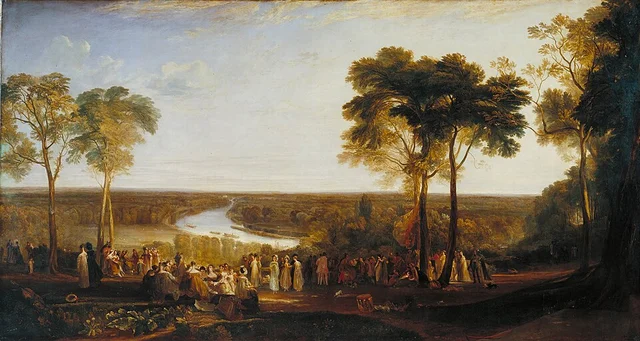 England: Richmond Hill, on the Prince Regent's BirthdayJ. M. W. Turner, 1819
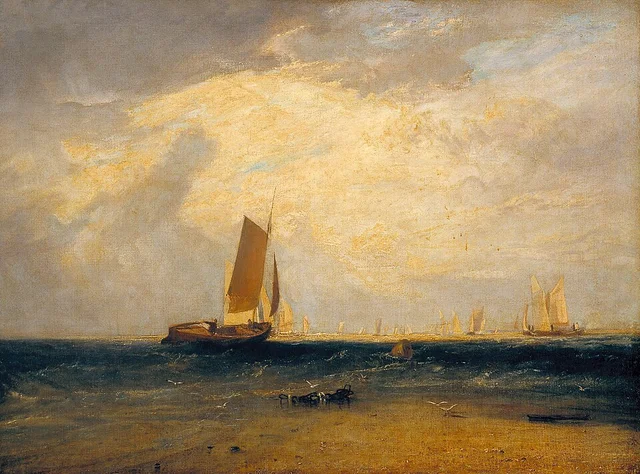 Fishing upon the Blythe-Sand, Tide Setting InJ. M. W. Turner, 1809
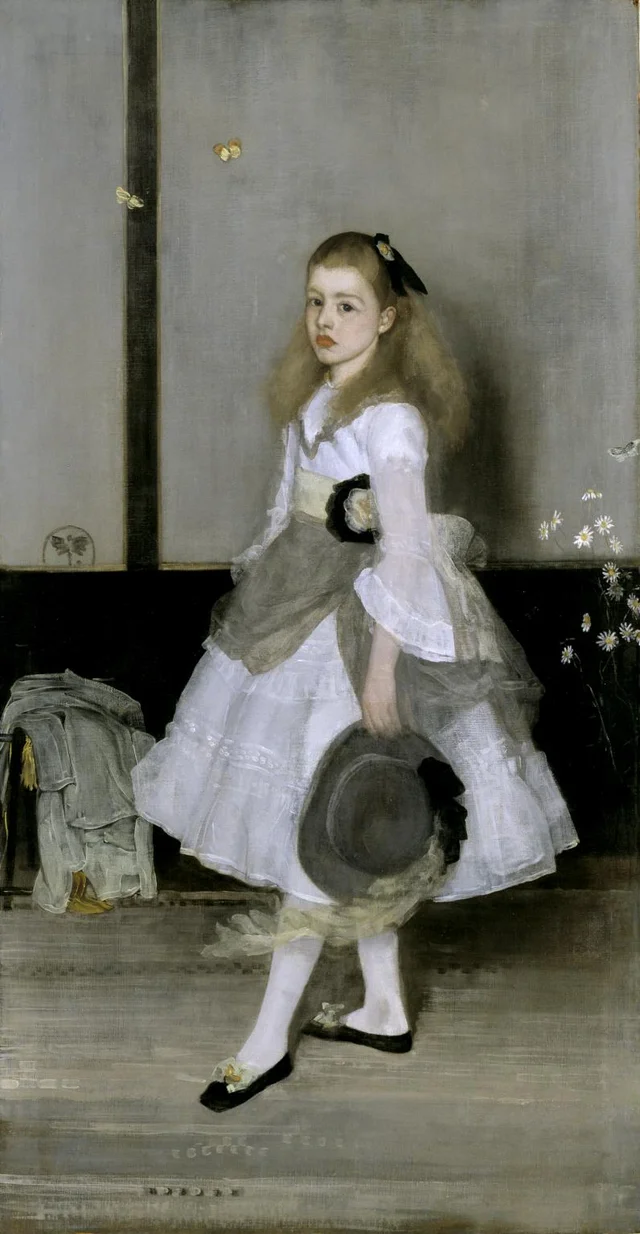 Harmony in Grey and Green: Miss Cicely AlexanderJames McNeill Whistler, 1873
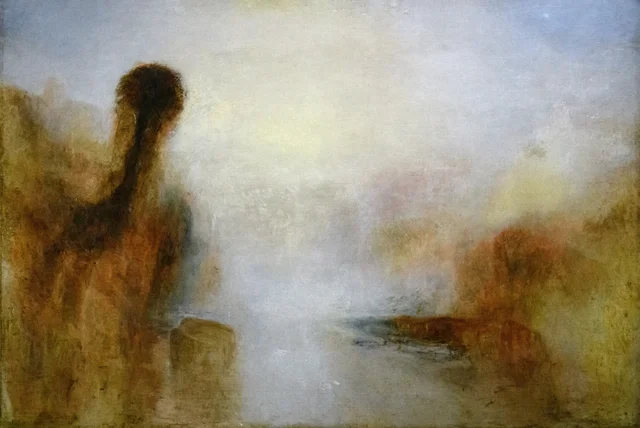 Landscape with WaterJ. M. W. Turner, 1840
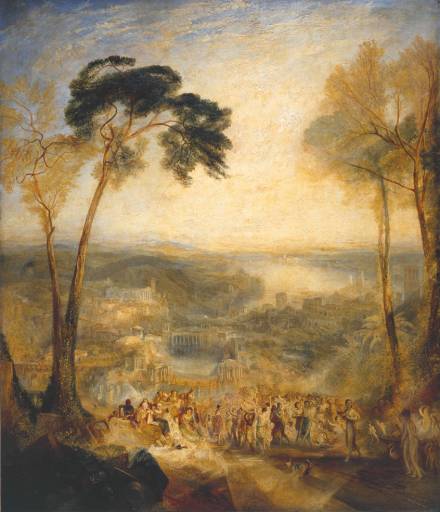 Phryne Going to the Public Baths as Venus: Demosthenes Taunted by AeschinesJ. M. W. Turner, 1838
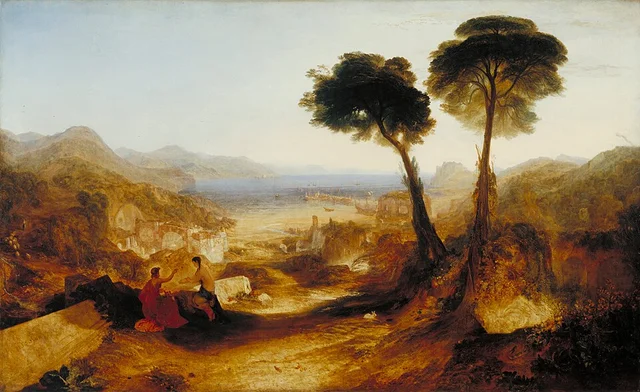 The Bay of Baiae, with Apollo and the SibylJ. M. W. Turner, 1823
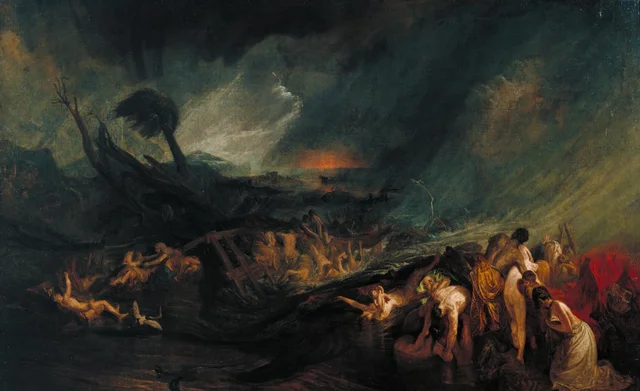 The DelugeJ. M. W. Turner, 1805