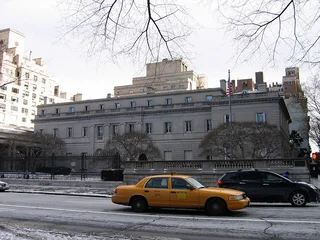
The story
Henry Clay Frick made his fortune in coke and steel, as a partner of Andrew Carnegie and one of the harder men in American industry. Near the end of his life he built a mansion on Fifth Avenue in New York to hold the old master paintings he had been buying, and he arranged that once his family was gone it would become a public museum, kept as a home rather than a gallery.
That is still the effect. Vermeers, a Bellini "St. Francis in the Desert," a Rembrandt and a Holbein hang in wood-paneled rooms around a skylit garden court, without labels crowding them, as though the owner had just stepped out. The house recently closed for its first major renovation in nearly ninety years and reopened in 2025, this time opening the family's private second floor to visitors for the first time. The paintings still hang where Frick meant them to, in the rooms he actually lived in.
Collection
44 works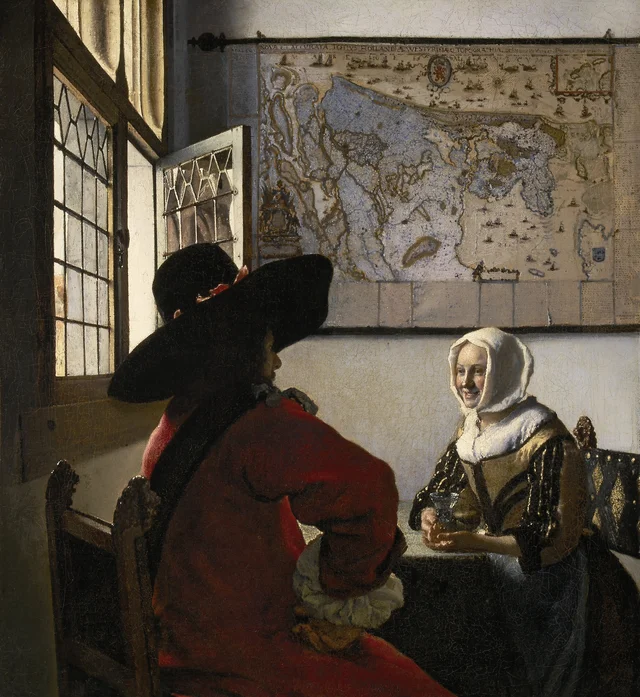 Officer and Laughing GirlJohannes Vermeer, 1658
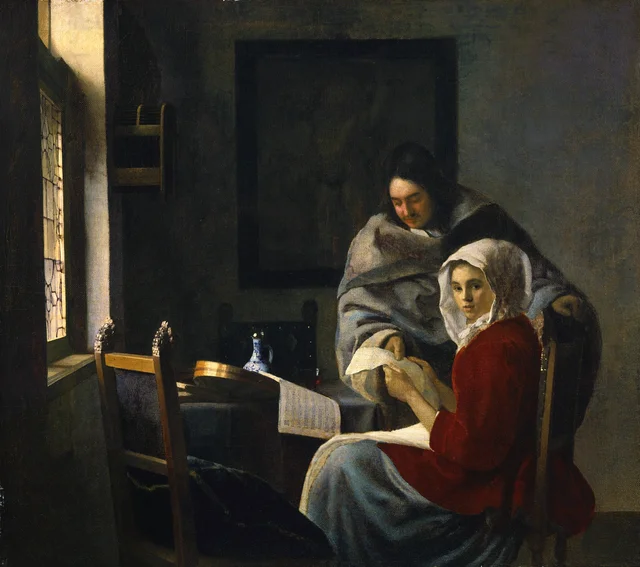 Girl Interrupted at her MusicJohannes Vermeer, 1660
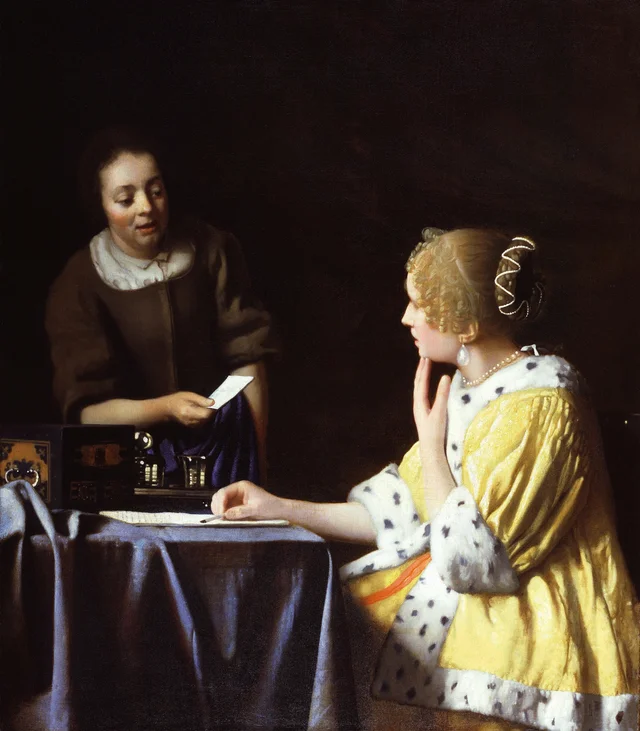 Mistress and MaidJohannes Vermeer, 1666
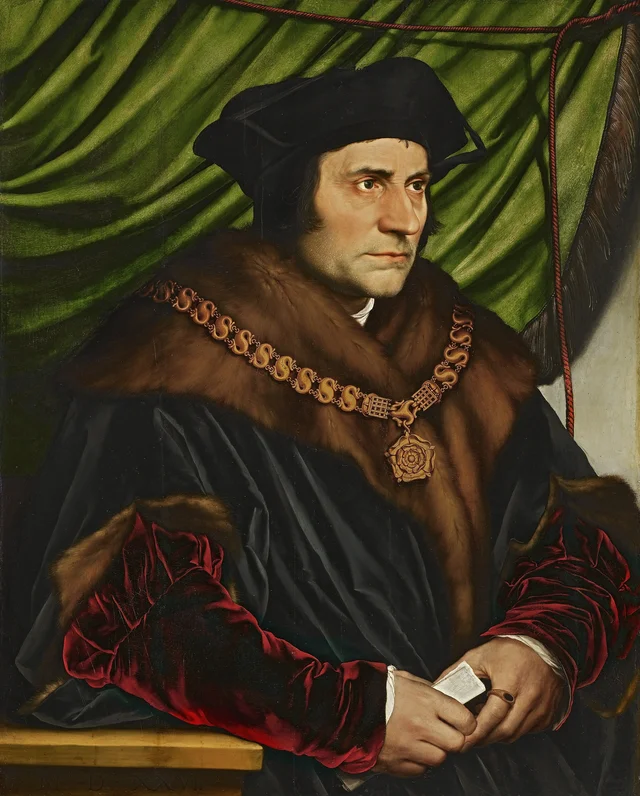 Portrait of Sir Thomas MoreHans Holbein the Younger, 1527
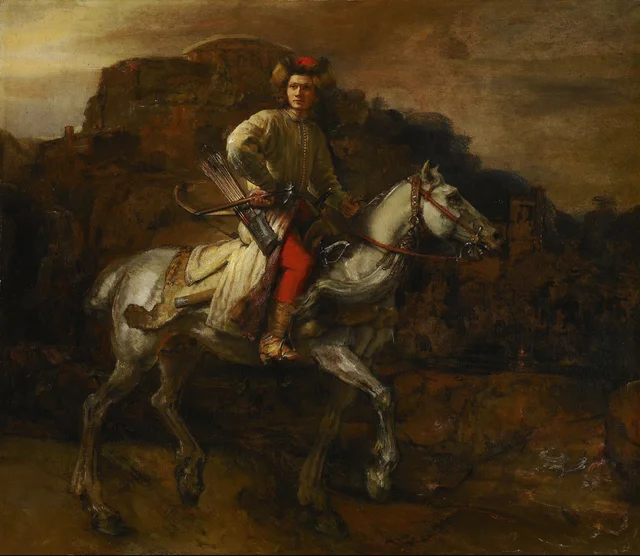 The Polish RiderRembrandt, 1655
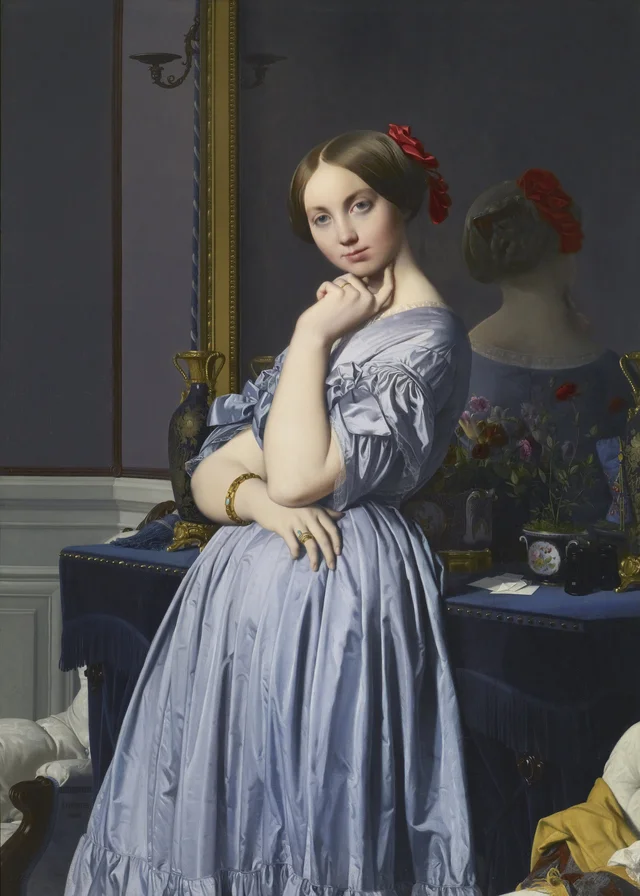 Comtesse d'HaussonvilleJean-Auguste-Dominique Ingres, 1845
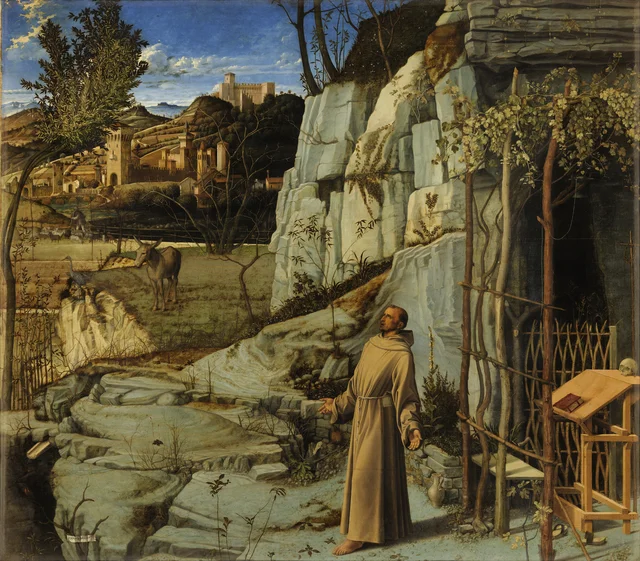 Saint Francis in the DesertGiovanni Bellini, 1480
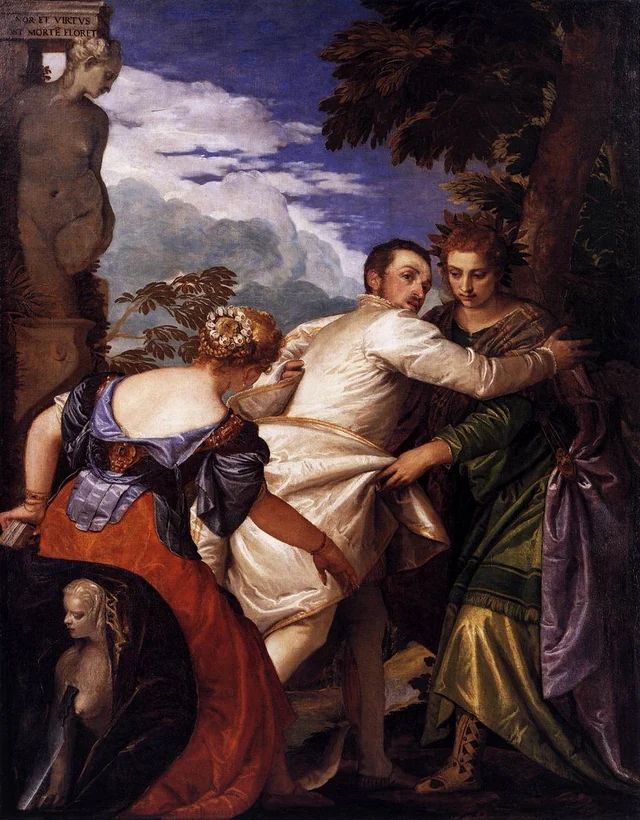 Allegory of Virtue and VicePaolo Veronese, 1565
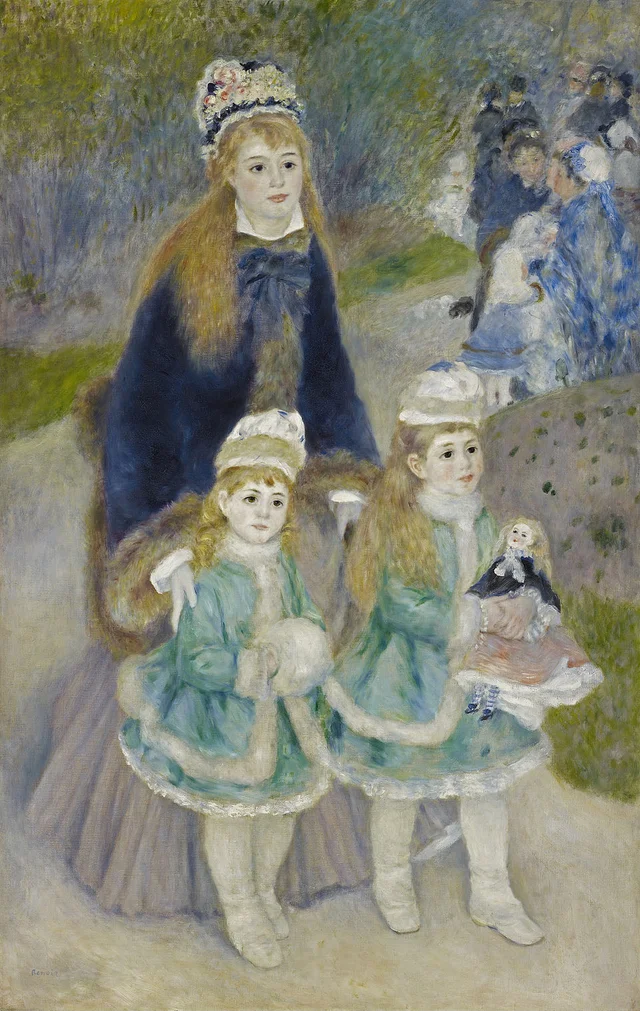 Mother and ChildrenPierre-Auguste Renoir, 1875
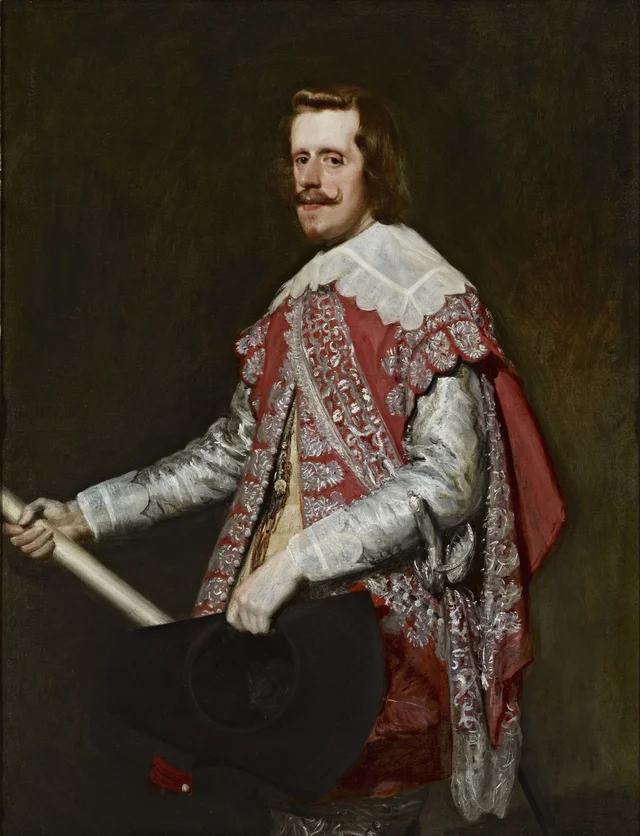 Portrait of Philip IV in FragaDiego Velázquez, 1644
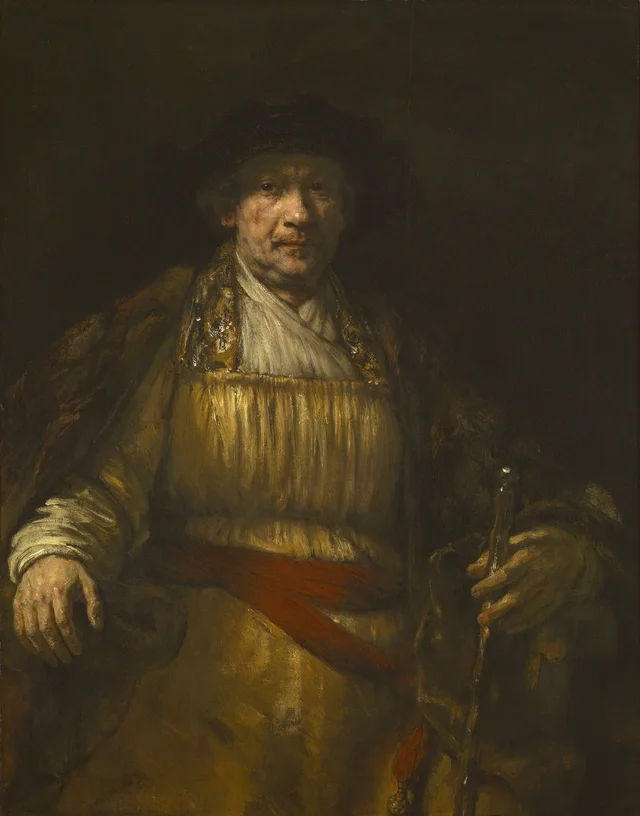 Self PortraitRembrandt, 1658
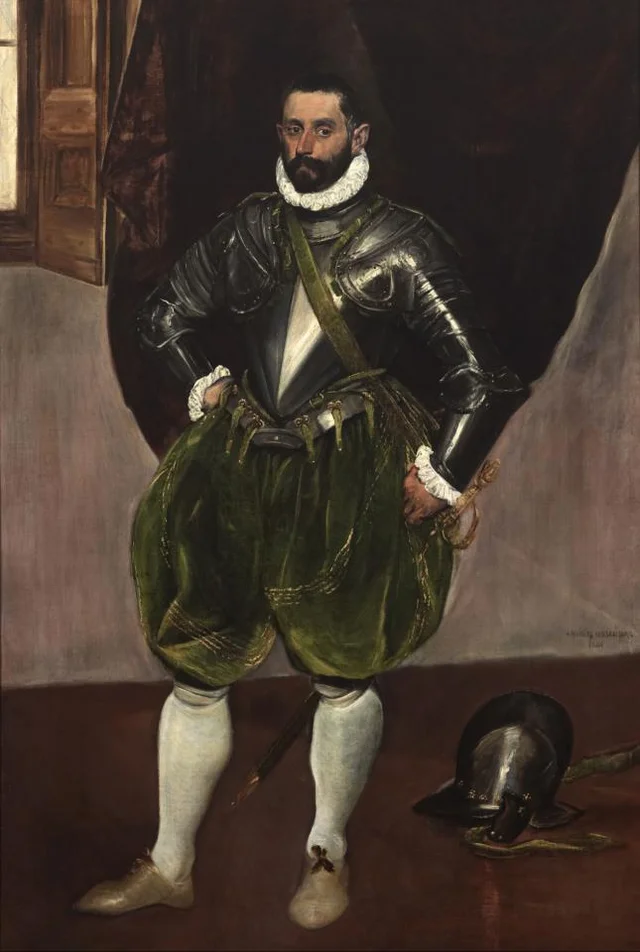 Portrait of Vincenzo AnastagiEl Greco, 1575
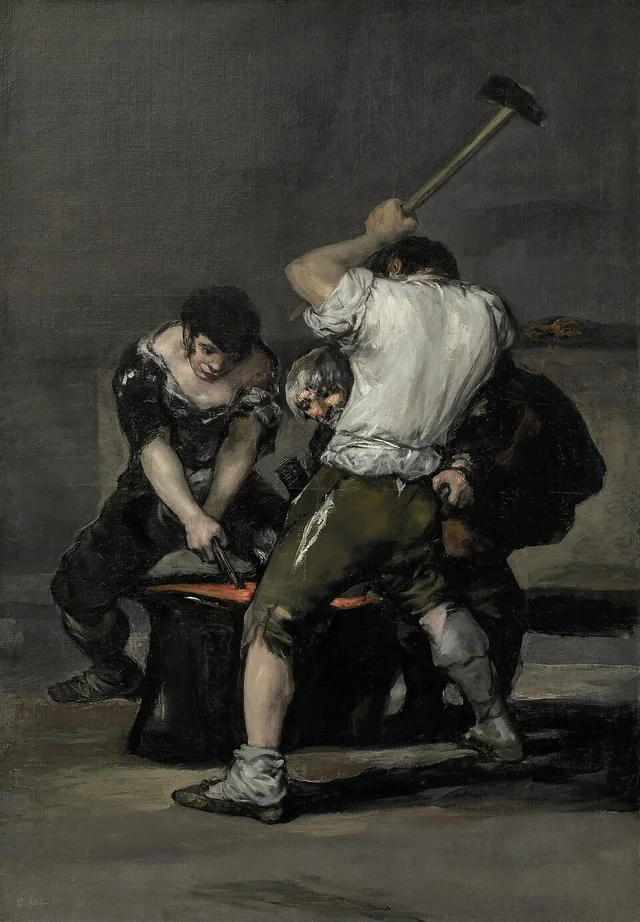 The ForgeFrancisco Goya, 1819
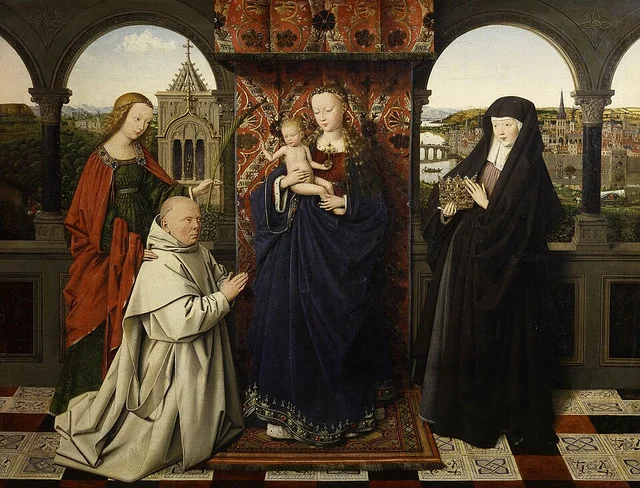 Virgin and Child, with Saints and DonorJan van Eyck, 1441
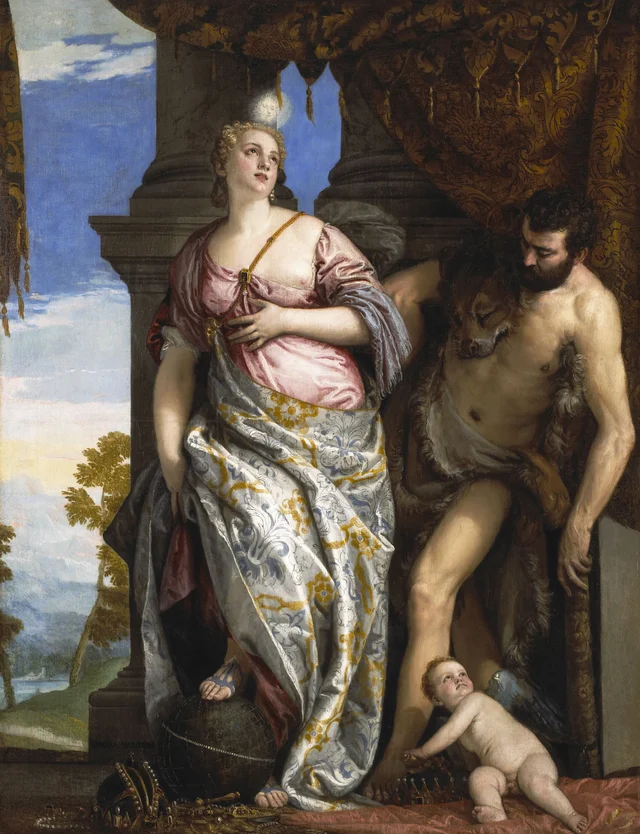 Allegory of Wisdom and StrengthPaolo Veronese, 1565
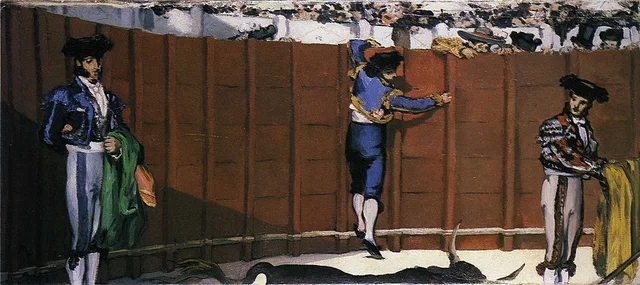 The BullfightÉdouard Manet, 1864
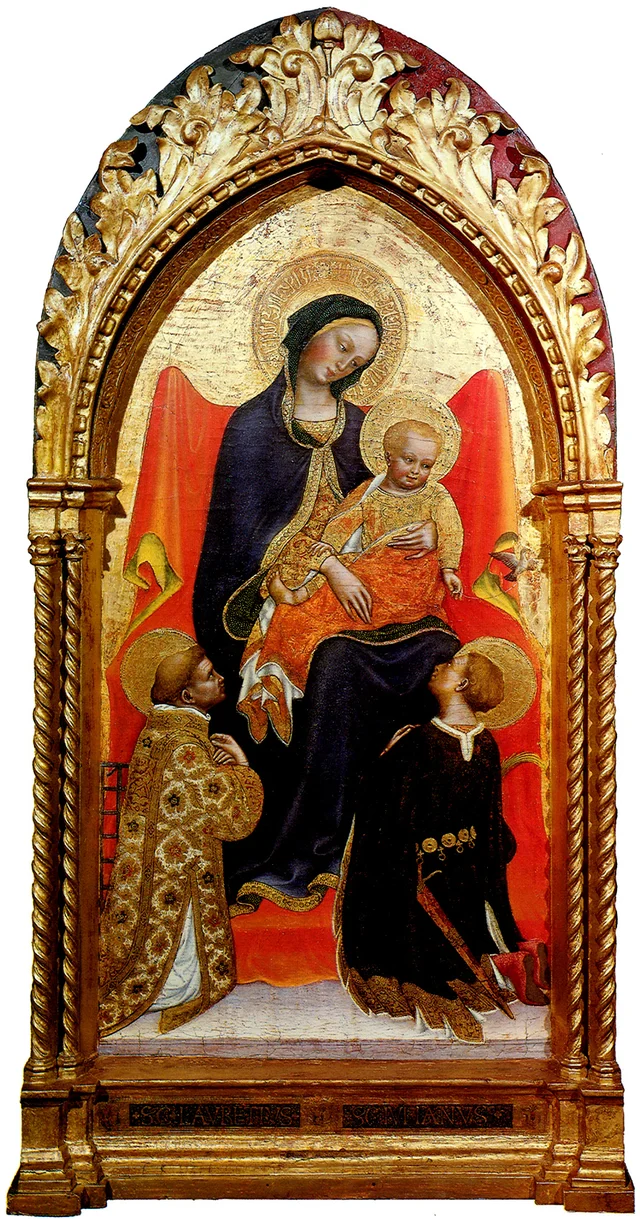 Madonna and Child, with Saints Lawrence and JulianGentile da Fabriano, 1423
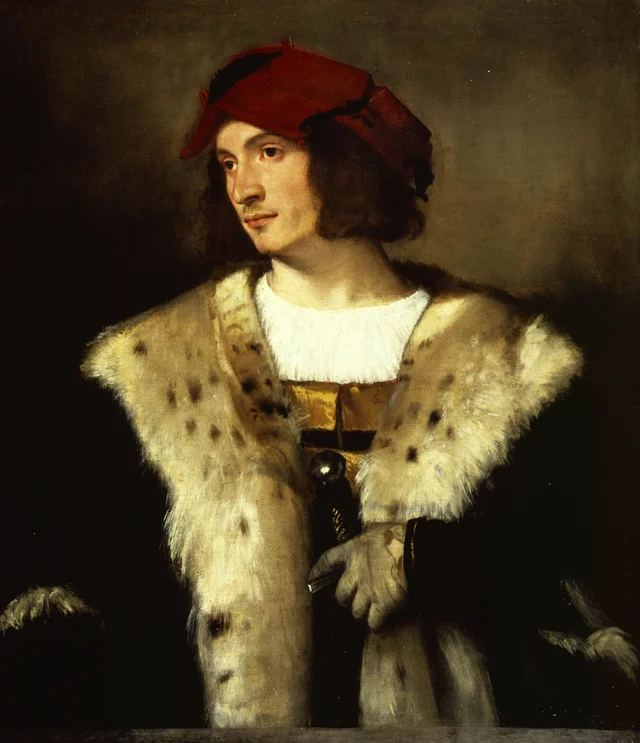 Portrait of a Man in a Red CapTitian, 1520
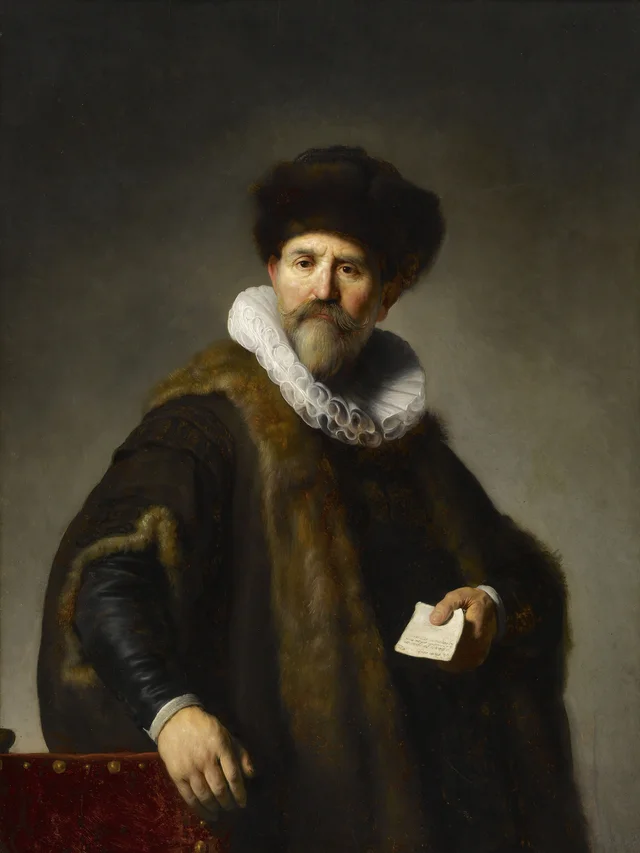 Portrait of Nicolaes RutsRembrandt, 1631
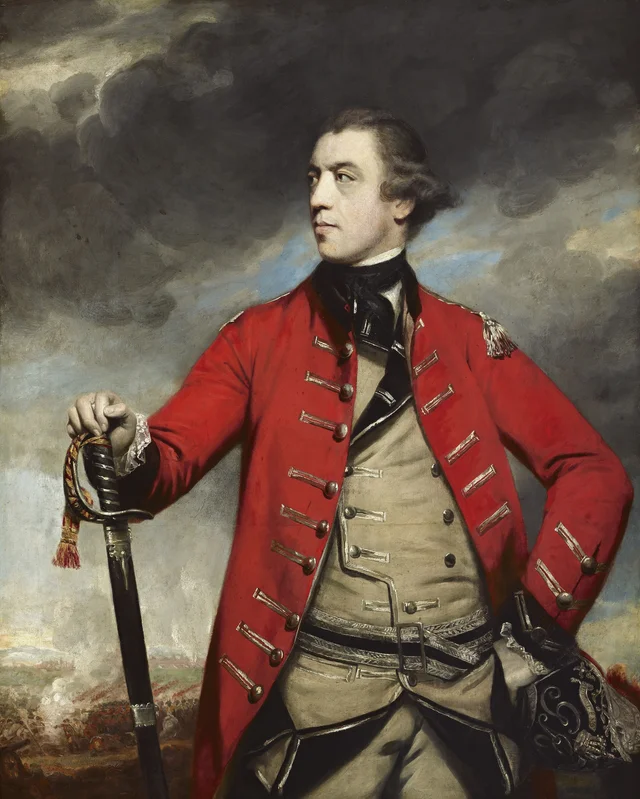 General John BurgoyneJoshua Reynolds, 1766
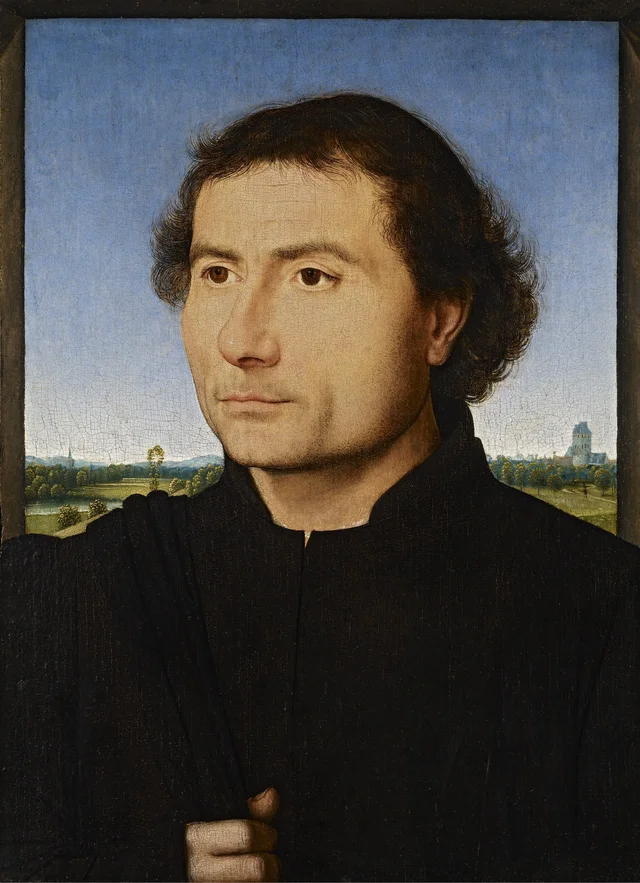 Portrait of a ManHans Memling, 1470
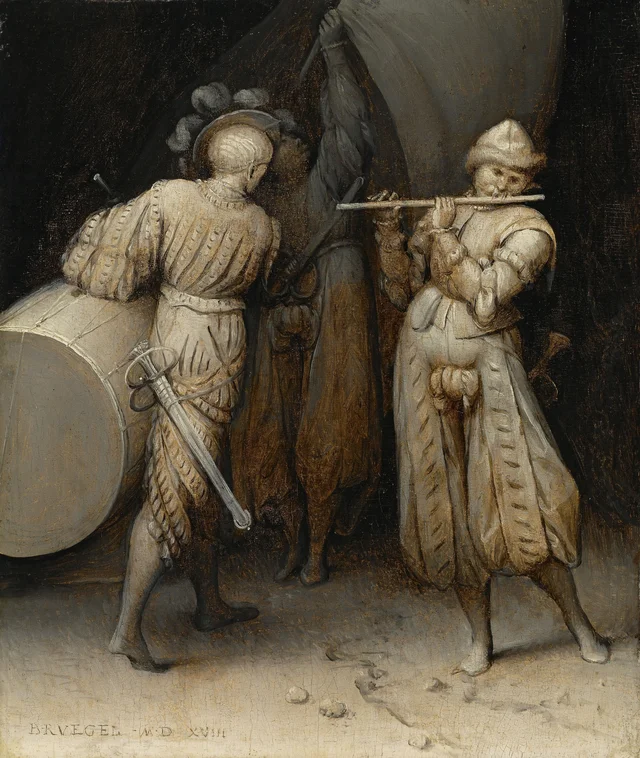 The Three SoldiersPieter Brueghel the Elder, 1568
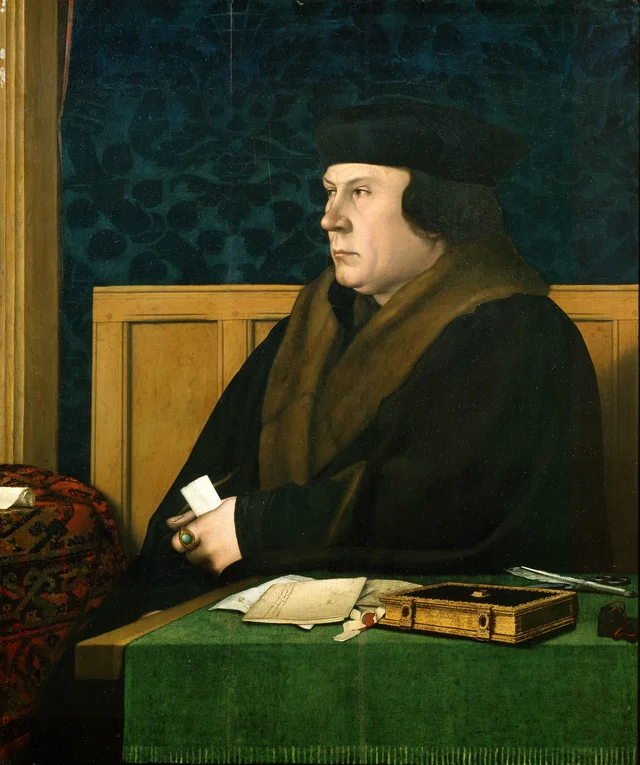 Thomas CromwellHans Holbein the Younger, 1532
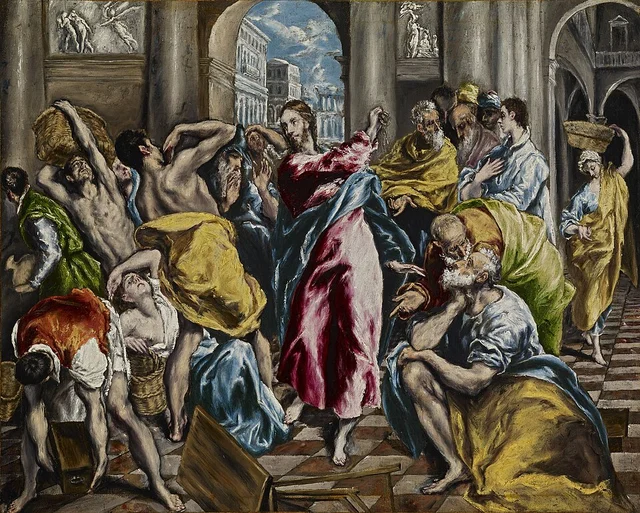 Christ Driving the Money Changers from the TempleEl Greco, 1595
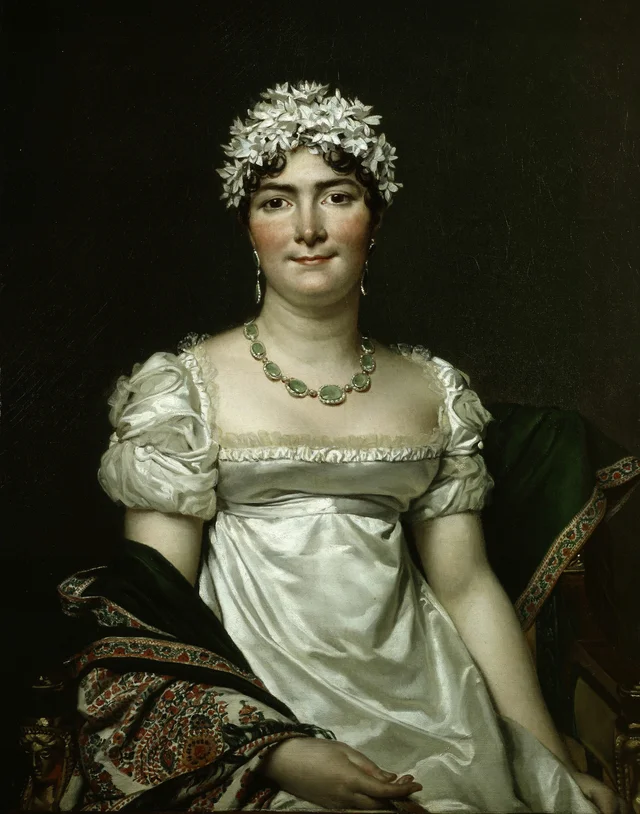 The Comtesse DaruJacques-Louis David, 1810