The story
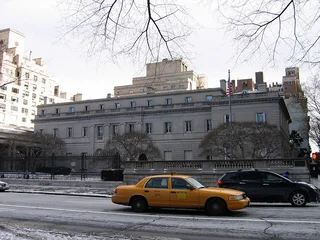
Henry Clay Frick made his fortune in coke and steel, as a partner of Andrew Carnegie and one of the harder men in American industry. Near the end of his life he built a mansion on Fifth Avenue in New York to hold the old master paintings he had been buying, and he arranged that once his family was gone it would become a public museum, kept as a home rather than a gallery.
That is still the effect. Vermeers, a Bellini "St. Francis in the Desert," a Rembrandt and a Holbein hang in wood-paneled rooms around a skylit garden court, without labels crowding them, as though the owner had just stepped out. The house recently closed for its first major renovation in nearly ninety years and reopened in 2025, this time opening the family's private second floor to visitors for the first time. The paintings still hang where Frick meant them to, in the rooms he actually lived in.
Collection
44 works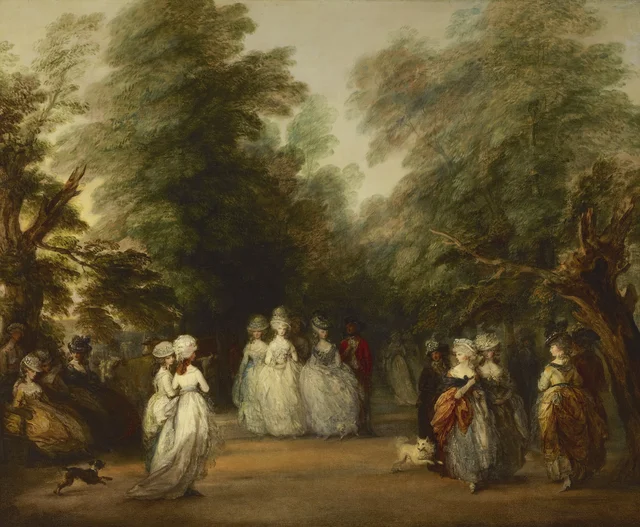 The Mall in St. James's ParkThomas Gainsborough, 1783
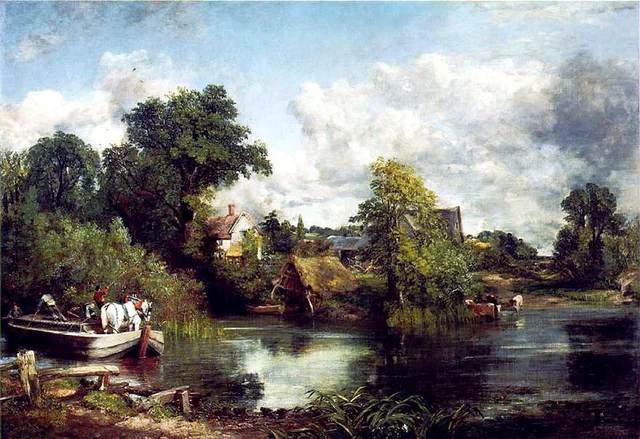 The White HorseJohn Constable, 1819
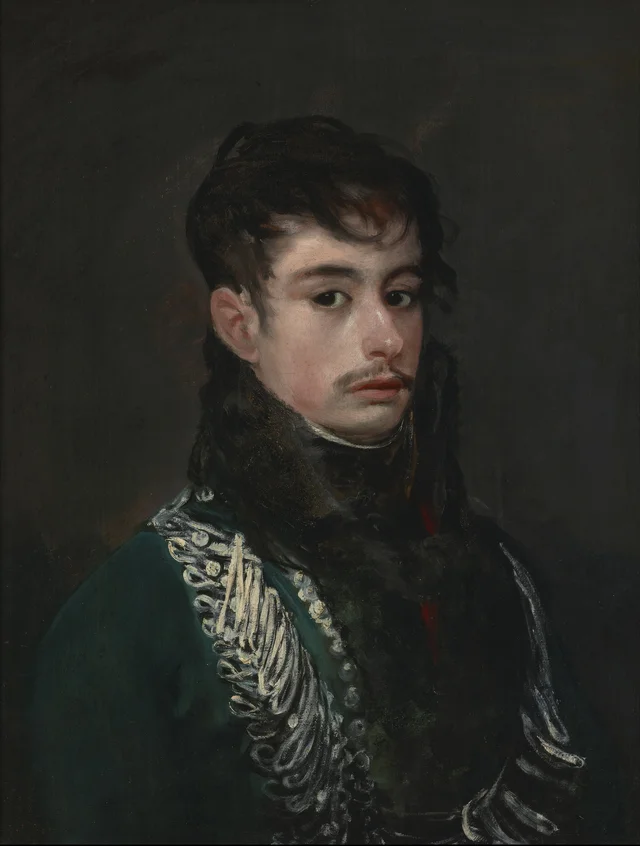 An Officer (probably the Count of Teba)Francisco Goya, 1804
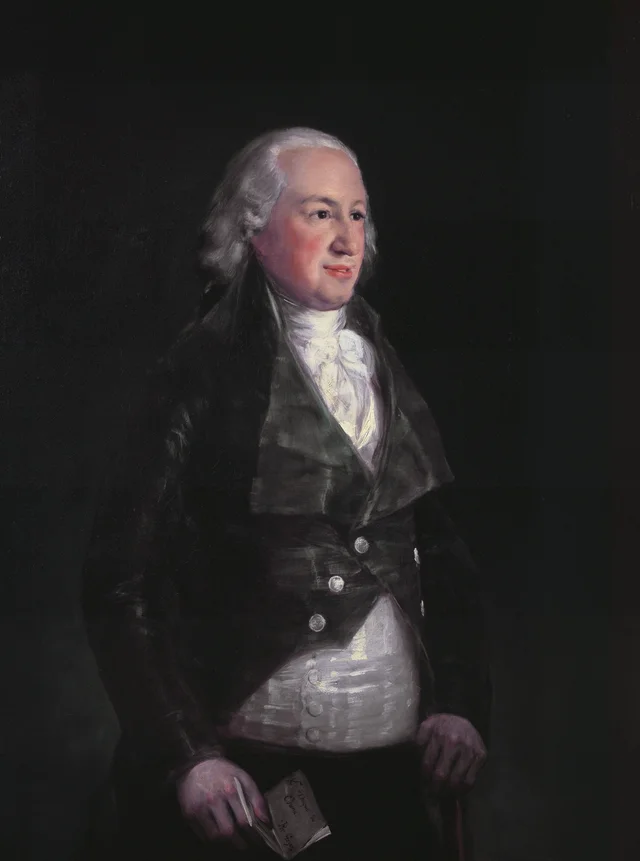 Don Pedro, Duque de OsunaFrancisco Goya, 1795
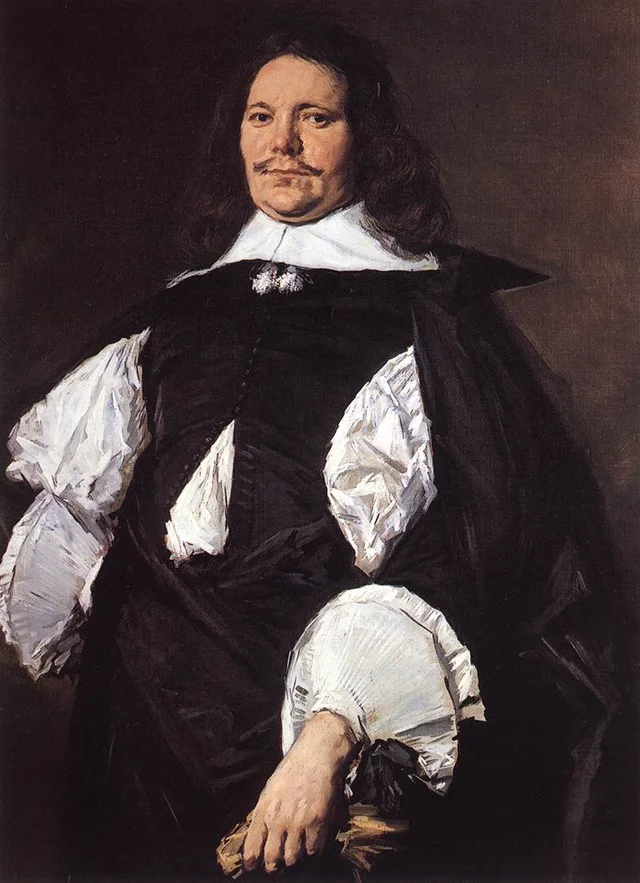 Portrait of a manFrans Hals, 1660
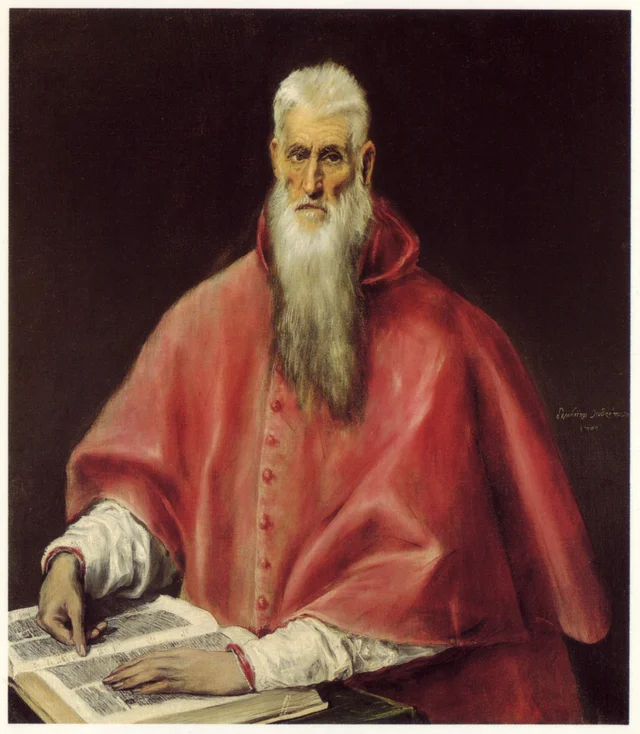 St. JeromeEl Greco, 1609
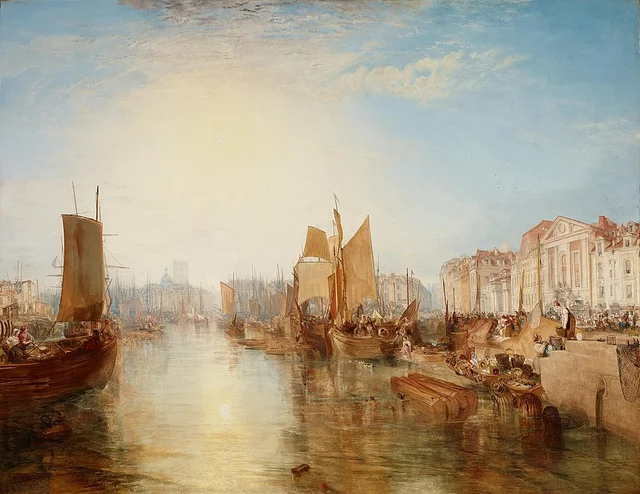 The Harbor of DieppeJ. M. W. Turner, 1825
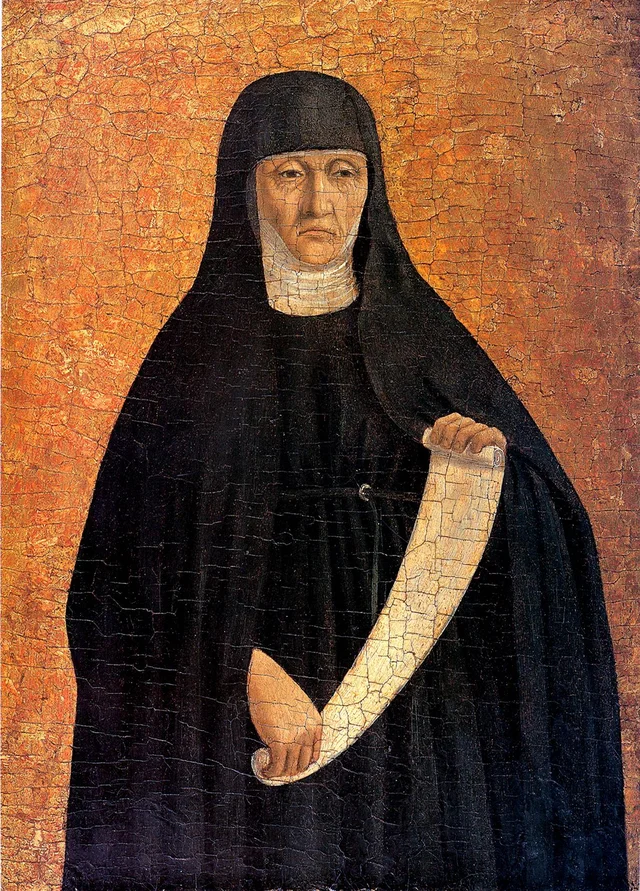 An Augustinian Nun (Saint Monica)Piero della Francesca, 1454
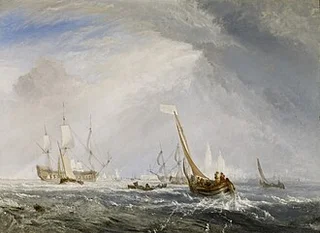 Antwerp: Van Goyen Looking Out for a SubjectJ. M. W. Turner, 1833
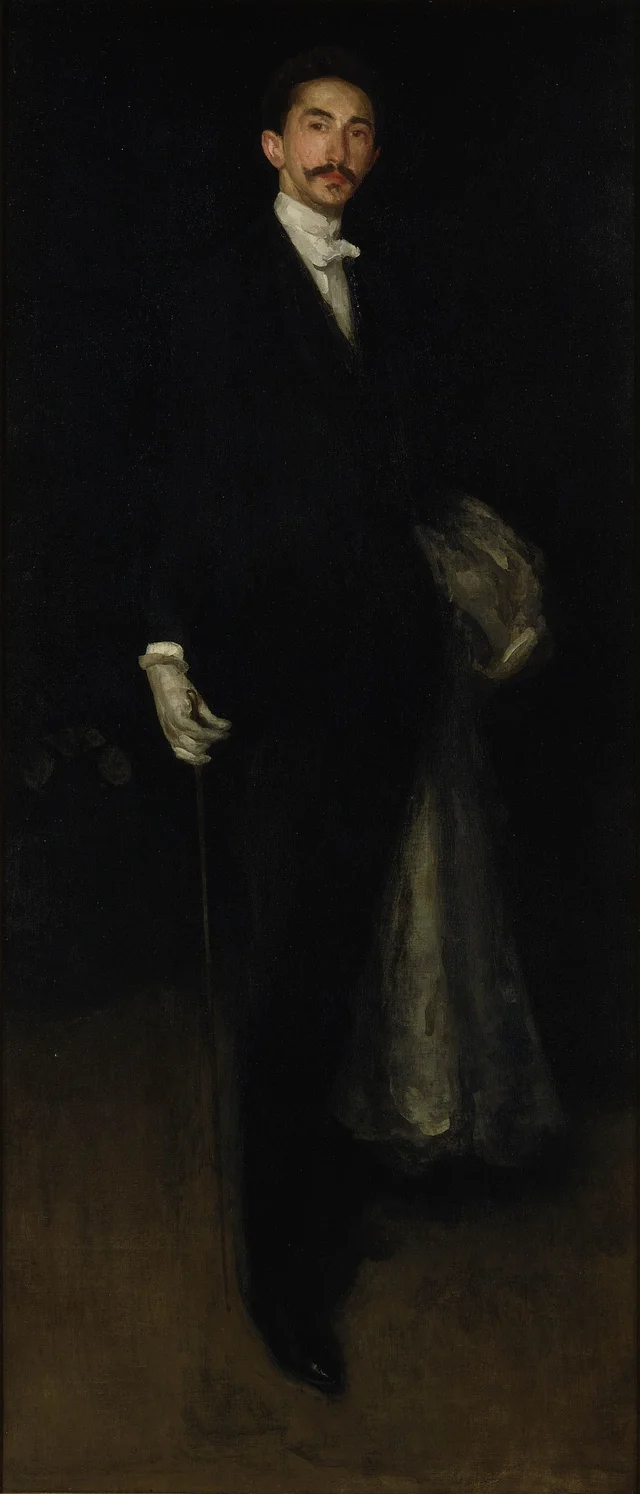 Arrangement in Black and Gold: Comte Robert de Montesquiou-FezensacJames McNeill Whistler, 1891
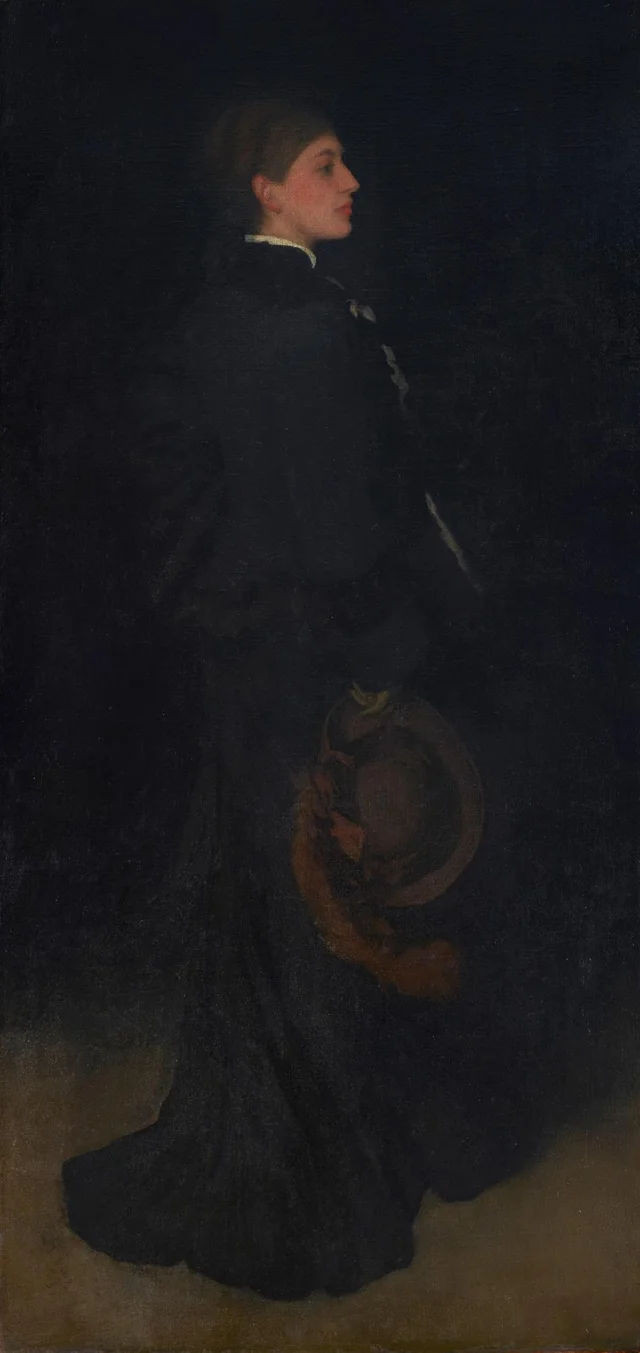 Arrangement in Brown and Black: Portrait of Miss Rosa CorderJames McNeill Whistler, 1876
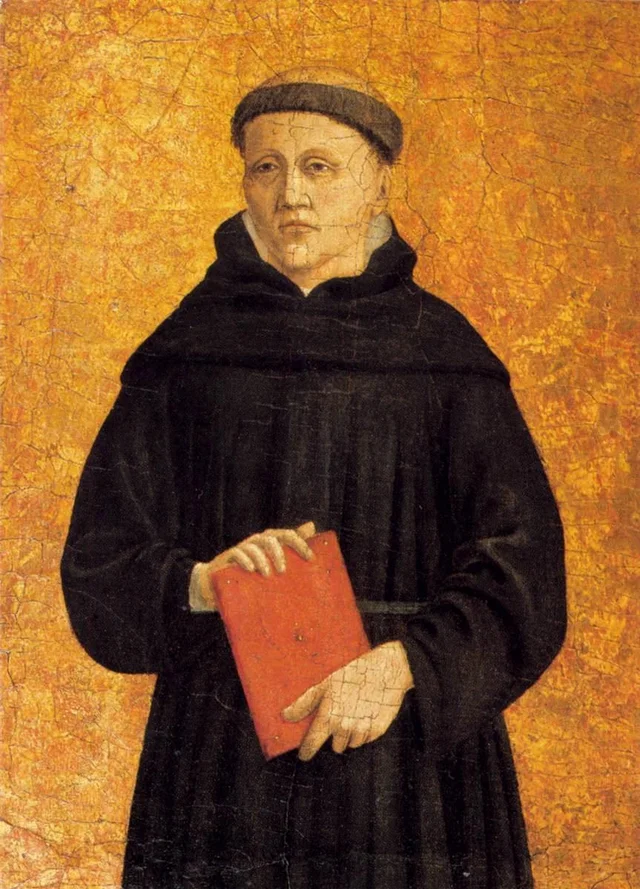 Augustinian SaintPiero della Francesca, 1454
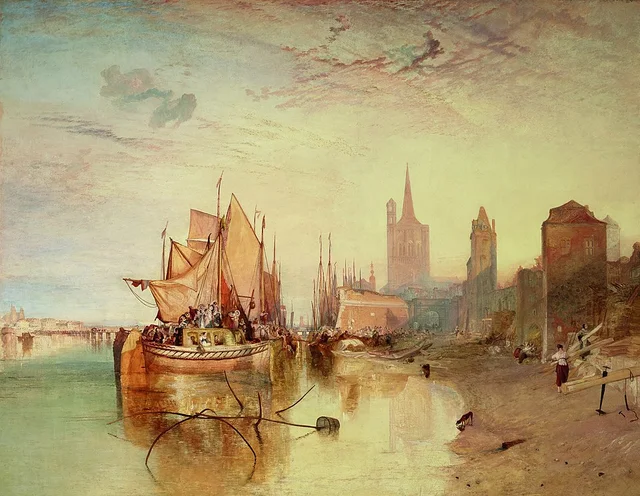 Cologne: The Arrival of a Packet-Boat: EveningJ. M. W. Turner, 1826
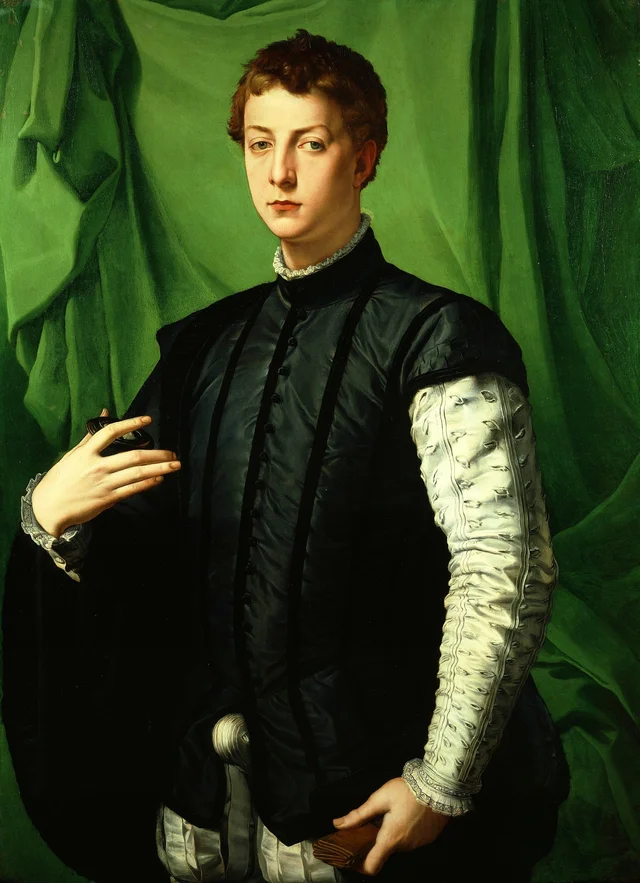 Lodovico CapponiBronzino, 1550
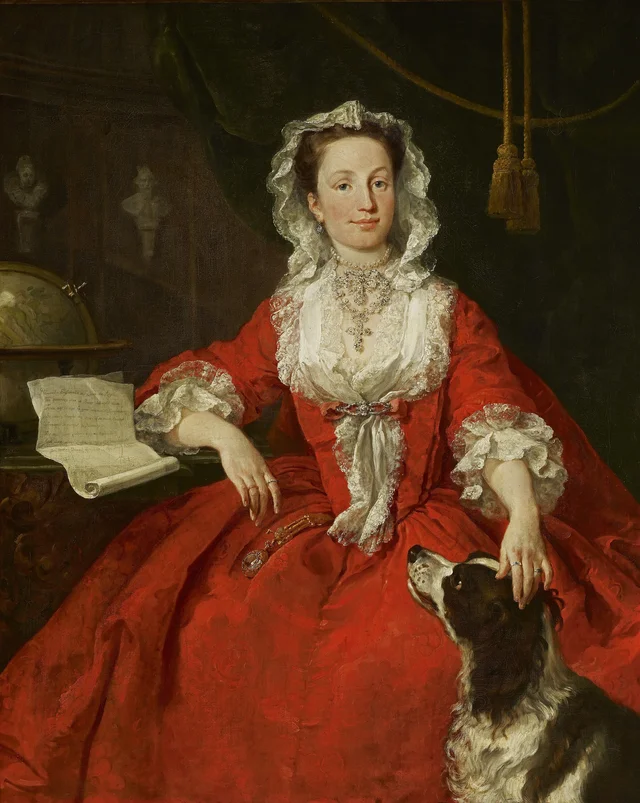 Miss Mary EdwardsWilliam Hogarth, 1742
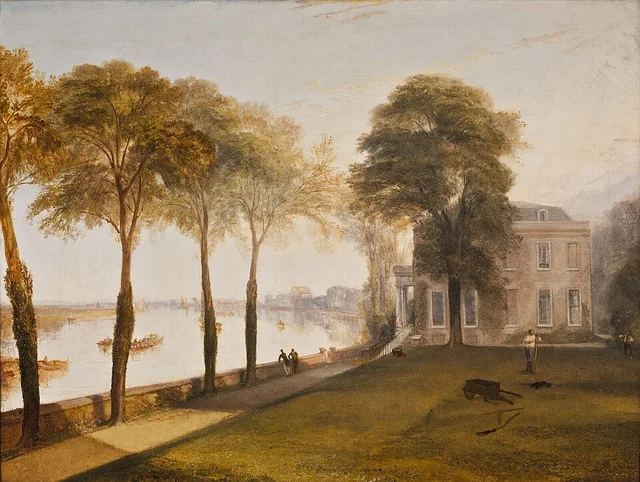 Mortlake Terrace: Early Summer MorningJ. M. W. Turner, 1826
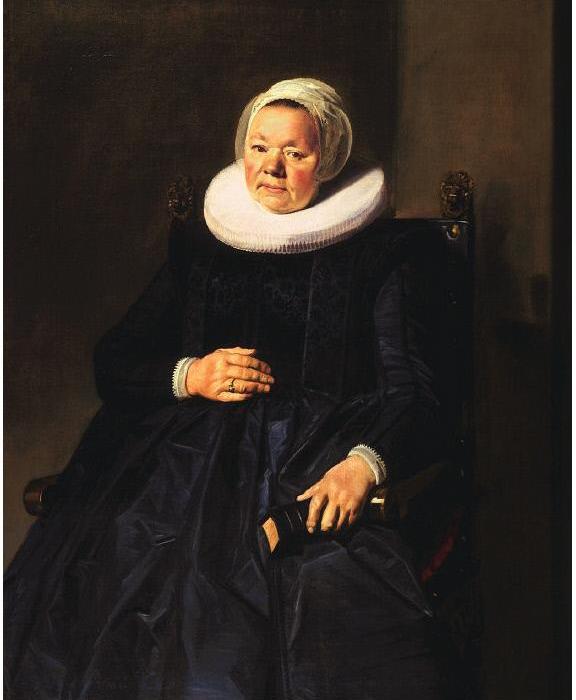 Portrait of a woman said to be Hylck BonerFrans Hals, 1635
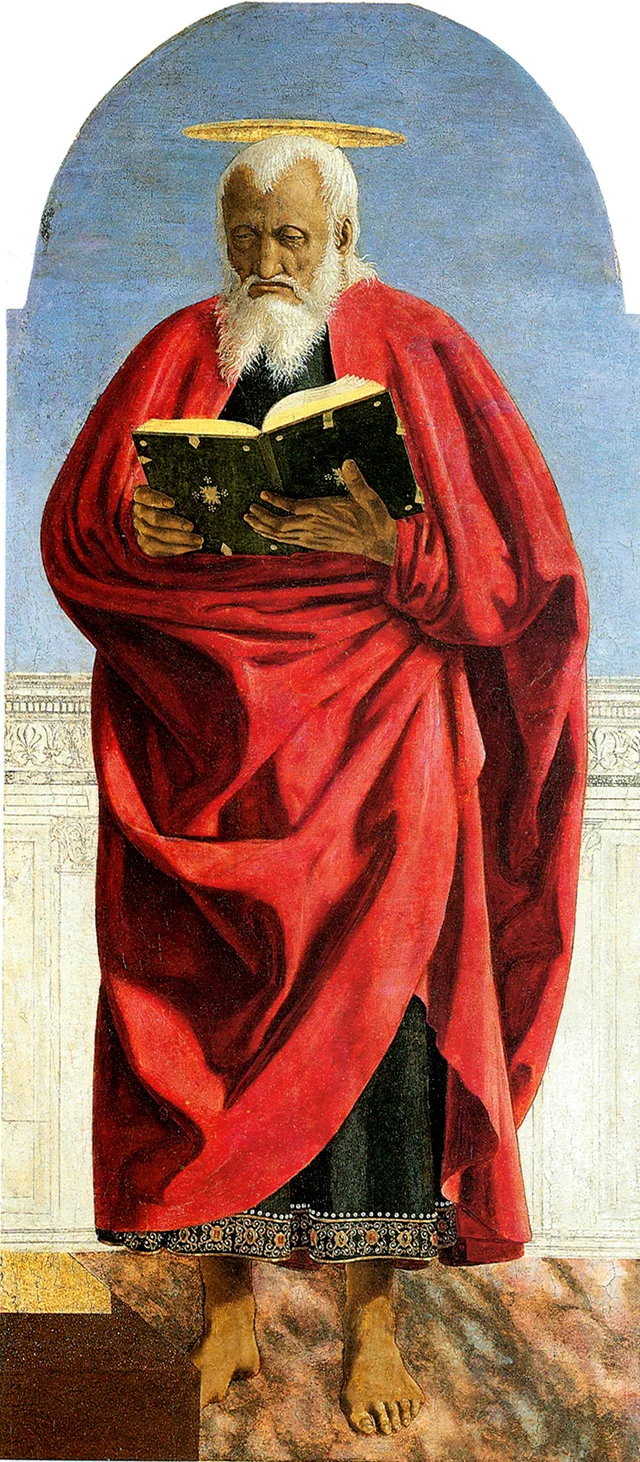 St. John the EvangelistPiero della Francesca, 1454
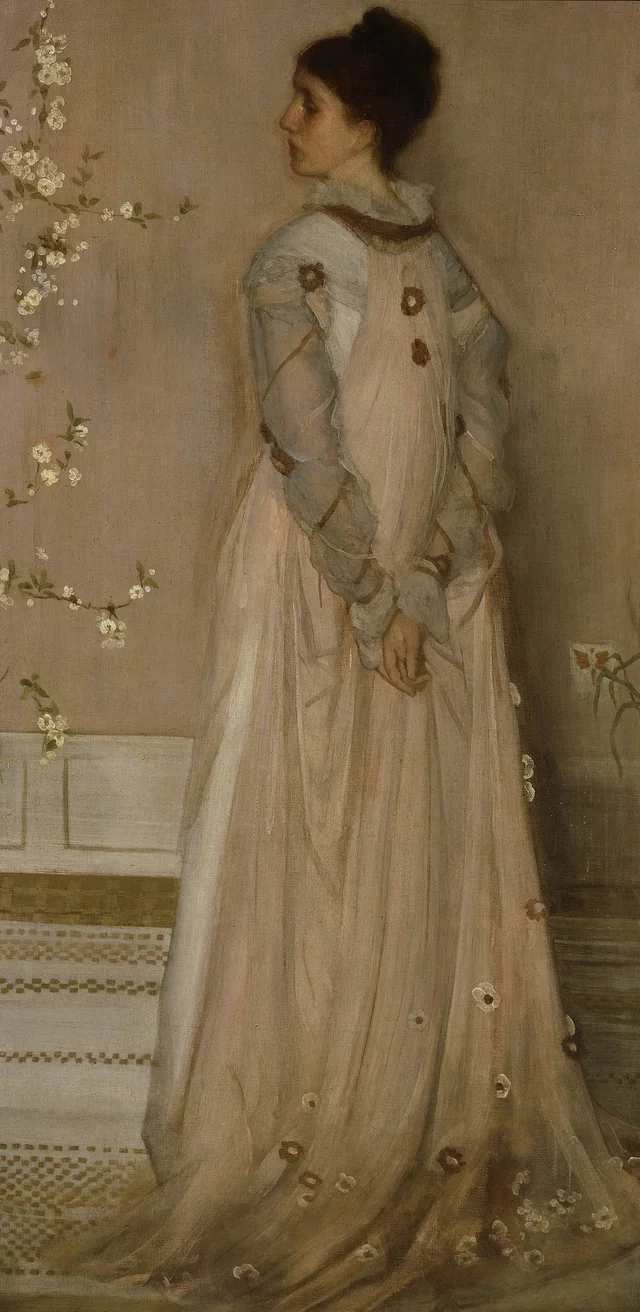 Symphony in Flesh Colour and Pink: Portrait of Mrs Frances LeylandJames McNeill Whistler, 1872