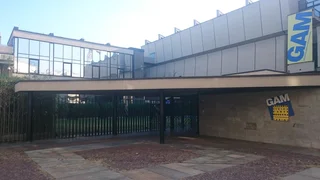
The story
In 1863 Turin was the capital of a kingdom barely two years old, and its city council made an unusual choice. Alongside the old masters of its new civic museum, it began buying the work of living painters and sculptors, which is why the GAM describes itself as the first public collection of modern art in Italy. Those early pictures hung in a building near the Mole Antonelliana and, from 1895, in a pavilion on Corso Siccardi, until bombing in the Second World War destroyed it.
On the same plot today stands a modernist building on Via Magenta, designed by the architects Carlo Bassi and Goffredo Boschetti and opened on 31 October 1959. The 19th century is strong here, with the landscapes of Antonio Fontanesi, the sculptures of Medardo Rosso, and Pellizza da Volpedo's long frieze of sheep, The Mirror of Life. The 20th century brings Modigliani, de Chirico and Paul Klee, and the works of Arte Povera, the movement that grew up largely in Turin in the late 1960s around artists such as Michelangelo Pistoletto and Giuseppe Penone.
The holdings run to more than 45,000 items, a large share of them drawings, prints and photographs, and the GAM also keeps one of the most important collections of artists' film and video in Europe.
Collection
31 works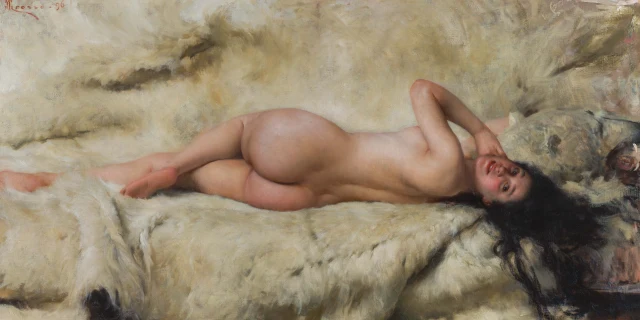 The NudeGiacomo Grosso, 1896
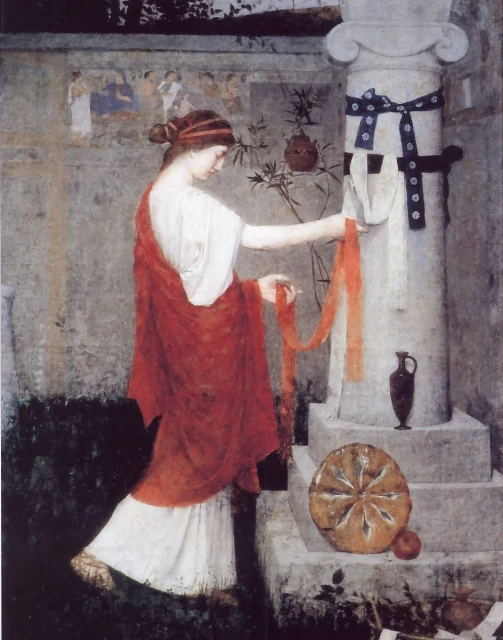 The Religion of the DepartedCarlo Bonatto Minella, 1878
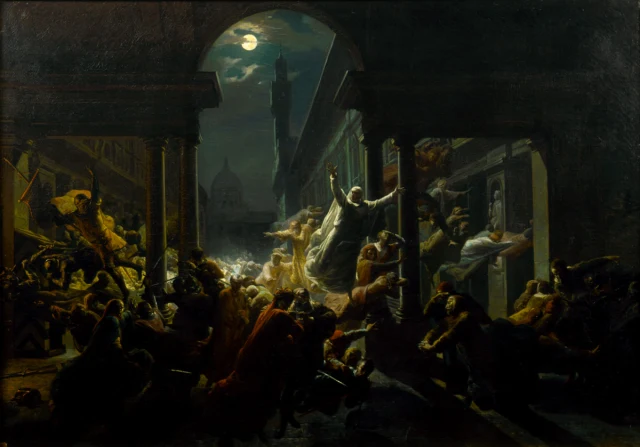 The Shades of Great Florentines Protesting against Foreign RuleEugenio Agneni, 1857
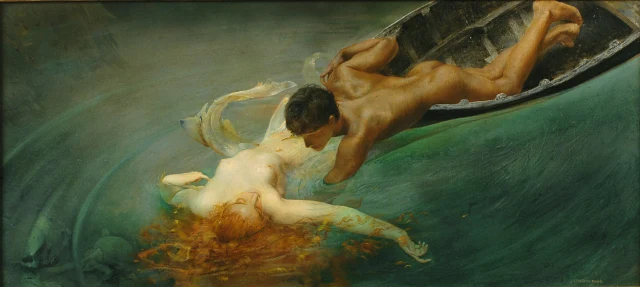 The Siren (Green Abyss)Giulio Aristide Sartorio, 1893
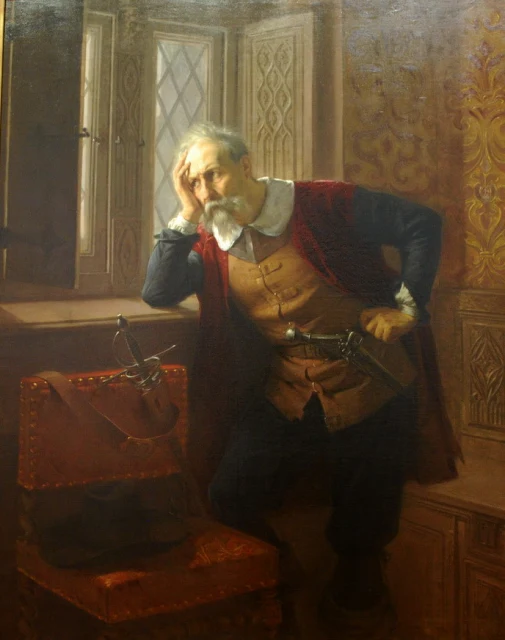 The Unnamed (L'Innominato)Andrea Gastaldi, 1860
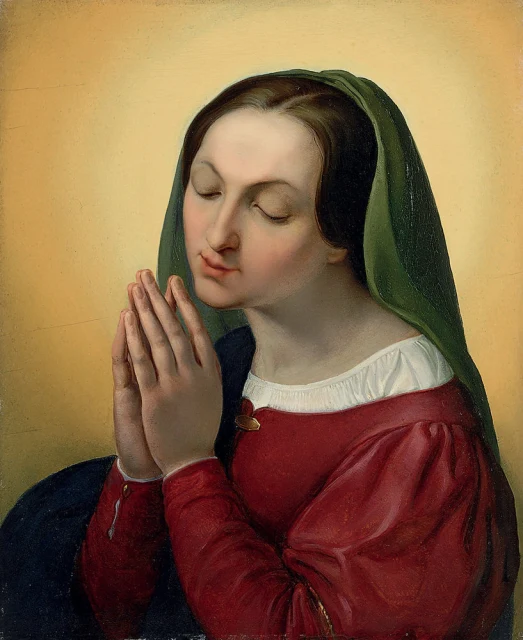 The Virgin of the AnnunciationFrancesco Hayez, 1824