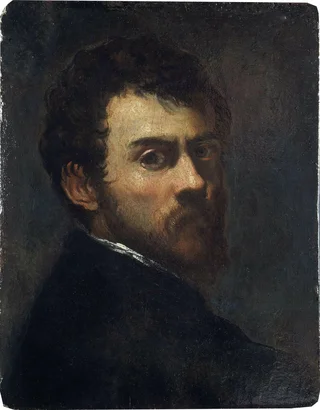
Jacopo Tintoretto
1518–1594 · República de Venecia · Manierismo
La historia
En mayo de 1564 la cofradía de San Roque de Venecia invitó a varios pintores consagrados, entre ellos Tintoretto, a presentar bocetos para un techo, y el ganador se decidiría por votación de los cofrades. Tintoretto no presentó ningún boceto. Trabajando toda la noche, hizo pintar un lienzo a tamaño real de San Roque en gloria y lo instaló directamente en el marco del techo antes de que los demás competidores llegaran siquiera a presentar sus diseños.
Cuando la junta de la cofradía objetó que no era eso lo que se había pedido, Tintoretto respondió que aquello era, en realidad, su boceto, ya terminado, y lo ofreció a la Scuola como donativo, puesto que sus propios estatutos la obligaban a aceptar cualquier ofrenda hecha a su santo patrón. Acorralada por sus propias reglas, la junta se quedó con el cuadro, y con Tintoretto también.
Pasó las dos décadas siguientes, desde 1564 hasta finales de la de 1580, cubriendo los muros y techos del edificio con más de 50 lienzos sobre la vida de Cristo y de San Roque, cobrando un salario anual fijo en lugar de por encargo, lo que le permitió tratar todo el edificio como un único proyecto continuo en vez de trabajos separados. Tintoretto murió en Venecia en 1594, poco después de terminar la última pintura del ciclo, un vasto Paraíso para el Palacio Ducal, entonces el mayor óleo sobre lienzo jamás pintado.
Más artículos
Obras
157 obras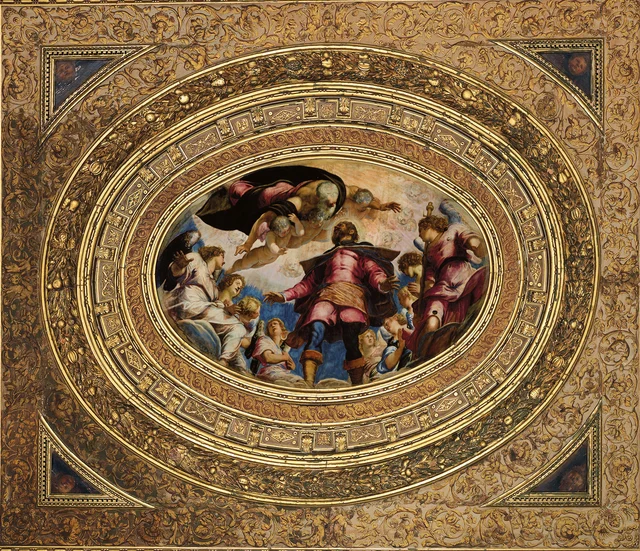 San Roque en gloriaJacopo Tintoretto, 1564
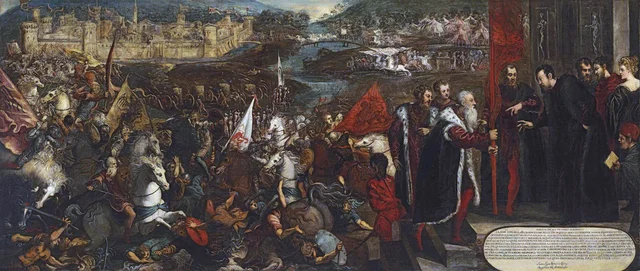 El sitio de AsolaJacopo Tintoretto, 1544
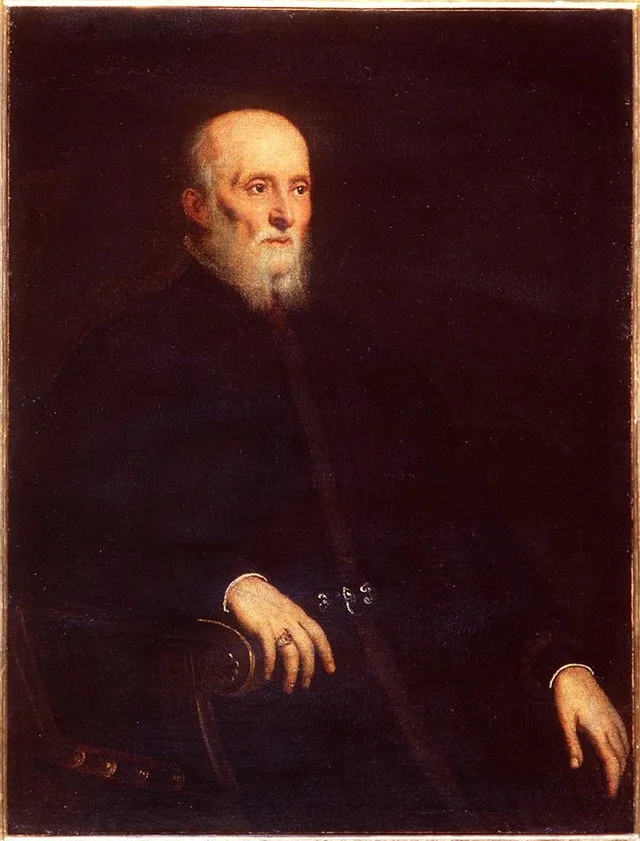 Retrato de Alvise CornaroJacopo Tintoretto, 1560
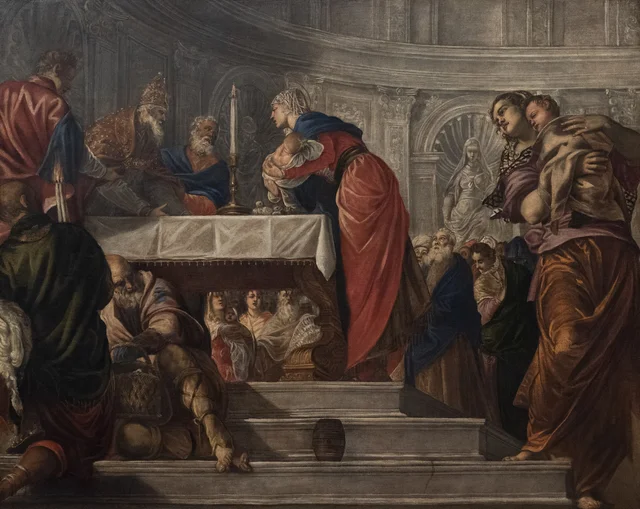 Presentación de Jesús en el temploJacopo Tintoretto, 1550
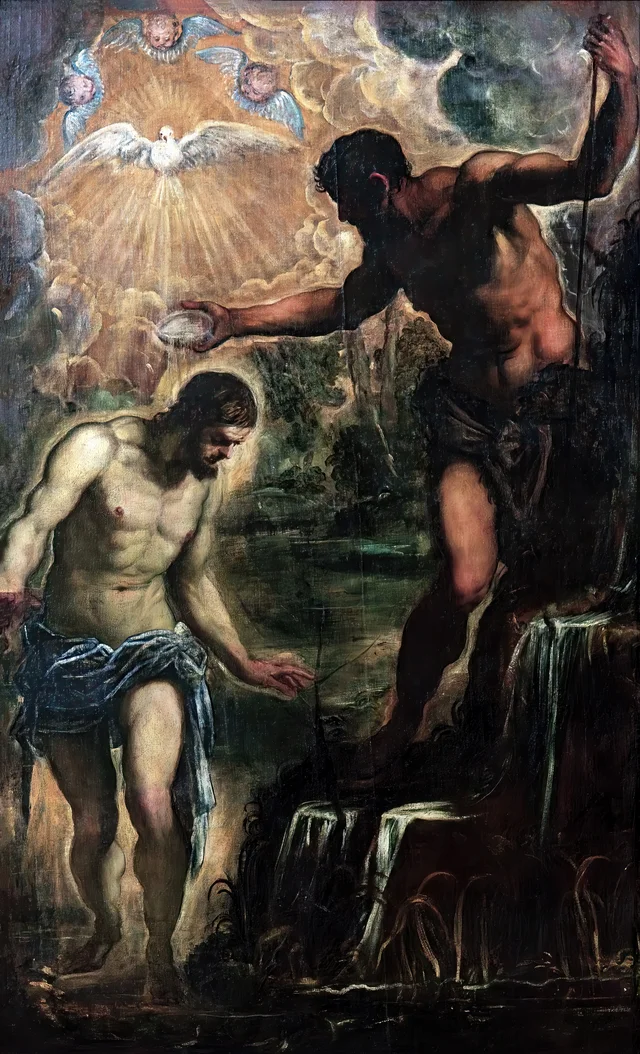 Bautismo de CristoJacopo Tintoretto, 1580
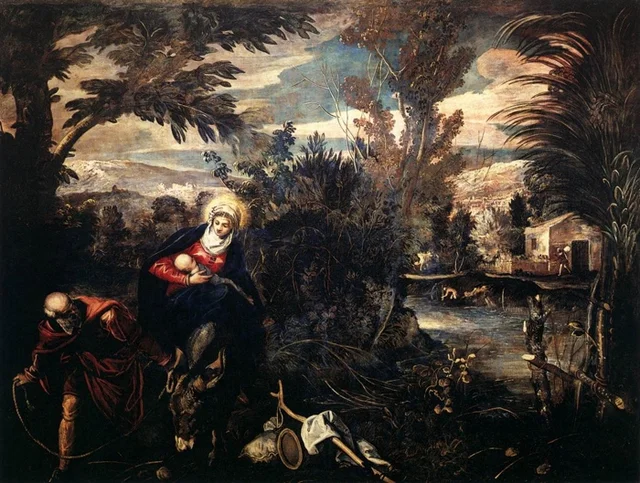 Huida a EgiptoJacopo Tintoretto, 1583
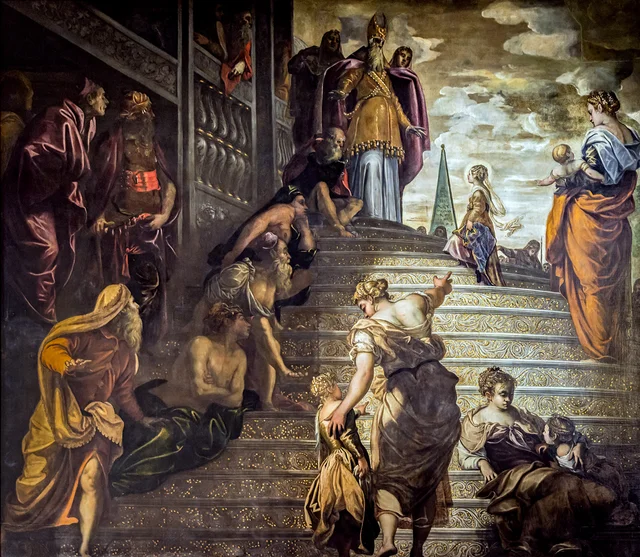 La presentación de la Virgen en el temploJacopo Tintoretto, 1553
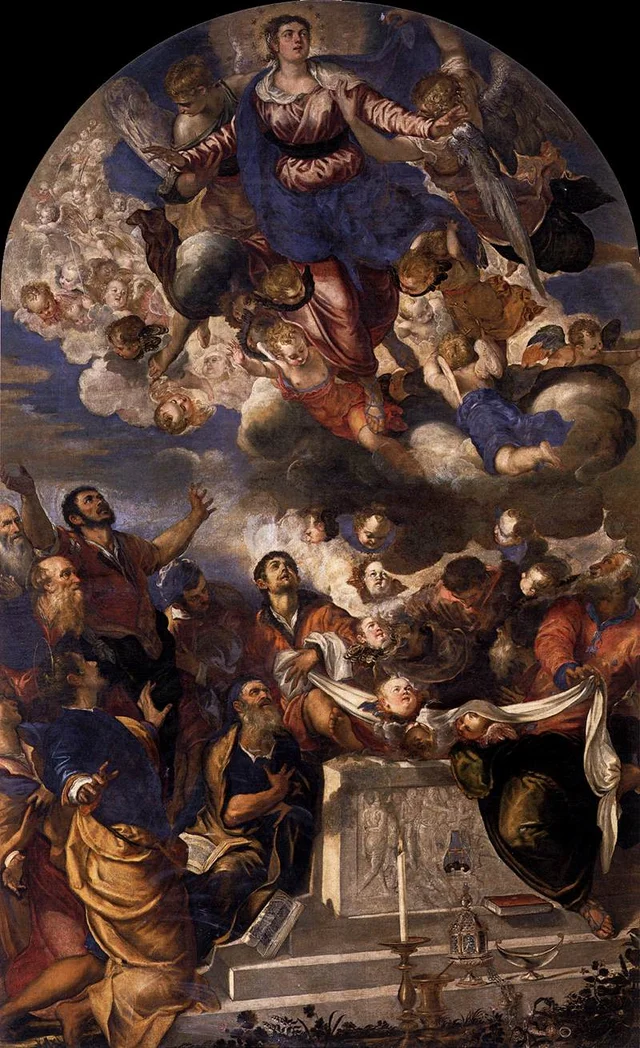 Asunción de la VirgenJacopo Tintoretto, 1555
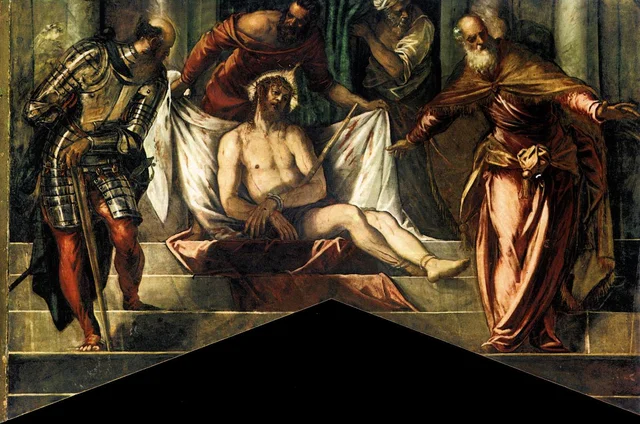 Ecce HomoJacopo Tintoretto, 1566
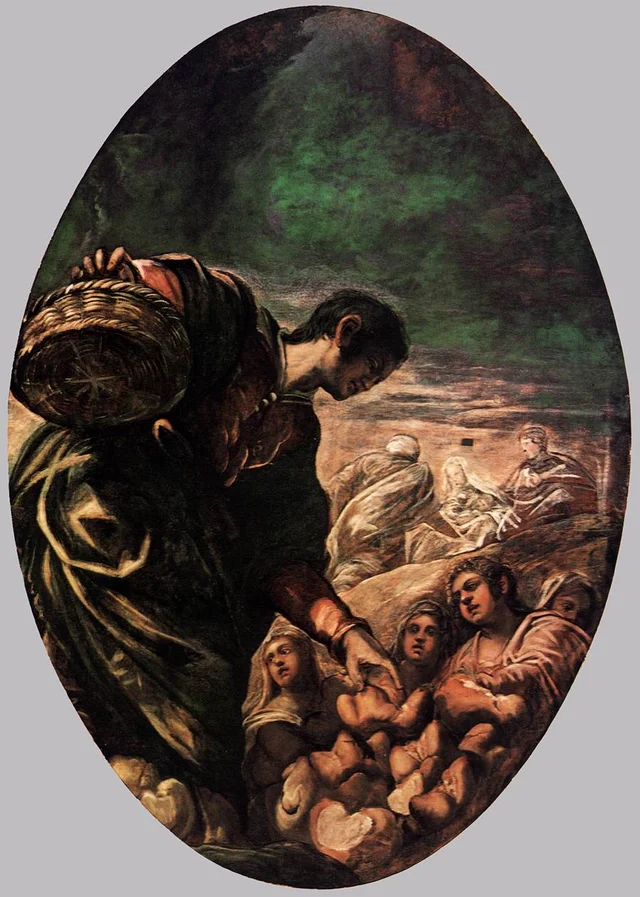 Eliseo multiplica los panesJacopo Tintoretto, 1577
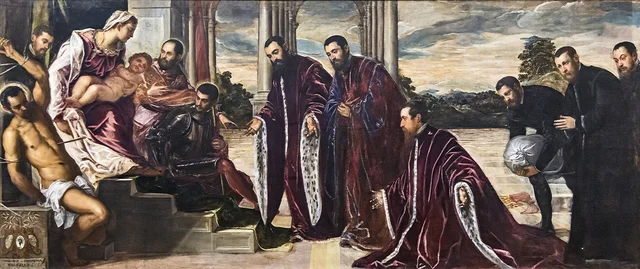 Madonna dei CamerlenghiJacopo Tintoretto, 1567
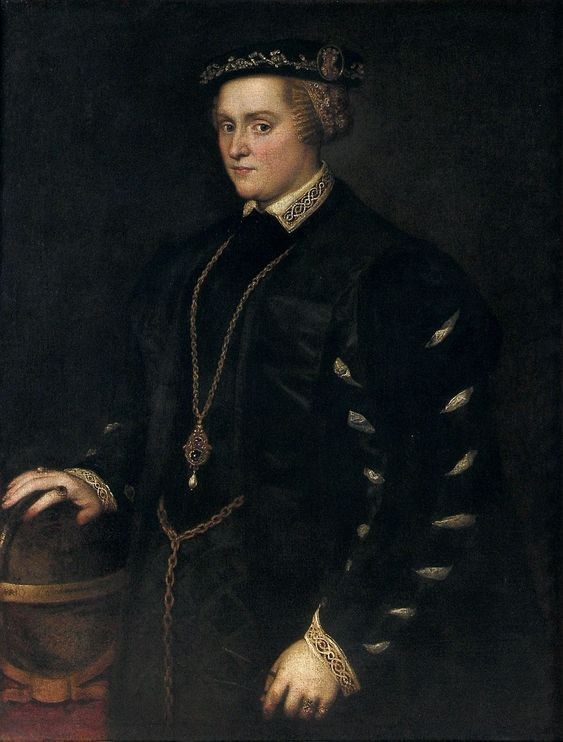 Retrato de Cristina de DinamarcaJacopo Tintoretto, 1556
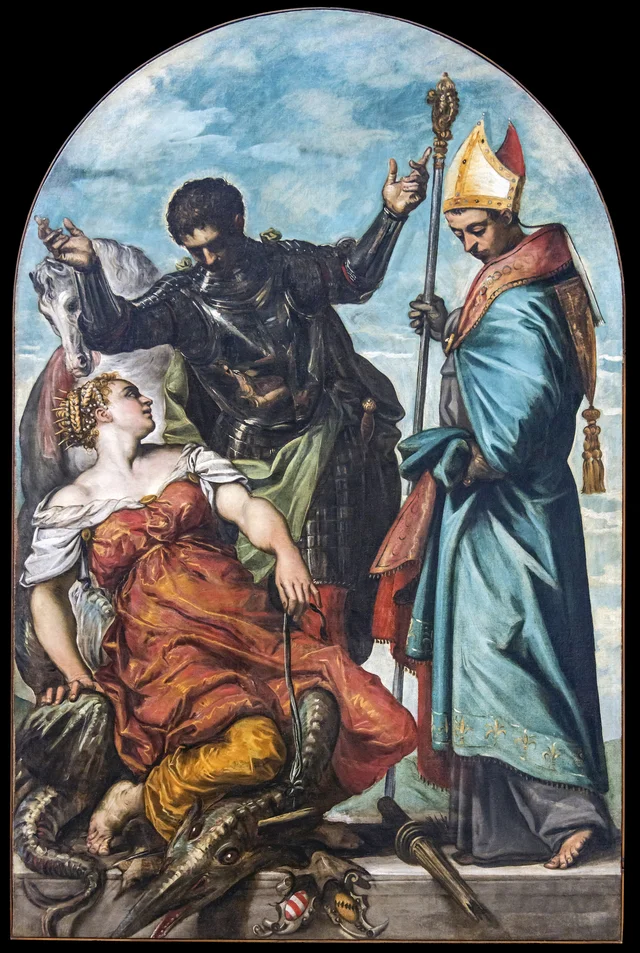 San Luis y san Jorge con la princesaJacopo Tintoretto, 1552
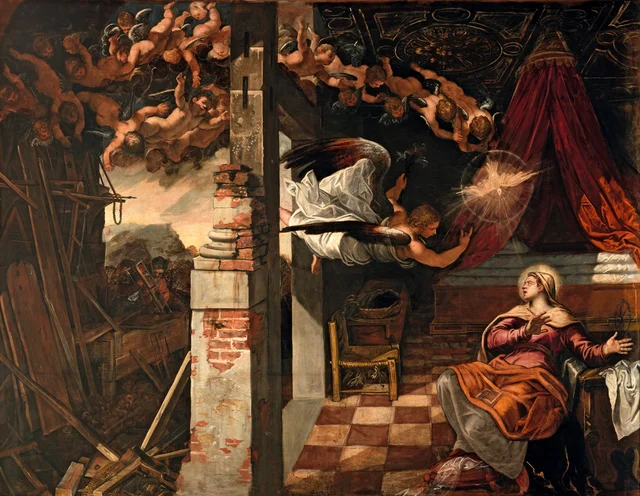 La AnunciaciónJacopo Tintoretto, 1583
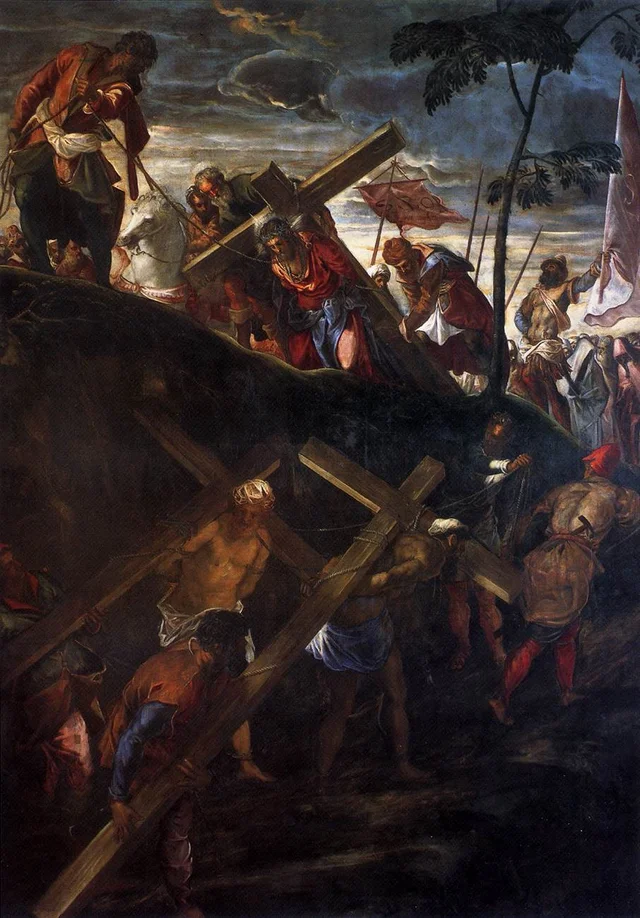 La subida al CalvarioJacopo Tintoretto, 1565
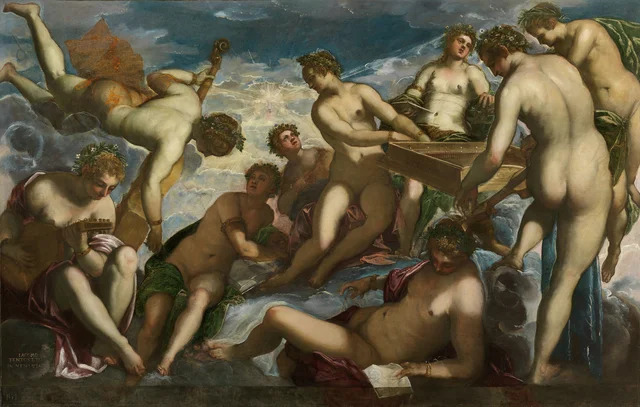 Las musasJacopo Tintoretto, 1578
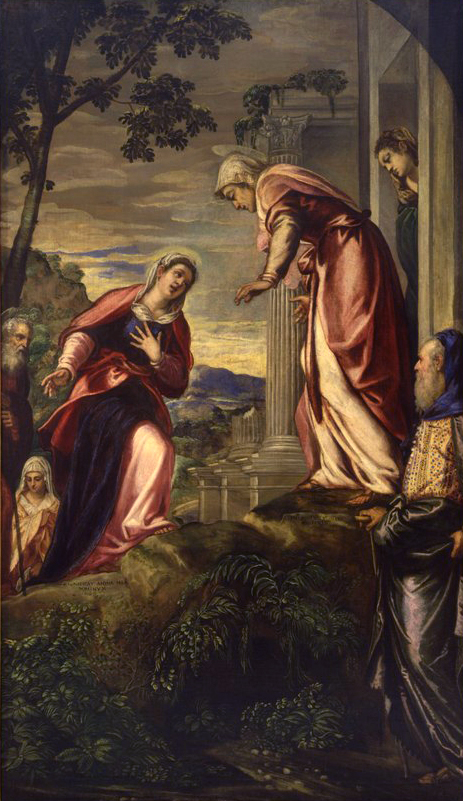 La VisitaciónJacopo Tintoretto, 1549
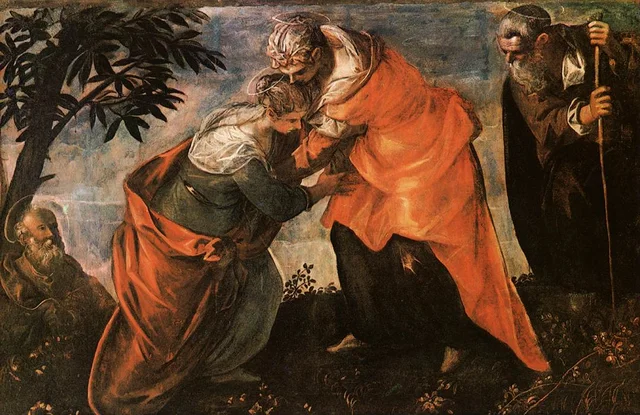 VisitaciónJacopo Tintoretto, 1588
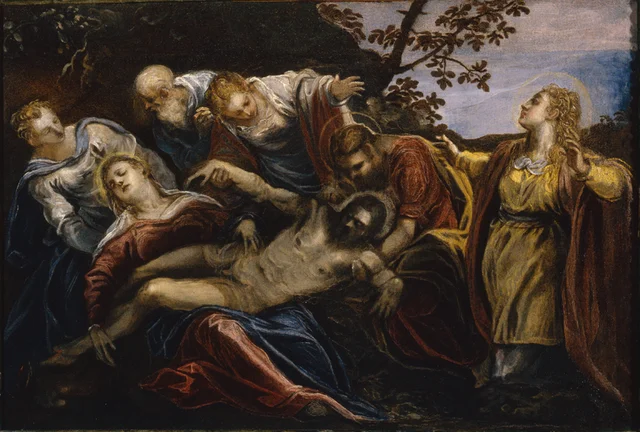 Lamentación sobre Cristo muertoJacopo Tintoretto, 1555
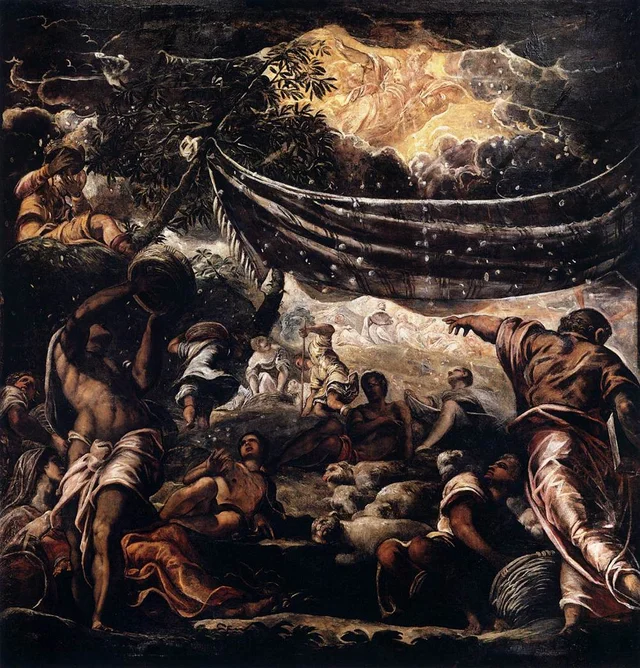 El milagro del manáJacopo Tintoretto, 1577
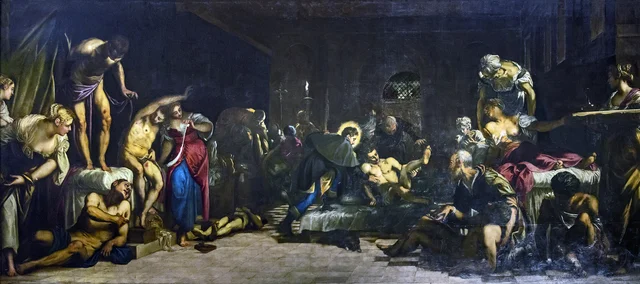 San Roque en el hospitalJacopo Tintoretto, 1549
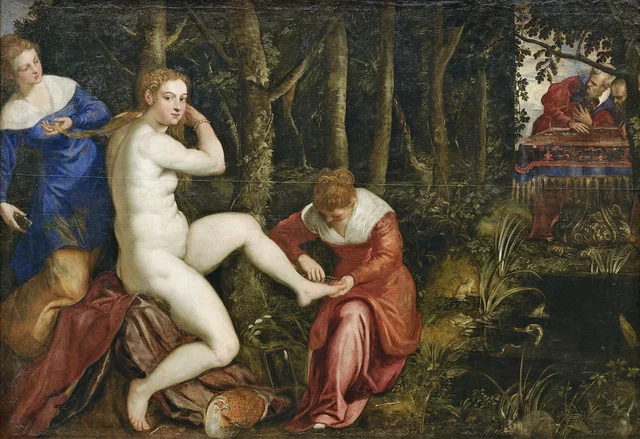 Susana en el bañoJacopo Tintoretto, 1550
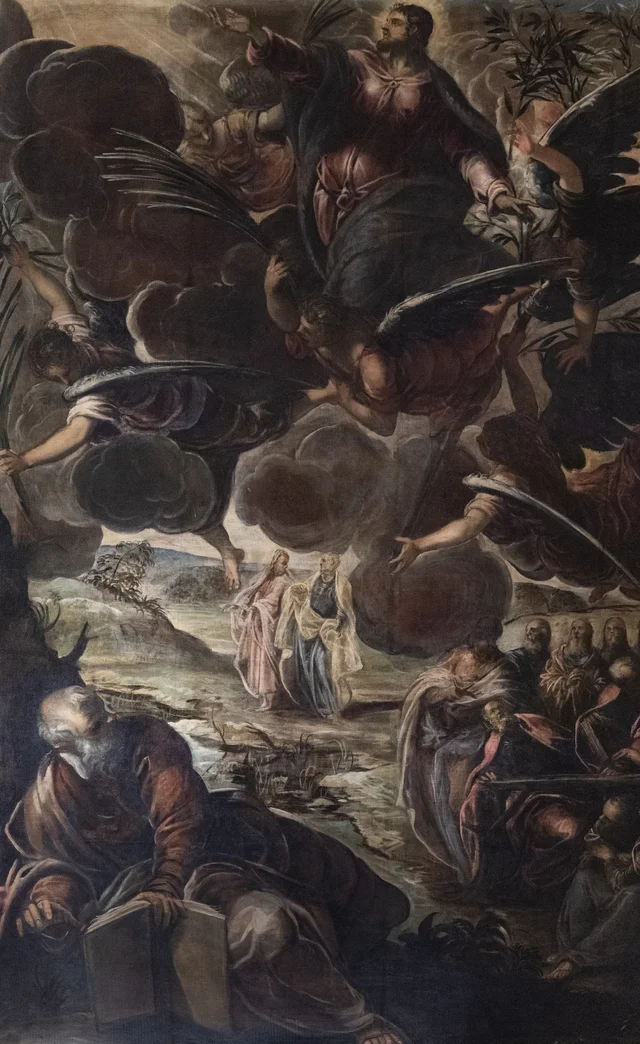 La AscensiónJacopo Tintoretto, 1580
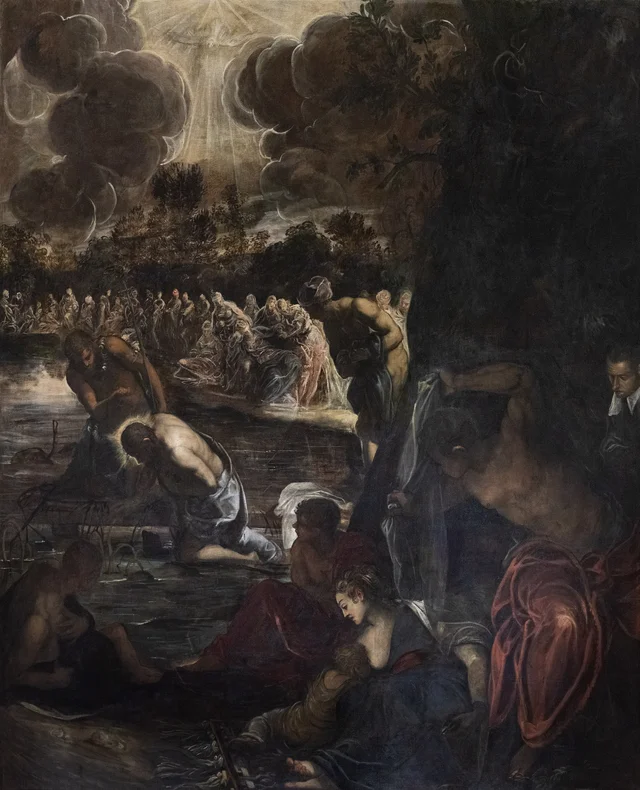 El bautismo de CristoJacopo Tintoretto, 1580
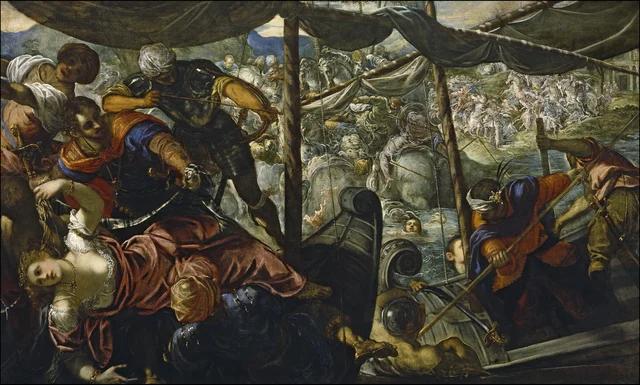 El rapto de HelenaJacopo Tintoretto, 1578