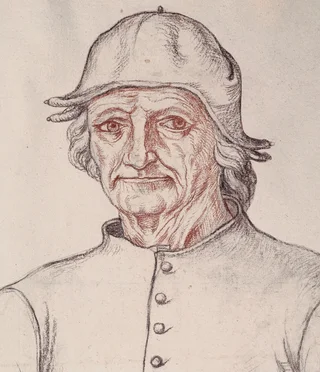
Jérôme Bosch
1450–1516 · Pays-Bas septentrionaux · Primitifs flamands
L'histoire
Jérôme Bosch peignit certaines des images les plus étranges de tout l'art européen : des démons à tête d'oiseau avalant les damnés, un torse d'homme construit comme une coquille d'œuf brisée, un enfer figuré en ville brûlant de nuit. On serait tenté d'imaginer, derrière ces visions, l'esprit d'un marginal ou d'un hérétique.
Il était tout le contraire. Il passa toute sa vie dans une seule ville néerlandaise, Bois-le-Duc ('s-Hertogenbosch), qui lui donna son nom, et rien dans les archives n'indique qu'il l'ait jamais quittée. C'était une figure locale respectée, membre assermenté de la Confrérie de Notre-Dame, une confrérie religieuse conservatrice de clercs et de notables, pour laquelle il peignit des retables.
Ses monstres se voulaient des sermons. Le Jardin des délices, réalisé vers 1500, se lit de gauche à droite, du calme de l'Éden à un jardin bondé de plaisirs charnels puis à cet enfer embrasé, un avertissement sur ce à quoi mène l'appétit terrestre, destiné à des gens qui partageaient sa foi. On ne sait presque rien d'autre sur lui, ni sa formation, à peine une date certaine, seulement les tableaux et la ville.
Autres articles
 Article · 40 min de lectureLes Gallerie dell'Accademia de Venise : vingt œuvres et le chemin qui a conduit chacune jusqu'ici
 Article · 21 min de lectureMusée du Prado : les tableaux qui ont survécu à leurs mondes
 Article · 47 min de lectureLa Gemäldegalerie de Berlin : 20 tableaux que Berlin a achetés, perdus et divisés
Œuvres
41 œuvres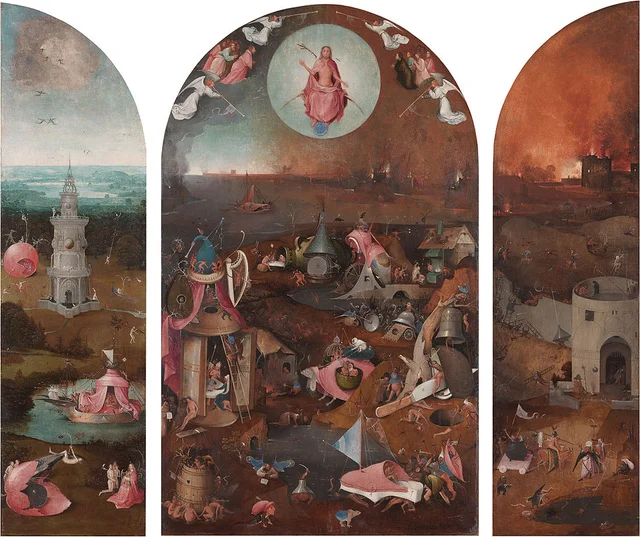 Le Jugement dernierJérôme Bosch, 1500
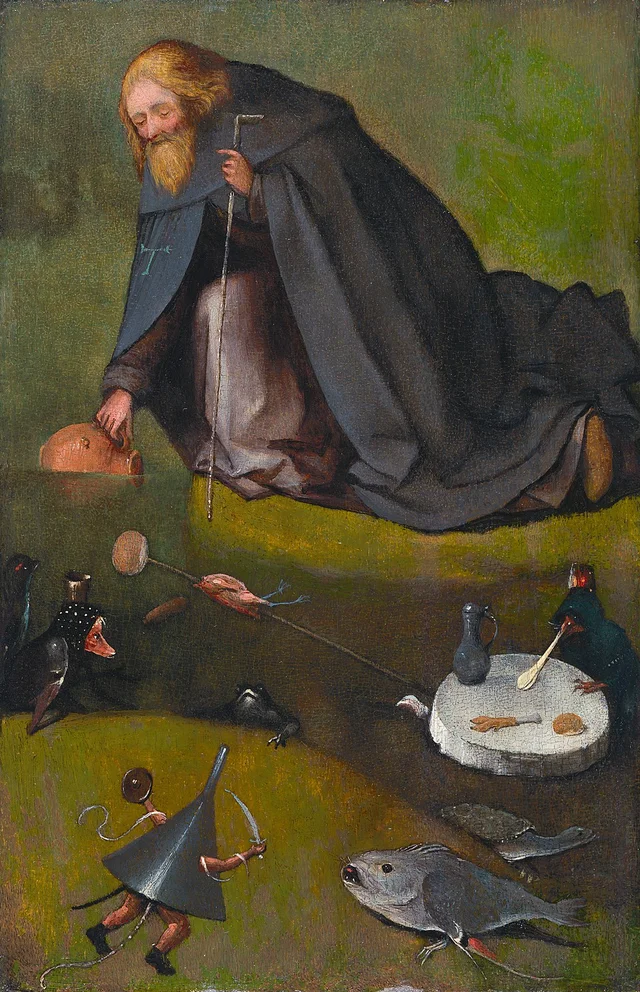 La Tentation de saint AntoineJérôme Bosch, 1500
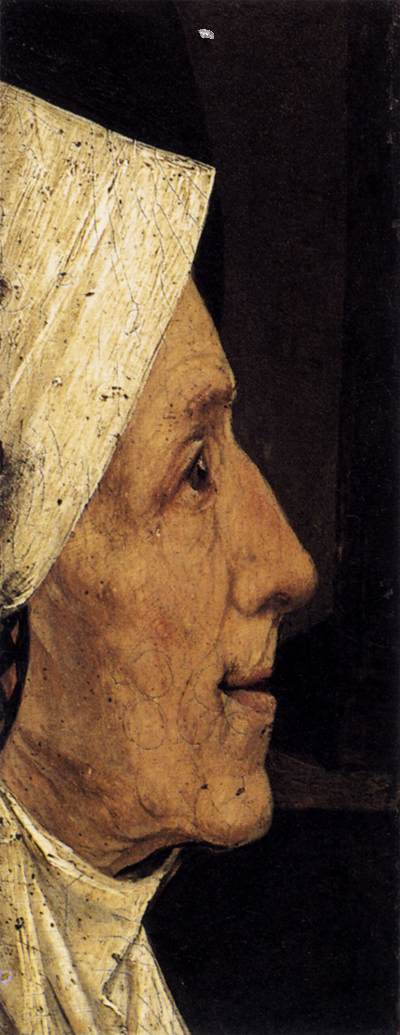 Tête de vieille femmeJérôme Bosch, 1500
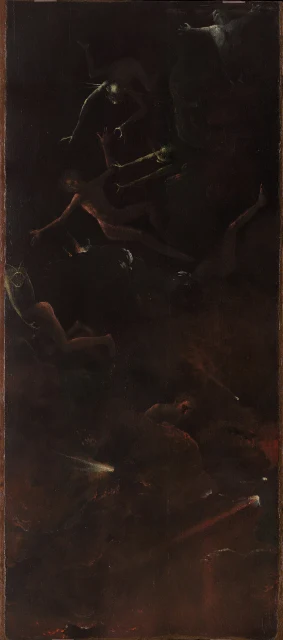 Visions de l'au-delà : la chute des damnés en enferJérôme Bosch, 1510
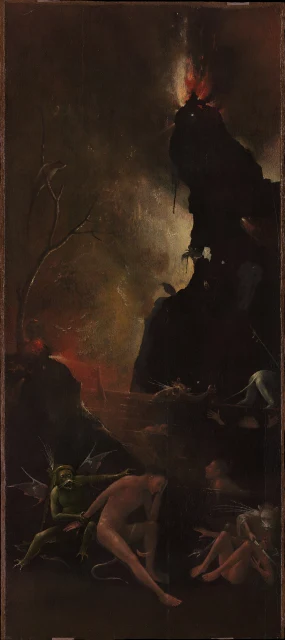 Visions de l'au-delà : l'EnferJérôme Bosch, 1510
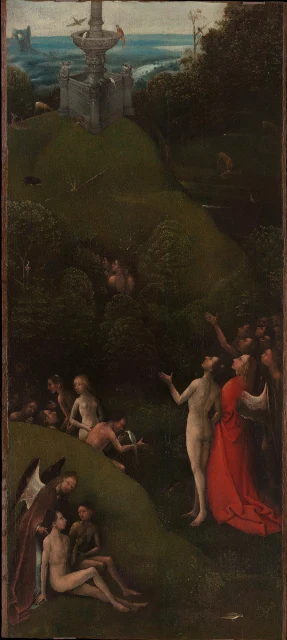 Visions de l'au-delà : le Paradis terrestreJérôme Bosch, 1510
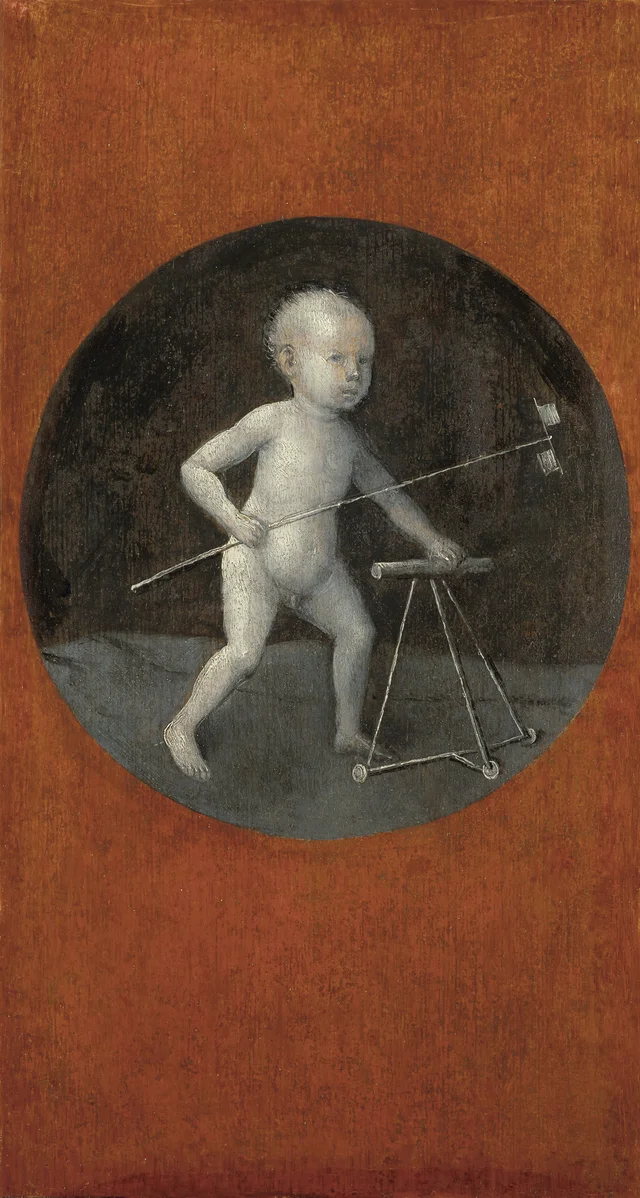 L'Enfant Jésus au trotteurJérôme Bosch, 1500
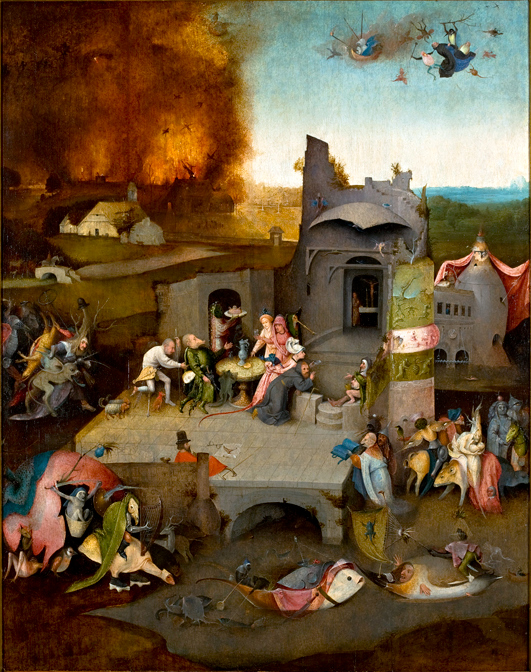 Les Tentations de saint Antoine (Jérôme Bosch, São Paulo)Jérôme Bosch, 1500
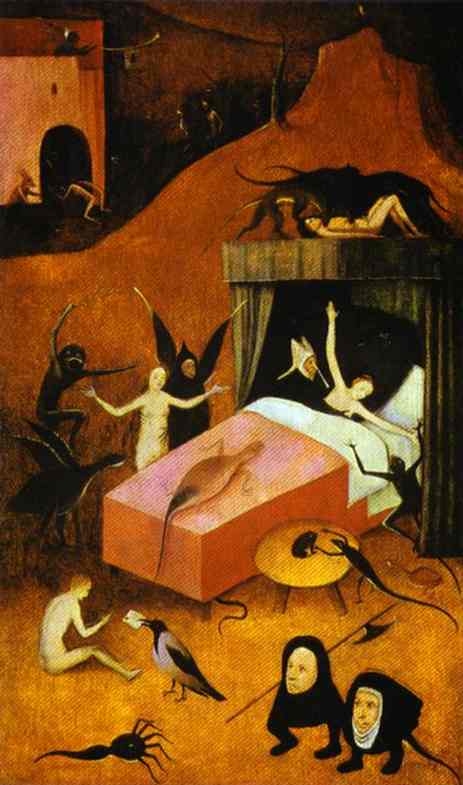 Mort du réprouvéJérôme Bosch, 1490
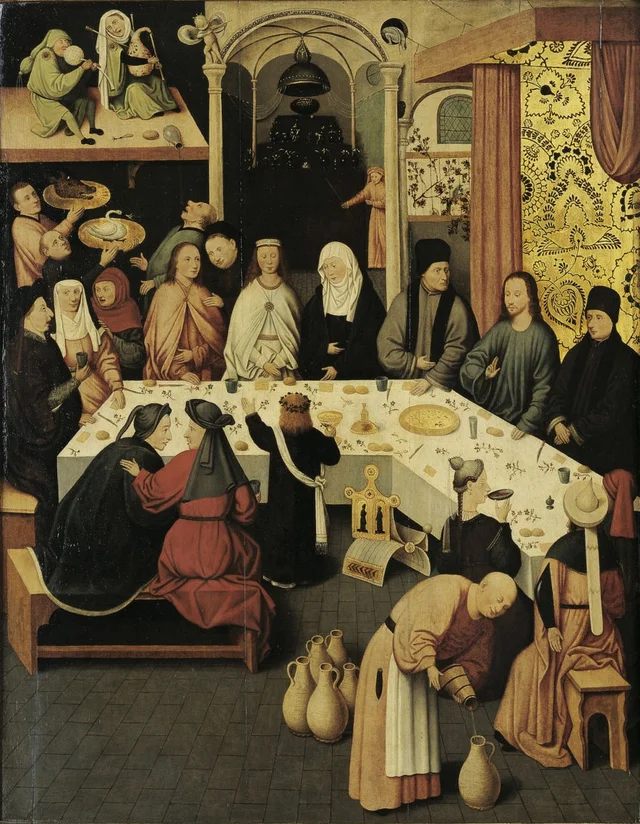 Les Noces de CanaJérôme Bosch, 1500
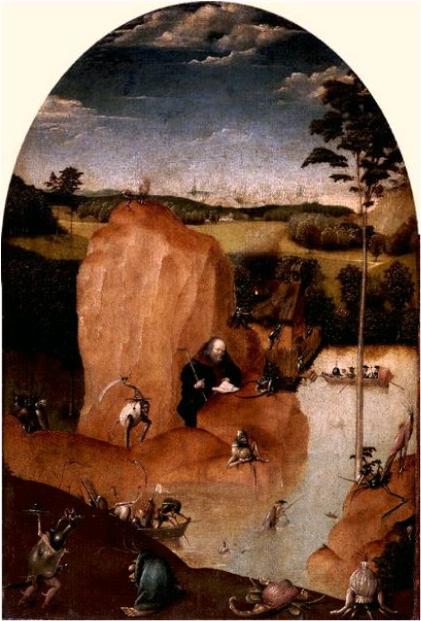 La Tentation de saint Antoine (d'après Jérôme Bosch)Jérôme Bosch, 1550
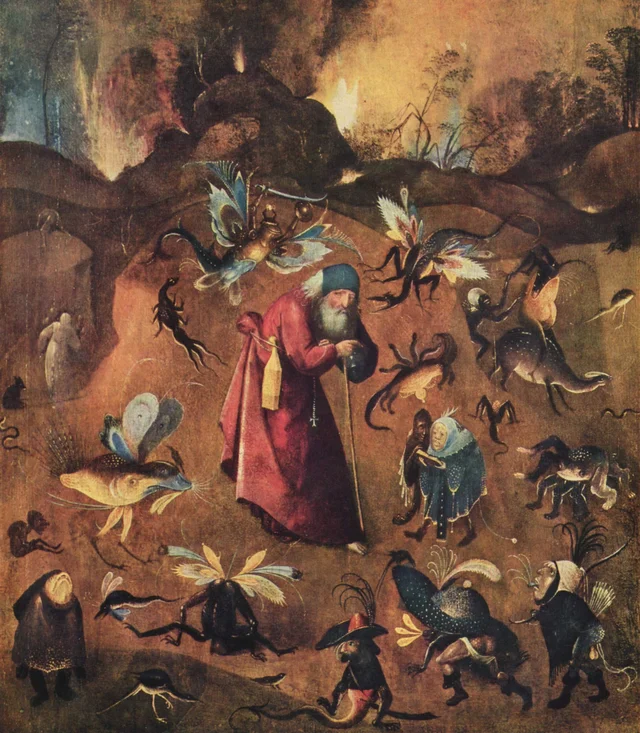 La Tentation de saint AntoineJérôme Bosch, 1500
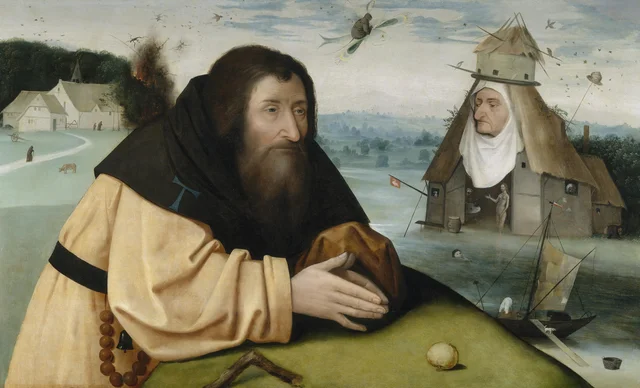 Les Tentations de saint AntoineJérôme Bosch, 1510
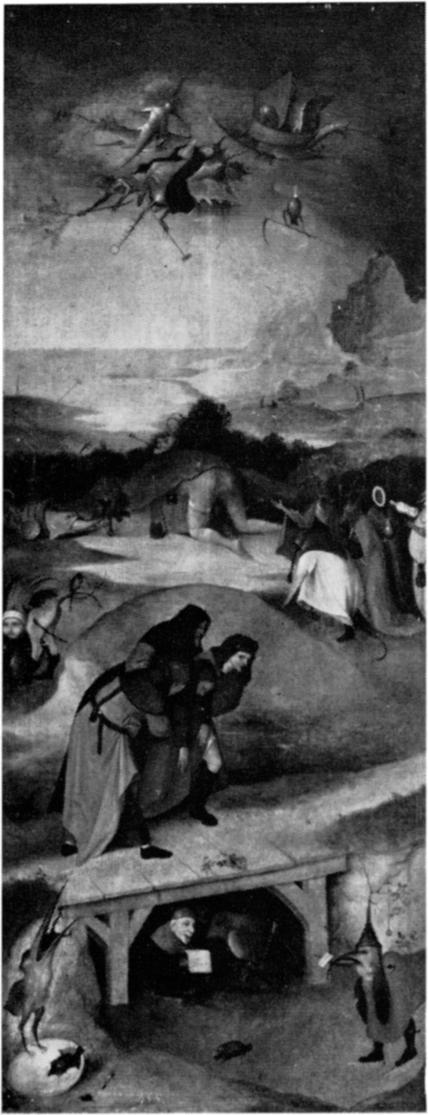 Les Tentations de saint AntoineJérôme Bosch, 1501
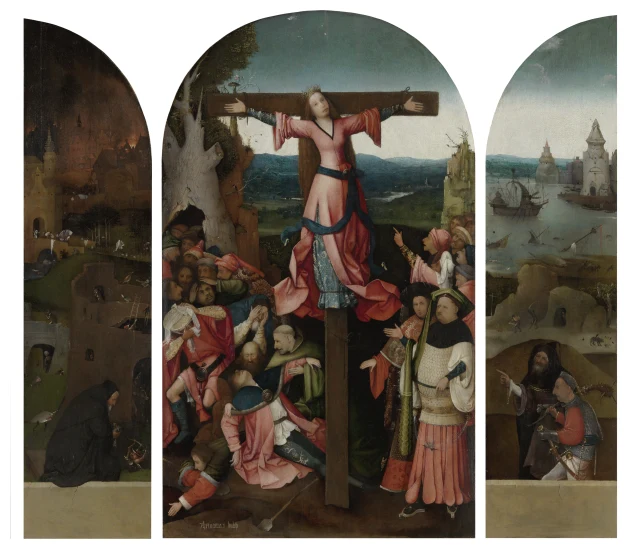 Triptyque de sainte WilgeforteJérôme Bosch, 1500
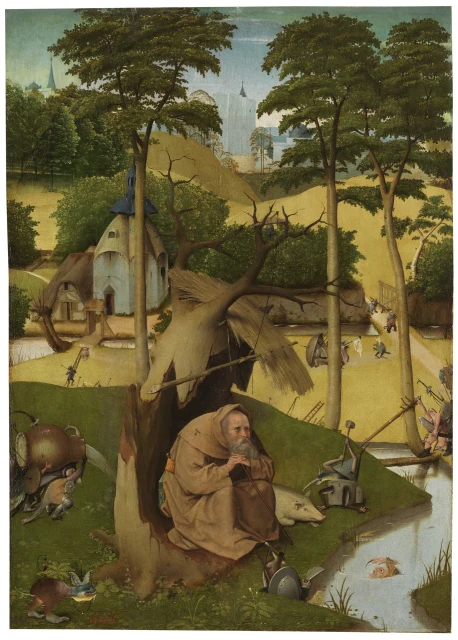 Les Tentations de saint Antoine abbéJérôme Bosch