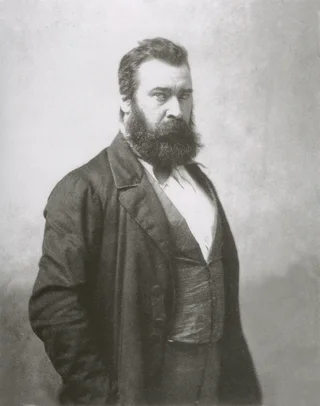
Jean-François Millet
1814–1875 · France · Réalisme français
L'histoire
Jean-François Millet grandit en travaillant la terre en Normandie, fils de paysans, avant qu'une bourse offerte par des mécènes locaux ne l'envoie à Paris en 1837 pour y étudier sérieusement la peinture. Cette origine le distinguait de la plupart des peintres de Salon de sa génération, qui traitaient le paysan comme un sujet lointain et sentimental. Millet, lui, avait vraiment fait ce travail.
En 1857, il expose Des glaneuses, montrant trois paysannes courbées dans un champ pour ramasser le blé laissé après la moisson principale, la tâche la plus misérable qu'une femme de la campagne pouvait alors espérer. Les critiques y virent une déclaration politique, un rappel de la fracture sociale, et réagirent avec plus d'hostilité que Millet ne l'avait souhaité. Deux ans plus tard, il peignit un couple s'arrêtant dans un champ au crépuscule pour la prière du soir, et changea le titre de l'œuvre, de Prière pour la récolte de pommes de terre à L'Angélus, nom sous lequel elle est connue aujourd'hui.
Millet s'était alors installé dans le village de Barbizon, en lisière de la forêt de Fontainebleau, parmi un groupe de peintres qui travaillaient directement d'après le paysage environnant plutôt que dans un atelier parisien. Il y resta jusqu'à sa mort, en 1875.
Autres articles
Œuvres
79 œuvres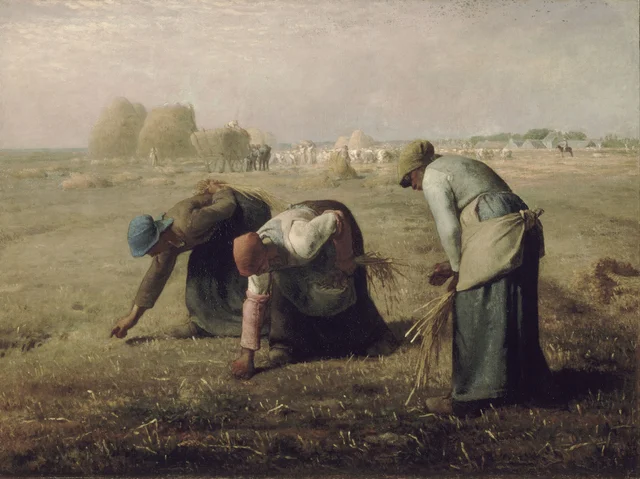 Des glaneusesJean-François Millet, 1857
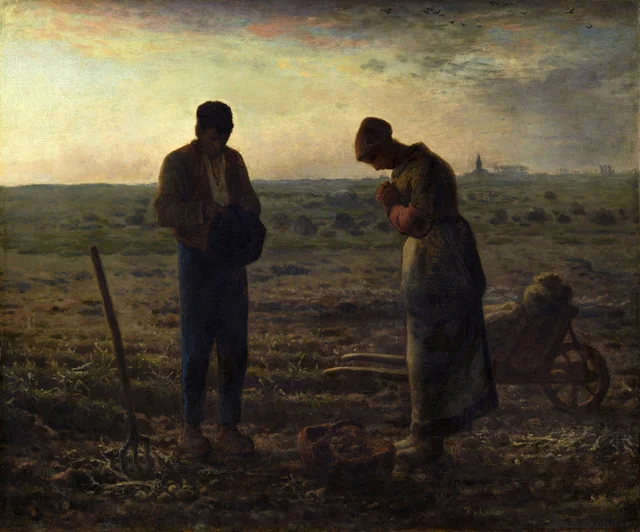 L'AngélusJean-François Millet, 1858
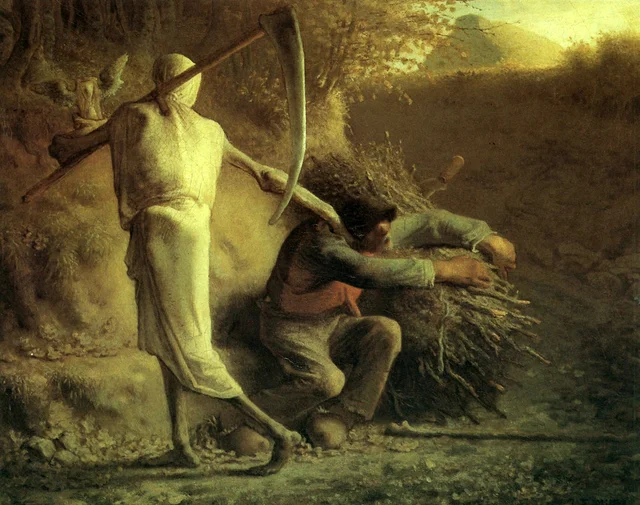 La Mort et le BûcheronJean-François Millet, 1859
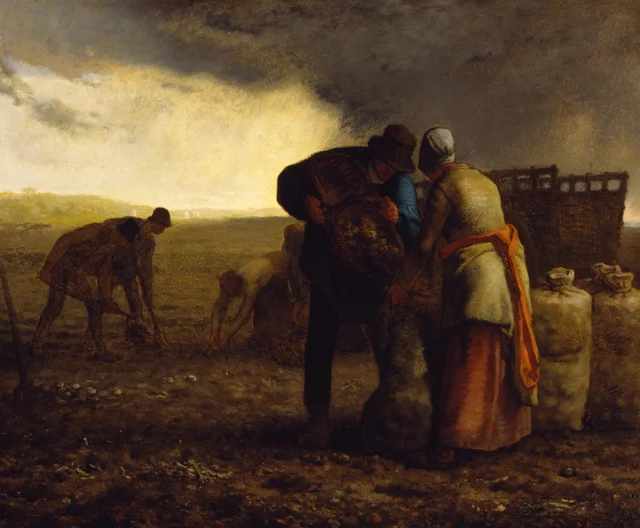 La Récolte des pommes de terreJean-François Millet, 1855
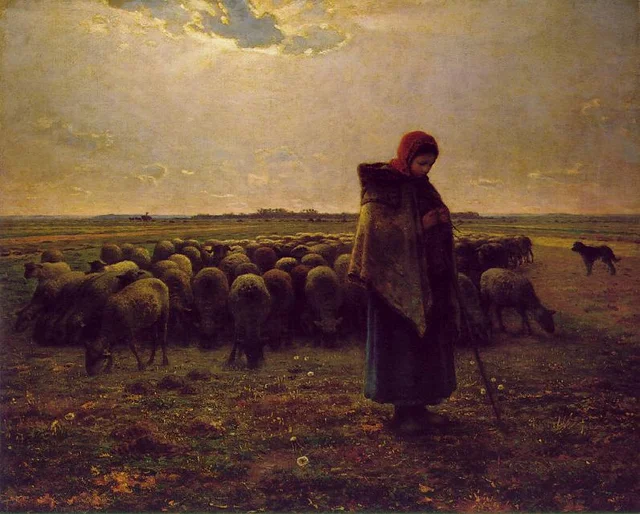 Bergère avec son troupeauJean-François Millet, 1863
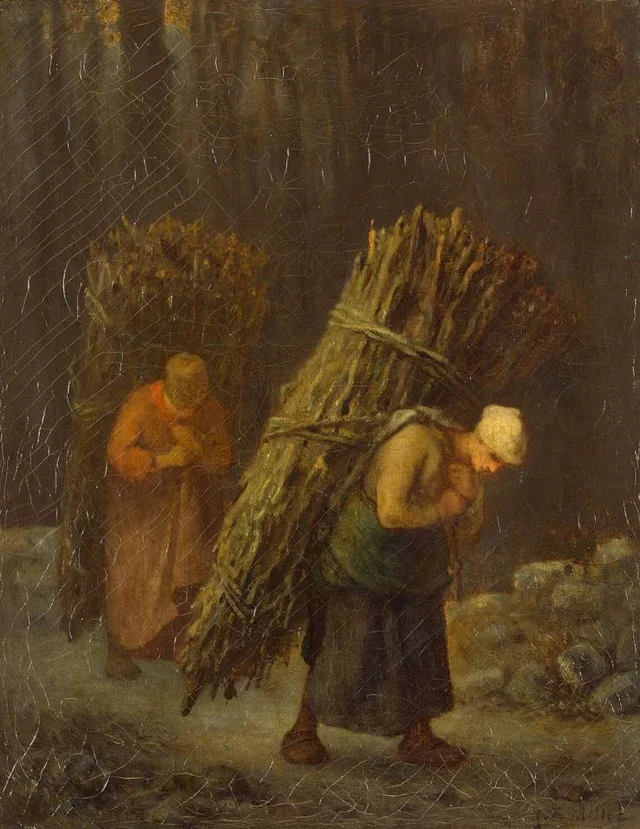 Paysannes ramassant du bois mortJean-François Millet, 1852
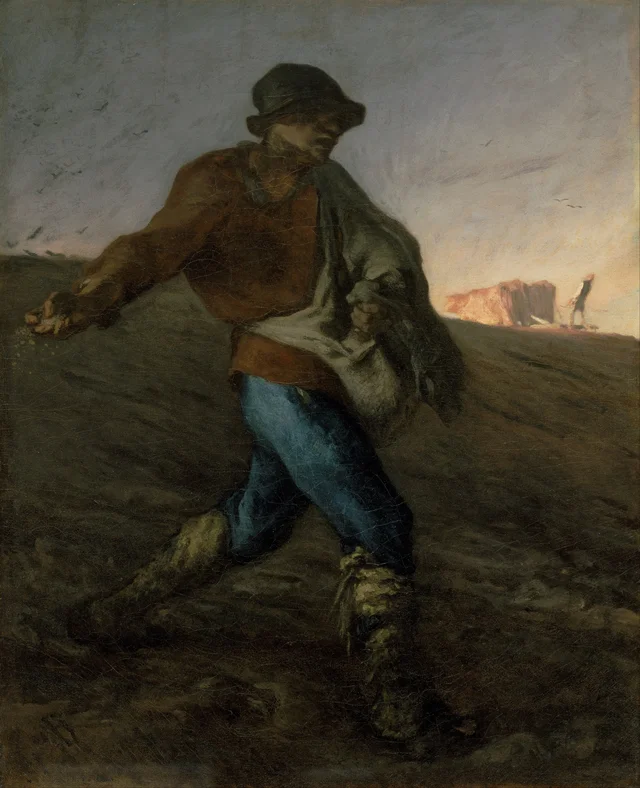 Le SemeurJean-François Millet, 1850
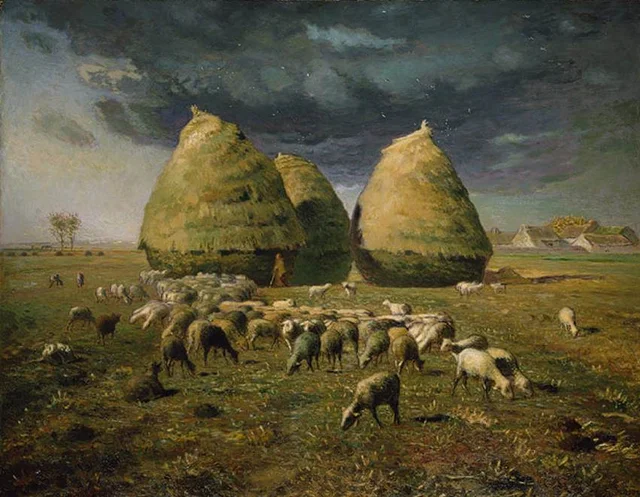 Meules, automneJean-François Millet, 1874
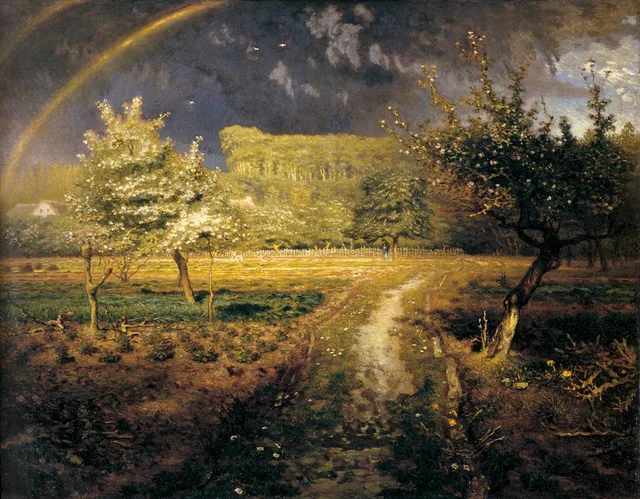 Le PrintempsJean-François Millet, 1870
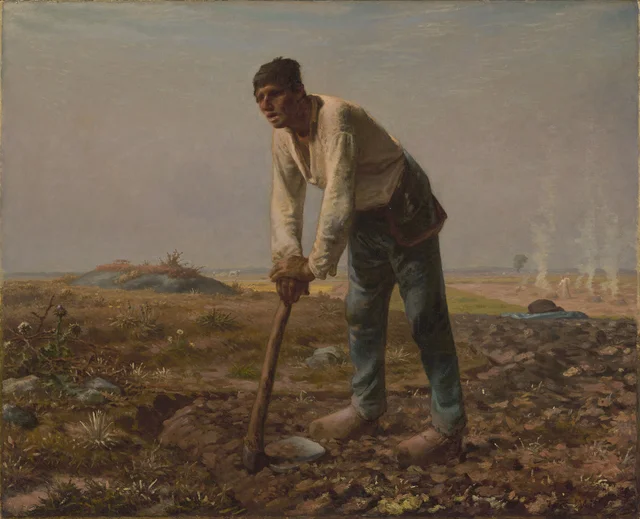 L'Homme à la houeJean-François Millet, 1860
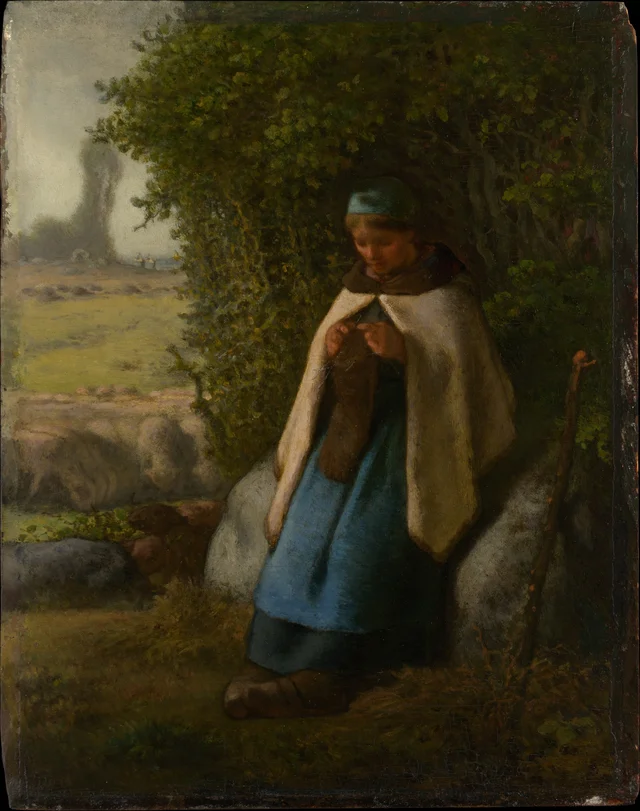 Bergère assise sur un rocherJean-François Millet, 1856
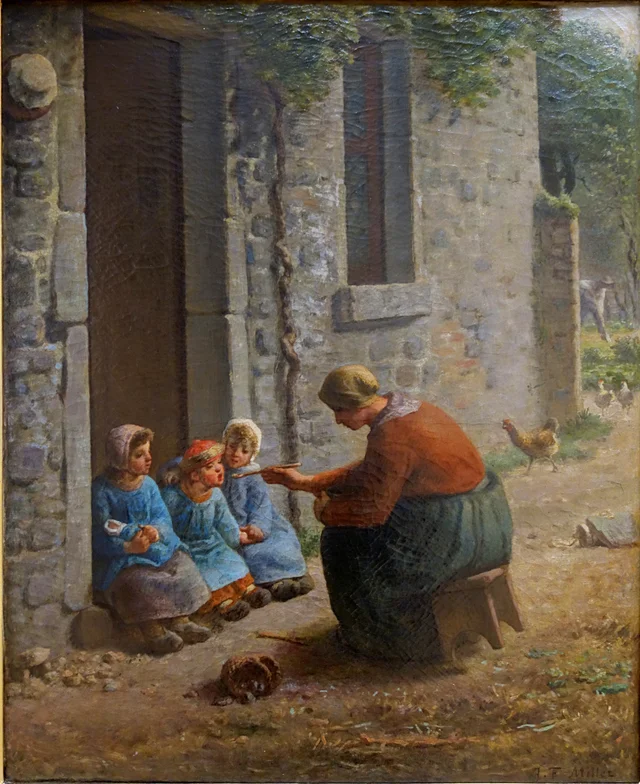 La BecquéeJean-François Millet, 1860
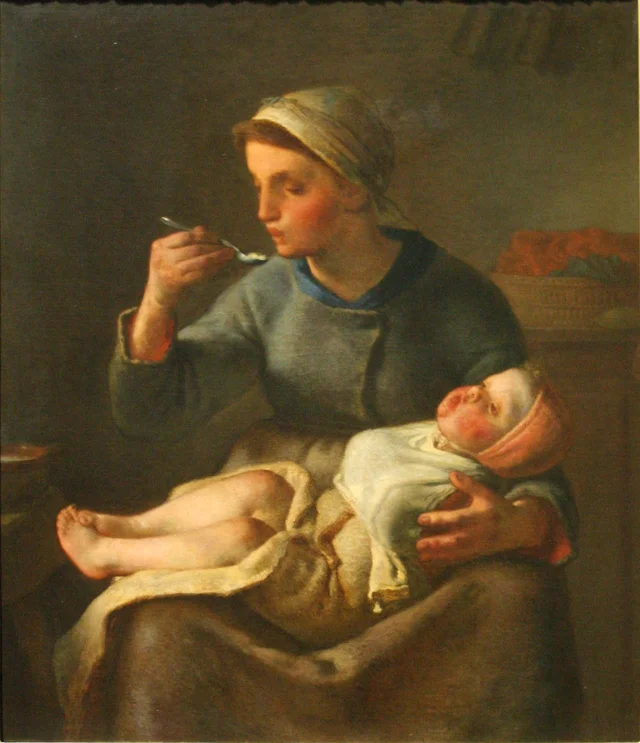 La BouillieJean-François Millet, 1861
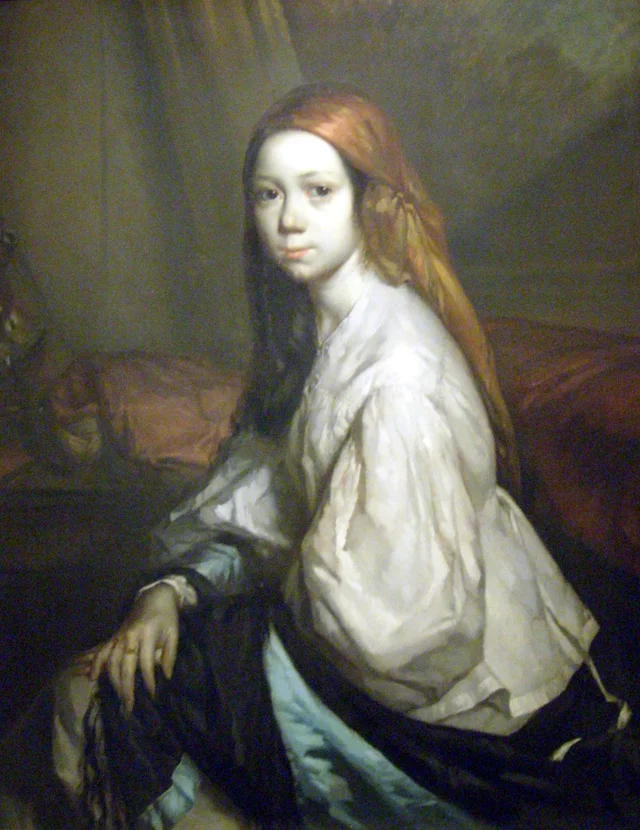 Portrait de Pauline Ono en robe du matinJean-François Millet, 1843
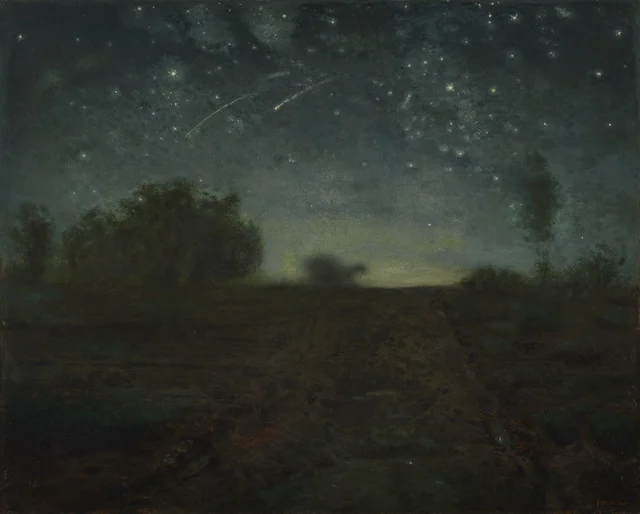 Nuit étoiléeJean-François Millet, 1857
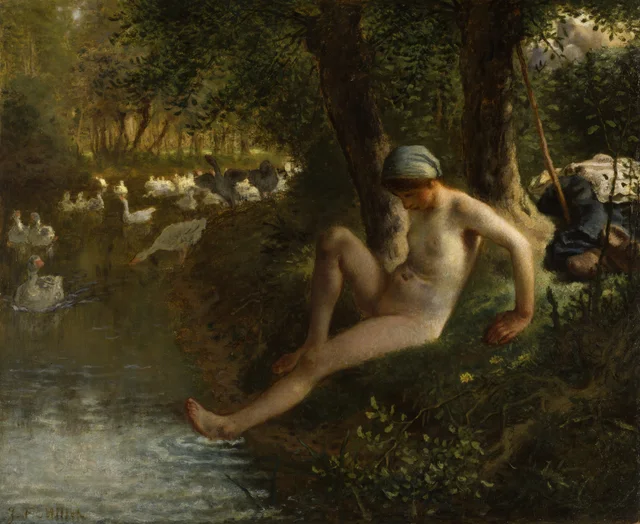 La Gardeuse d'oiesJean-François Millet, 1863
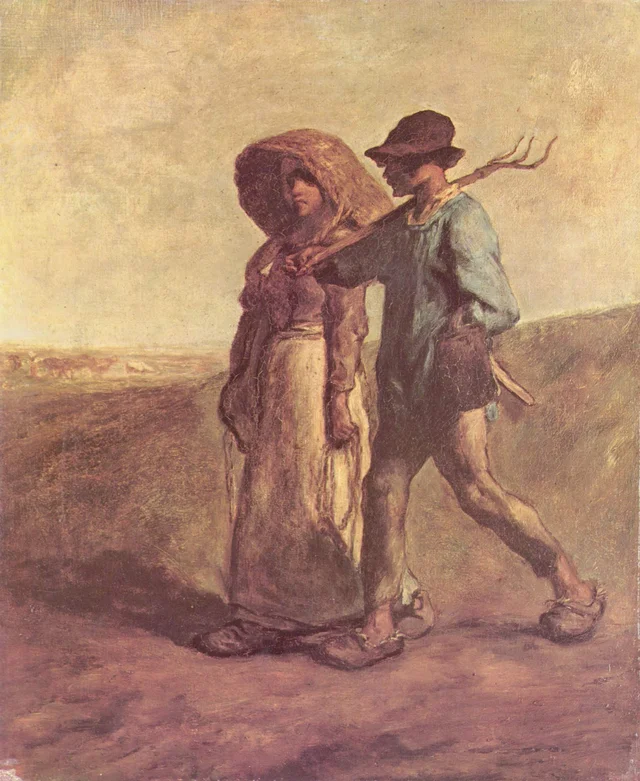 Le Départ pour le travailJean-François Millet, 1850
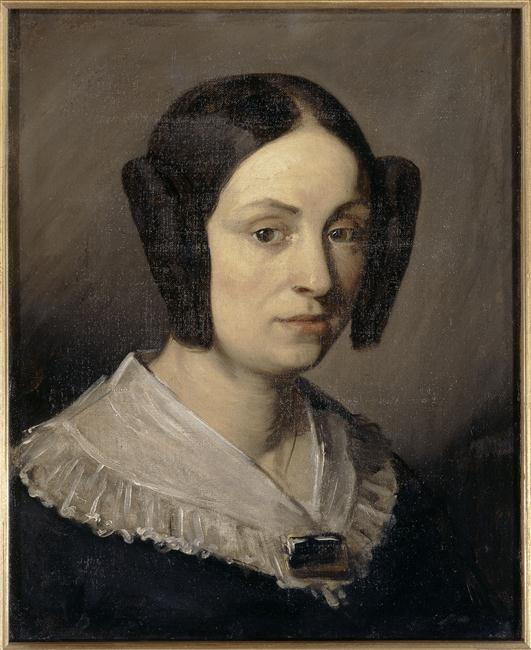 Portrait d'Augustine FournerieJean-François Millet, 1840
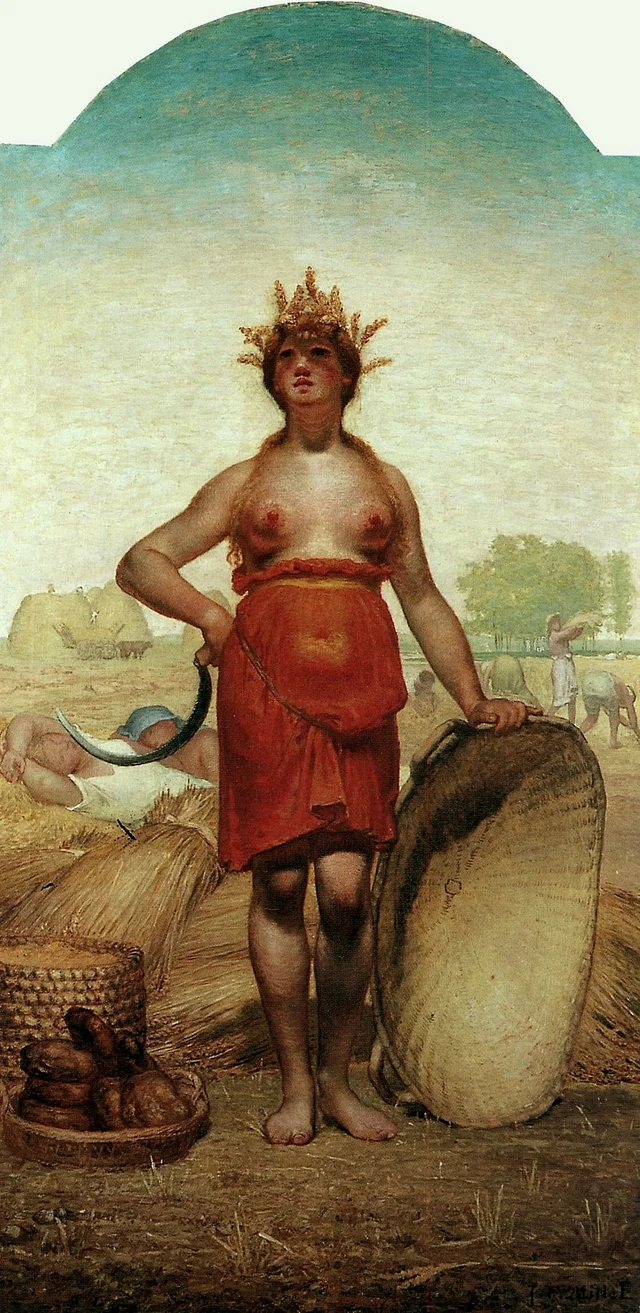 L'Été, CérèsJean-François Millet, 1864
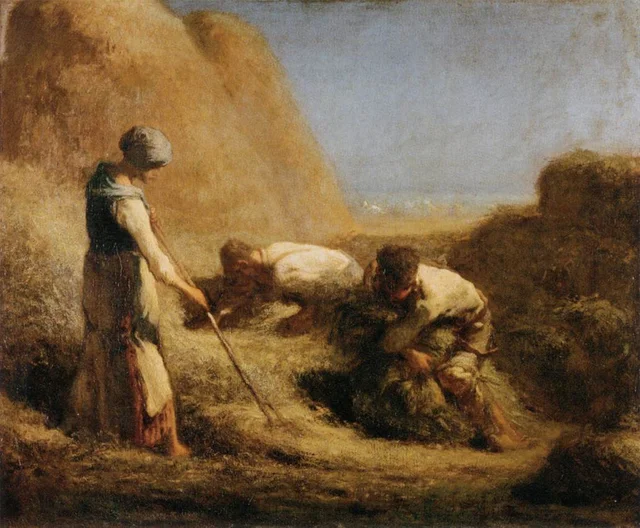 Les Botteleurs de foinJean-François Millet, 1850
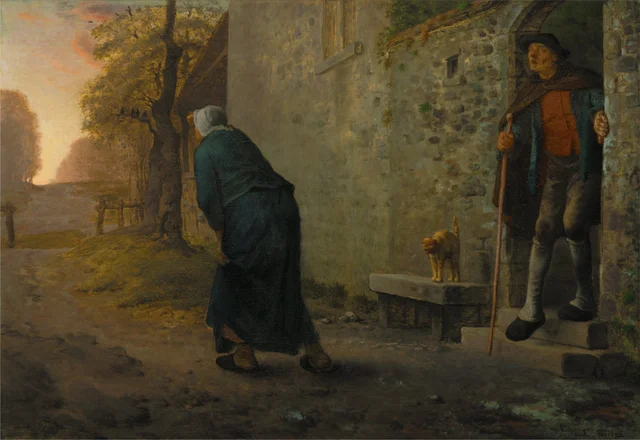 L'AttenteJean-François Millet, 1861
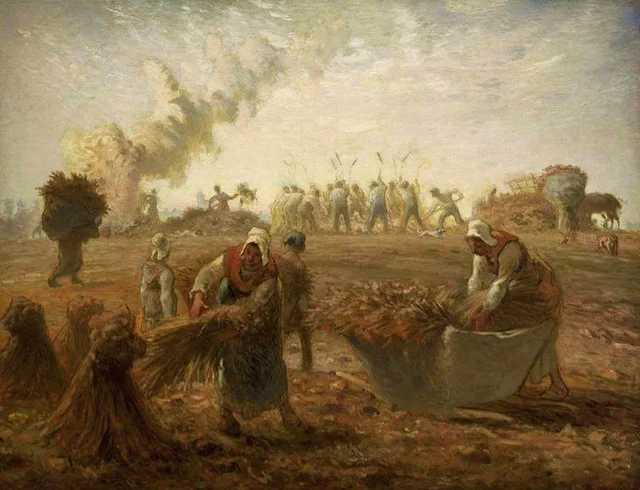 La Moisson du sarrasin, étéJean-François Millet, 1871
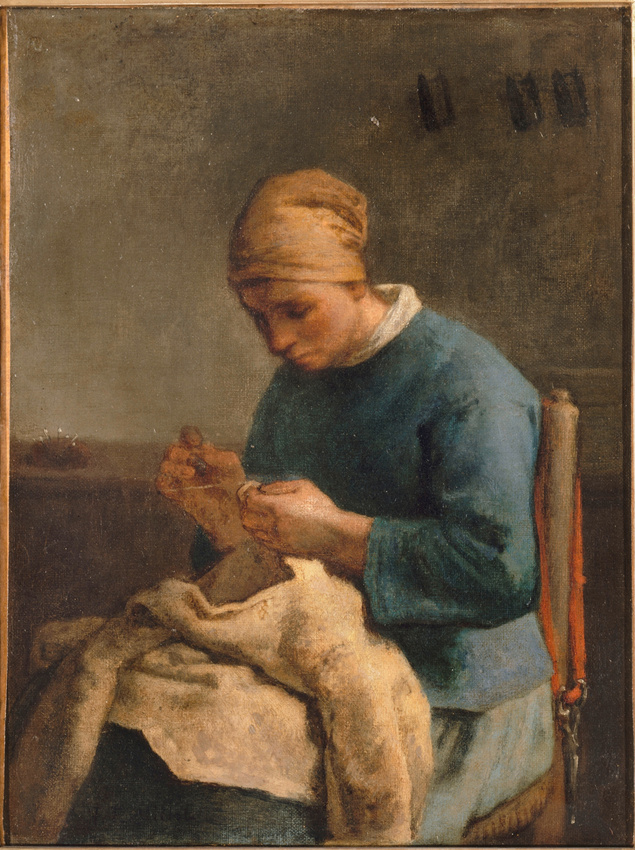 La CouseuseJean-François Millet, 1869
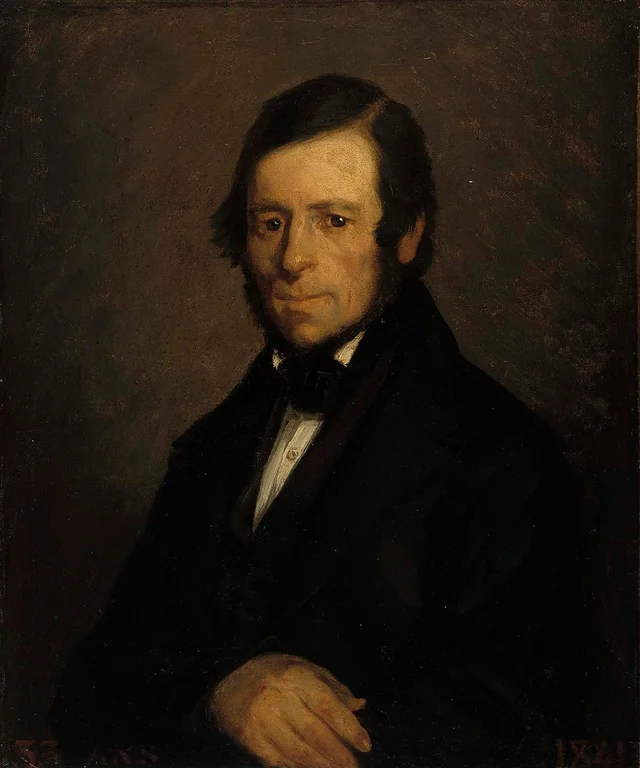 Monsieur FrigotJean-François Millet, 1841
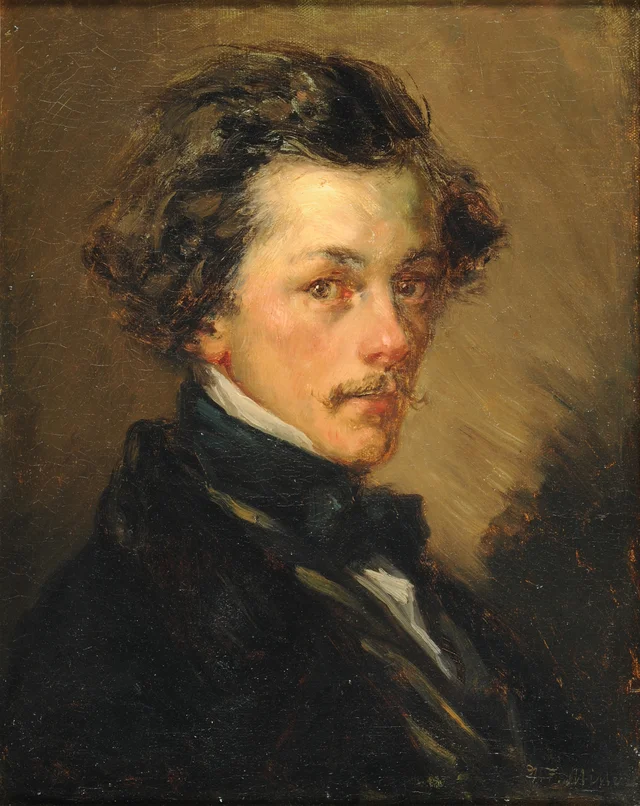 Portrait d'un hommeJean-François Millet, 1845