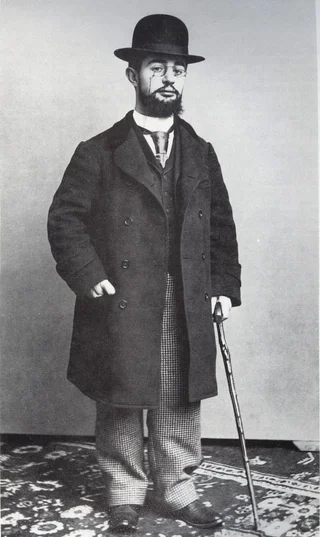
Henri de Toulouse-Lautrec
1864–1901 · Francia · Postimpressionismo, Art nouveau
La storia
Henri de Toulouse-Lautrec nacque nel 1864 in una delle più antiche famiglie aristocratiche di Francia, del genere destinato a cacciare a cavallo con i cani nelle proprie tenute. Il suo corpo aveva altri piani. Da adolescente si ruppe entrambi i femori a un anno di distanza l'uno dall'altro, intorno ai 13 e 14 anni, e le gambe smisero di crescere mentre il busto si sviluppava fino a diventare quello di un uomo adulto. I medici moderni ritengono che soffrisse di una rara condizione ossea ereditaria, oggi talvolta chiamata sindrome di Toulouse-Lautrec.
Tagliato fuori dalla vita che il suo nome prometteva, si trasferì a Montmartre, il quartiere collinare di Parigi pieno di cabaret, sale da ballo e case chiuse, e ne fece il suo soggetto. Quando nel 1889 aprì il cabaret Moulin Rouge, fu incaricato di disegnarne i manifesti, e trattò il mezzo a buon mercato della pubblicità stampata come arte a tutti gli effetti, appiattendo le figure in forme decise e scrivendo a mano i nomi. Dipinse la ballerina La Goulue e la cantante Yvette Guilbert come persone che conosceva davvero, dall'interno del loro mondo.
Beveva molto, assenzio soprattutto, e la salute gli cedette in fretta. Morì nel 1901 nella casa di campagna della madre, a 36 anni. Sua madre trascorse gli anni successivi a raccogliere le opere disperse del figlio, e gran parte di esse riempie oggi un museo ad Albi, la città della Francia meridionale dove era nato.
Altri articoli
Opere
92 opere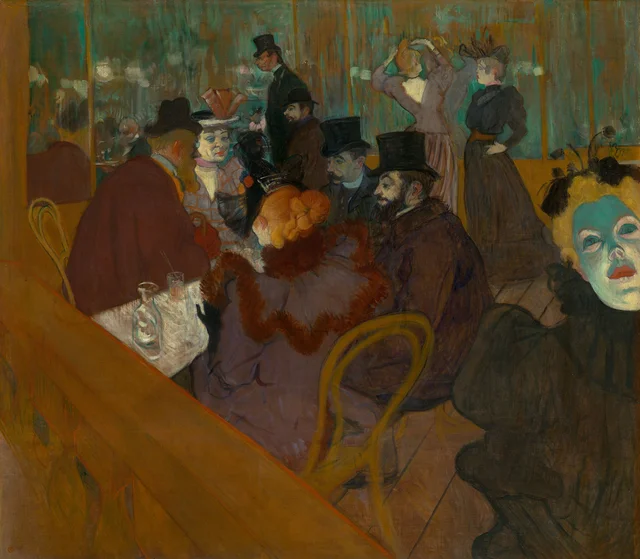 Al Moulin RougeHenri de Toulouse-Lautrec, 1892
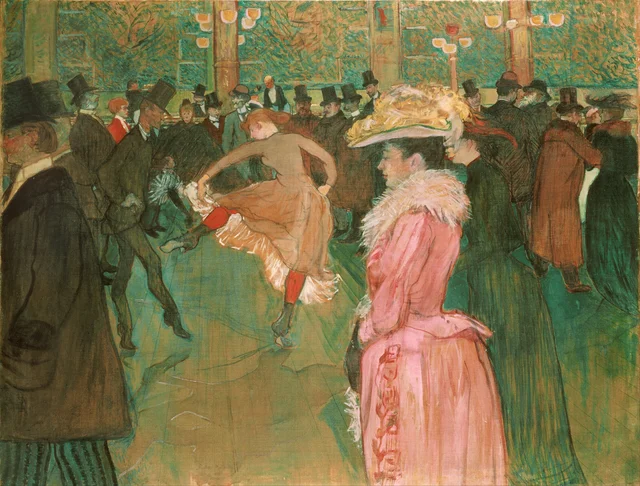 Al Moulin Rouge, la danzaHenri de Toulouse-Lautrec, 1890
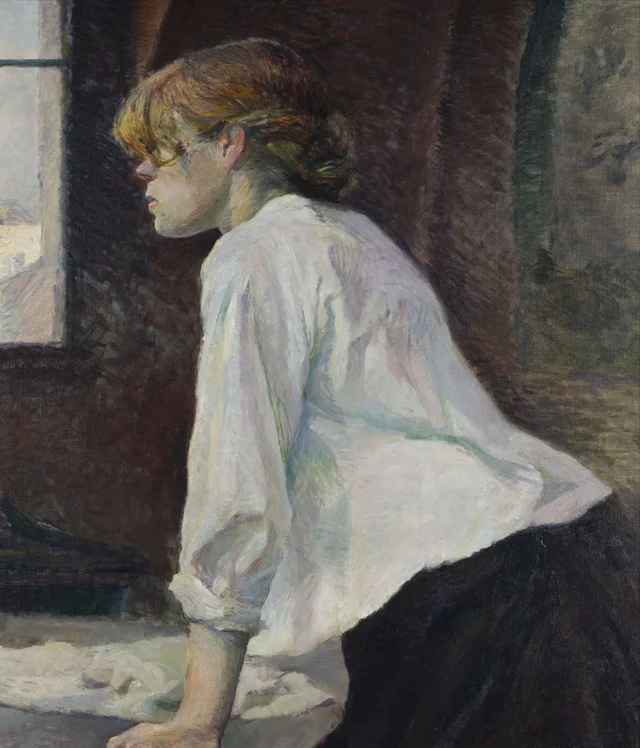 La lavandaiaHenri de Toulouse-Lautrec, 1889
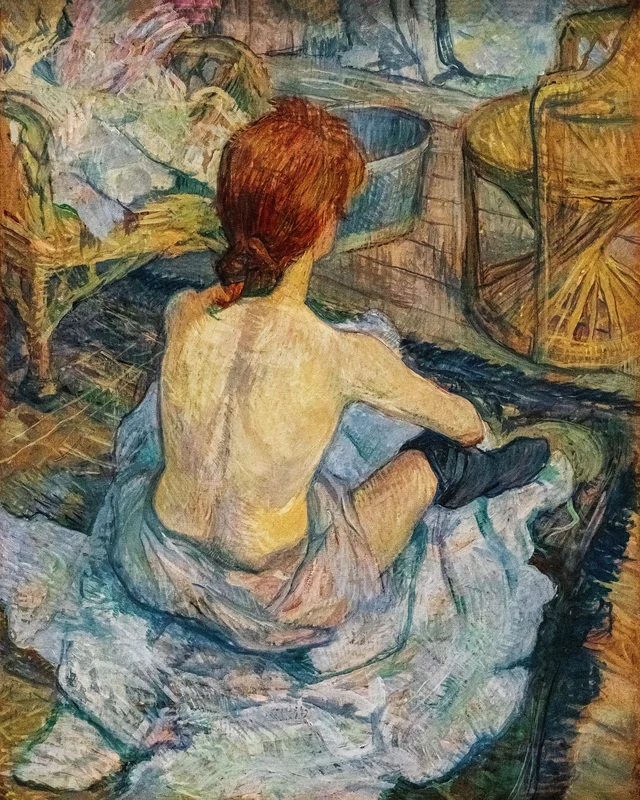 La toelettaHenri de Toulouse-Lautrec, 1896
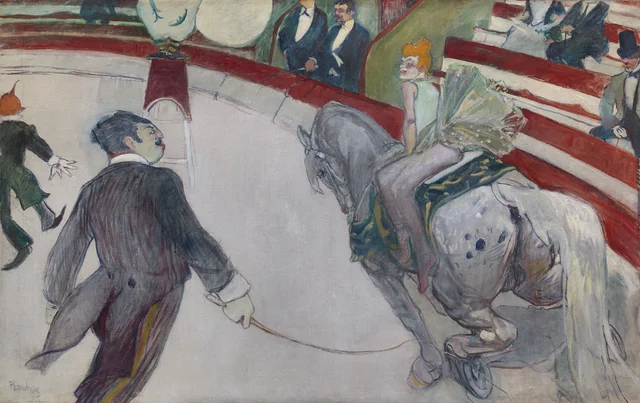 Amazzone (Al circo Fernando)Henri de Toulouse-Lautrec, 1888
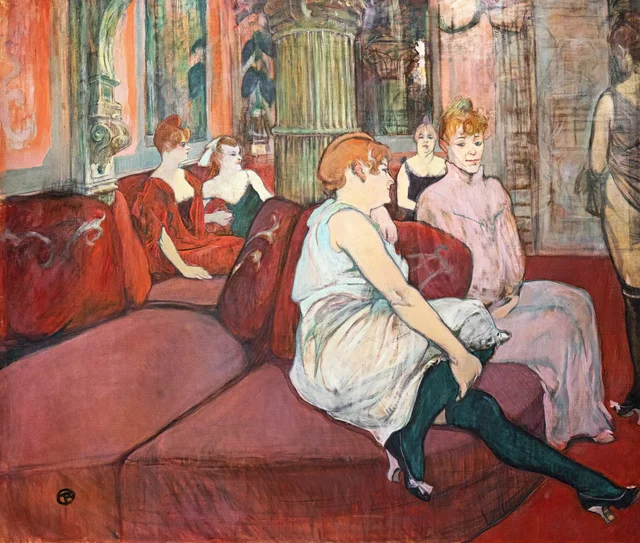 Nel salone di rue des MoulinsHenri de Toulouse-Lautrec, 1894
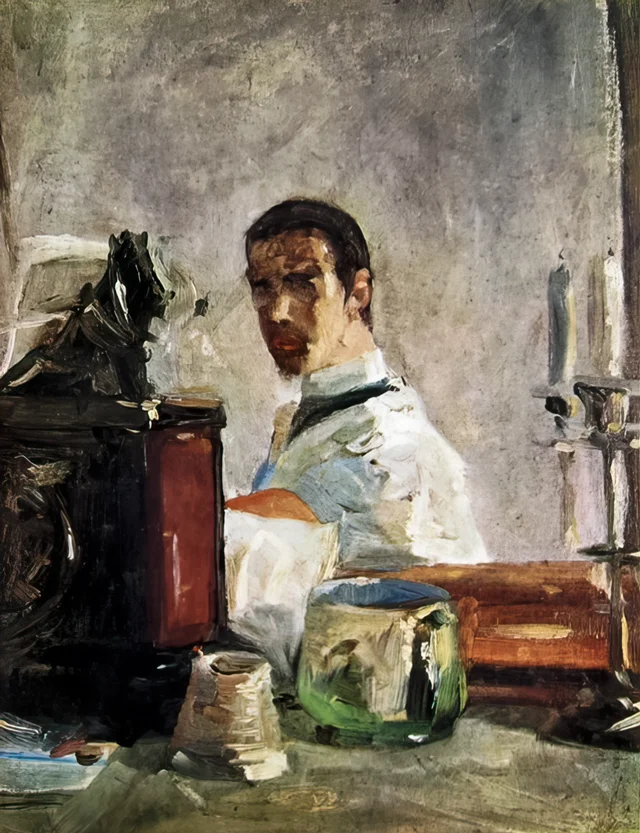 Autoritratto davanti a uno specchioHenri de Toulouse-Lautrec, 1882
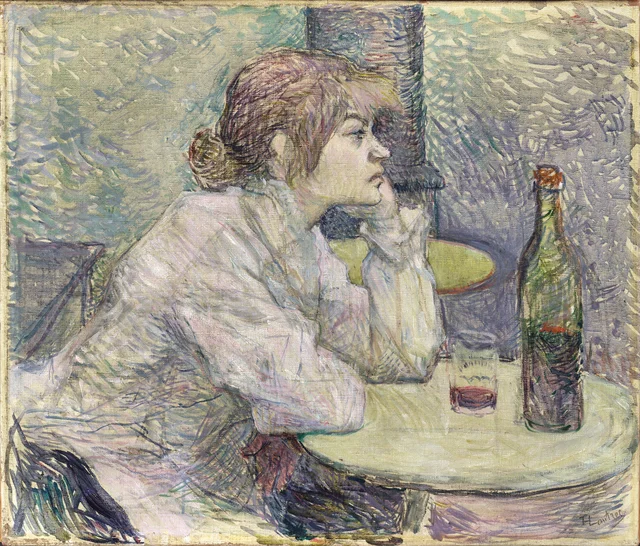 I postumi di una sbornia (Suzanne Valadon)Henri de Toulouse-Lautrec, 1889
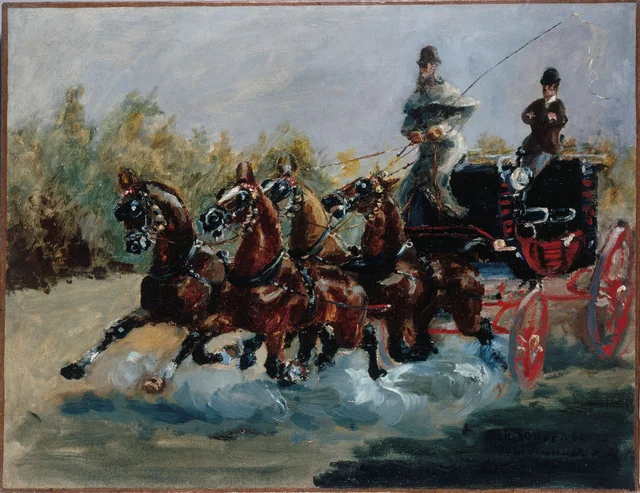 Alphonse de Toulouse-Lautrec-Monfa alla guida della sua mail-coach a NizzaHenri de Toulouse-Lautrec, 1880
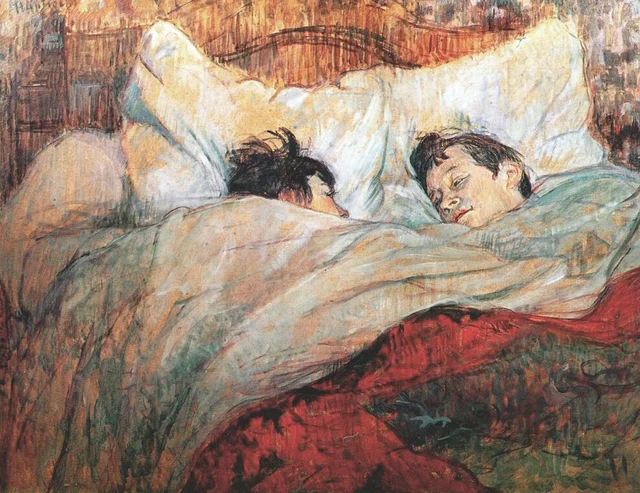 Il lettoHenri de Toulouse-Lautrec, 1892
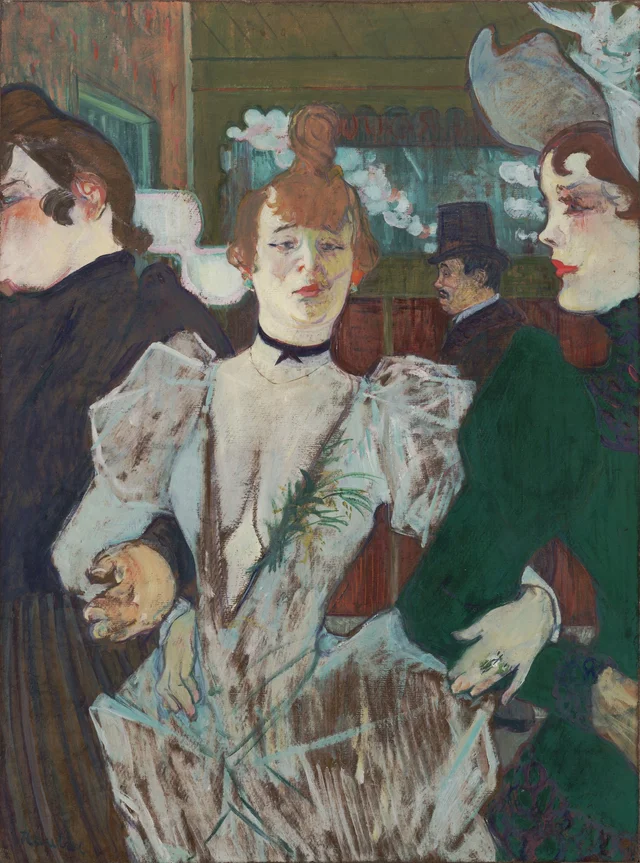 La Goulue al Moulin RougeHenri de Toulouse-Lautrec, 1890
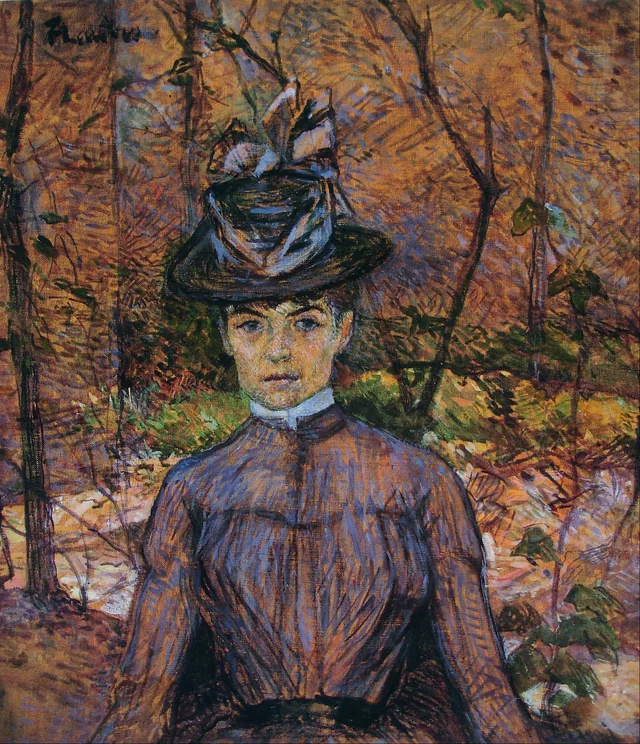 Ritratto di Suzanne ValadonHenri de Toulouse-Lautrec, 1885
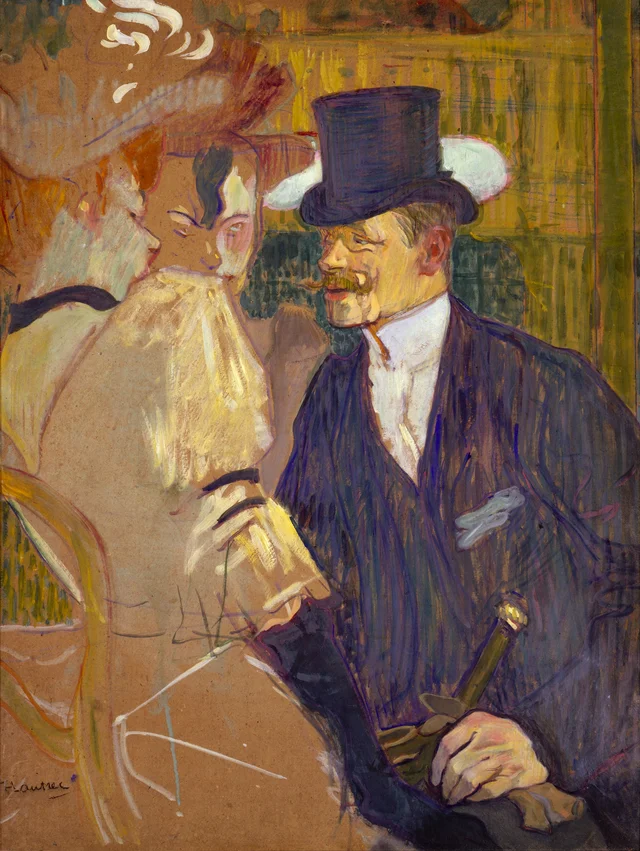 L’inglese (William Tom Warrener, 1861–1934) al Moulin RougeHenri de Toulouse-Lautrec, 1892
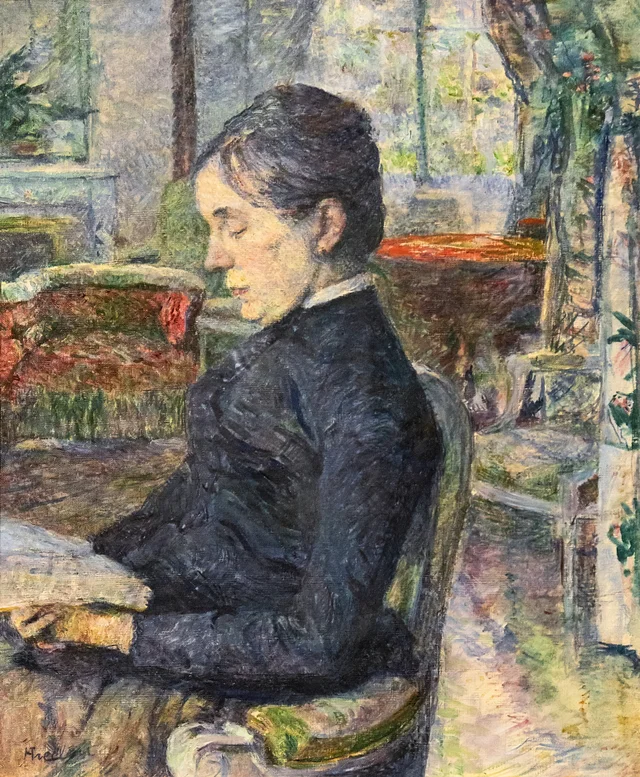 Adèle de Toulouse-Lautrec nel salotto di MalroméHenri de Toulouse-Lautrec, 1886
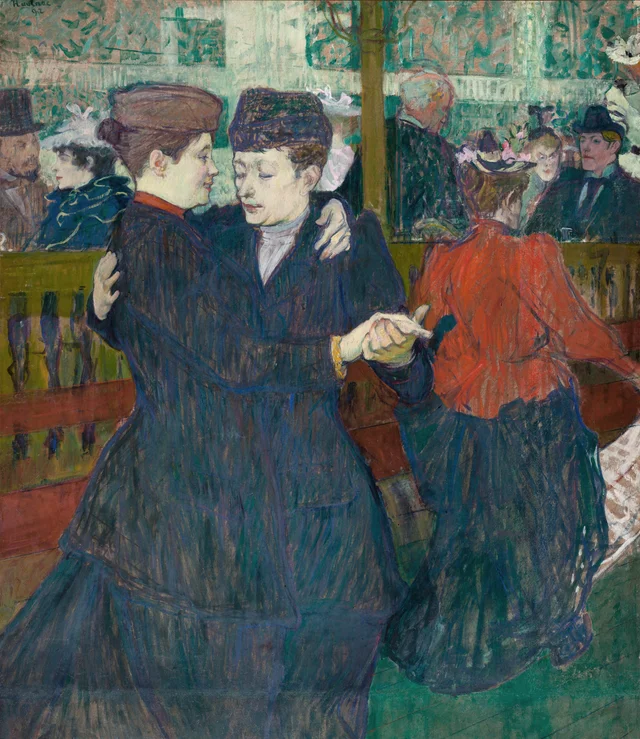 Al Moulin Rouge: due donne che ballano il valzerHenri de Toulouse-Lautrec, 1892
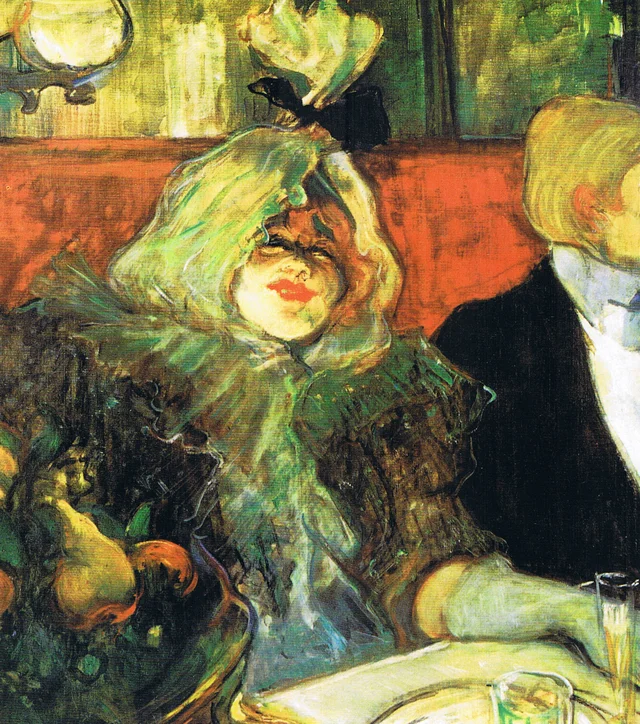 In una sala da pranzo privataHenri de Toulouse-Lautrec, 1899
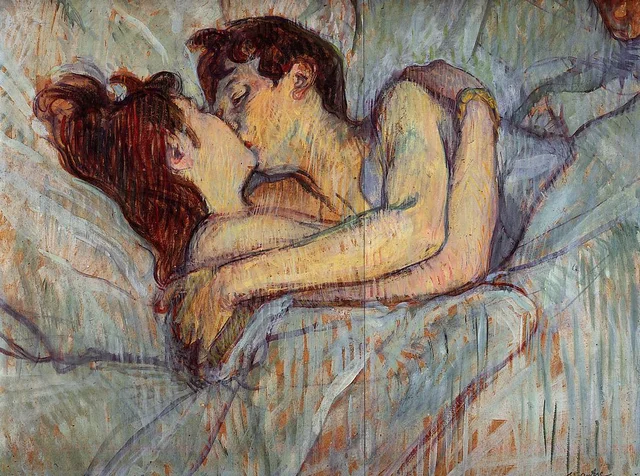 A letto - il bacioHenri de Toulouse-Lautrec, 1892
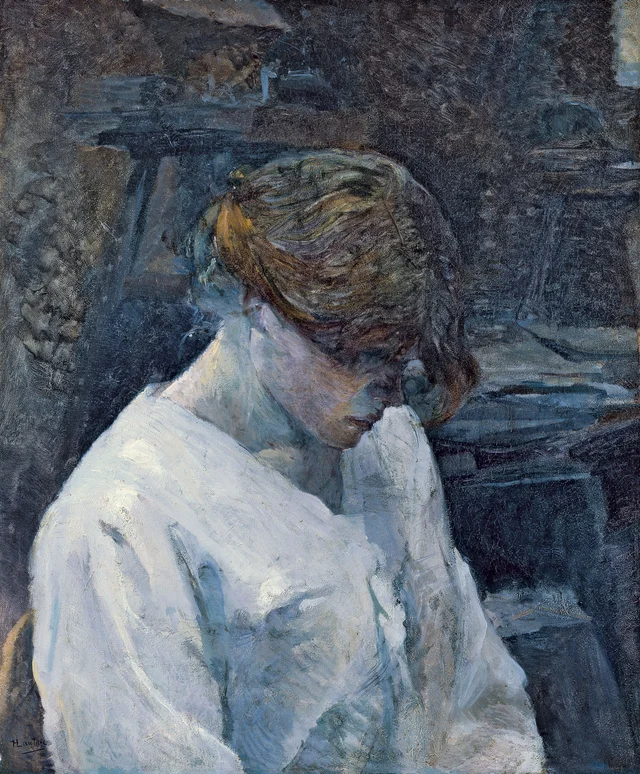 La rossa con la camicetta biancaHenri de Toulouse-Lautrec, 1889
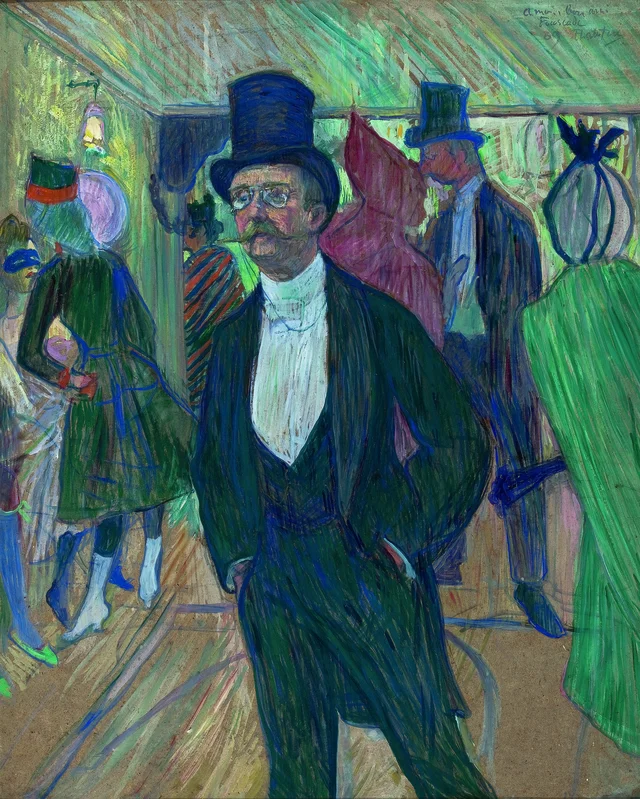 Monsieur FourcadeHenri de Toulouse-Lautrec, 1889
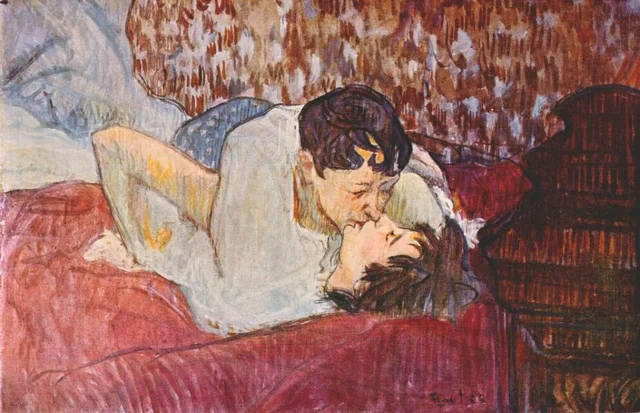 Il bacioHenri de Toulouse-Lautrec, 1892
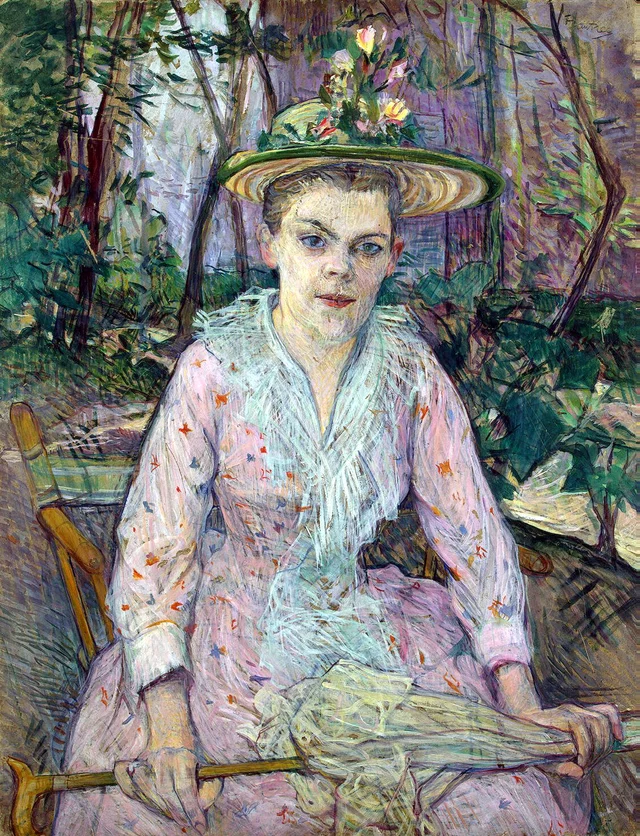 Donna con l'ombrellinoHenri de Toulouse-Lautrec, 1889
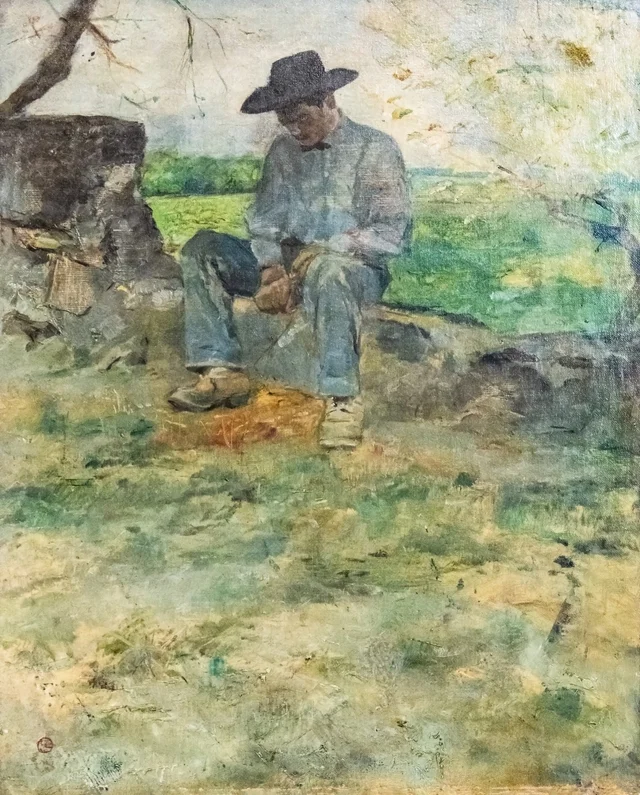 Il giovane Routy a CéleyranHenri de Toulouse-Lautrec, 1882
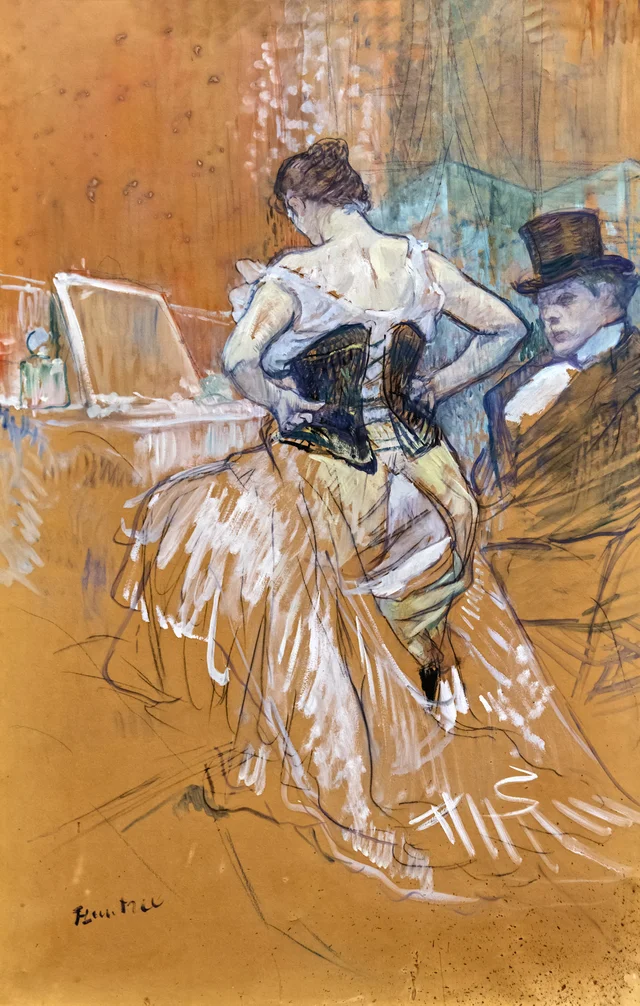 Conquista di passaggioHenri de Toulouse-Lautrec, 1896
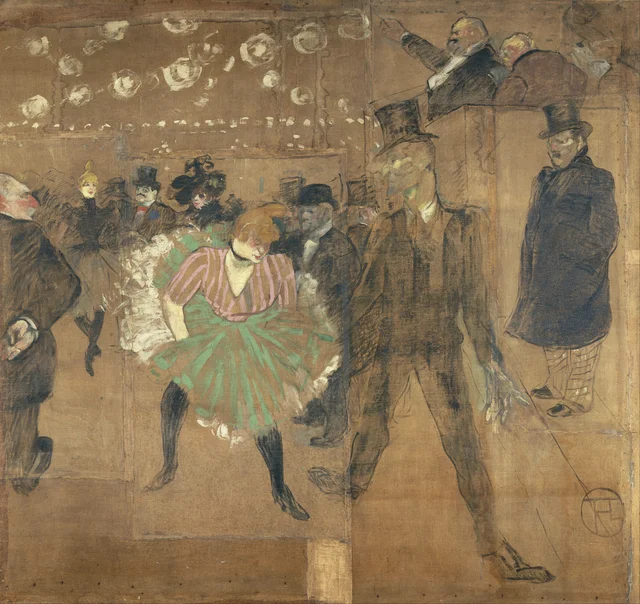 Ballo al Moulin Rouge (La Goulue e Valentin le Désossé)Henri de Toulouse-Lautrec, 1895
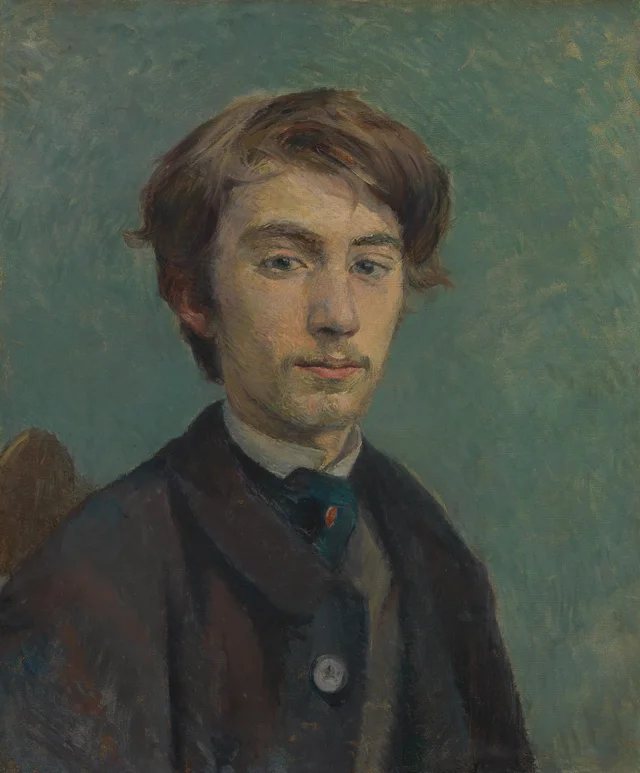 Émile BernardHenri de Toulouse-Lautrec, 1885