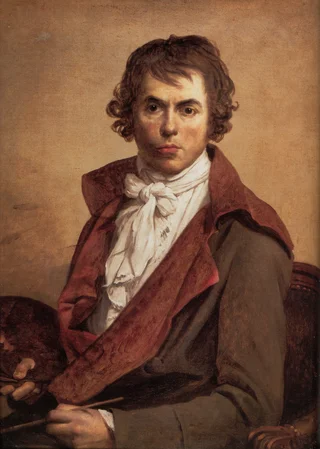
Jacques-Louis David
1748–1825 · Francia · Neoclassicismo
La storia
David fu il grande pittore della Rivoluzione francese, e ne fu anche parte attiva. Eletto alla Convenzione Nazionale, l'assemblea della nuova repubblica, sedette tra i radicali Montagnardi, fece parte di un comitato che mandava le persone alla ghigliottina, e votò per la morte di re Luigi XVI.
Nel luglio 1793 il giornalista Jean-Paul Marat, amico e alleato politico, fu pugnalato nella vasca da bagno da Charlotte Corday, una giovane donna della fazione avversaria. David lo dipinse nel giro di pochi mesi, morto e accasciato sulla vasca in una stanza spoglia e scura, con l'arma del delitto e una lettera macchiata di sangue quasi gli unici altri elementi nell'inquadratura. Eliminò le colonne e l'allegoria che di norma accompagnavano la pittura di storia e diede alla Rivoluzione un martire in posa come un Cristo morto.
Quando il Terrore crollò David fu incarcerato, poi risorse come pittore ufficiale di Napoleone, mettendo in scena l'incoronazione dell'imperatore su una tela enorme. Dopo la sconfitta finale di Napoleone nel 1815 David andò in esilio a Bruxelles, e non fece mai più ritorno in Francia, morendo lì nel 1825.
Altri articoli
Opere
82 opere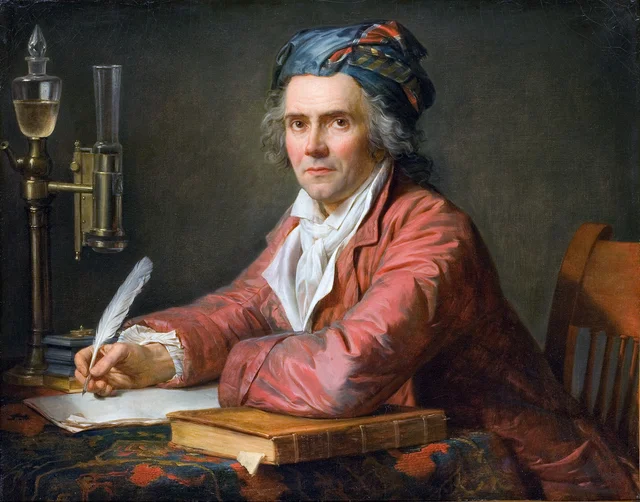 Ritratto di Alphonse LeroyJacques-Louis David, 1783
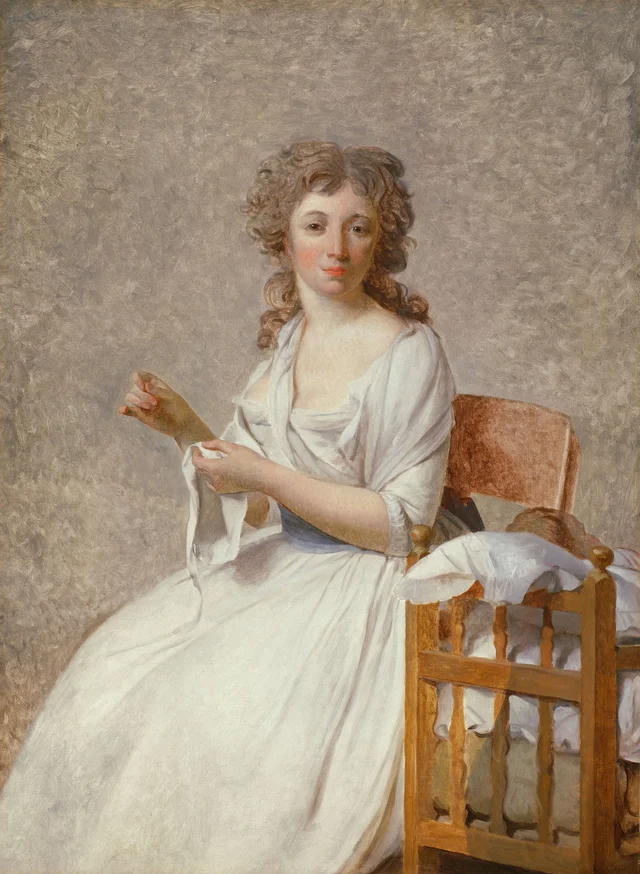 Ritratto di Madame Adélaïde PastoretJacques-Louis David, 1791
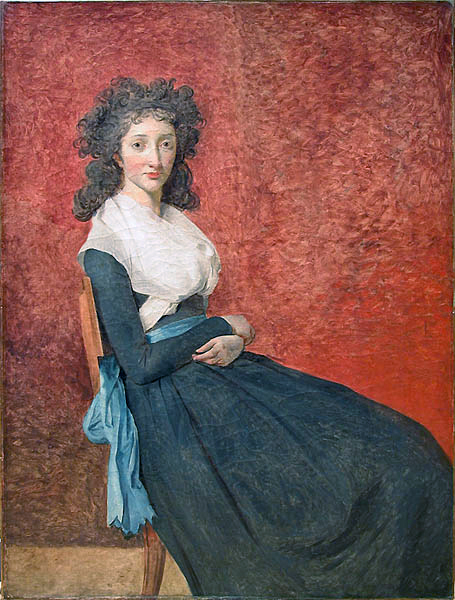 Ritratto di Madame Marie-Louise TrudaineJacques-Louis David, 1794
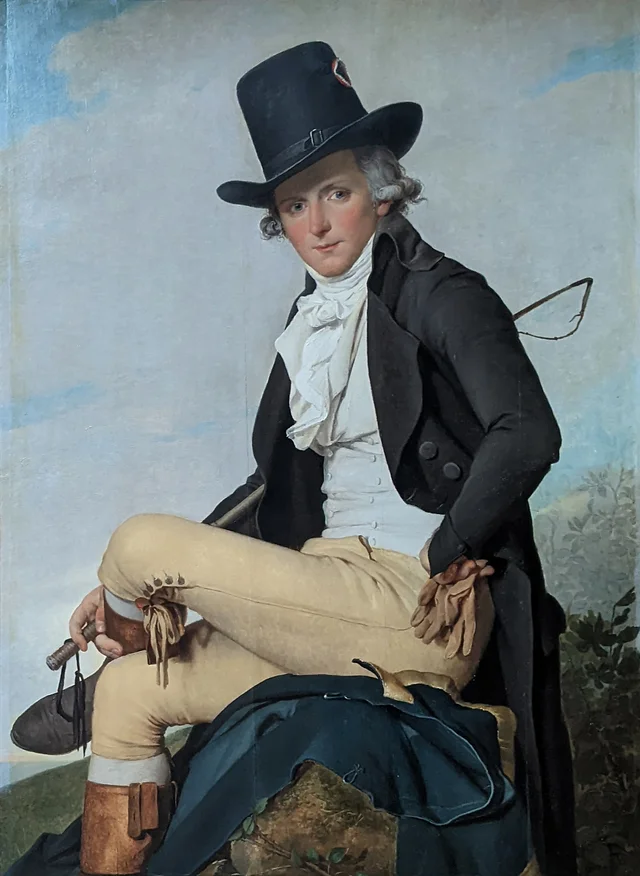 Ritratto di Pierre SériziatJacques-Louis David, 1795
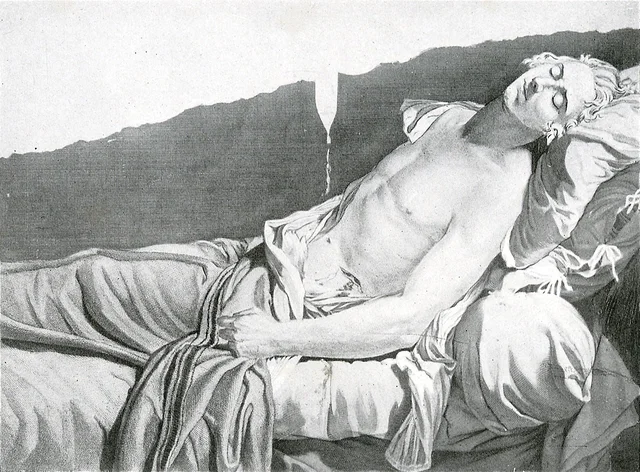 Gli ultimi momenti di Michel LepeletierJacques-Louis David, 1793
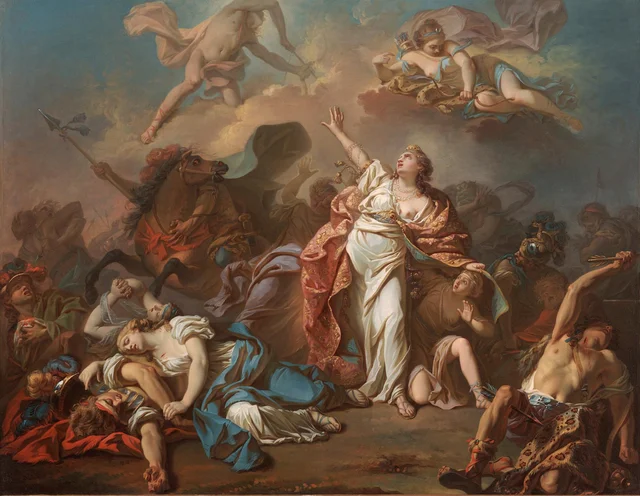 Apollo e Diana saettano i figli di NiobeJacques-Louis David, 1772
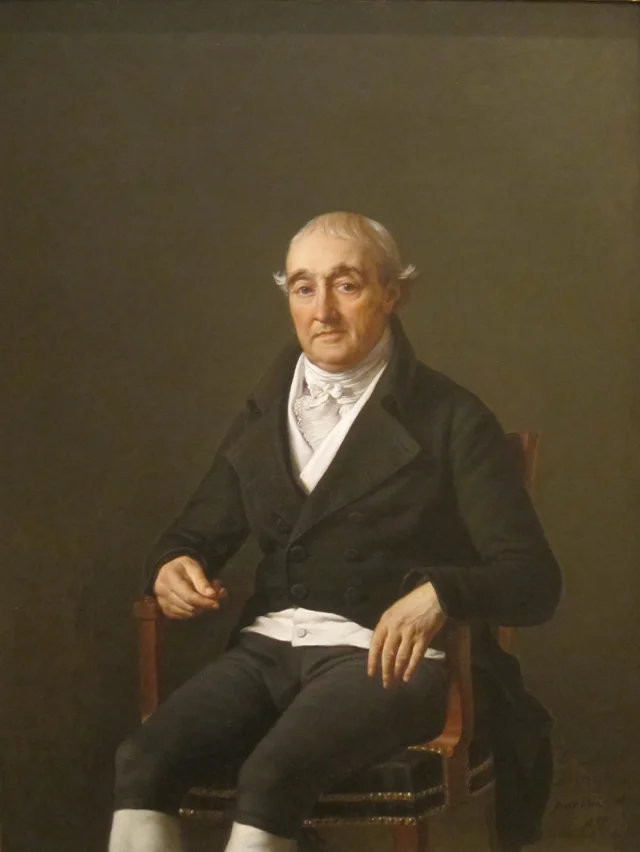 Ritratto di Cooper PenroseJacques-Louis David, 1802
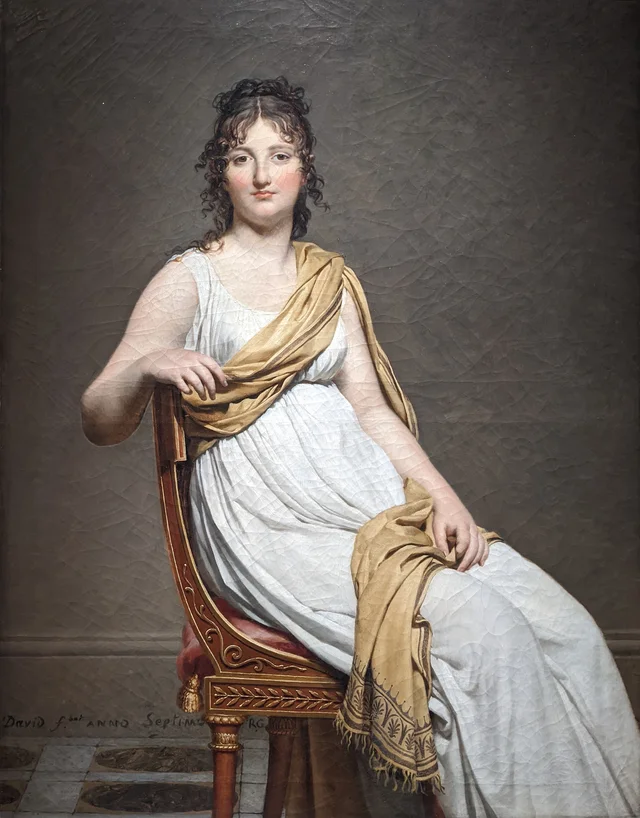 Ritratto di Madame de VerninacJacques-Louis David, 1799
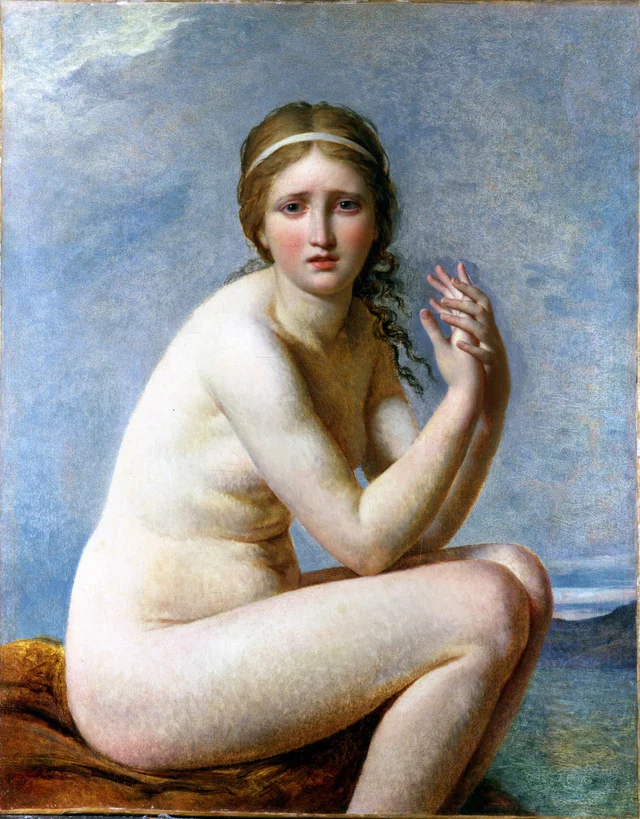 Psiche abbandonataJacques-Louis David, 1795
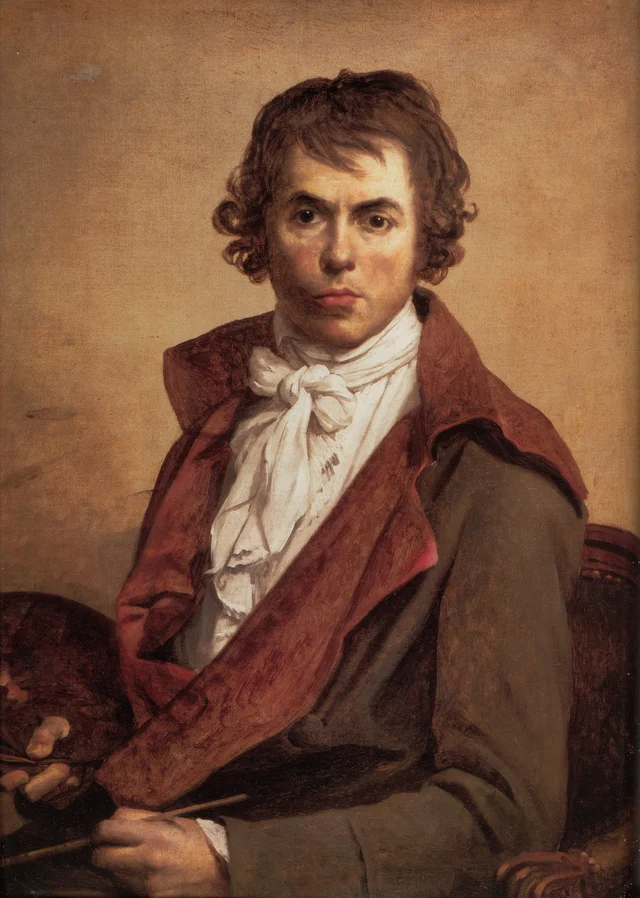 AutoritrattoJacques-Louis David, 1794
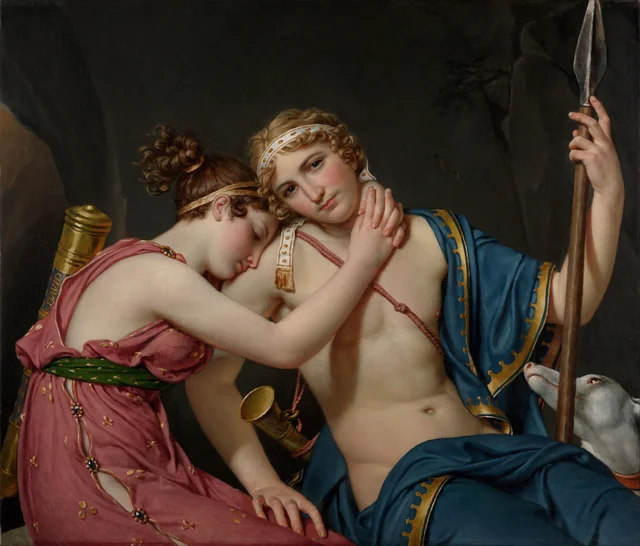 Il commiato di Telemaco ed EucariJacques-Louis David, 1818
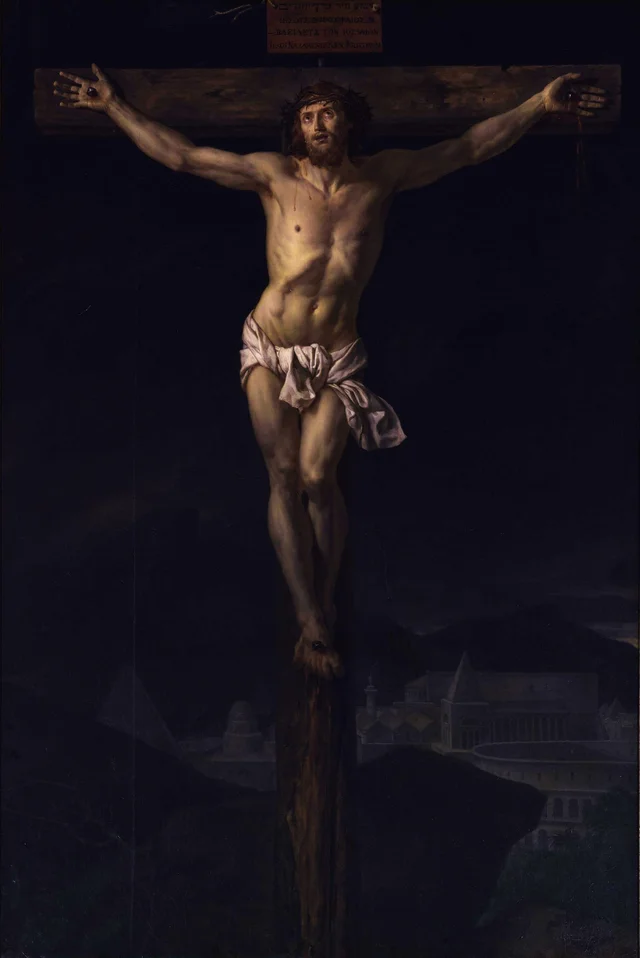 Cristo in croceJacques-Louis David, 1782
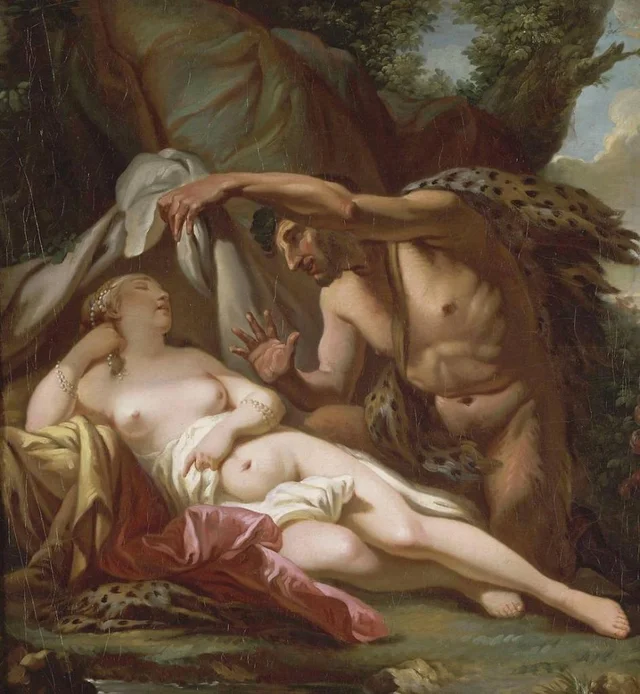 Giove e AntiopeJacques-Louis David, 1771
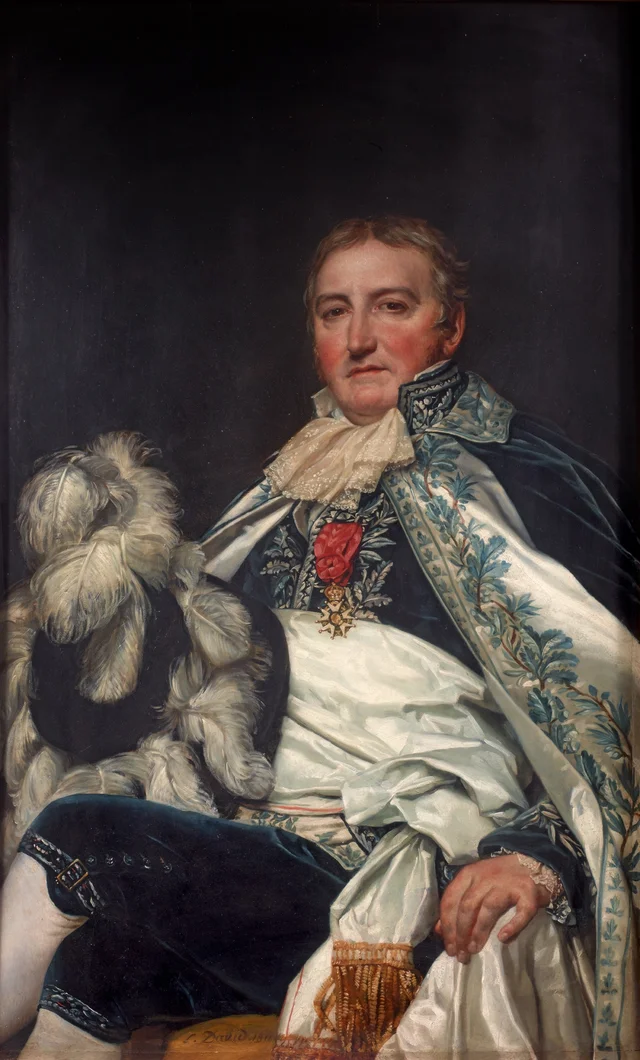 Ritratto del conte Antoine Français de NantesJacques-Louis David, 1811
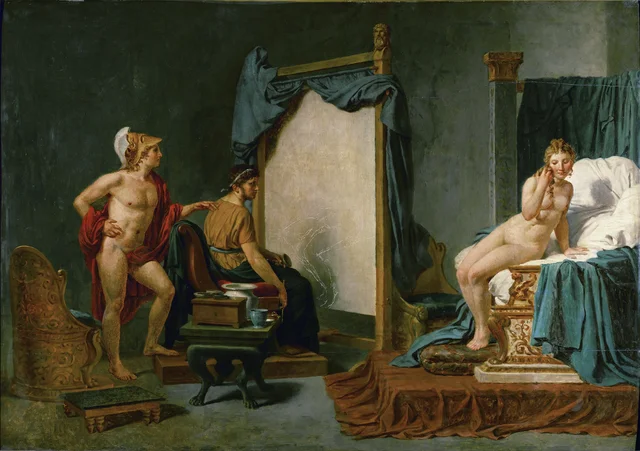 Apelle dipinge Campaspe alla presenza di Alessandro MagnoJacques-Louis David, 1814
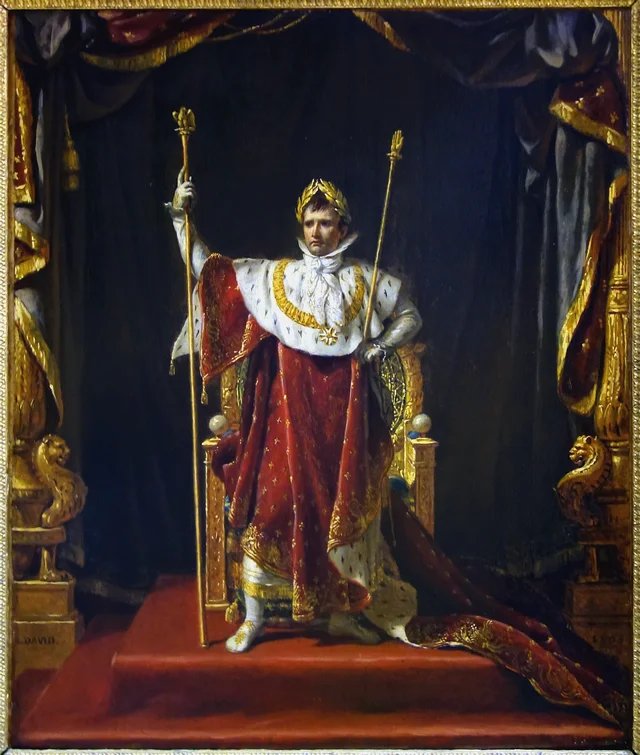 Napoleone in costume imperialeJacques-Louis David, 1805
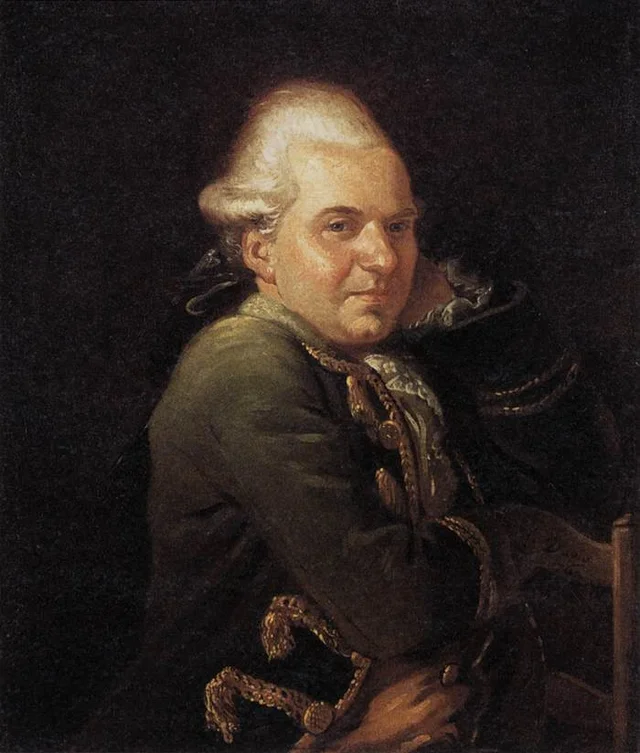 Ritratto di François BuronJacques-Louis David, 1769
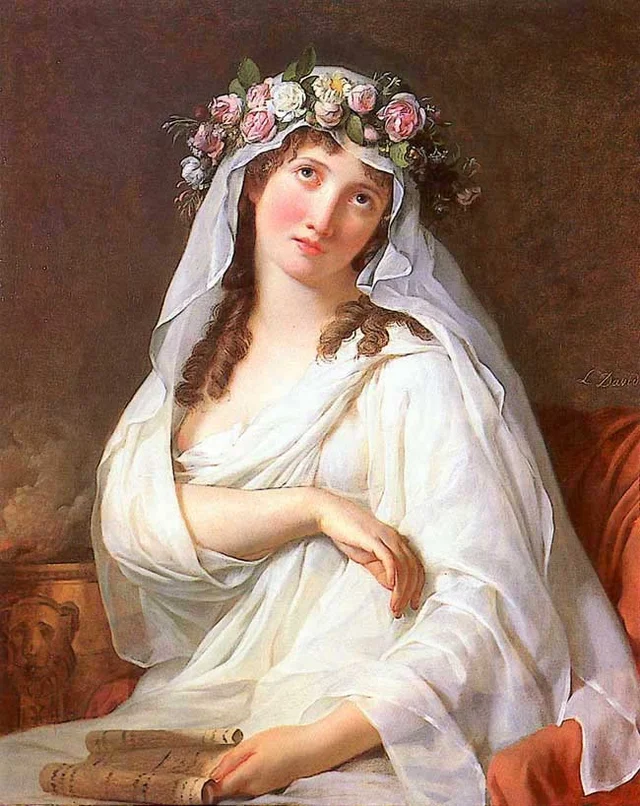 La vestaleJacques-Louis David, 1783
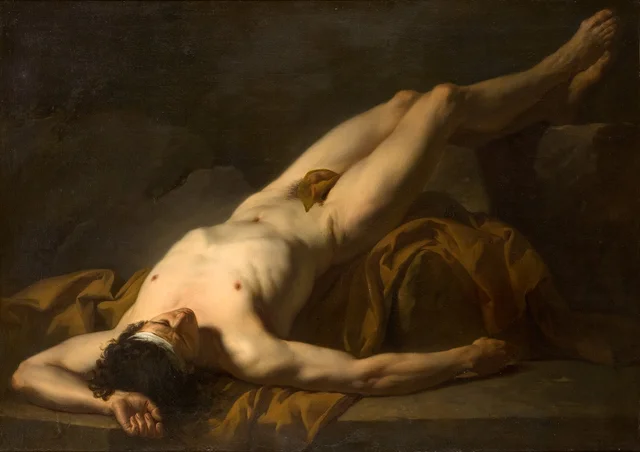 Accademia d'uomo, detta EttoreJacques-Louis David, 1778
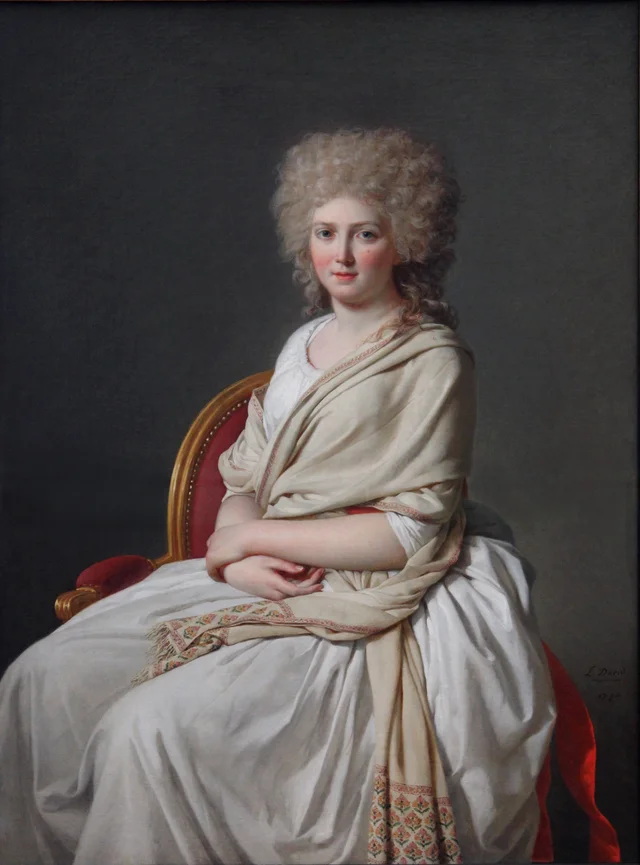 Anne-Marie-Louise Thélusson, contessa di SorcyJacques-Louis David, 1790
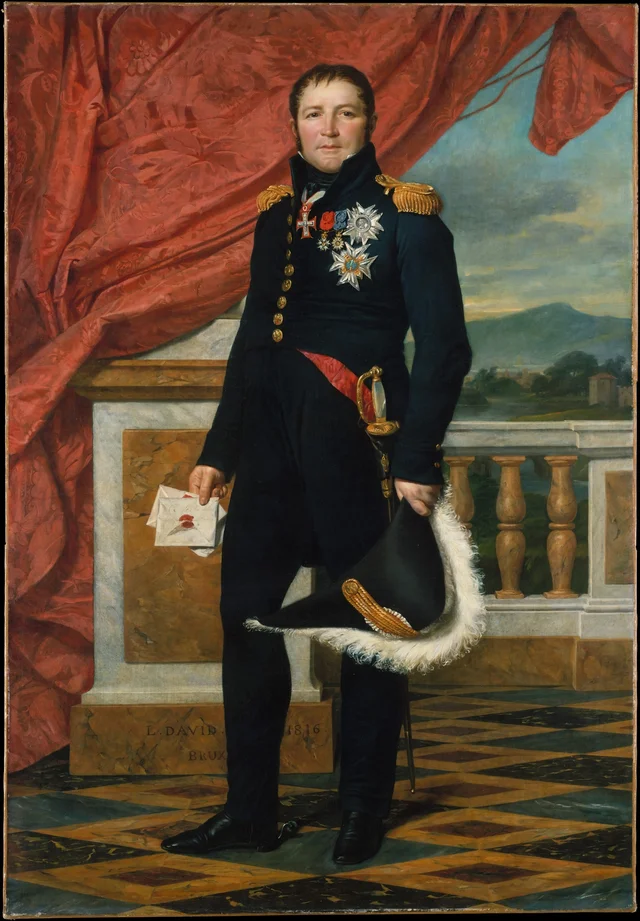 Generale Étienne-Maurice Gérard (1773-1852), maresciallo di FranciaJacques-Louis David, 1816
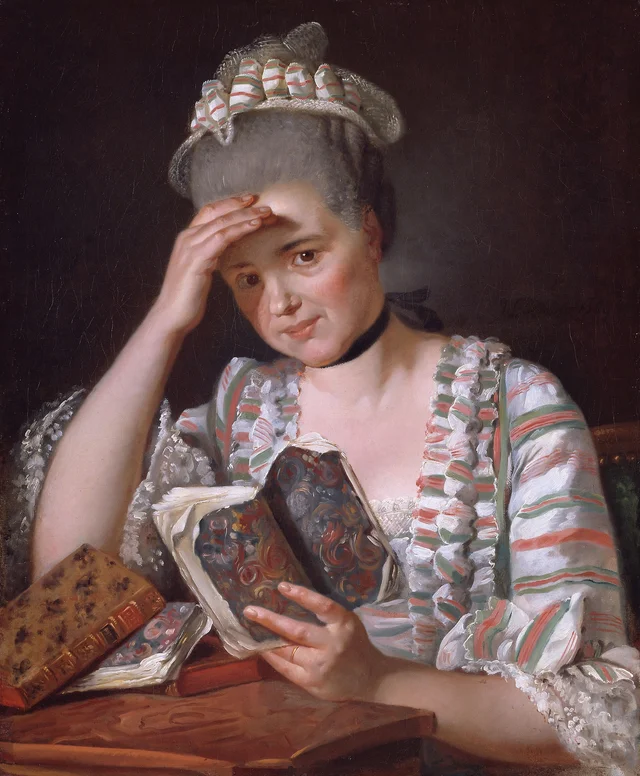 Madame François BuronJacques-Louis David, 1769
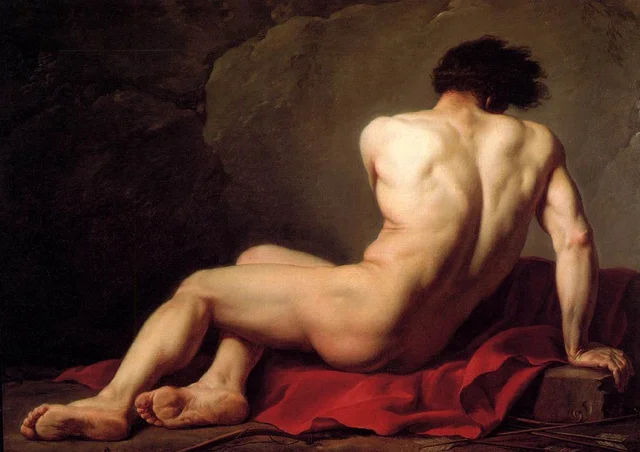 PatrocloJacques-Louis David, 1780
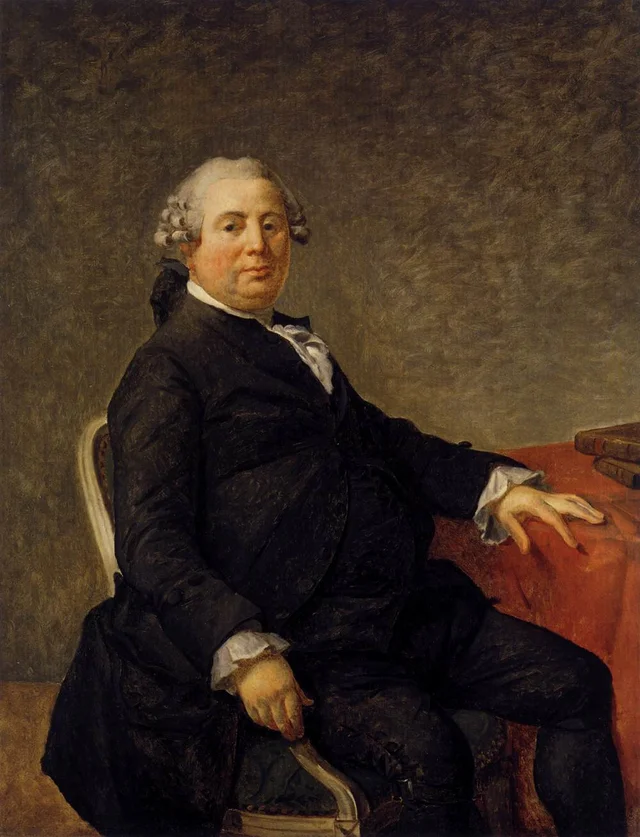 Philippe-Laurent de JoubertJacques-Louis David, 1790
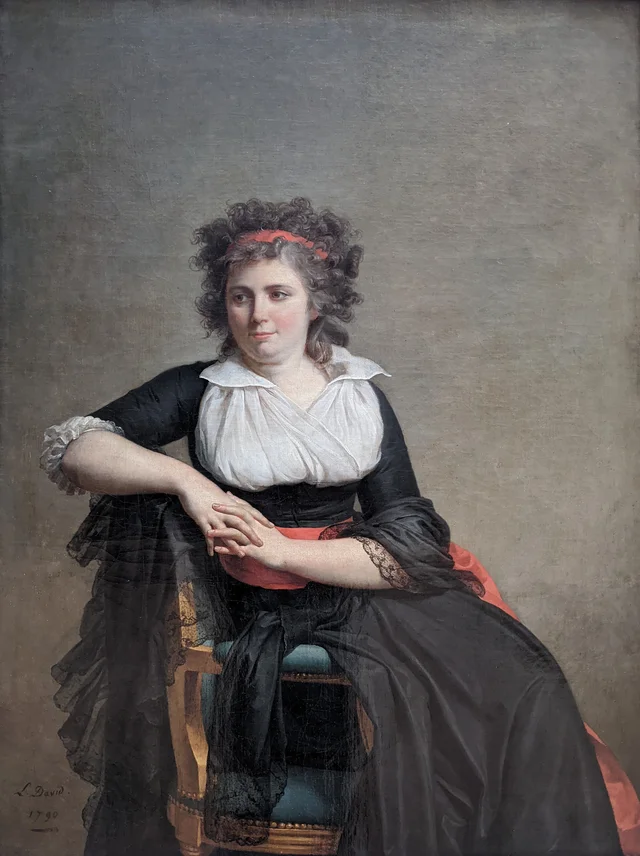 Ritratto della marchesa d'OrvilliersJacques-Louis David, 1790