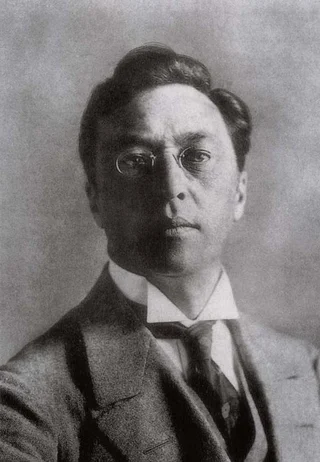
Vasilij Kandinskij
1866–1944 · Impero russo · Espressionismo
La storia
Vasilij Kandinskij arrivò alla pittura tardi e per scelta. Nato a Mosca nel 1866, si formò come giurista, tanto da vedersi offrire una cattedra universitaria di diritto romano, e poi, a 30 anni, rifiutò tutto per trasferirsi a Monaco e imparare a dipingere. In seguito indicò due scosse che lo spinsero: un covone di grano di Monet che riusciva a malapena a riconoscere come tale, e un'opera di Wagner che, mentre ascoltava, gli riempì la mente di colori.
Quest'ultimo dettaglio non era una figura retorica. Kandinskij sembra avere davvero percepito il suono come colore e il colore come suono, e arrivò a credere che un quadro potesse agire su chi lo guarda come fa la musica, senza bisogno di mostrare alcun oggetto riconoscibile. Intorno al 1910 iniziò a realizzare alcune delle prime immagini puramente astratte dell'arte europea, tele di macchie e linee fluttuanti con titoli presi in prestito dal linguaggio musicale, come Composizione e Improvvisazione.
Nel 1911, insieme al pittore Franz Marc, fondò a Monaco un gruppo chiamato il Cavaliere Azzurro, tenuto insieme in modo informale dall'idea che l'arte dovesse tendere allo spirituale. La Prima guerra mondiale lo disperse e riportò Kandinskij in Russia. Tornò in Germania negli anni Venti per insegnare al Bauhaus, la celebre scuola di design, dove le sue forme si fecero più rigide e geometriche, piene di cerchi e angoli netti. Quando i nazisti chiusero il Bauhaus e bollarono la sua opera come arte degenerata, partì per Parigi. Morì poco fuori città, a Neuilly, nel 1944.
Altri articoli
Opere
312 opere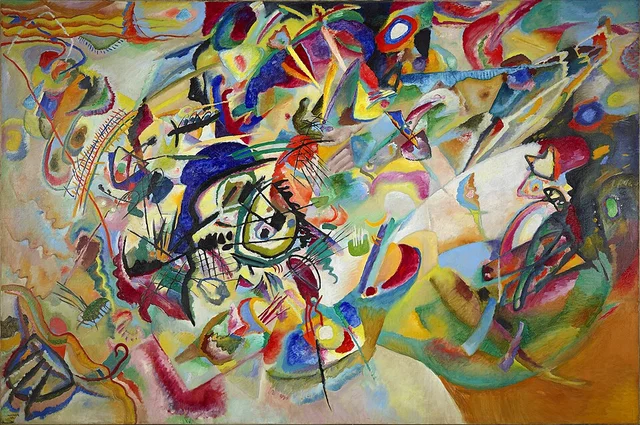 Composizione VIIVasilij Kandinskij, 1913
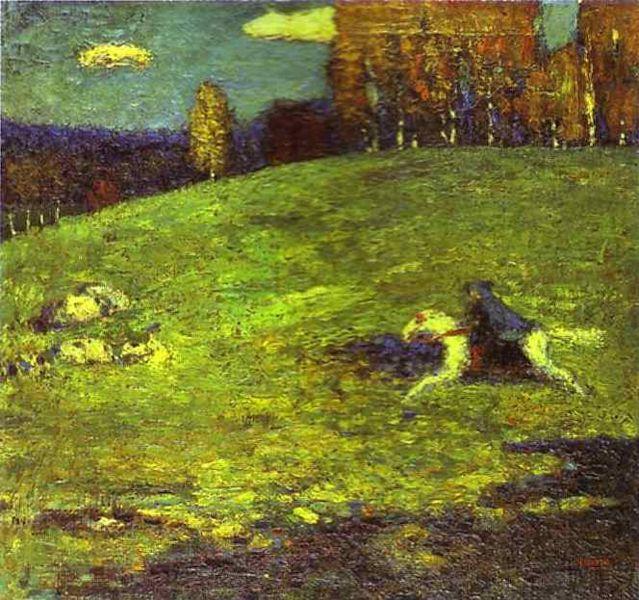 Il cavaliere azzurroVasilij Kandinskij, 1903
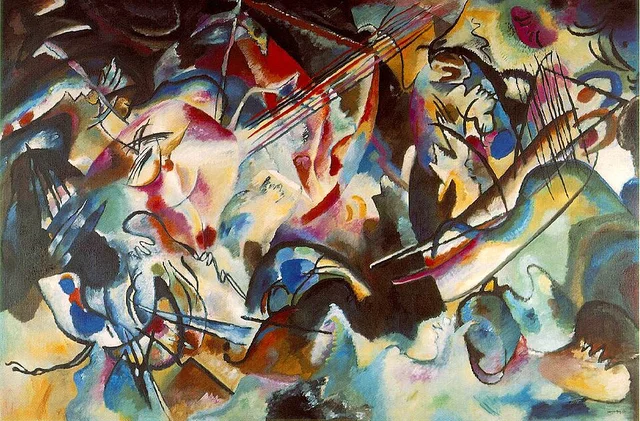 Composizione VIVasilij Kandinskij, 1913
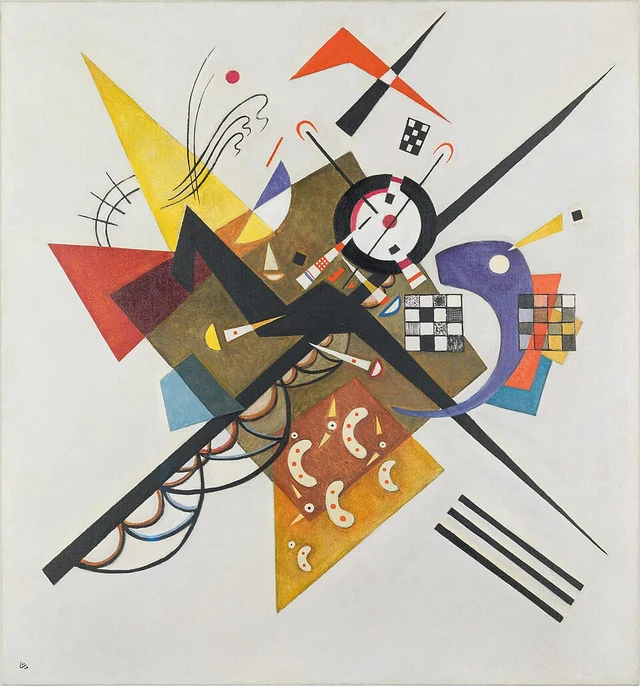 Su bianco IIVasilij Kandinskij, 1923
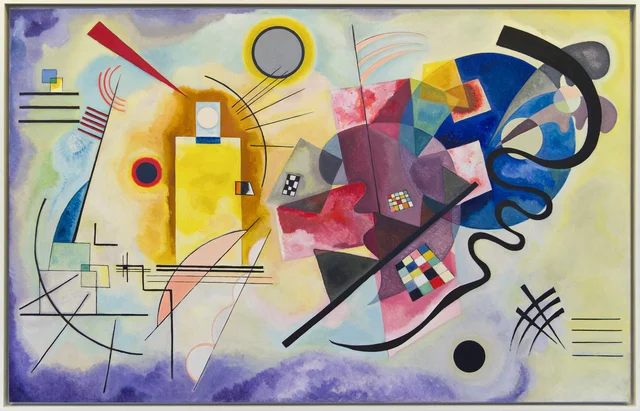 Giallo-rosso-bluVasilij Kandinskij, 1925
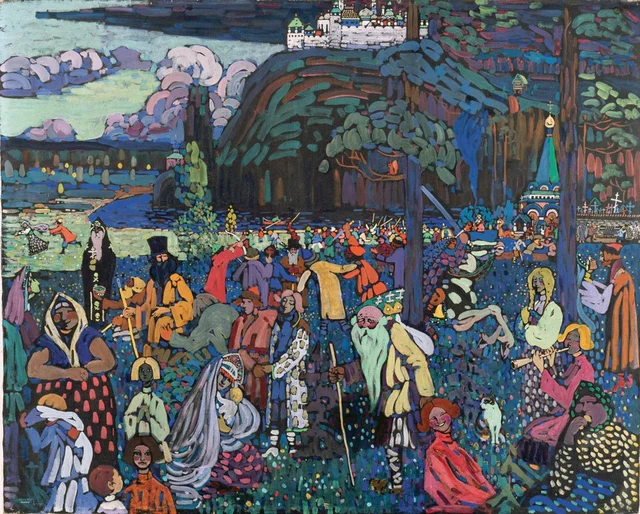 La vita variopintaVasilij Kandinskij, 1907
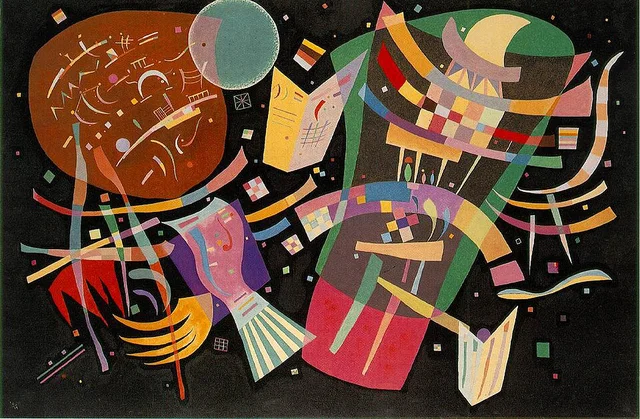 Composizione XVasilij Kandinskij, 1939
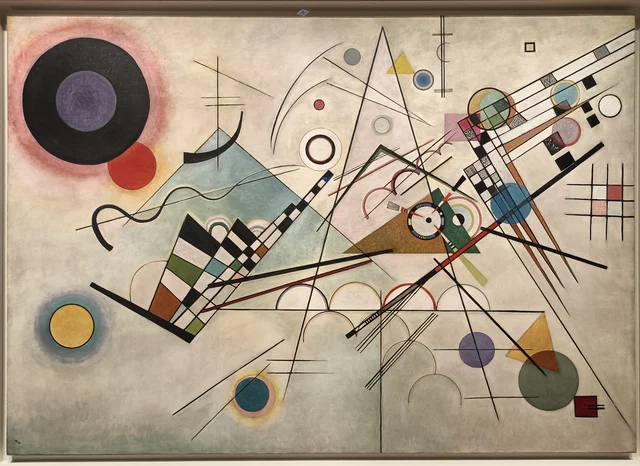 Composizione VIIIVasilij Kandinskij, 1923
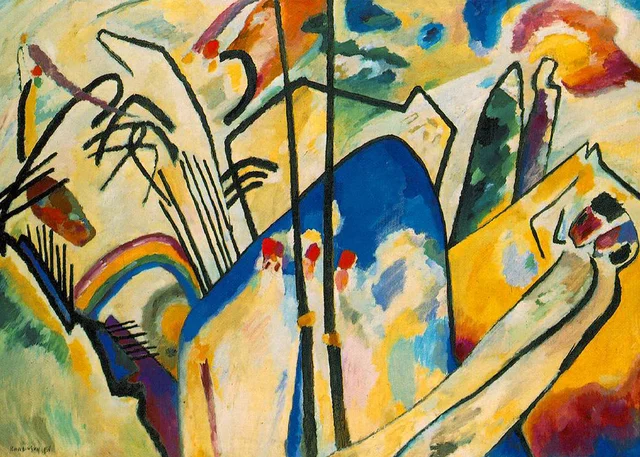 Composizione IVVasilij Kandinskij, 1911
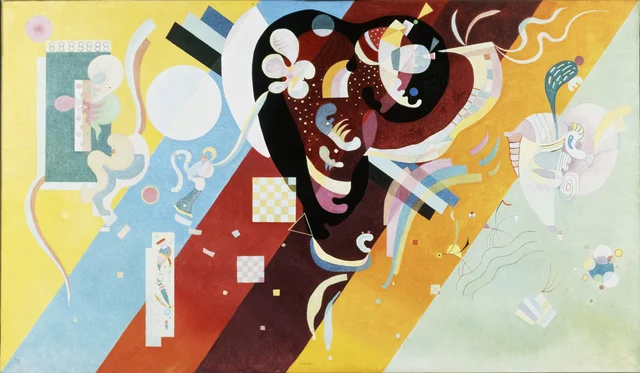 Composizione IXVasilij Kandinskij, 1936
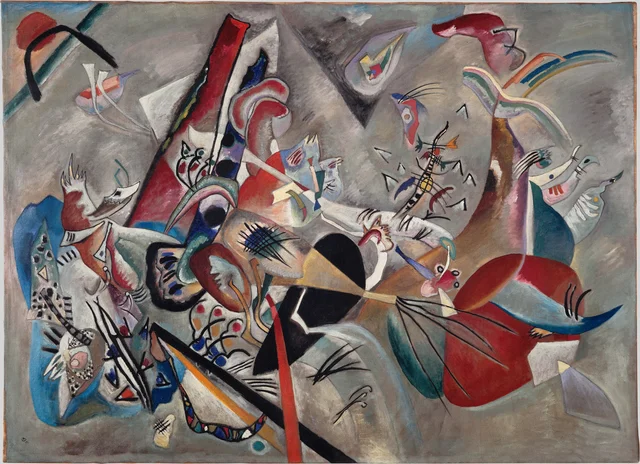 In grigioVasilij Kandinskij, 1919
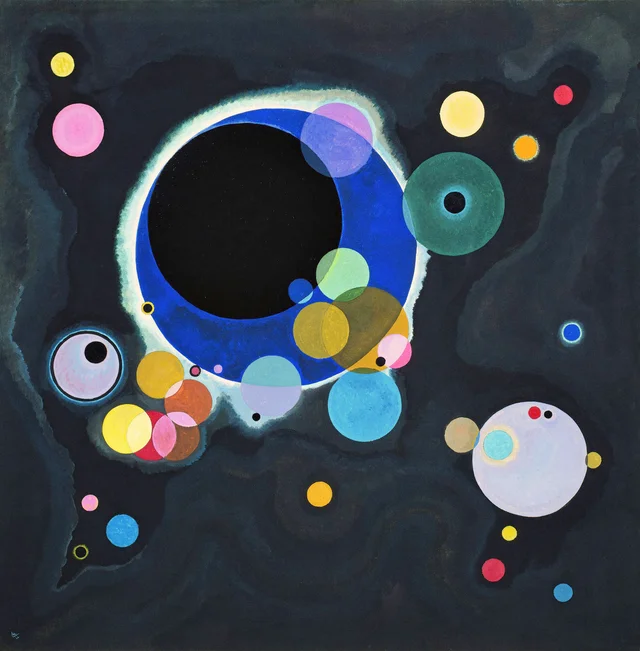 Alcuni cerchiVasilij Kandinskij, 1926
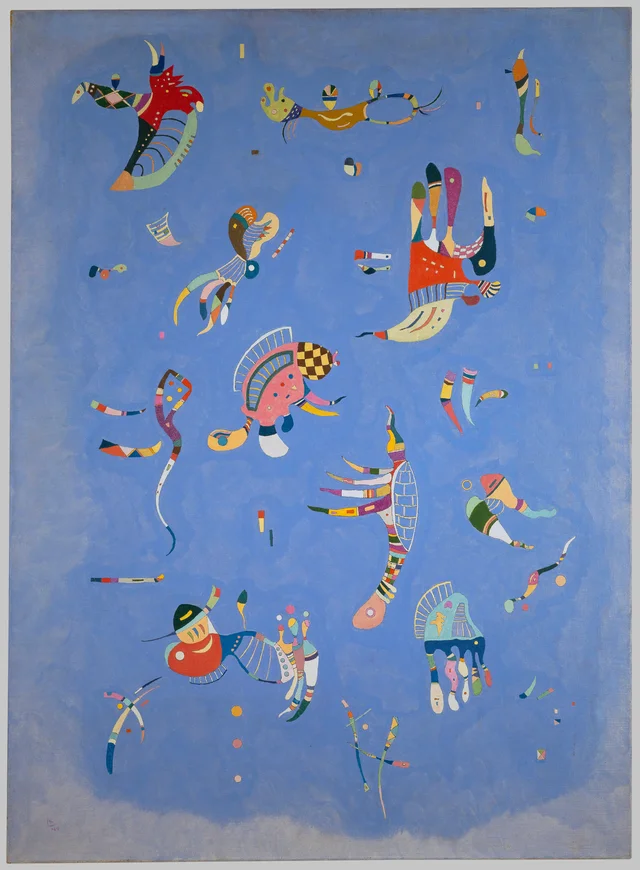 Azzurro cieloVasilij Kandinskij, 1940
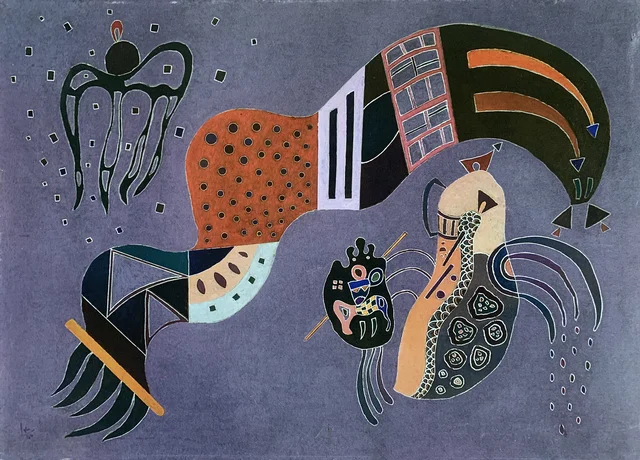 Slancio temperatoVasilij Kandinskij, 1944
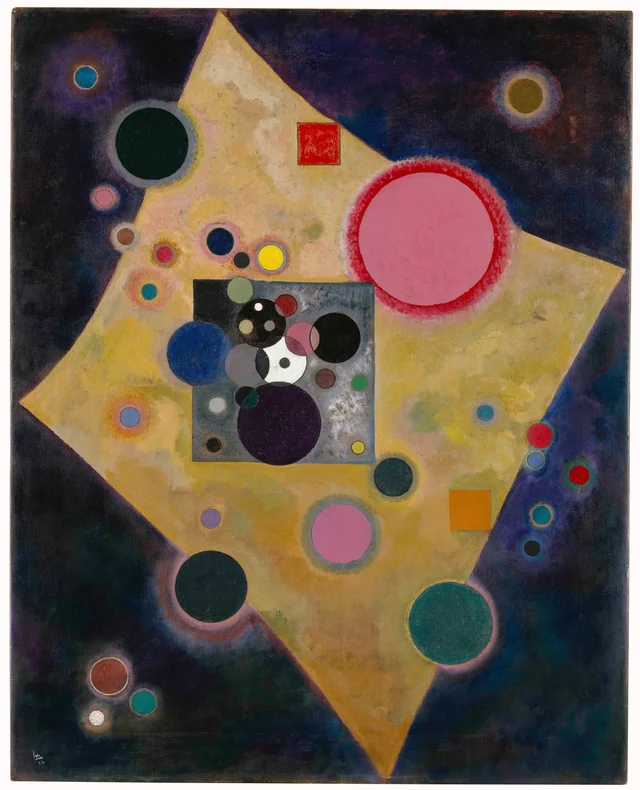 Accento in rosaVasilij Kandinskij, 1926
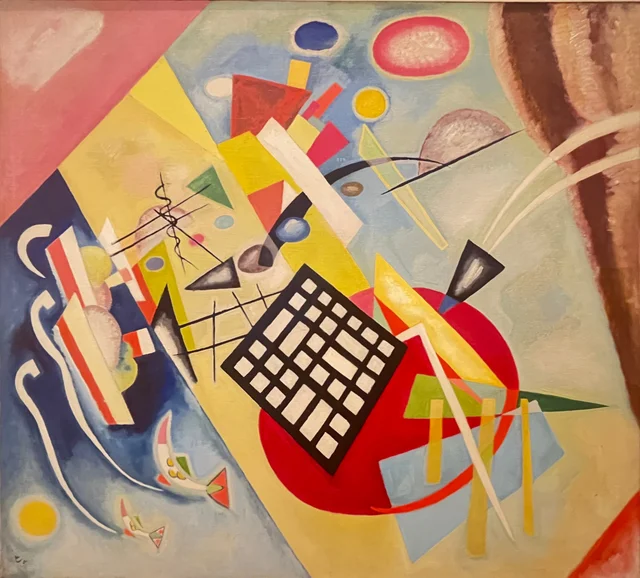 Griglia neraVasilij Kandinskij, 1922
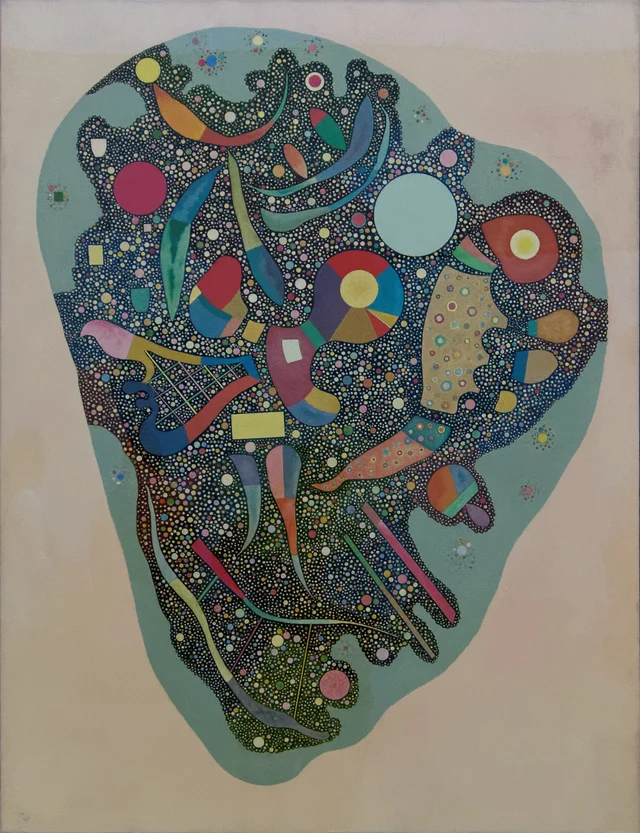 Insieme variopintoVasilij Kandinskij, 1938
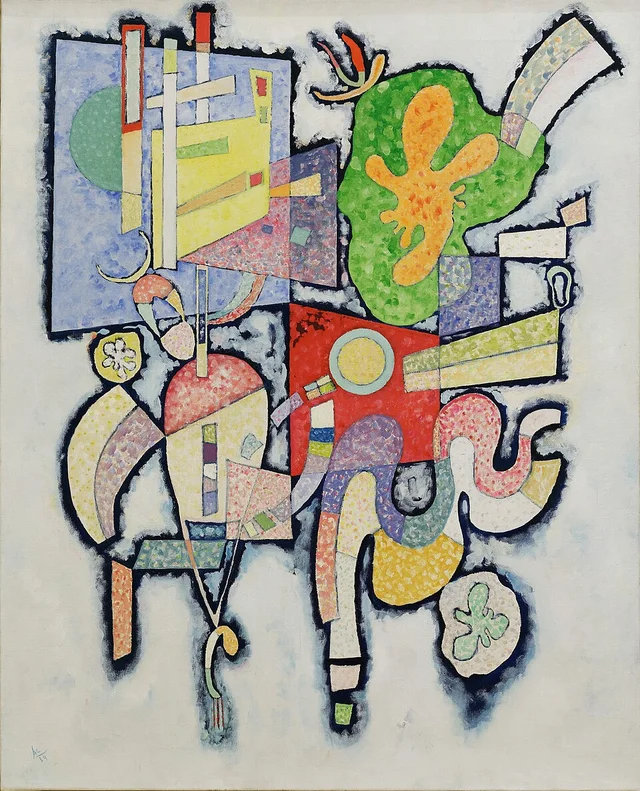 Complesso-sempliceVasilij Kandinskij, 1939
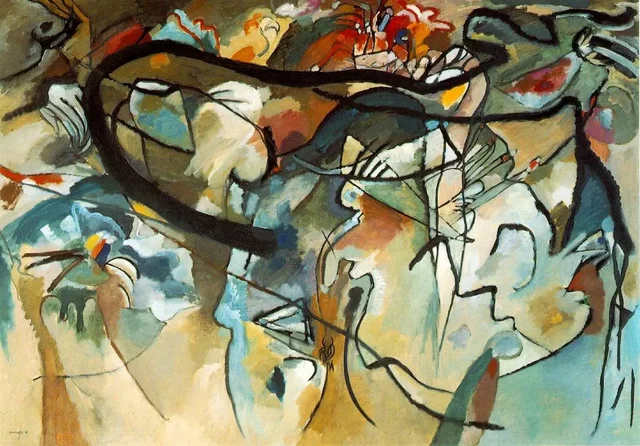 Composizione VVasilij Kandinskij, 1911
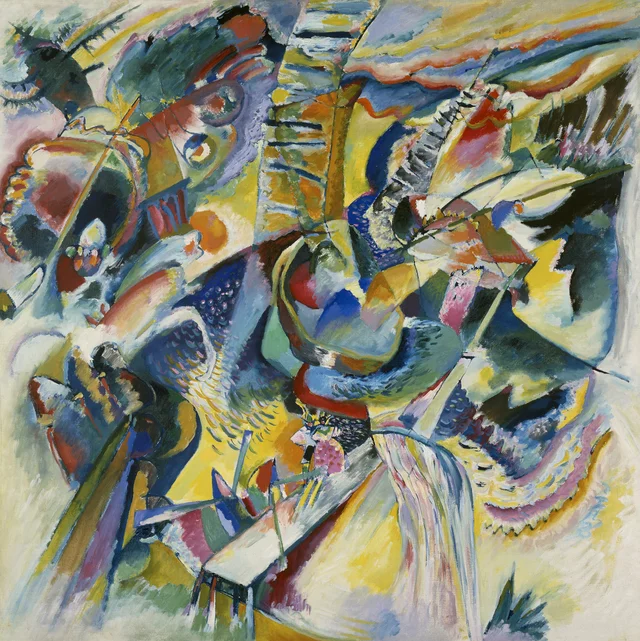 GolaVasilij Kandinskij, 1914
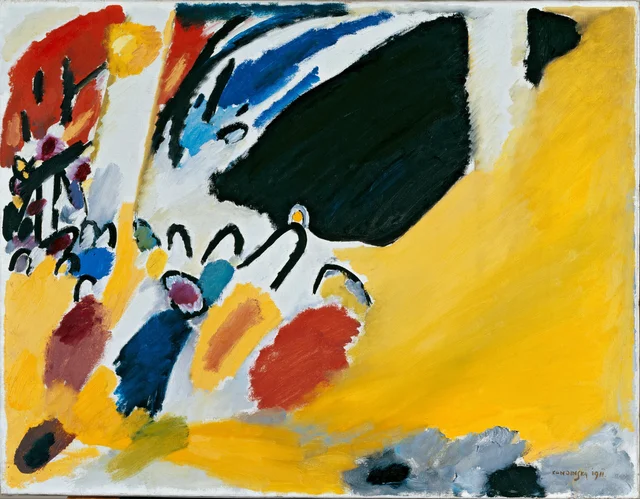 Impressione III (Concerto)Vasilij Kandinskij, 1911
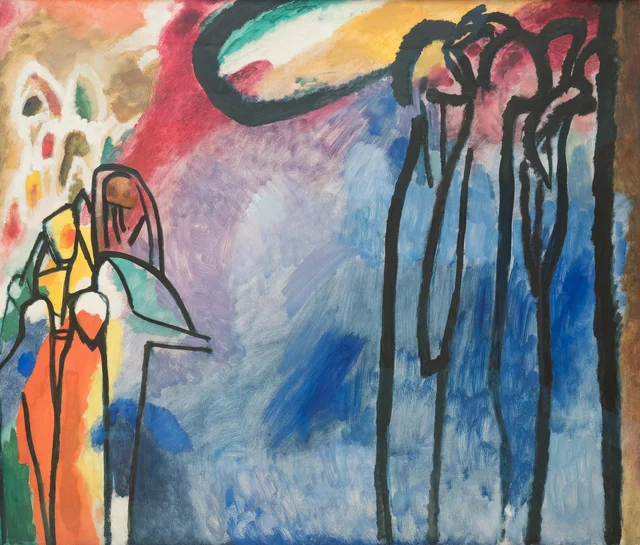 Improvvisazione 19Vasilij Kandinskij, 1911
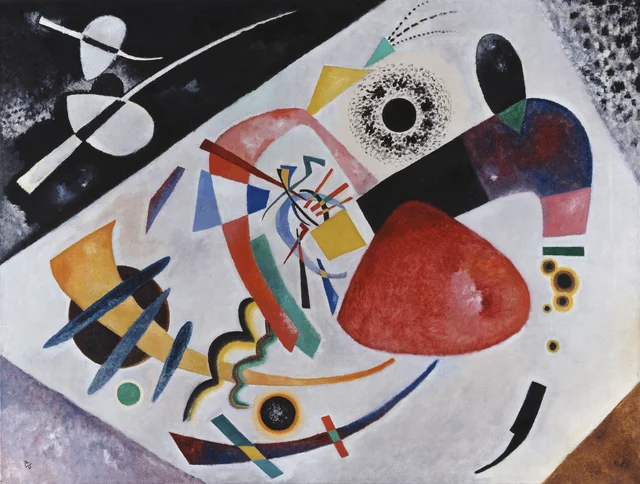 Macchia rossa IIVasilij Kandinskij, 1921
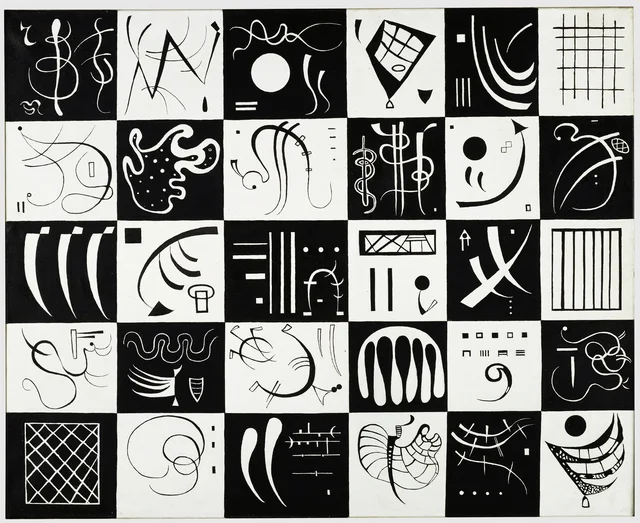 TrentaVasilij Kandinskij, 1937
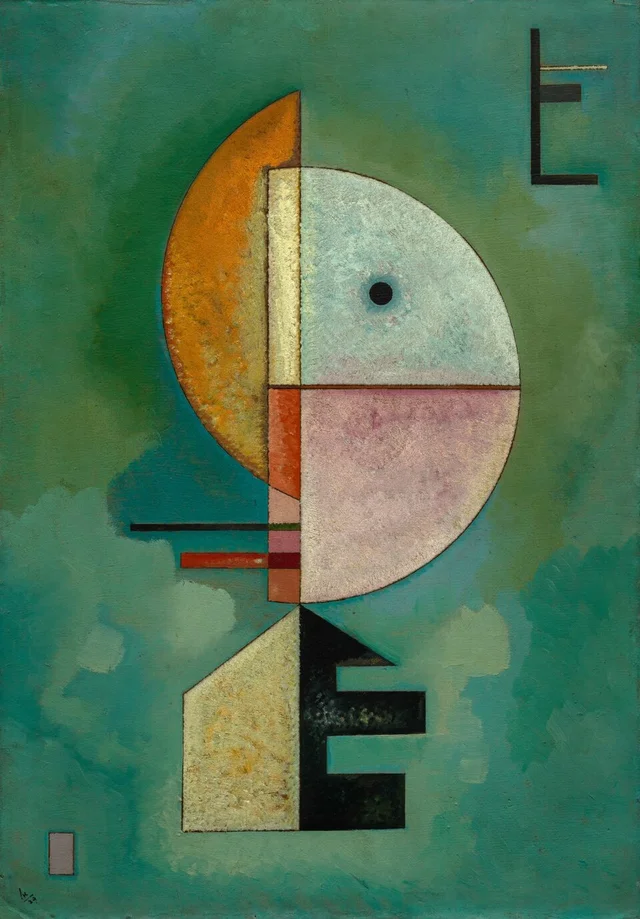 Verso l'altoVasilij Kandinskij, 1929