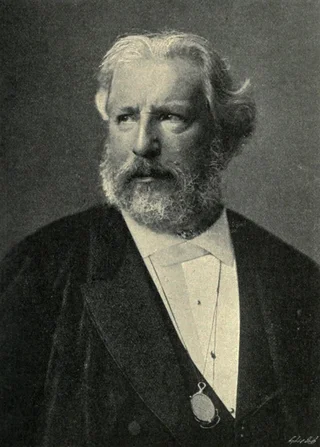
William-Adolphe Bouguereau
1825–1905 · Francia · Arte accademica
La storia
Verso gli anni 1870 Bouguereau era probabilmente il pittore di maggior successo in Francia, un pilastro del Salon i cui nudi e scene mitologiche, levigati e di rifinitura classica, si vendevano a cifre enormi e lo resero ricco. Sedeva anche nelle giurie che decidevano cosa potesse essere esposto al Salon, e usò quella posizione, insieme alla maggior parte dell'establishment accademico, per tenere fuori gli impressionisti.
Gli impressionisti ricambiavano il disprezzo. Degas e la sua cerchia coniarono la parola «bouguereauté» per ogni dipinto che ritenessero troppo levigato e artificiale, una finitura liscia e leccata che consideravano disonesta su come la pittura si comporta davvero. Bouguereau non si scostò mai dalla propria convinzione che la pittura dovesse nascondere del tutto la pennellata e presentare l'illusione della carne nel modo più convincente possibile. Insegnò anche per decenni all'Académie Julian, uno dei pochi atelier parigini che ammettevano le donne, e si batté per la loro ammissione ai corsi di disegno dal vero in un'epoca in cui la maggior parte delle accademie la rifiutava del tutto.
Entro 20 anni dalla sua morte, nel 1905, la sua fama era quasi del tutto crollata, e i musei tennero i suoi dipinti nei sotterranei per gran parte del Novecento, ritenendoli troppo sentimentali e troppo levigati per essere presi sul serio. Una mostra del 1984 al Petit Palais di Parigi, la prima grande retrospettiva della sua opera dopo generazioni, è di solito accreditata di averne ravvivato l'interesse, e i suoi dipinti oggi si vendono a milioni all'asta.
Opere
85 opere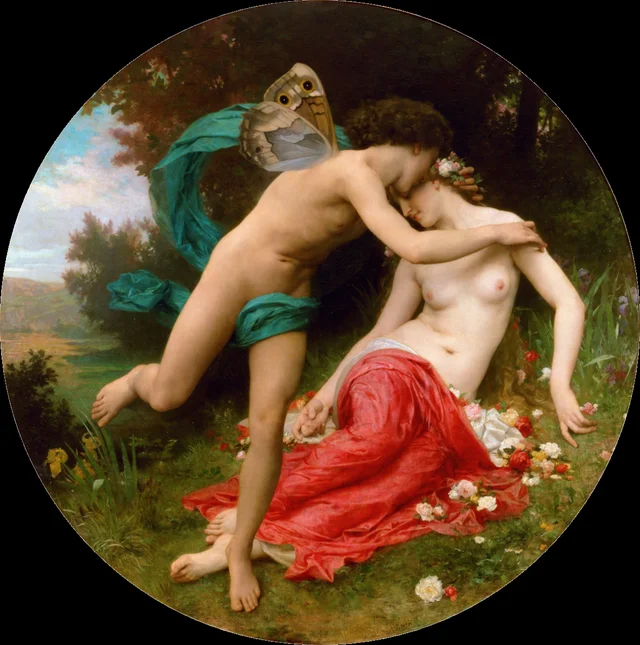 Flora e ZefiroWilliam-Adolphe Bouguereau, 1875
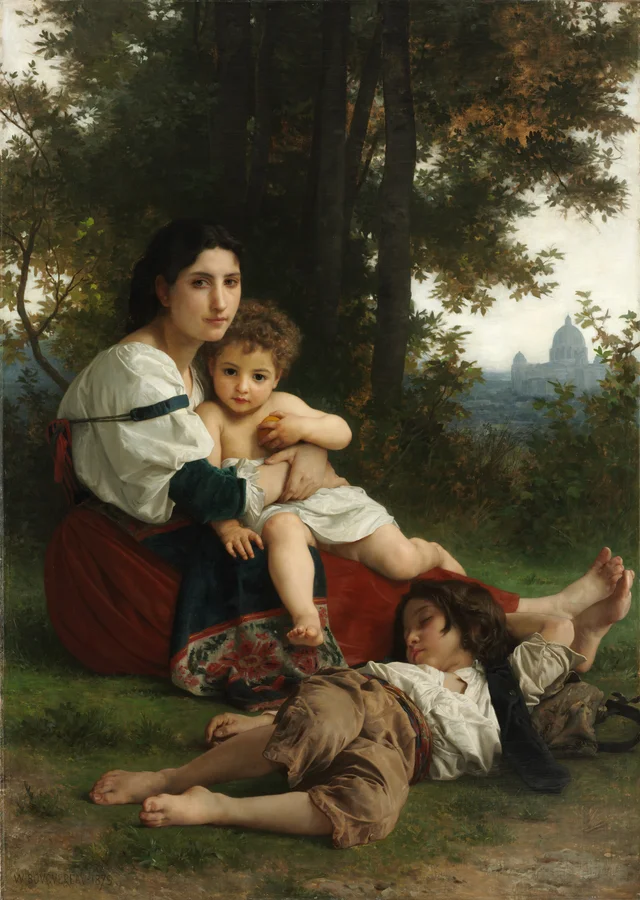 RiposoWilliam-Adolphe Bouguereau, 1879
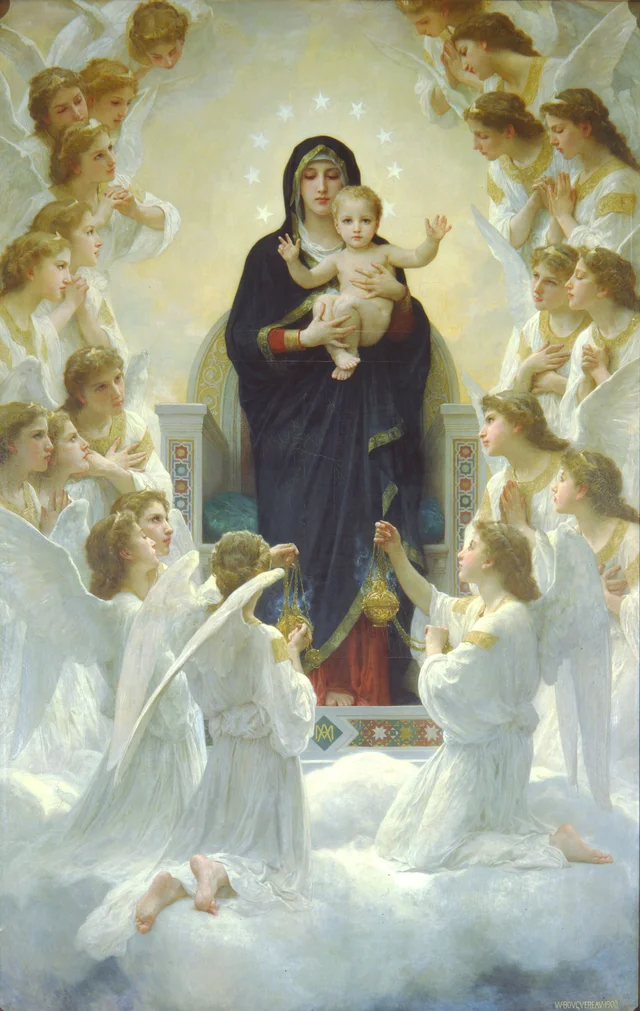 La Vergine con gli angeliWilliam-Adolphe Bouguereau, 1900
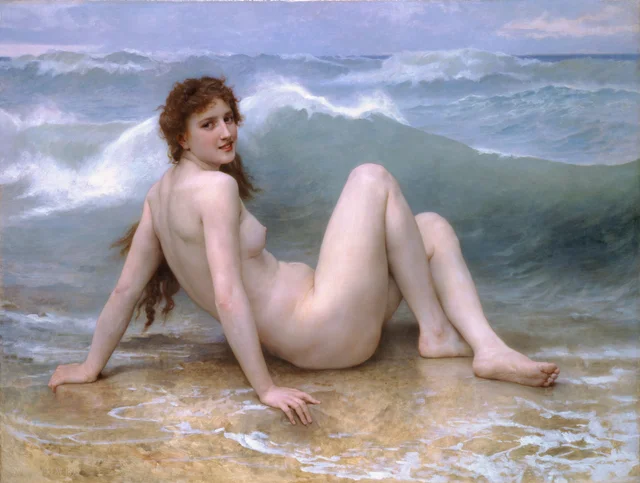 L'ondaWilliam-Adolphe Bouguereau, 1896
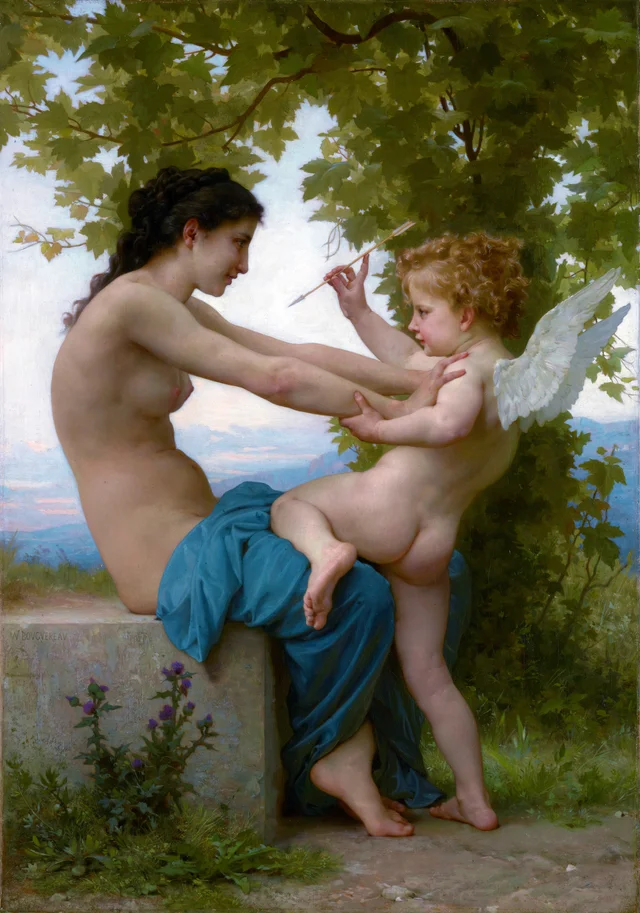 Fanciulla che si difende da ErosWilliam-Adolphe Bouguereau, 1880
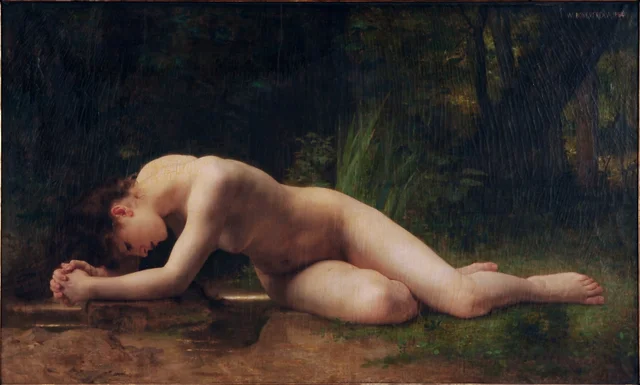 BibliWilliam-Adolphe Bouguereau, 1884
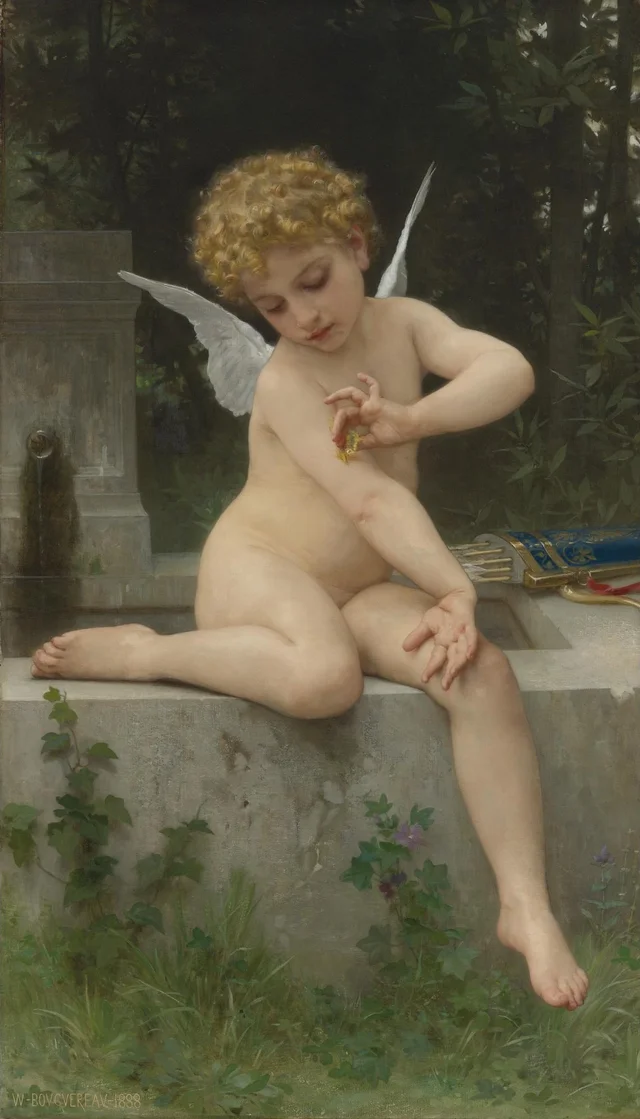 Cupido con una farfallaWilliam-Adolphe Bouguereau, 1888
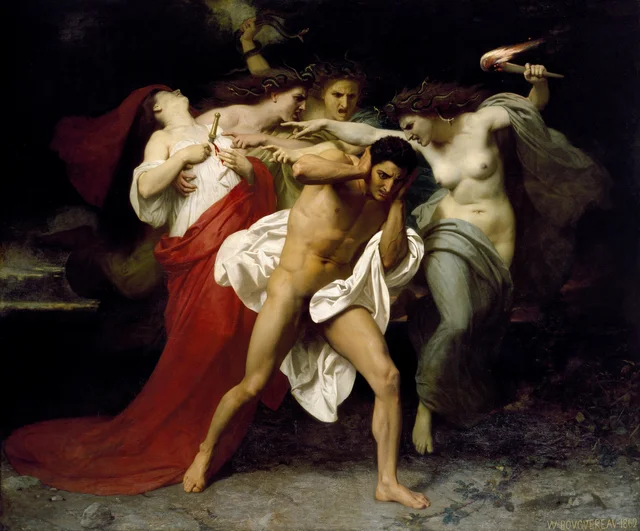 Oreste inseguito dalle FurieWilliam-Adolphe Bouguereau, 1862
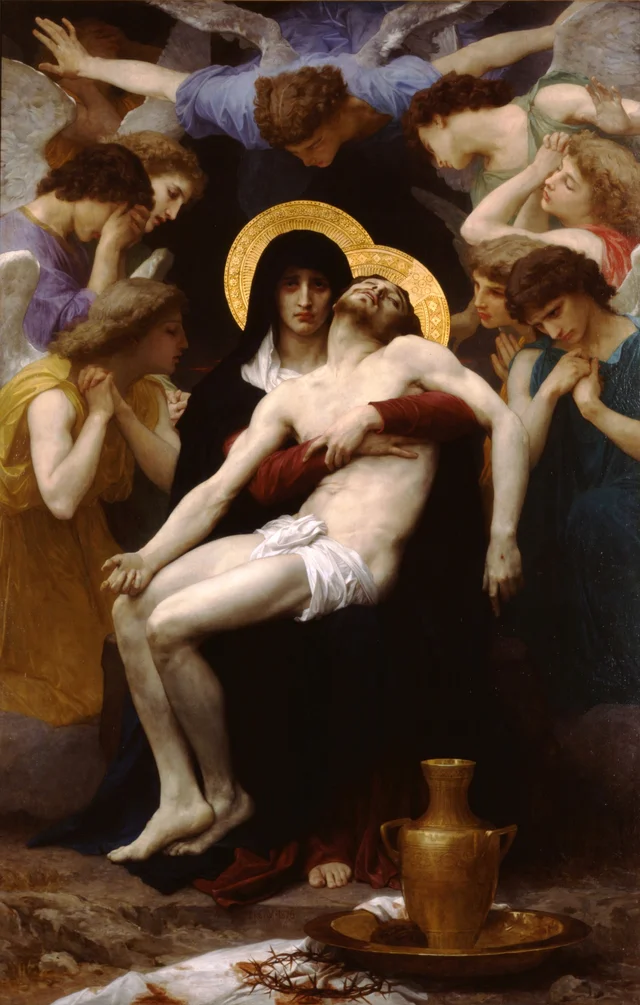 PietàWilliam-Adolphe Bouguereau, 1876
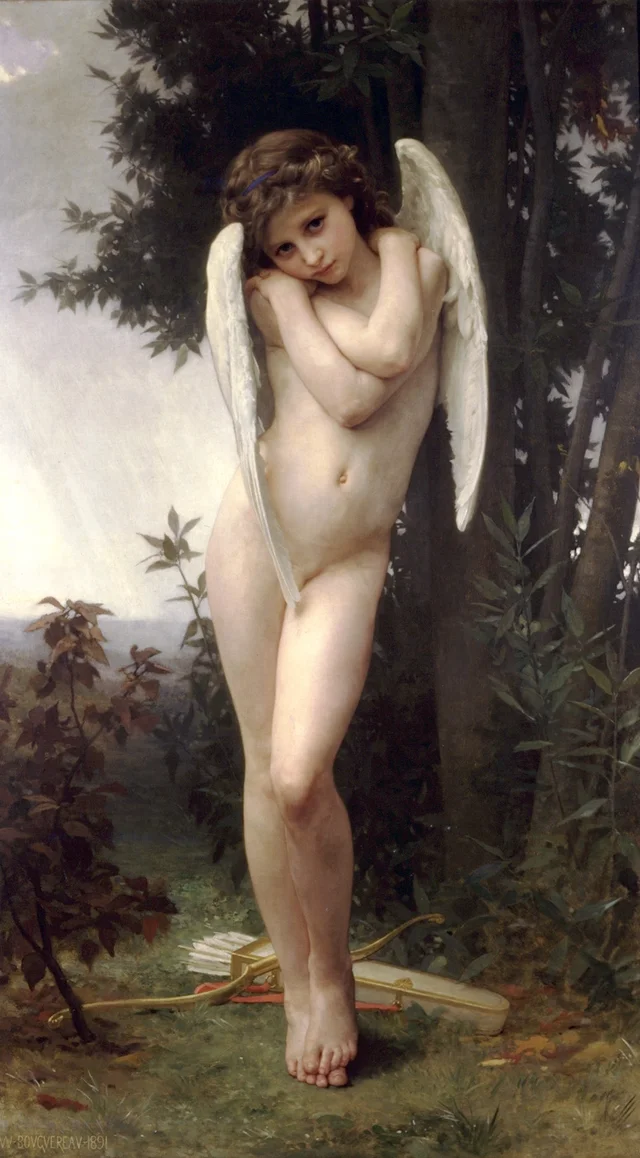 Cupido bagnatoWilliam-Adolphe Bouguereau, 1891
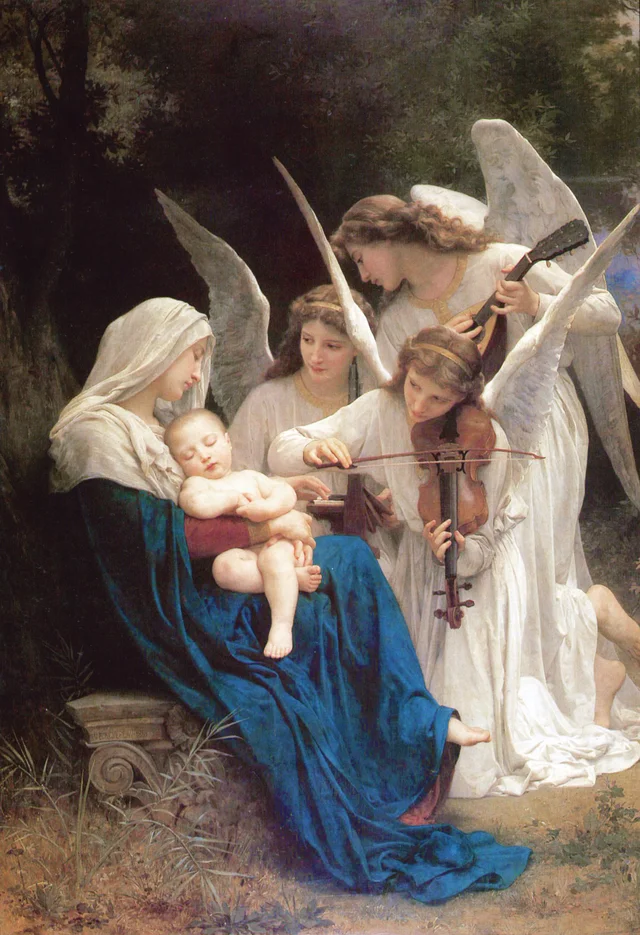 Vergine con angeliWilliam-Adolphe Bouguereau, 1881
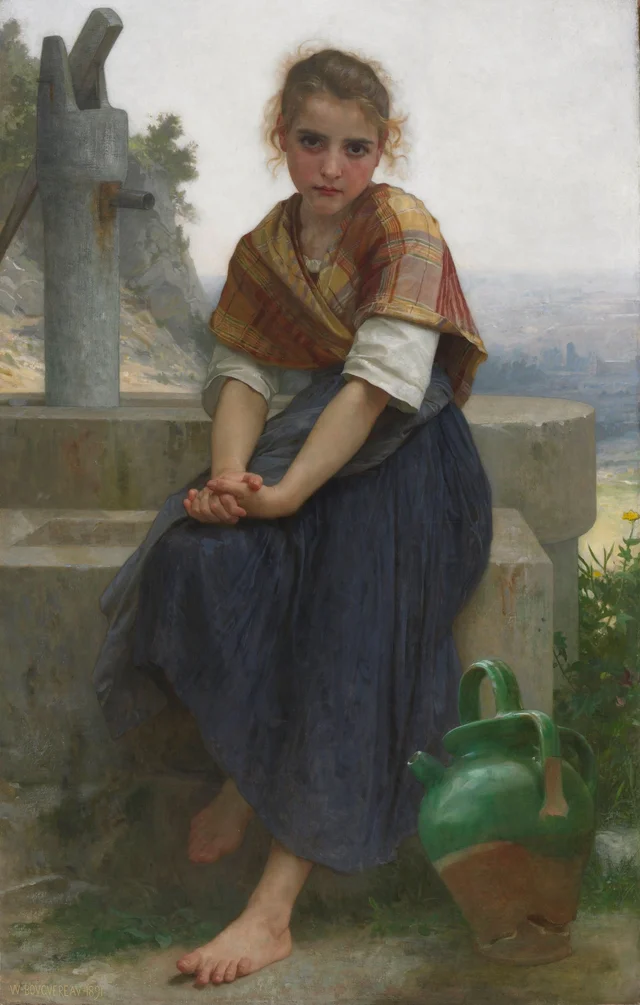 La brocca rottaWilliam-Adolphe Bouguereau, 1891
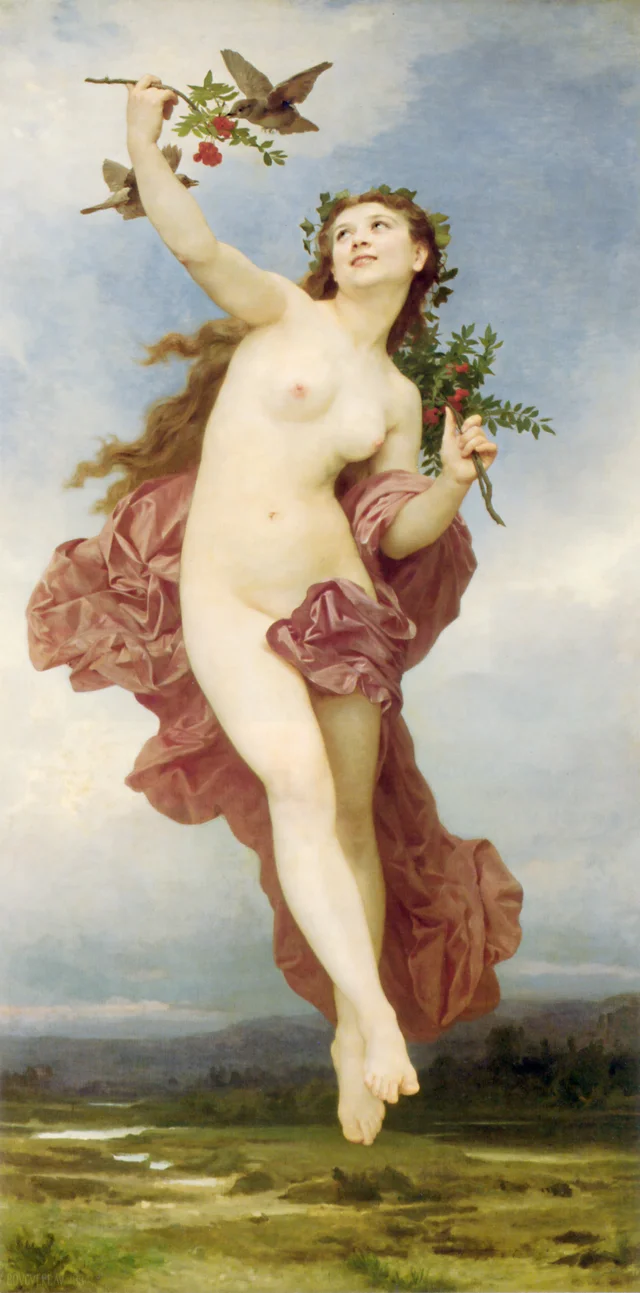 Il giornoWilliam-Adolphe Bouguereau, 1884
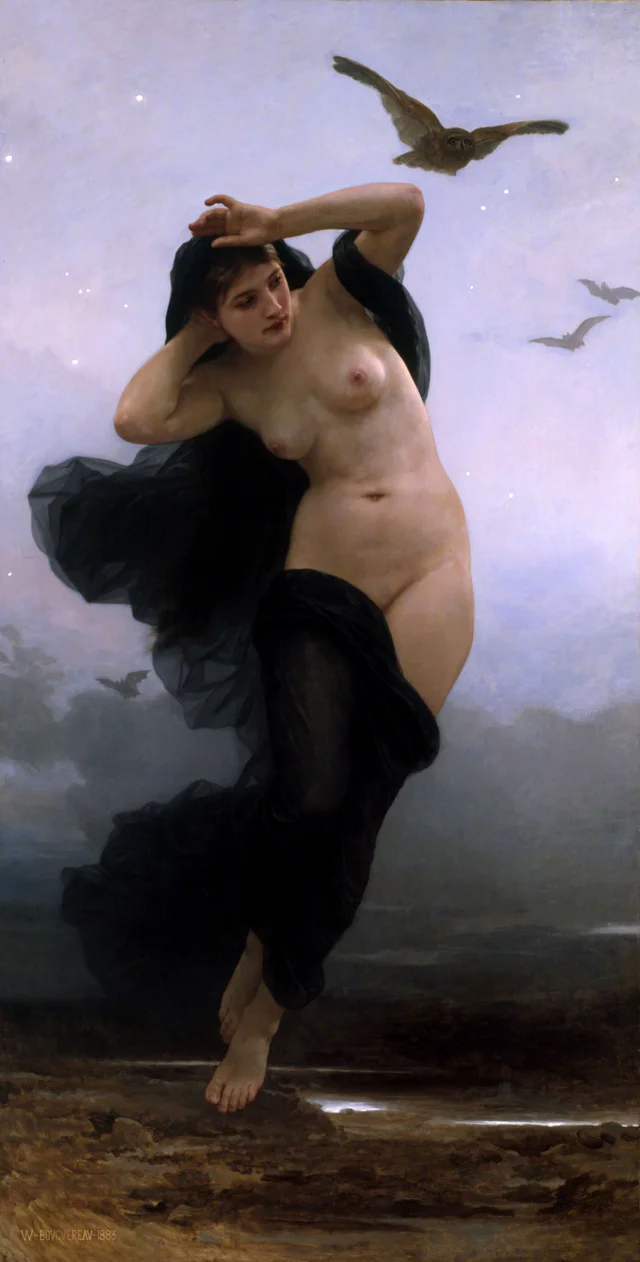 La notteWilliam-Adolphe Bouguereau, 1883
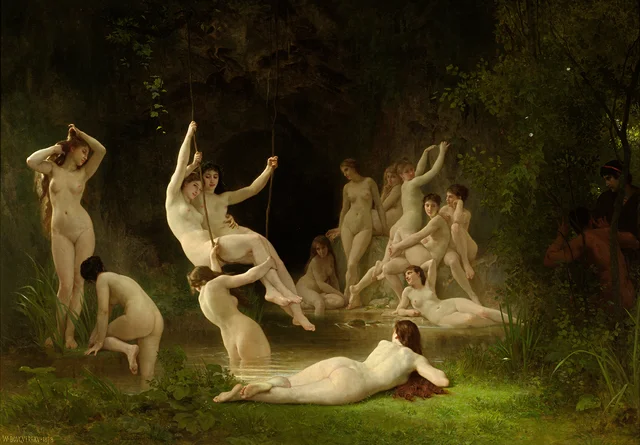 Il NinfeoWilliam-Adolphe Bouguereau, 1878
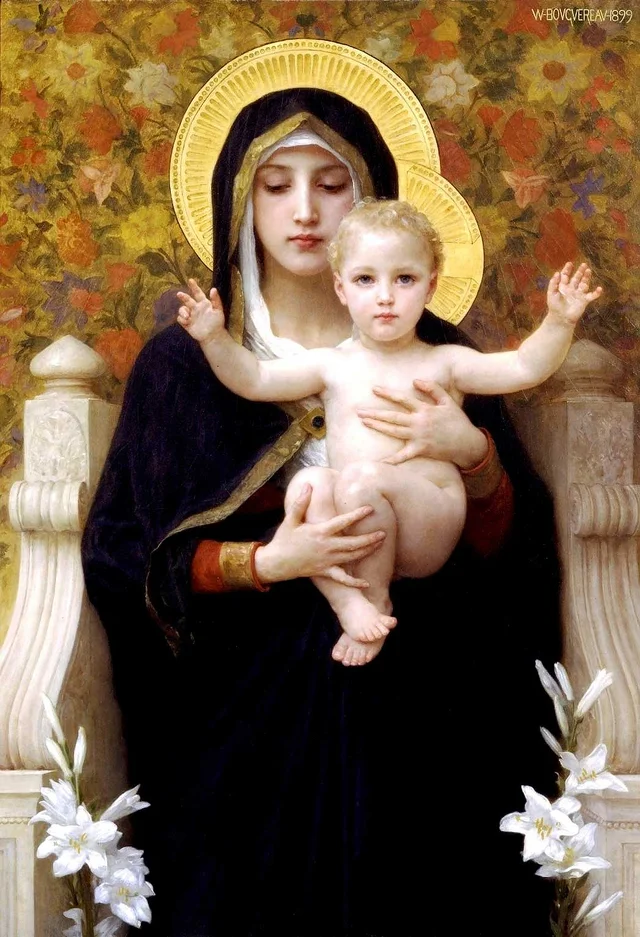 La Vergine dei GigliWilliam-Adolphe Bouguereau, 1899
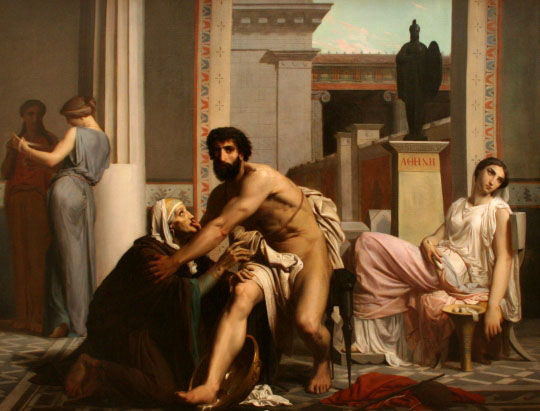 Ulisse riconosciuto dalla nutrice al suo ritorno da TroiaWilliam-Adolphe Bouguereau, 1849
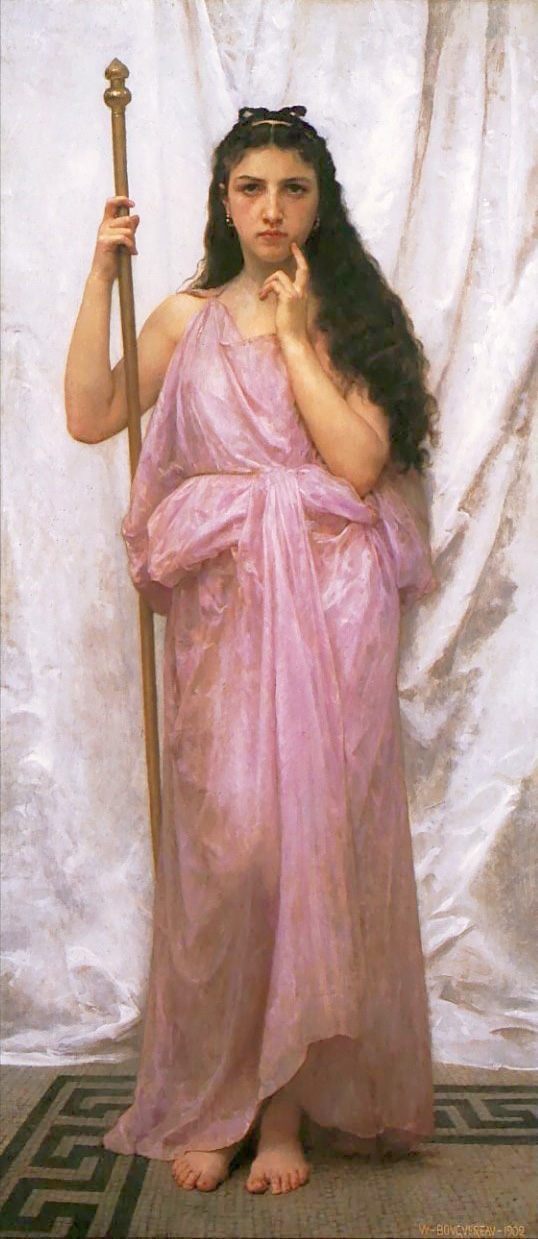 Giovane sacerdotessaWilliam-Adolphe Bouguereau, 1902
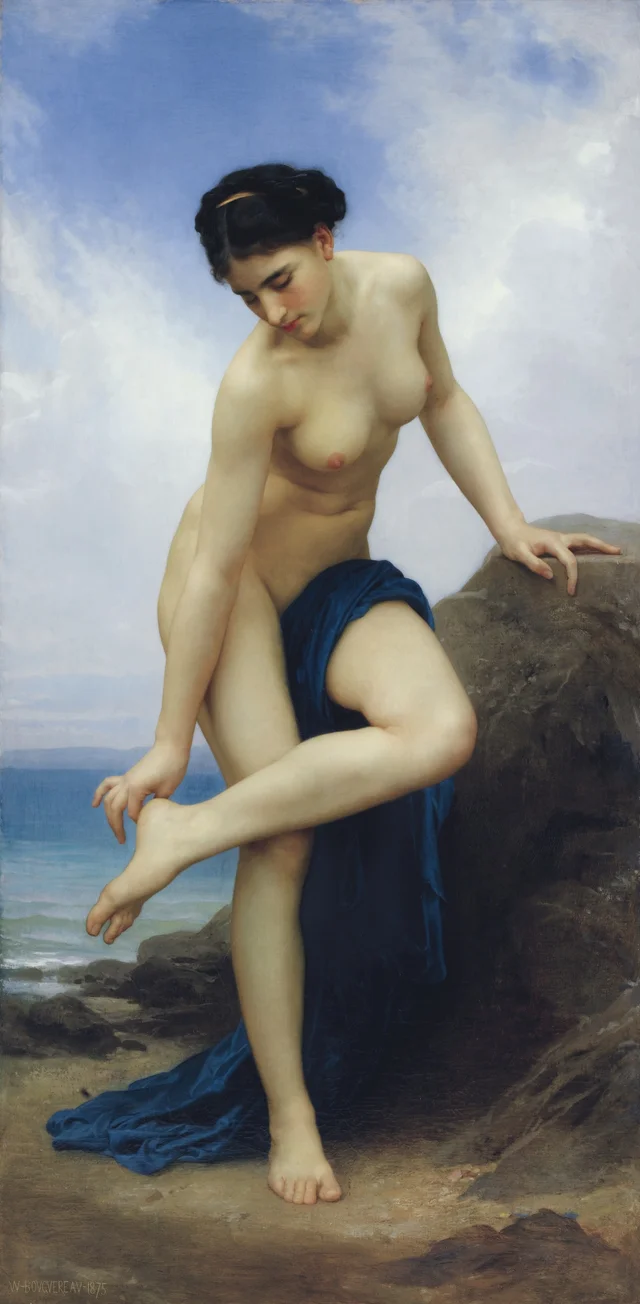 Dopo il bagnoWilliam-Adolphe Bouguereau, 1875
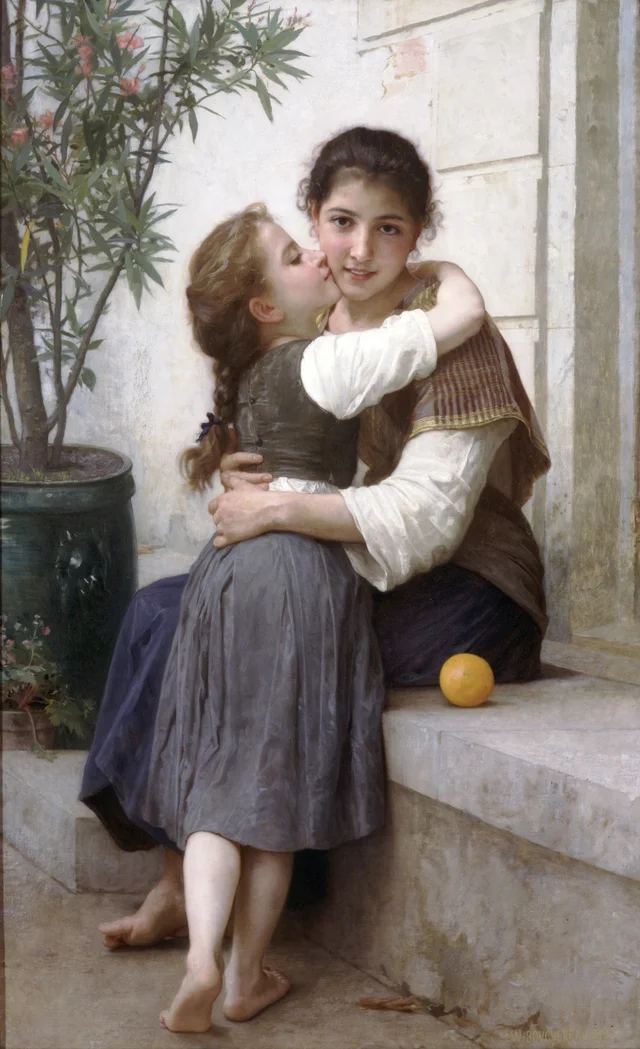 Un po' di lusingheWilliam-Adolphe Bouguereau, 1890
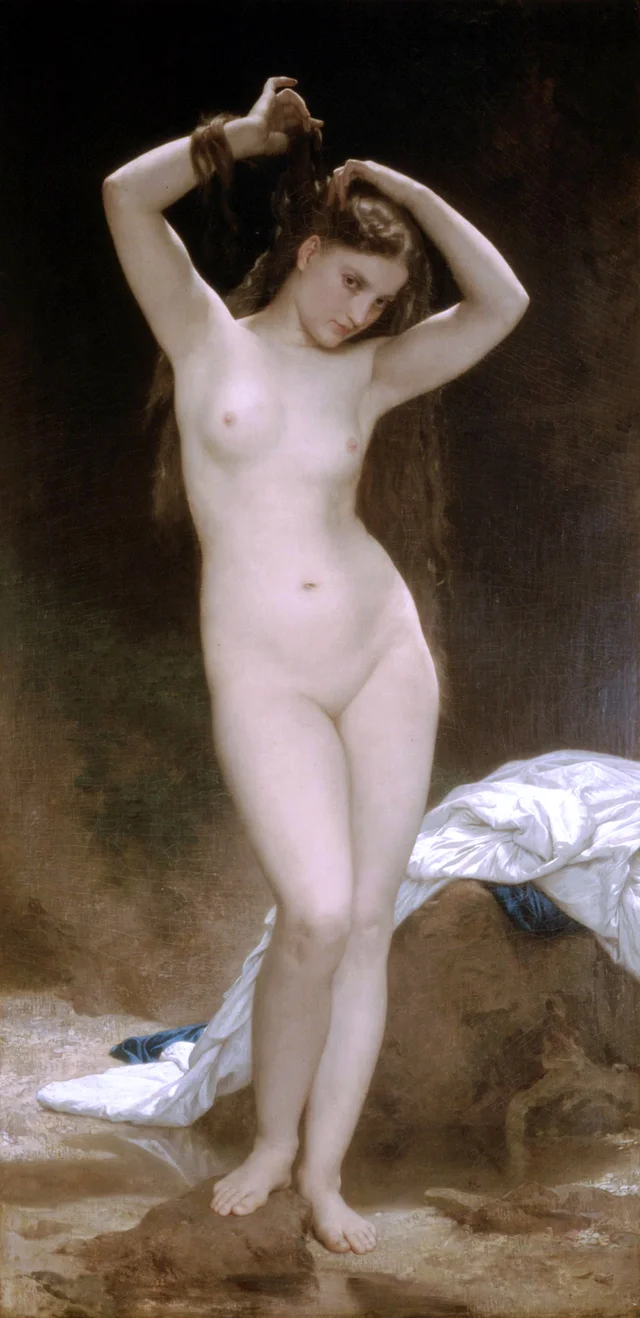 BagnanteWilliam-Adolphe Bouguereau, 1870
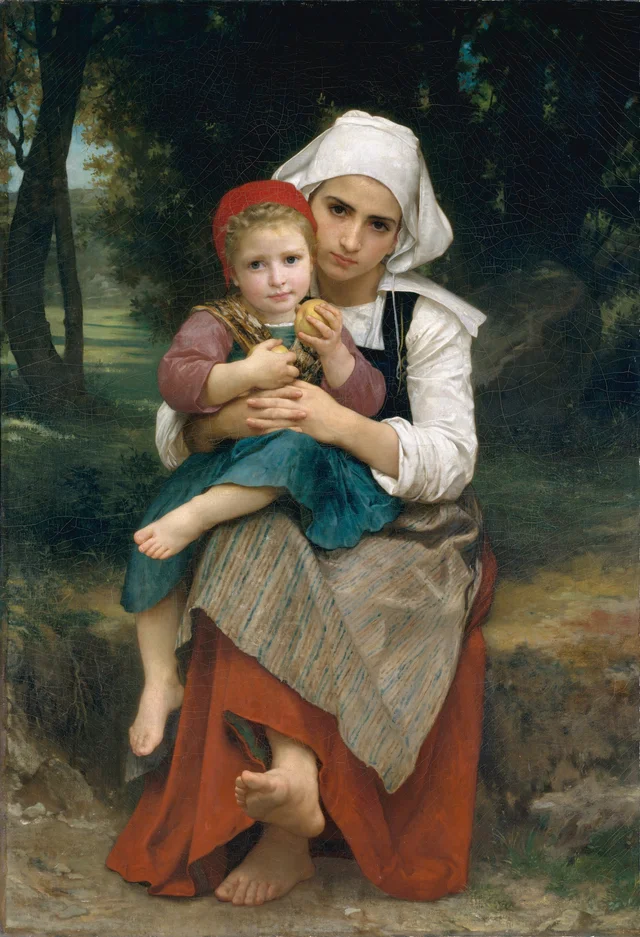 Fratello e sorella bretoniWilliam-Adolphe Bouguereau, 1871
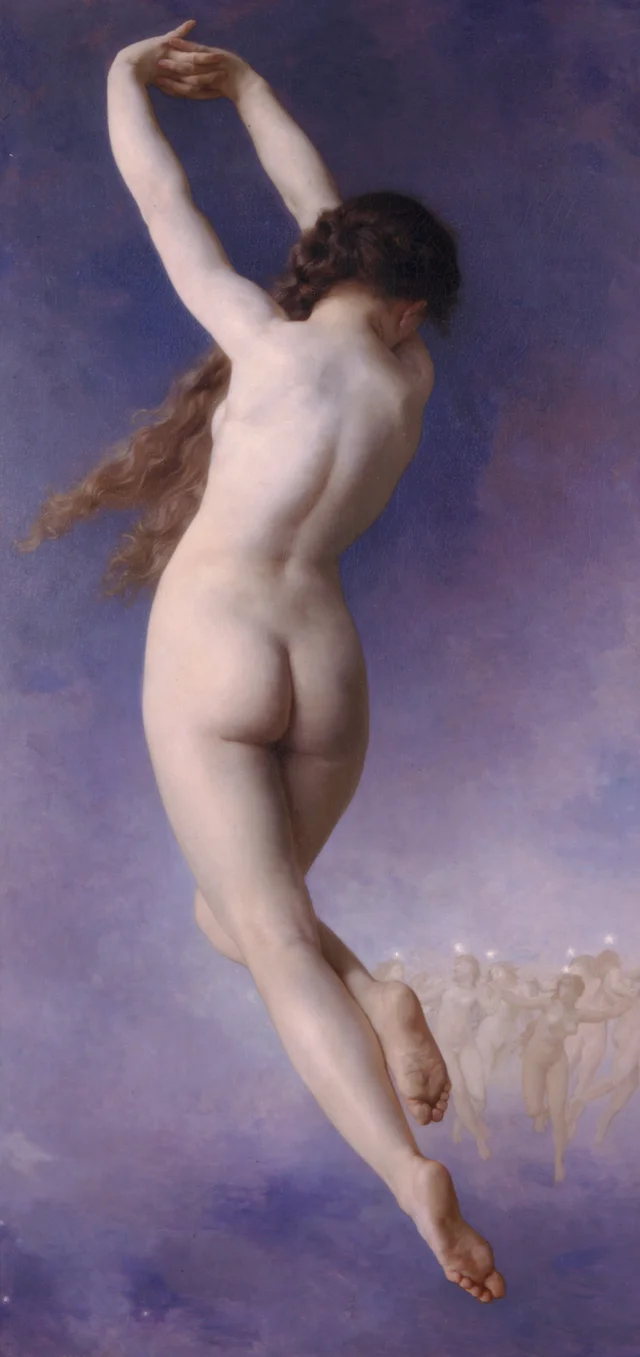 La Pleiade perdutaWilliam-Adolphe Bouguereau, 1884
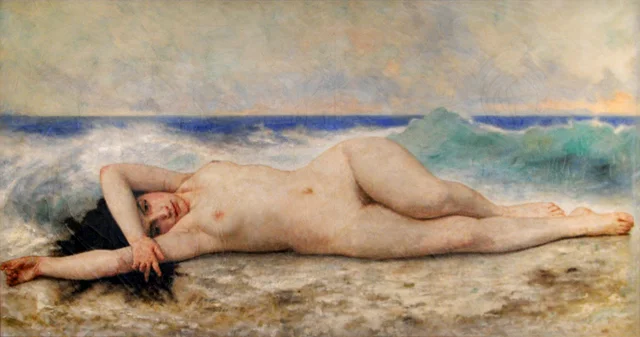 Ninfa dell'oceanoWilliam-Adolphe Bouguereau, 1904
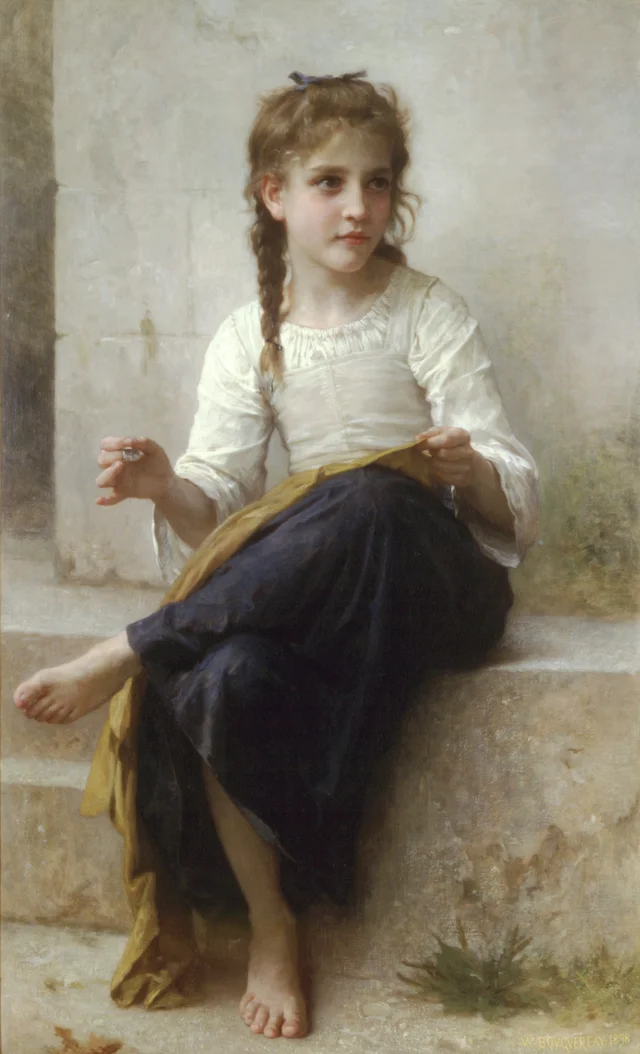 CucitoWilliam-Adolphe Bouguereau, 1898