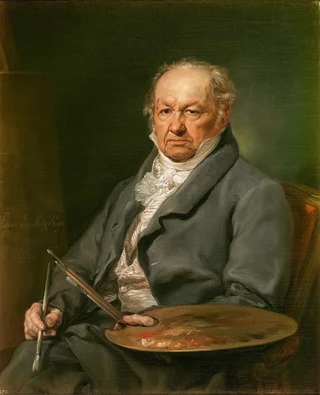
프란시스코 고야
1746–1828 · 스페인 · 낭만주의
이야기
프란시스코 고야는 18세기 스페인에서 화가가 오를 수 있는 자리까지 거의 다 올랐다. 아라곤의 시골 마을 출신인 그는 밝은 색채의 태피스트리 밑그림과 왕실을 미화하는 초상화를 그리며 마드리드 궁정의 수석 화가 자리까지 올라갔다. 그러다 1792년 겨울, 지금까지도 확실히 정체를 알 수 없는 병에 걸려 몇 달간 열과 어지럼증, 이명에 시달렸고, 병이 지나간 뒤에는 완전히 귀가 멀어 남은 35년 생애 내내 그 상태로 지냈다. 그는 궁정 화가 자리는 그대로 지켰지만, 작업 속의 무언가는 안으로, 어둠 속으로 방향을 틀었다.
자신만의 침묵 속에 갇힌 그는 마녀와 당나귀와 괴물들로 가득한 판화 연작 《카프리초스》를 만들었는데, 그중 하나에는 "이성이 잠들면 괴물을 낳는다"는 말이 새겨져 있다. 이윽고 역사가 이 개인적인 어둠을 따라잡았다. 1808년 나폴레옹의 군대가 스페인으로 밀려들어와 황제의 동생을 왕좌에 앉히자 마드리드 민중이 봉기했고, 프랑스군은 그날 밤 내내 반란자들을 무리 지어 총살했다. 훗날 고야는 그날 밤을 그렸다. 흰 셔츠를 입은 남자가 얼굴 없는 총살대 앞에서 두 팔을 활짝 펼치고, 그 사이 땅바닥에는 등불 하나만이 놓여 있는 그림이었다. 흔히 전쟁을 그린 최초의 위대한 근대 회화로 불리며, 그 어디에도 영광이라곤 없다.
말년에 이르러 그는 한 걸음 더 나아갔다. 늙고 귀먹고 자신이 겪은 것들에 시달리던 그는, 마드리드 외곽 자신의 농가 벽 전체를 그 누구도 사려 하지 않을 그림들로 뒤덮었다. 어둡고 사적이며 악몽 같은 그림들이었고, 그중에는 거대한 신이 자신의 자식 하나를 게걸스레 먹어치우는 장면도 있었다. 그는 그 그림들에 제목조차 붙이지 않았다. 오늘날 우리는 그것들을 '검은 그림들'이라 부른다. 그는 여든 가까운 나이에 스페인 왕실에 등을 돌리고 프랑스 보르도로 떠날 때 그 그림들조차 가져가지 않았고, 그곳에서 세상을 떠났다. 그 벽화들은 수십 년 뒤 벽에서 뜯겨 나와 지금은 마드리드에 걸려 있다.
다른 아티클
작품
작품 374점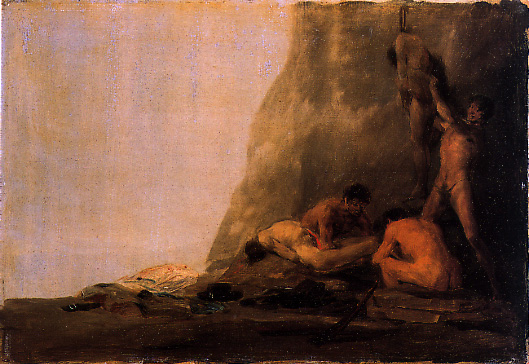 희생자를 토막 내는 식인종프란시스코 고야, 1800
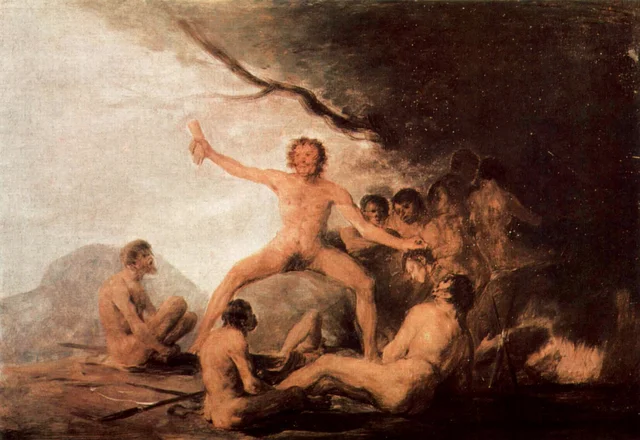 인간의 유해를 바라보는 식인종들프란시스코 고야, 1800
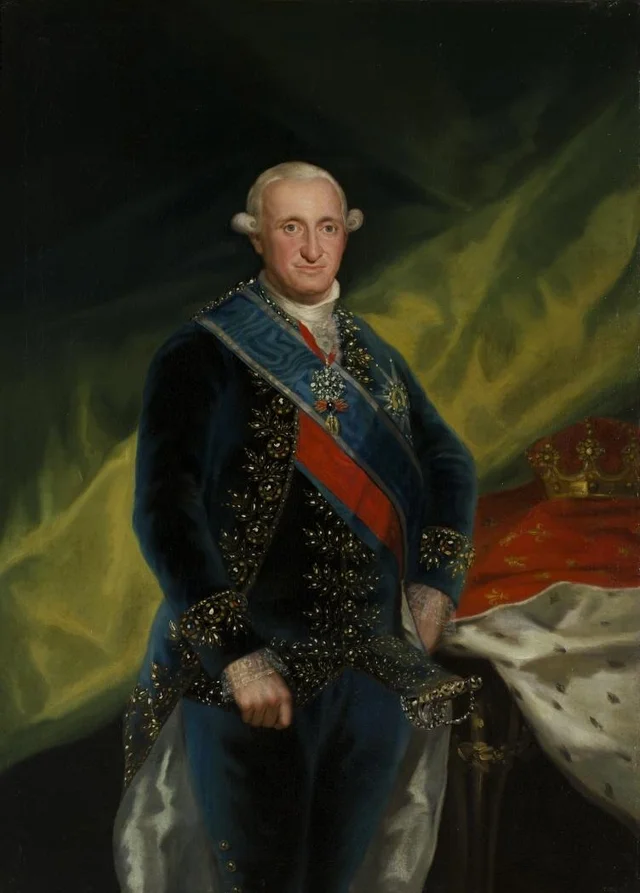 스페인의 카를로스 4세프란시스코 고야, 1789
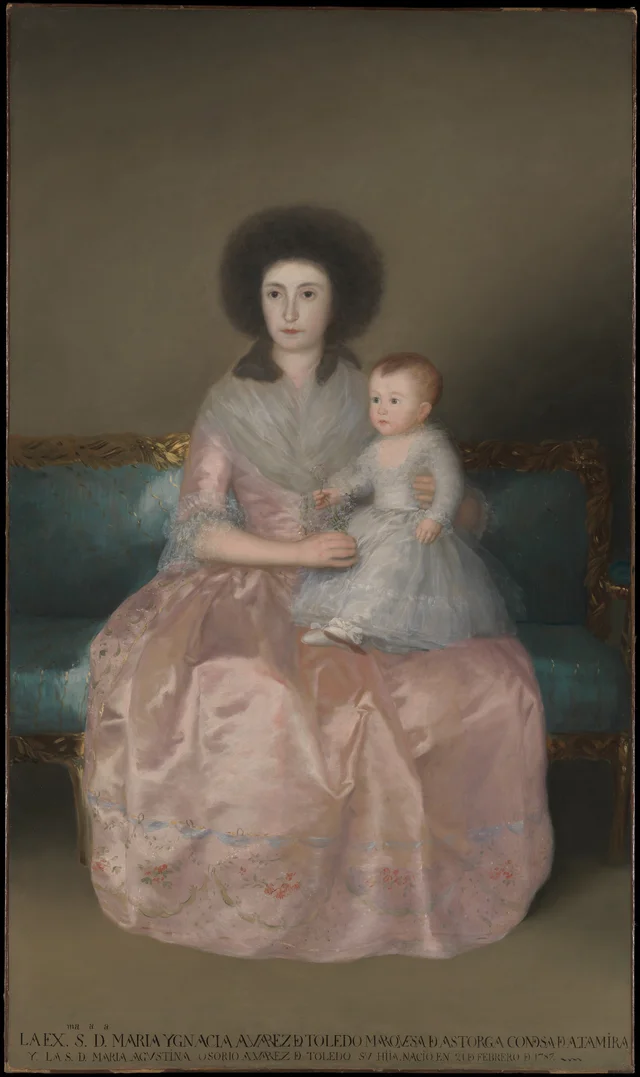 알타미라 백작부인과 딸 마리아 아구스티나프란시스코 고야, 1787
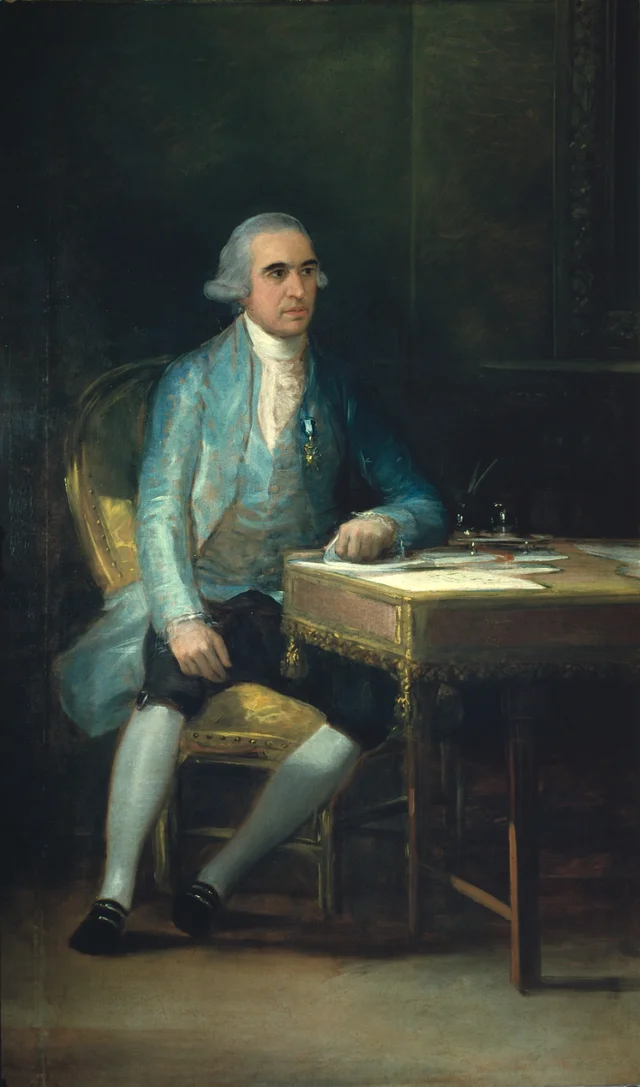 돈 프란시스코 데 사아베드라프란시스코 고야, 1798
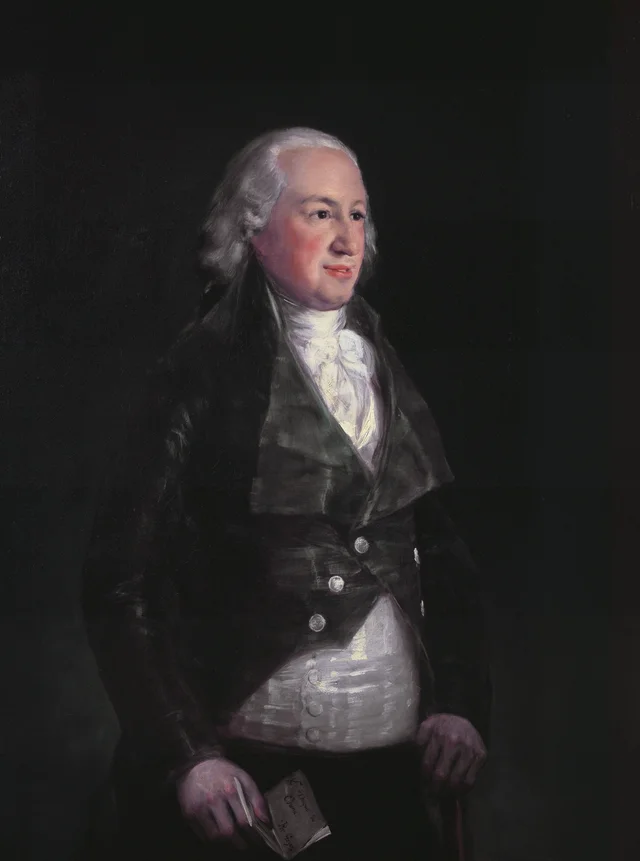 오수나 공작 돈 페드로프란시스코 고야, 1795
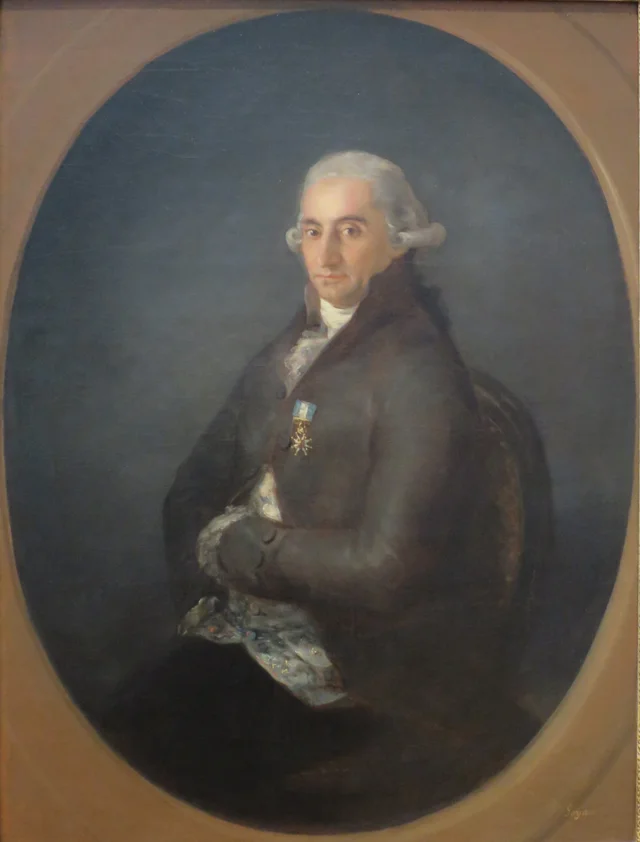 돈 라몬 데 포사다 이 소토프란시스코 고야, 1801
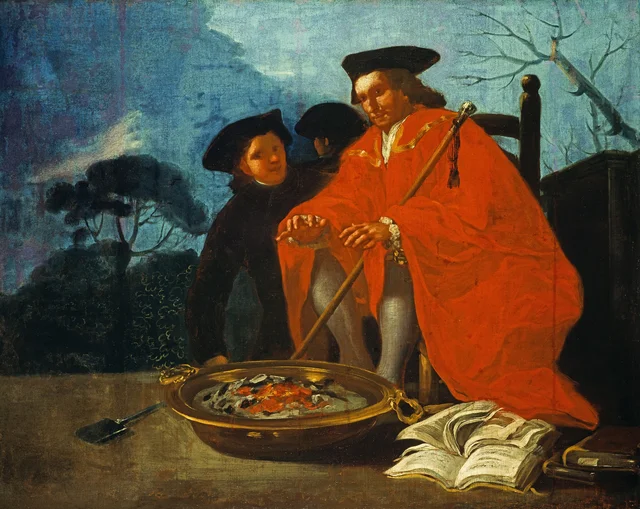 의사프란시스코 고야, 1780
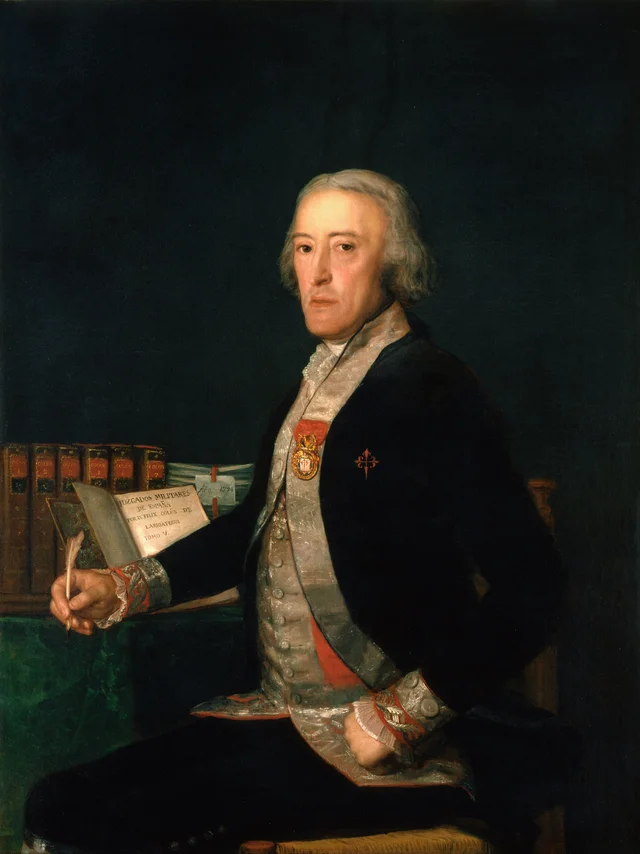 펠릭스 콜론 데 라리아테기프란시스코 고야, 1794
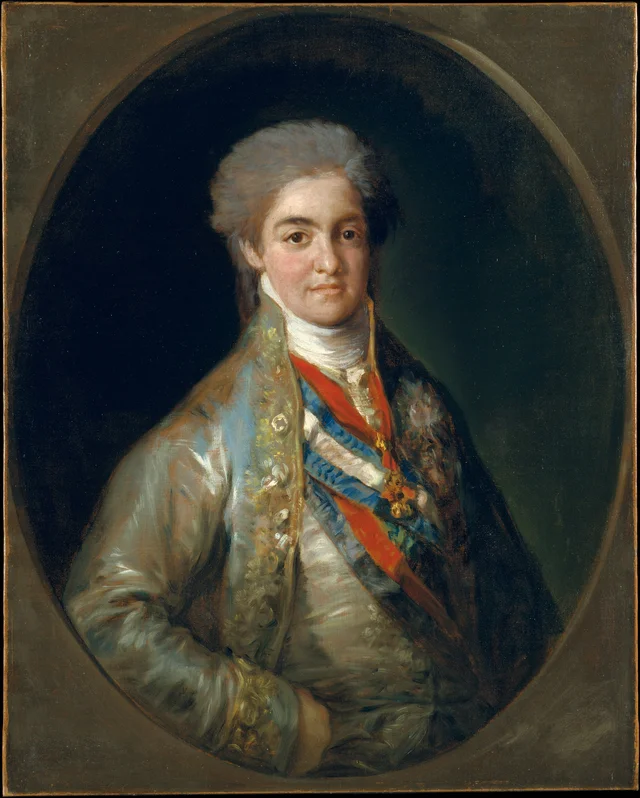 페르난도 7세 (1784–1833), 아스투리아스 공프란시스코 고야, 1800
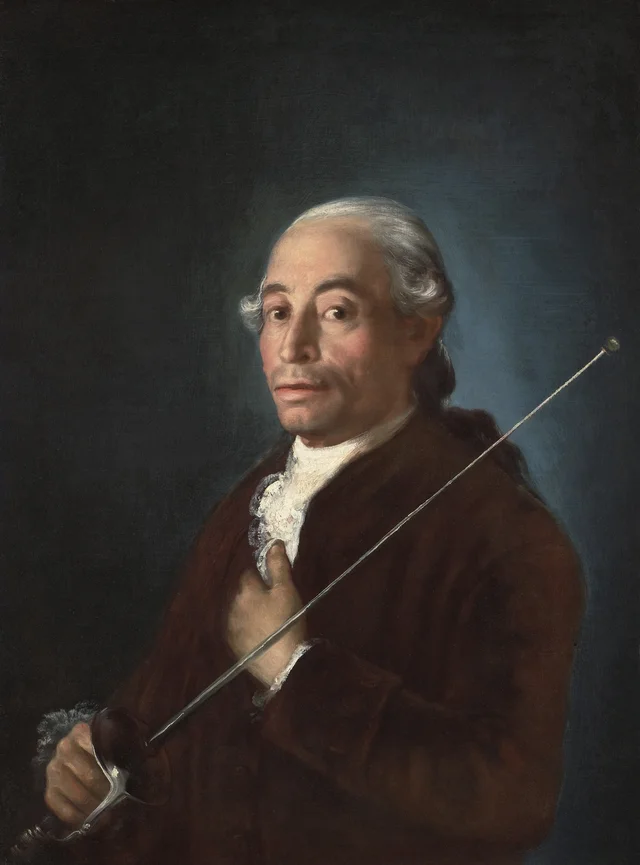 프란체스코 사바티니프란시스코 고야, 1775
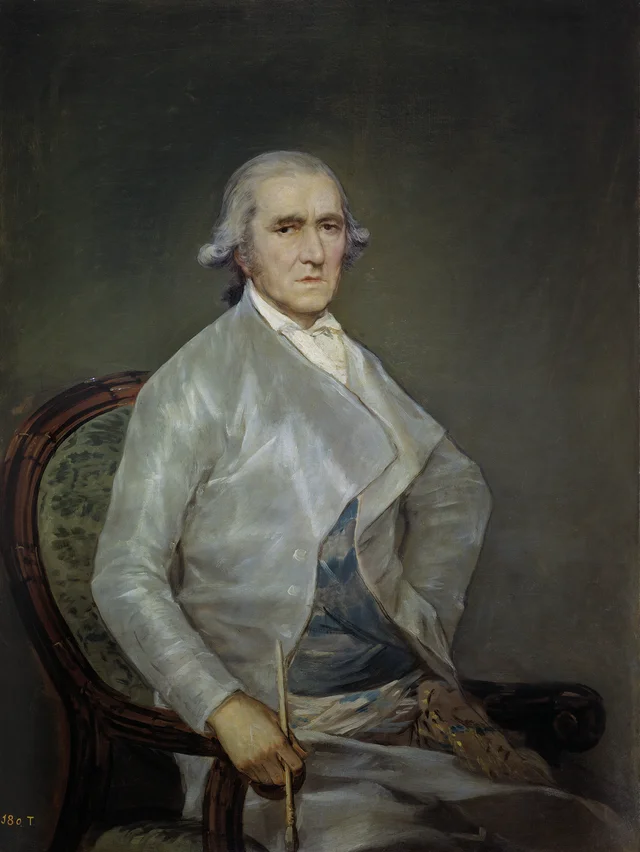 프란시스코 바예우프란시스코 고야, 1795
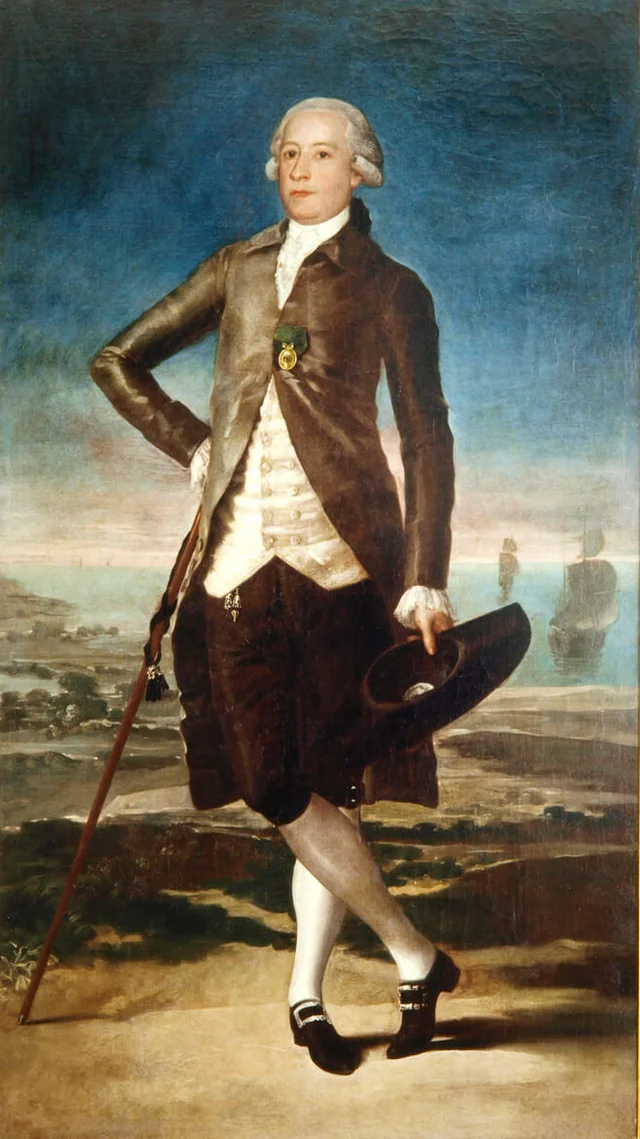 가스파르 멜초르 데 호베야노스프란시스코 고야, 1782
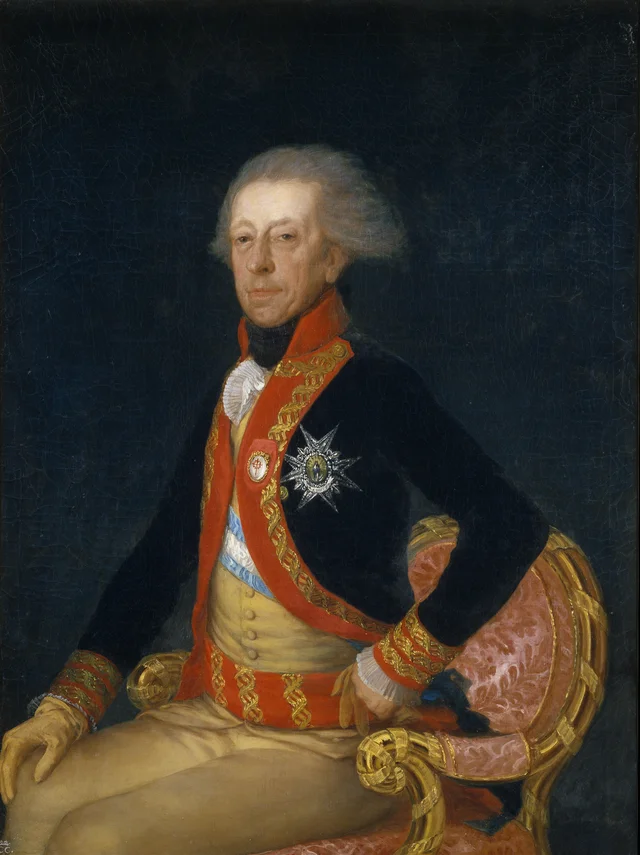 안토니오 리카르도스 장군프란시스코 고야, 1793
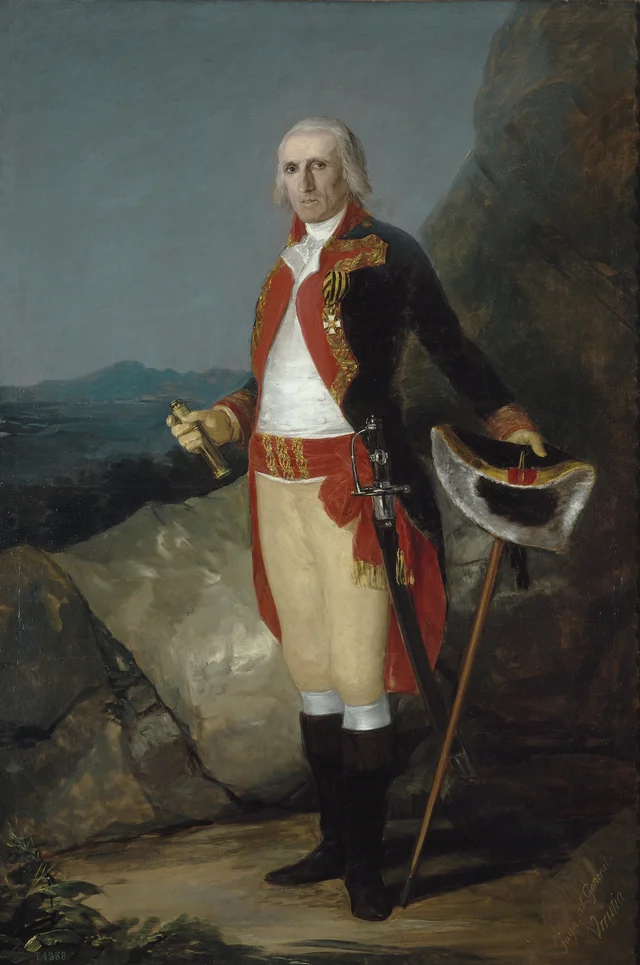 호세 데 우루티아 장군프란시스코 고야, 1798
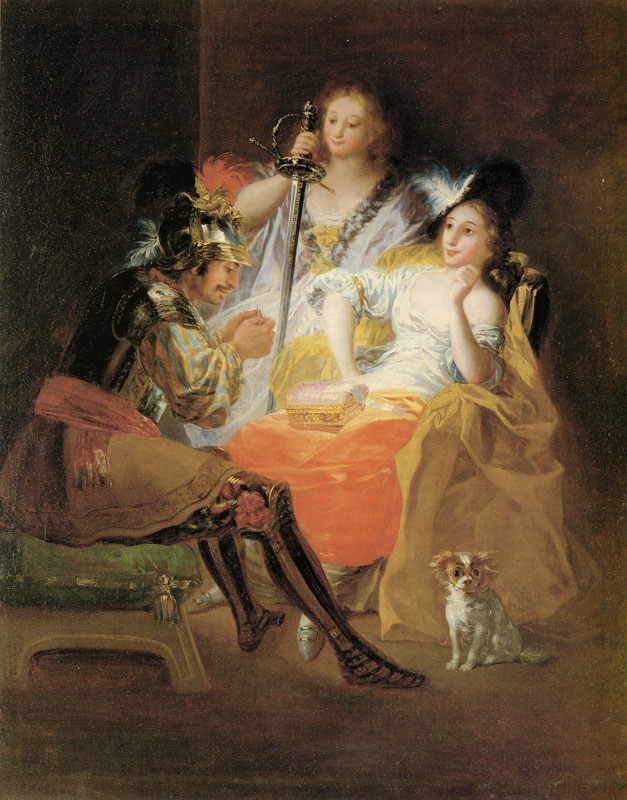 헤라클레스와 옴팔레프란시스코 고야, 1784
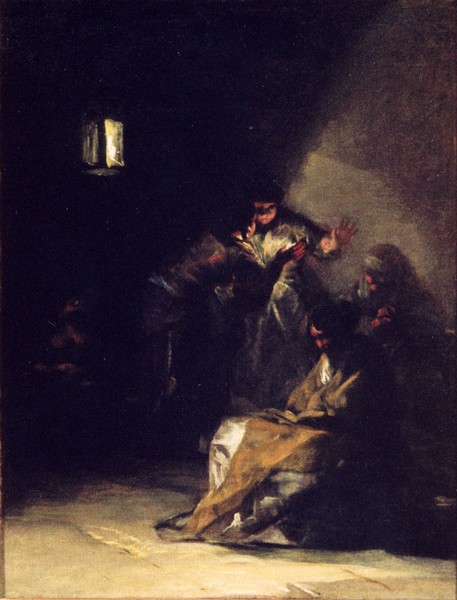 감옥의 내부프란시스코 고야, 1810
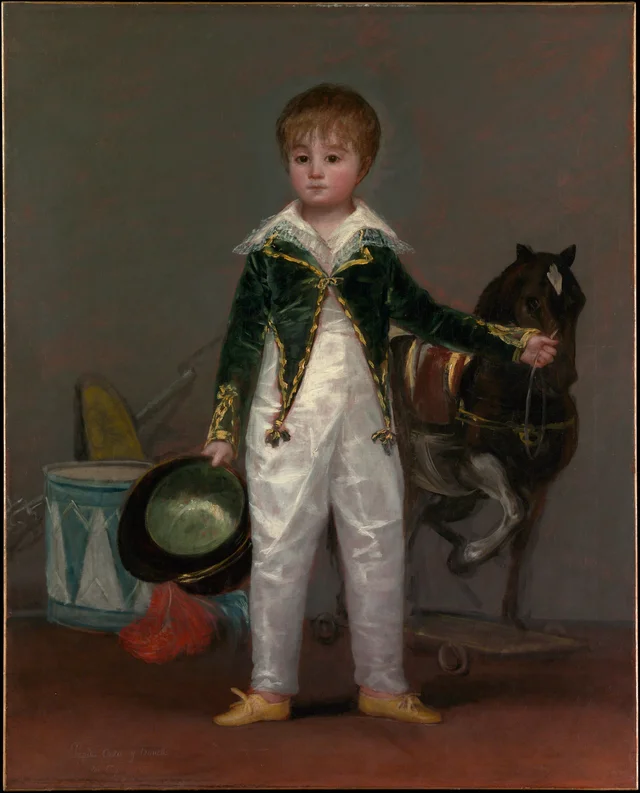 호세 코스타 이 보네이스, 일명 페피토프란시스코 고야, 1810
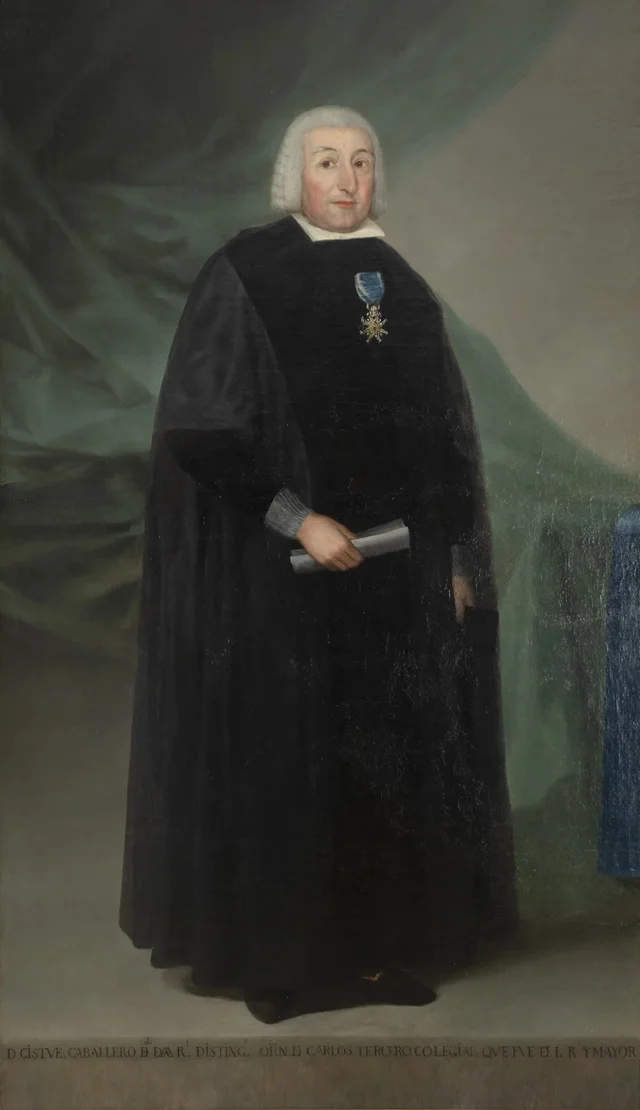 José de Cistué y Coll프란시스코 고야, 1788
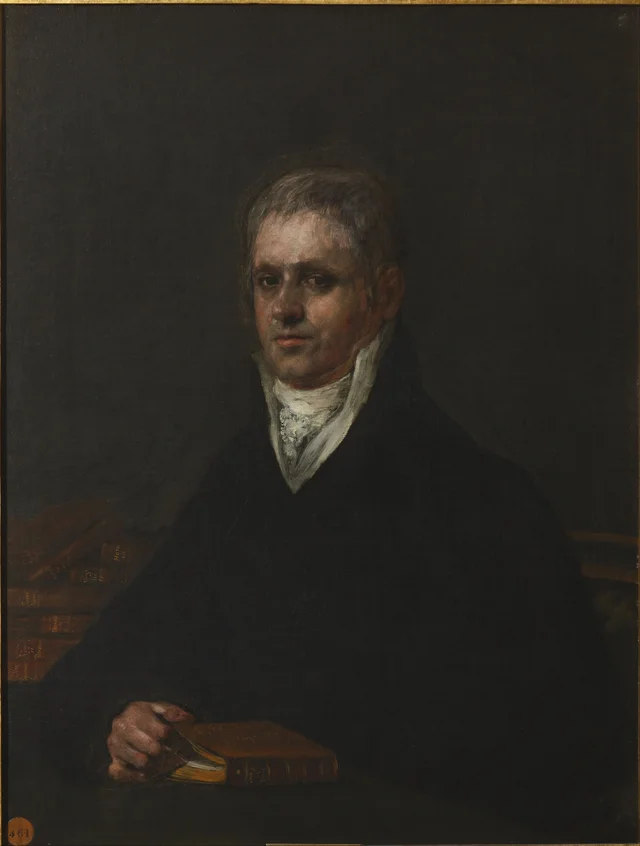 호세 루이스 무나리스프란시스코 고야, 1815
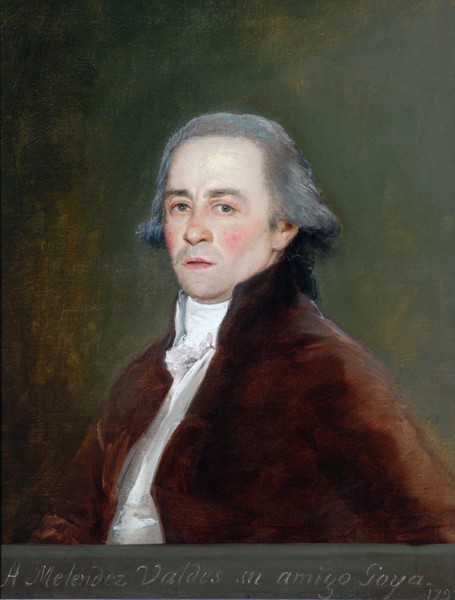 후안 안토니오 멜렌데스 발데스프란시스코 고야, 1797
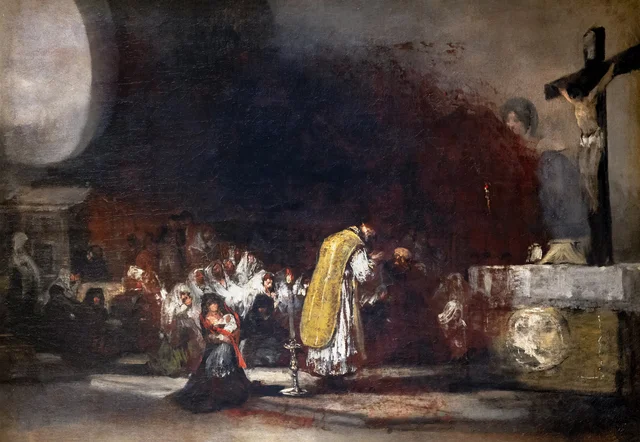 산모의 미사프란시스코 고야, 1810
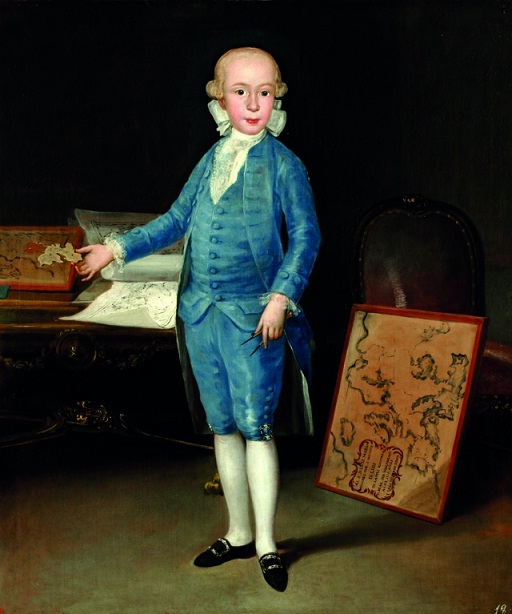 루이스 마리아 데 보르본 이 바야브리가프란시스코 고야, 1783
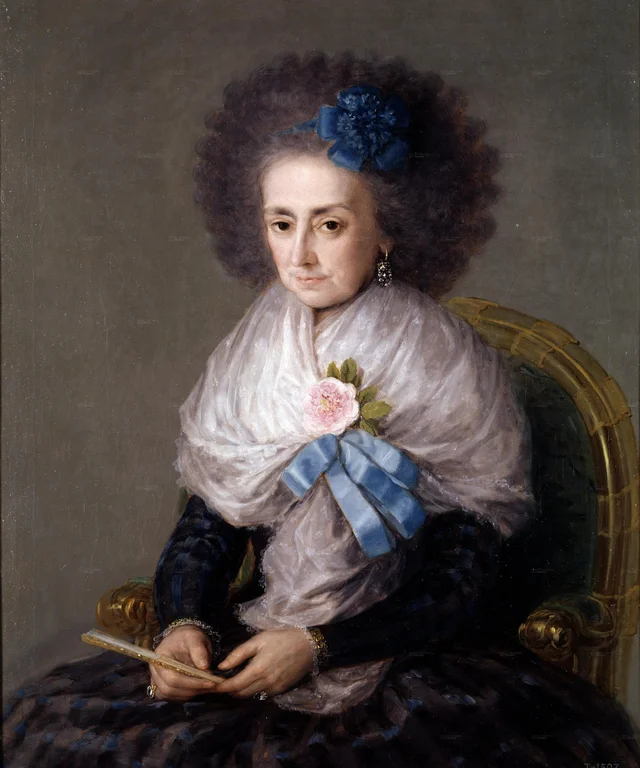 마리아 안토니아 곤사가, 비야프랑카의 미망인 후작부인프란시스코 고야, 1795
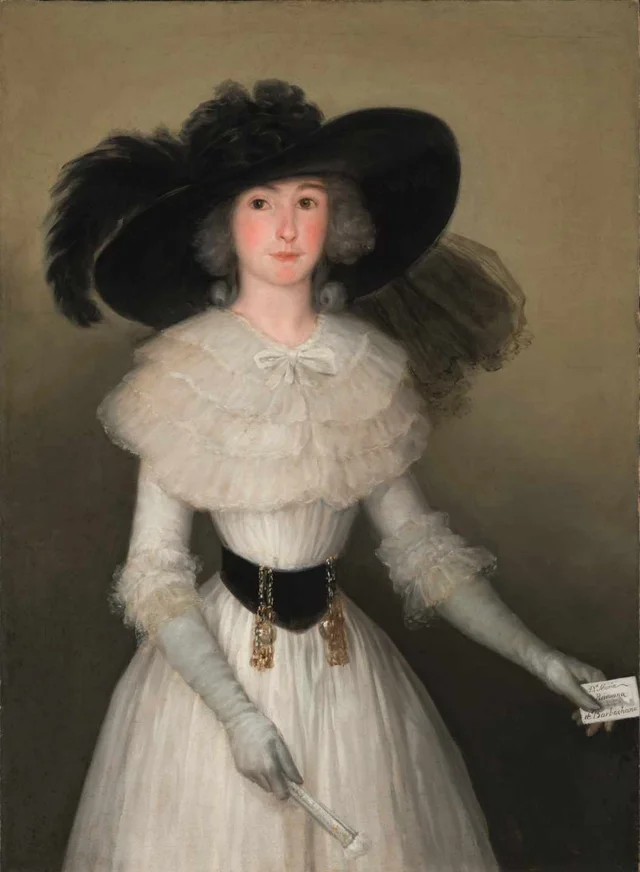 마리아 라모나 데 바르바차노프란시스코 고야, 1787