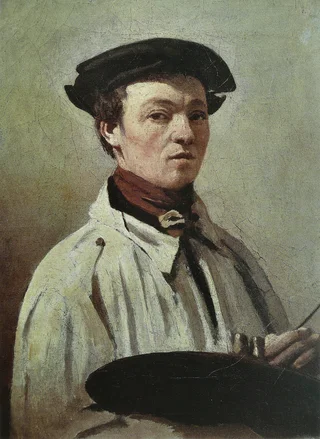
장바티스트 카미유 코로
1796–1875 · 프랑스 · 프랑스 사실주의
이야기
장바티스트 카미유 코로는 늦은 나이에, 그것도 경제적 압박 없이 그림을 시작했다. 아버지는 가발 제조업자였고 어머니는 모자 가게를 운영했는데, 둘 다 충분히 여유가 있어 그가 스물다섯 살 때 소액의 생활비를 대주며 직물업 경력을 포기하고 그림을 그리도록 허락했다. 이 자유 덕분에 그는 평생 자기만의 속도로 작업할 수 있었다. 그는 이탈리아에서 여러 해를 보내며 야외에서 빠르게 유화 스케치를 그렸고, 당시 파리 살롱이 여전히 기대하던 매끈한 화실풍 풍경화보다 몇 년은 앞선 느슨하고 빛으로 가득한 기법을 발전시켰다.
프랑스로 돌아온 그는 1829년 이후 퐁텐블로 숲으로 향했다. 그곳에서는 아카데믹한 관습에 불만을 품은 화가들, 장프랑수아 밀레와 테오도르 루소를 비롯한 느슨한 모임이 훗날 바르비종파로 불리게 될 흐름을 형성하고 있었다. 코로는 그중 가장 명성 높은 인물이 되었고, 은빛으로 빛나는 대기감 넘치는 숲 풍경으로 인기를 끌며 젊은 급진파들이 어려움을 겪는 와중에도 넉넉한 부를 누렸다.
그는 이 성공에 대해서도 유달리 관대해서 어려움에 처한 가난한 동료 화가들을 도왔고, 젊은 카미유 피사로와 베르트 모리조를 직접 지도했다. 두 사람 모두 훗날 인상주의자가 되어 자연을 직접 보고 그리는 그의 원칙을 그가 끝내 공식적으로 몸담지 않았던 그 운동 안으로 이어갔다. 그는 1875년 파리에서 세상을 떠나며 3천 점이 넘는 그림을 남겼는데, 이후 수십 년에 걸쳐 그의 화풍을 모방한 위작들이 쏟아지며 그 수는 더욱 부풀려졌다.
다른 아티클
작품
작품 170점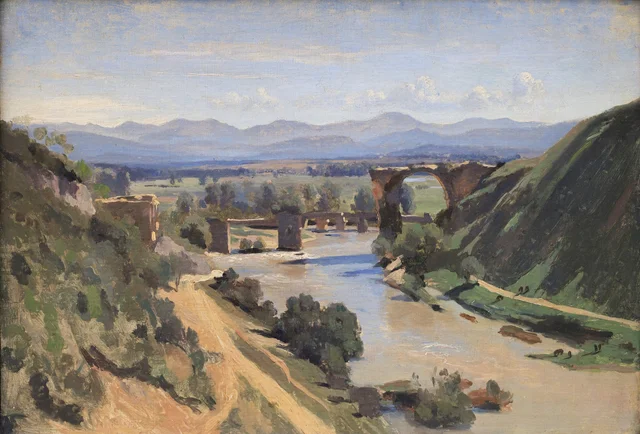 나르니의 다리장바티스트 카미유 코로, 1826
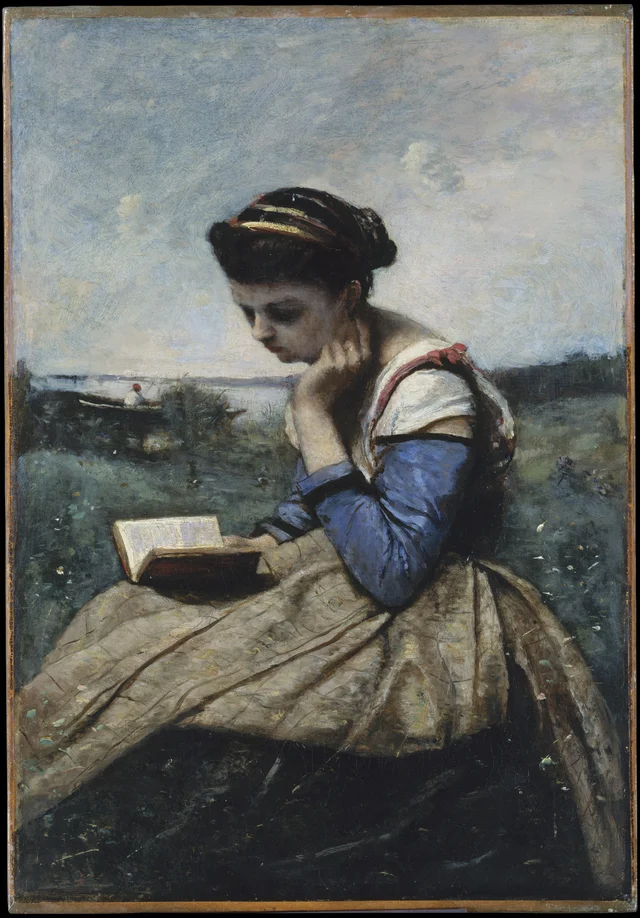 책 읽는 여인장바티스트 카미유 코로, 1869
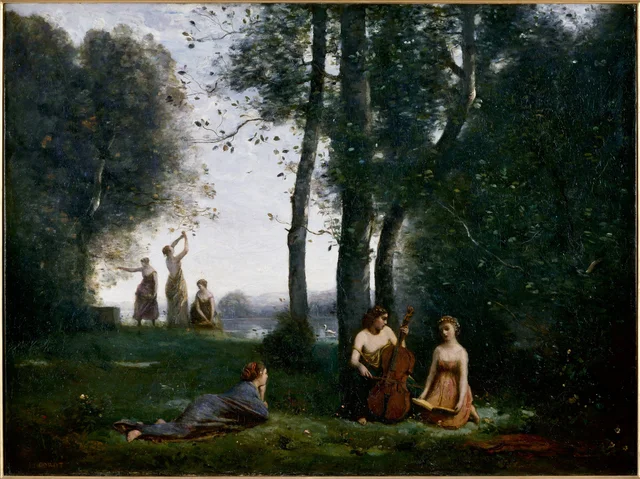 전원의 연주회장바티스트 카미유 코로, 1857
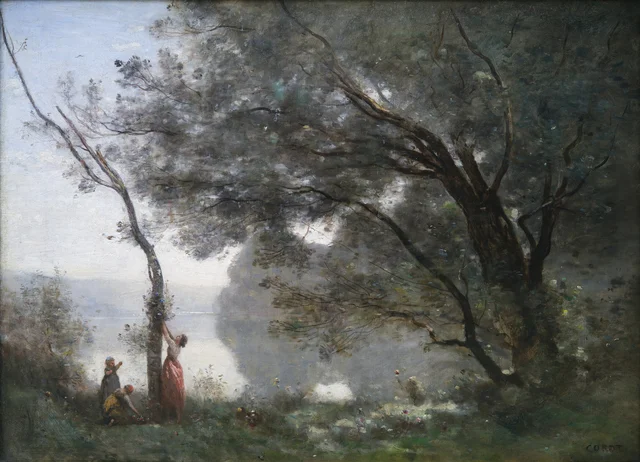 모르트퐁텐의 추억장바티스트 카미유 코로, 1864
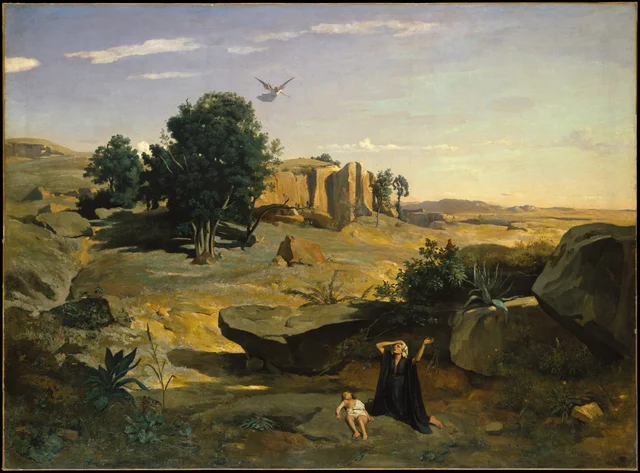 광야의 하갈장바티스트 카미유 코로, 1835
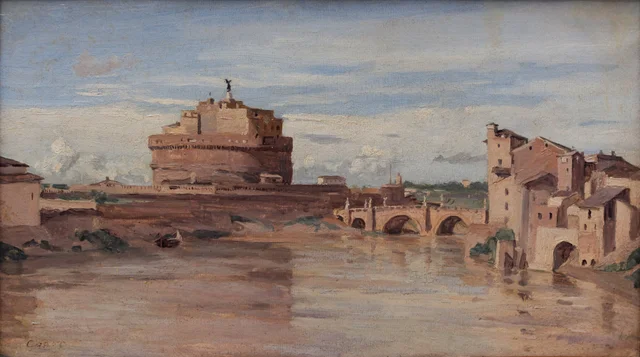 산탄젤로 성과 티베르강장바티스트 카미유 코로, 1826
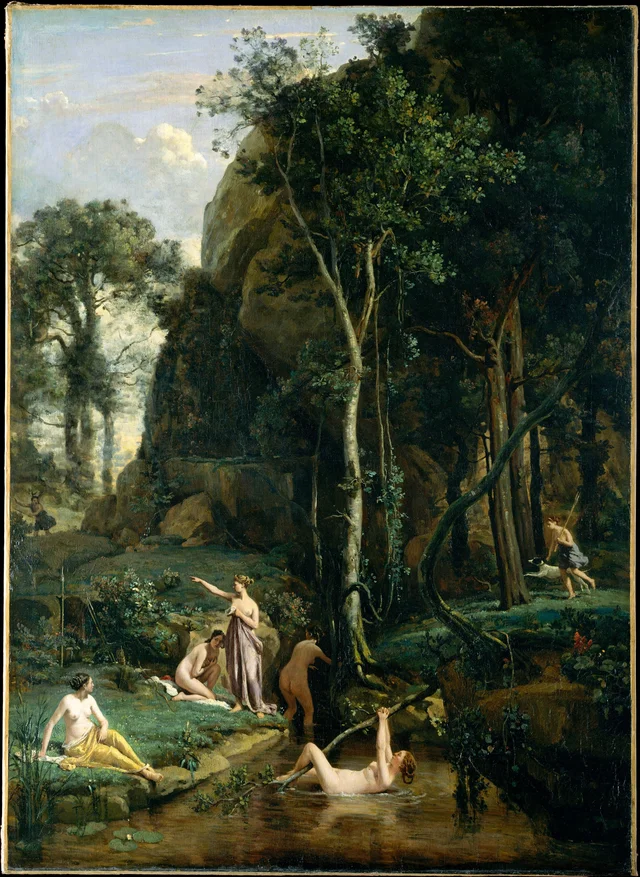 디아나와 악타이온(목욕 중 놀란 디아나)장바티스트 카미유 코로, 1836
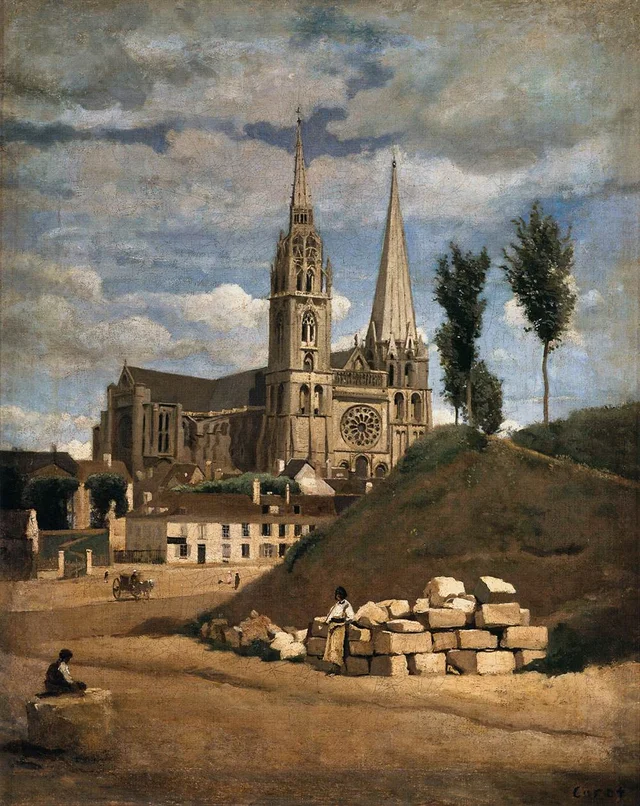 샤르트르 대성당장바티스트 카미유 코로, 1830
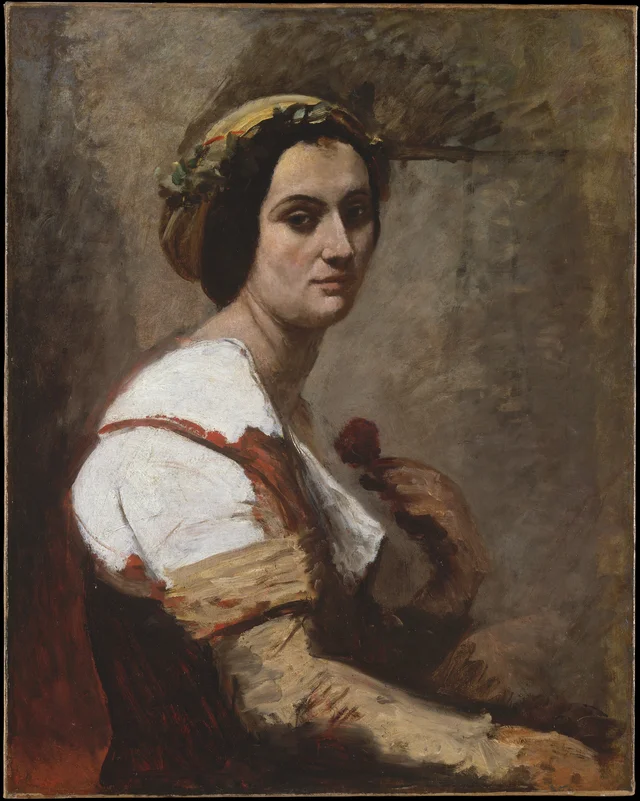 시빌장바티스트 카미유 코로, 1870
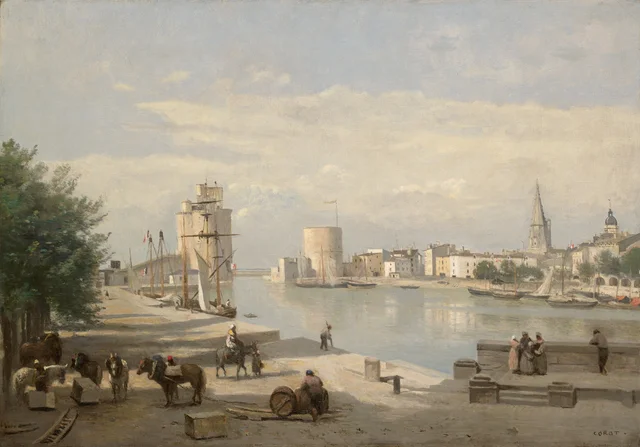 라로셸 항구장바티스트 카미유 코로, 1851
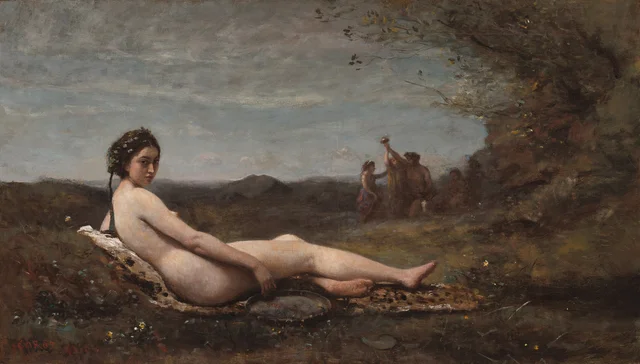 휴식장바티스트 카미유 코로, 1860
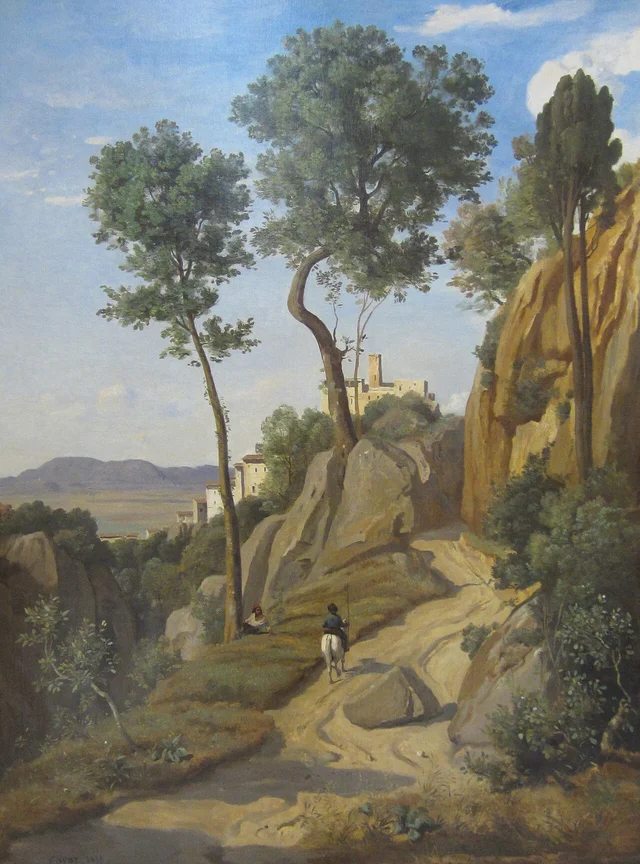 볼테라 풍경장바티스트 카미유 코로, 1838
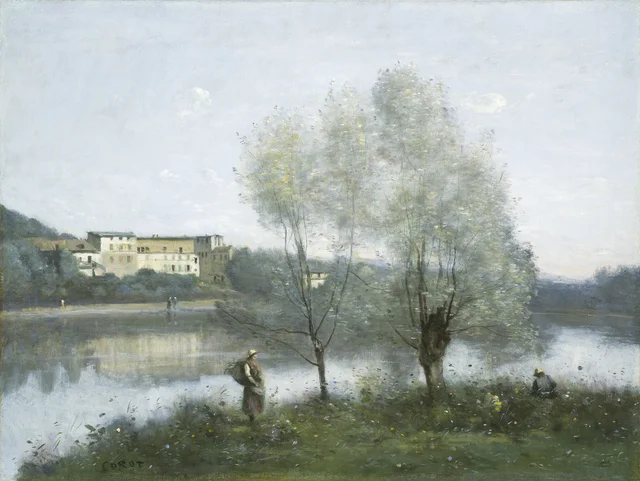 빌다브레장바티스트 카미유 코로, 1865
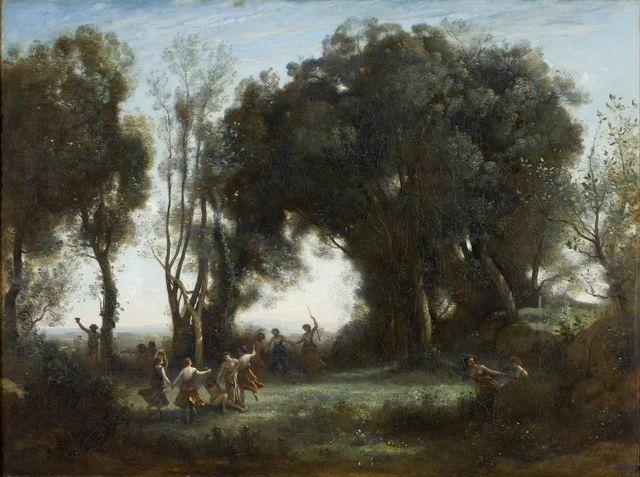 아침. 님프들의 춤장바티스트 카미유 코로, 1850
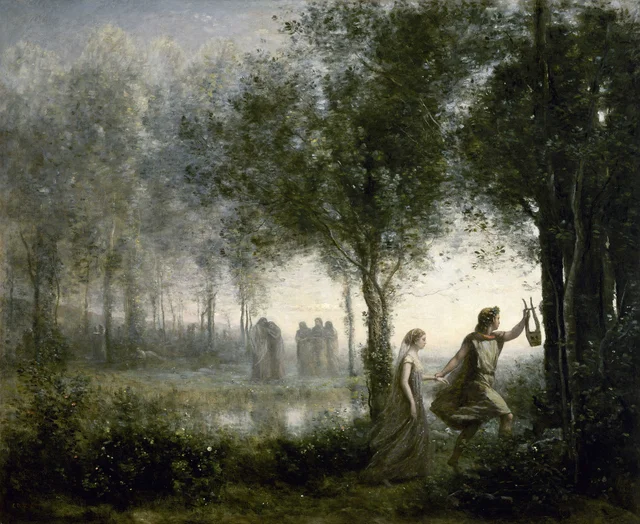 저승에서 에우리디케를 이끄는 오르페우스장바티스트 카미유 코로, 1861
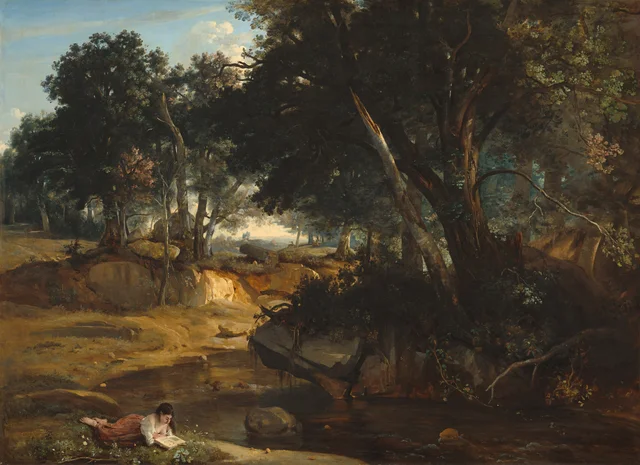 퐁텐블로 숲장바티스트 카미유 코로, 1834
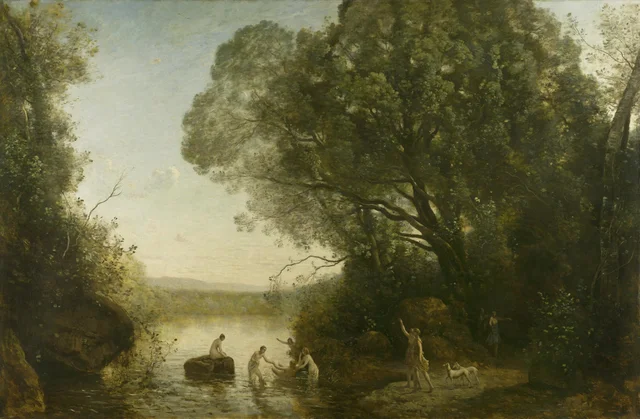 디아나의 목욕장바티스트 카미유 코로, 1855
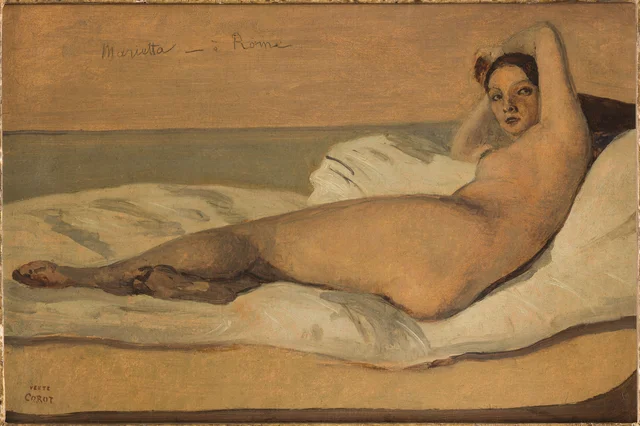 마리에타장바티스트 카미유 코로, 1843
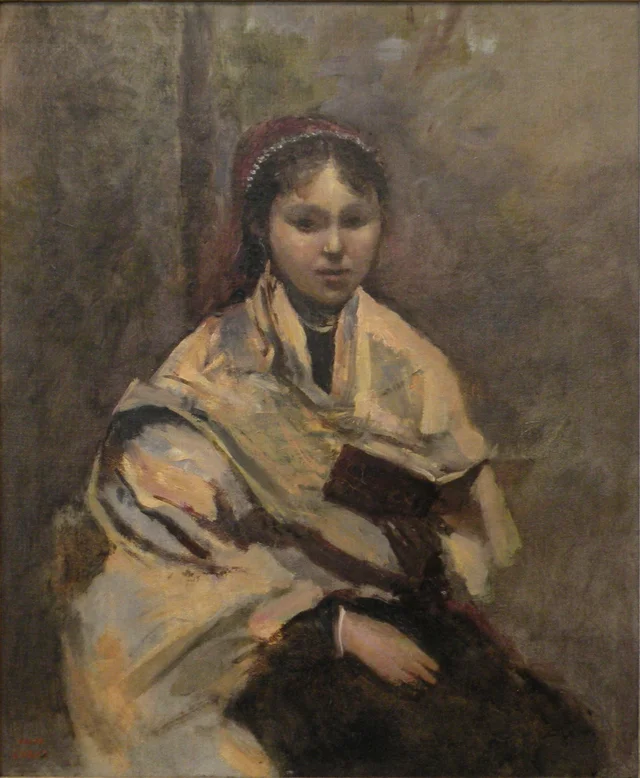 손에 책을 든 앉아 있는 소녀장바티스트 카미유 코로, 1865
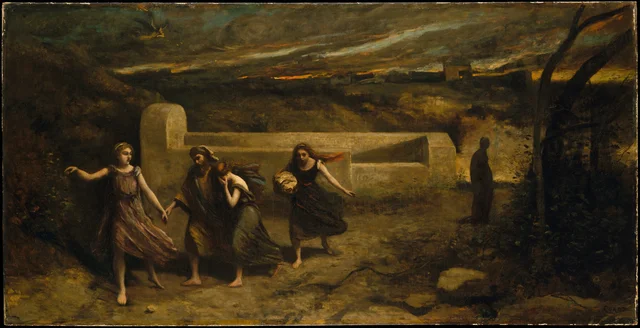 소돔의 멸망장바티스트 카미유 코로, 1857
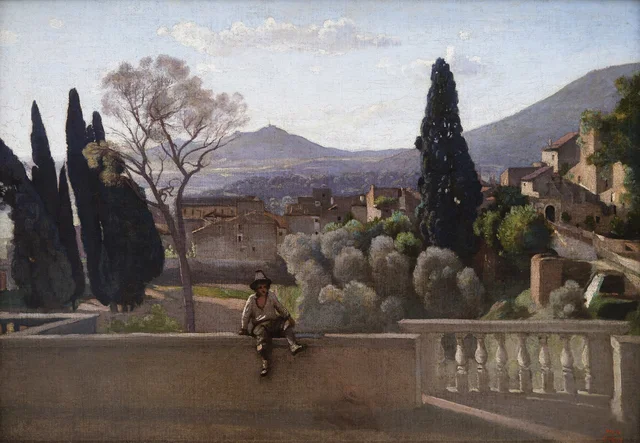 티볼리의 에스테 별장 정원장바티스트 카미유 코로, 1843
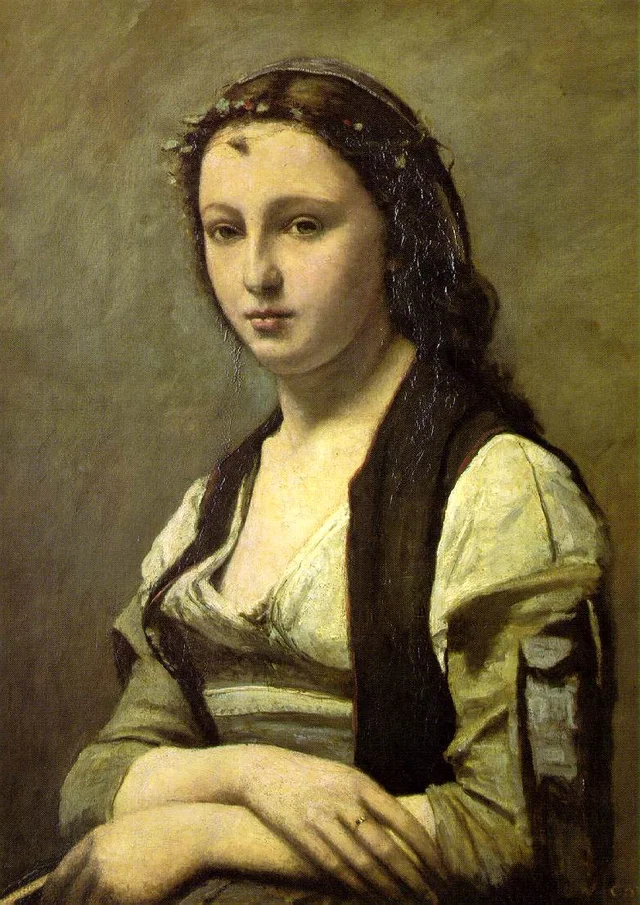 진주를 가진 여인장바티스트 카미유 코로, 1868
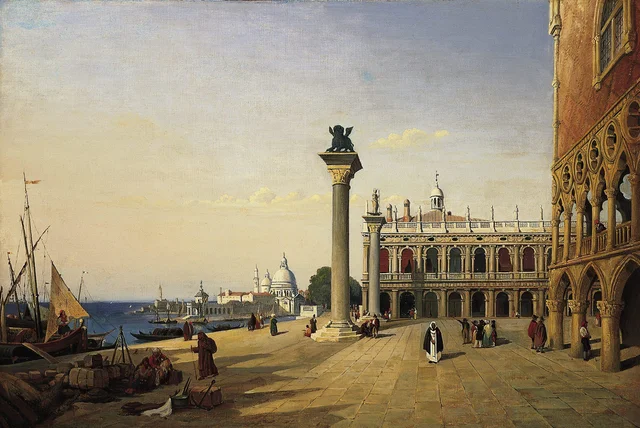 베네치아, 피아체타장바티스트 카미유 코로, 1840
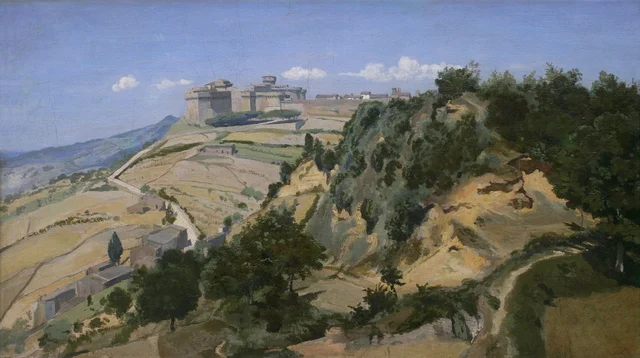 볼테라의 풍경장바티스트 카미유 코로, 1834
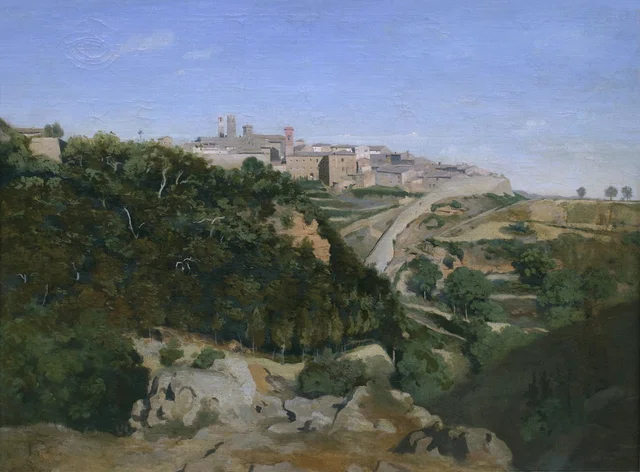 볼테라의 풍경장바티스트 카미유 코로, 1834