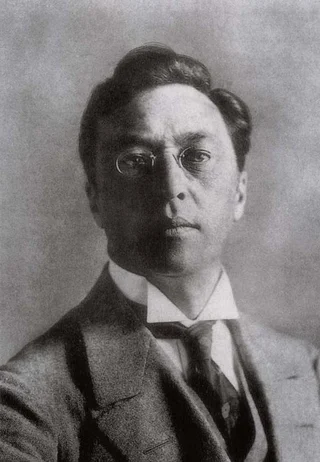
바실리 칸딘스키
1866–1944 · 러시아 제국 · 표현주의
이야기
바실리 칸딘스키는 자발적인 선택으로 뒤늦게 그림을 시작했다. 그는 1866년 모스크바에서 태어나 법학을 공부했고, 로마법 교수 자리를 제안받을 만큼 성공을 거두었지만 서른 살에 모든 것을 내려놓고 뮌헨으로 이주해 그림을 배우기로 했다. 훗날 그는 자신을 움직인 두 가지 충격을 꼽았다. 건초더미인지 알아보기 힘들 정도였던 모네의 그림 한 점, 그리고 듣는 동안 머릿속을 색채로 가득 채웠던 바그너의 오페라였다.
뒤의 이야기는 비유가 아니었다. 칸딘스키는 실제로 소리를 색으로, 색을 소리로 경험했던 것으로 보이며, 그림 역시 어떤 대상도 알아볼 수 있게 그리지 않고도 음악처럼 관람자에게 작용할 수 있다고 믿게 되었다. 1910년 무렵 그는 유럽 미술사상 최초의 순수 추상화 가운데 일부를 그리기 시작했다. 떠다니는 색면과 선으로 이루어진 캔버스에 <구성>이나 <즉흥>처럼 음악에서 빌려온 제목을 붙였다.
1911년 그는 화가 프란츠 마르크와 함께 뮌헨에서 청기사파라는 모임을 결성했다. 예술이 영적인 것을 향해야 한다는 느슨한 믿음으로 묶인 모임이었다. 제1차 세계대전이 이 모임을 흩어놓았고 칸딘스키는 러시아로 돌아가야 했다. 그는 1920년대에 독일로 돌아와 유명한 디자인 학교 바우하우스에서 학생들을 가르쳤고, 이 시기 그의 형태는 더 조밀하고 기하학적으로 변해 원과 각진 선으로 가득해졌다. 나치가 바우하우스를 폐쇄하고 그의 작품을 퇴폐 미술로 낙인찍자 그는 파리로 떠났다. 그는 1944년 파리 근교 뇌이에서 세상을 떠났다.
다른 아티클
작품
작품 312점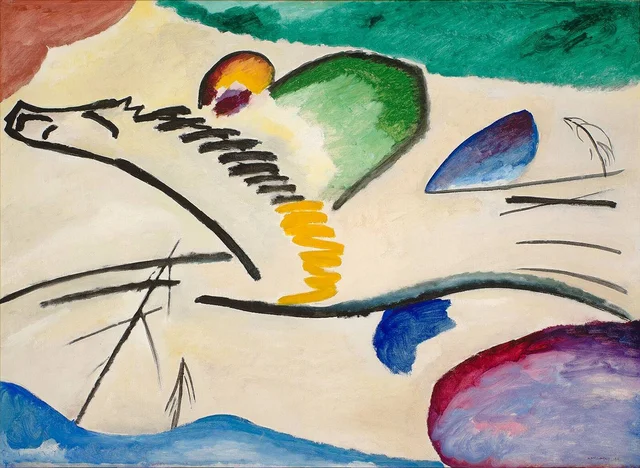 서정적바실리 칸딘스키, 1911
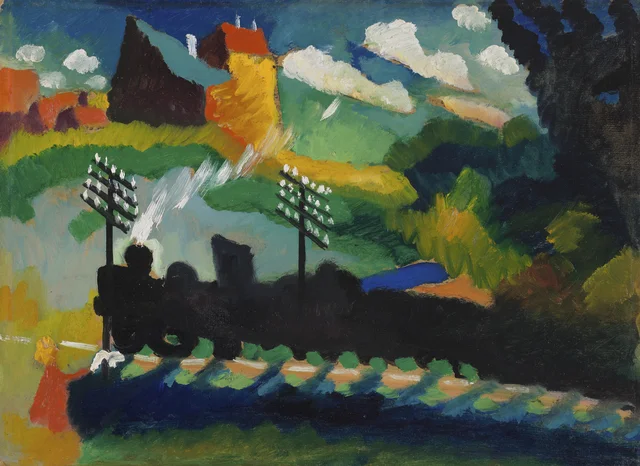 철도와 성이 있는 무르나우 풍경바실리 칸딘스키, 1909
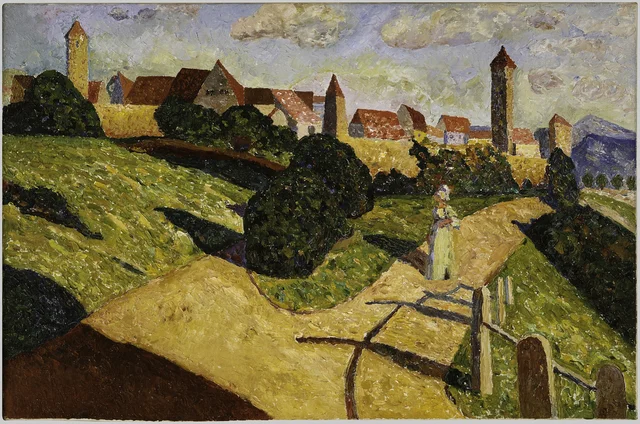 구시가지 II바실리 칸딘스키, 1902
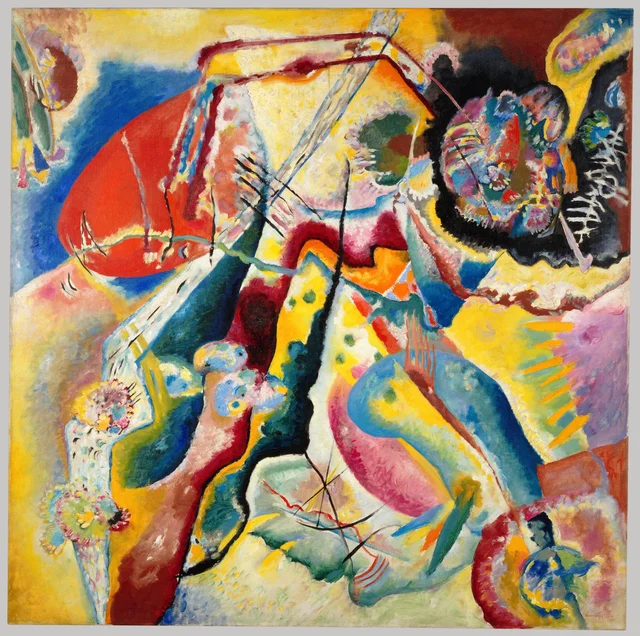 붉은 반점이 있는 그림바실리 칸딘스키, 1914
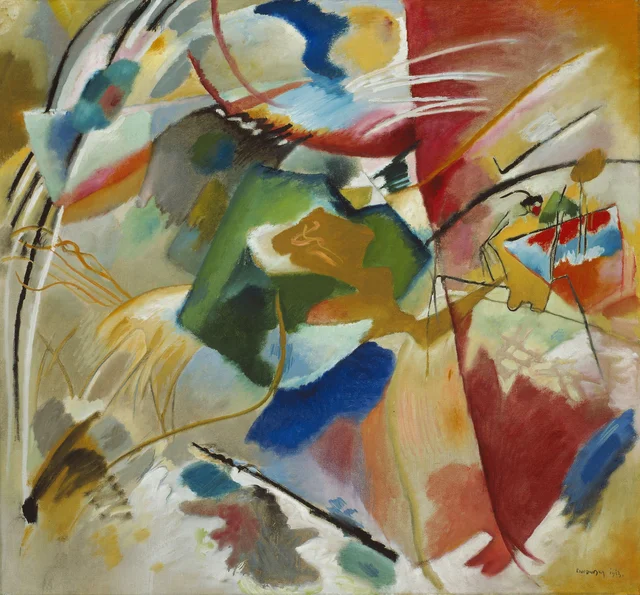 녹색 중심이 있는 그림바실리 칸딘스키, 1913
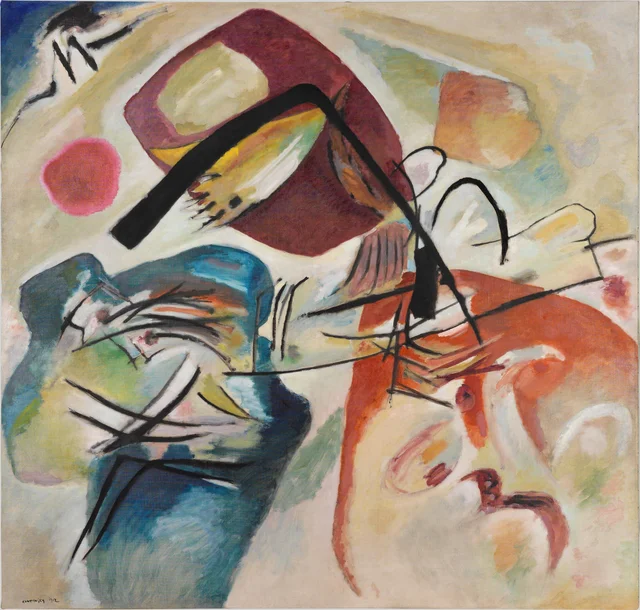 검은 호가 있는 그림바실리 칸딘스키, 1912
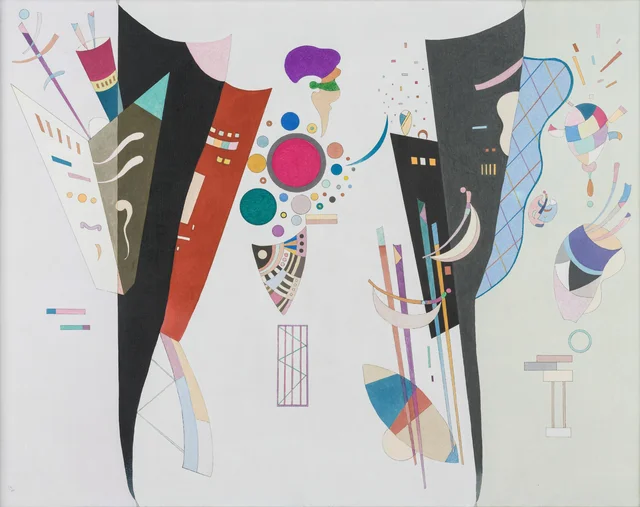 상호 조화바실리 칸딘스키, 1942
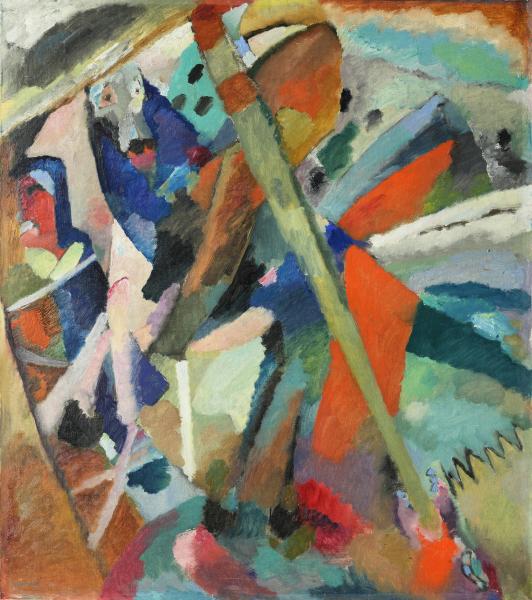 성 게오르기우스 (II)바실리 칸딘스키, 1911
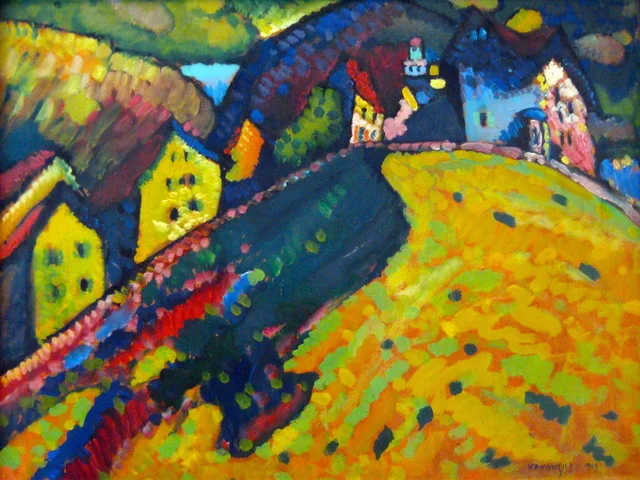 여름 풍경바실리 칸딘스키, 1909
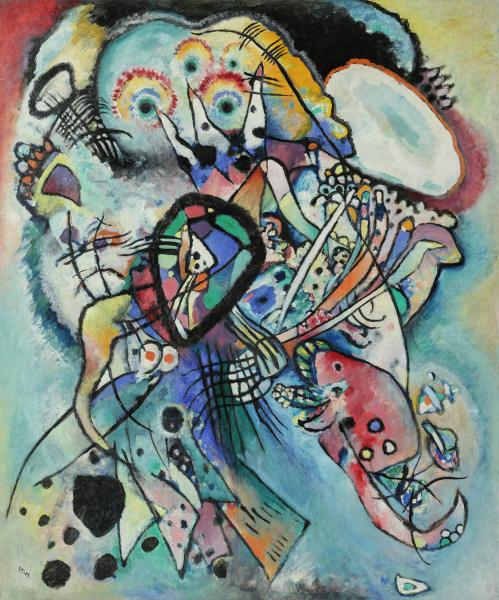 두 개의 타원바실리 칸딘스키, 1919
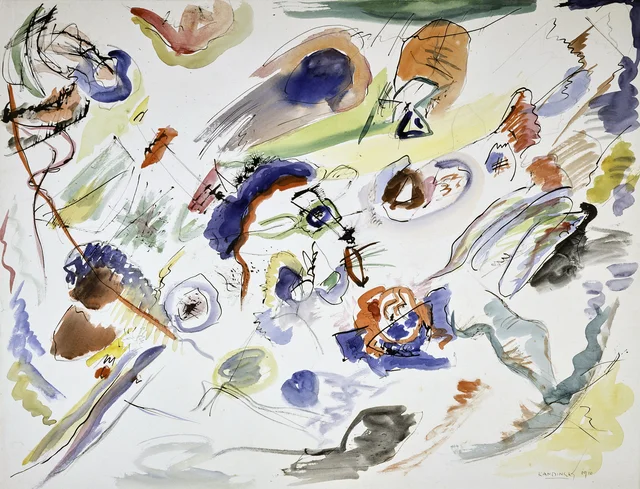 무제바실리 칸딘스키, 1910
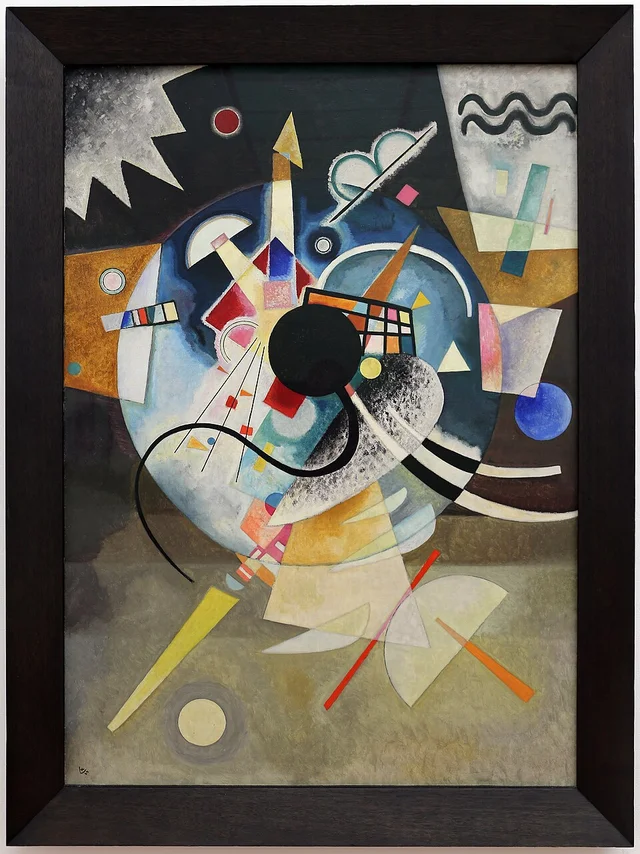 어떤 중심바실리 칸딘스키, 1922
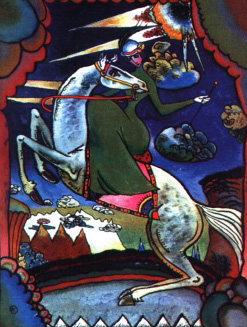 산속의 아마존 여전사바실리 칸딘스키, 1917
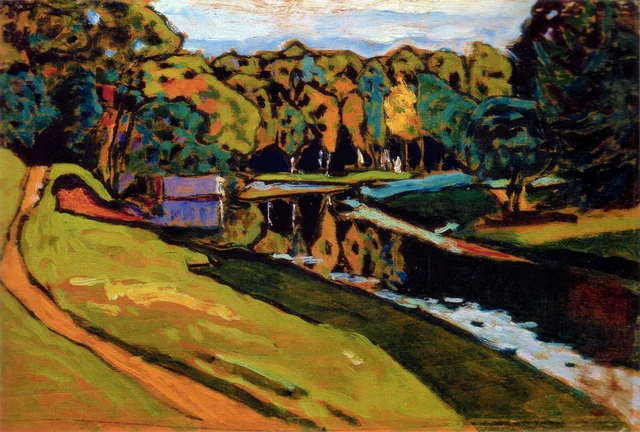 가을바실리 칸딘스키, 1902
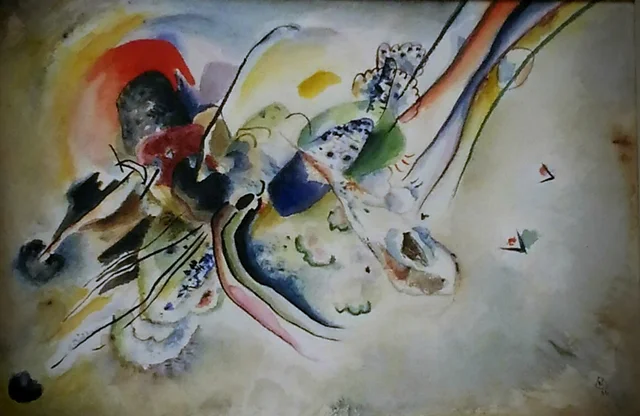 구성 (1916)바실리 칸딘스키, 1916
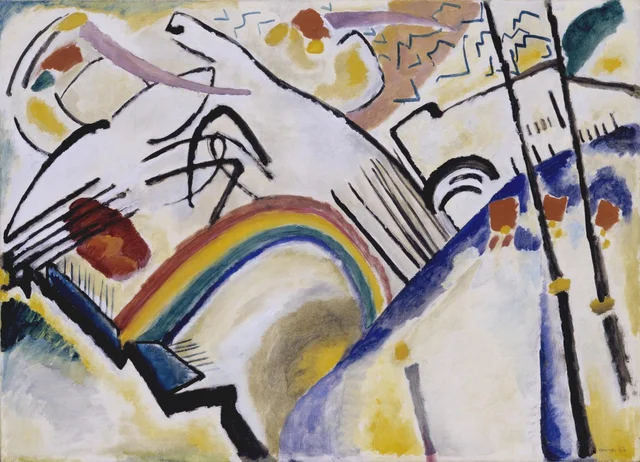 코사크인바실리 칸딘스키, 1910
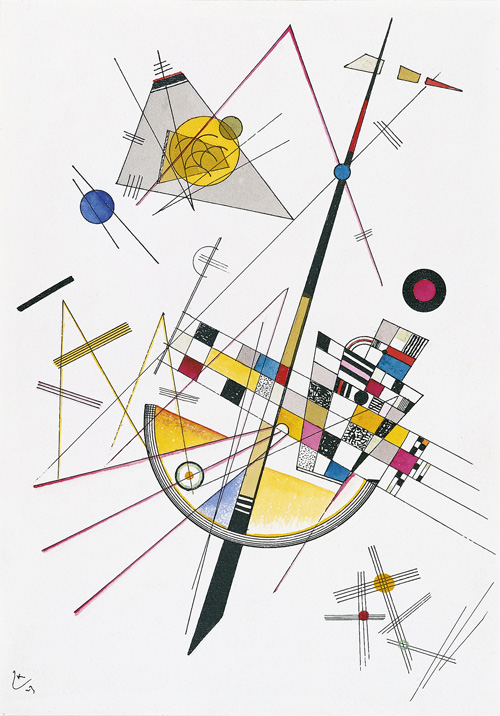 섬세한 긴장바실리 칸딘스키, 1923
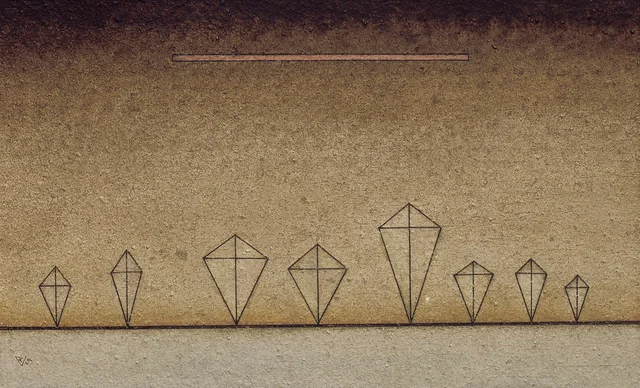 여덟 번바실리 칸딘스키, 1929
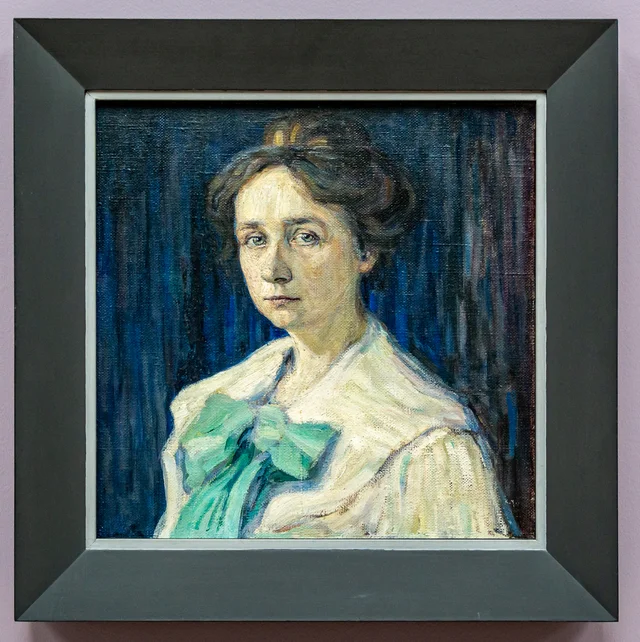 가브리엘레 뮌터바실리 칸딘스키, 1905
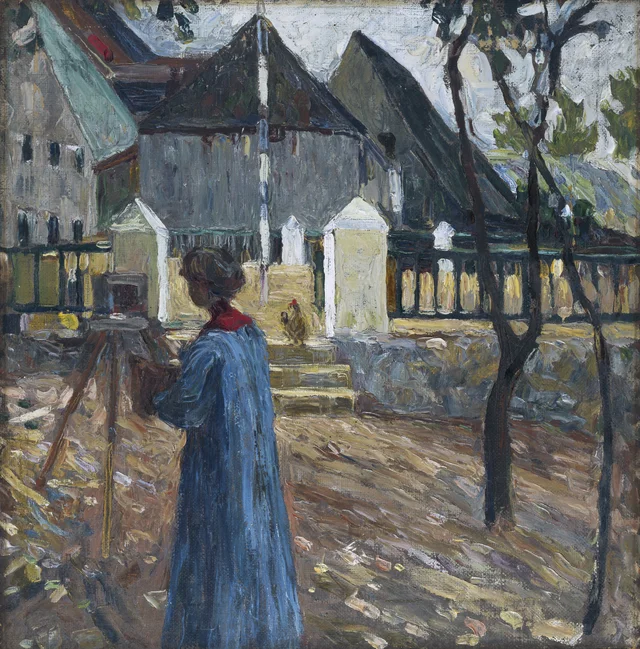 그림을 그리는 가브리엘레 뮌터바실리 칸딘스키, 1903
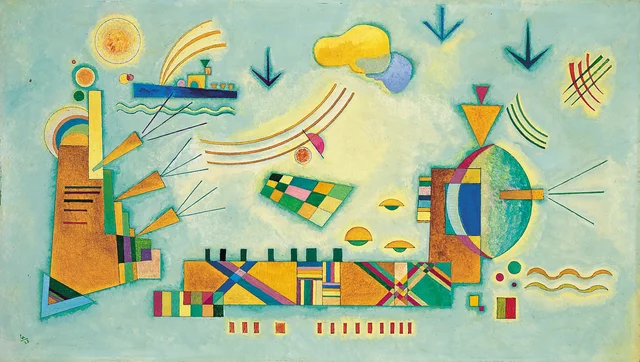 온화한 사건바실리 칸딘스키, 1928
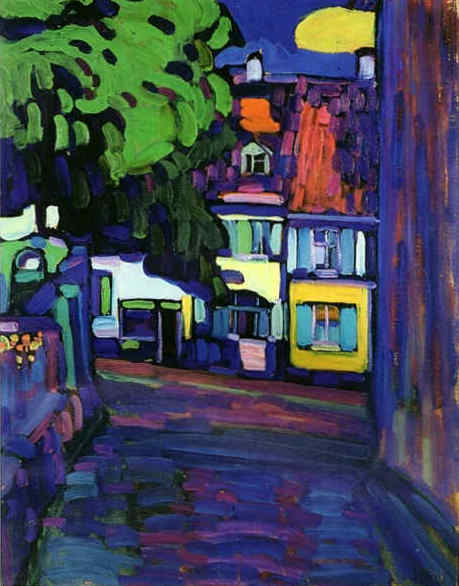 오버마르크트의 무르나우 집들바실리 칸딘스키, 1908
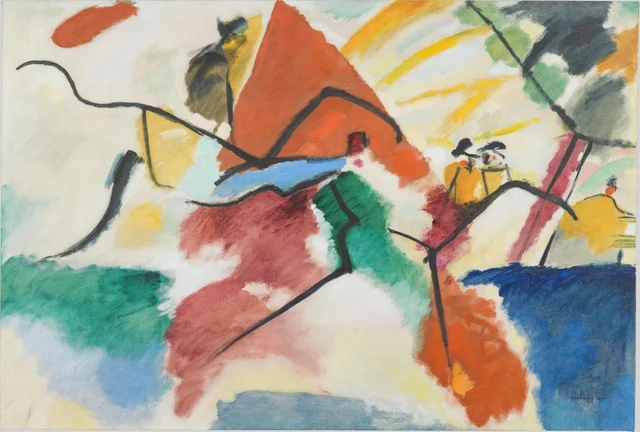 인상 V바실리 칸딘스키, 1911
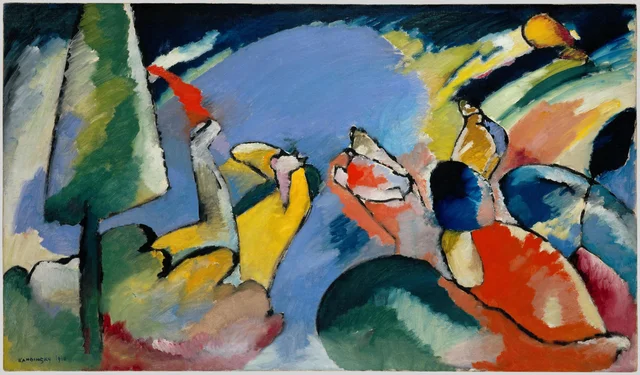 즉흥 14번바실리 칸딘스키, 1910
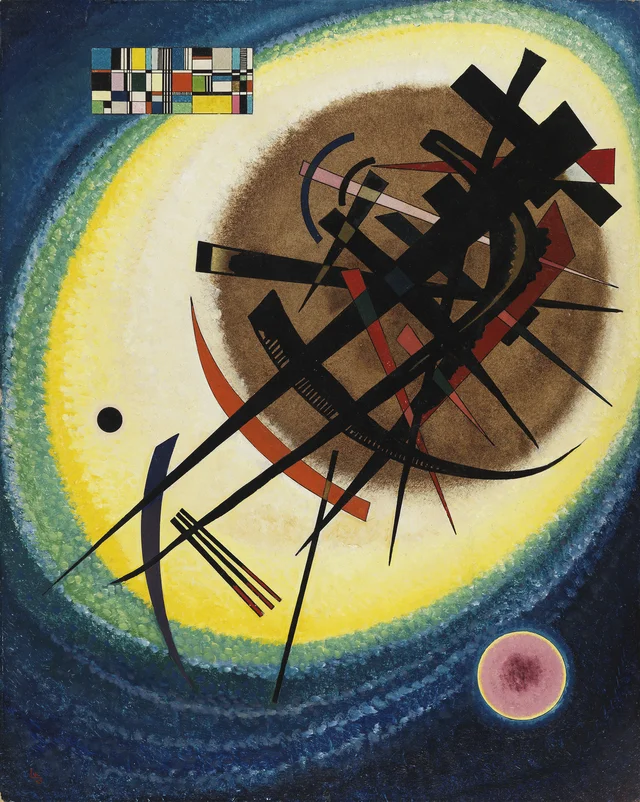 밝은 타원 안에바실리 칸딘스키, 1925