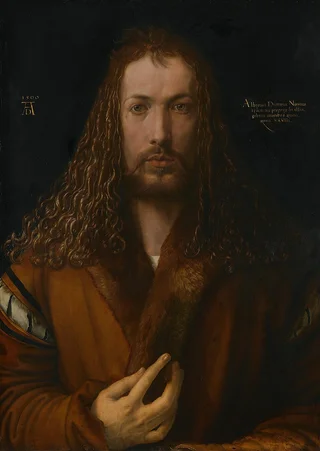
Albrecht Dürer
1471–1528 · Sacro Império Romano-Germânico · Renascimento alemão
A história
Em 1515 um rinoceronte vivo chegou a Lisboa, presente que viajava de um sultão da Índia ao rei de Portugal, o primeiro animal desses que alguém na Europa via em mais de 1.000 anos, desde as arenas romanas. Albrecht Dürer, lá em Nuremberga, na Alemanha, nunca chegou perto dele. O que lhe chegou foi uma carta e um esboço tosco repassados pelas redes de mercadores. A partir dessa descrição de segunda mão, ele gravou a xilogravura do bicho, e ela está magnificamente, confiantemente errada. A pele aparece como placas de armadura rebitadas, um pequeno chifre extra se retorce a partir do ombro, as patas são escamadas como as de um lagarto. Ele ainda imprimiu uma linha de texto no topo garantindo a exatidão. O rinoceronte de verdade se afogou pouco depois num naufrágio perto da Itália, de modo que quase ninguém pôde corrigi-lo.
A versão blindada de Dürer se tornou o rinoceronte na imaginação europeia, copiada em livros escolares e enciclopédias pelos 250 anos seguintes. E esse é o ponto sobre Dürer: ele entendeu a imagem impressa como uma nova forma de poder. Um quadro fica pendurado numa sala, mas uma xilogravura ou uma gravura em metal podia sair em centenas de cópias e ser vendida por todo o continente, e ele levou esse meio mais longe do que qualquer um vivo, assinando cada folha com um monograma, um A abraçando um D, que funcionava como uma marca registrada moderna.
Era filho de um ourives de Nuremberga que aprendeu sozinho a pensar como matemático sobre proporção e perspectiva, e viveu exatamente no momento em que a Reforma irrompeu sobre a Alemanha. Admirava Martinho Lutero e lamentou em seu diário um falso boato de que Lutero tinha sido capturado. A gravura que muitos consideram seu ápice, Melencolia I, de 1514, é um enigma discutido até hoje, uma figura alada e taciturna cercada pelos instrumentos da geometria, sentada ociosa em meio a eles.
Mais artigos
 Artigo · 41 min de leituraMuseu Thyssen-Bornemisza: 20 quadros comprados por pai e filho
 Artigo · 43 min de leituraGemäldegalerie de Berlim: 20 pinturas que Berlim comprou, perdeu e dividiu
 Artigo · 36 min de leituraGaleria dos Antigos Mestres de Dresden: como 15 pinturas foram compradas, rebatizadas e devolvidas
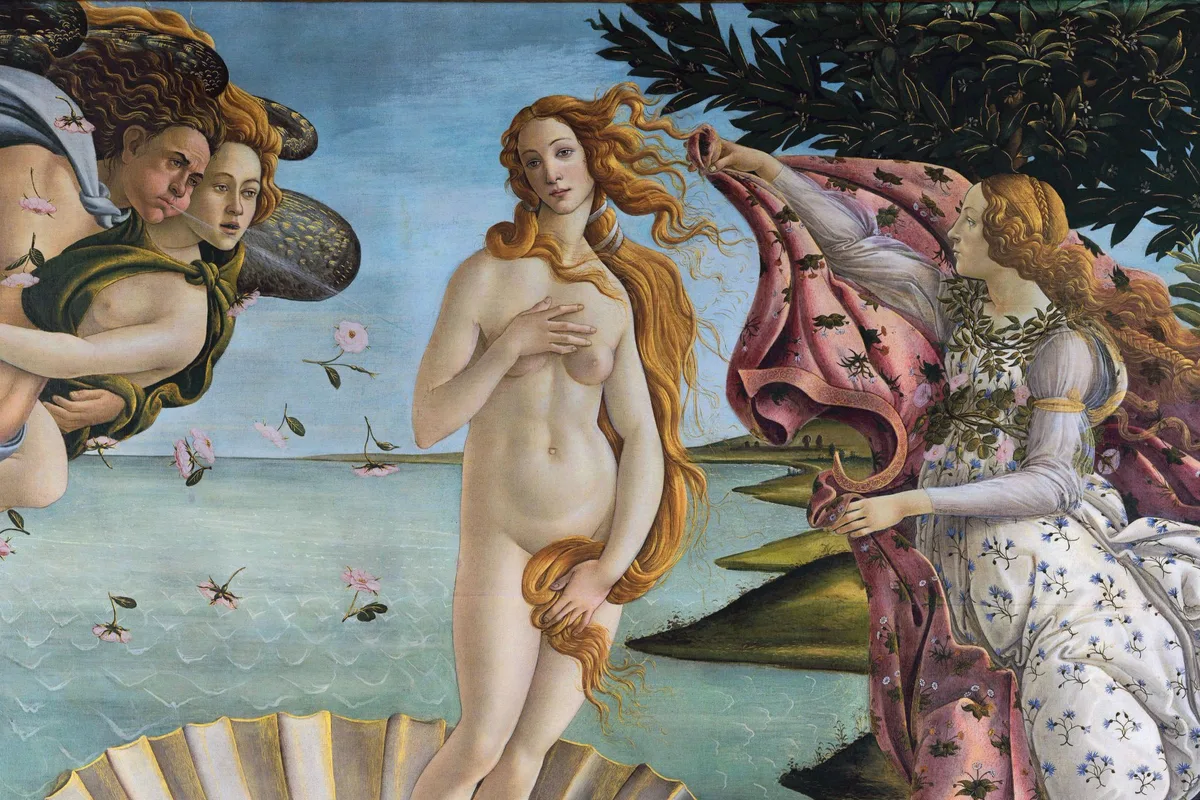 Artigo · 42 min de leituraGaleria Uffizi: o museu que sobreviveu aos Médici
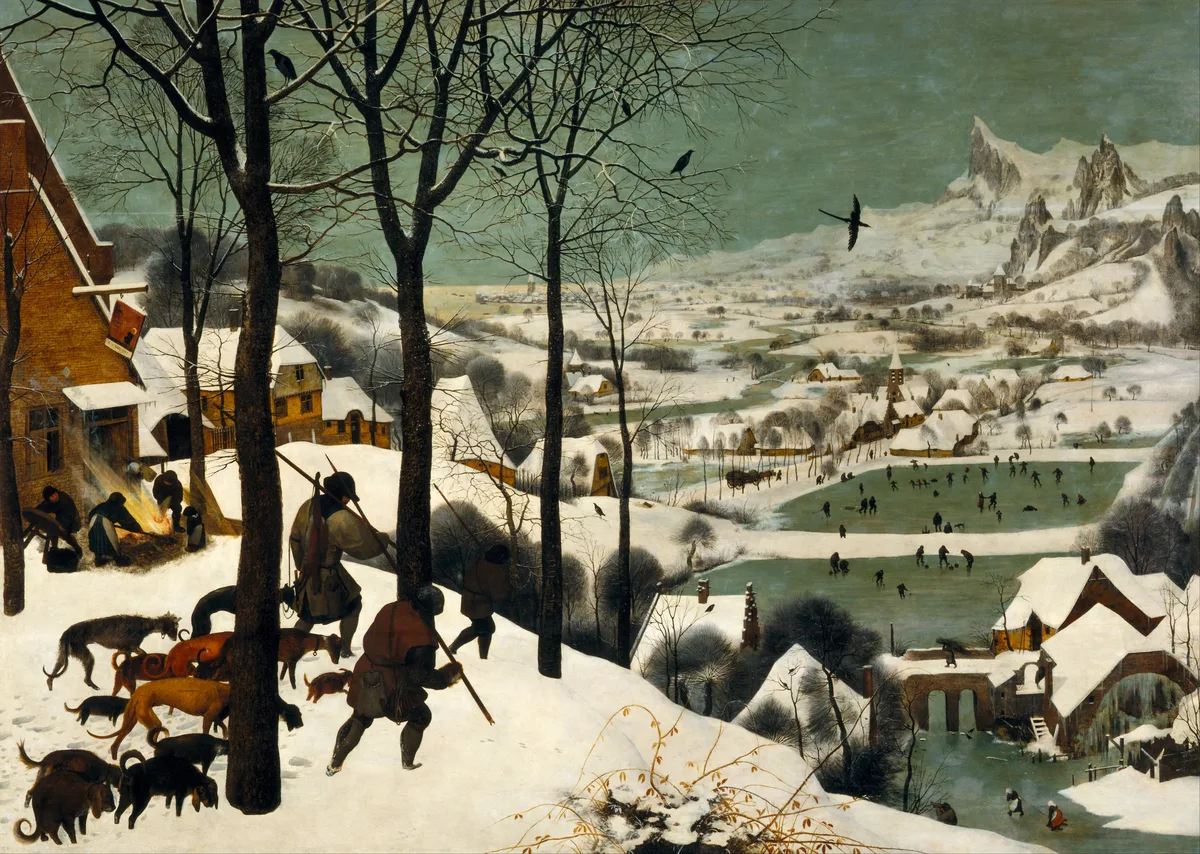 Artigo · 47 min de leituraO Museu de História da Arte de Viena: 25 obras e como chegaram aos Habsburgos
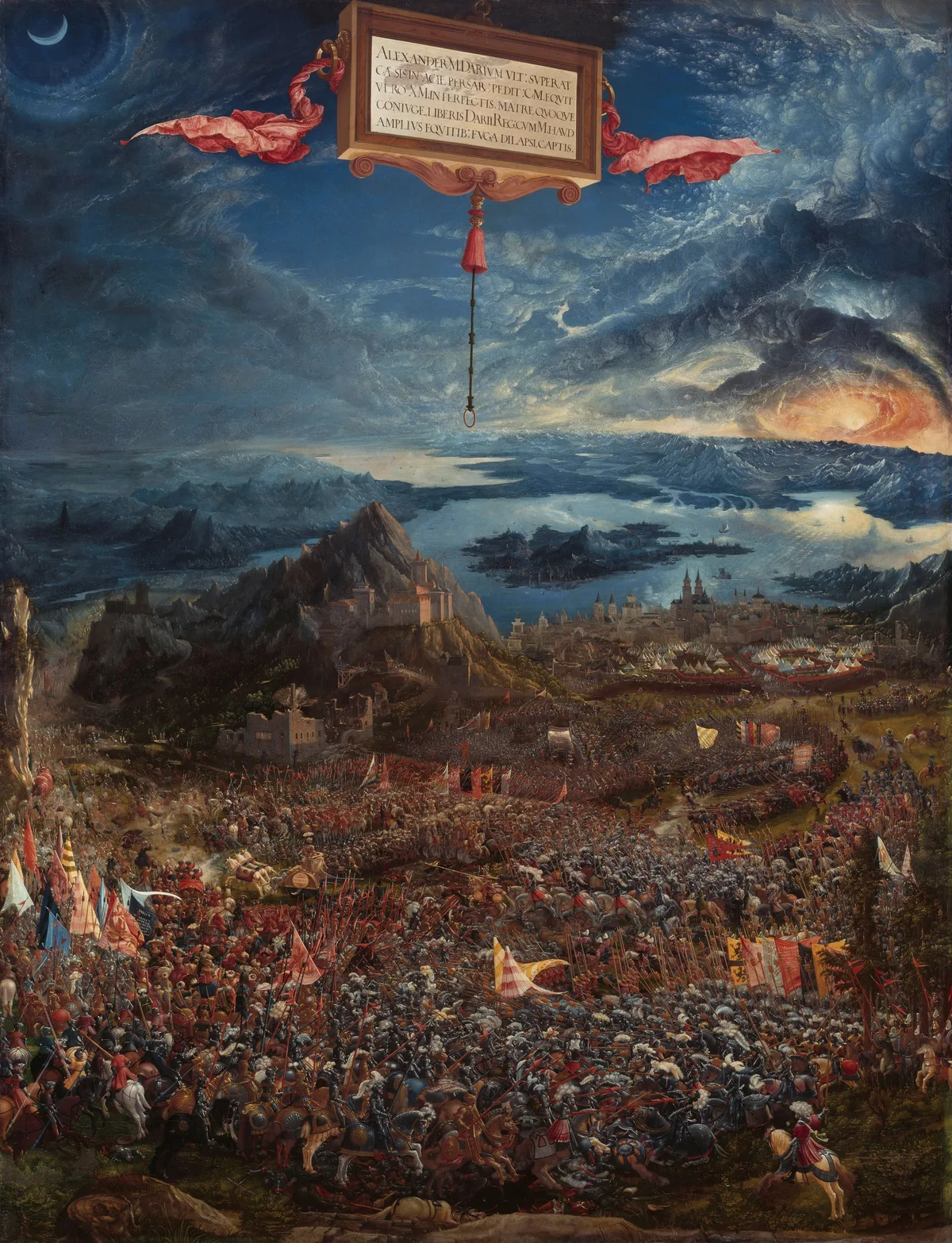 Artigo · 42 min de leituraAlte Pinakothek: 20 pinturas e como chegaram a Munique
Obras
92 obras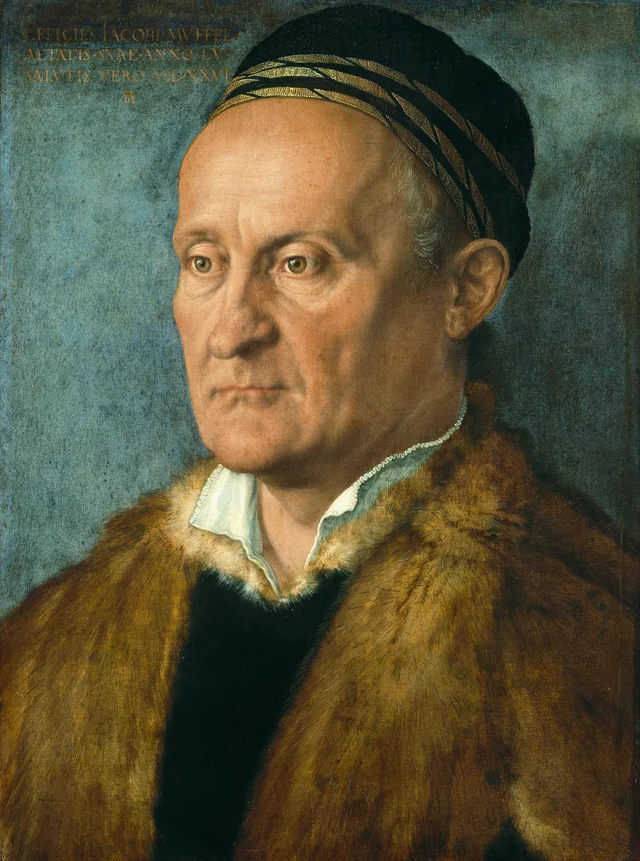 Retrato de Jakob MuffelAlbrecht Dürer, 1526
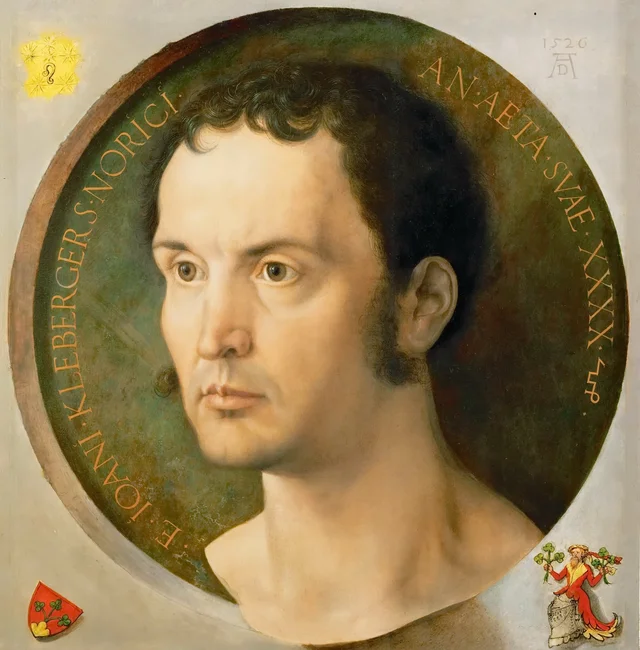 Retrato de Johann KleebergerAlbrecht Dürer, 1526
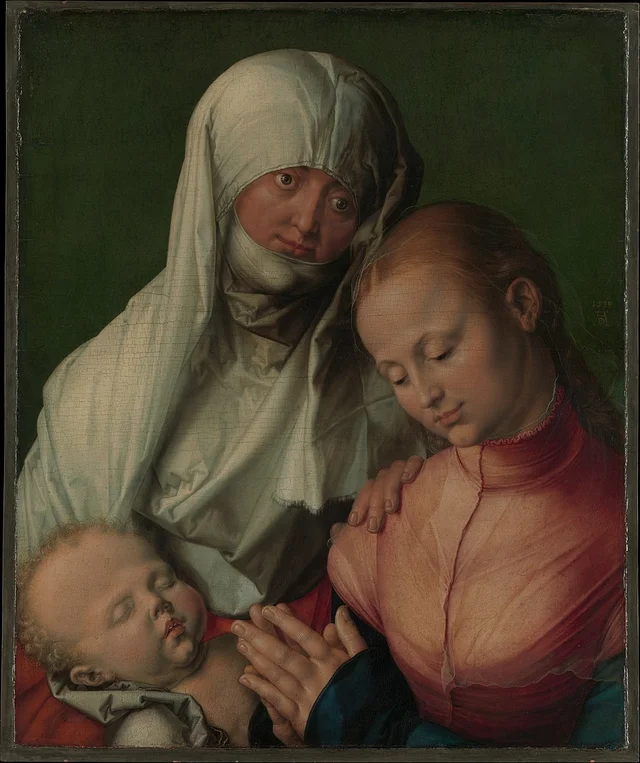 A Virgem e o Menino com santa AnaAlbrecht Dürer, 1519
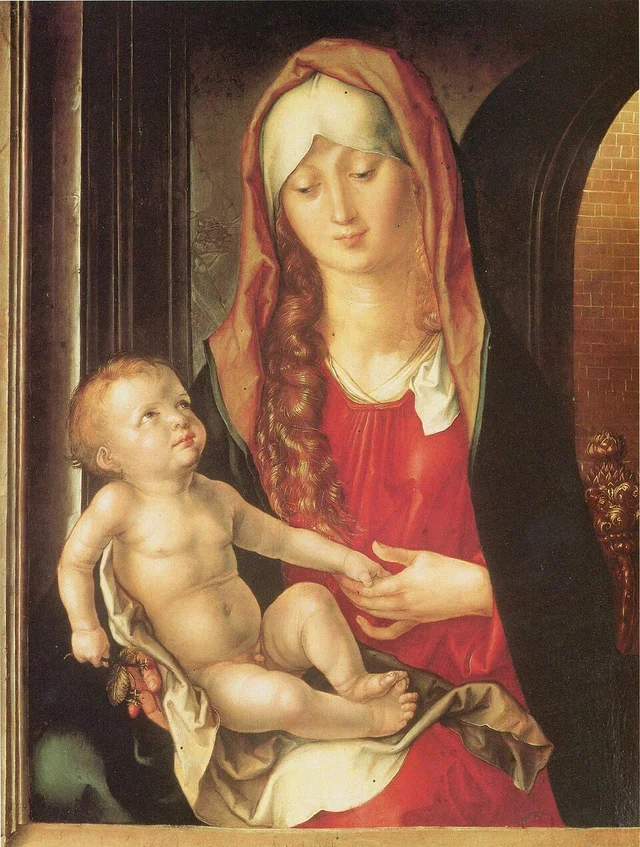 Madona de BagnacavalloAlbrecht Dürer, 1495
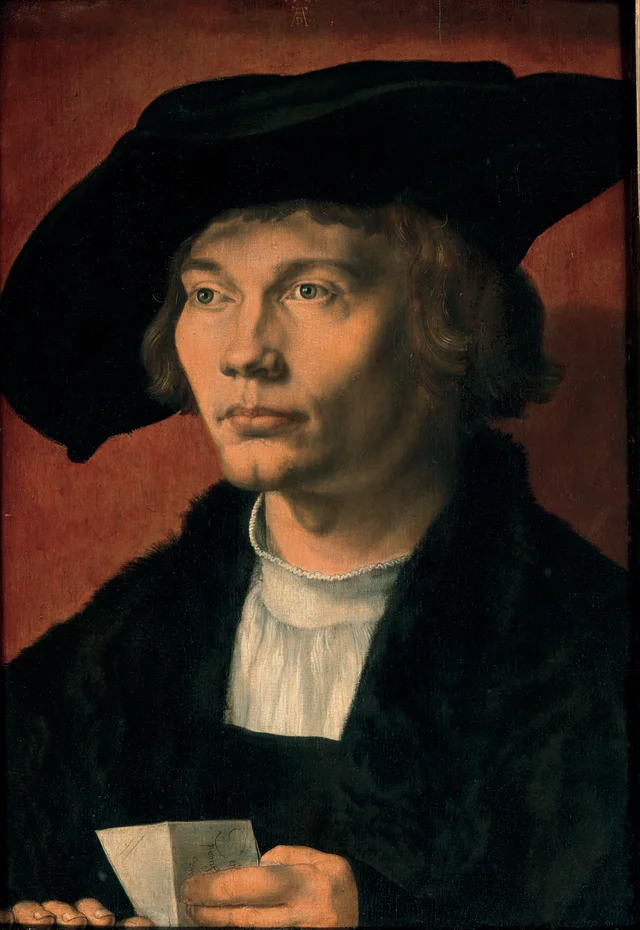 Retrato de Bernhart von ReesenAlbrecht Dürer, 1521
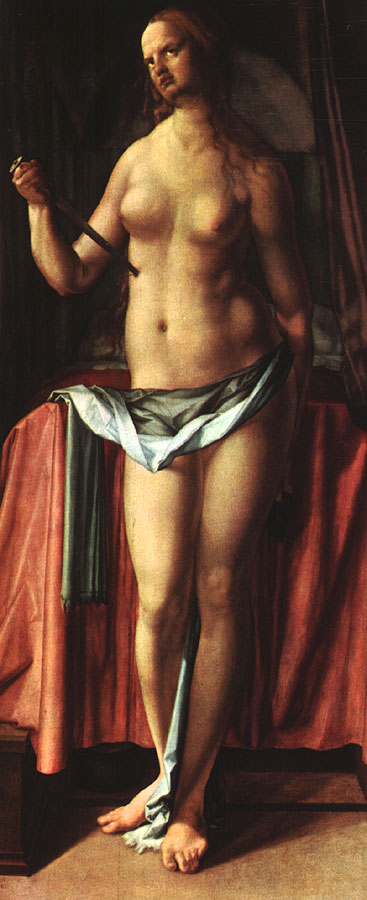 O suicídio de LucréciaAlbrecht Dürer, 1518
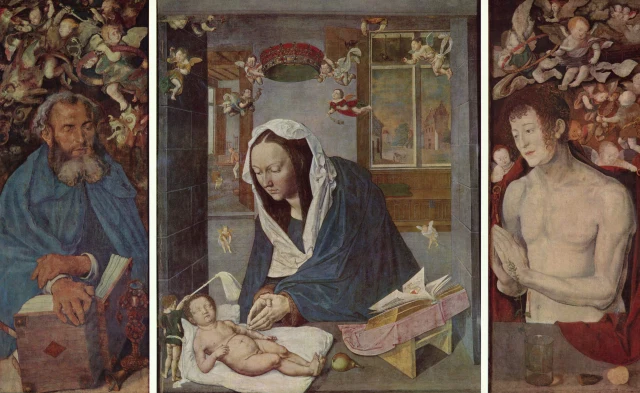 Retábulo de DresdenAlbrecht Dürer, 1496
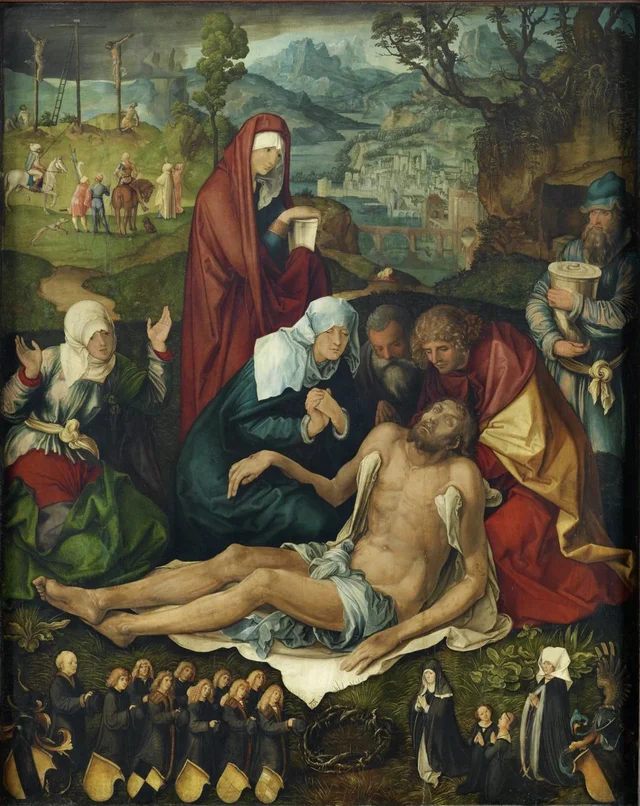 A Lamentação de CristoAlbrecht Dürer, 1498
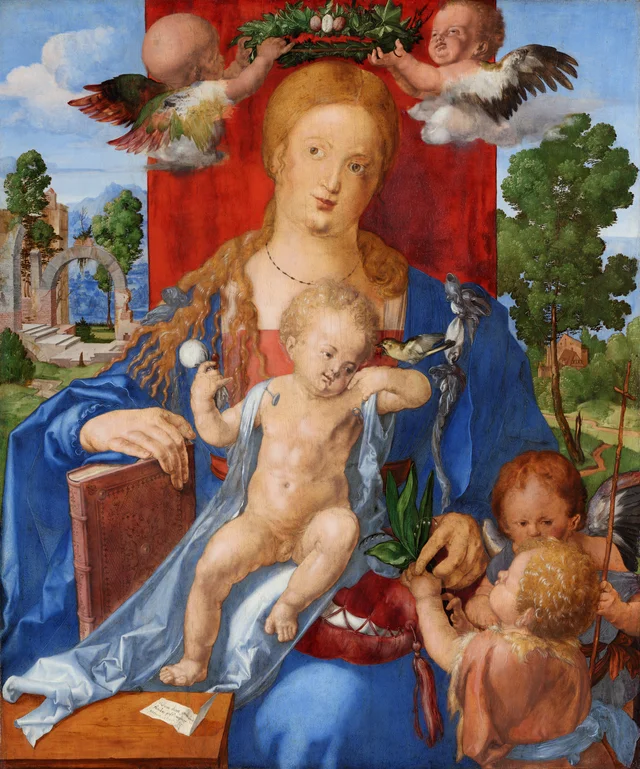 A Madona do pintassilgoAlbrecht Dürer, 1506
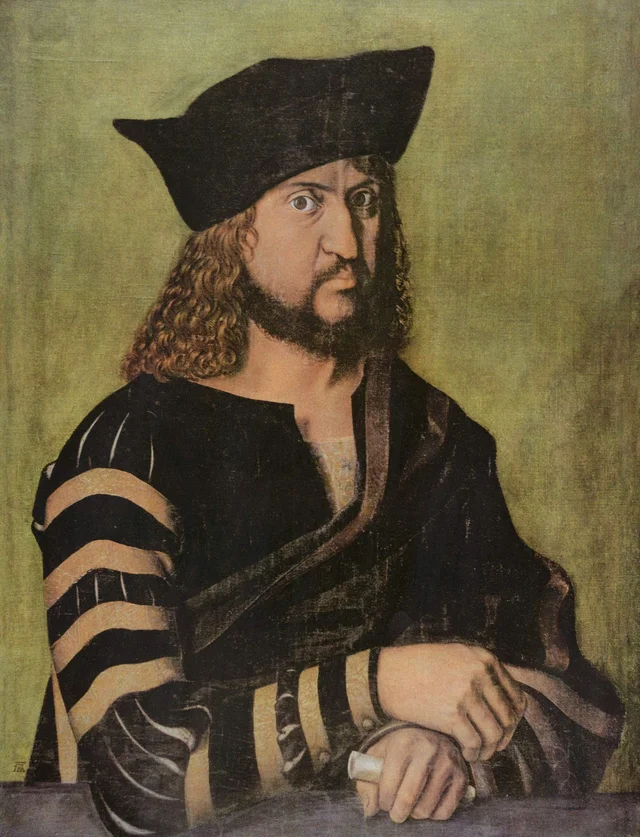 Retrato de Frederico III da SaxôniaAlbrecht Dürer, 1496
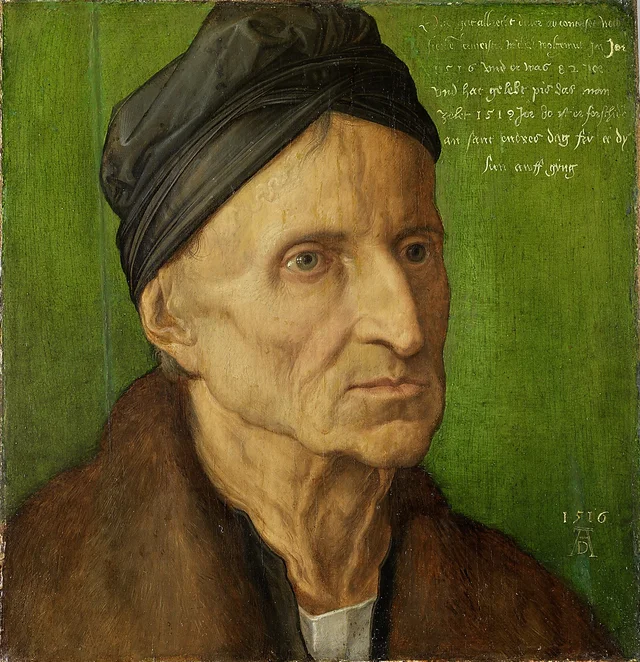 Retrato do pintor de Nuremberg Michael WolgemutAlbrecht Dürer, 1516
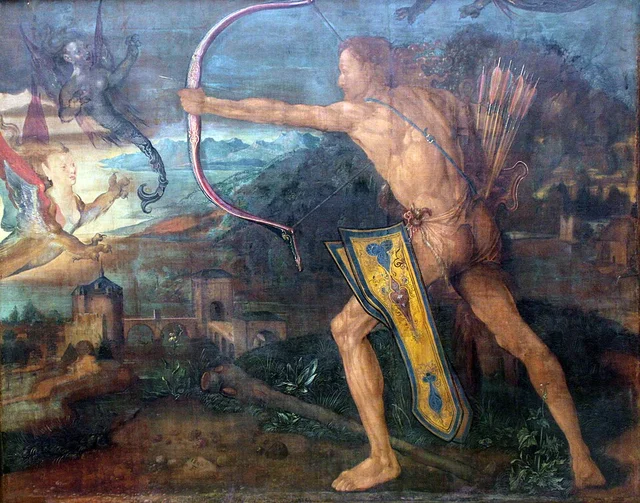 Hércules matando as aves do lago EstínfaloAlbrecht Dürer, 1500
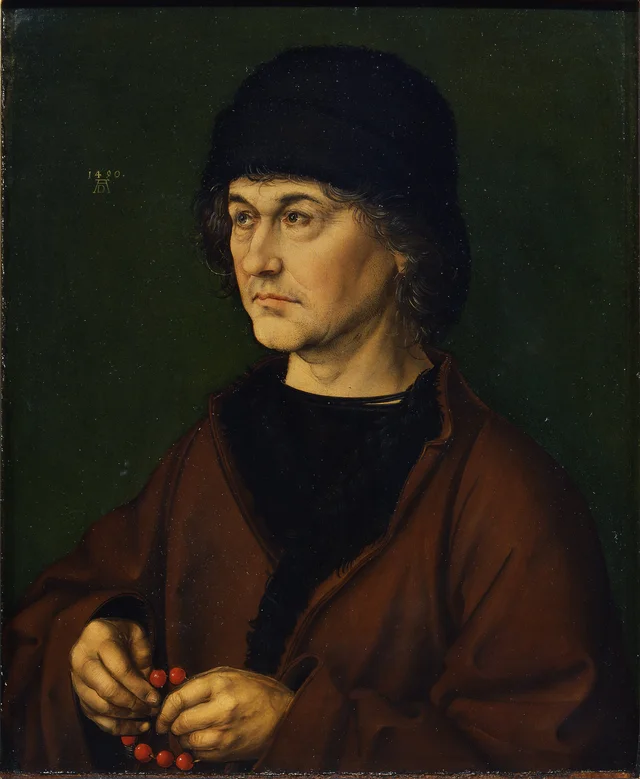 Retrato do pai do artistaAlbrecht Dürer, 1490
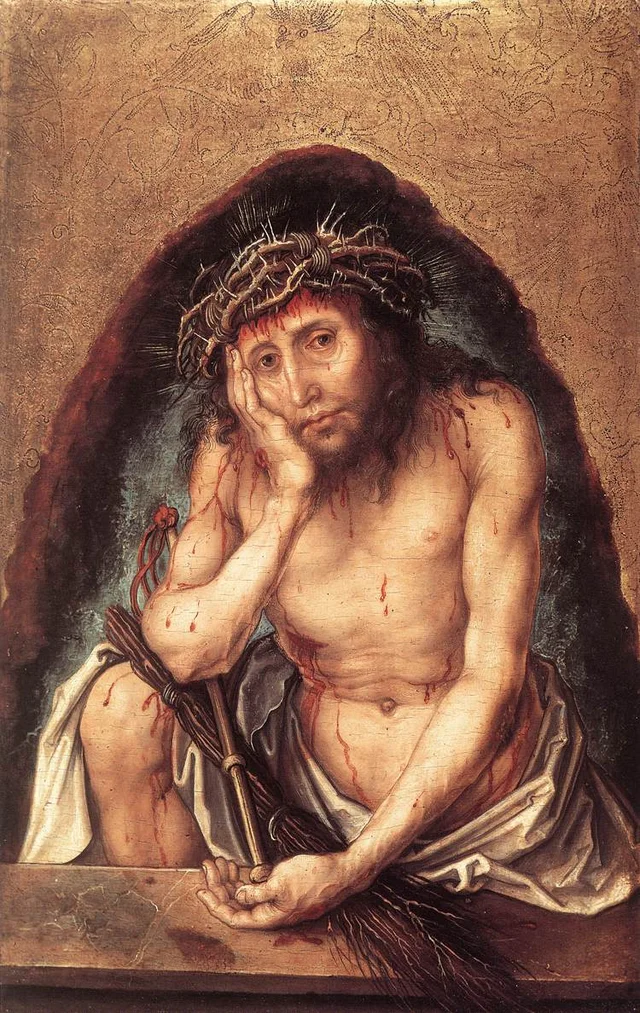 Cristo como Homem das DoresAlbrecht Dürer, 1493
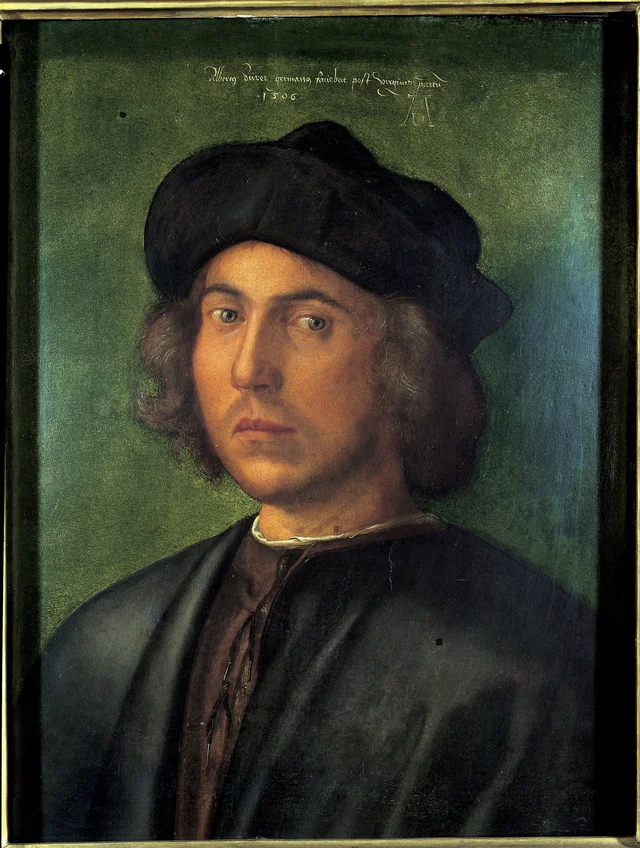 Retrato de um jovemAlbrecht Dürer, 1506
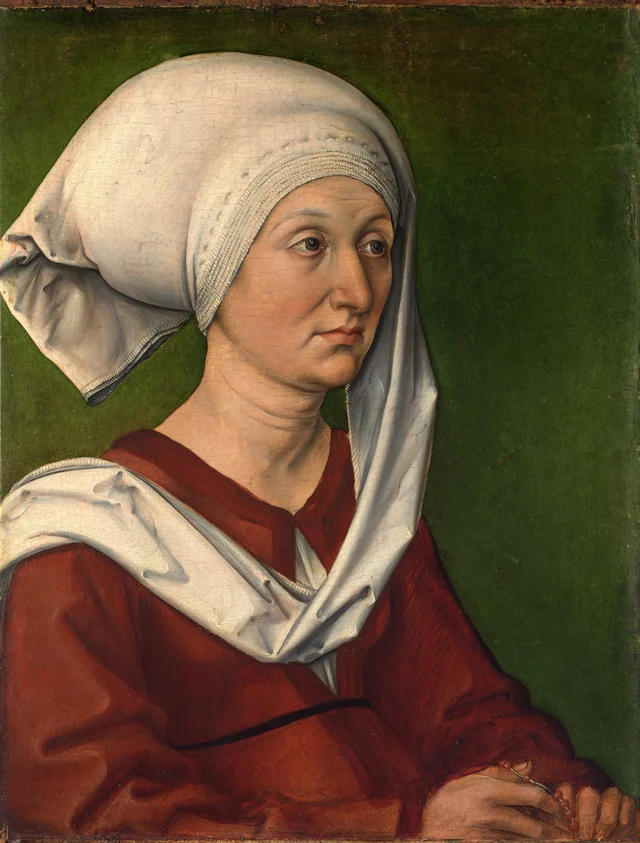 Retrato de Barbara HolperAlbrecht Dürer, 1490
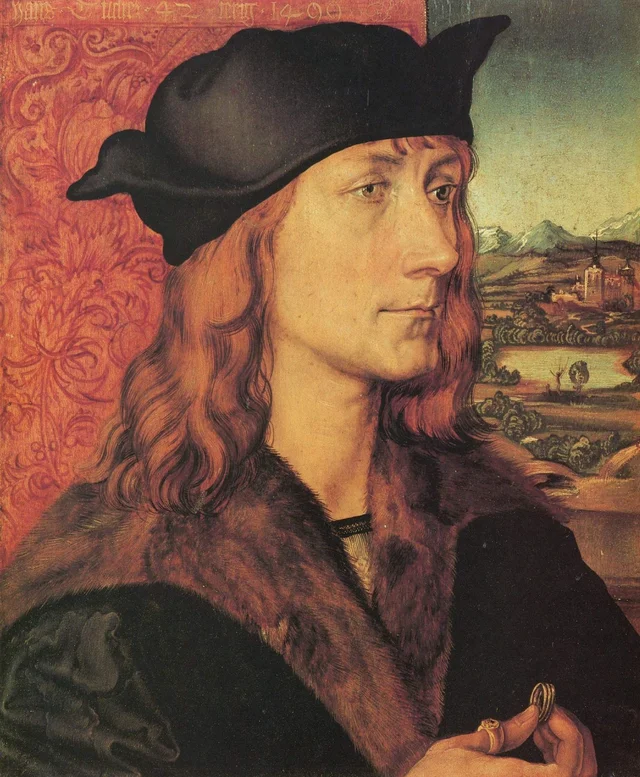 Retrato de Hans TucherAlbrecht Dürer, 1499
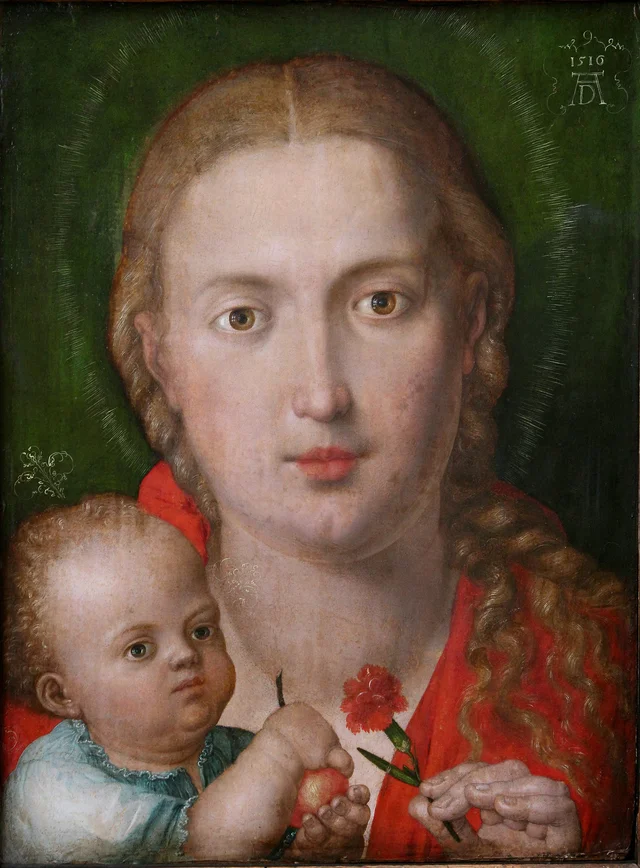 A Virgem do CravoAlbrecht Dürer, 1516
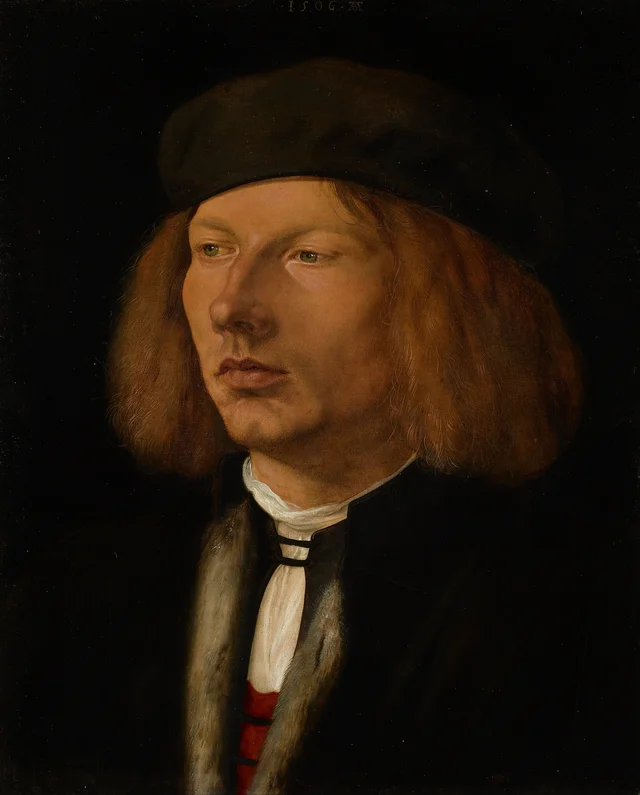 Burkard von SpeyerAlbrecht Dürer, 1506
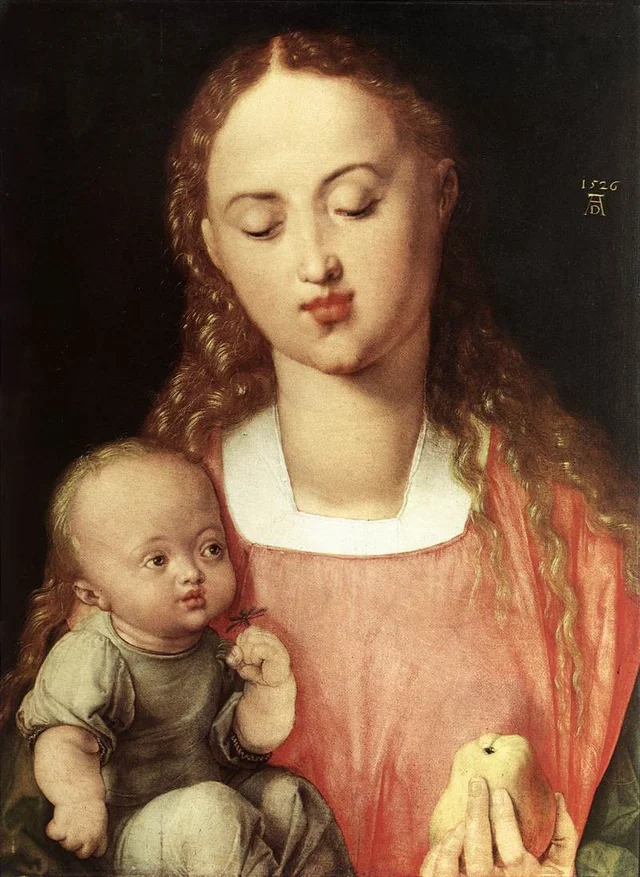 Virgem com o MeninoAlbrecht Dürer, 1526
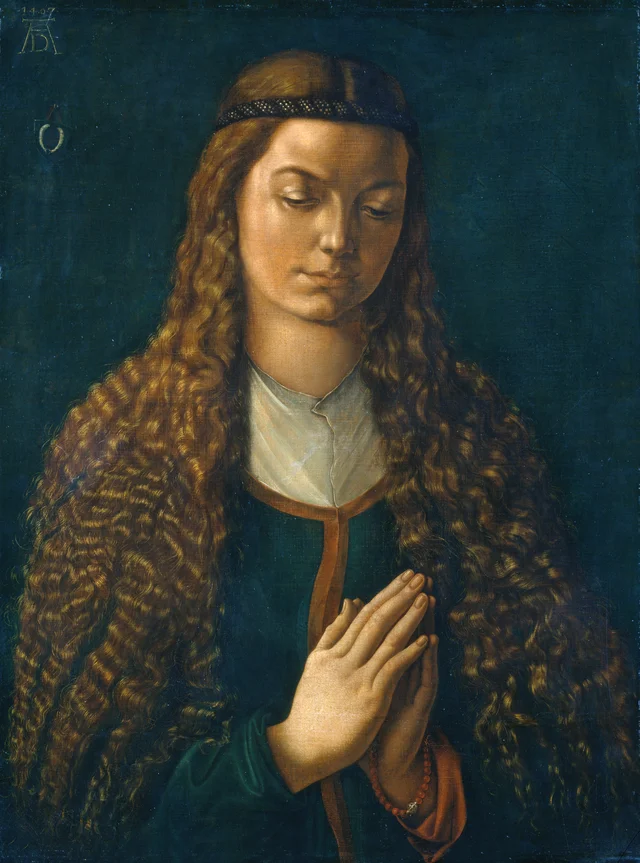 Retrato da jovem Fürleger com cabelos soltosAlbrecht Dürer, 1497
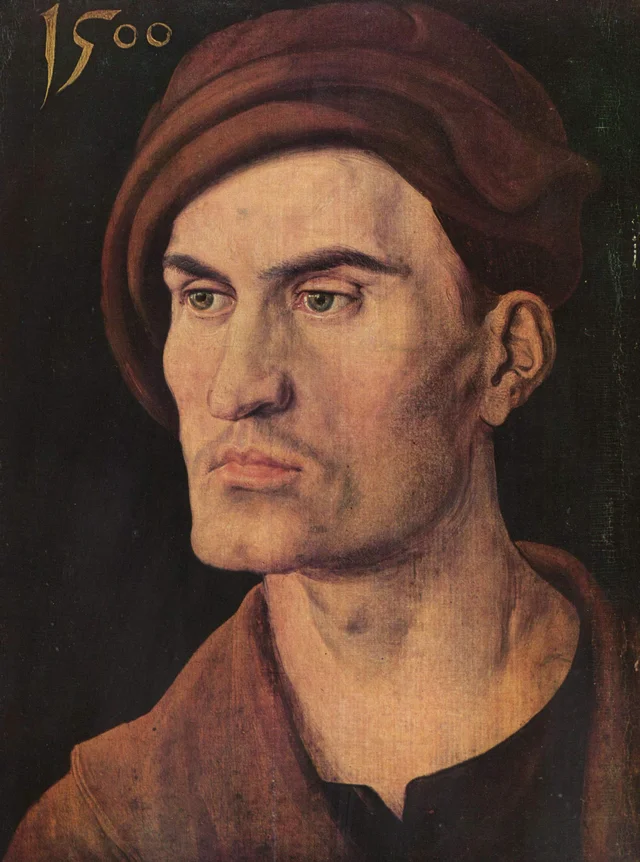 Retrato de um jovemAlbrecht Dürer, 1500
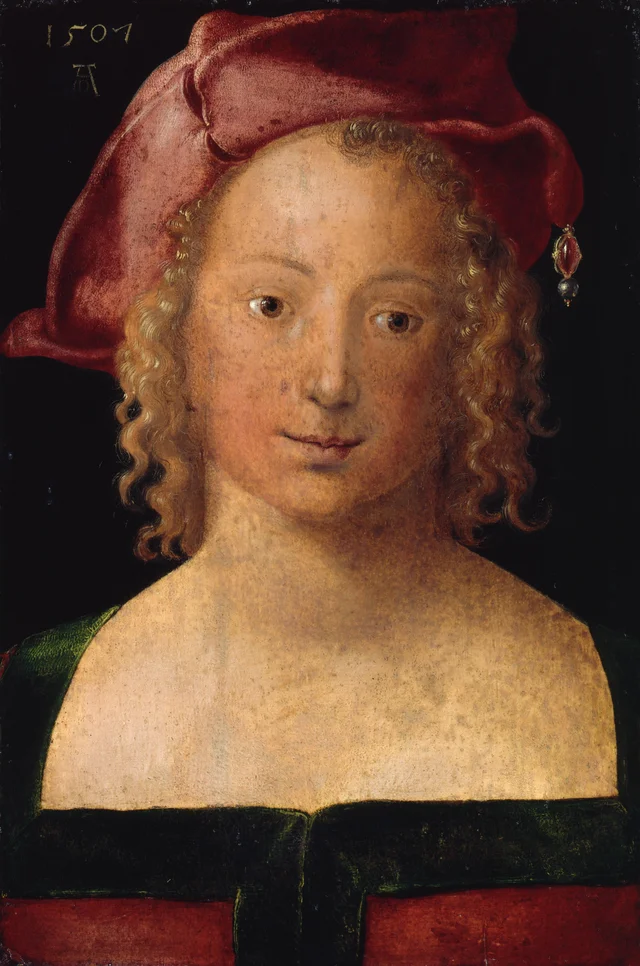 Retrato de uma Jovem com Boina (Vermelha)Albrecht Dürer, 1507
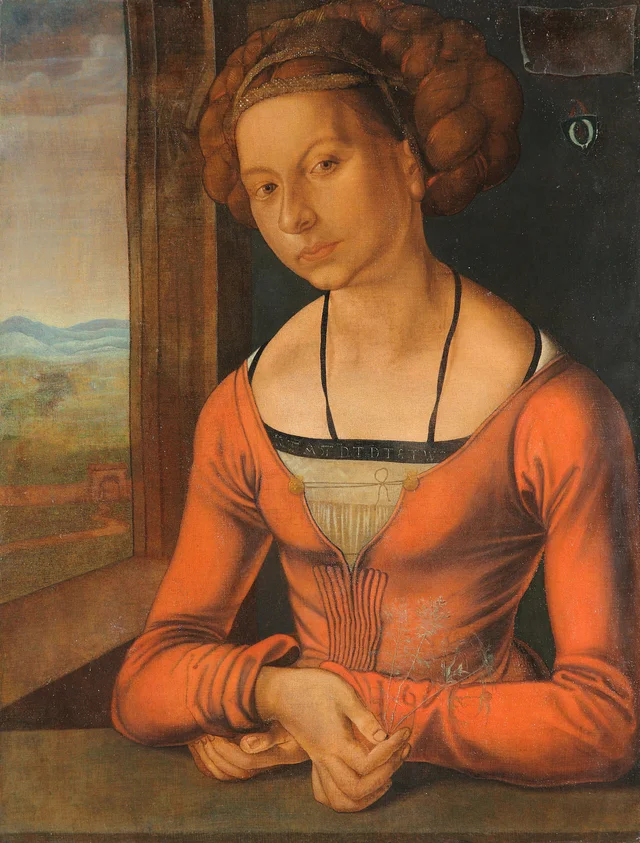 Retrato de uma Jovem com Cabelo TrançadoAlbrecht Dürer, 1497
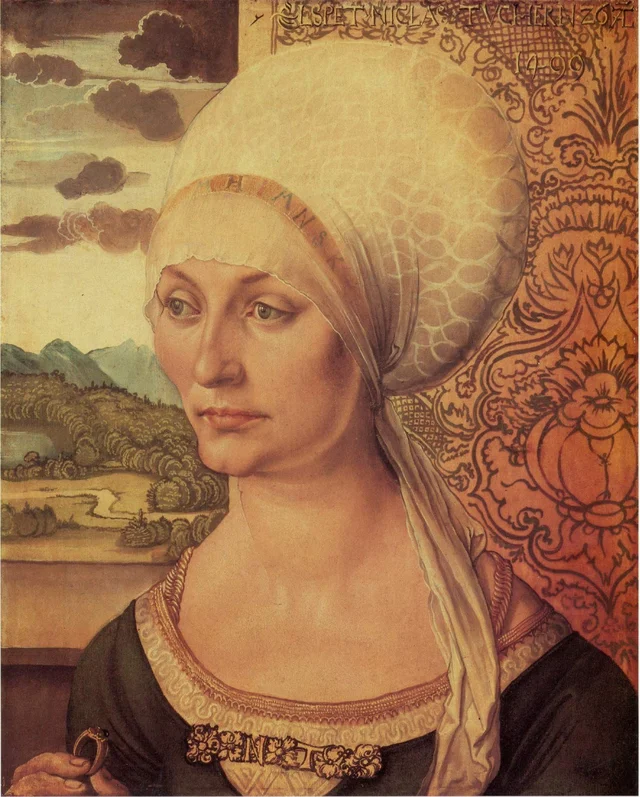 Retrato de Elspeth TucherAlbrecht Dürer, 1499