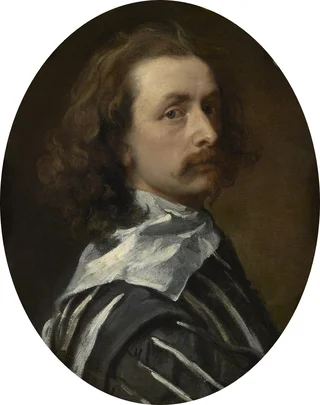
Anton van Dyck
1599–1641 · Países Baixos Espanhóis · Pintura barroca
A história
Em 1632, Carlos I da Inglaterra, um rei obcecado com a aparência de uma autoridade que não possuía de fato diante do Parlamento, trouxe o pintor antuerpiense Anthony van Dyck para Londres, armou-o cavaleiro e deu-lhe aposentos em Blackfriars e um barco para levá-lo pelo Tâmisa até o palácio real. Van Dyck havia se formado anos antes no ateliê de Peter Paul Rubens, o principal pintor dos Países Baixos do Sul, e passara boa parte dos vinte e poucos anos na Itália, estudando os retratos de Ticiano em Gênova. O que trouxe de volta para a Inglaterra foi uma maneira de retratar a aristocracia que fazia o retrato formal parecer descontraído, quase íntimo, sem perder um grama de grandeza.
Pelo resto daquela década, van Dyck praticamente só pintou o rei, a rainha e seu círculo, produzindo imagem após imagem de uma monarquia que registrava a si mesma, em tinta, exatamente como queria ser lembrada. Carlos quase não posou para mais ninguém depois disso. Esses retratos ainda são a imagem que a maioria das pessoas guarda da corte dos Stuart: mãos alongadas, seda, desenvoltura, um rei que parece inteiramente seguro em seu trono.
Van Dyck morreu em Londres em dezembro de 1641, um ano antes de estourar a guerra civil entre Carlos e o Parlamento. Carlos foi executado do lado de fora de sua própria Banqueting House, em Whitehall, em 1649, usando, segundo relatos, duas camisas contra o frio de janeiro, para não tremer e parecer estar com medo.
Mais artigos
Obras
240 obras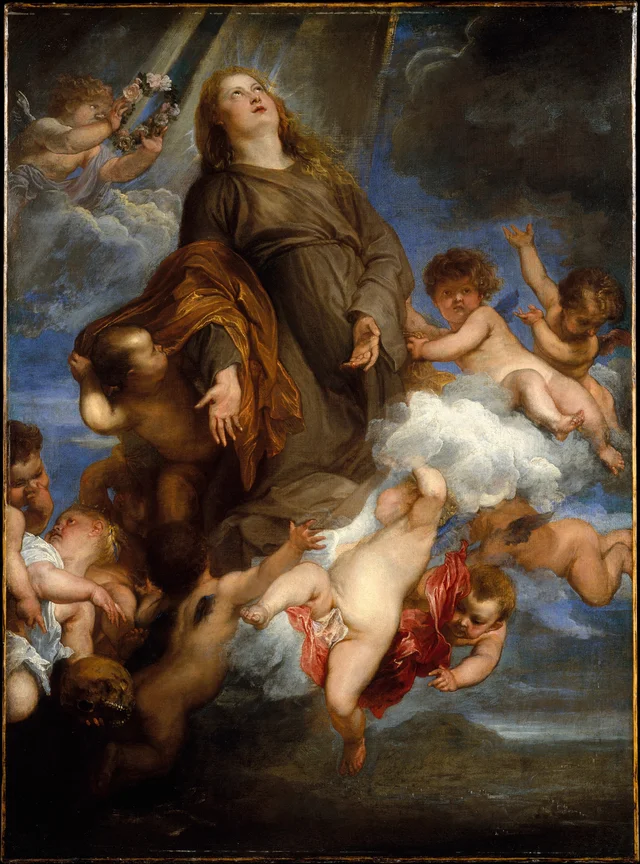 Santa Rosália Intercedendo pelos Apestados de PalermoAnton van Dyck, 1624
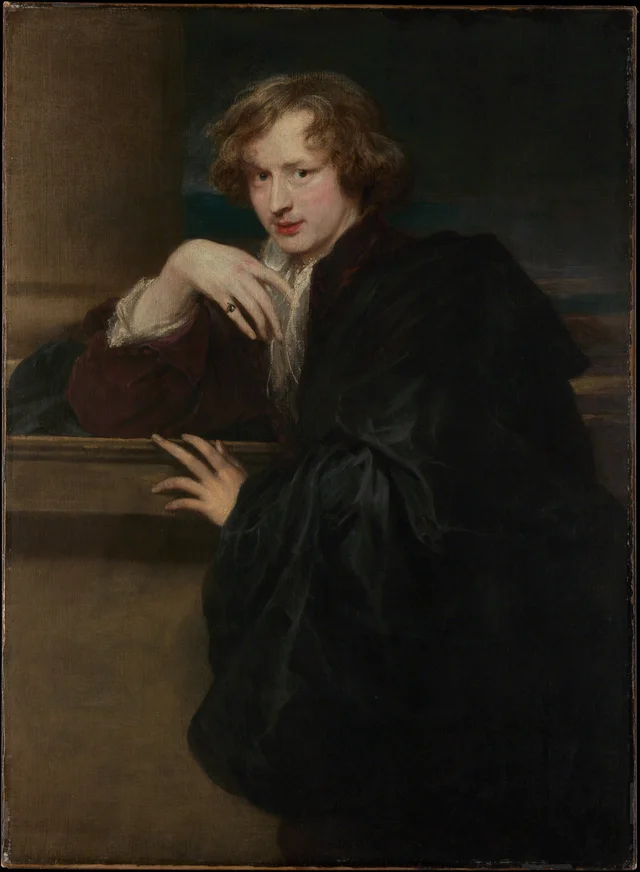 AutorretratoAnton van Dyck, 1620
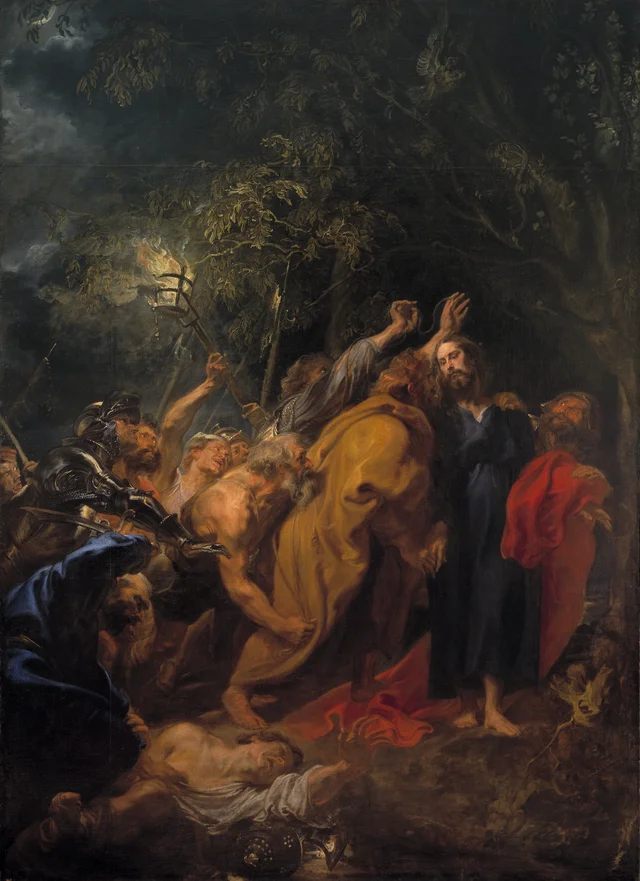 A prisão de CristoAnton van Dyck, 1618
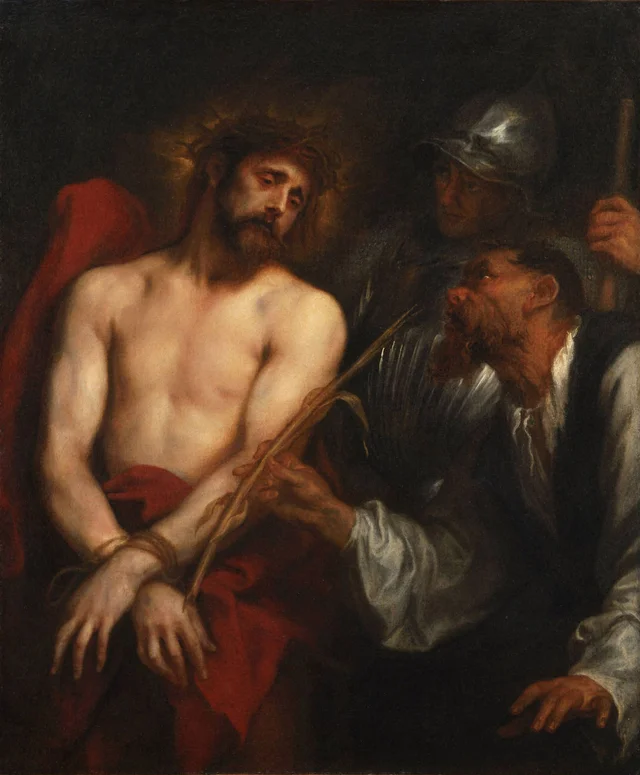 O escárnio de CristoAnton van Dyck, 1628
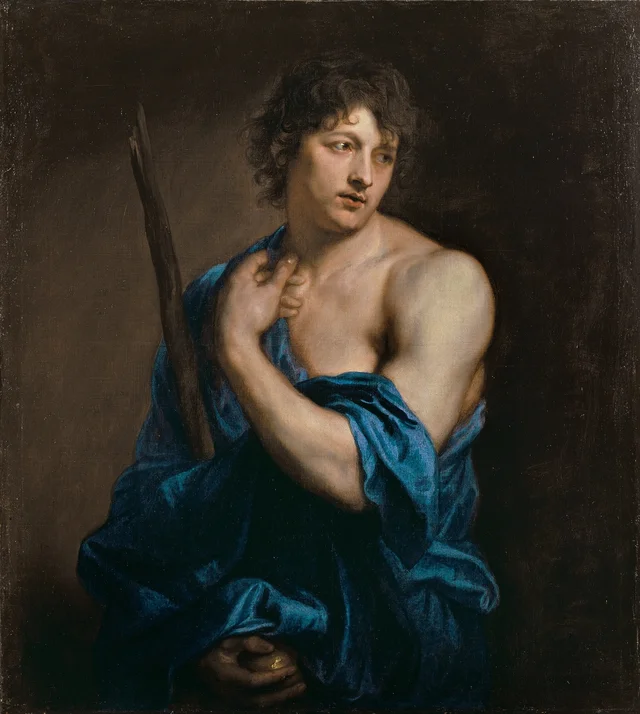 O pastor Páris como personificação do Juízo artísticoAnton van Dyck, 1628
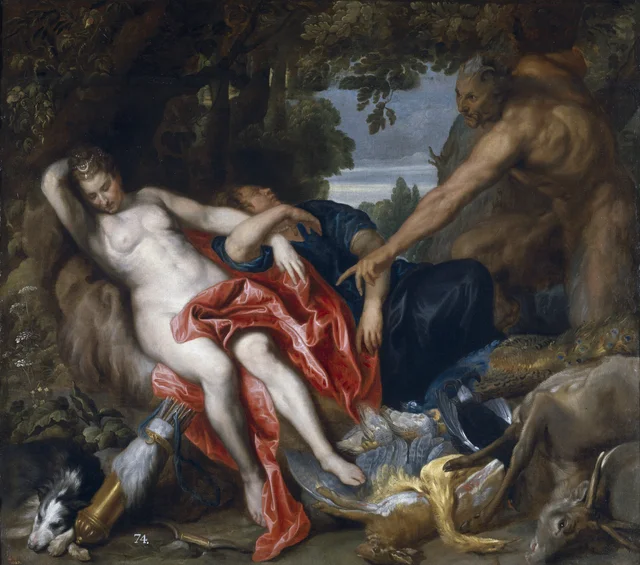 Diana e uma Ninfa Surpreendidas por um SátiroAnton van Dyck, 1622
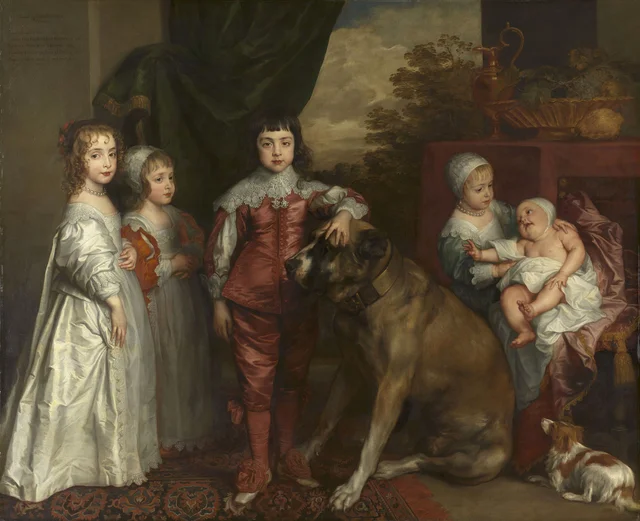 Os Cinco Filhos Mais Velhos de Carlos IAnton van Dyck, 1637
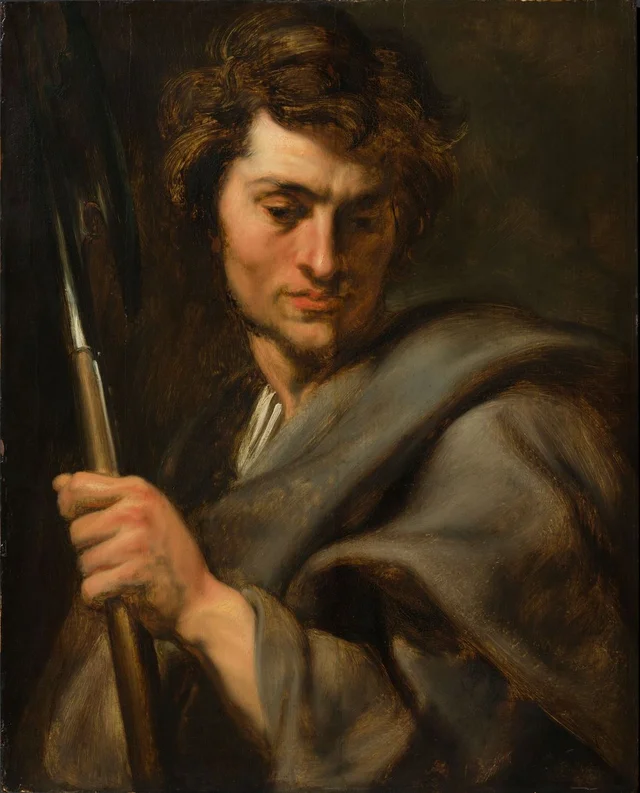 São Mateus ApóstoloAnton van Dyck, 1619
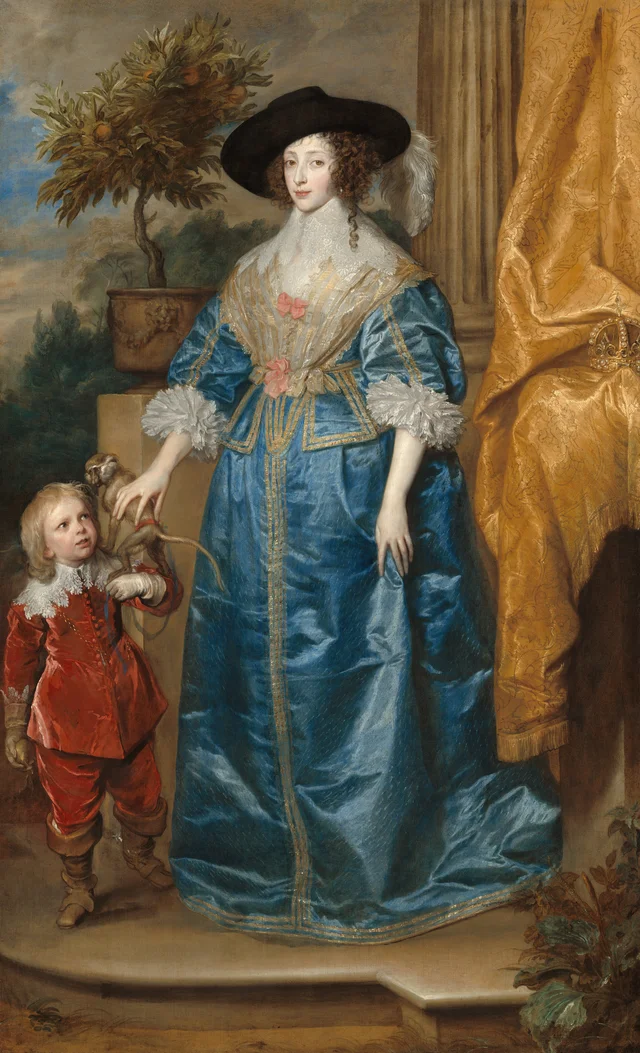 A Rainha Henrietta Maria com Sir Jeffrey HudsonAnton van Dyck, 1633
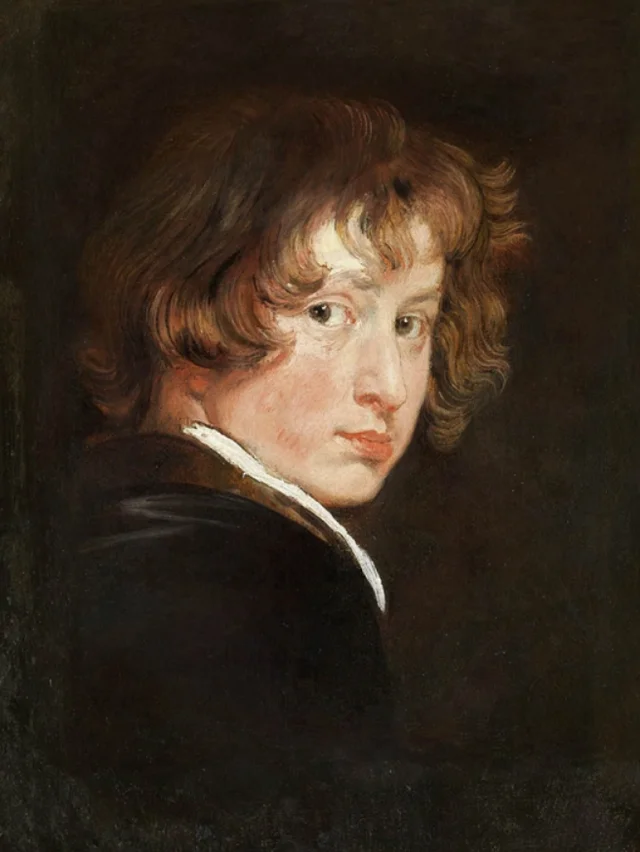 AutorretratoAnton van Dyck, 1613
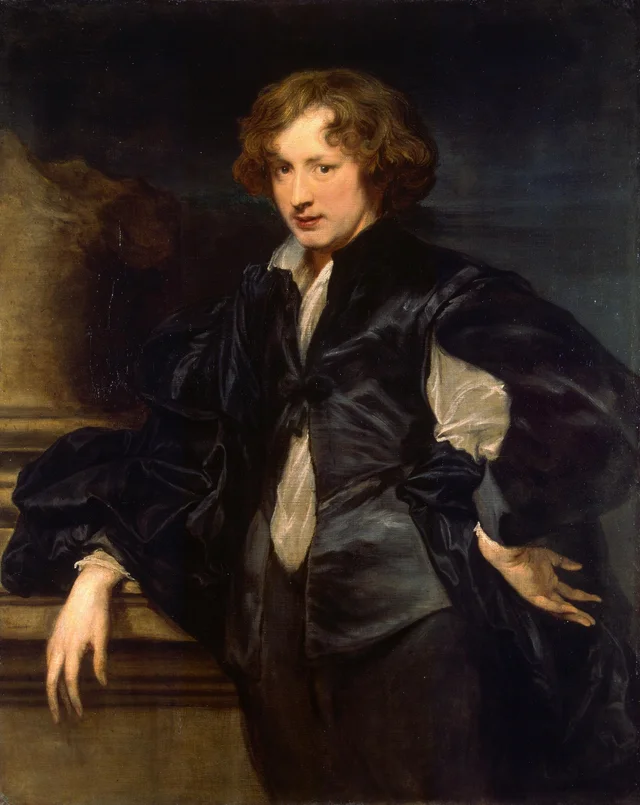 AutorretratoAnton van Dyck, 1622
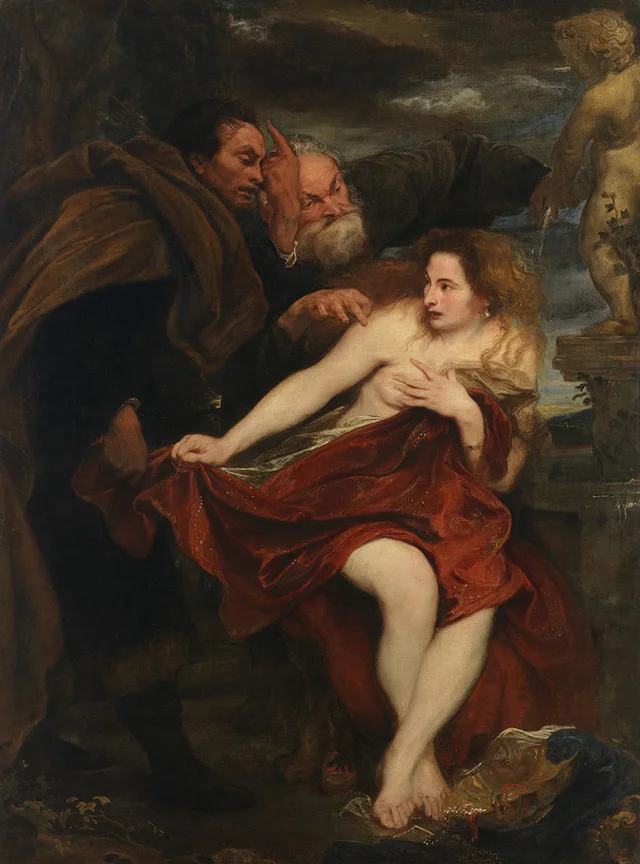 Susana e os anciãosAnton van Dyck, 1622
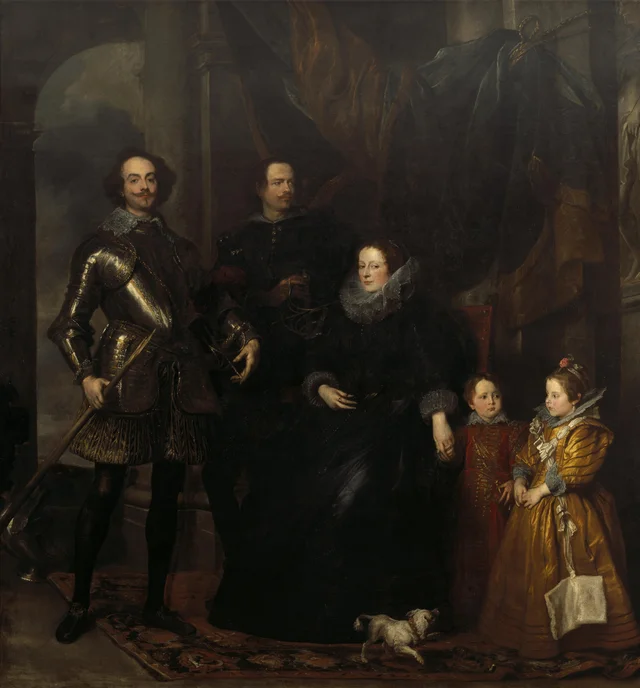 A Família LomelliniAnton van Dyck, 1623
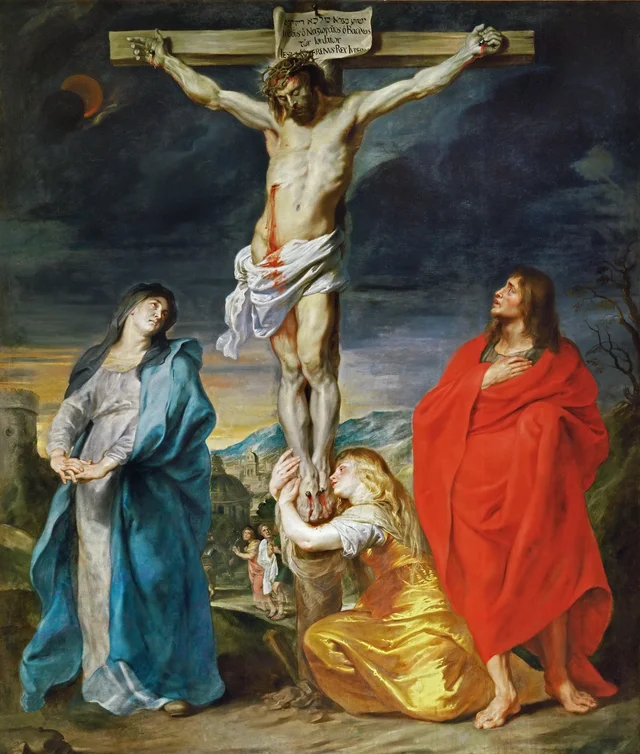 Crucificação com a Virgem Maria, São João e Santa Maria MadalenaAnton van Dyck, 1618
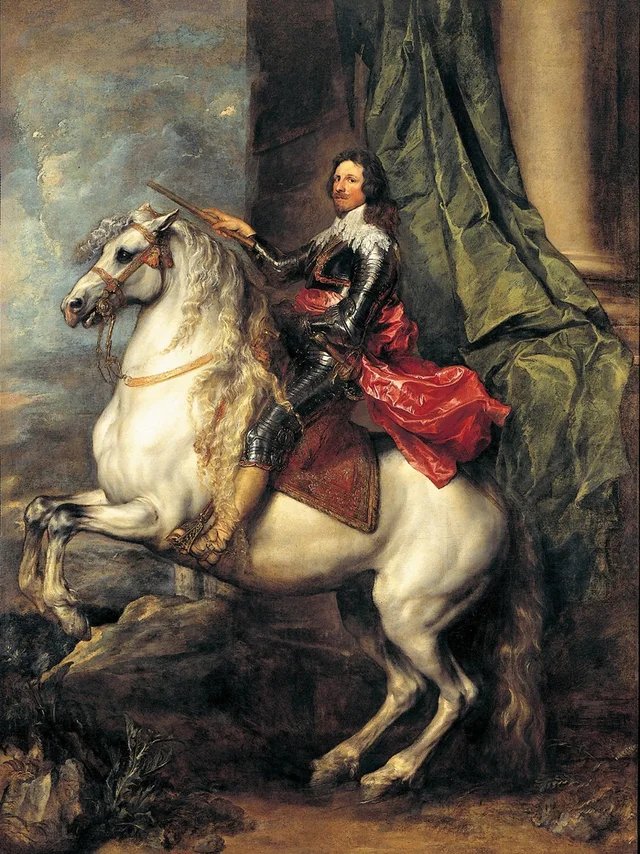 Retrato Equestre do Príncipe Tomaso de Saboia-CarignanoAnton van Dyck, 1634
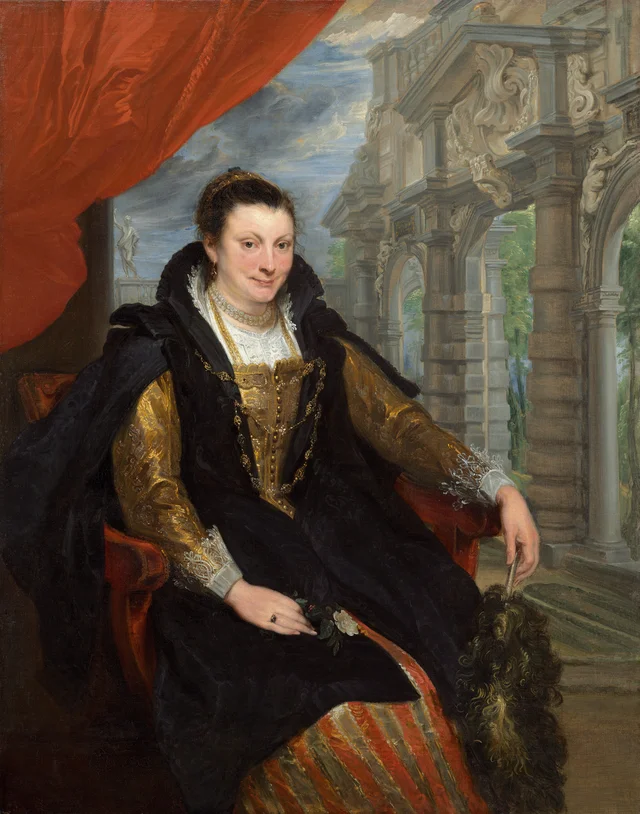 Isabella BrantAnton van Dyck, 1621
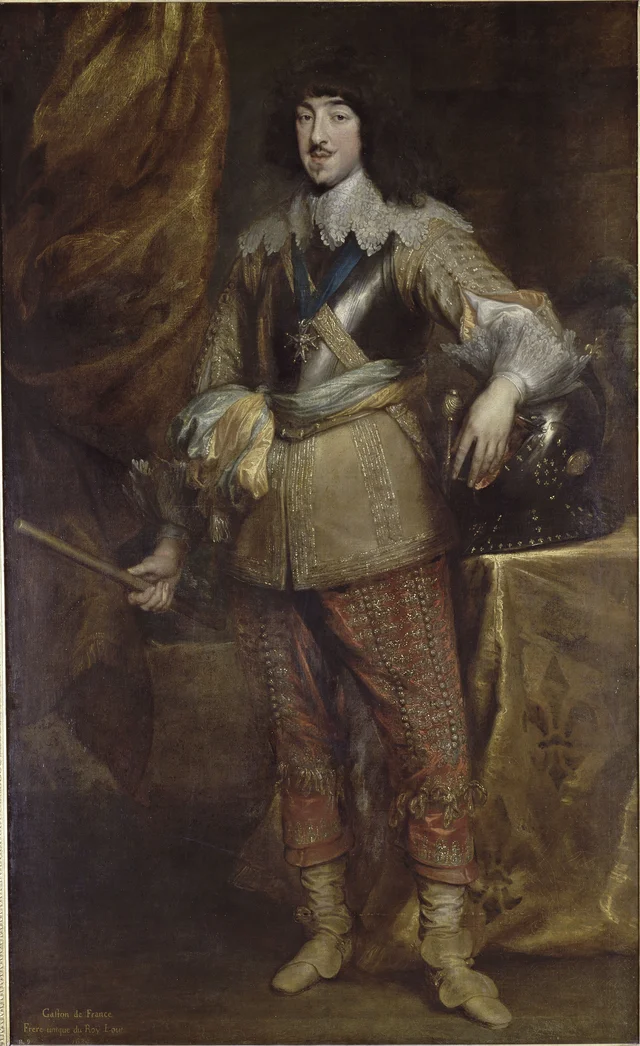 Retrato de Gaston de FrançaAnton van Dyck, 1632
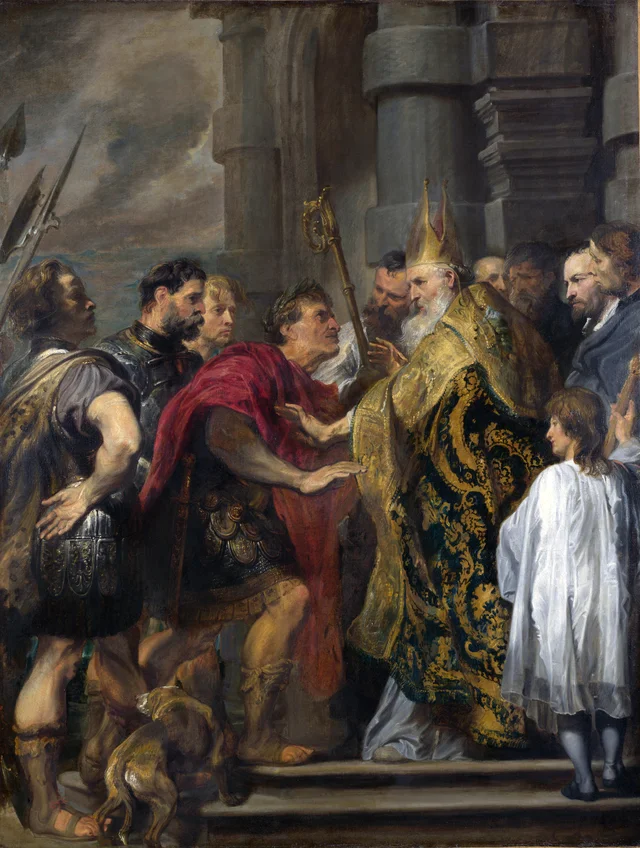 Santo Ambrósio impede Teodósio de entrar na Catedral de MilãoAnton van Dyck, 1619
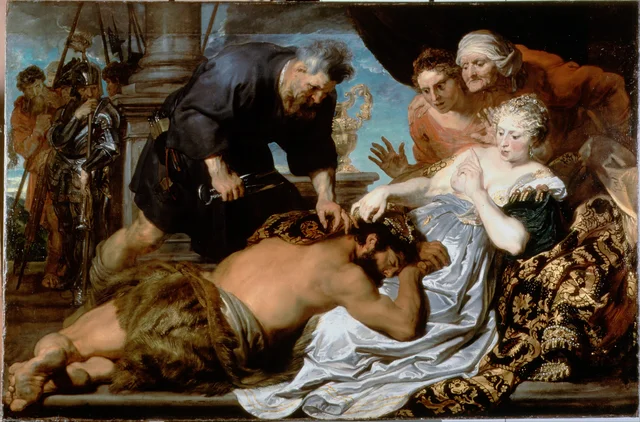 Sansão e DalilaAnton van Dyck, 1620
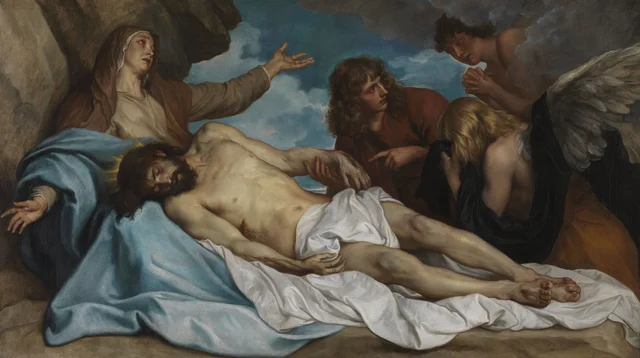 Lamentação sobre o Cristo MortoAnton van Dyck, 1635
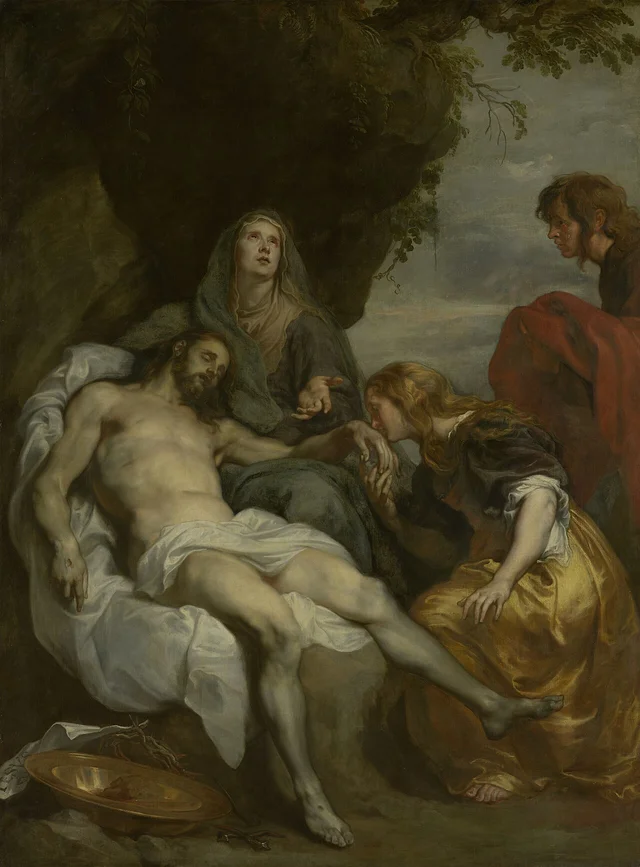 A Lamentação sobre o Cristo MortoAnton van Dyck, 1629
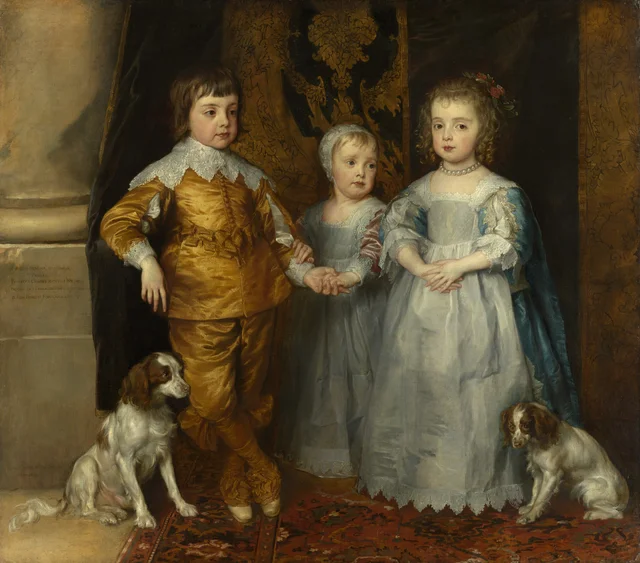 Os Três Filhos Mais Velhos de Carlos IAnton van Dyck, 1635
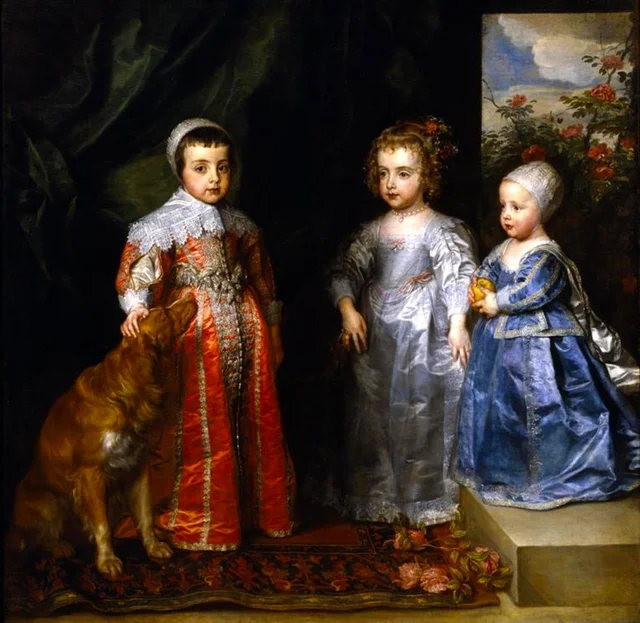 Os três filhos mais velhos de Carlos I Stuart (1600-1649) e Henriqueta Maria de Bourbon (1609-1669), Carlos (1630-1685), Maria (1631-1666) e Jaime (1633-1685)Anton van Dyck, 1635
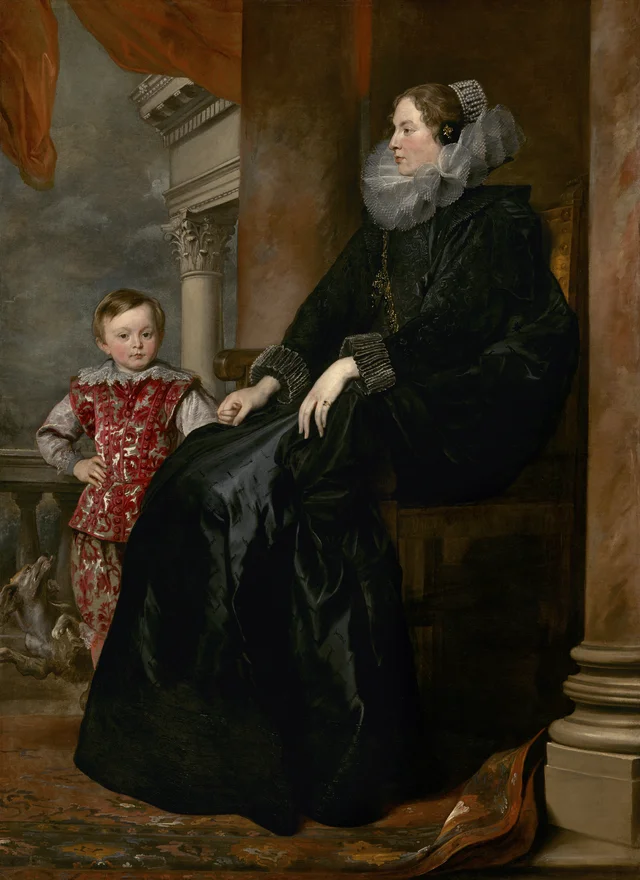 Uma nobre genovesa e seu filhoAnton van Dyck, 1626
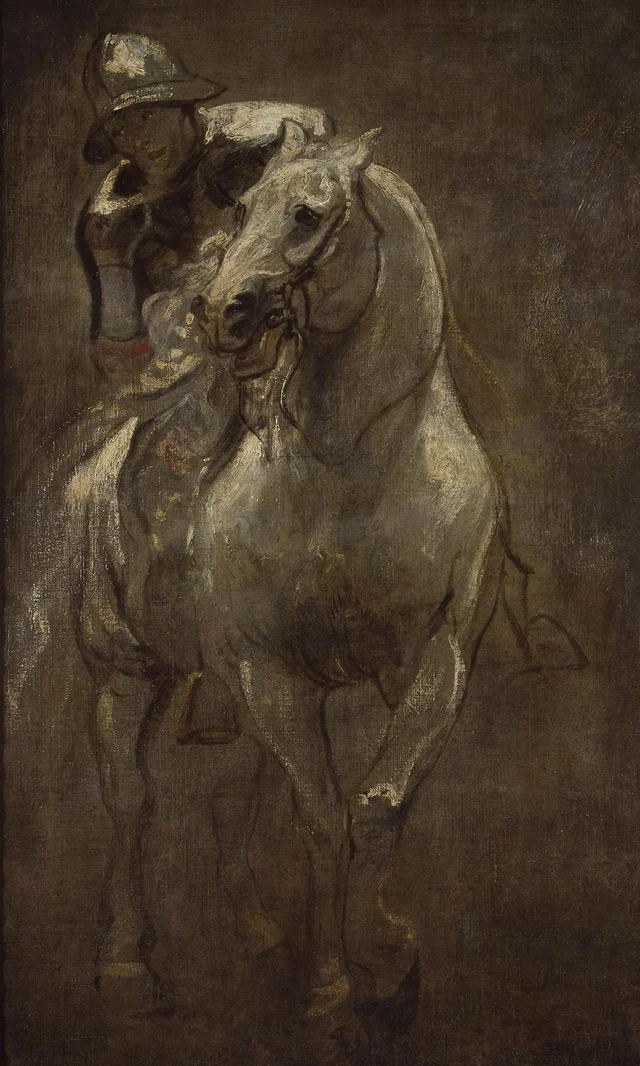 Um Soldado a CavaloAnton van Dyck, 1616