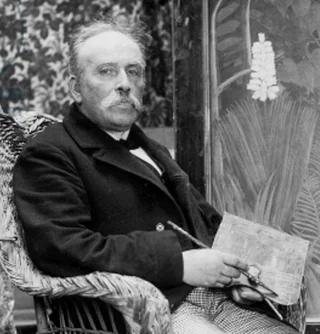
Henri Rousseau
1844–1910 · França · Arte naïf, Pós-impressionismo
A história
Henri Rousseau passou a maior parte da vida profissional como cobrador de pedágio para a cidade de Paris, fiscalizando carroças e mercadorias nos portões da cidade para um imposto que os franceses chamavam de octroi. Só começou a pintar a sério depois dos quarenta anos, era inteiramente autodidata, e somente se aposentou da guarita de pedágio aos 49 anos para se dedicar à pintura em tempo integral. Críticos zombaram durante anos de sua perspectiva achatada e suas figuras rígidas, mas Rousseau continuou expondo no Salon des Indépendants, a mostra que aceitava qualquer um que pagasse a taxa de inscrição.
Suas cenas de selva, repletas de leões, macacos e folhas descomunais, nunca se basearam em viagens reais. Rousseau as construía a partir de visitas ao jardim botânico e ao zoológico de Paris, além de livros ilustrados, transformando as plantas em emaranhados que nenhuma selva de verdade chega a igualar.
A virada em sua sorte veio em 1908, quando um jovem Pablo Picasso avistou um quadro de Rousseau sendo vendido numa rua de Paris como tela usada, barata o bastante para ser pintada por cima. Picasso reconheceu o valor do que via e foi atrás de Rousseau, chegando a oferecer-lhe um banquete em seu ateliê no Bateau-Lavoir, parte homenagem, parte piada elaborada que Rousseau, segundo quase todos os relatos, levou a sério ao pé da letra.
Mais artigos
Obras
94 obras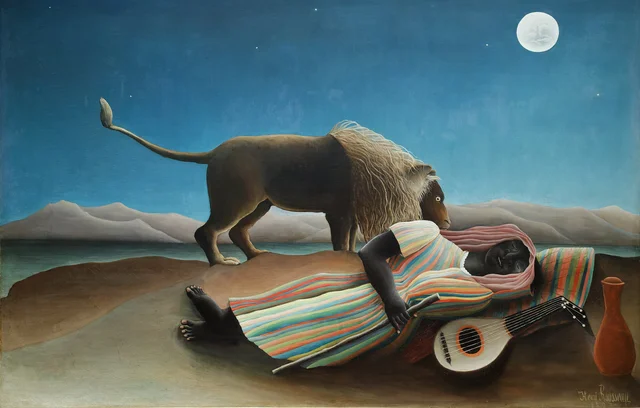 A Cigana AdormecidaHenri Rousseau, 1897
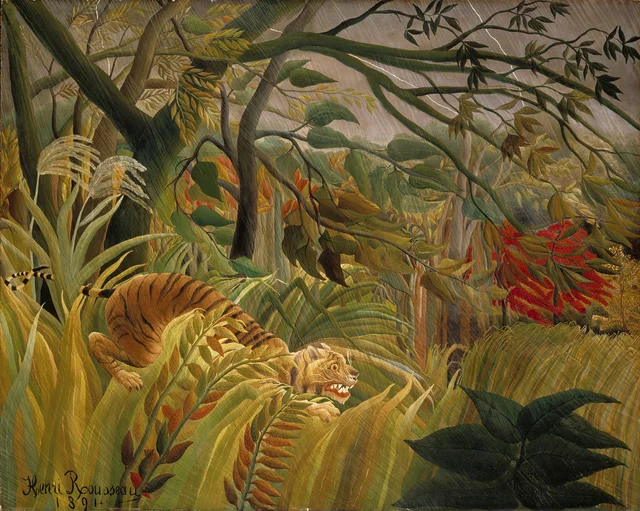 Tigre em uma Tempestade TropicalHenri Rousseau, 1891
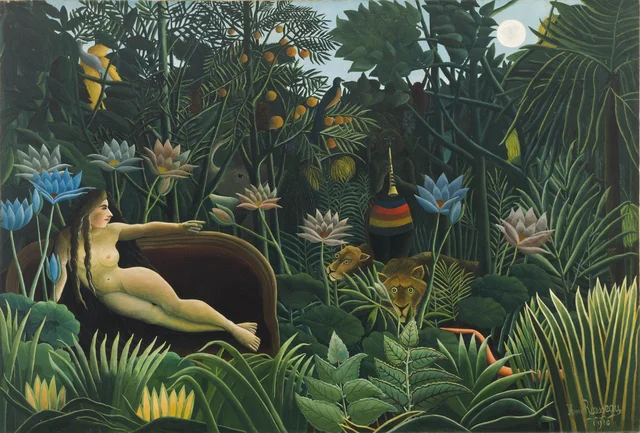 O SonhoHenri Rousseau, 1910
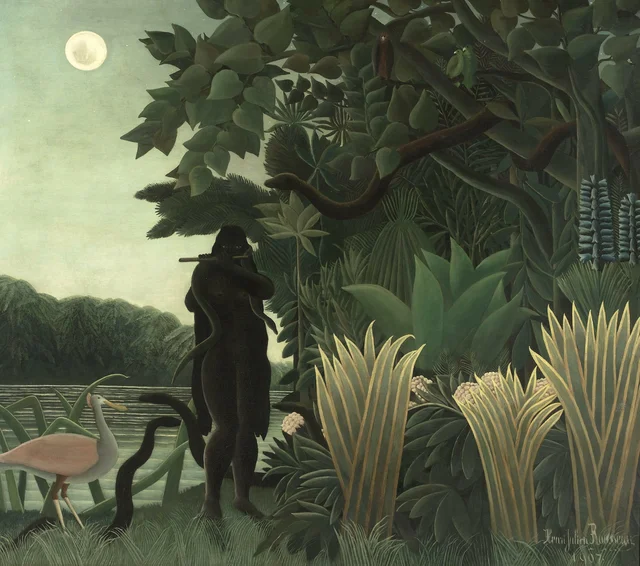 A Encantadora de SerpentesHenri Rousseau, 1907
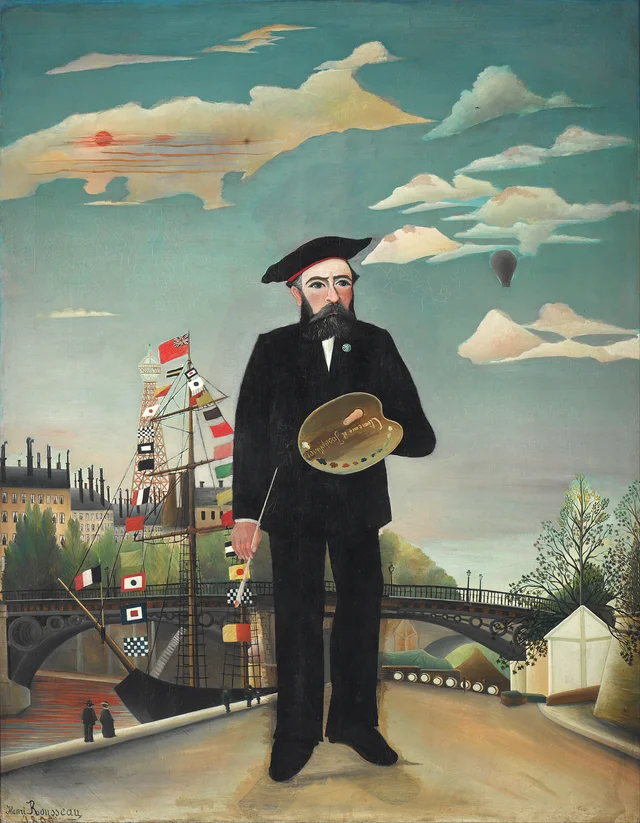 Eu mesmo: retrato-paisagemHenri Rousseau, 1890
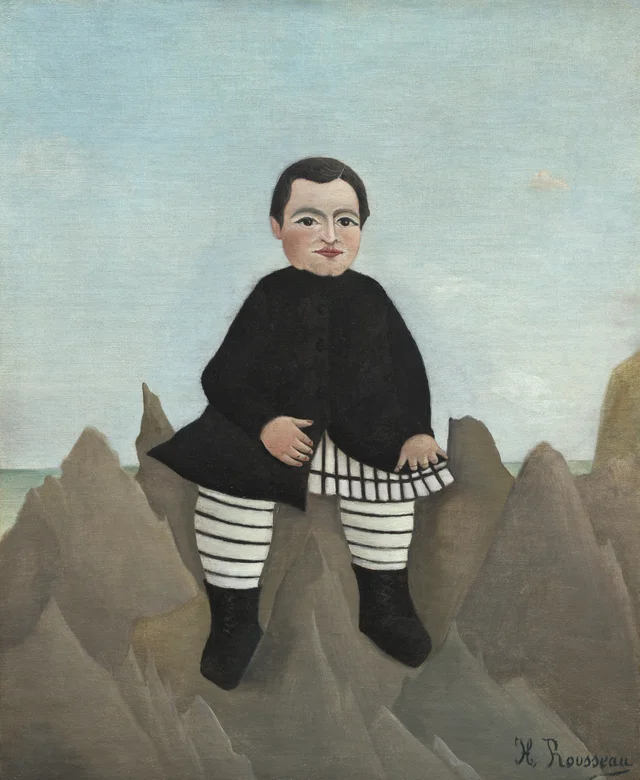 Menino nas rochasHenri Rousseau, 1897
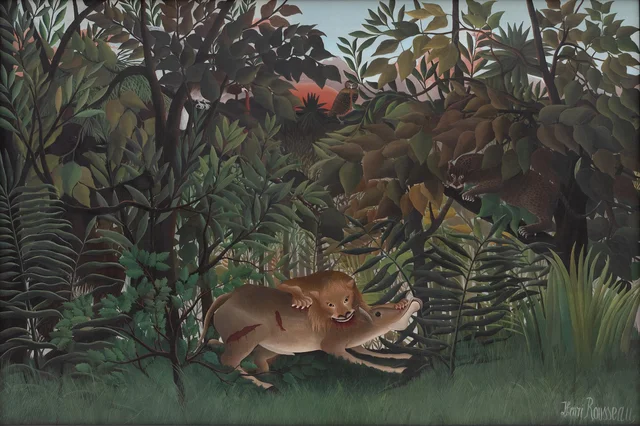 O Leão Faminto Atira-se sobre o AntílopeHenri Rousseau, 1905
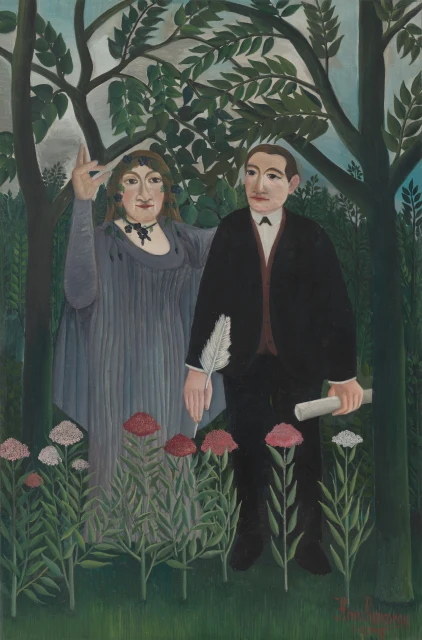 A musa inspirando o poetaHenri Rousseau, 1909
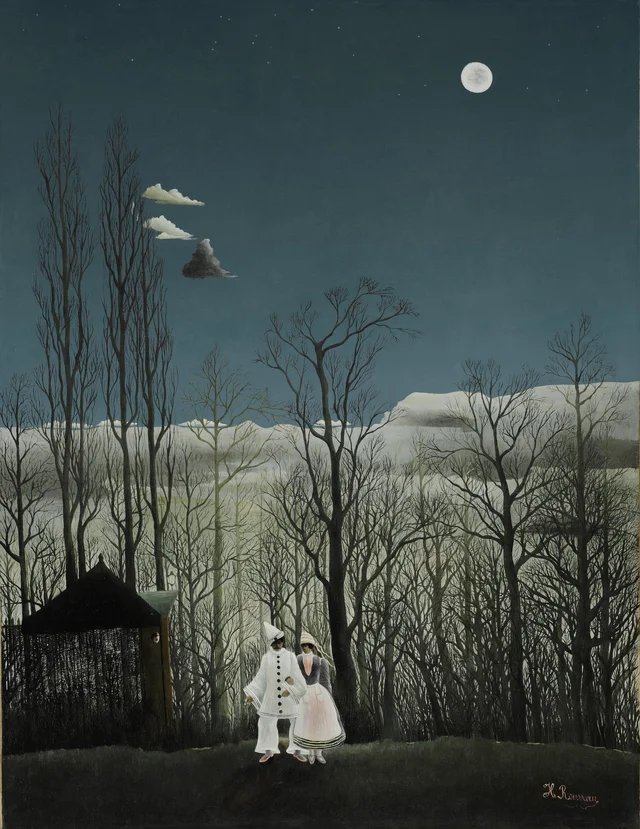 Noite de carnavalHenri Rousseau, 1886
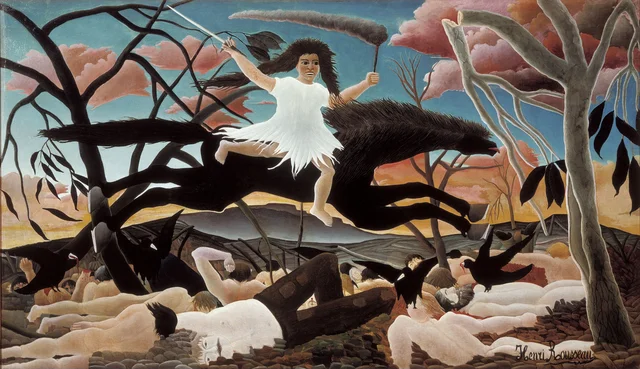 A GuerraHenri Rousseau, 1894
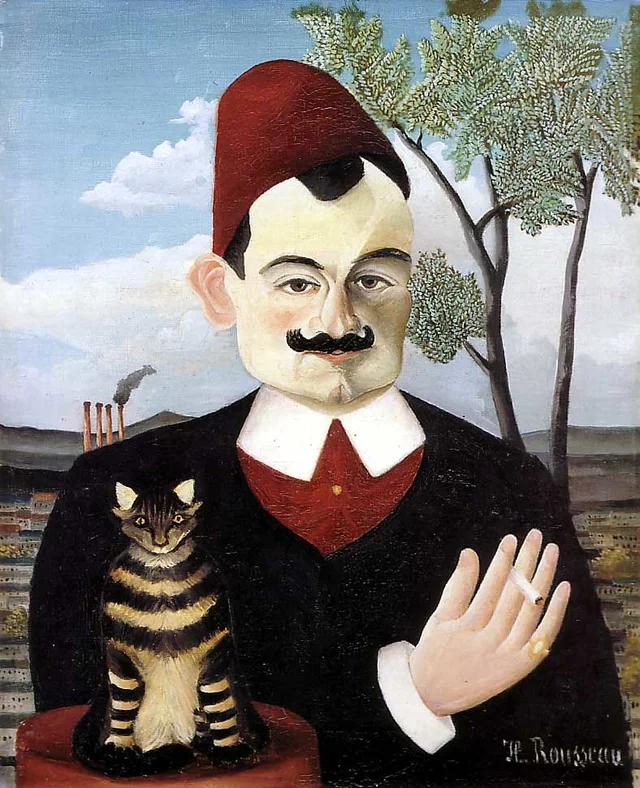 Retrato do Senhor X (Pierre Loti)Henri Rousseau, 1906
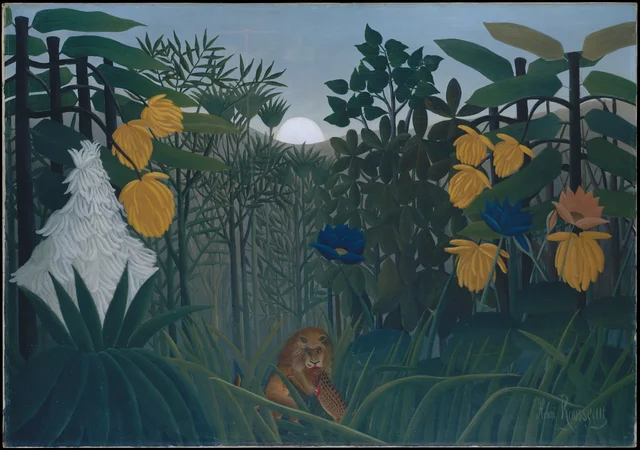 O repasto do leãoHenri Rousseau, 1907
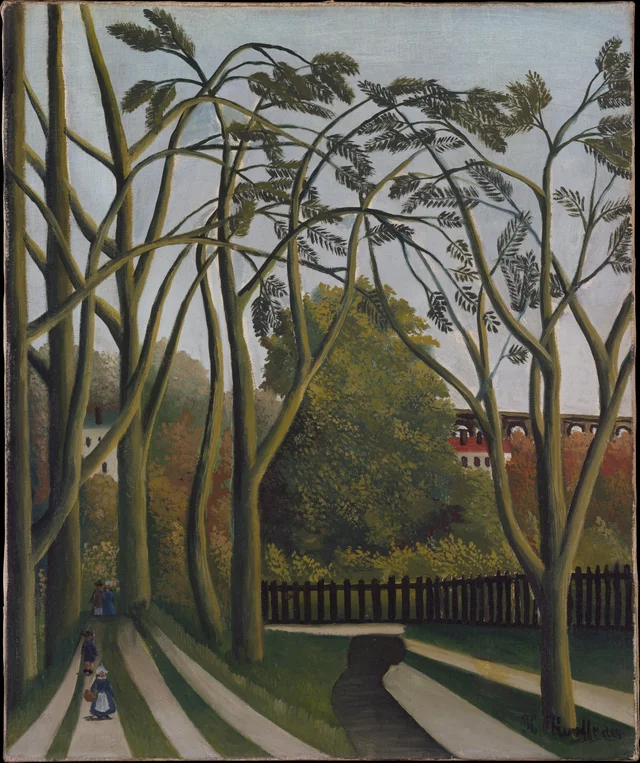 As Margens do Bièvre perto de BicêtreHenri Rousseau, 1908
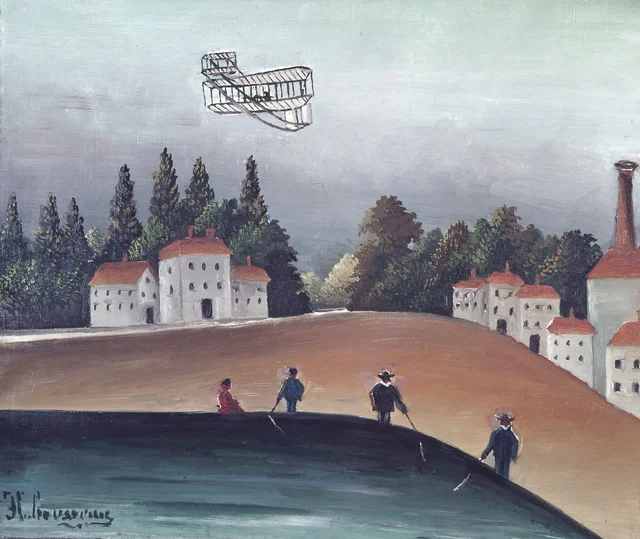 Os pescadores de linhaHenri Rousseau, 1908
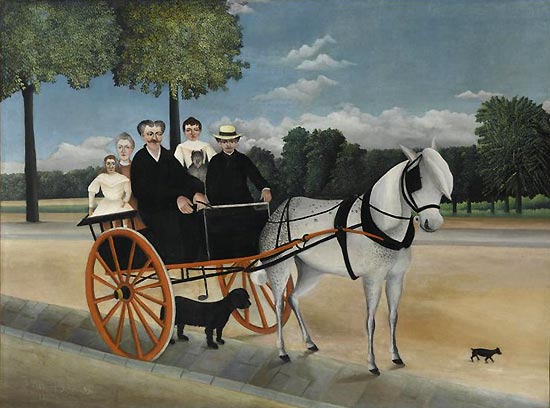 A Carroça do Pai JunierHenri Rousseau, 1908
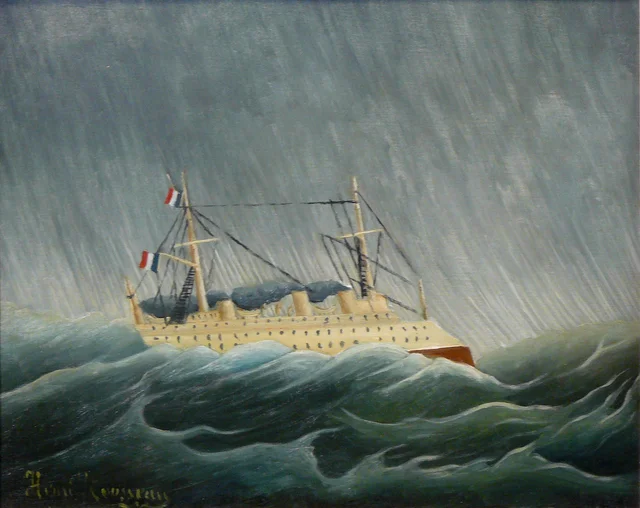 O Navio na TempestadeHenri Rousseau, 1899
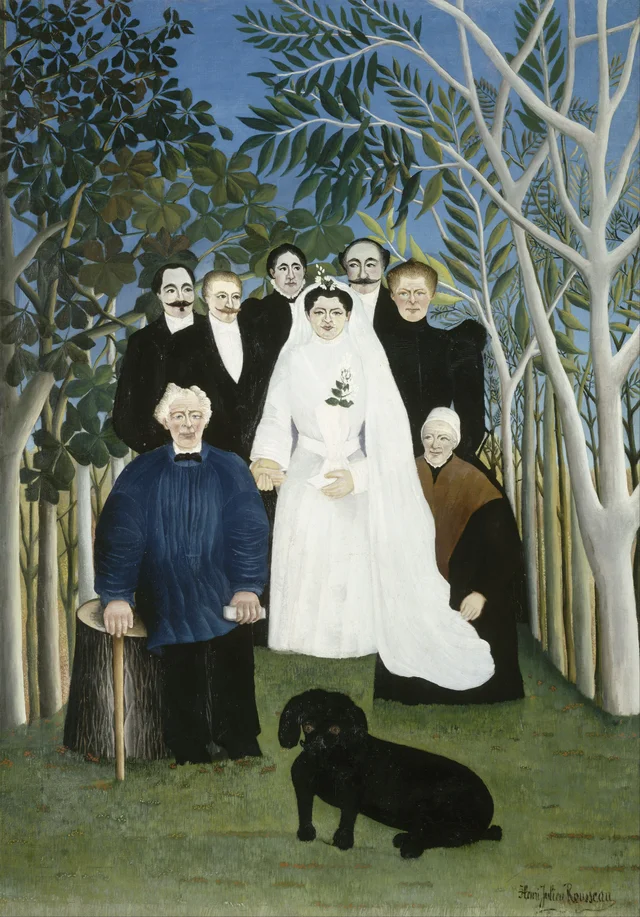 O CasamentoHenri Rousseau, 1905
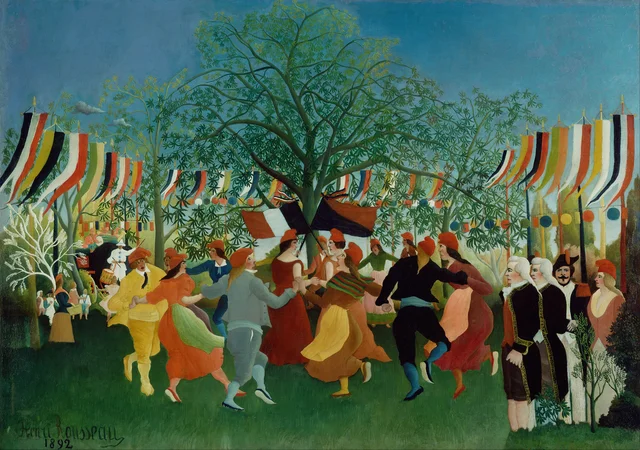 O Centenário da IndependênciaHenri Rousseau, 1892
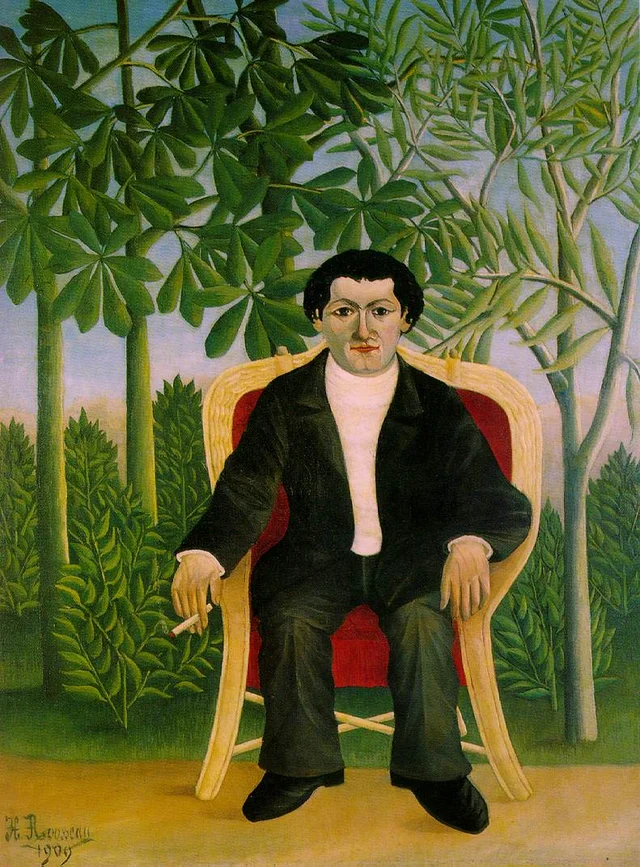 Retrato de Joseph BrummerHenri Rousseau, 1909
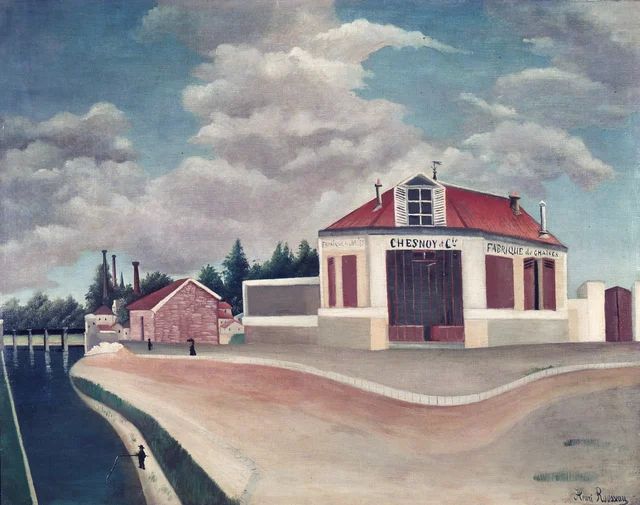 A Fábrica de Cadeiras em AlfortvilleHenri Rousseau, 1897
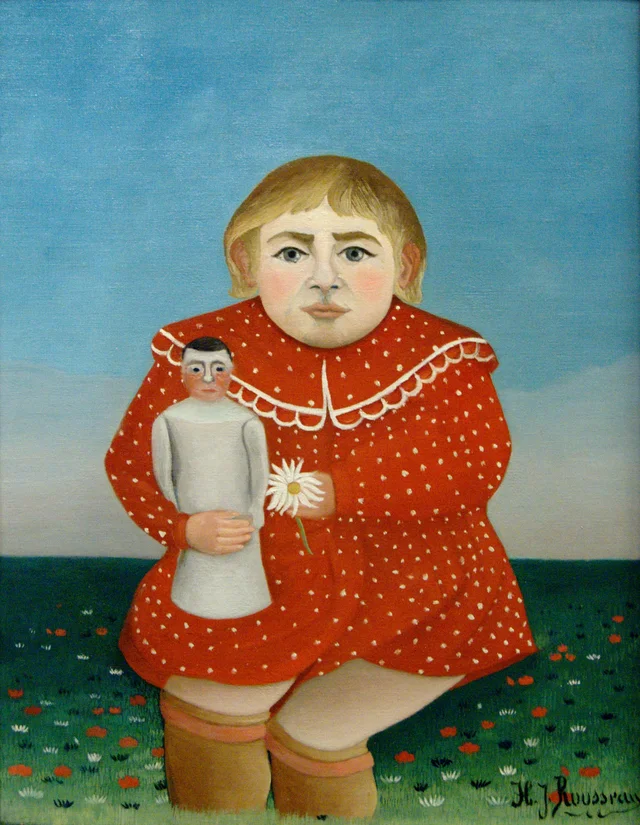 A Criança com a BonecaHenri Rousseau, 1892
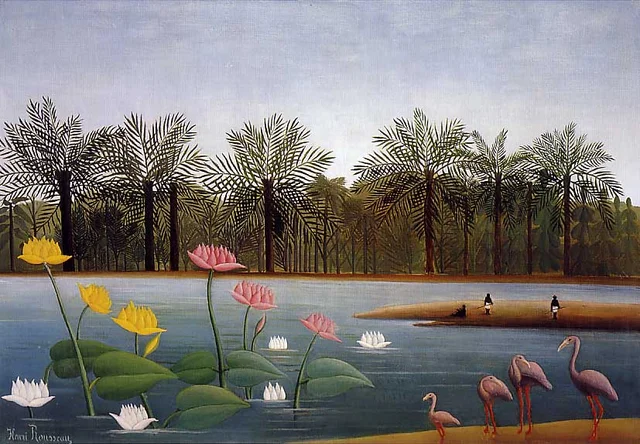 Os FlamingosHenri Rousseau, 1907
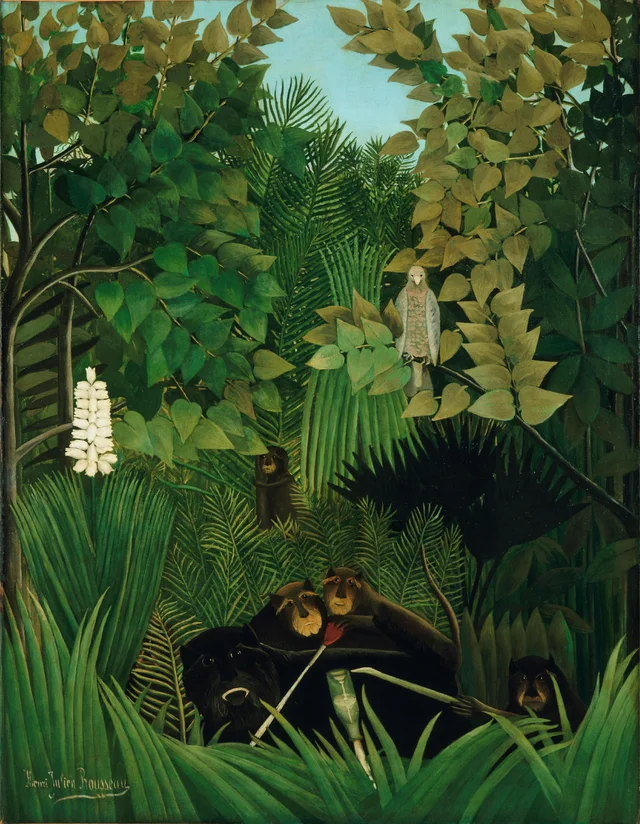 Os Alegres BrincalhõesHenri Rousseau, 1906
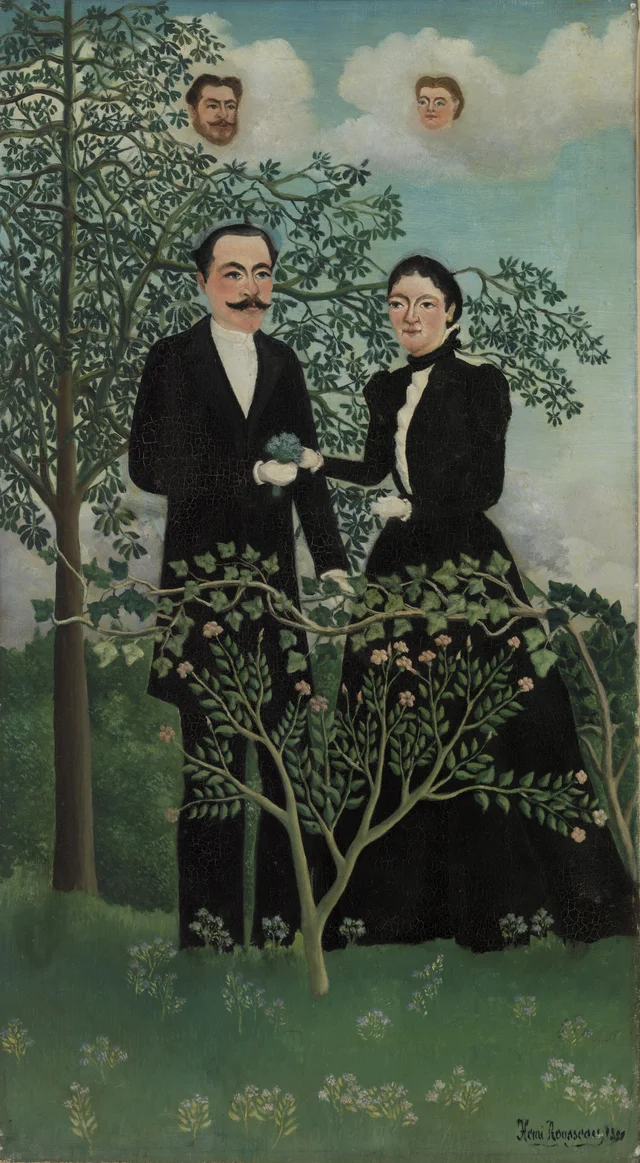 O Passado e o PresenteHenri Rousseau, 1899
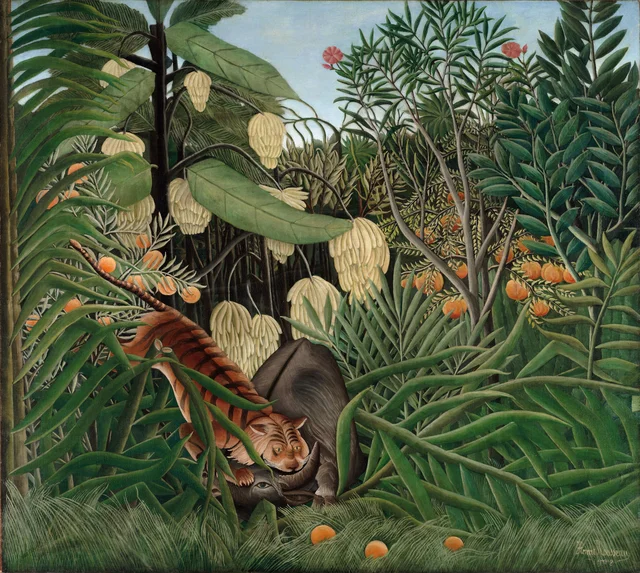 Luta entre um Tigre e um BúfaloHenri Rousseau, 1908