语音导览
故事
这座画廊冠着一个人的名字,因为它确确实实就是一个人的事业。帕维尔·特列季亚科夫,莫斯科的一位纺织品商人,从1850年代起就开始收购俄国绘画,目标很清楚,要在正经收藏家都追逐欧洲艺术的年月里,建起一批民族的收藏。他直接从在世的艺术家手里买画,把自家房子填满,画作挤得家人几乎无处容身,1892年他把整批收藏、约2,000件作品,作为礼物献给了莫斯科市。
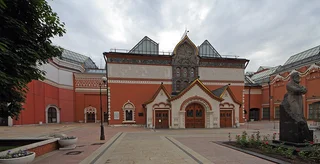
他扩建的那座建筑本身也成了一处地标。它那童话般的正面,一色红砖、白石,还有一面尖尖的山墙,仿佛民间故事活了过来,是画家维克托·瓦斯涅佐夫1900年后设计的,好让这只“容器”与里面的俄国艺术相配。
而那些艺术,本身就是一部俄国绘画史。这里有安德烈·鲁布廖夫的《三位一体》,那幅15世纪的圣像被广泛视为俄国艺术中最伟大的一件,还有巡回展览画派的巨幅画作,那些与学院决裂的现实主义者。其中一幅,伊利亚·列宾画的伊凡雷帝抱着自己刚刚失手杀死的儿子,曾两度被参观者袭击,1913年被刀划破,2018年又遭击打,每一次都被精心修复。旁边挂着克拉姆斯柯依警觉的肖像和苏里科夫那些取自俄国历史、人物众多的宏大场面,还有一整间中世纪圣像,博物馆把它们当作艺术来展示。
馆藏
112 件作品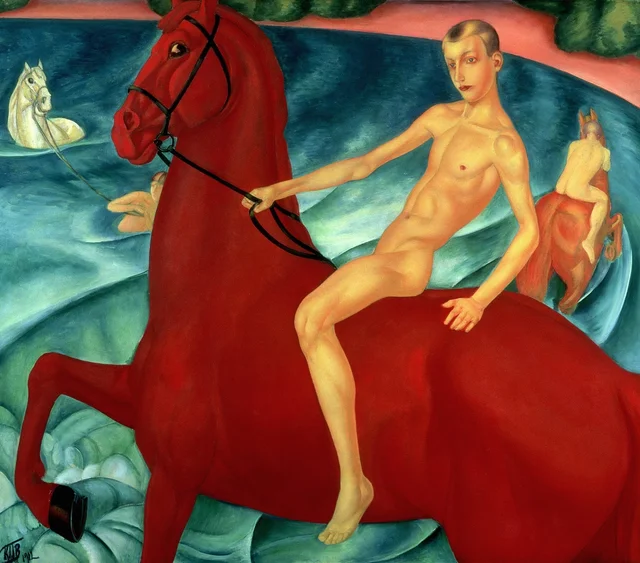 给红马洗浴库兹马·彼得罗夫-沃德金, 1912
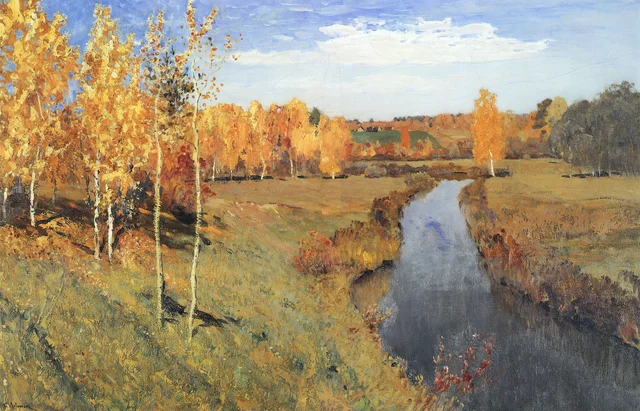 金色的秋天伊萨克·列维坦, 1895
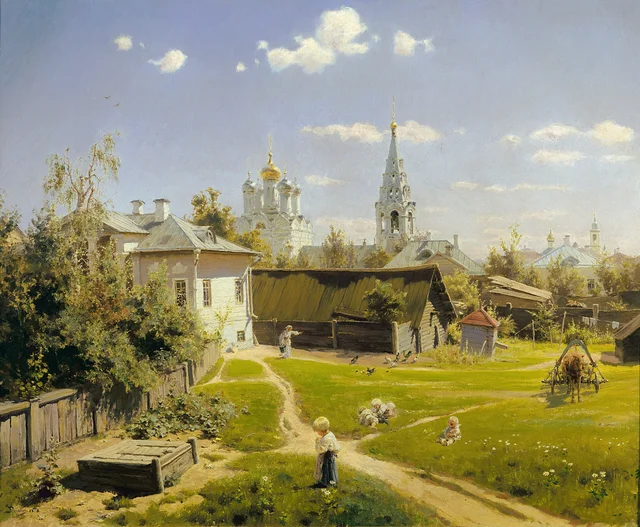 莫斯科小院瓦西里·波列诺夫, 1878
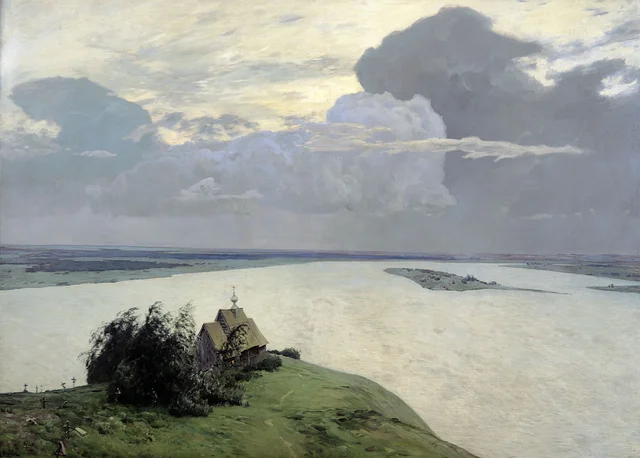 在永恒的安息之上伊萨克·列维坦, 1894
 彼得大帝在彼得宫审讯皇太子阿列克谢·彼得罗维奇尼古拉·盖伊, 1871
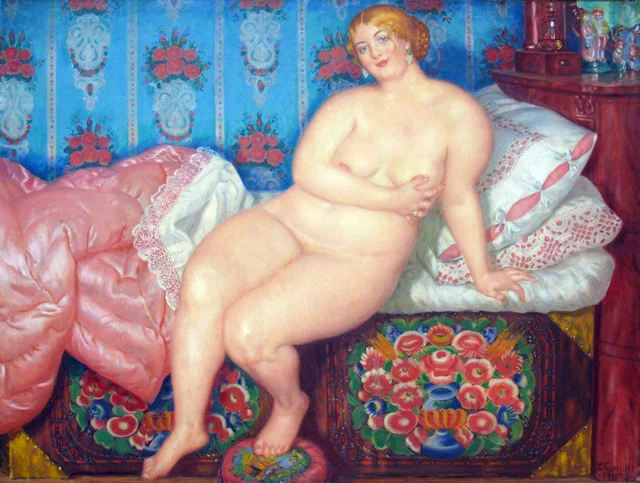 美人鲍里斯·库斯托季耶夫, 1915
 清风·伏尔加河伊萨克·列维坦, 1895
 女骑手卡尔·布留洛夫, 1832
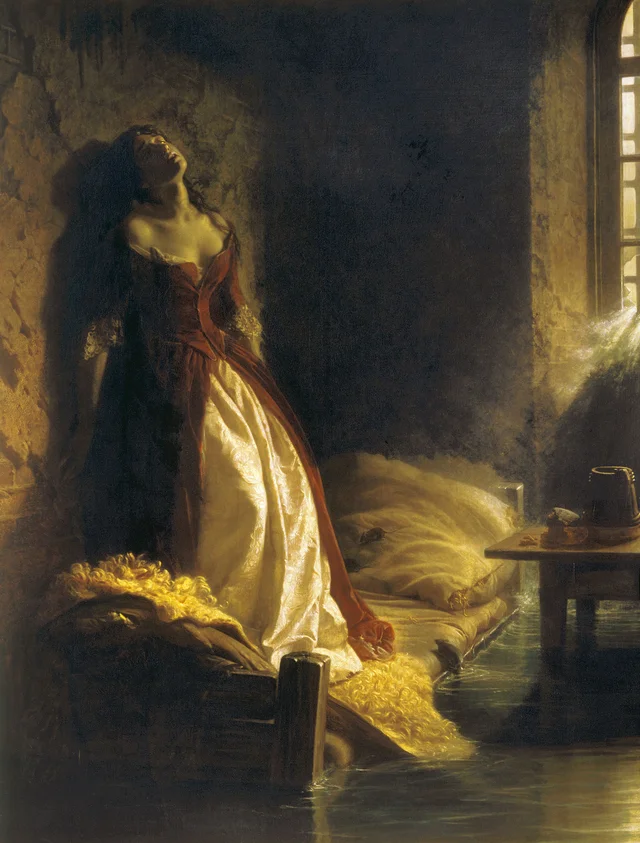 塔拉卡诺娃公主康斯坦丁·弗拉维茨基, 1864
 索科尔尼基·秋天伊萨克·列维坦, 1879
 春天。大水伊萨克·列维坦, 1897
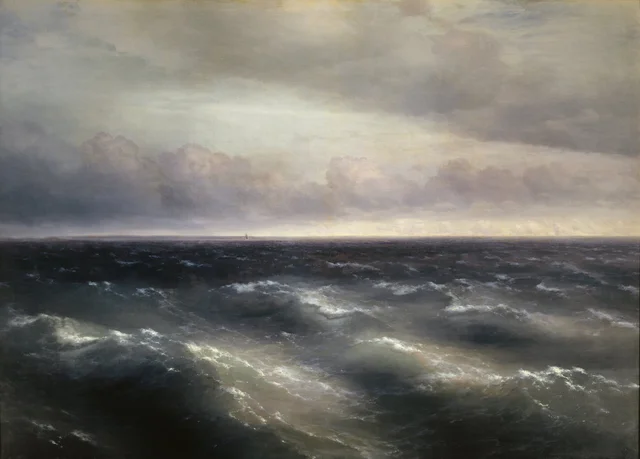 黑海伊万·艾瓦佐夫斯基, 1881
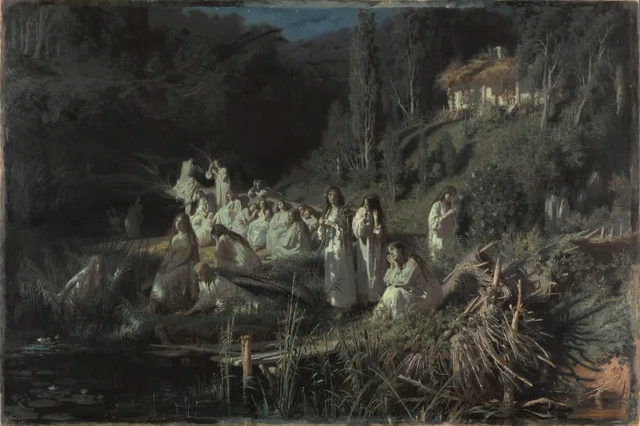 美人鱼伊万·克拉姆斯科伊, 1871
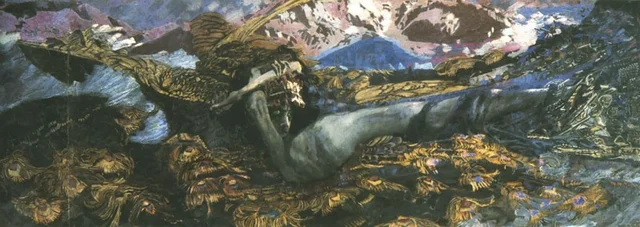 倒下的恶魔米哈伊尔·弗鲁贝尔, 1902
 白桦林阿尔希普·库因芝, 1879
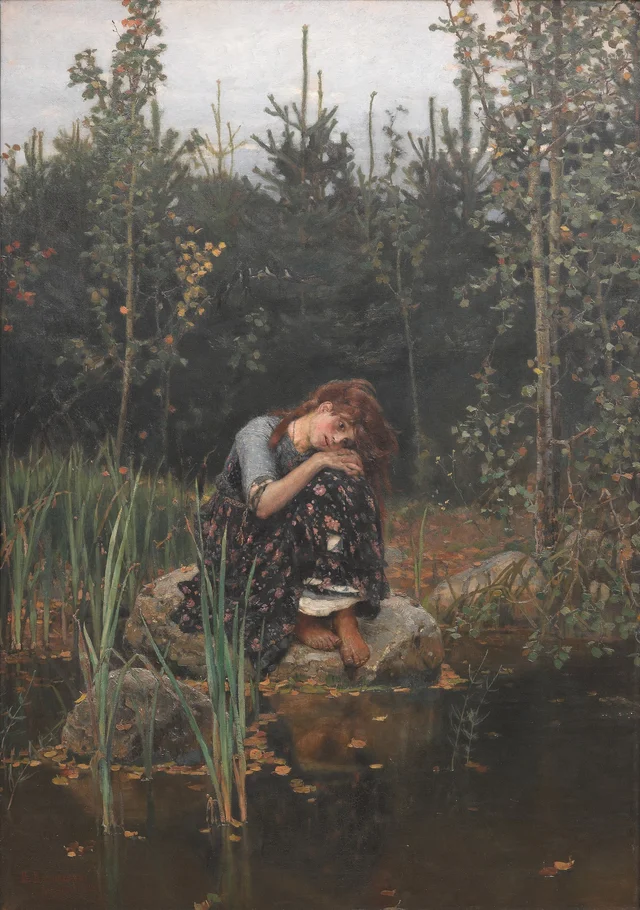 阿廖努什卡维克托·瓦斯涅佐夫, 1881
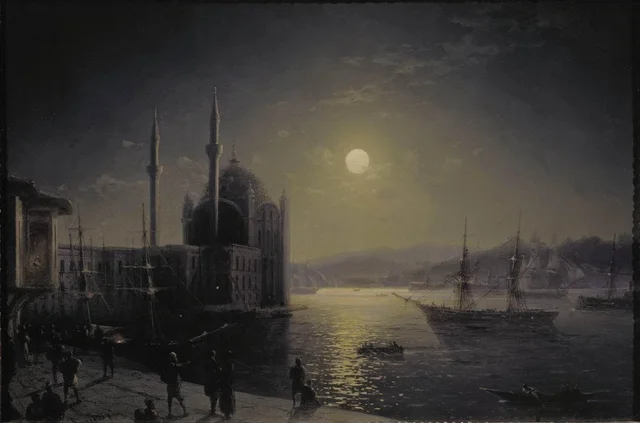 博斯普鲁斯海峡的月夜伊万·艾瓦佐夫斯基, 1894
 荒芜的池塘瓦西里·波列诺夫, 1879
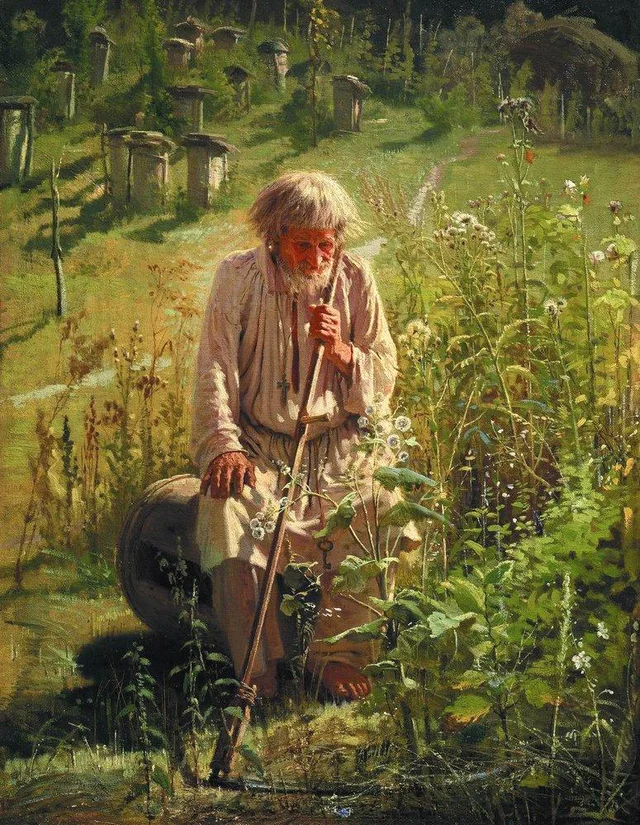 养蜂人伊万·克拉姆斯科伊, 1872
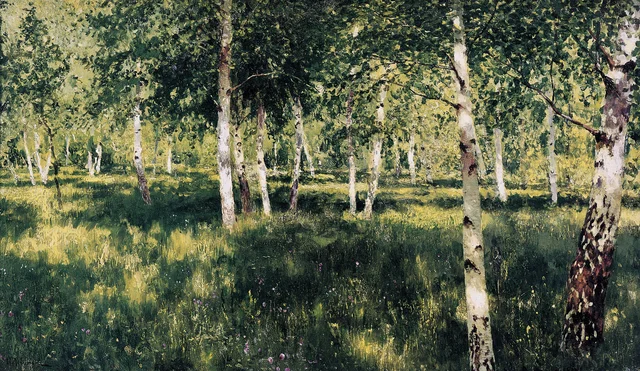 白桦林伊萨克·列维坦, 1889
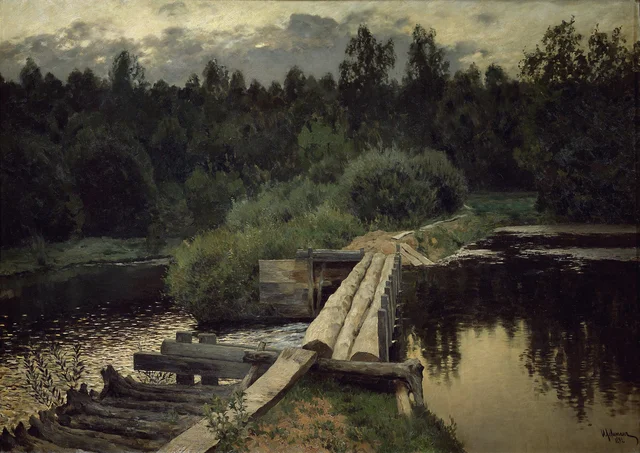 深潭旁伊萨克·列维坦, 1892
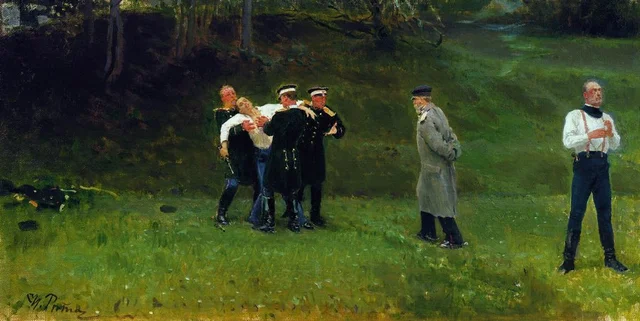 决斗伊里亚·列宾, 1896
 初雪瓦西里·波列诺夫, 1891
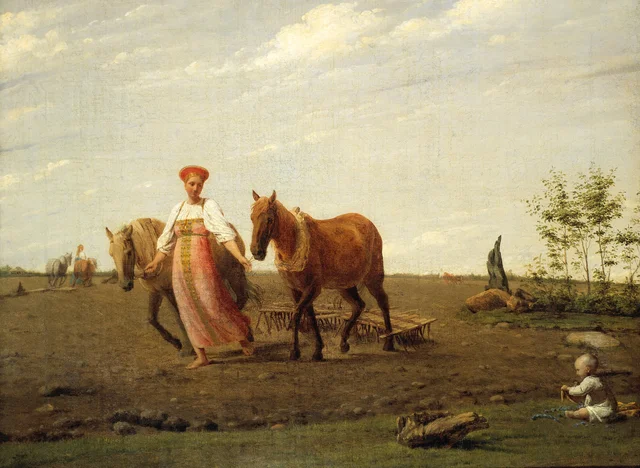 耕地上:春阿列克谢·韦涅齐阿诺夫, 1820
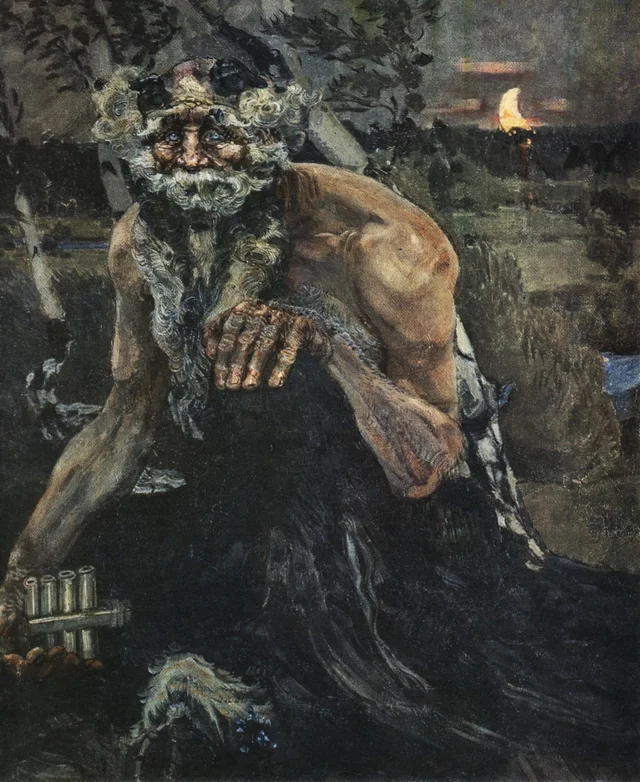 潘米哈伊尔·弗鲁贝尔, 1899