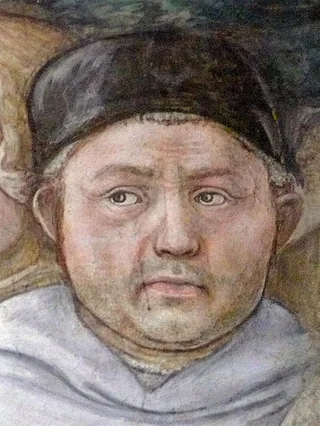
Filippo Lippi
1469 · Republik Florenz · Renaissance
Die Geschichte
Filippo Lippi war ein Mönch, der immer wieder vergaß, dass er ein Mönch war. Früh in Florenz verwaist, wurde er ins Karmeliterkloster an der Carmine gegeben, wo er als Junge Masaccio bei den Fresken zusehen konnte, die die florentinische Kunst neu erfanden, feste Gestalten mit echtem Gewicht in echtem Raum. Lippi legte die Gelübde ab, war aber zuerst Maler, und schließlich hielten sich die Medici, Florenz' herrschende Bankiersfamilie, ihn fast als Privatkünstler.
Um 1456, als Kaplan eines Klosters in Prato, begegnete er einer jungen Novizin namens Lucrezia Buti und entführte sie den Nonnen während einer religiösen Prozession. Der Skandal war ungeheuer. Das Paar bekam einen Sohn, Filippino, der ein feiner Maler eigenen Rechts wurde, und dem Biografen Vasari zufolge war es Cosimo de' Medici selbst, der die Sache am Ende glättete und die beiden aus ihren Gelübden entließ.
Durch all das hindurch malte Lippi einige der zärtlichsten Madonnen des Jahrhunderts, junge Frauen mit menschlichem Gesicht vor wirklichen Landschaften. Sein wichtigster Schüler nahm genau diese Süße der Linie auf, Sandro Botticelli, der sie in die nächste Generation trug. Lippi starb 1469 in Spoleto, wo er an Fresken im Dom arbeitete.
Weitere Artikel
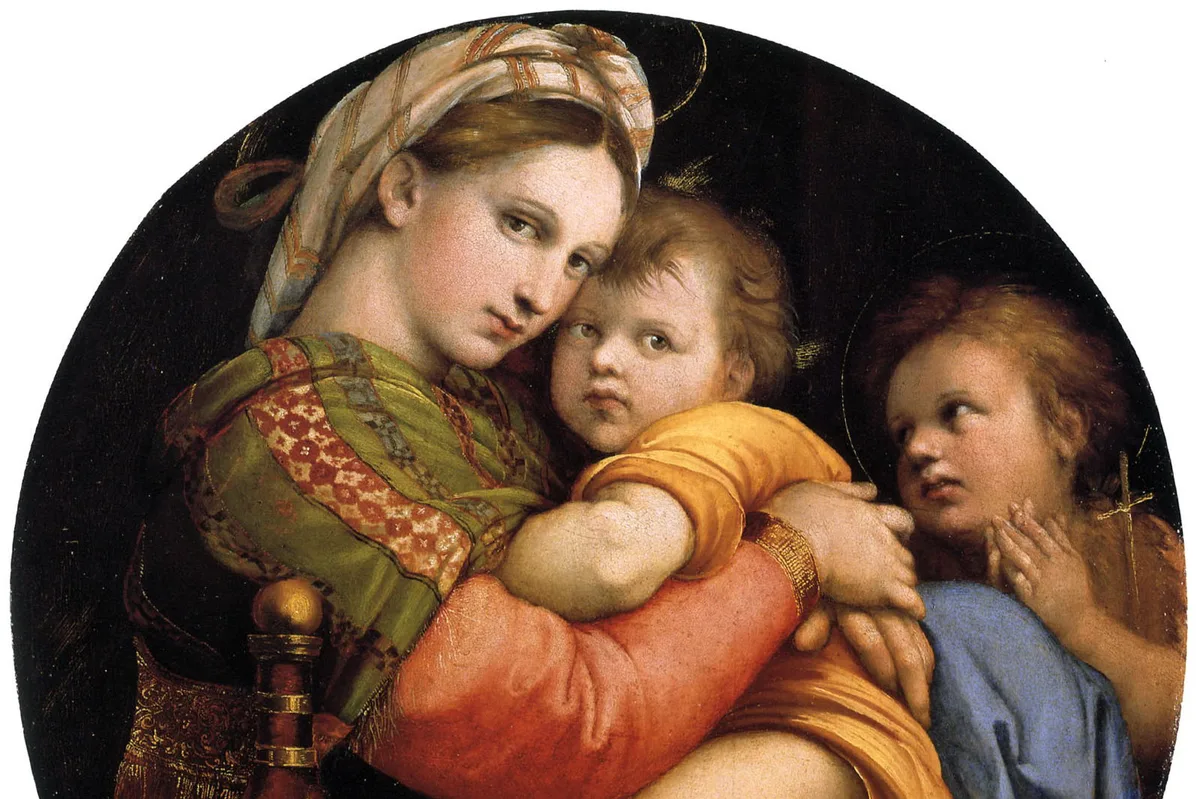
Werke
27 Werke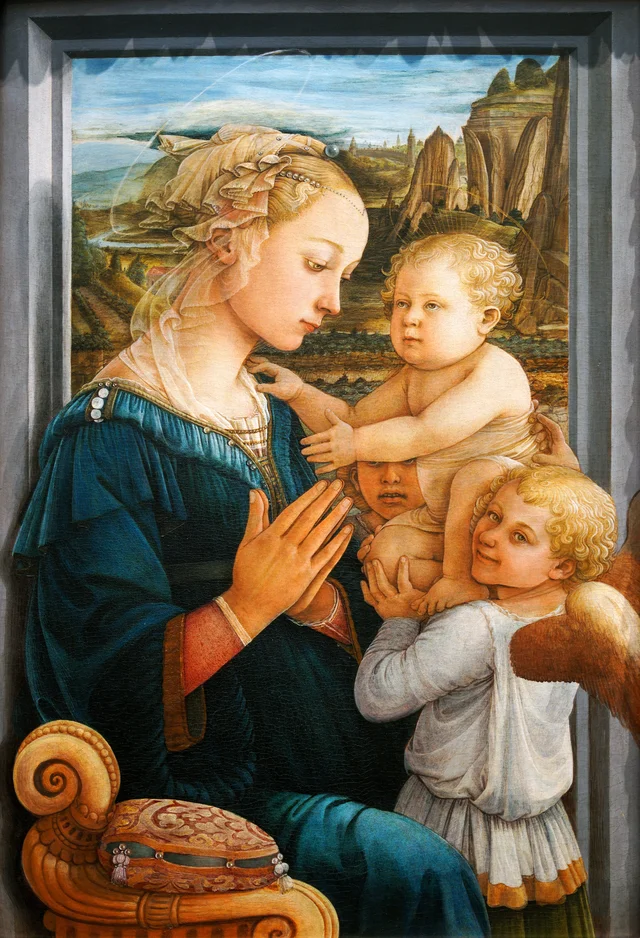 Madonna mit KindFilippo Lippi, 1460
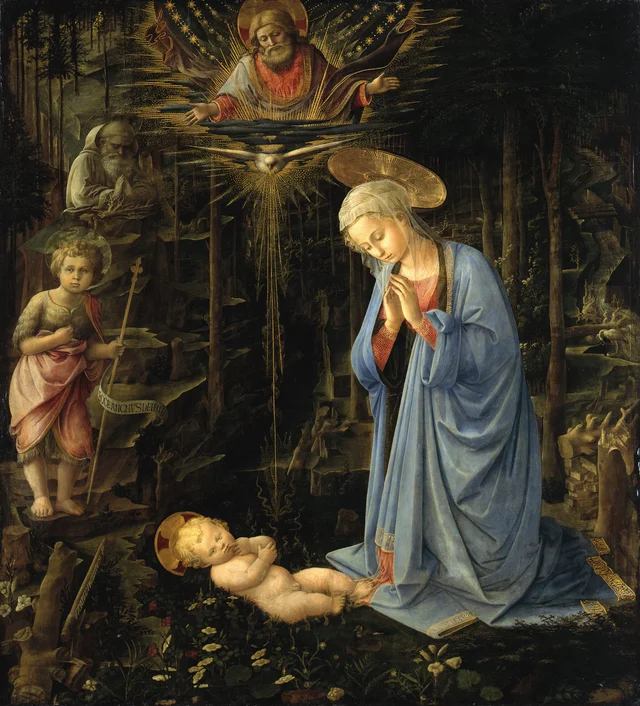 Anbetung im WaldeFilippo Lippi, 1459
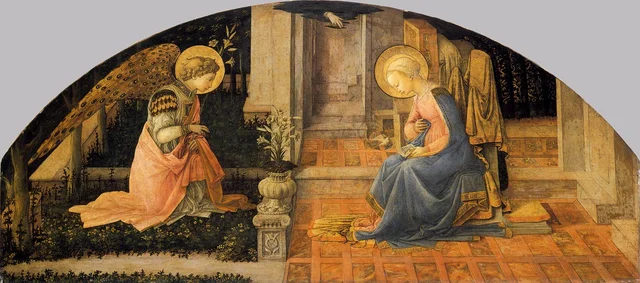 VerkündigungFilippo Lippi, 1450
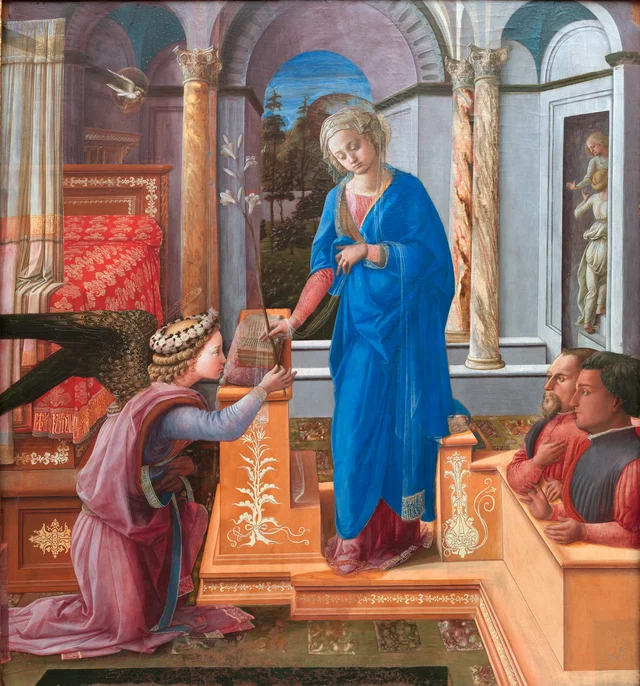 Verkündigung mit zwei knienden StifternFilippo Lippi, 1445
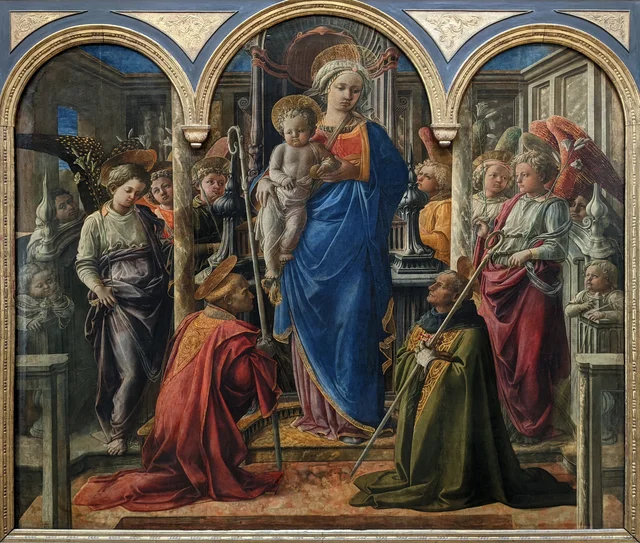 Barbadori-Altar und PredellaFilippo Lippi, 1437
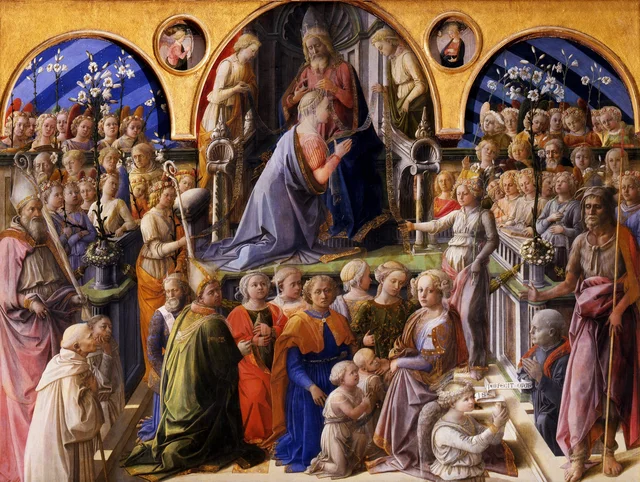 Krönung MariäFilippo Lippi, 1441
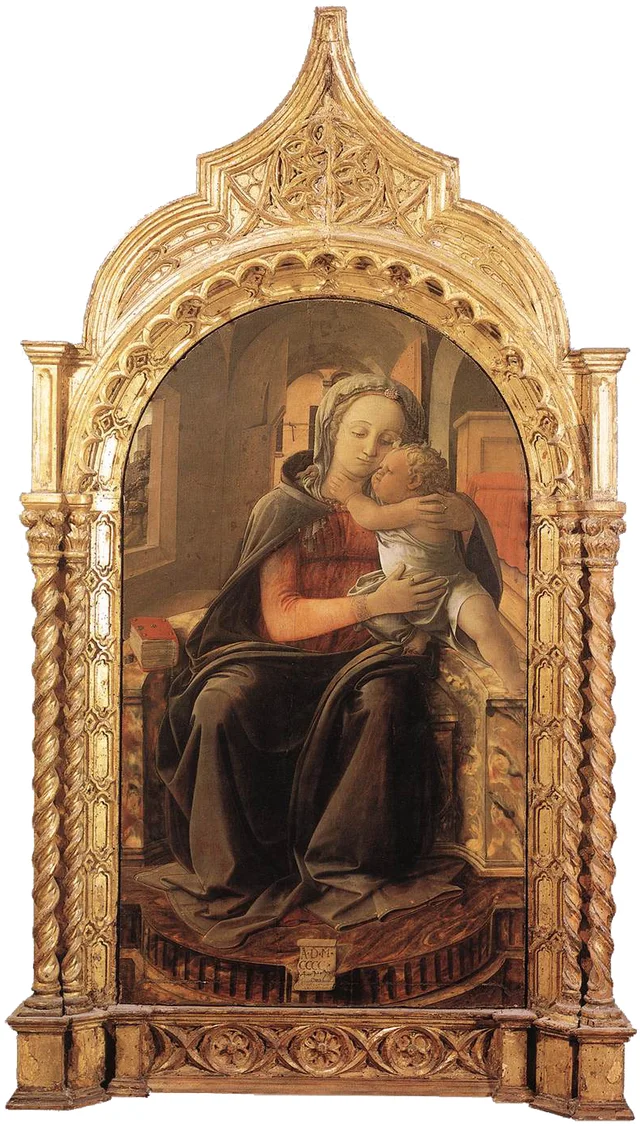 Thronende Madonna mit KindFilippo Lippi, 1437
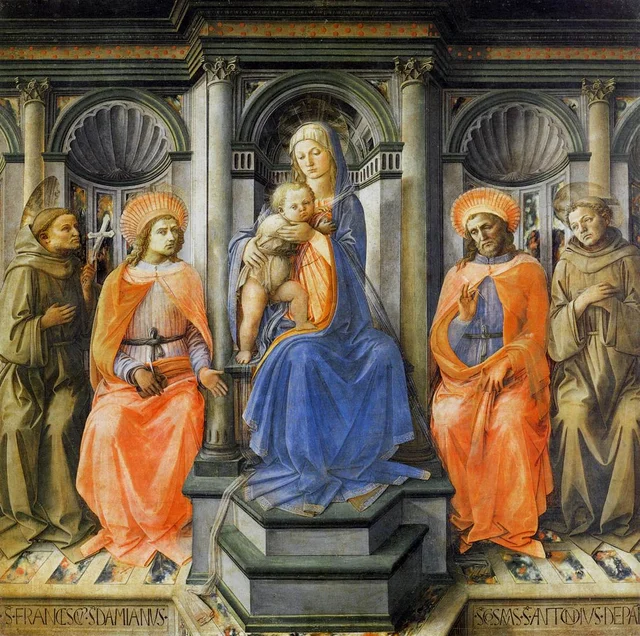 Madonna mit Kind und den Heiligen Franziskus, Damian, Kosmas und Antonius von PaduaFilippo Lippi, 1440
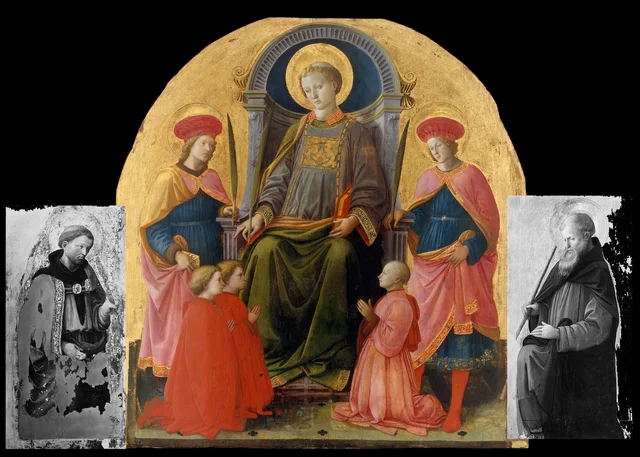 Der thronende heilige Laurentius mit Heiligen und StifternFilippo Lippi, 1453
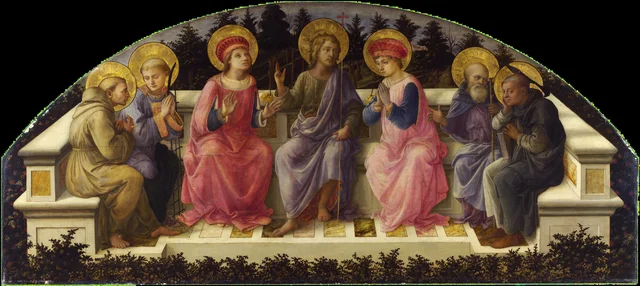 Sieben HeiligeFilippo Lippi, 1449
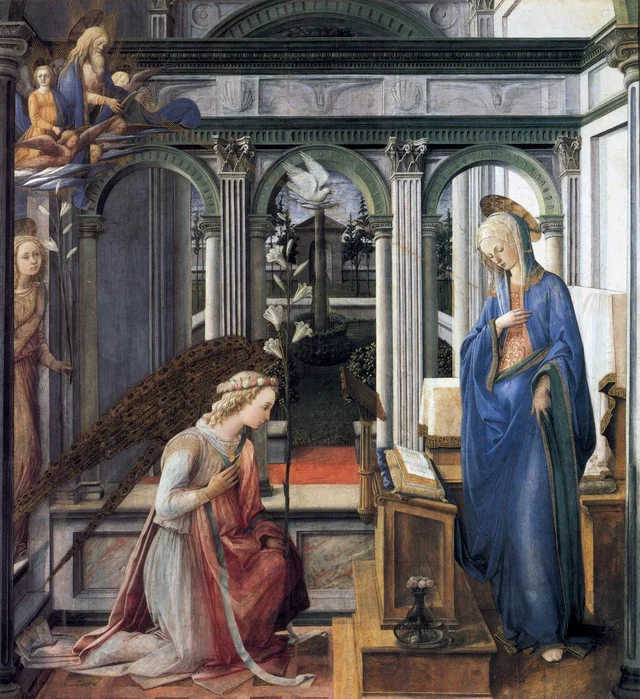 Die VerkündigungFilippo Lippi, 1447
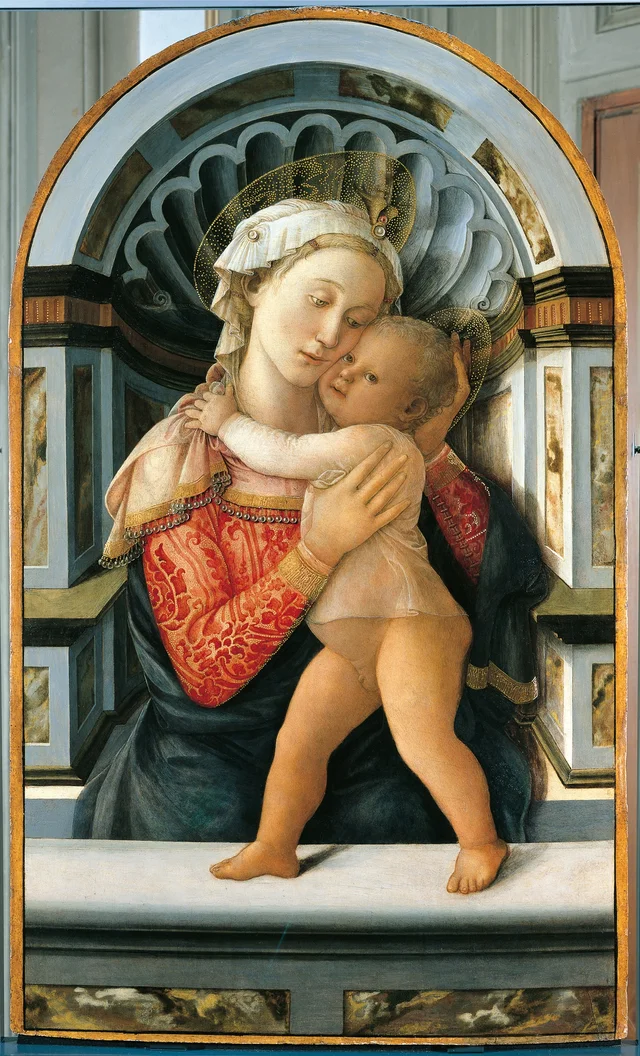 Madonna aus dem Palazzo Medici-RiccardiFilippo Lippi, 1466
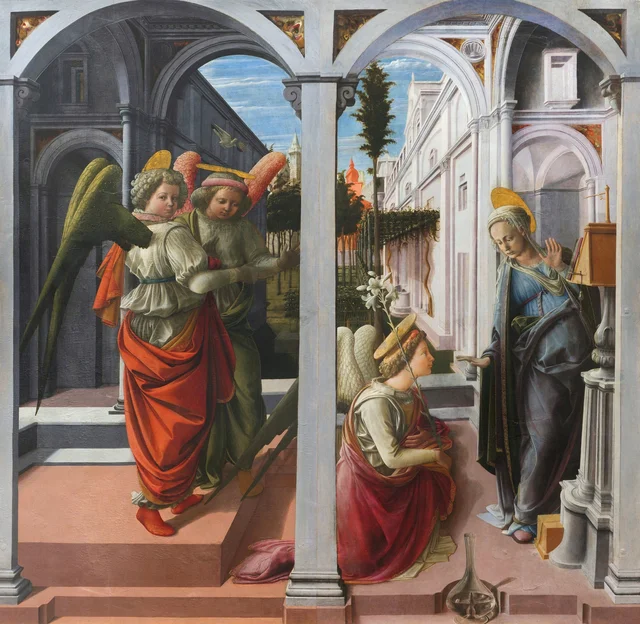 Verkündigung MartelliFilippo Lippi, 1445
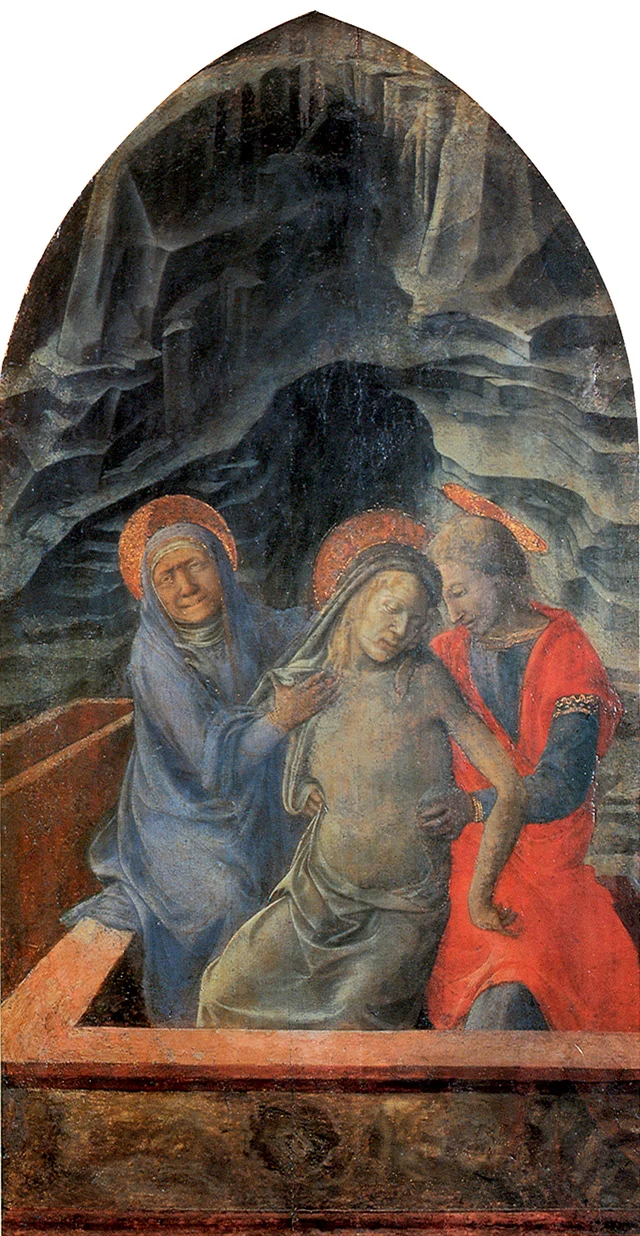 PietàFilippo Lippi, 1437
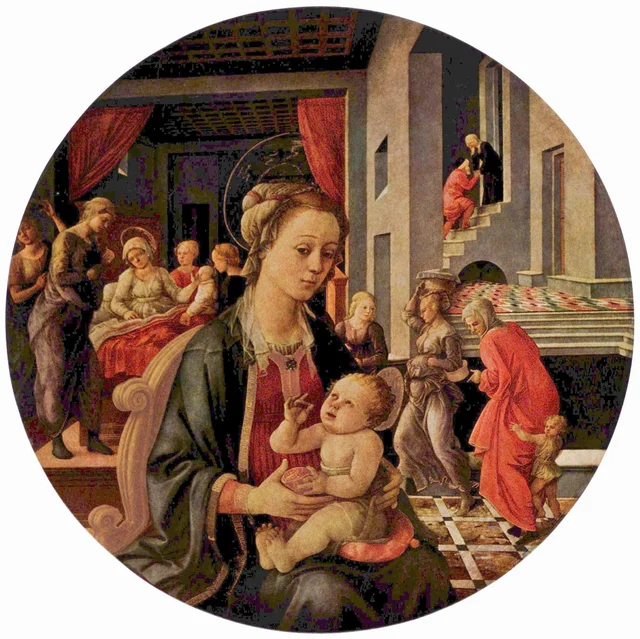 Madonna mit Kind und Szenen aus dem Leben der heiligen AnnaFilippo Lippi, 1452
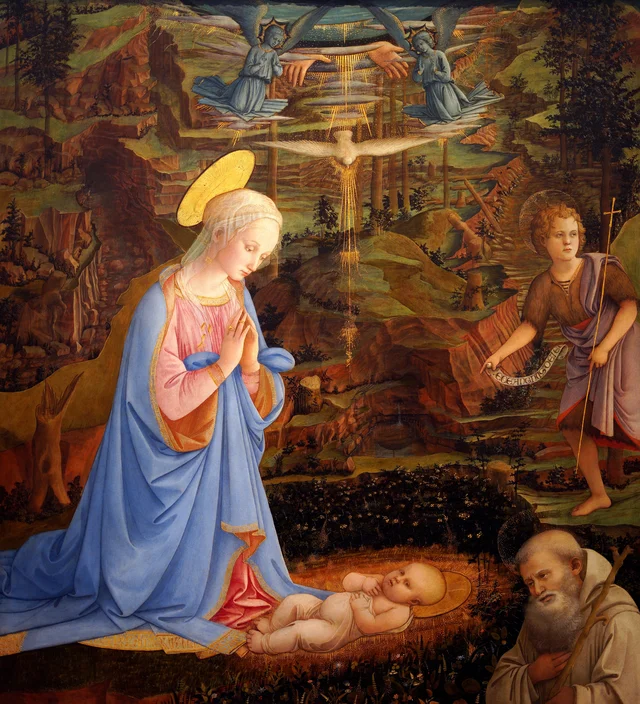 Anbetung von CamaldoliFilippo Lippi, 1463
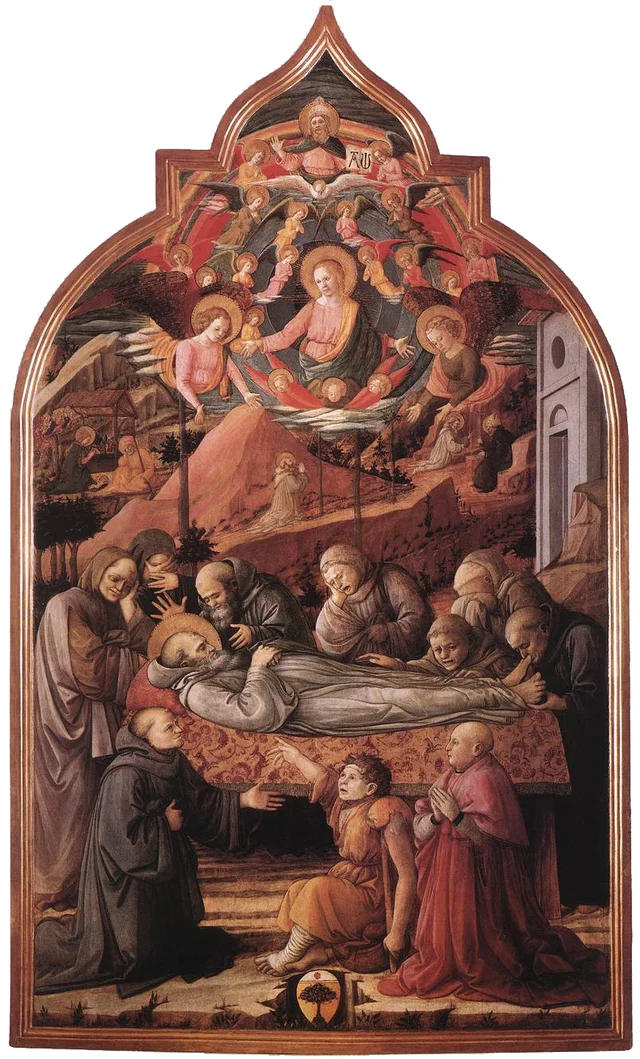 Begräbnis des heiligen HieronymusFilippo Lippi, 1452
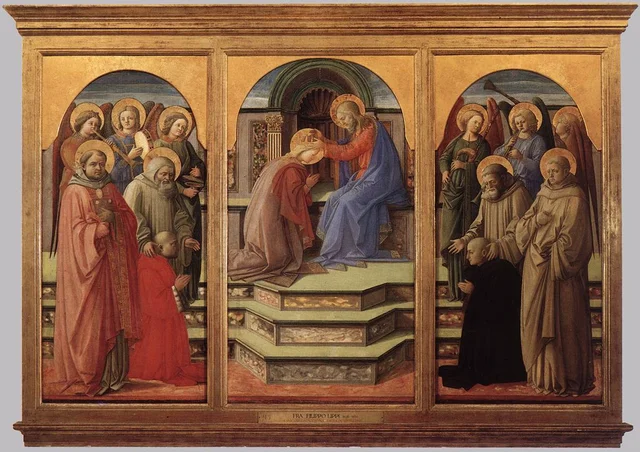 Marsuppini-KrönungFilippo Lippi, 1444
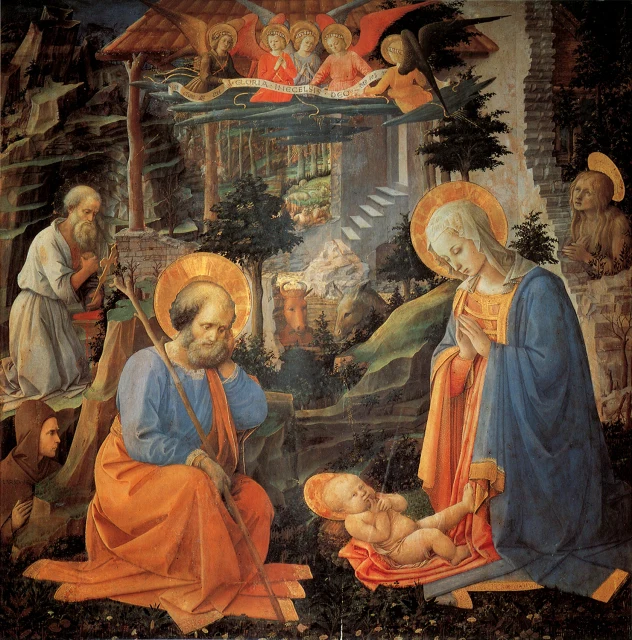 Anbetung des Kindes mit den Heiligen Josef, Hieronymus, Hilarion, Magdalena und EngelnFilippo Lippi, 1455
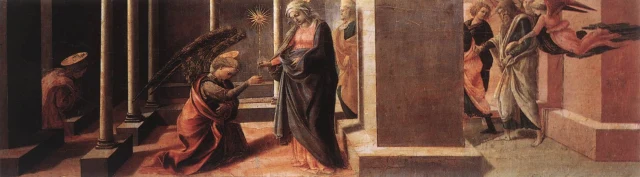 Verkündigung des Todes MariäFilippo Lippi, 1438
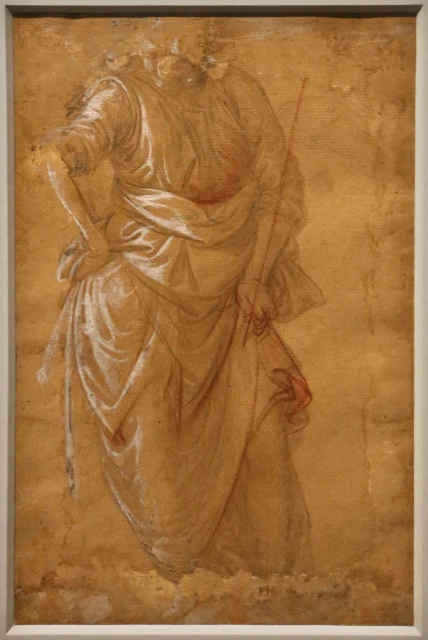 FigurenstudieFilippo Lippi, 1464
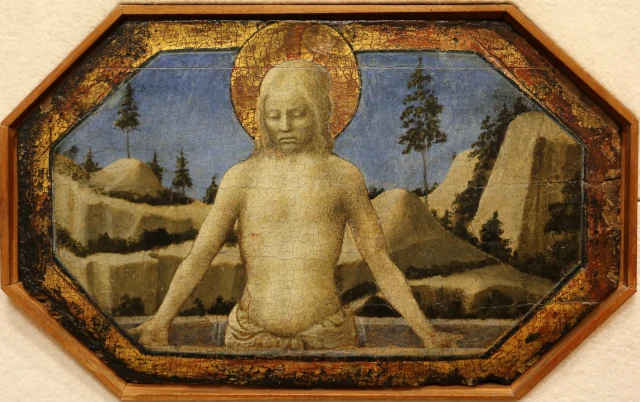 SchmerzensmannFilippo Lippi
 Predella des Barbadori-AltarsFilippo Lippi, 1438
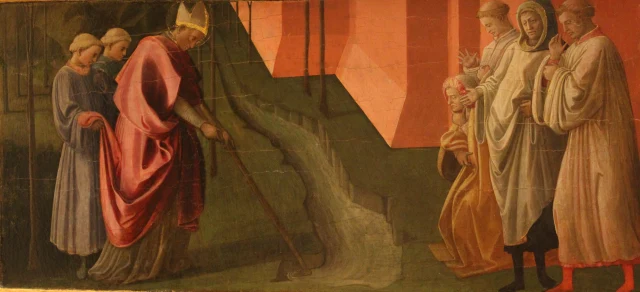 Der heilige Fridianus leitet den Fluss Serchio umFilippo Lippi, 1438