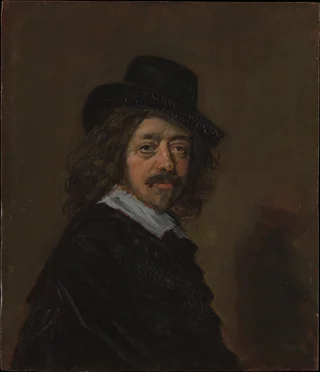
Frans Hals
1582–1666 · Republik der Vereinigten Niederlande · Barock
Die Geschichte
Um 1585 floh eine protestantische Familie aus Antwerpen nach Haarlem, in die junge Niederländische Republik, eine unter Tausenden von Flüchtlingsfamilien, die der Krieg mit Spanien nach Norden trieb. Unter den Kindern war Frans Hals, der den Rest seines Arbeitslebens damit verbrachte, die Kaufleute, Brauer und Milizoffiziere ebenjener aufstrebenden Stadt zu malen.
Sein Durchbruch kam 1616, als die Haarlemer Sankt-Georgs-Bürgerwehr ihn beauftragte, ihre Offiziere gemeinsam zu porträtieren – eine Gruppenporträt-Tradition, mit der niederländische Städte die Bürgersoldaten ehrten, die zur Erringung ihrer Unabhängigkeit beigetragen hatten. Hals verwandelte die übliche steife Reihenaufstellung in etwas, das wie mitten im Trinkspruch eingefangen wirkte, mit geröteten Gesichtern und Händen locker am Degenknauf, aufgebaut aus schnellen, sichtbaren Pinselstrichen statt der glatten Vollendung, die die meisten Porträtisten bevorzugten. Der Stil machte ihn zwei Jahrzehnte lang zum gefragtesten Maler Haarlems, und Jahrhunderte später studierten Maler wie Édouard Manet ebendiesen lockeren Pinselstrich als Vorbild, um einen lebendigen Moment auf der Leinwand einzufangen.
Die Mode zog weiter, ehe er es tat. In den 1650er-Jahren versiegten die Aufträge, und 1652 zeigen Gerichtsakten, dass er seine Möbel versteigerte, um eine Schuld zu begleichen. Seine letzten Jahre verbrachte er von einer kleinen Rente, die ihm der Haarlemer Stadtrat 1664 gewährte, zwei Jahre vor seinem Tod, wobei er weiterhin gelegentlich Gruppenporträts für dieselbe Art von Bürgergremien malte, die einst seinen Namen bekannt gemacht hatten.
Weitere Artikel
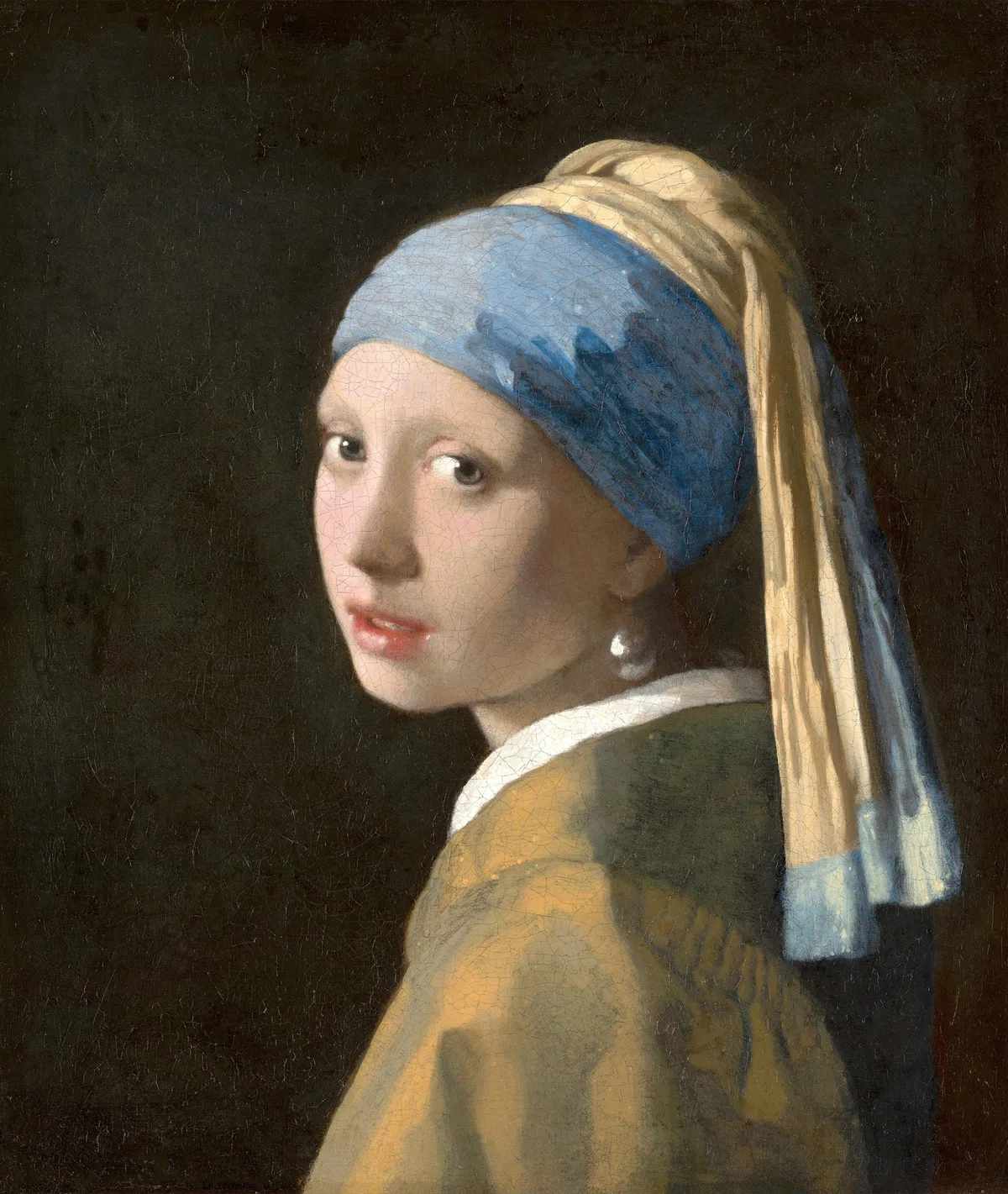 Artikel · 40 Min. LesezeitDas Mauritshuis in Den Haag: 20 Bilder und wie sie hierherkamen
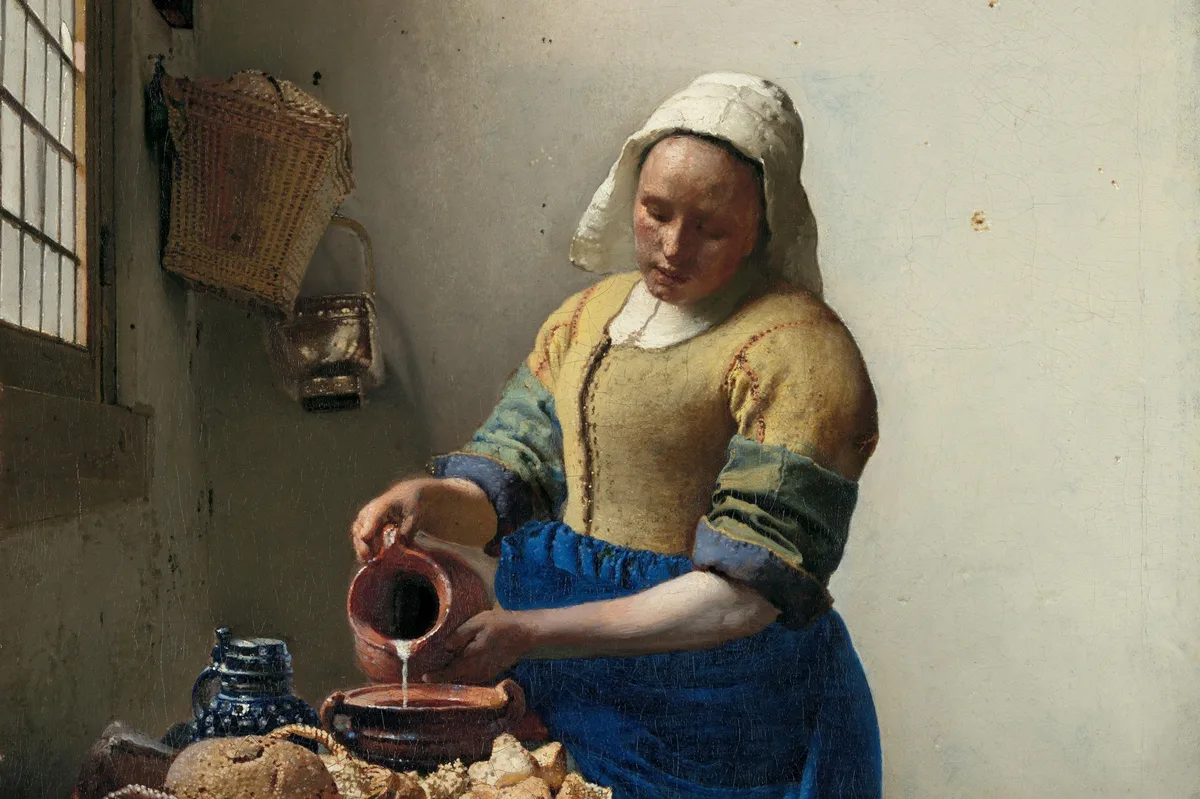 Artikel · 52 Min. LesezeitDas Rijksmuseum in Amsterdam: 25 Werke und ihre Besitzer
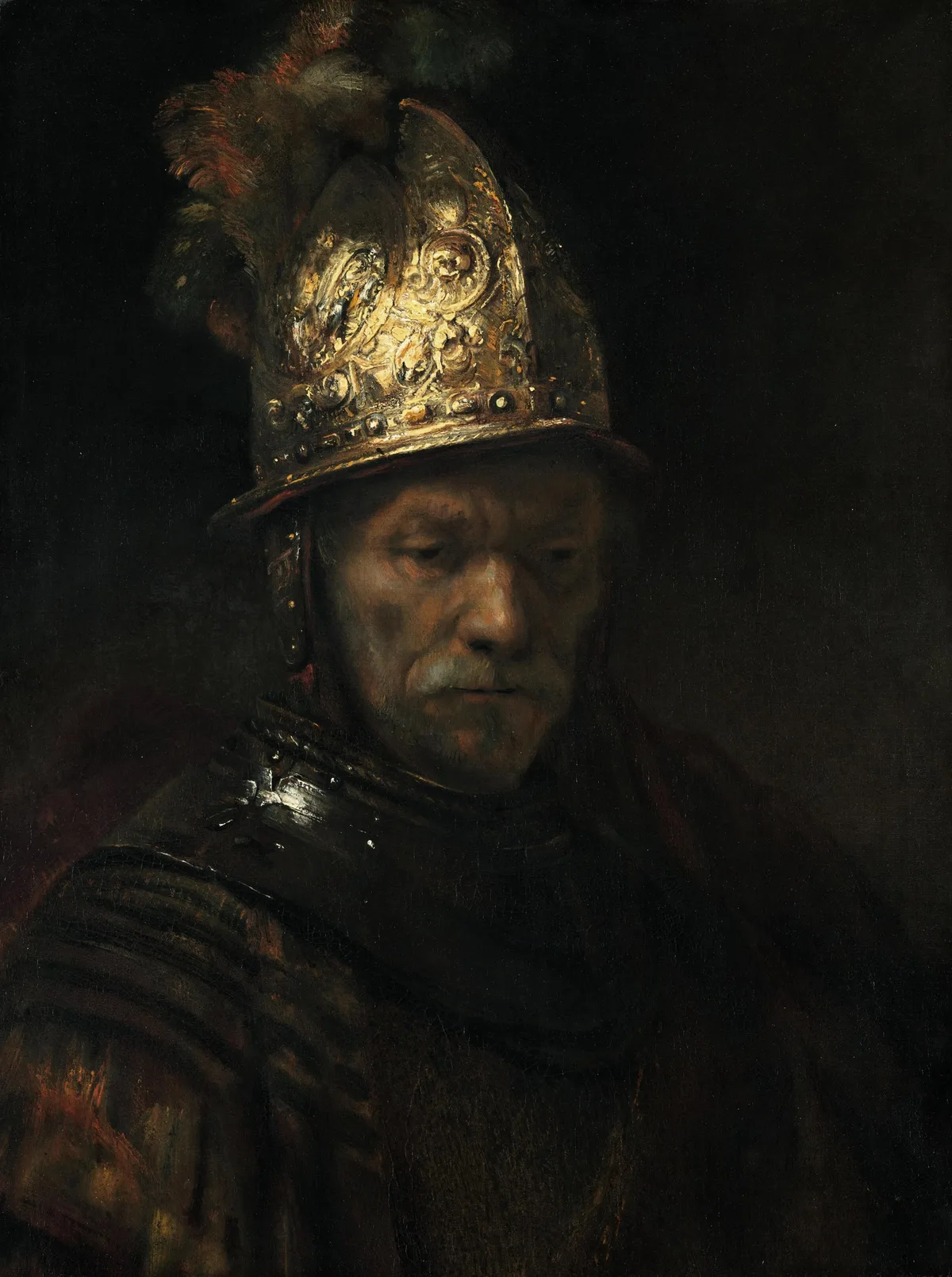 Artikel · 39 Min. LesezeitGemäldegalerie Berlin: 20 Bilder, die Berlin kaufte, verlor und teilte
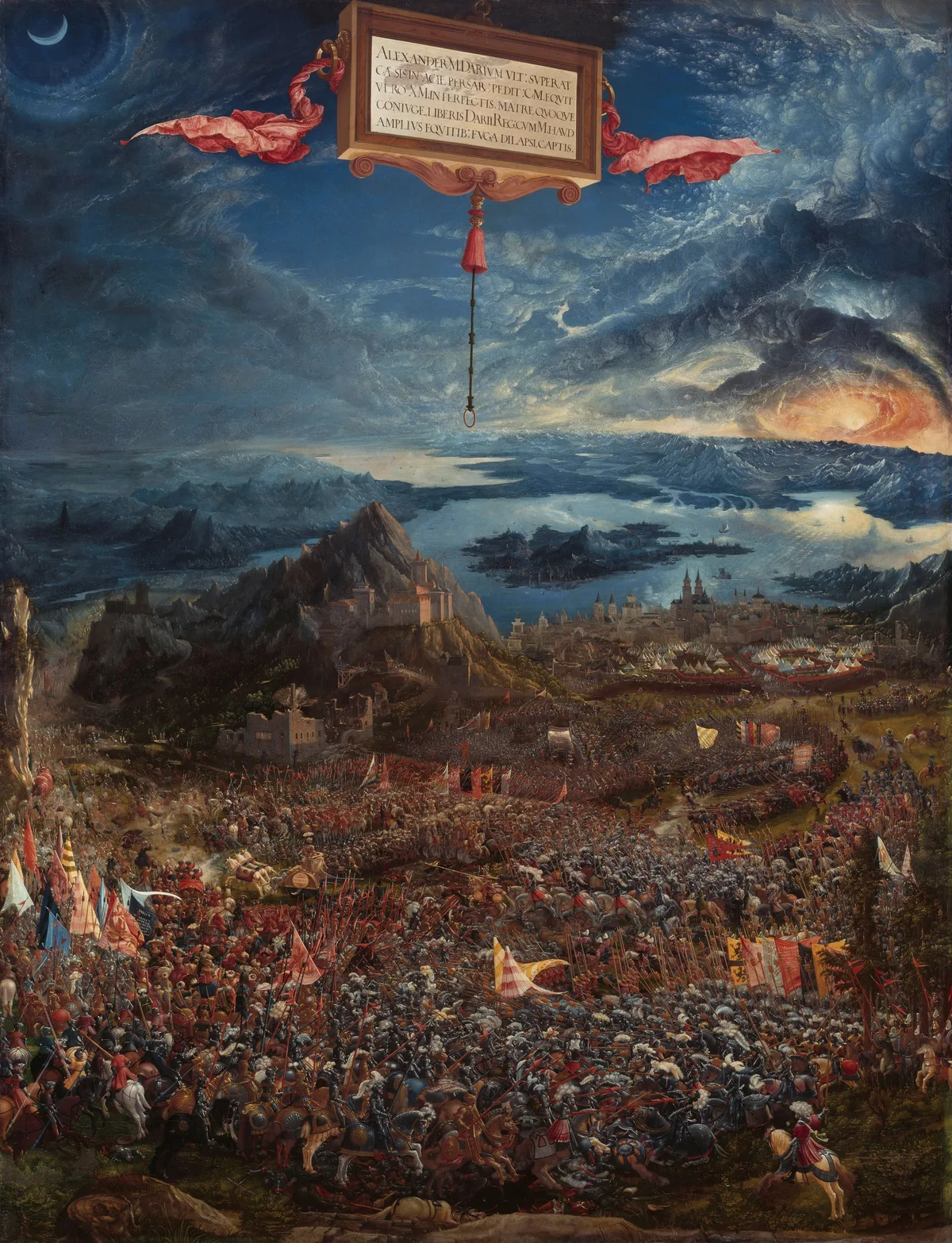 Artikel · 38 Min. LesezeitAlte Pinakothek: 20 Gemälde und wie sie nach München kamen
Werke
110 Werke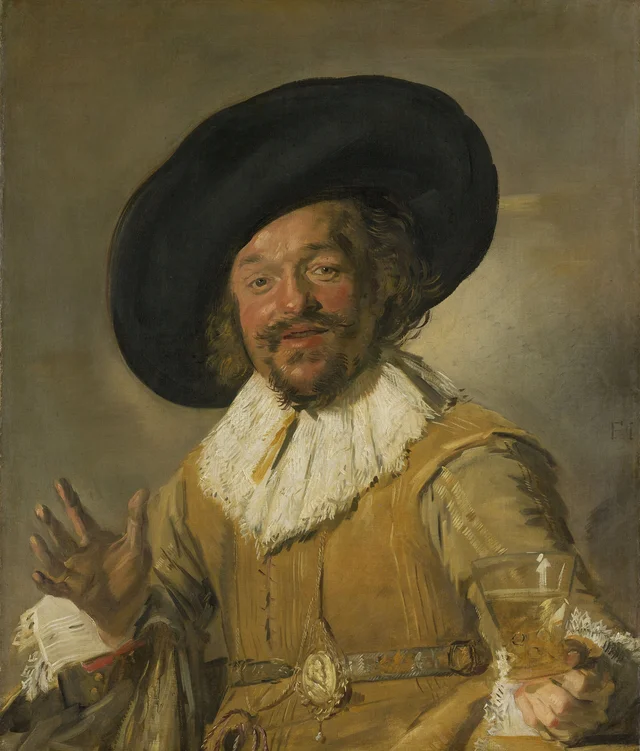 Ein Schütze mit einem Berkemeyer, bekannt als 'Der fröhliche Trinker'Frans Hals, 1629
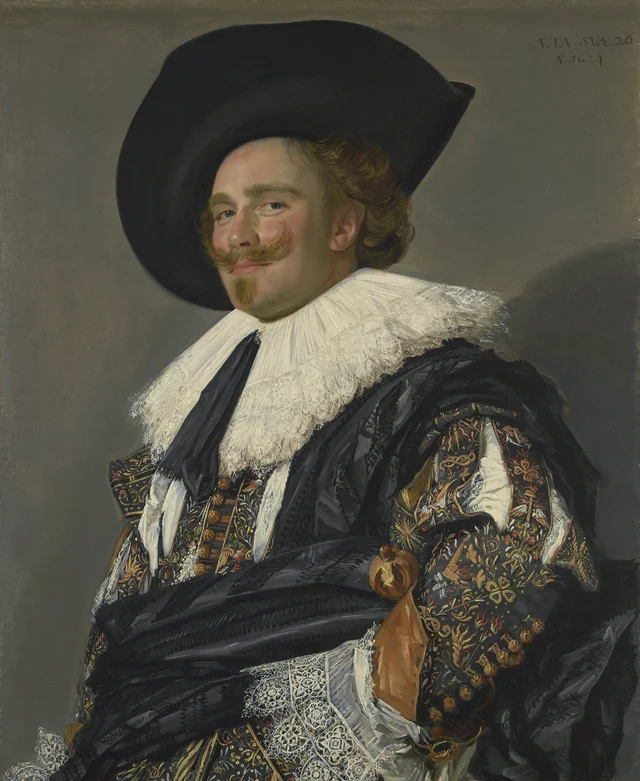 Der lachende KavalierFrans Hals, 1624
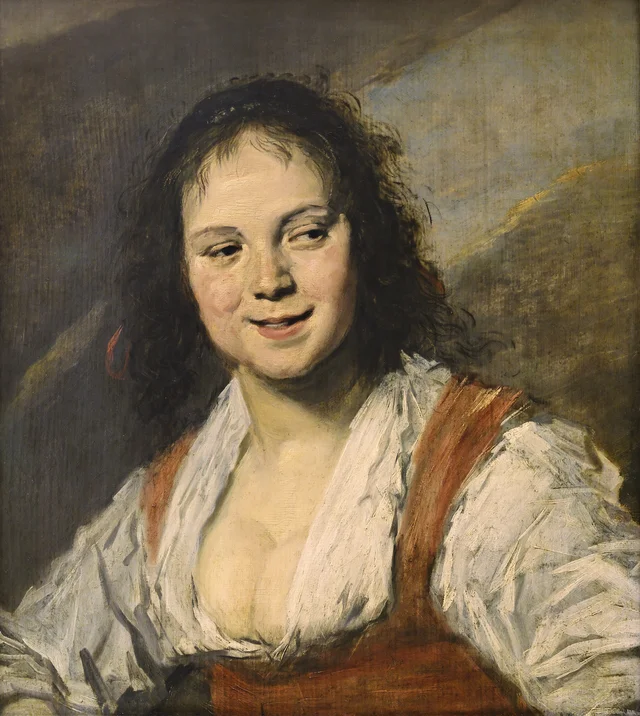 Die ZigeunerinFrans Hals, 1628
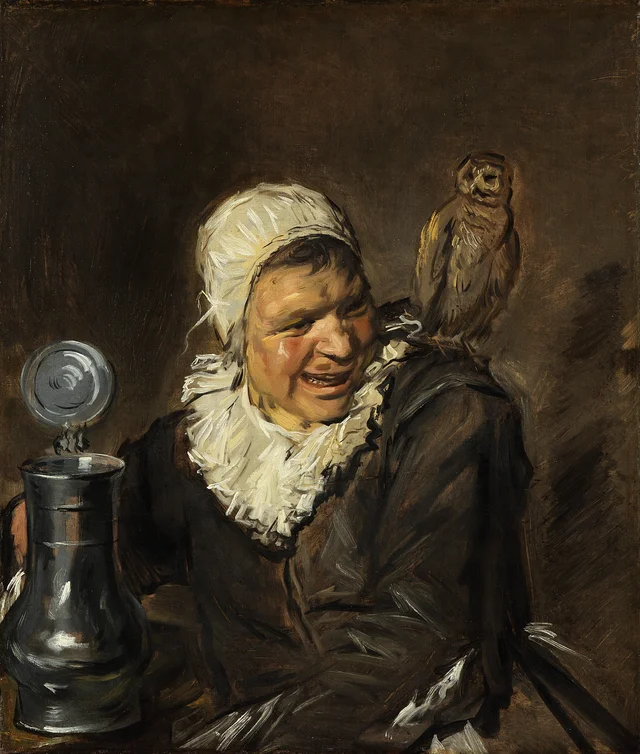 Malle BabbeFrans Hals, 1640
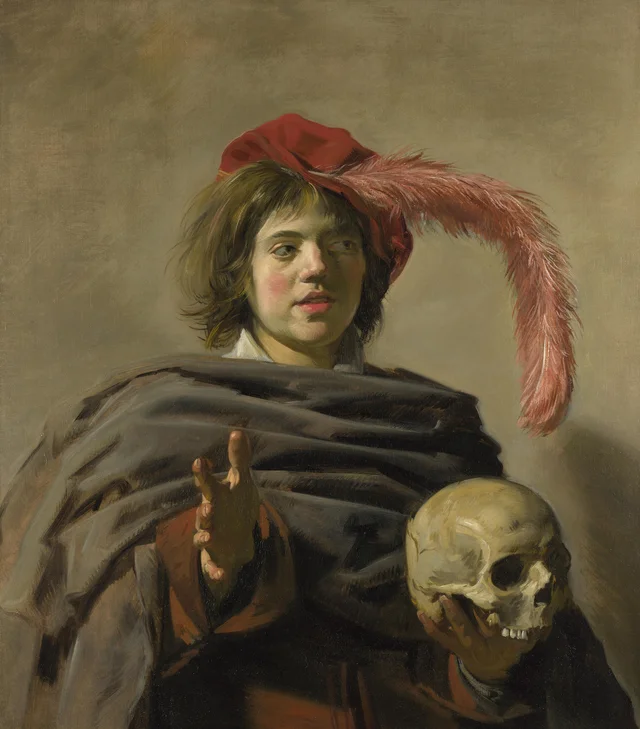 Bildnis eines jungen Mannes mit TotenschädelFrans Hals, 1626
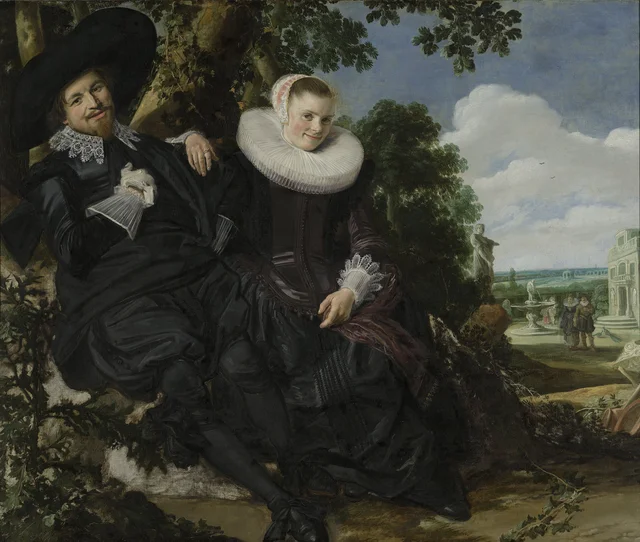 Bildnis eines Paares, vermutlich Isaac Massa und Beatrix van der LaenFrans Hals, 1622
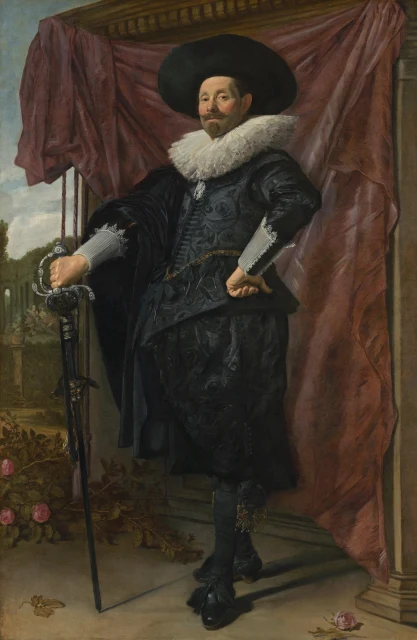 Willem van Heythuysen mit einem SchwertFrans Hals, 1625
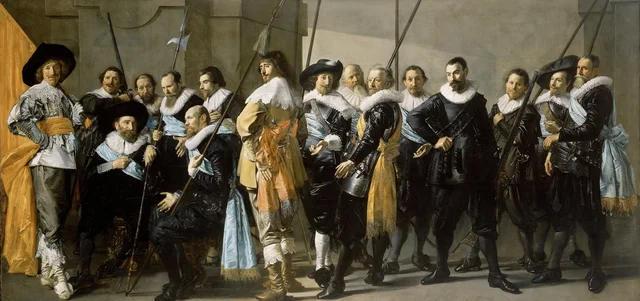 Die Schützenkompanie des Bezirks XI unter dem Kommando von Hauptmann Reynier ReaelFrans Hals, 1633
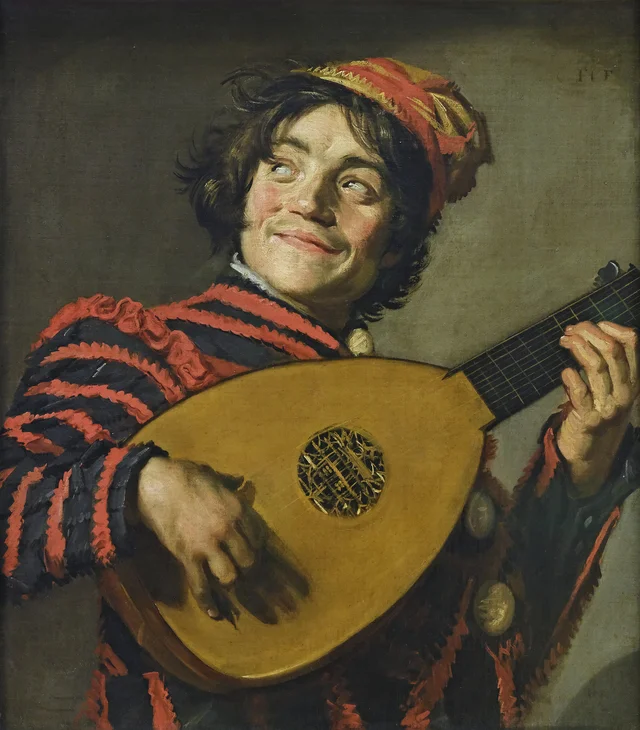 Narr mit LauteFrans Hals, 1623
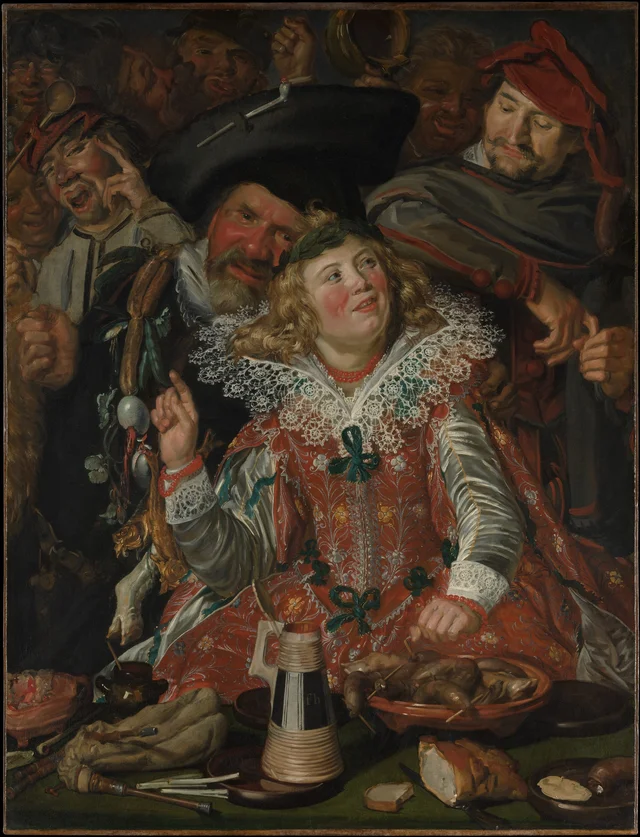 FastnachtsgesellschaftFrans Hals, 1616
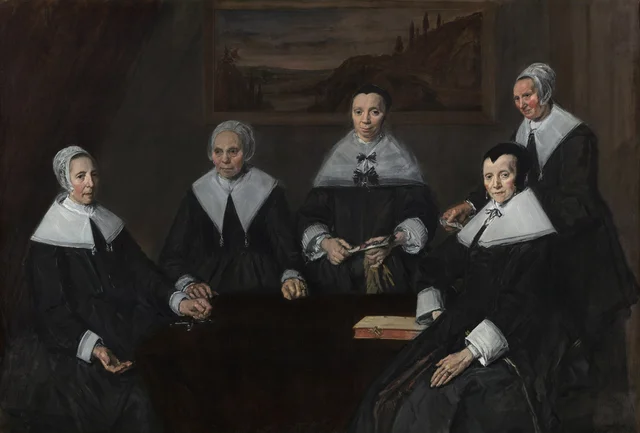 Die Regentinnen des AltmännerhausesFrans Hals, 1664
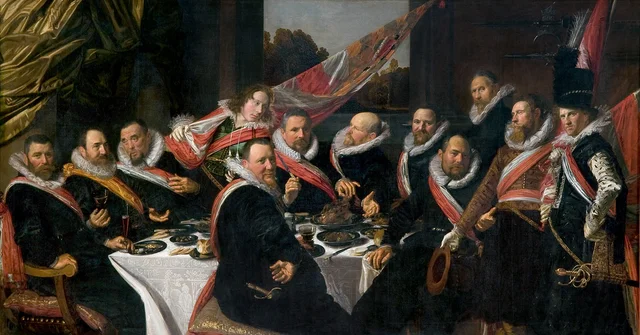 Das Bankett der Offiziere der St.-Georgs-Schützengilde von 1616Frans Hals, 1616
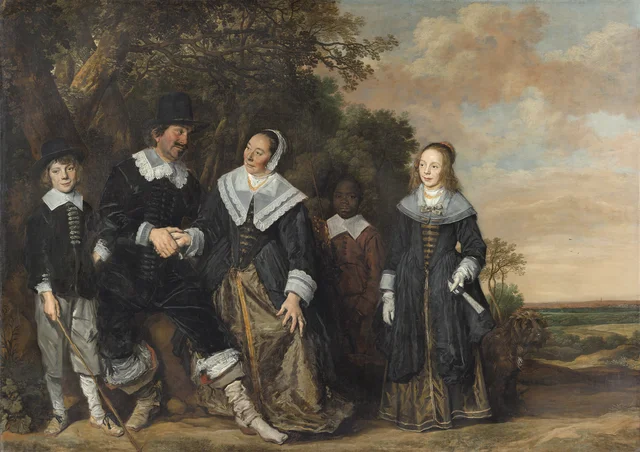 Familiengruppe in einer LandschaftFrans Hals, 1640
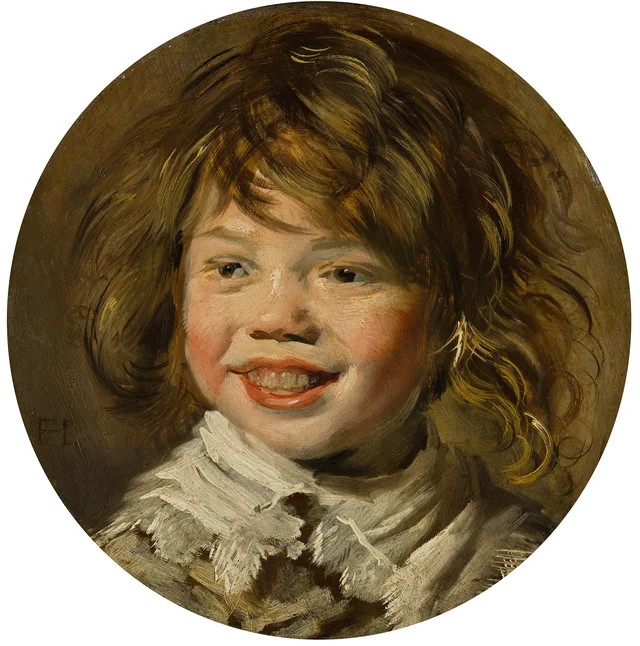 Lachender JungeFrans Hals, 1627
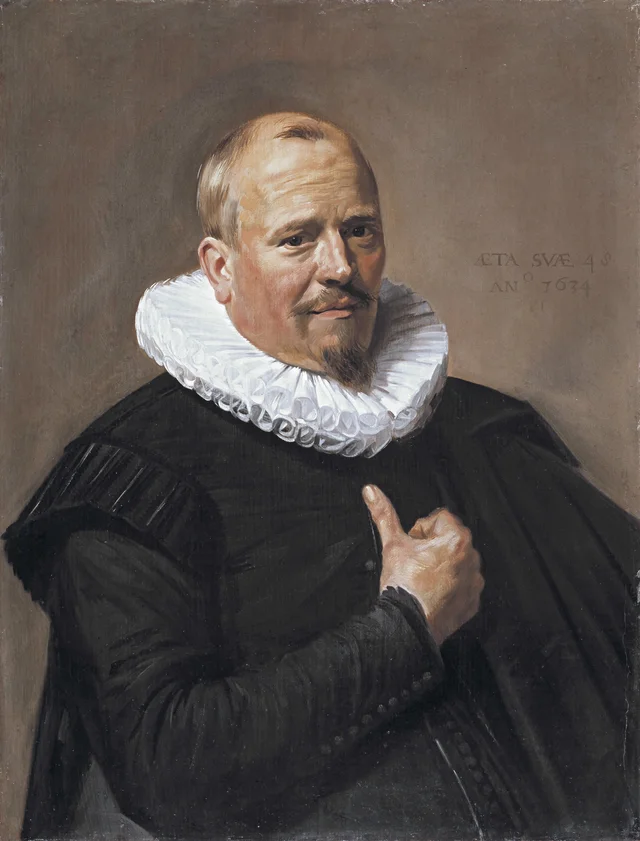 Bildnis eines MannesFrans Hals, 1634
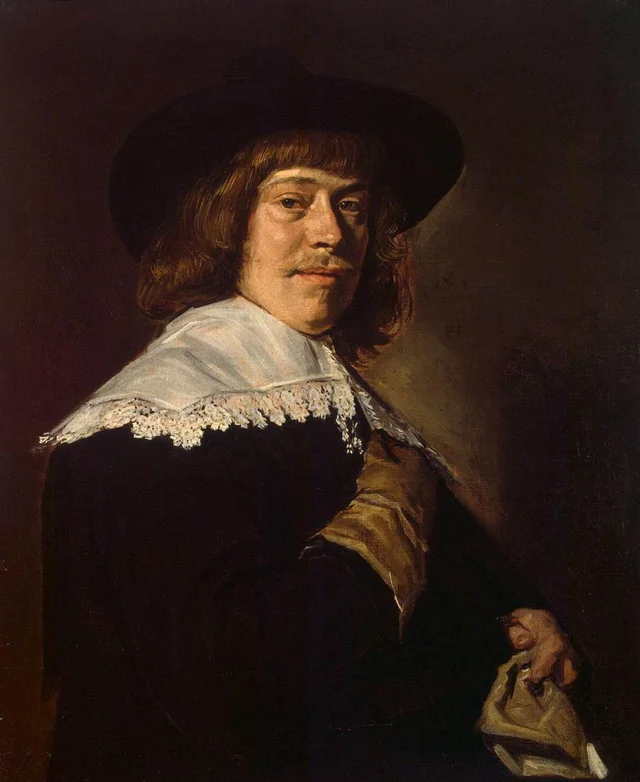 Bildnis eines jungen Mannes mit HandschuhFrans Hals, 1650
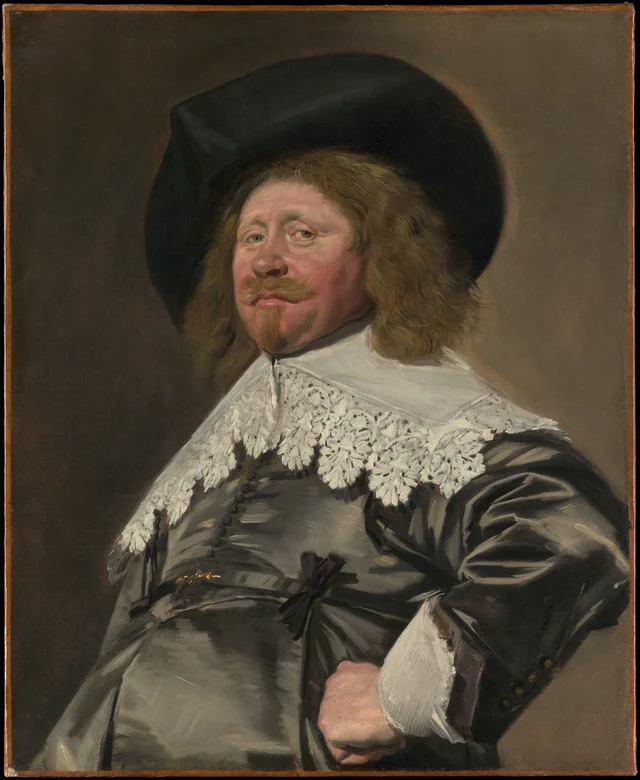 Bildnis des Claes Duyst van VoorhoutFrans Hals, 1638
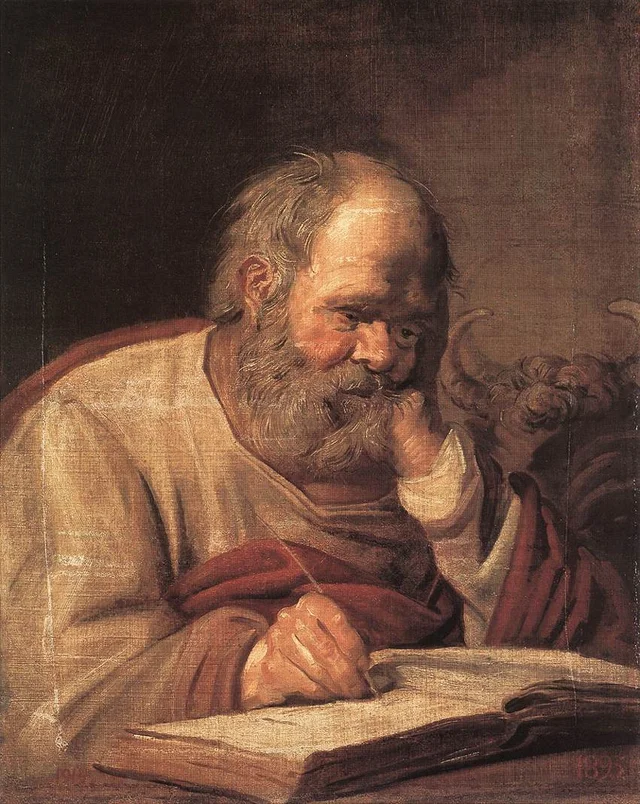 Heiliger LukasFrans Hals, 1625
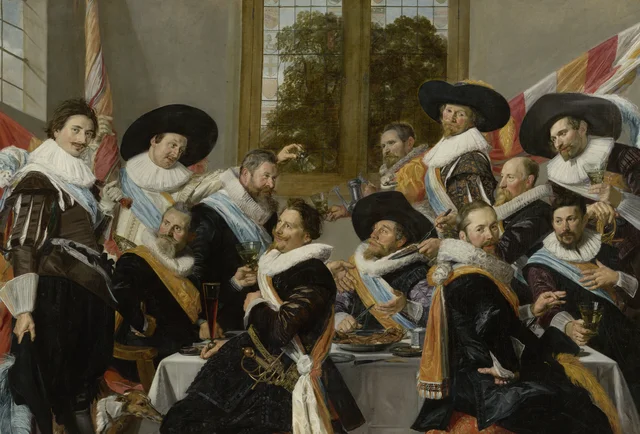 Das Bankett der Offiziere der Bürgerwehr der BüchsenschützenFrans Hals, 1627
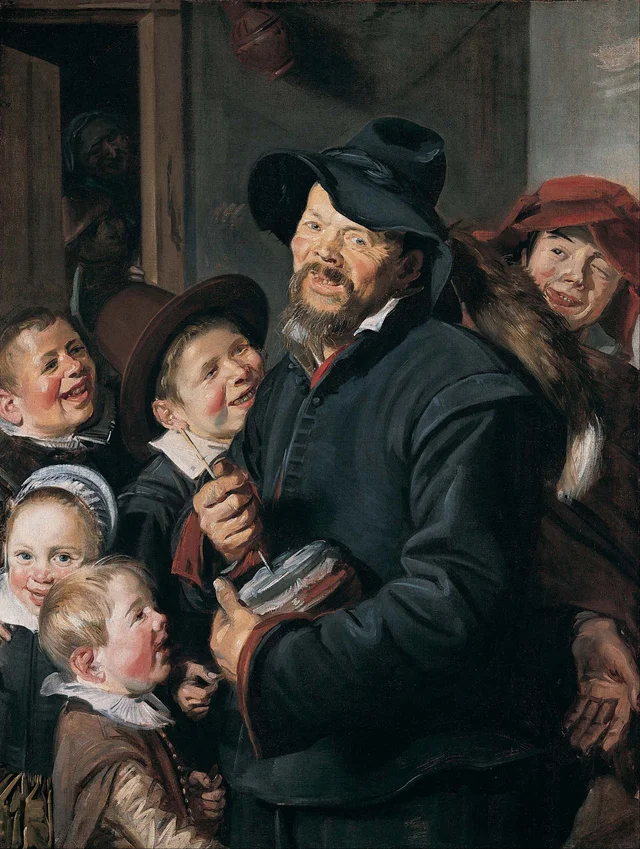 Der RommelpottspielerFrans Hals, 1618
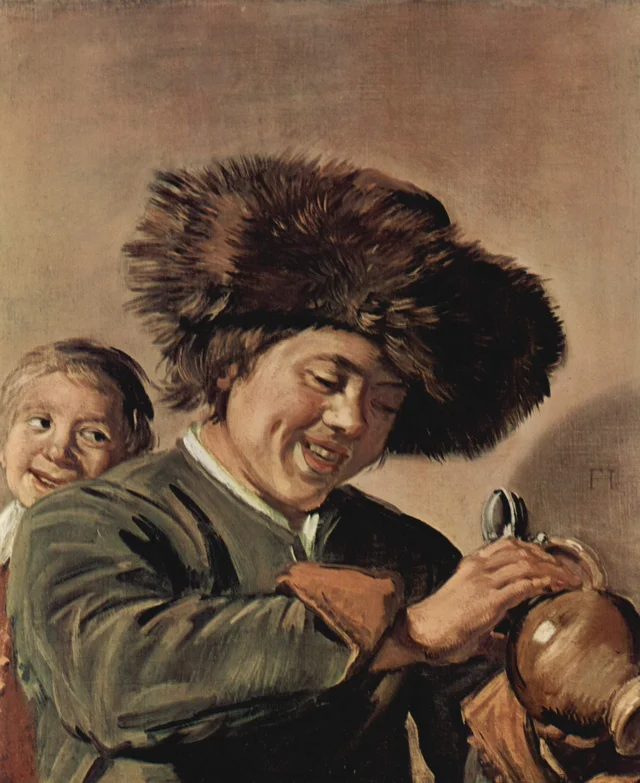 Zwei lachende Jungen mit BierkrugFrans Hals, 1626
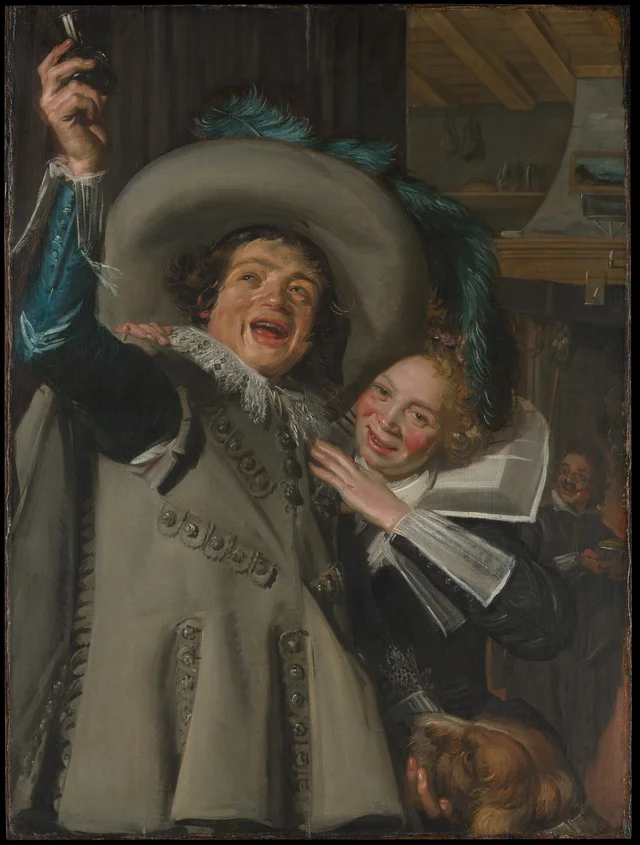 Junger Mann und Frau in einem WirtshausFrans Hals, 1623
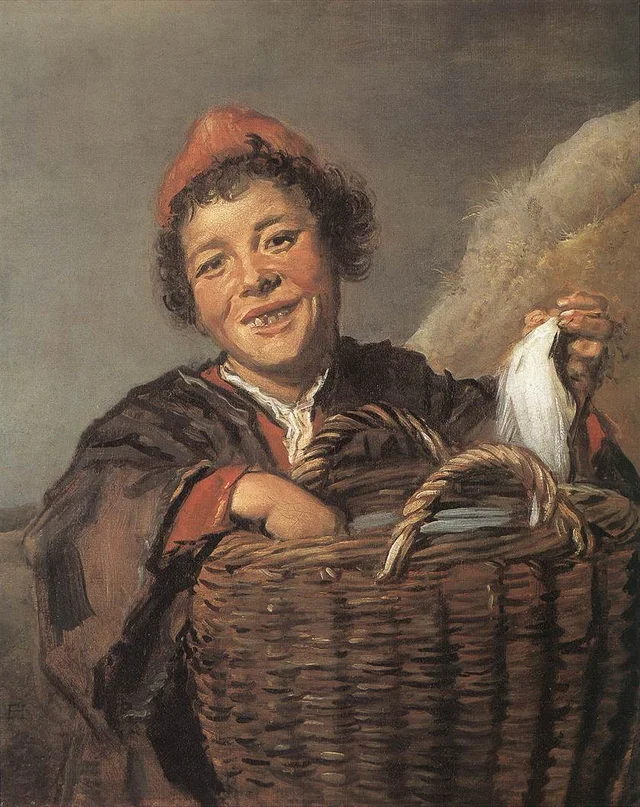 Fischerjunge mit KorbFrans Hals, 1630
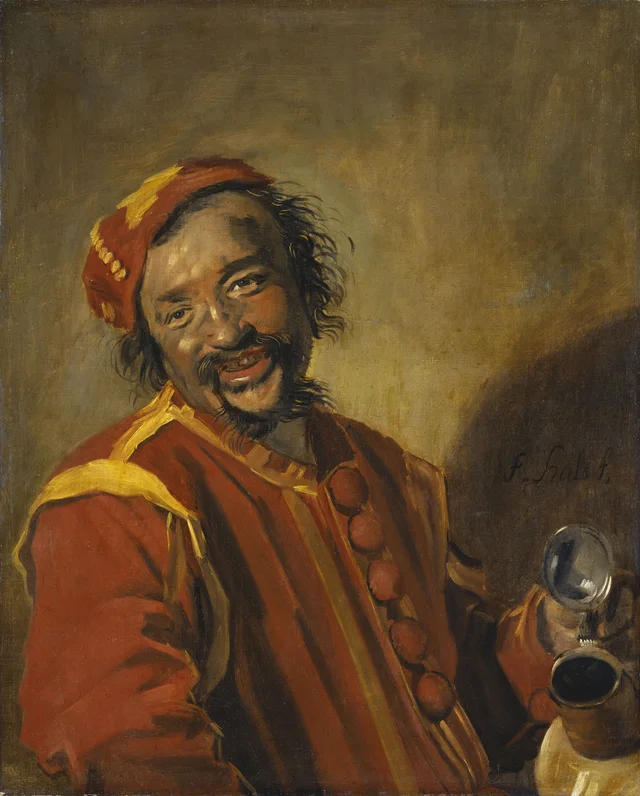 Peeckelhaering (Der lustige Zecher)Frans Hals, 1620
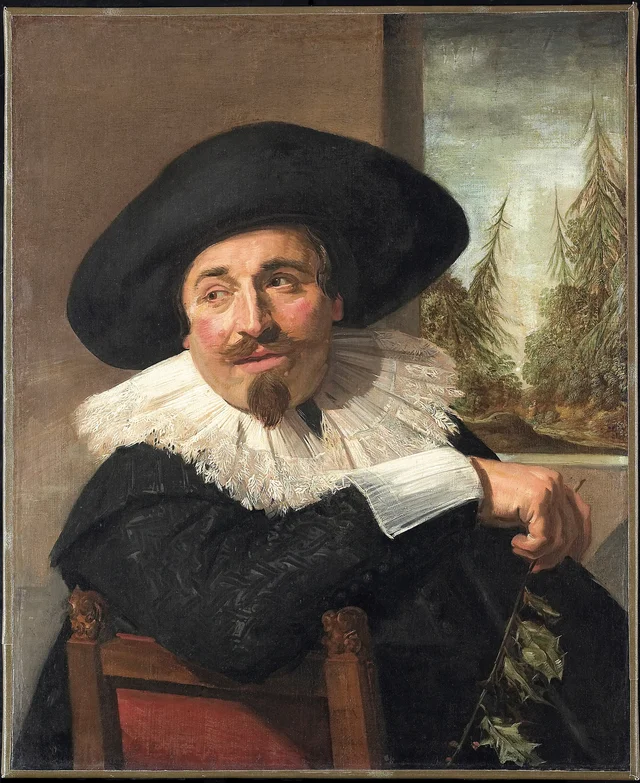 Porträt des Isaak Abrahamsz. MassaFrans Hals, 1626