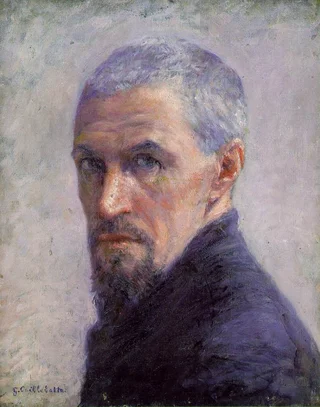
Gustave Caillebotte
1848–1894 · Frankreich · Impressionismus
Die Geschichte
Gustave Caillebotte konnte es sich leisten, zu malen, was ihm gefiel. 1848 in eine reiche Pariser Familie geboren, musste er nie ein Bild verkaufen, und einen Teil seines Vermögens gab er dafür aus, die Werke von Freunden zu kaufen, die das Kunstestablishment noch immer abtat, die Impressionisten.
Seine eigenen Bilder waren schärfer und kühler als ihre. Die Parkettabzieher von 1875 zeigen drei Arbeiter mit nacktem Oberkörper, die einen Parkettboden hobeln, eines der ersten ernsthaften Gemälde städtischer Arbeit, und Straße in Paris an einem Regentag von 1877 setzt flanierende Paare unter Schirmen gegen eine weite graue Kreuzung, auf eine kühne, fast fotografische Perspektive gebaut. Er half auch, die impressionistischen Ausstellungen zu organisieren und zu bezahlen.
Das bleibende Geschenk kam in seinem Testament. Caillebotte starb 1894 mit nur 45 Jahren und hinterließ dem französischen Staat seine Sammlung von etwa 68 Bildern von Monet, Renoir, Pissarro, Degas, Cézanne und anderen, zu einer Zeit, als Beamte noch über sie spotteten. Nach hartem Feilschen nahm die Regierung 38 an, und 1897 wurden sie in Paris öffentlich gezeigt, die ersten impressionistischen Werke in einem französischen Staatsmuseum. Viele hängen heute im Musée d'Orsay.
Weitere Artikel
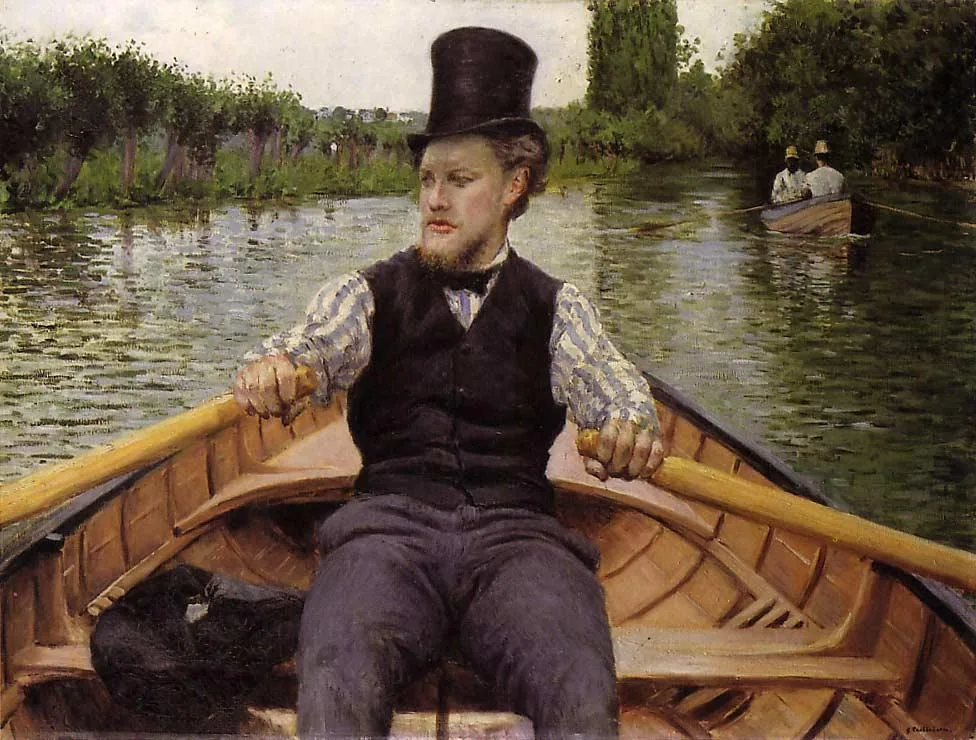
Werke
111 Werke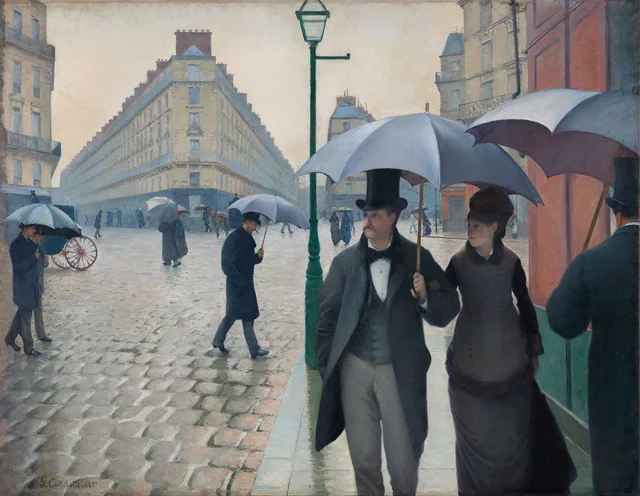 Pariser Straße bei RegenGustave Caillebotte, 1877
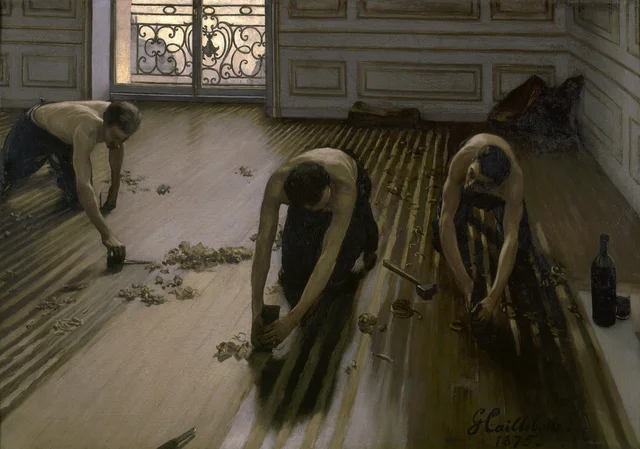 Die ParkettschleiferGustave Caillebotte, 1875
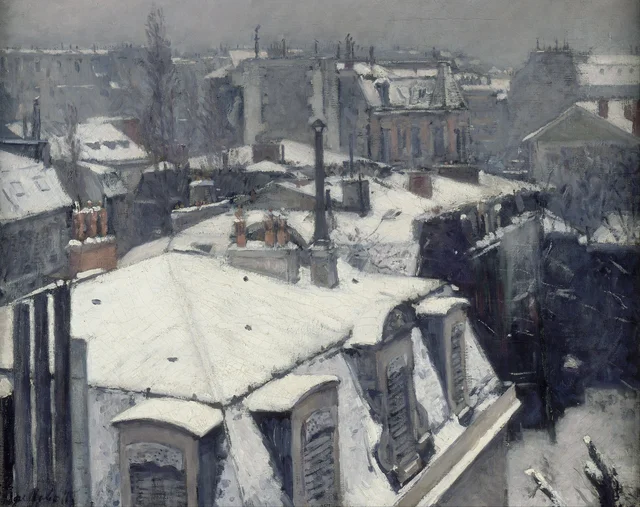 DächerGustave Caillebotte, 1878
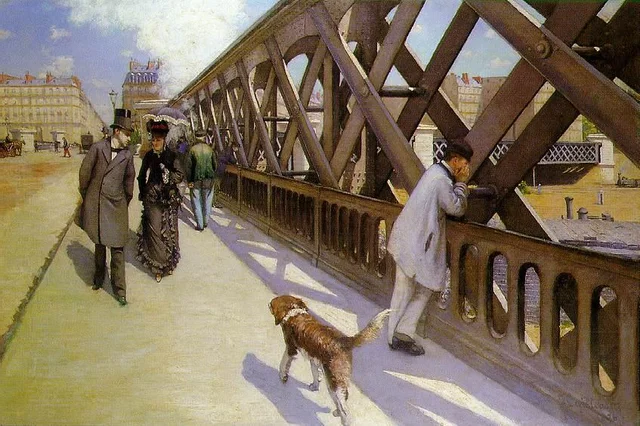 Die EuropabrückeGustave Caillebotte, 1876
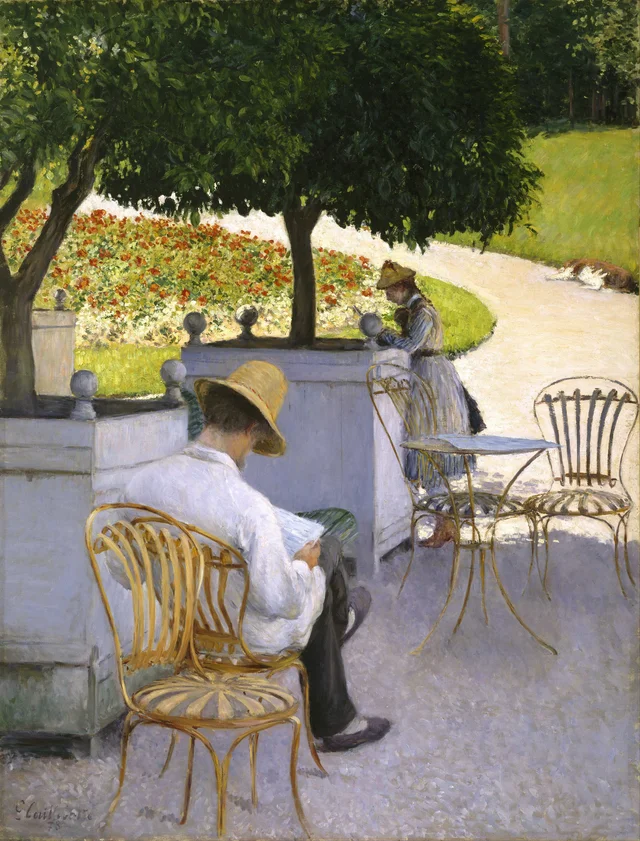 Die OrangenbäumeGustave Caillebotte, 1878
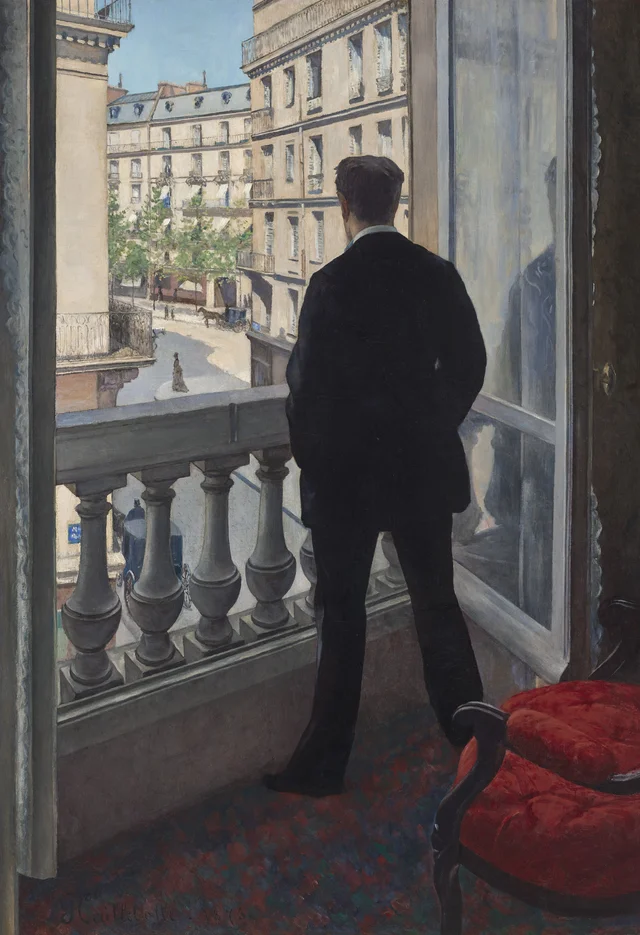 Junger Mann an seinem FensterGustave Caillebotte, 1876
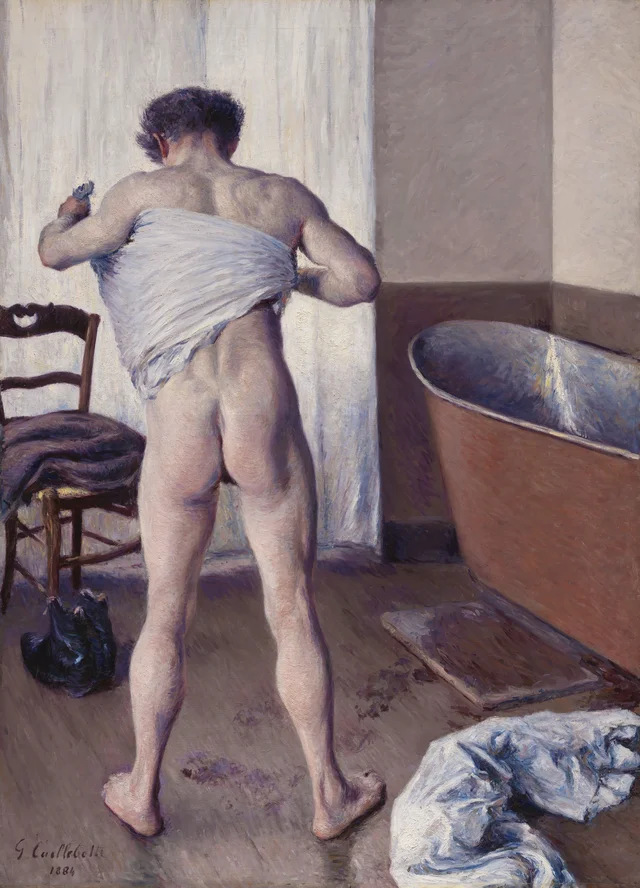 Mann im BadeGustave Caillebotte, 1884
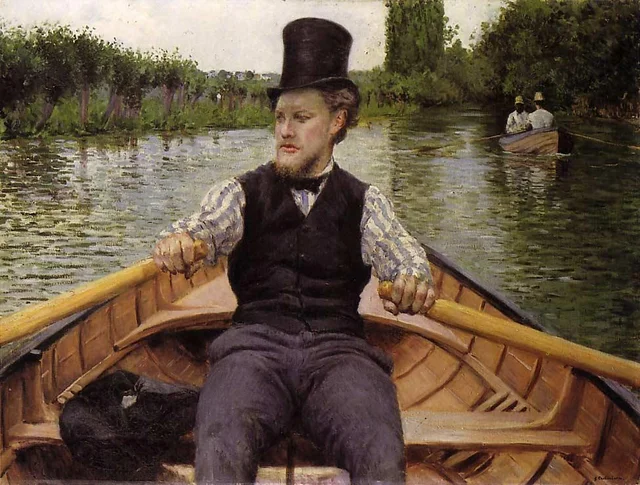 BootspartieGustave Caillebotte, 1878
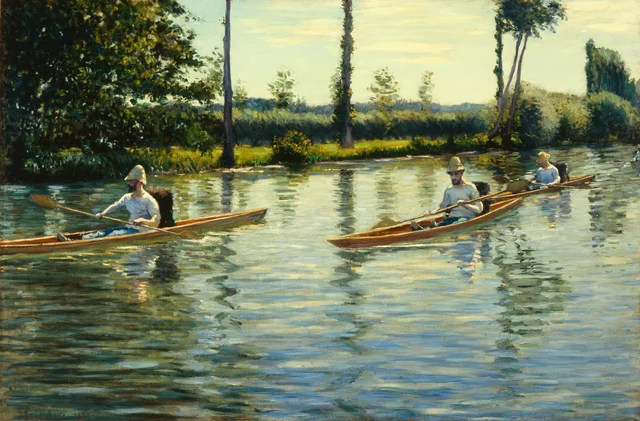 Bootfahren auf der YerresGustave Caillebotte, 1877
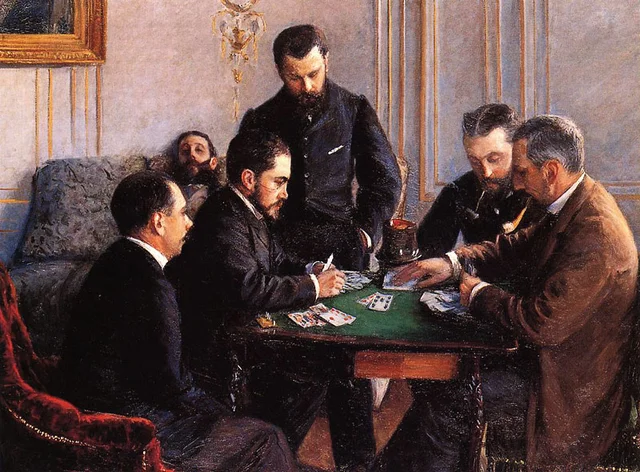 Die Bésigue-PartieGustave Caillebotte, 1881
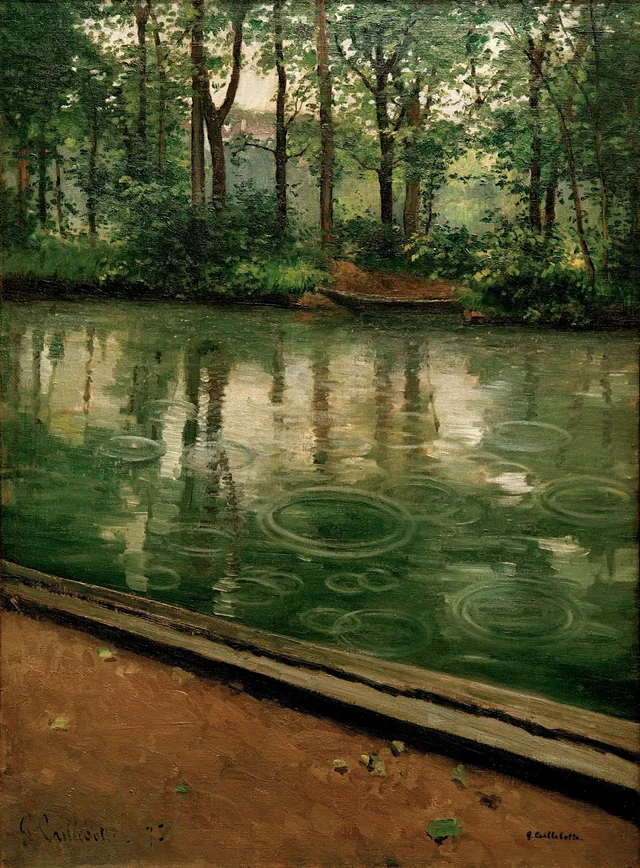 Die Yerres, RegeneffektGustave Caillebotte, 1875
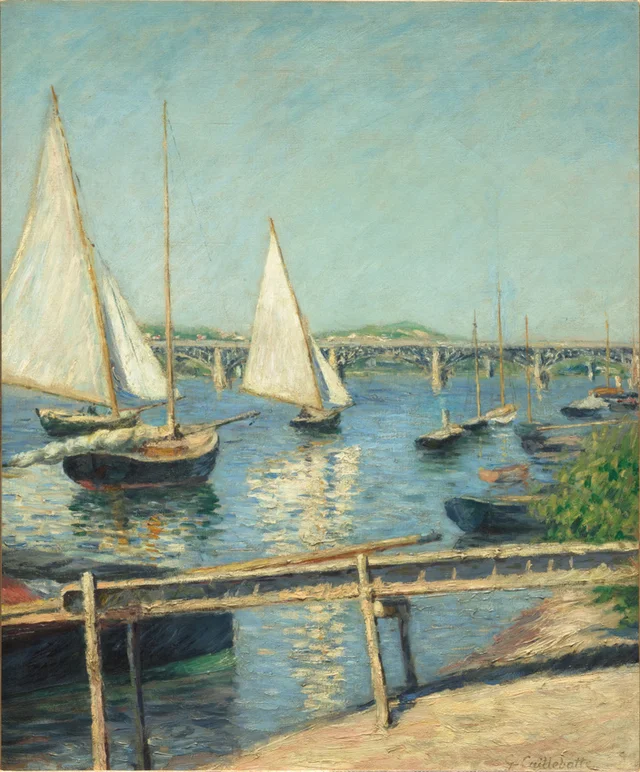 Segelboote bei ArgenteuilGustave Caillebotte, 1888
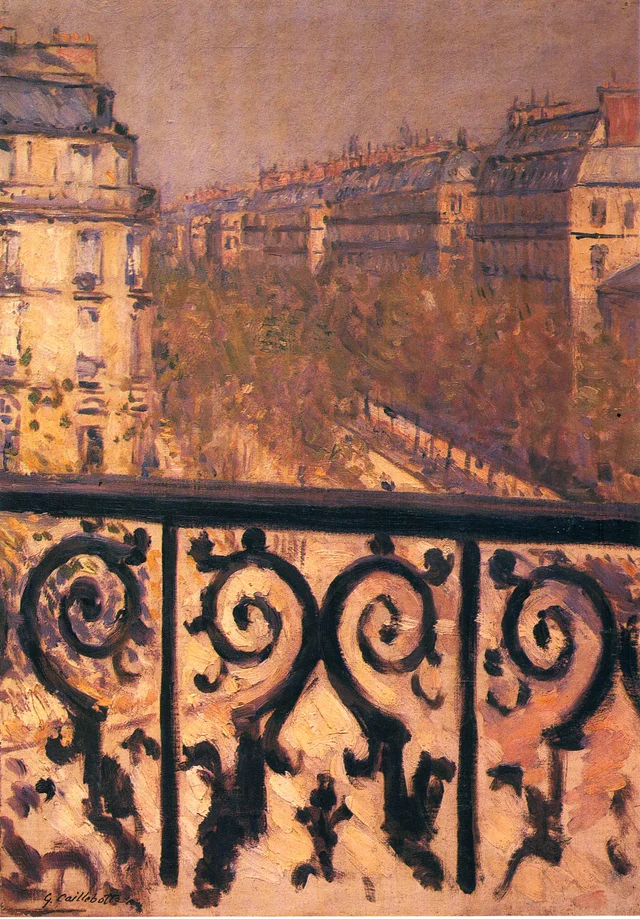 Ein Balkon in ParisGustave Caillebotte, 1880
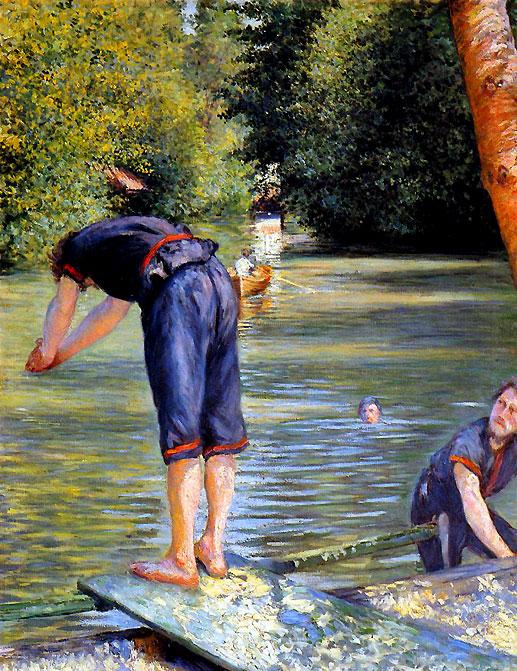 BadendeGustave Caillebotte, 1878
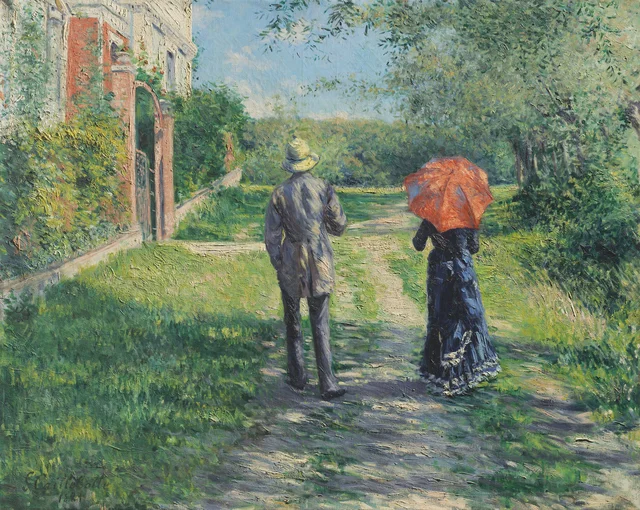 Der ansteigende WegGustave Caillebotte, 1881
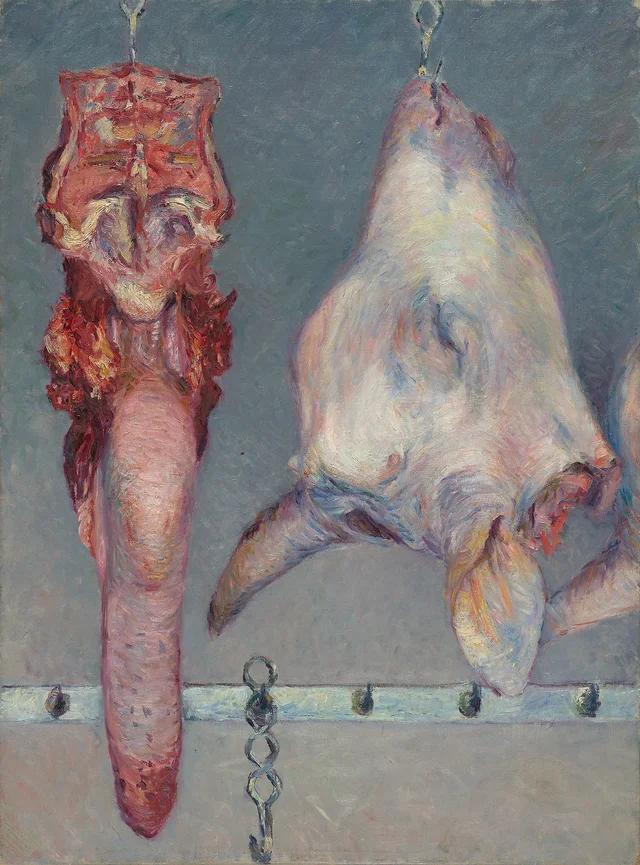 Kalbskopf und OchsenzungeGustave Caillebotte, 1882
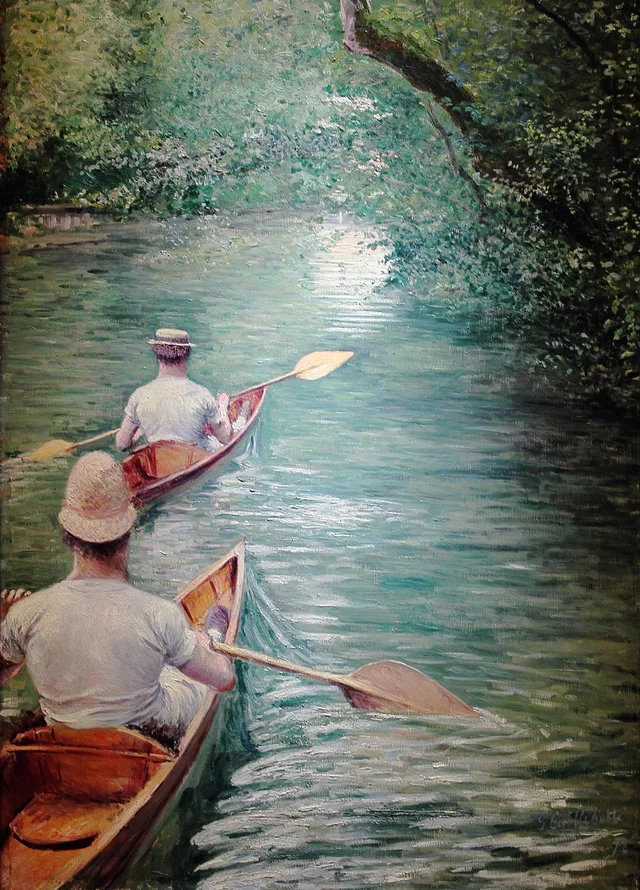 Die KanusGustave Caillebotte, 1878
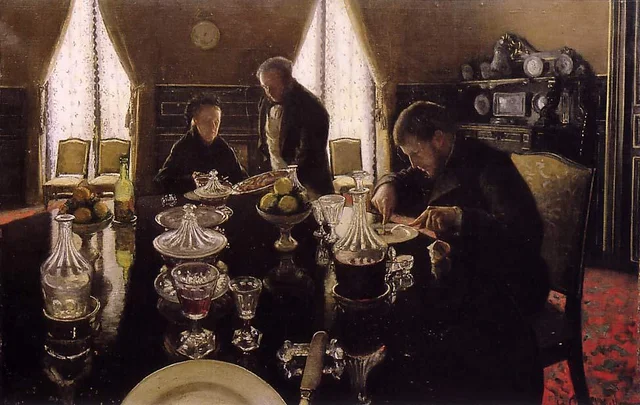 Das FrühstückGustave Caillebotte, 1876
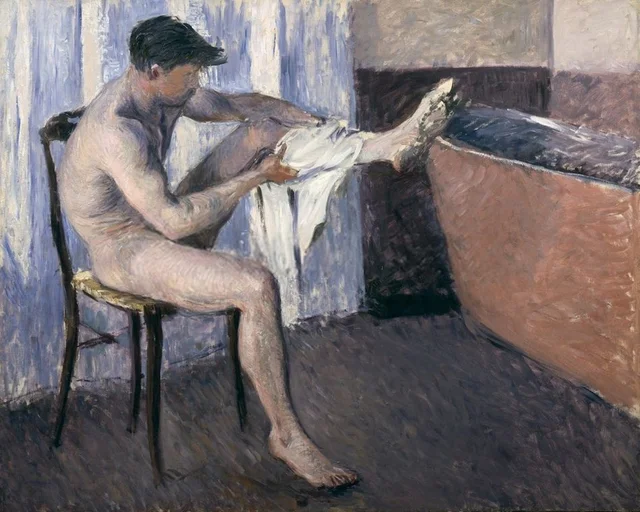 Mann, der sich das Bein abtrocknetGustave Caillebotte, 1884
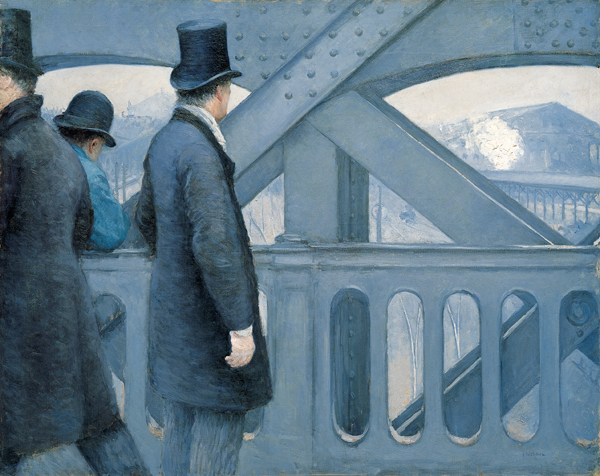 Auf der Pont de l'EuropeGustave Caillebotte, 1876
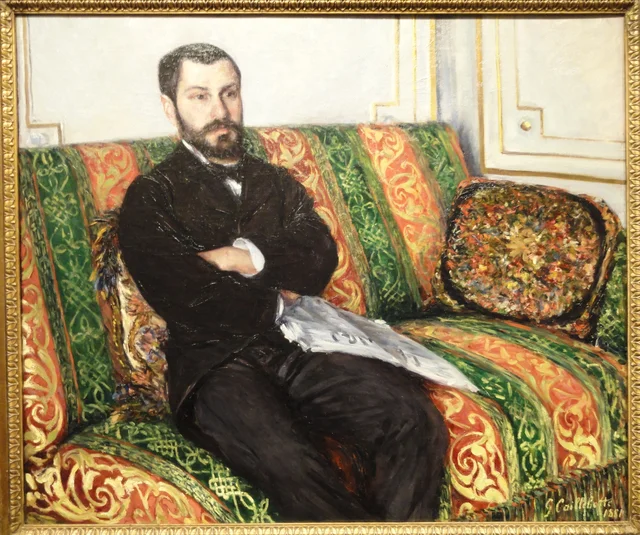 Bildnis Richard GalloGustave Caillebotte, 1881
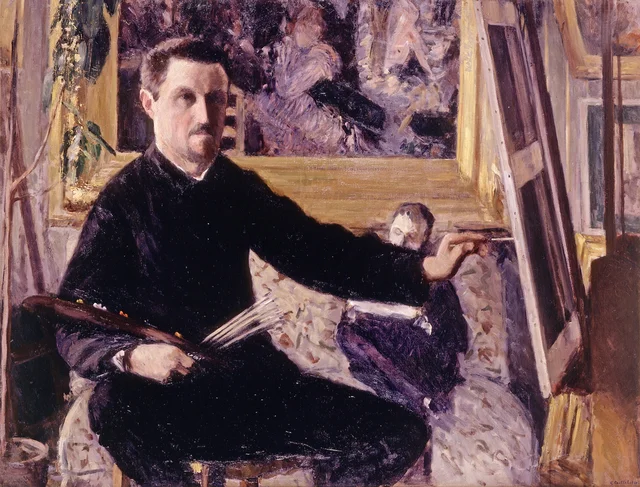 Selbstporträt mit StaffeleiGustave Caillebotte, 1879
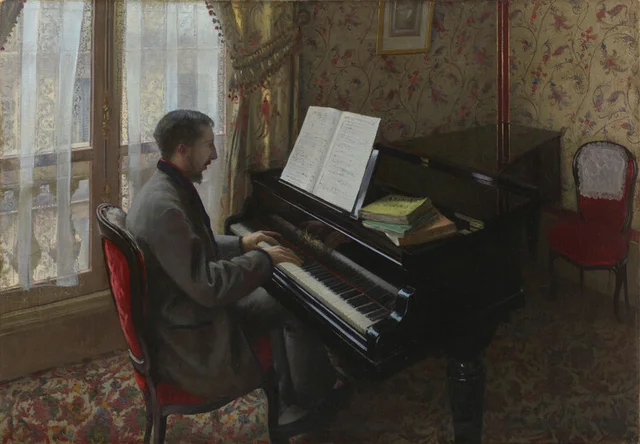 Junger Mann am Klavier (Martial Caillebotte)Gustave Caillebotte, 1876
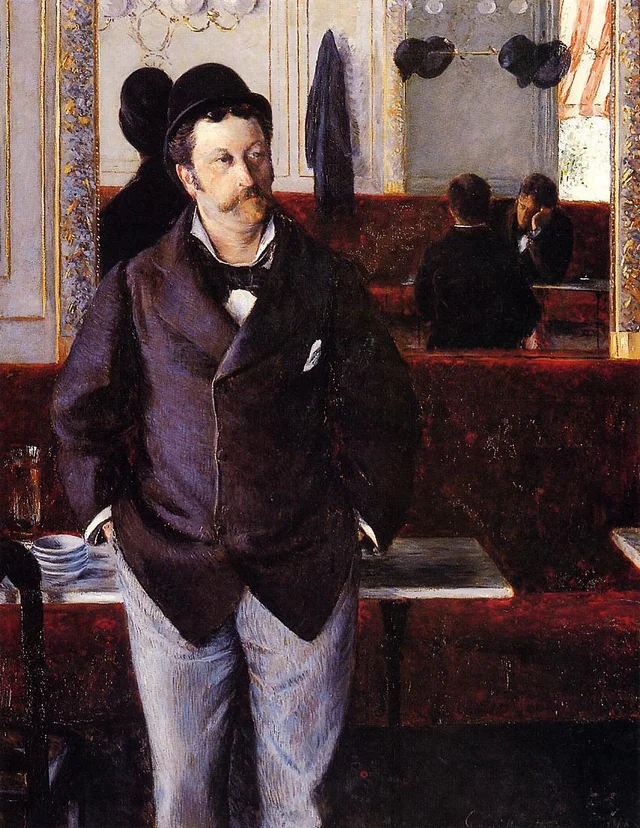 In einem CaféGustave Caillebotte, 1880
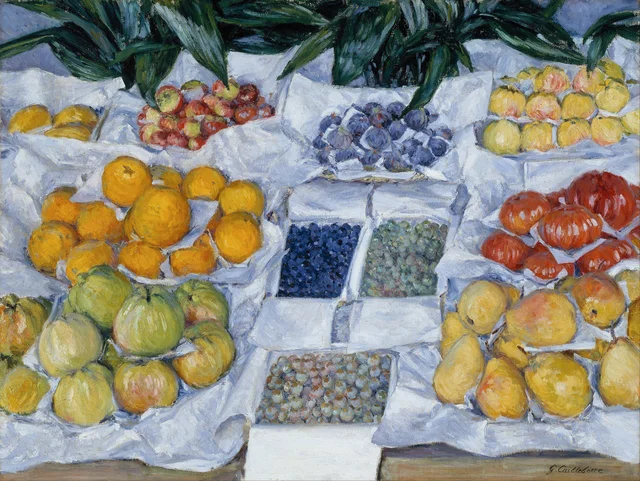 Auf einem Stand ausgestelltes ObstGustave Caillebotte, 1881