Die Geschichte
1930 und 1931 verkaufte die Sowjetregierung, dringend knapp an Bargeld für ihre Industriepläne, still und leise Meisterwerke aus der Eremitage, dem alten kaiserlichen Museum in Leningrad. Einer der Käufer war Andrew Mellon, ein Bankier aus Pittsburgh, der in diesem Moment Finanzminister der Vereinigten Staaten war. Über Mittelsmänner erwarb er 21 Gemälde für mehr als 6,5 Millionen Dollar, darunter Raffaels Alba-Madonna und Jan van Eycks Verkündigung, Bilder, die in den Palästen der russischen Zaren gehangen hatten.
Mellon sammelte ebenso sehr für sein Land wie für sich selbst. Die Vereinigten Staaten hatten noch keine Nationalgalerie, und er wollte ihnen eine schenken. Im Januar 1937 bot er der Nation seine Gemälde und die Mittel für einen Bau an, und der Kongress nahm das Geschenk im März an, an seinem 74. Geburtstag. Er bat darum, dass das Museum den Namen des Landes trage, damit andere wohlhabende Sammler sich frei fühlten, ihre eigenen Bilder einer für alle offenen Galerie hinzuzufügen.
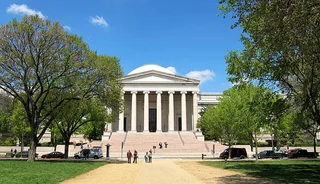
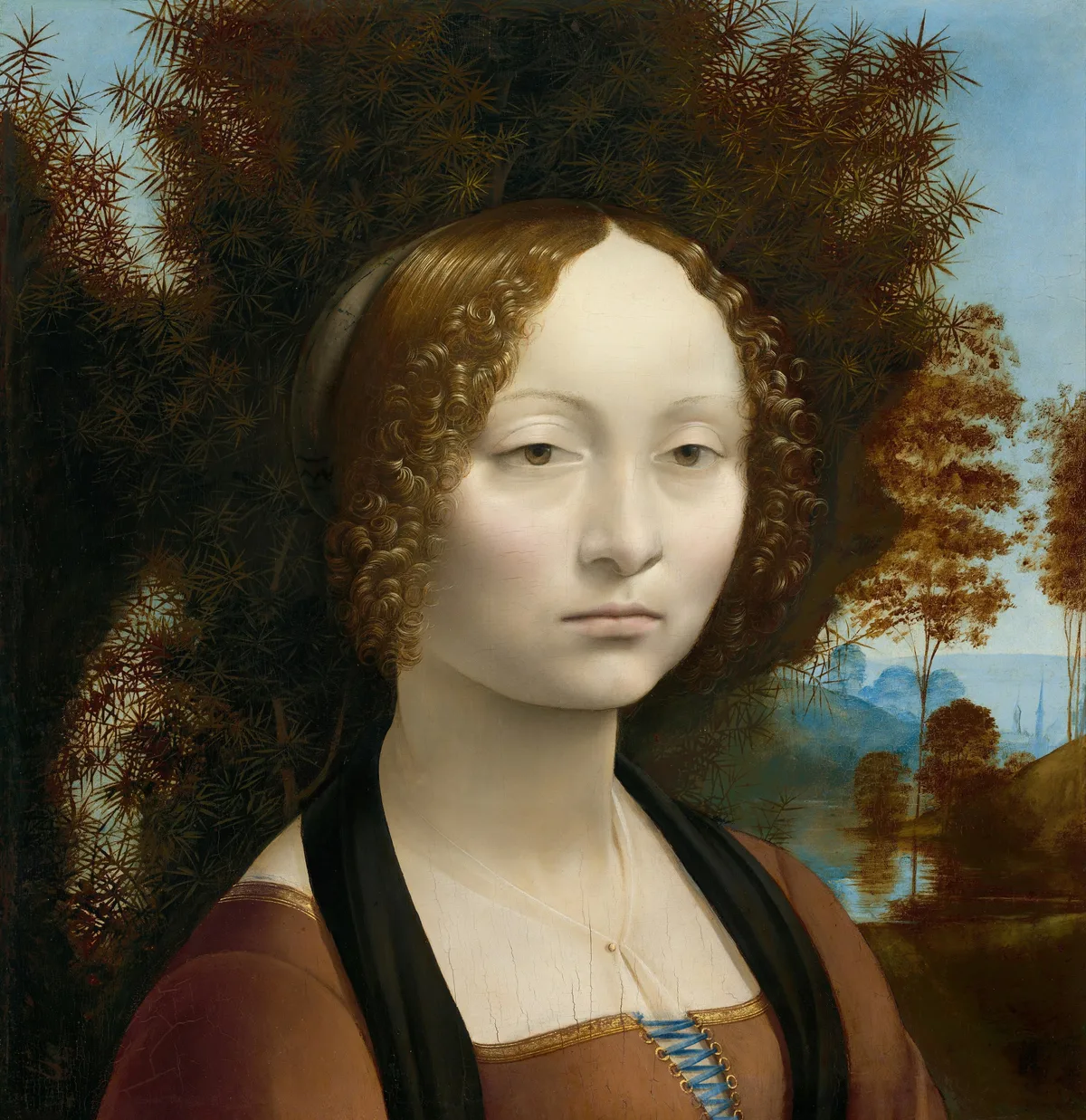
Er wählte den Architekten John Russell Pope, der eine klassizistische Kuppelhalle aus blassem Tennessee-Marmor an der National Mall entwarf. Keiner der beiden Männer sah sie vollendet, sie starben 1937 im Abstand weniger Tage, Monate nachdem der erste Spatenstich getan war. Die Galerie eröffnete 1941, und andere Sammler gaben, wie Mellon gehofft hatte, sodass ihre Säle heute Ginevra de’ Benci beherbergen, das einzige Gemälde Leonardos in Amerika, neben dem Raffael, den er aus der Eremitage gekauft hatte. Ein scharfkantiger East Building von I. M. Pei kam 1978 für moderne Kunst gegenüber am Platz hinzu.
Weitere Artikel
Sammlung
329 Werke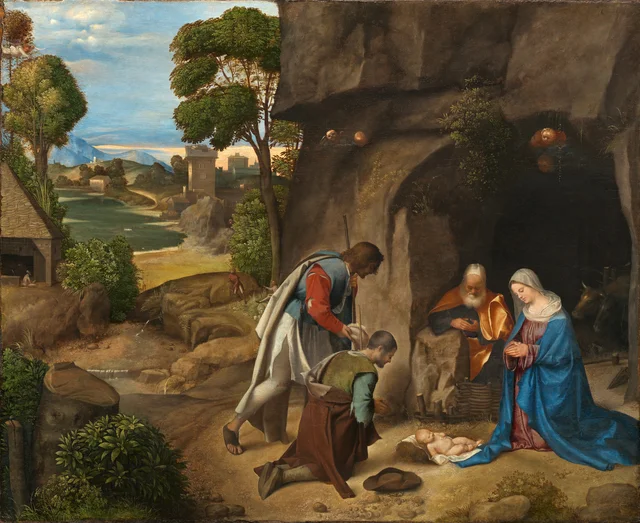 Anbetung der HirtenGiorgione, 1507
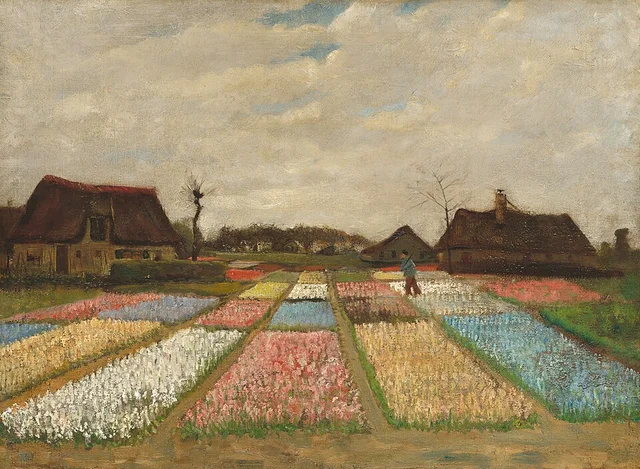 BlumenzwiebelfelderVincent van Gogh, 1883
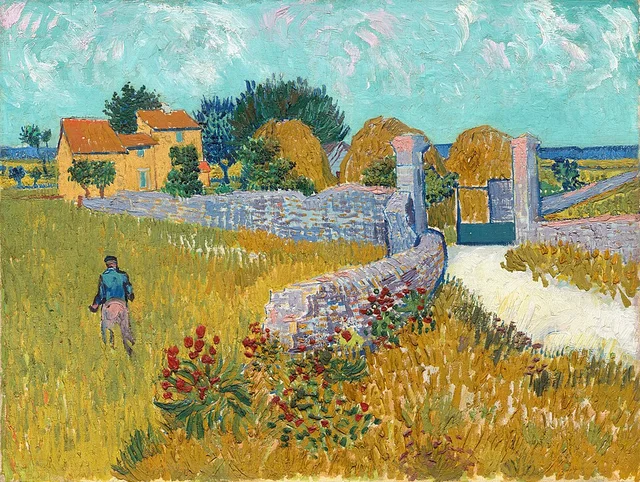 Bauernhaus in der ProvenceVincent van Gogh, 1888
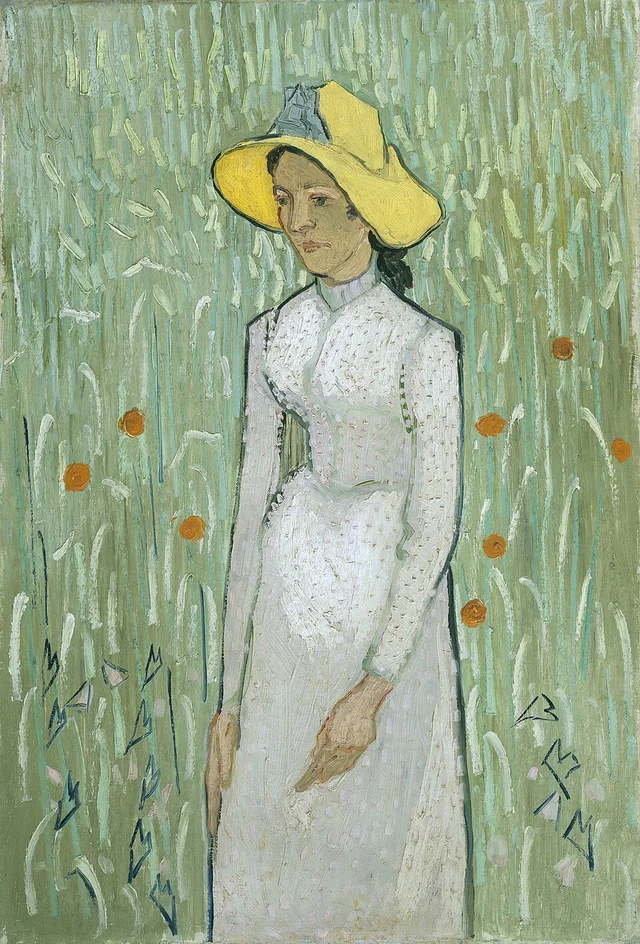 Mädchen in WeißVincent van Gogh, 1890
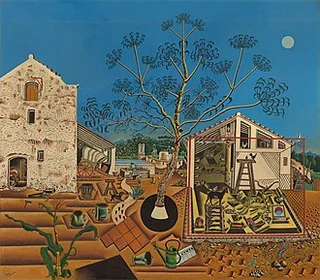 Der BauernhofJoan Miró, 1921
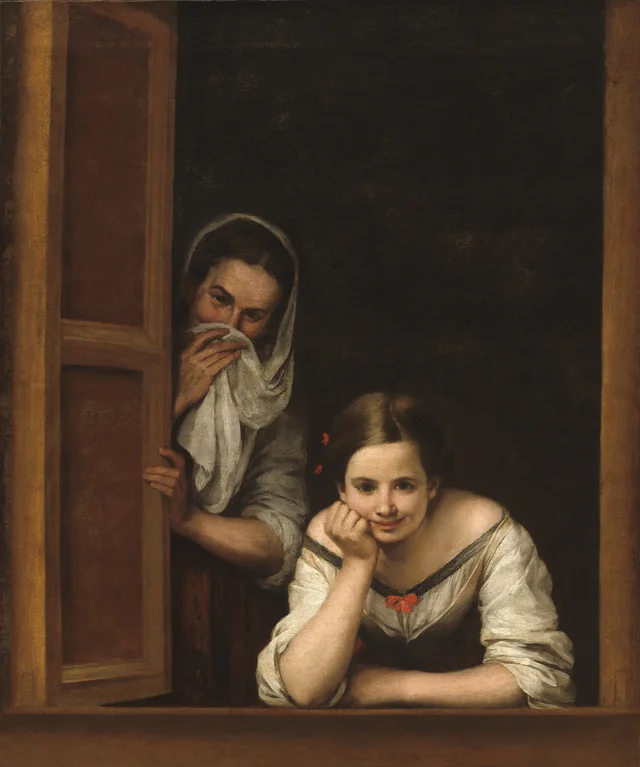 Zwei Frauen am FensterBartolomé Esteban Murillo, 1670
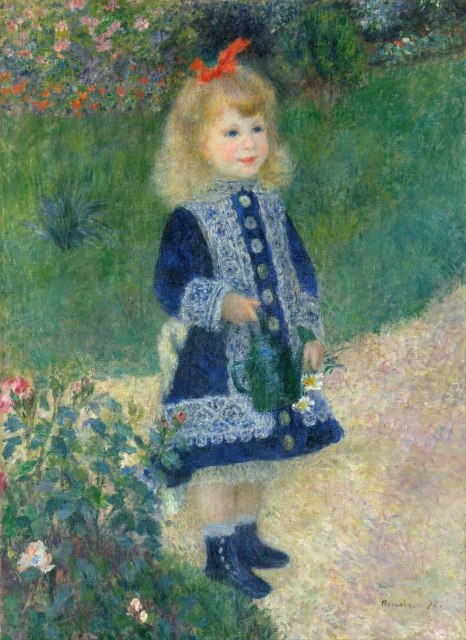 Mädchen mit GießkannePierre-Auguste Renoir, 1876
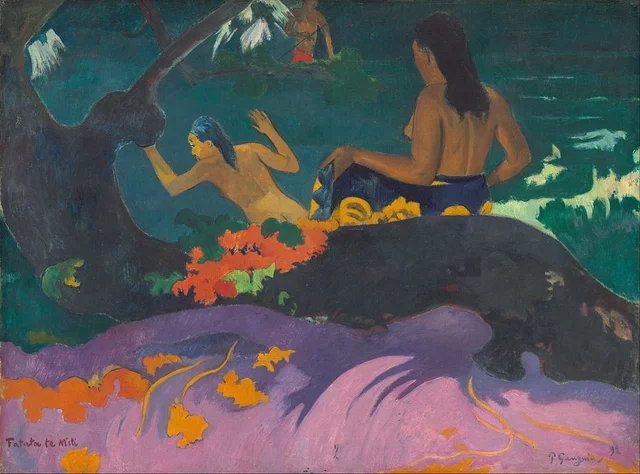 Fatata te MitiPaul Gauguin, 1892
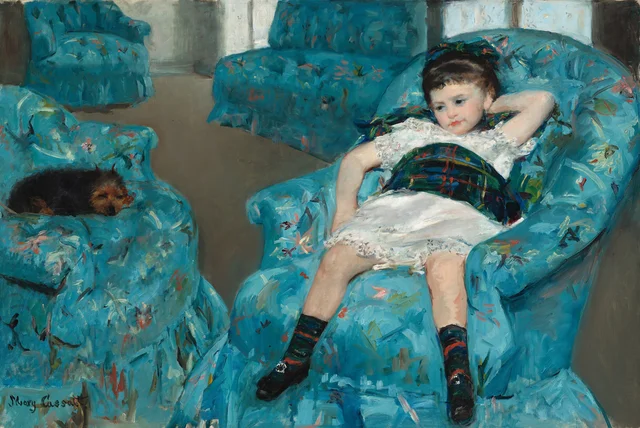 Kleines Mädchen im blauen SesselMary Cassatt, 1878
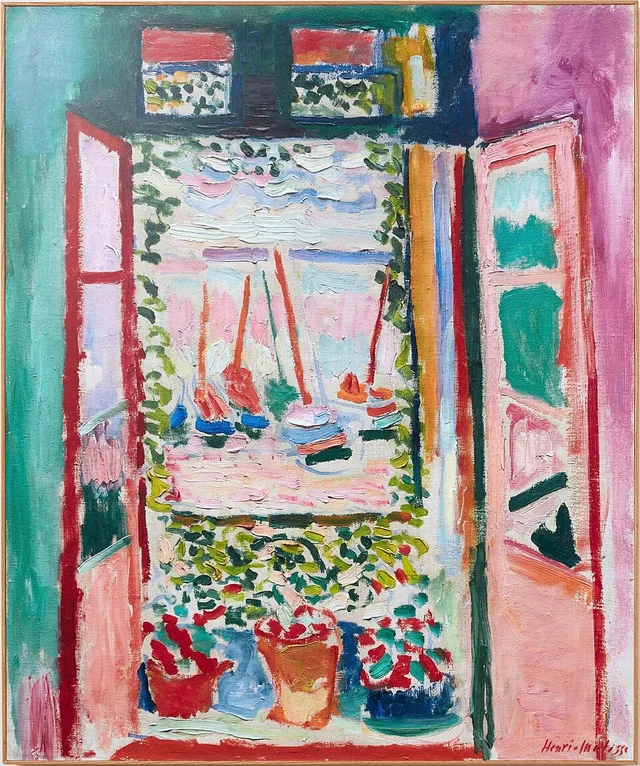 Das offene FensterHenri Matisse, 1905
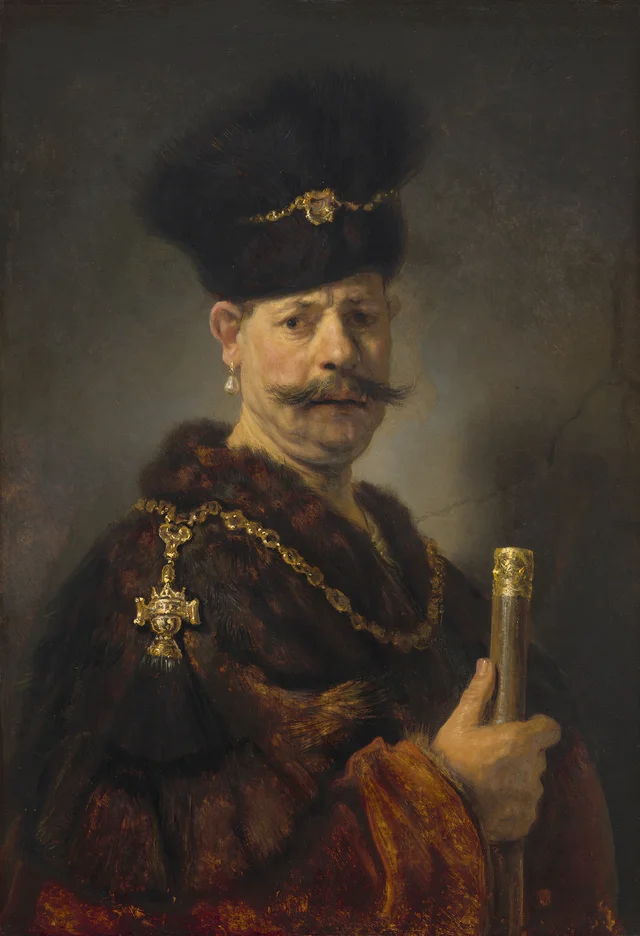 Ein polnischer EdelmannRembrandt, 1637
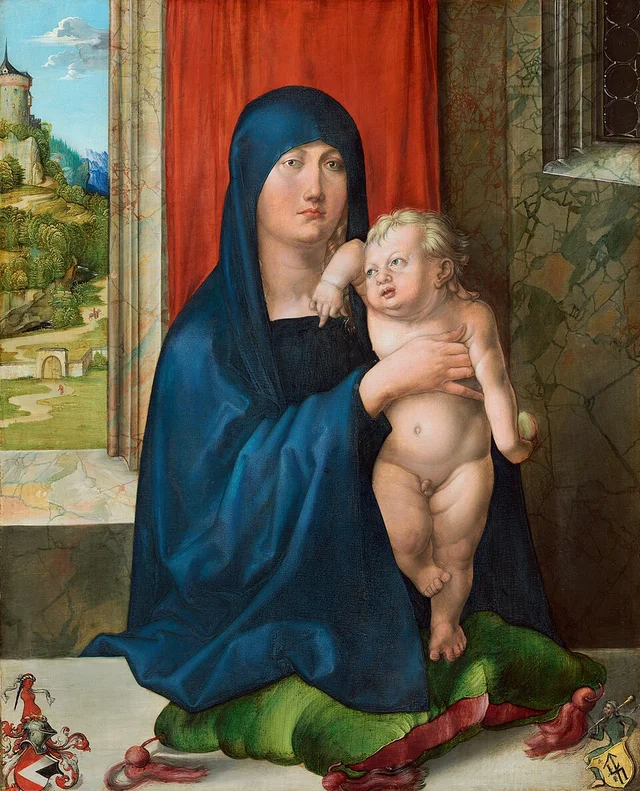 Haller-MadonnaAlbrecht Dürer, 1495
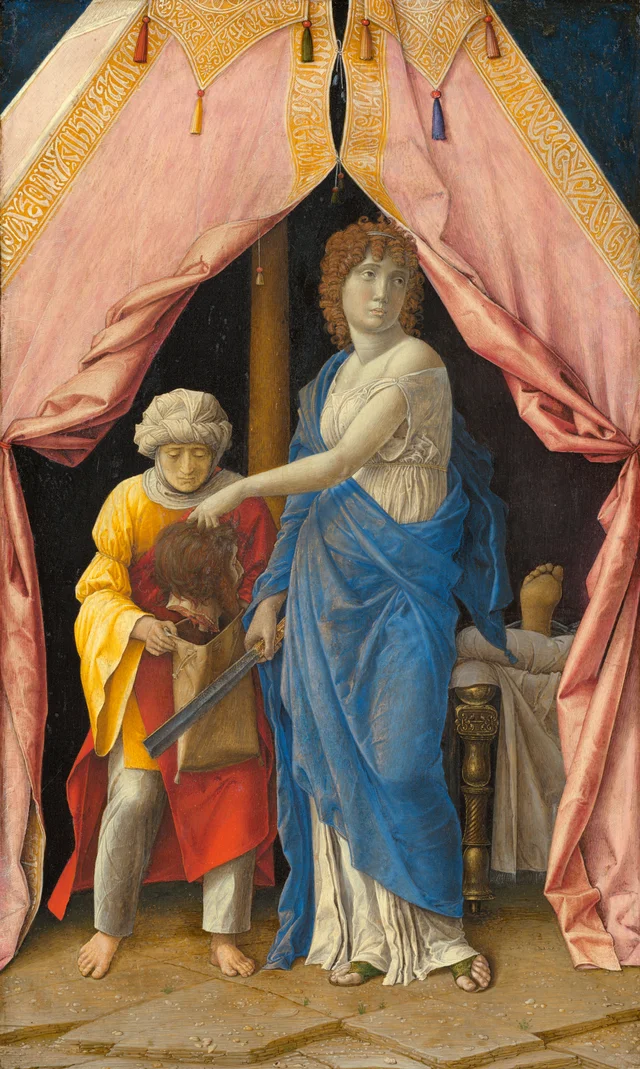 Judith und HolofernesAndrea Mantegna, 1495
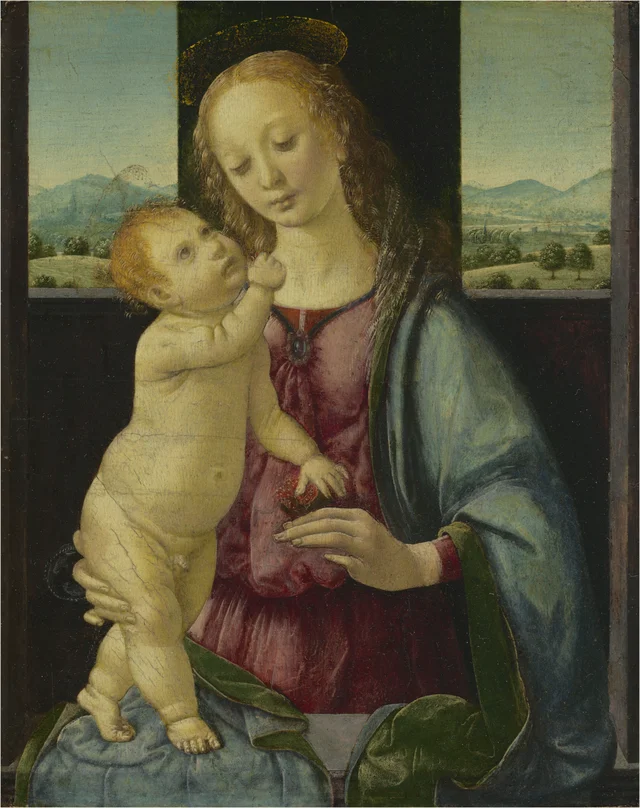 Madonna mit Kind und GranatapfelLorenzo di Credi, 1477
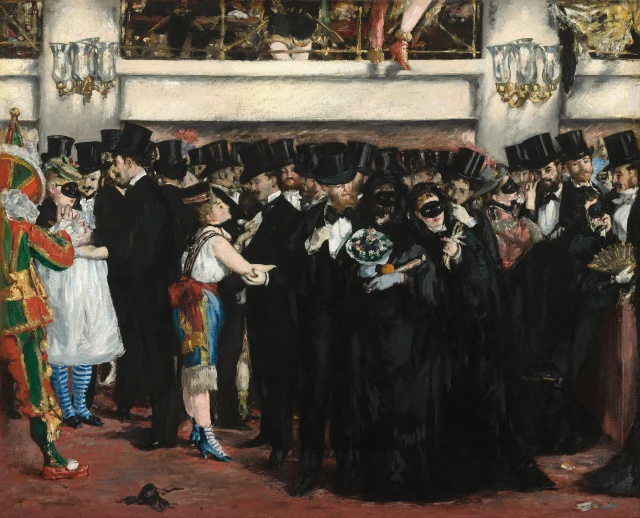 Der Maskenball in der OperÉdouard Manet, 1873
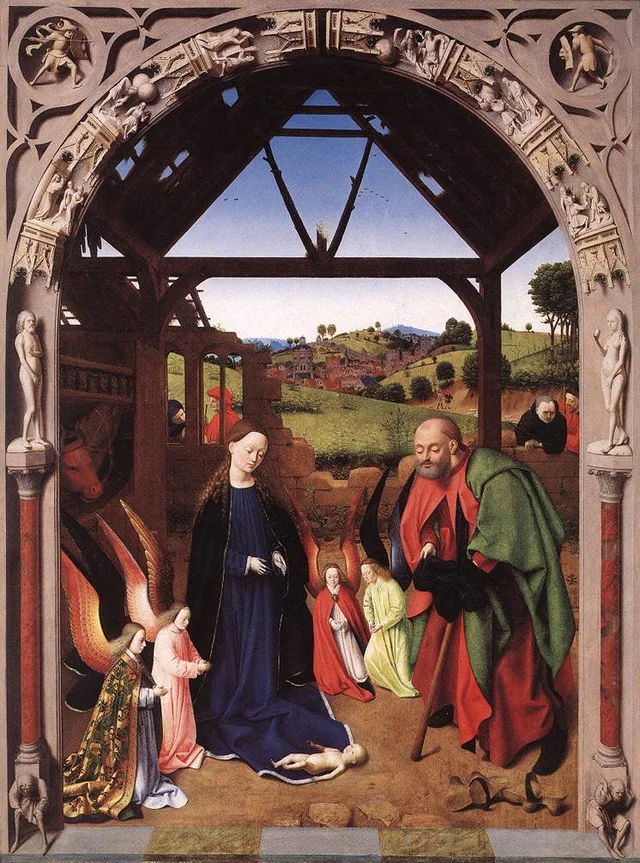 Die Geburt ChristiPetrus Christus, 1450
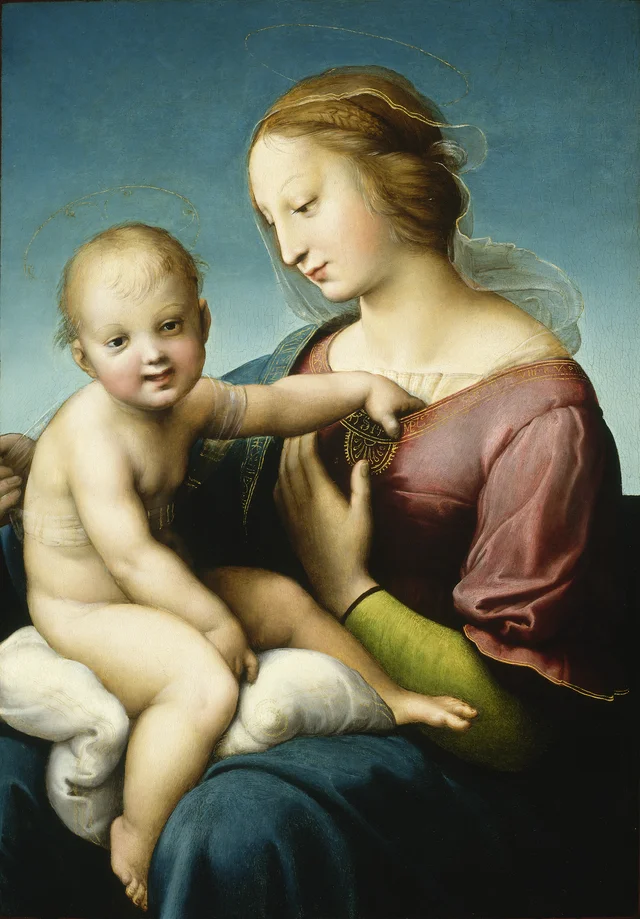 Niccolini-Cowper-MadonnaRaffael, 1508
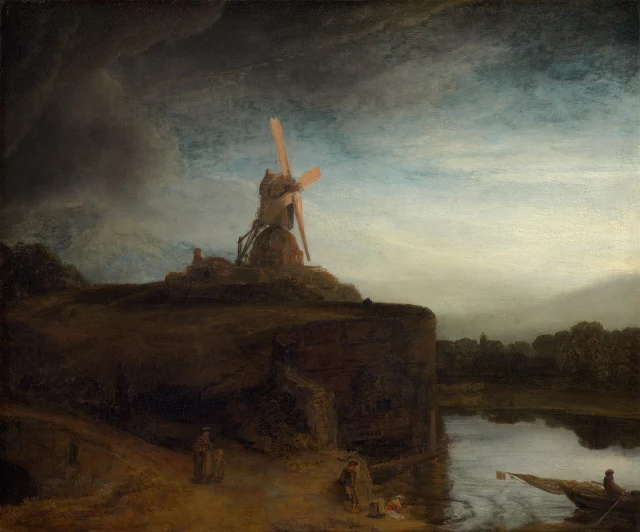 Die MühleRembrandt, 1645
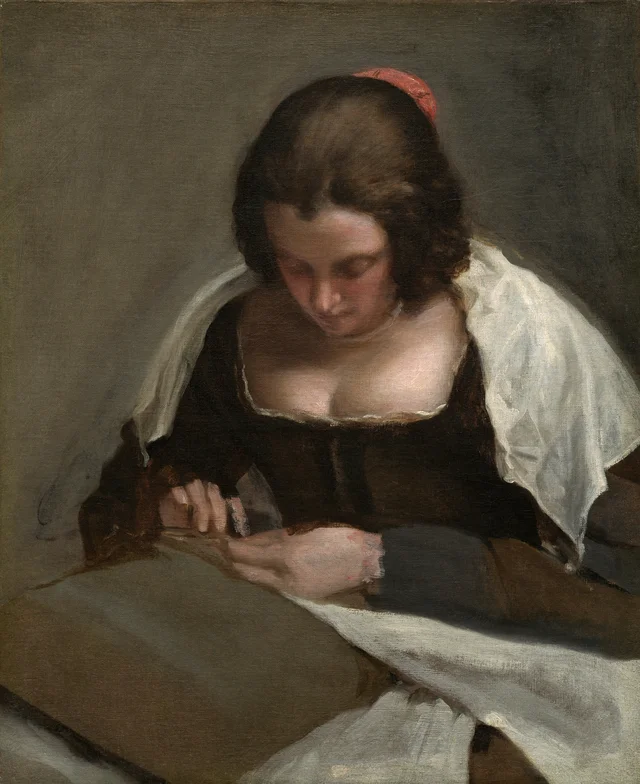 Die NäherinDiego Velázquez, 1635
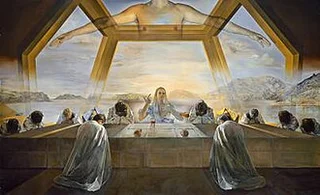 Das Sakrament des letzten AbendmahlsSalvador Dalí, 1955
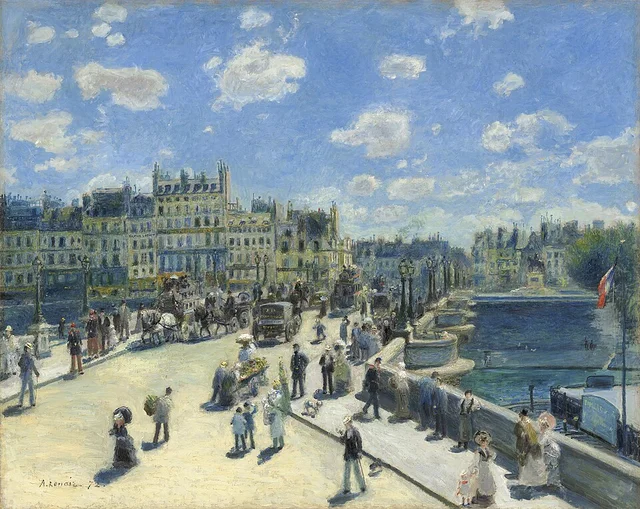 Der Pont NeufPierre-Auguste Renoir, 1872
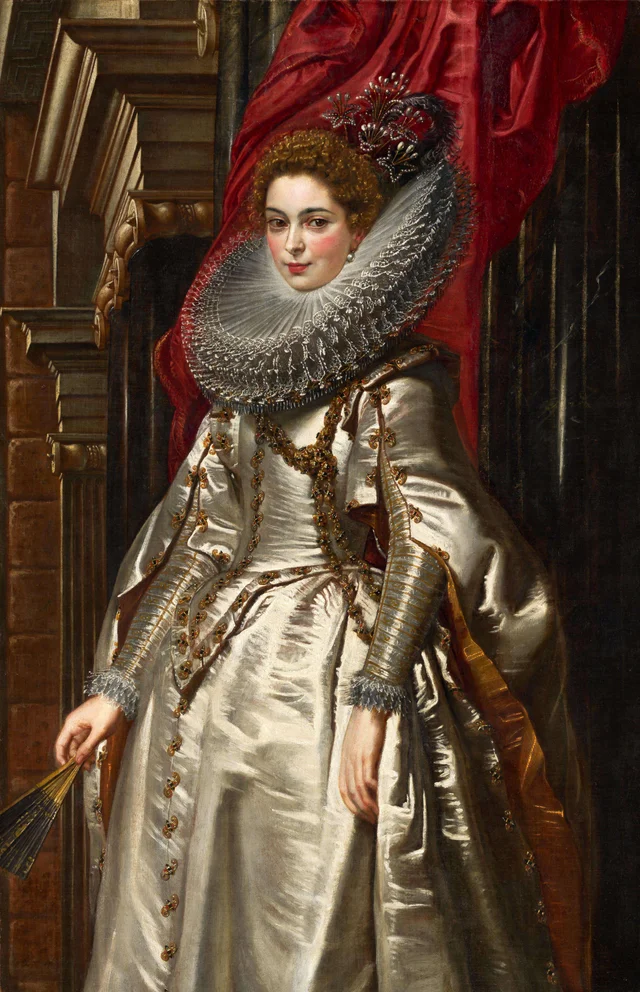 Bildnis der Marchesa Brigida Spinola-DoriaPeter Paul Rubens, 1606
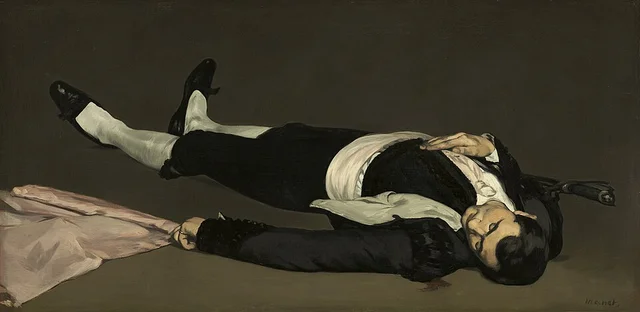 Der tote ToreroÉdouard Manet, 1864
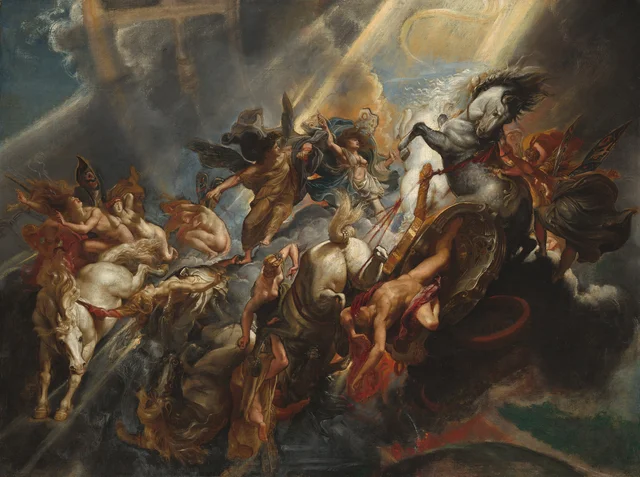 Der Sturz des PhaetonPeter Paul Rubens, 1605
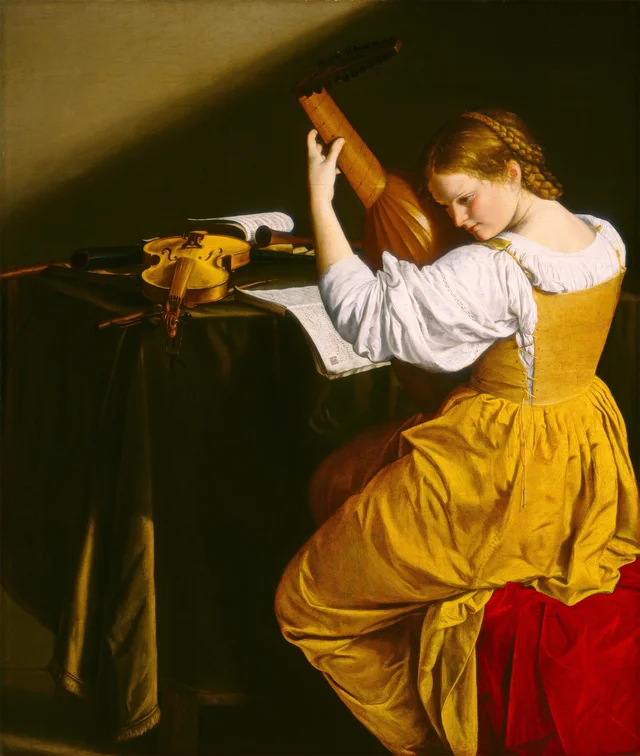 Die LautenspielerinOrazio Gentileschi, 1612