Amennakht
Ancient Egypt
The story
In year 16 of Ramesses III, around 1167 BC, a man named Amennakht, son of Ipuy, became scribe of the Tomb. The post made him the record keeper of the crews who cut and decorated the royal tombs in the Valley of the Kings, and he lived among them in their village, now called Deir el-Medina, on the west bank at Thebes. He held it for some three decades, into the reign of Ramesses VI. When he was born and when he died is not recorded.
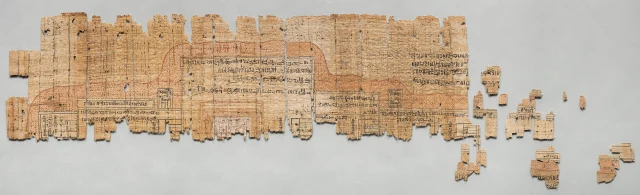
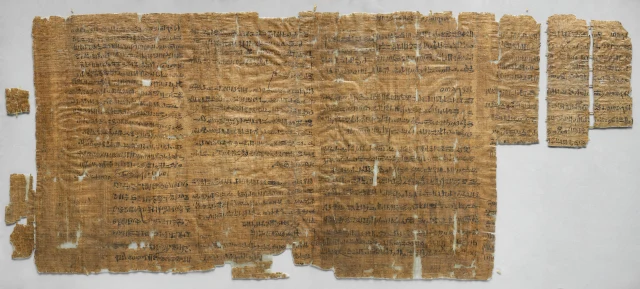
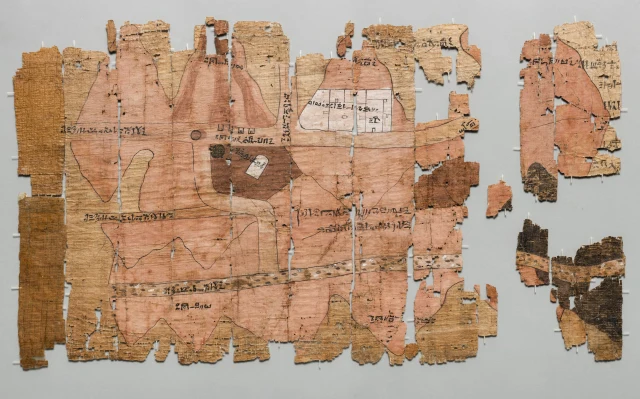
He wrote far more than registers. Egyptologists recognise his handwriting on papyri and on flakes of limestone, and he put his name to hymns and to a short wisdom teaching, a rare case of such a text by a real, named author rather than a famous sage of the past. The Museo Egizio in Turin names him as the writer of the Strike Papyrus, the record of the workmen stopping work when their rations failed to arrive, and believes he also drew the map of the Wadi Hammamat in its collection.