Strike Papyrus
Details
The story
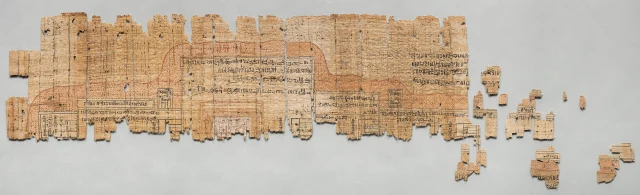
Ramesses III had the outer walls of his temple at Medinet Habu, on the west bank at Thebes, carved with his victories over the Sea Peoples and the Libyans. By the 29th year of his reign, which the museum dates from 1187 to 1157 BC, the state was failing to feed the men who cut the royal tombs. Their wages were paid in grain, and the grain had stopped coming.
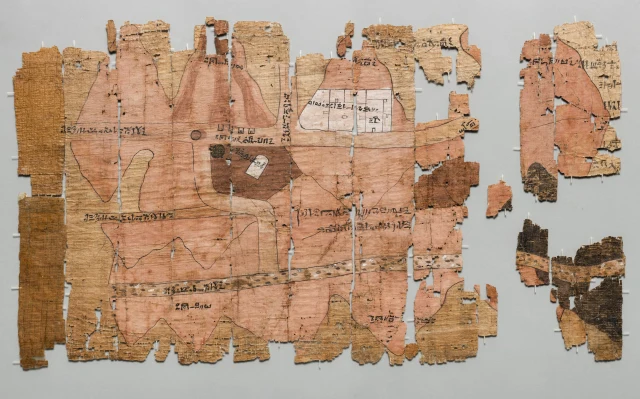
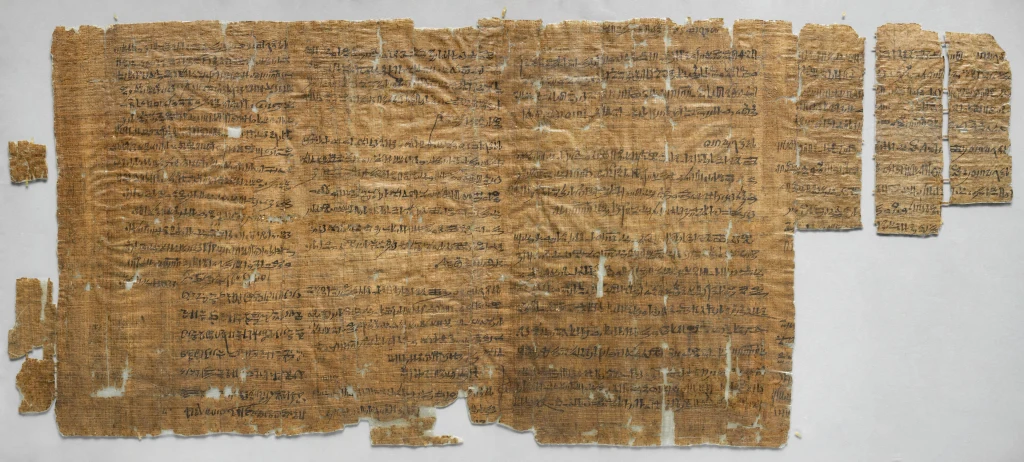
This papyrus records what happened next. It is written in hieratic, the quick script of everyday business, and the museum names the scribe Amennakht as its author. "Year 29, second month of the Inundation, day 10. Today the work squadron passed the control post shouting, we are hungry." For 18 days that month, it says, the men had gone to sit behind the funerary temple of Thutmose III. Officials came to talk them round. The workmen answered that they were not used to going without ointment, fish and vegetables, and asked for their words to be written down and sent to the pharaoh and to the vizier, his chief minister.
It is the earliest strike known from a written record, and it did not end there. After part of the overdue grain was handed out, the men stopped work again.