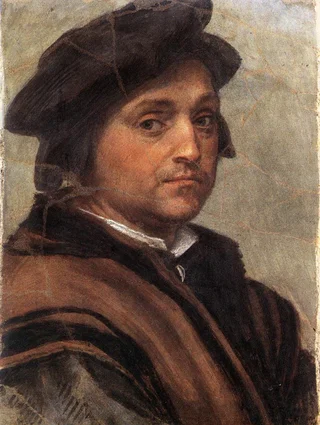
Andrea del Sarto
1486–1530 · Republic of Florence · High Renaissance
The story
Andrea del Sarto worked in Florence during the High Renaissance, a contemporary of Michelangelo and the slightly younger Raphael, and contemporaries nicknamed him "the faultless painter" for his flawless draftsmanship and color. In 1518, King Francis I of France invited him to the French court at Fontainebleau and gave him money to buy Italian artworks for the royal collection.
According to the 16th-century biographer Giorgio Vasari's account, written decades later, Andrea took the funds and, instead of returning to France, spent them building a house in Florence, reportedly at the urging of his wife, Lucrezia del Fede, who did not want to leave the city. He never went back to Francis I's court. The story became famous three centuries after Andrea's death when the poet Robert Browning turned it into "Andrea del Sarto (Called 'The Faultless Painter')," a dramatic monologue in which Andrea explains his own failure of nerve to Lucrezia in his studio at dusk.
Vasari's version is now treated with real skepticism by historians, some call it invented outright, but Browning's poem is still taught in English literature courses today, built on a debt Andrea may never have actually failed to repay.
More articles
Works
34 works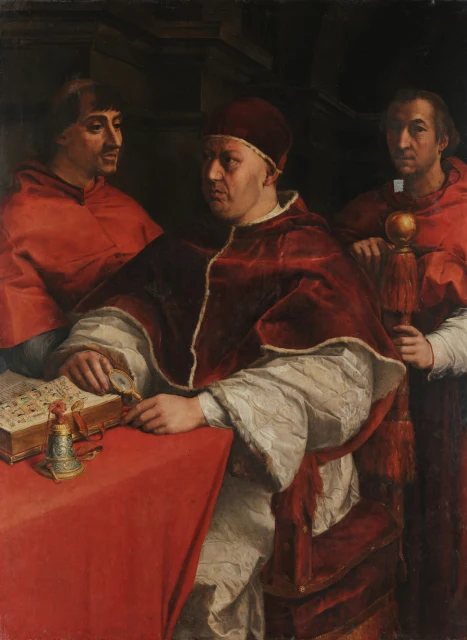 Portrait of Pope Leo X with Cardinals Giulio de' Medici and Luigi de' Rossi (copy after Raphael)Andrea del Sarto, 1525
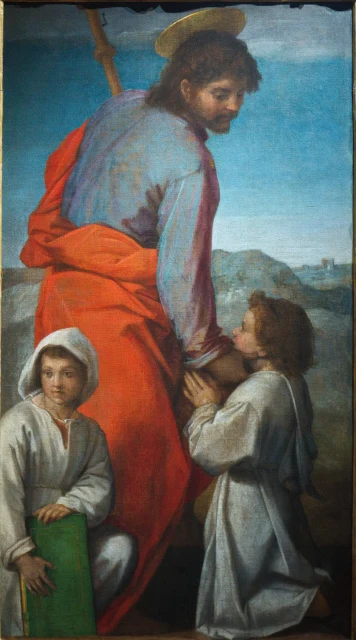 Saint JamesAndrea del Sarto, 1528
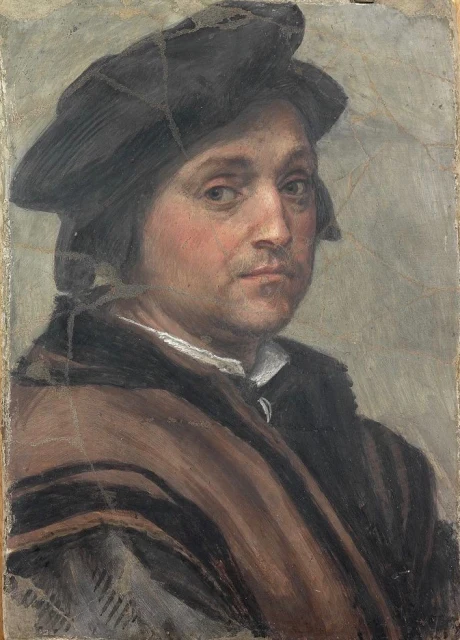 Self-portraitAndrea del Sarto, 1528
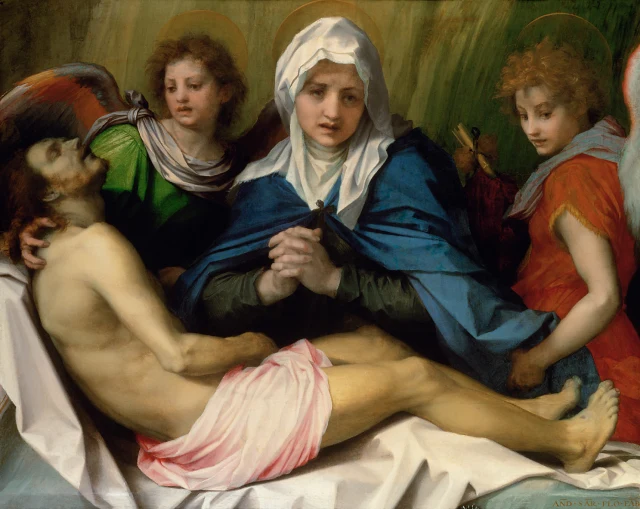 The Lamentation of ChristAndrea del Sarto, 1520
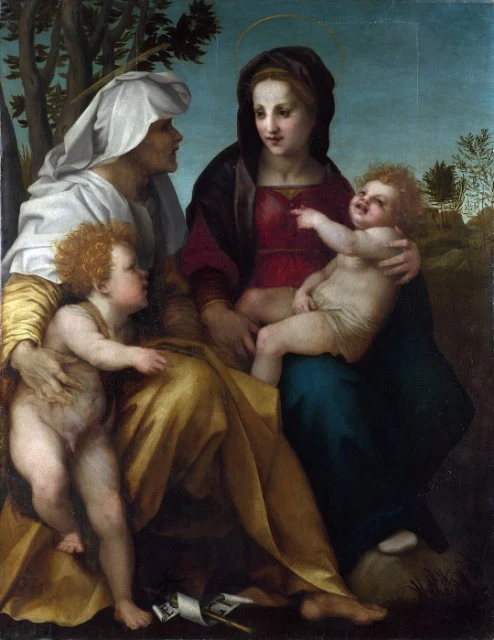 The Madonna and Child with Saint Elizabeth and Saint John the BaptistAndrea del Sarto, 1513
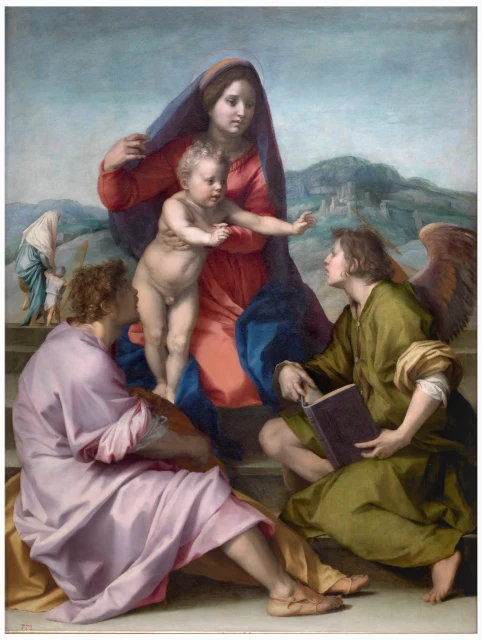 The Virgin and Child between Saint Matthew and an Angel (Madonna della Scala)Andrea del Sarto, 1522
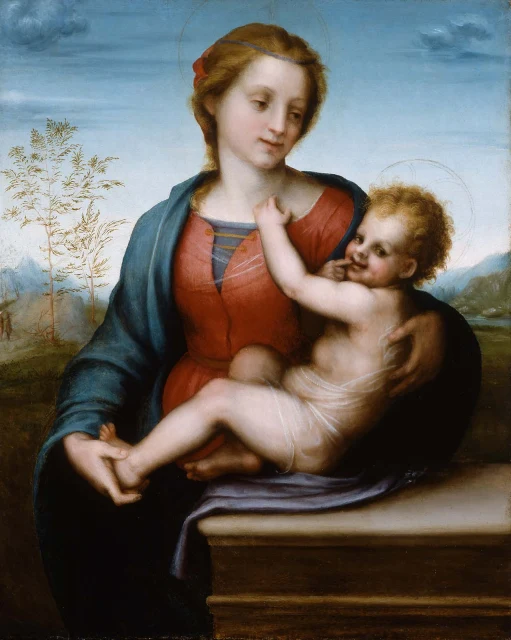 Virgin and ChildAndrea del Sarto, 1510
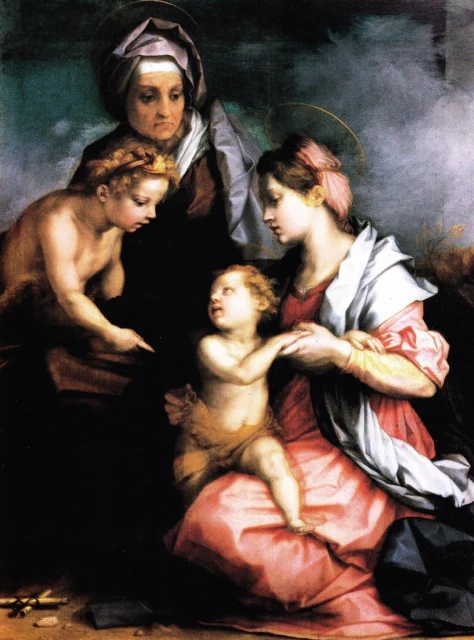 Virgin and Child, St. Elizabeth and the infant St. John the Baptist (Medici Holy Family)Andrea del Sarto, 1529