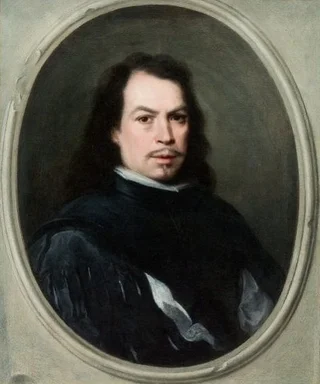
Bartolomé Esteban Murillo
1617–1682 · Spain · Baroque painting
The story
Bartolomé Esteban Murillo grew up fast in Seville. Both his parents died within months of each other in 1627 and 1628, leaving him an orphan at ten, and by twelve he was apprenticed to the local painter Juan del Castillo. That early exposure to poverty stayed with him: alongside the pious images that made his name, he painted a long series of street children, among them The Young Beggar in the Louvre, showing flower sellers, urchins, and boys eating melon and grapes with a warmth rare in an era that mostly ignored them.
His larger reputation, though, rested on the Virgin and Child and above all the Immaculate Conception, a subject he returned to dozens of times over four decades and rendered with a soft, glowing technique that Seville's churches and confraternities kept commissioning. In 1660 he co-founded the city's Academia de Bellas Artes, sharing its direction with the architect Francisco Herrera the Younger, giving Seville's painters a formal school independent of the old guild system.
Murillo worked into his sixties without slowing down. In 1682, while up on scaffolding painting a fresco for the Capuchin church in Cádiz, he fell and was badly injured; he died back in Seville a few months later, on 3 April 1682.
More articles
Works
115 works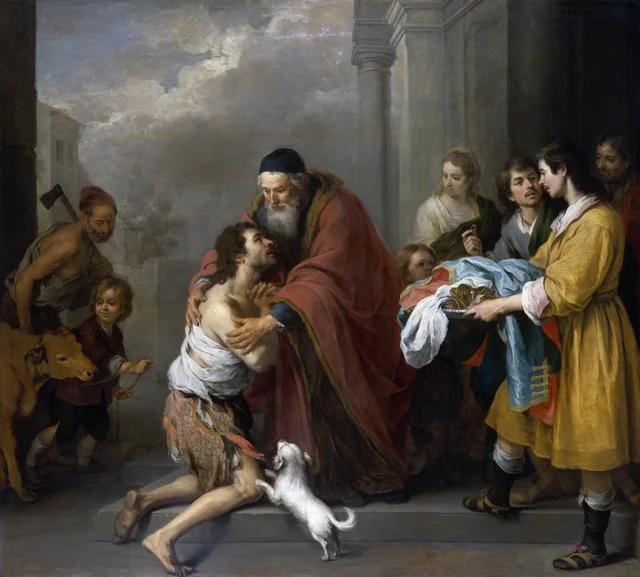 The Return of the Prodigal SonBartolomé Esteban Murillo, 1668
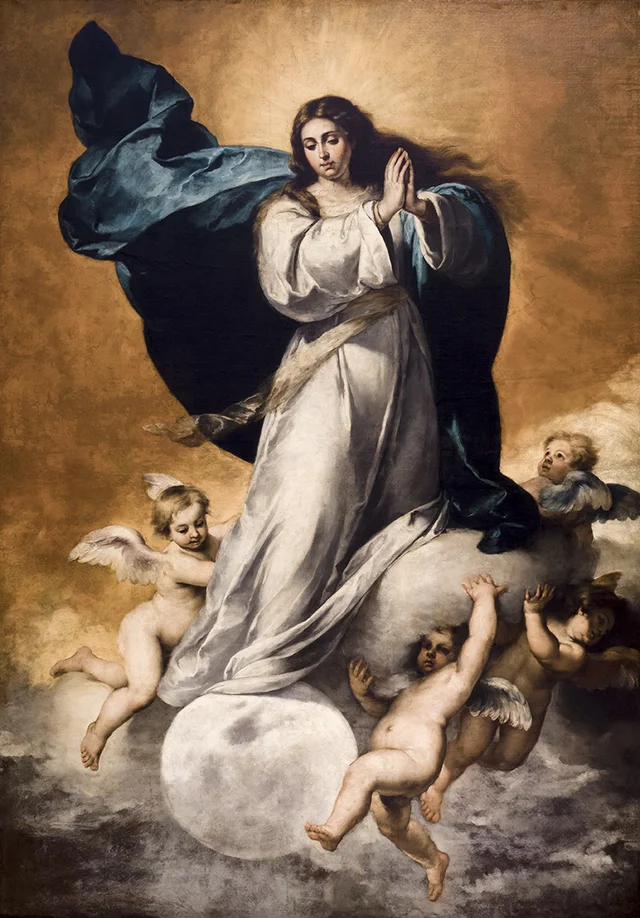 Immaculate ConceptionBartolomé Esteban Murillo, 1652
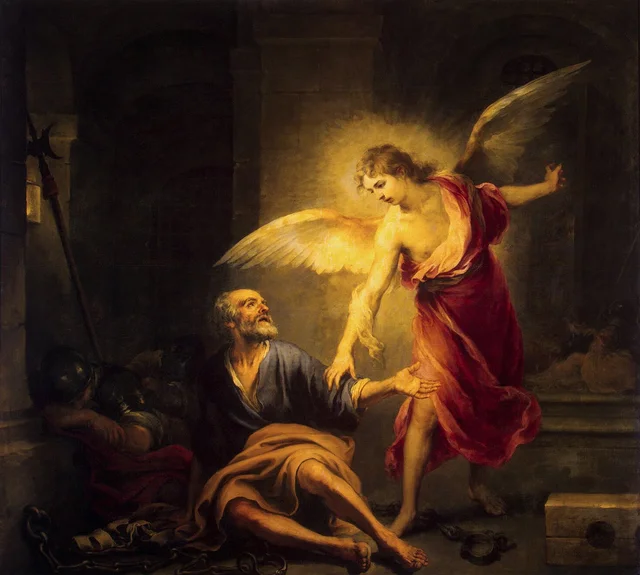 Liberation of Saint PeterBartolomé Esteban Murillo, 1665
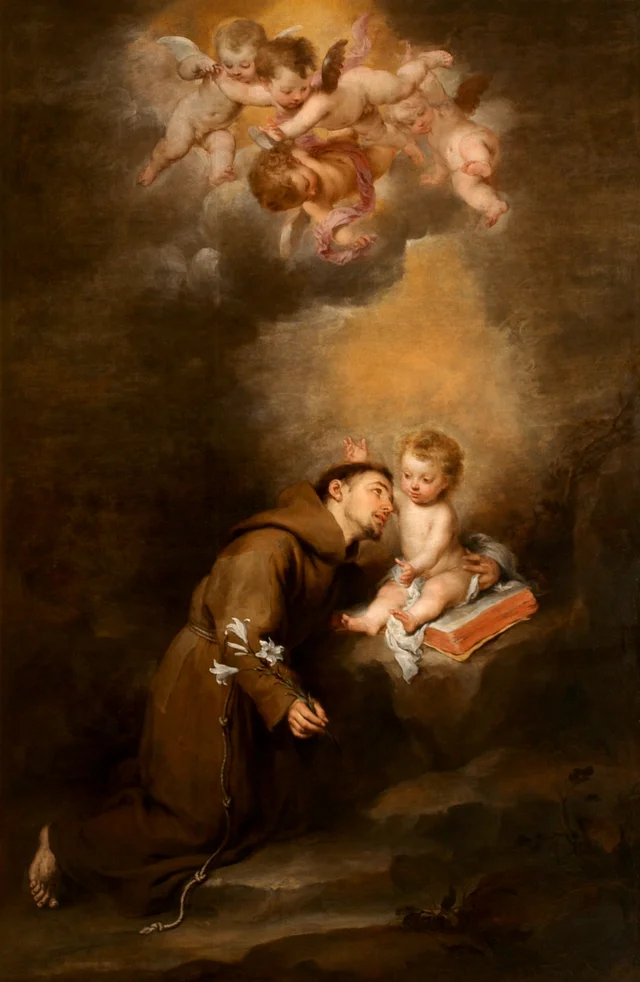 Saint Anthony of Padua with the ChildBartolomé Esteban Murillo, 1668
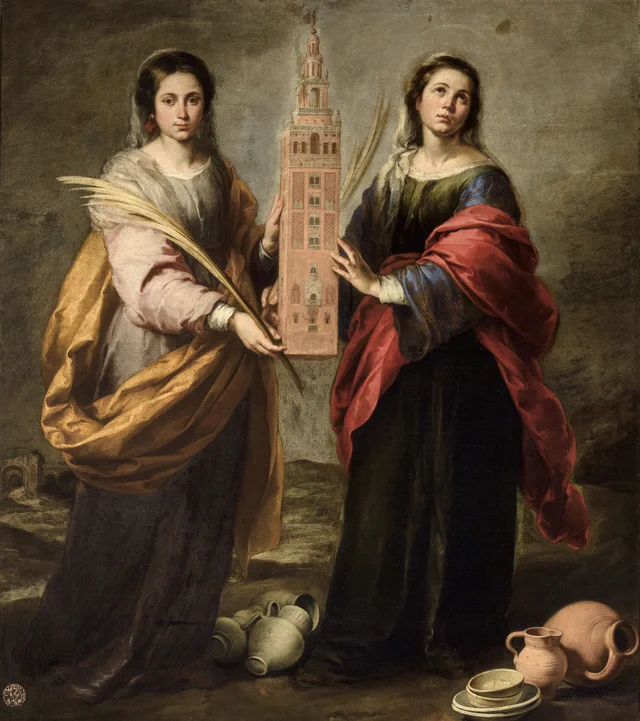 St. Justa and St. RufinaBartolomé Esteban Murillo, 1666
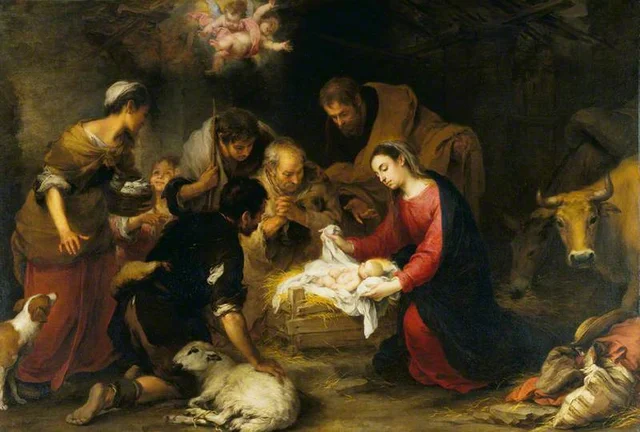 The Adoration of the ShepherdsBartolomé Esteban Murillo, 1665
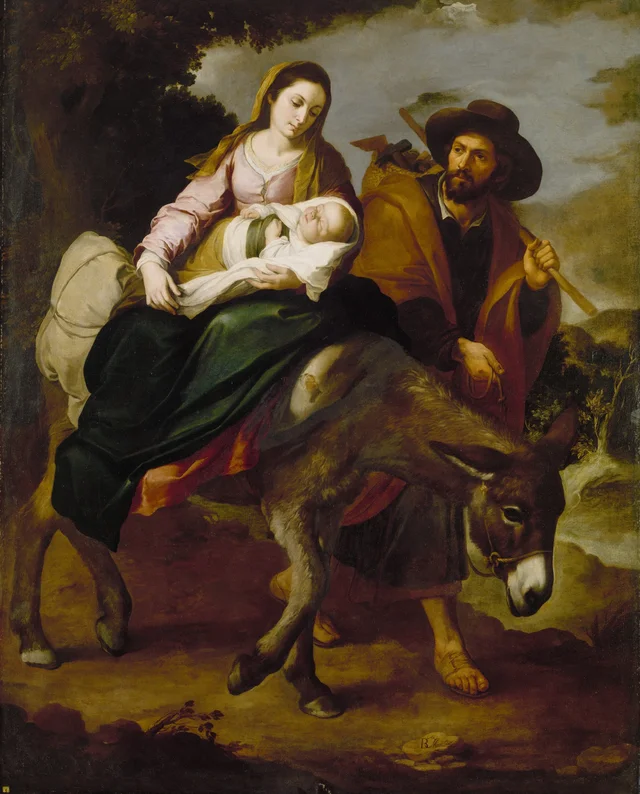 The Flight into EgyptBartolomé Esteban Murillo, 1647
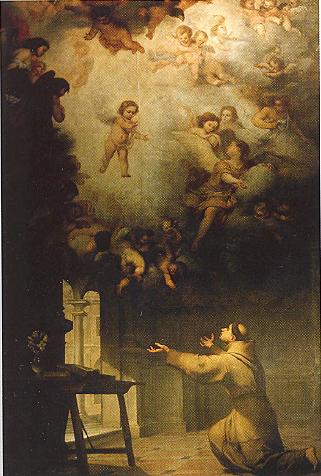 The vision of Saint Anthony of PaduaBartolomé Esteban Murillo, 1656
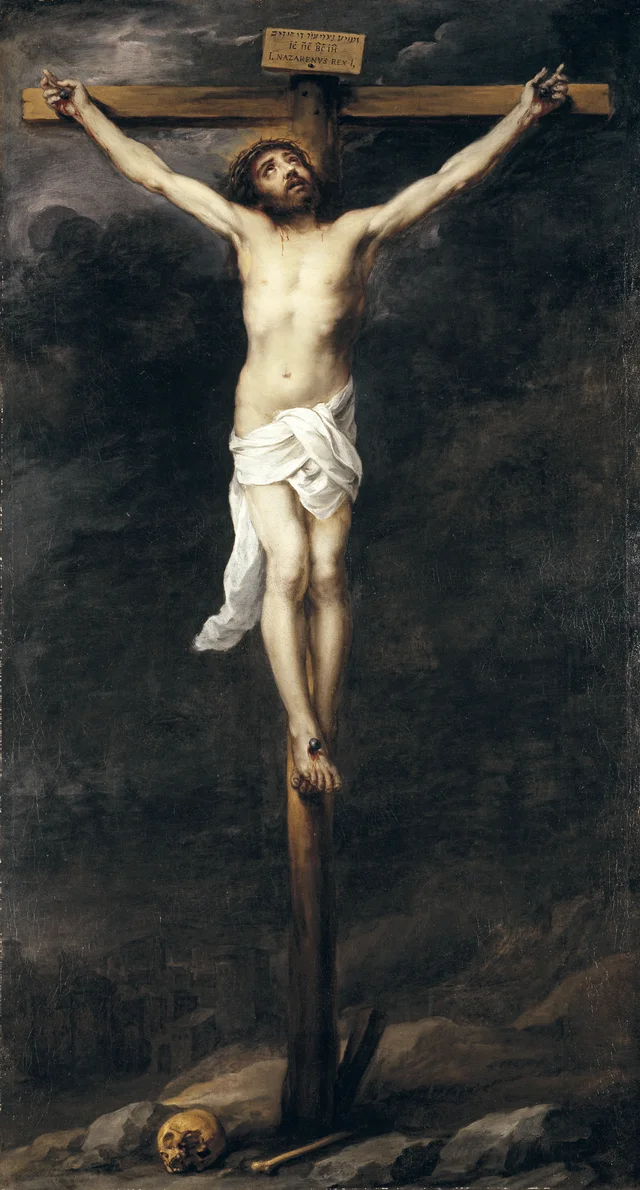 Christ on the CrossBartolomé Esteban Murillo, 1650
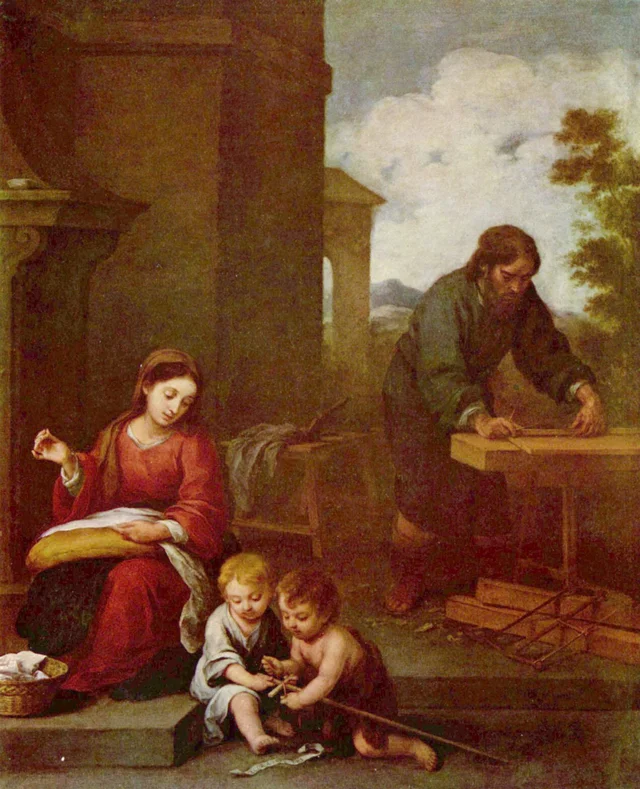 Holy Family with St. John the BaptistBartolomé Esteban Murillo, 1670
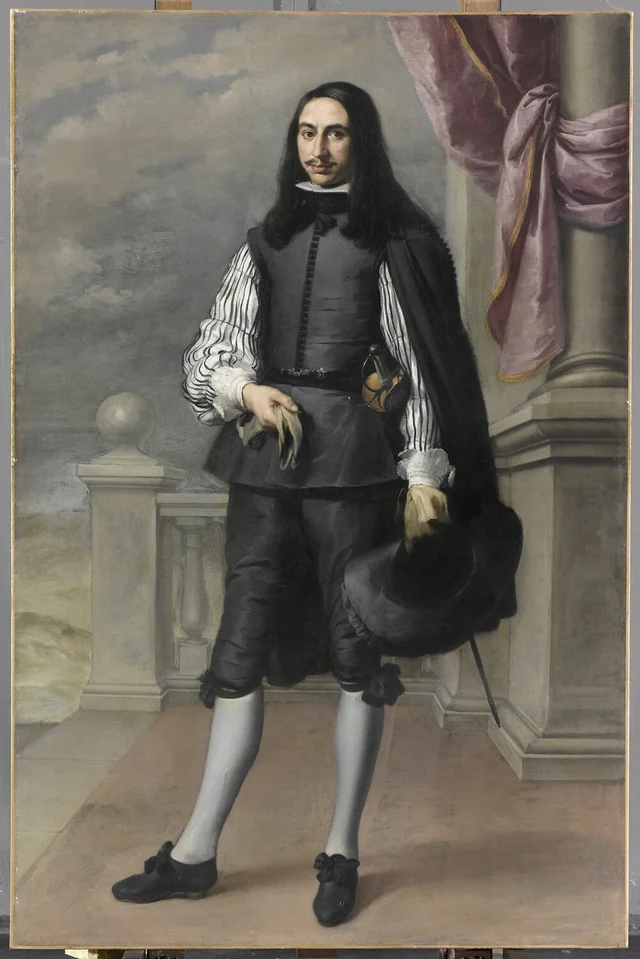 Portrait of Íñigo Fernández de VelascoBartolomé Esteban Murillo, 1659
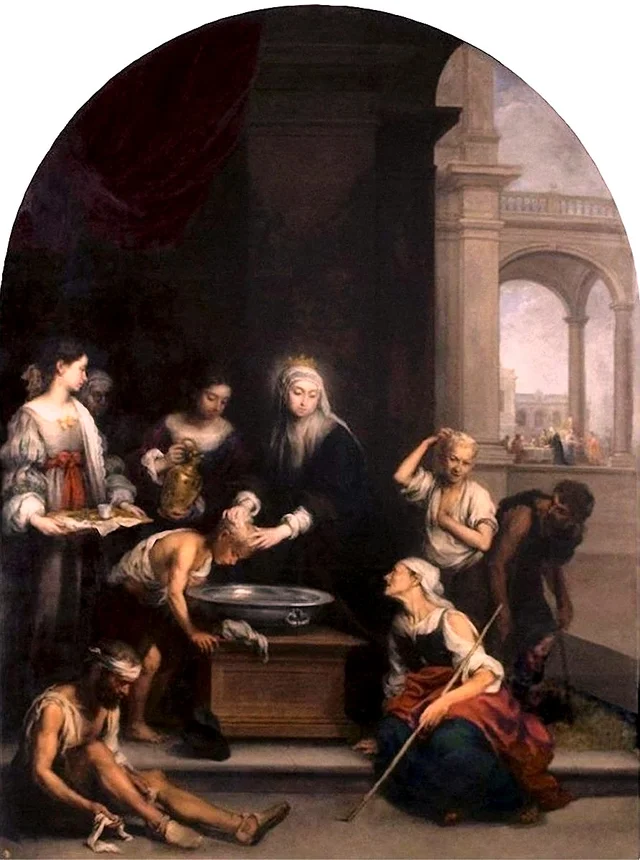 Saint Elisabeth of Hungary healing the poorBartolomé Esteban Murillo, 1672
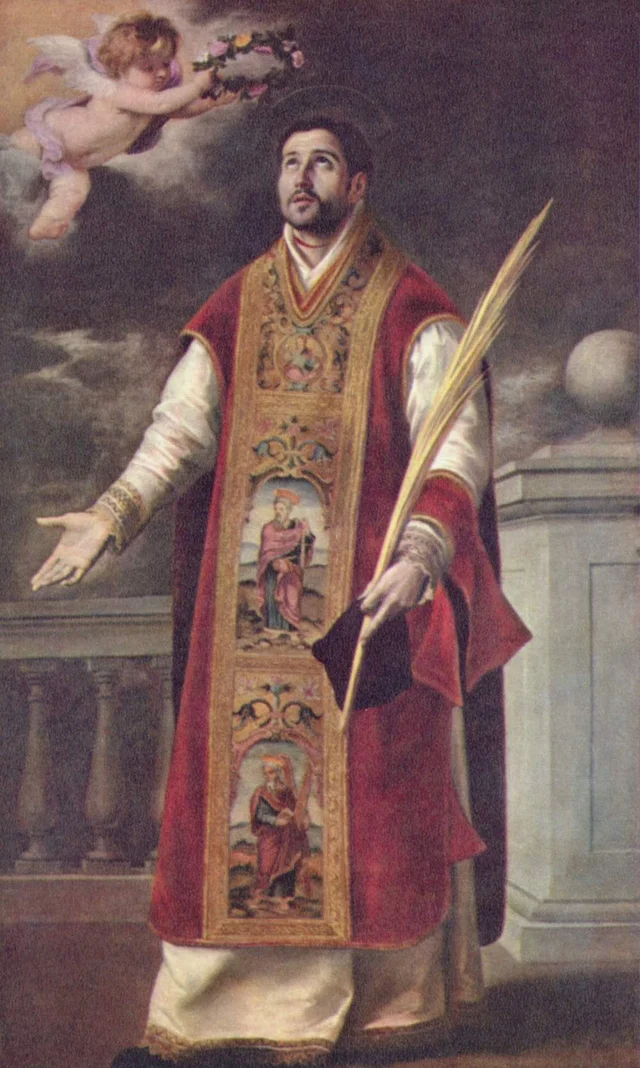 Saint RoderickBartolomé Esteban Murillo, 1646
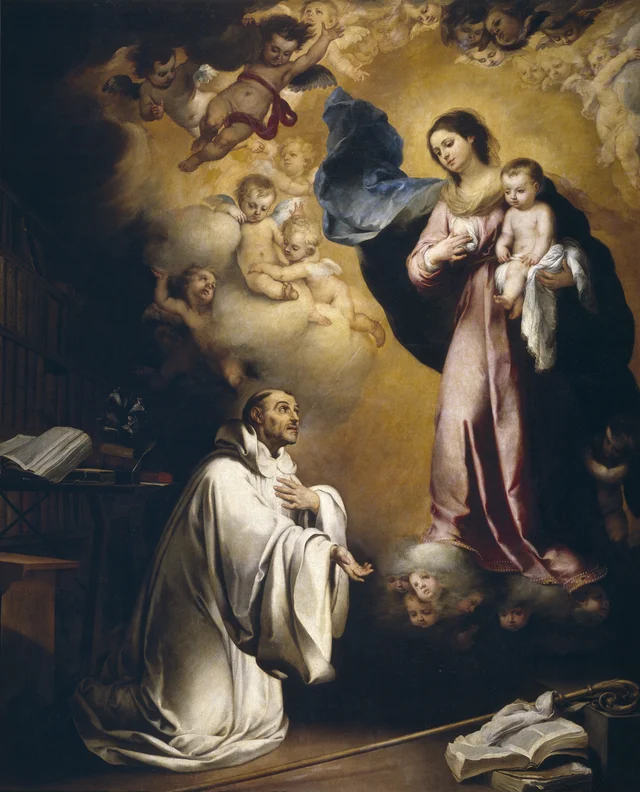 The Apparition of the Virgin to Saint BernardBartolomé Esteban Murillo, 1655
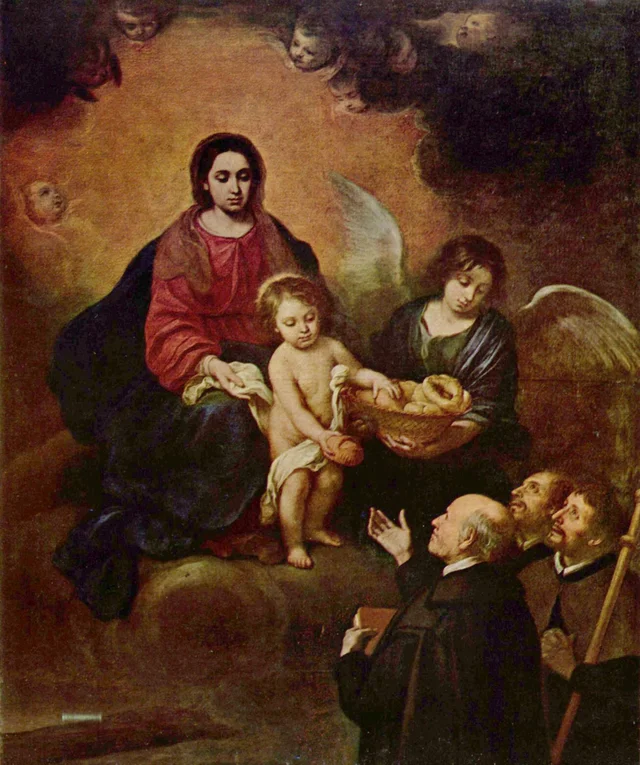 The Infant Christ Distributing Bread to the PilgrimsBartolomé Esteban Murillo, 1678
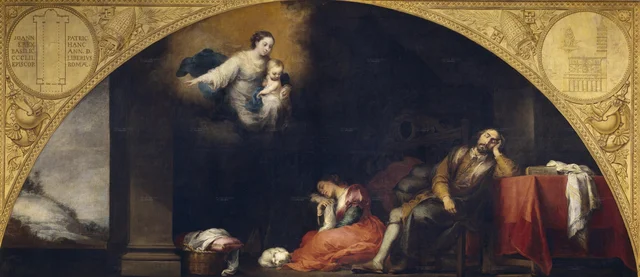 The Patrician's DreamBartolomé Esteban Murillo, 1665
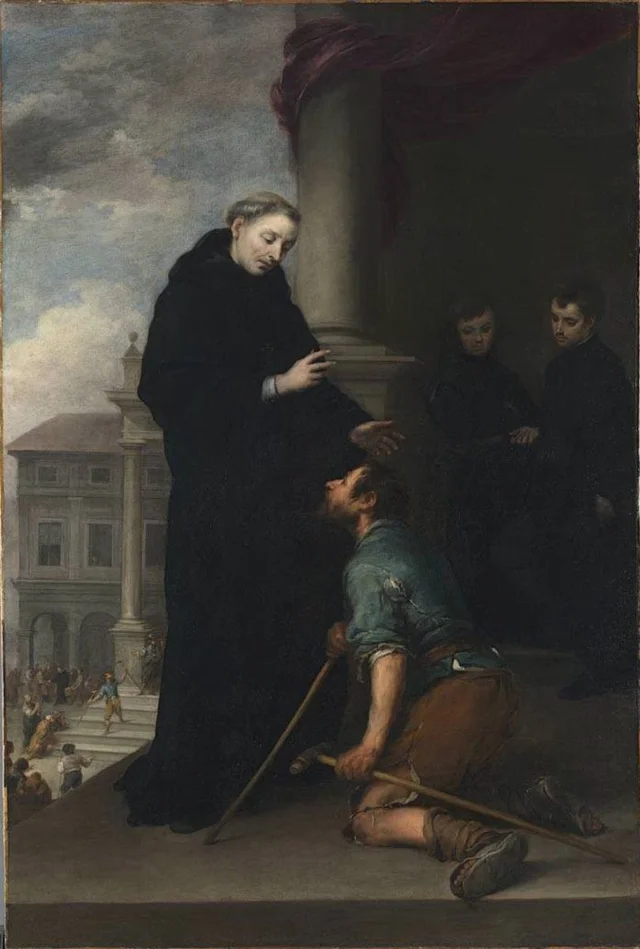 Thomas of Villanova heals the sickBartolomé Esteban Murillo, 1675
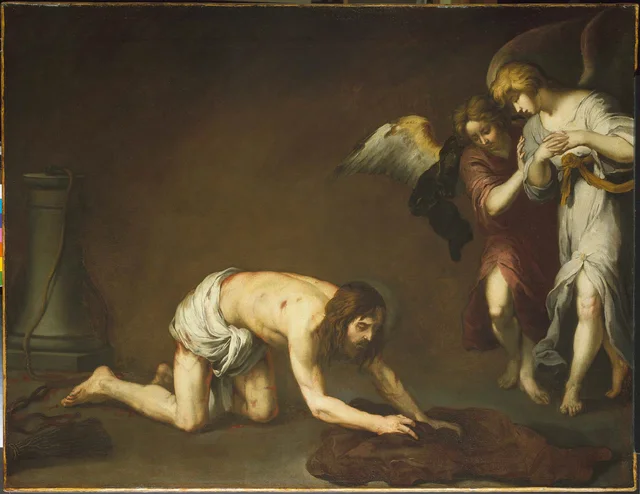 Christ after the FlagellationBartolomé Esteban Murillo, 1660
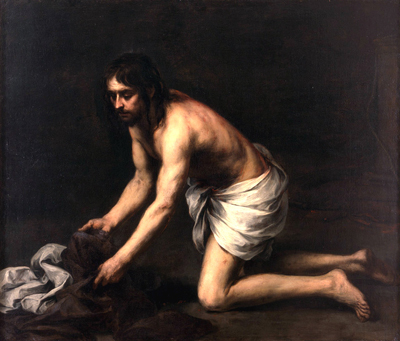 Christ after the FlagellationBartolomé Esteban Murillo, 1670
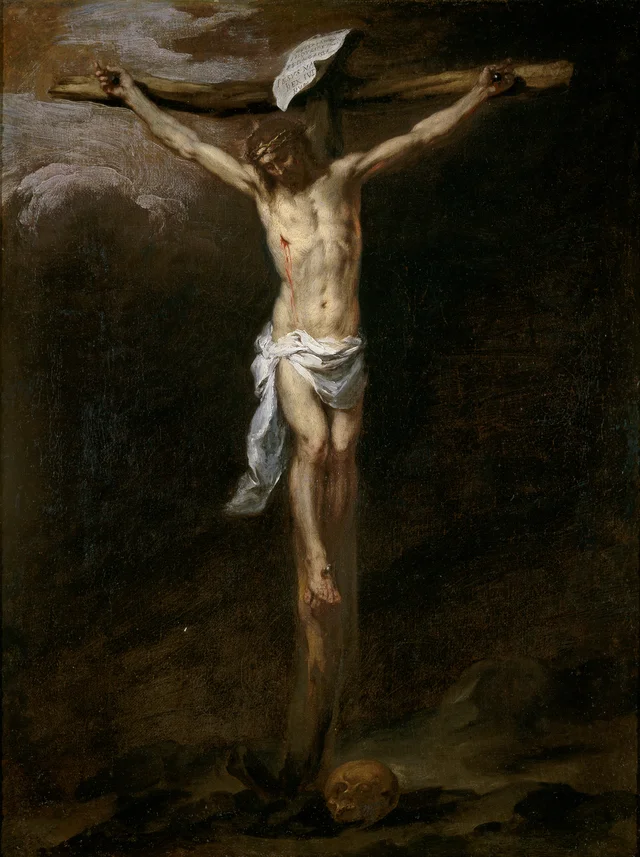 Christ crucifiedBartolomé Esteban Murillo, 1677
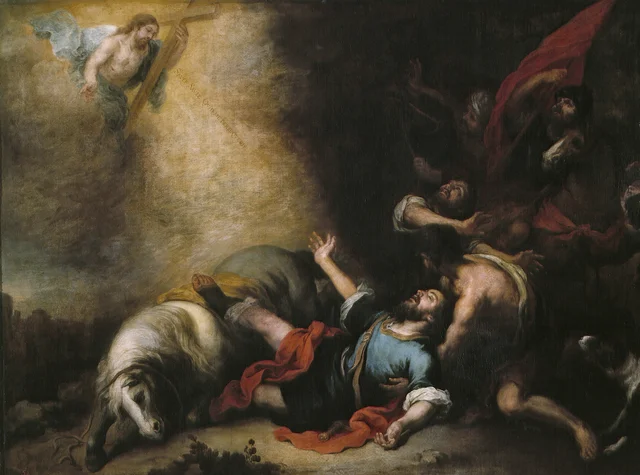 Conversion of Saint PaulBartolomé Esteban Murillo, 1678
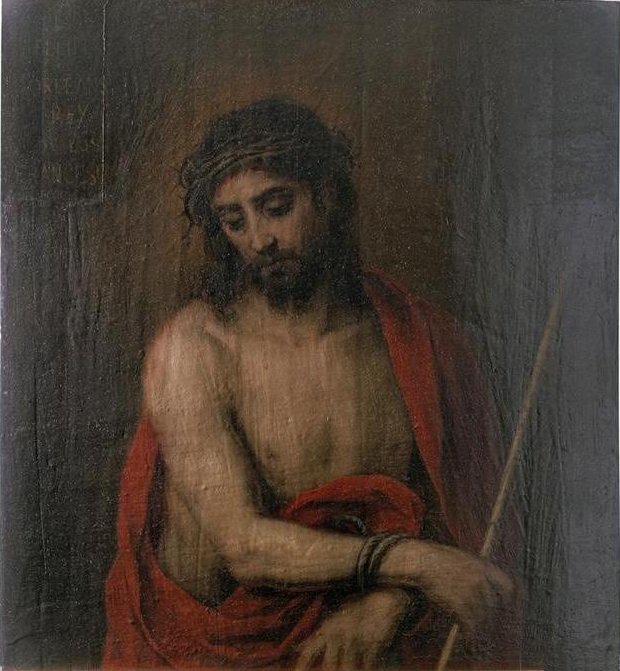 Ecce Homo (Murillo)Bartolomé Esteban Murillo, 1650
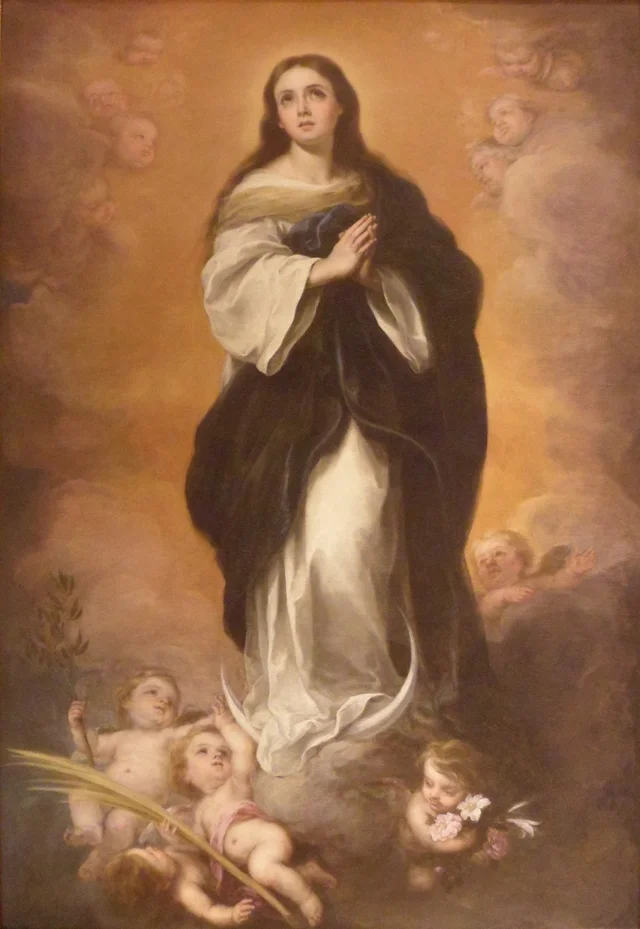 Immaculate ConceptionBartolomé Esteban Murillo, 1670
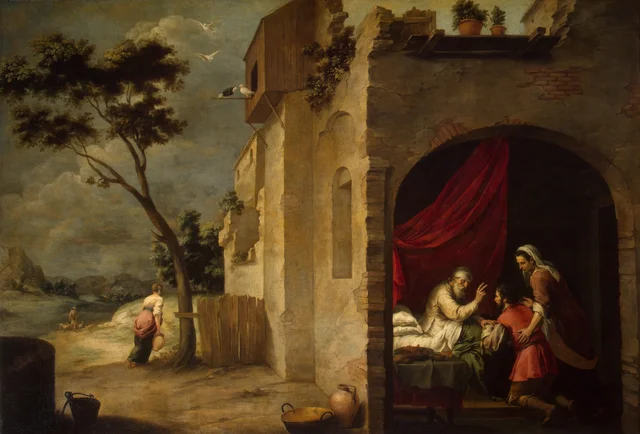 Isaac Blessing JacobBartolomé Esteban Murillo, 1667
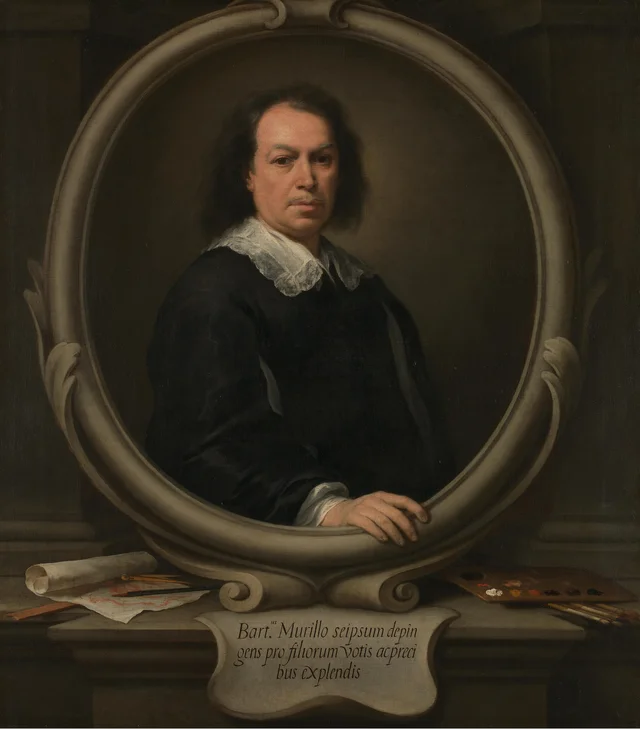 Self-portraitBartolomé Esteban Murillo, 1670