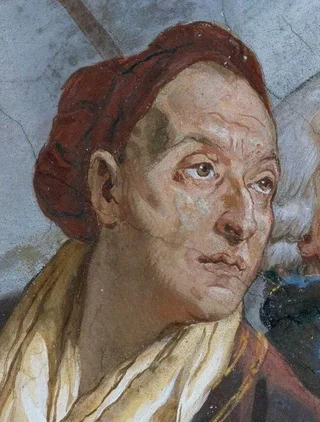
Giovanni Battista Tiepolo
1696–1770 · Republic of Venice · Rococo
The story
In December 1750 Giovanni Battista Tiepolo arrived in Würzburg, a city in Bavaria in southern Germany, with his two sons, invited by the local prince-bishop Carl Philipp von Greiffenclau to fresco the ceiling of his new palace's dining hall. The prince-bishop was so pleased that he asked Tiepolo to take on a second job, the ceiling above the palace's grand staircase.
What Tiepolo painted there, finished in 1753, is still the largest fresco in the world, covering more than 600 square meters of unsupported vaulted ceiling with allegorical figures representing Europe, Africa, Asia and the Americas, the four continents as Europeans then understood them, gathered around the sun god Apollo. It was the high point of a career spent painting airy, light-filled ceilings for churches and palaces across the Republic of Venice and beyond.
Near the end of his life, in 1762, King Charles III of Spain summoned Tiepolo to Madrid to fresco the new royal palace, and he stayed there the rest of his career, even as a younger, more austere Neoclassical taste was starting to displace the Rococo style he had spent decades perfecting. He died in Madrid in 1770, having never returned to Venice.
More articles

Works
76 works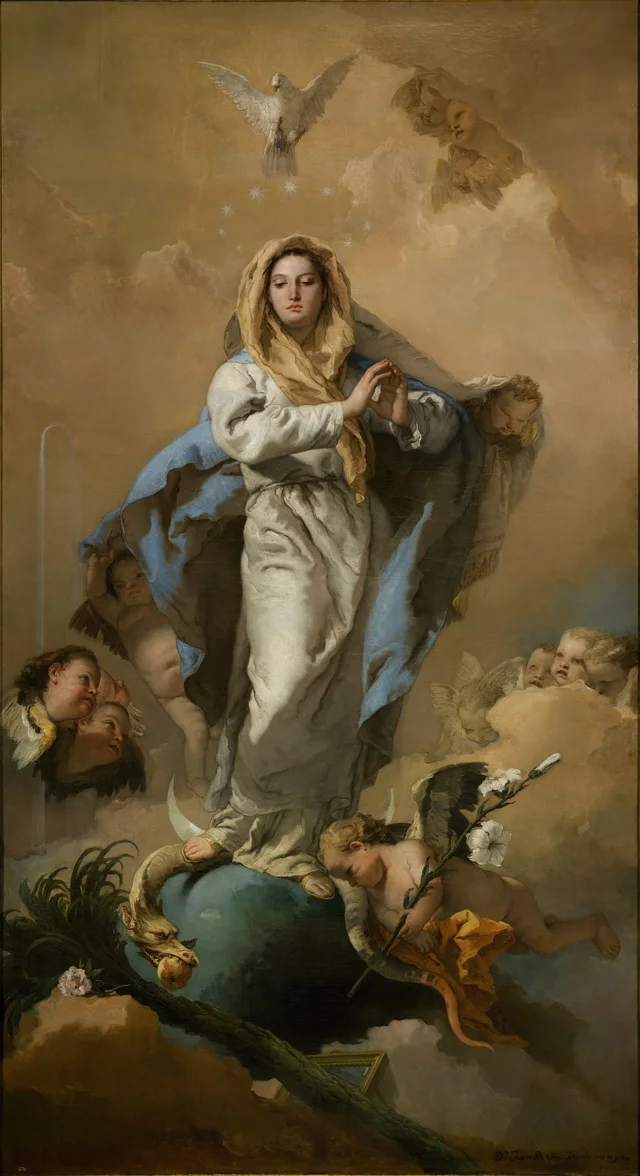 The Immaculate ConceptionGiovanni Battista Tiepolo, 1767
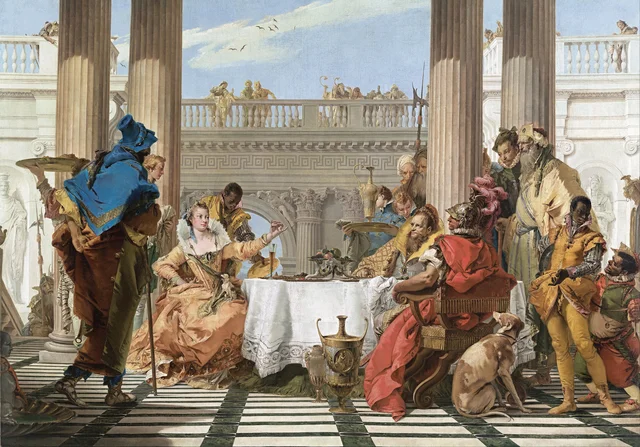 The Banquet of CleopatraGiovanni Battista Tiepolo, 1743
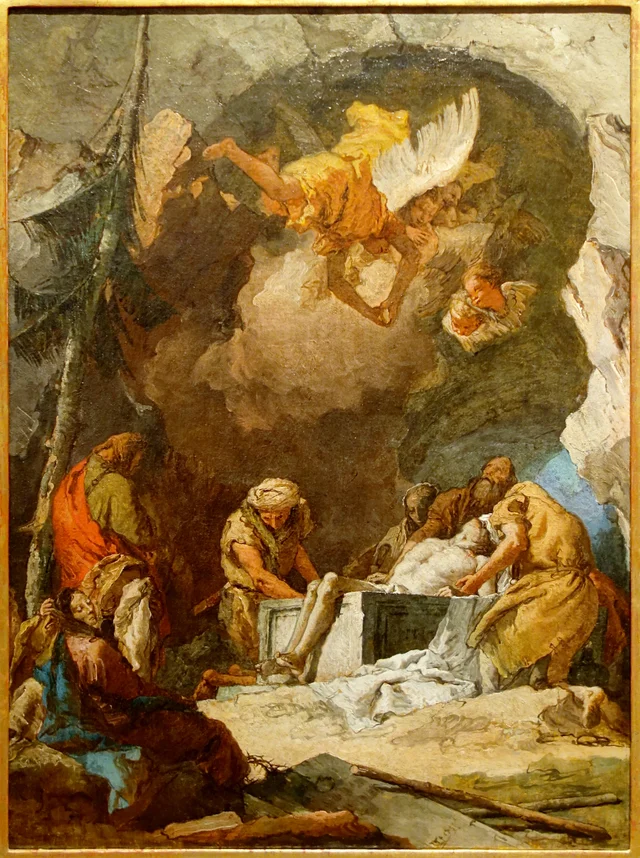 DepositionGiovanni Battista Tiepolo, 1767
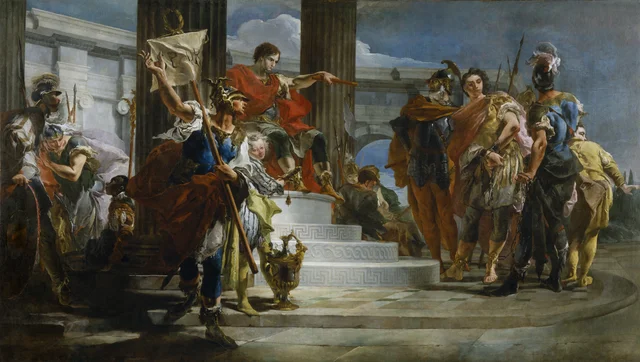 Scipio Africanus Freeing MassivaGiovanni Battista Tiepolo, 1719
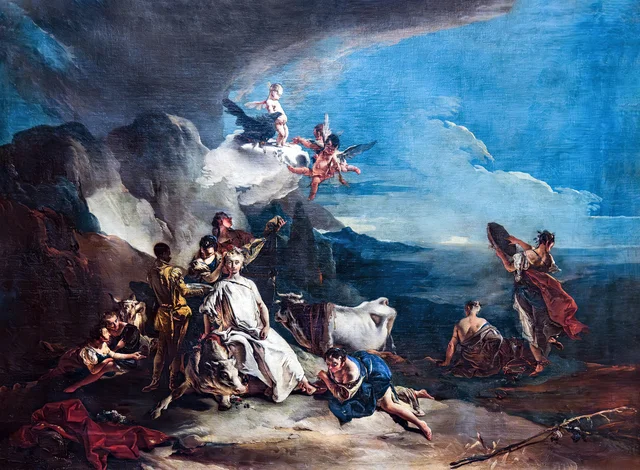 The Rape of EuropaGiovanni Battista Tiepolo, 1725
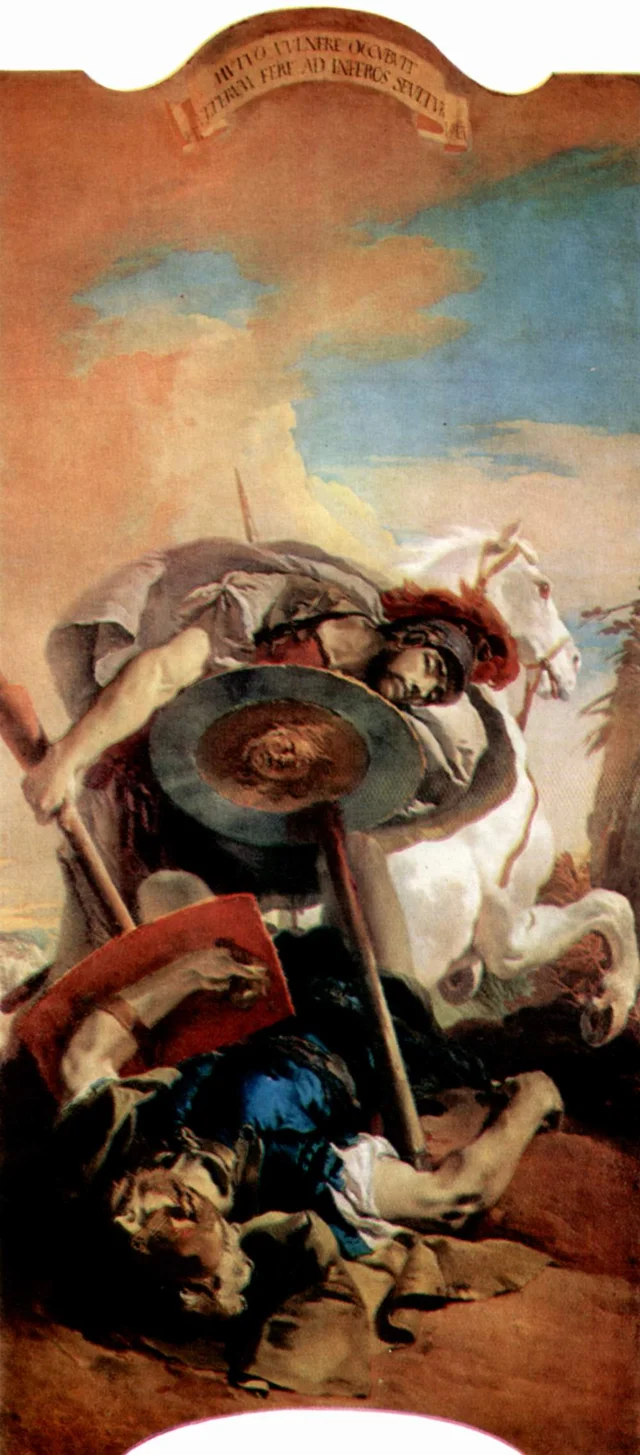 Death of Consul L. J. Brutus in a duel with ArunsGiovanni Battista Tiepolo, 1727
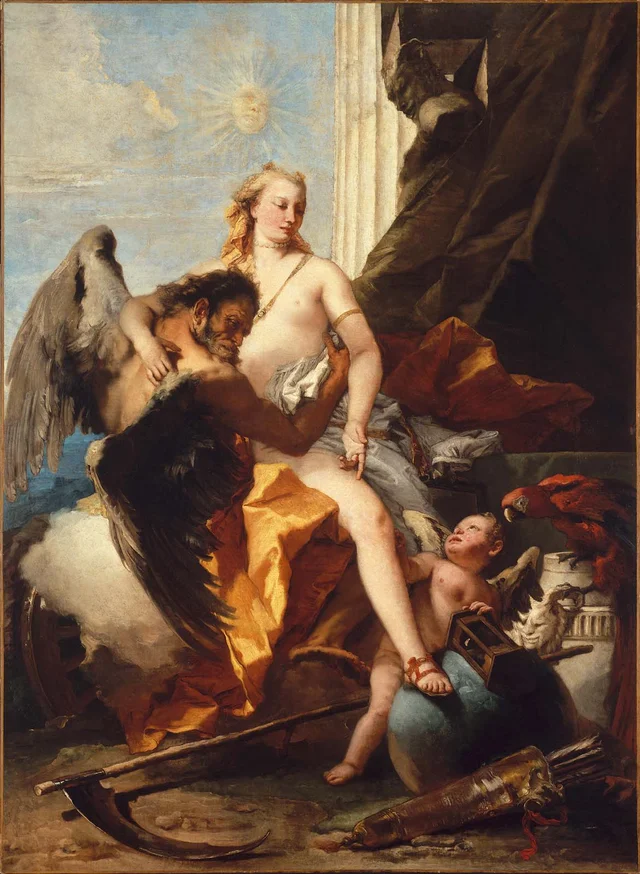 Time Unveiling TruthGiovanni Battista Tiepolo, 1745
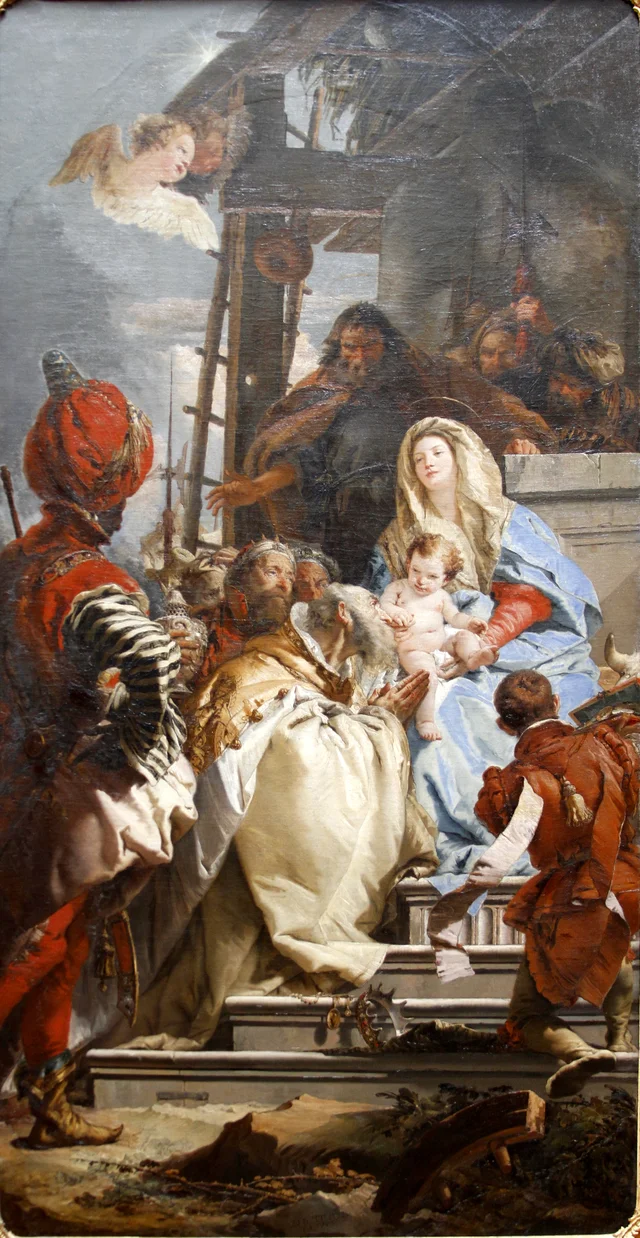 Adoration of the KingsGiovanni Battista Tiepolo, 1753
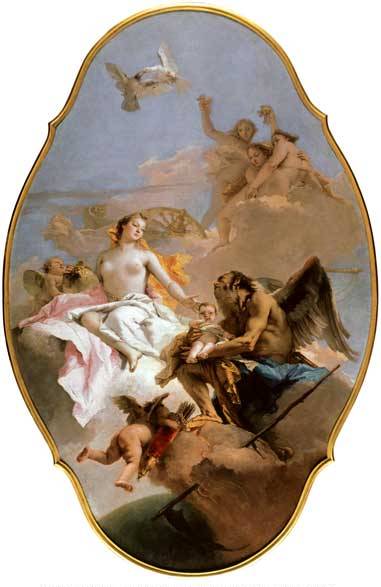 An Allegory with Venus and TimeGiovanni Battista Tiepolo, 1754
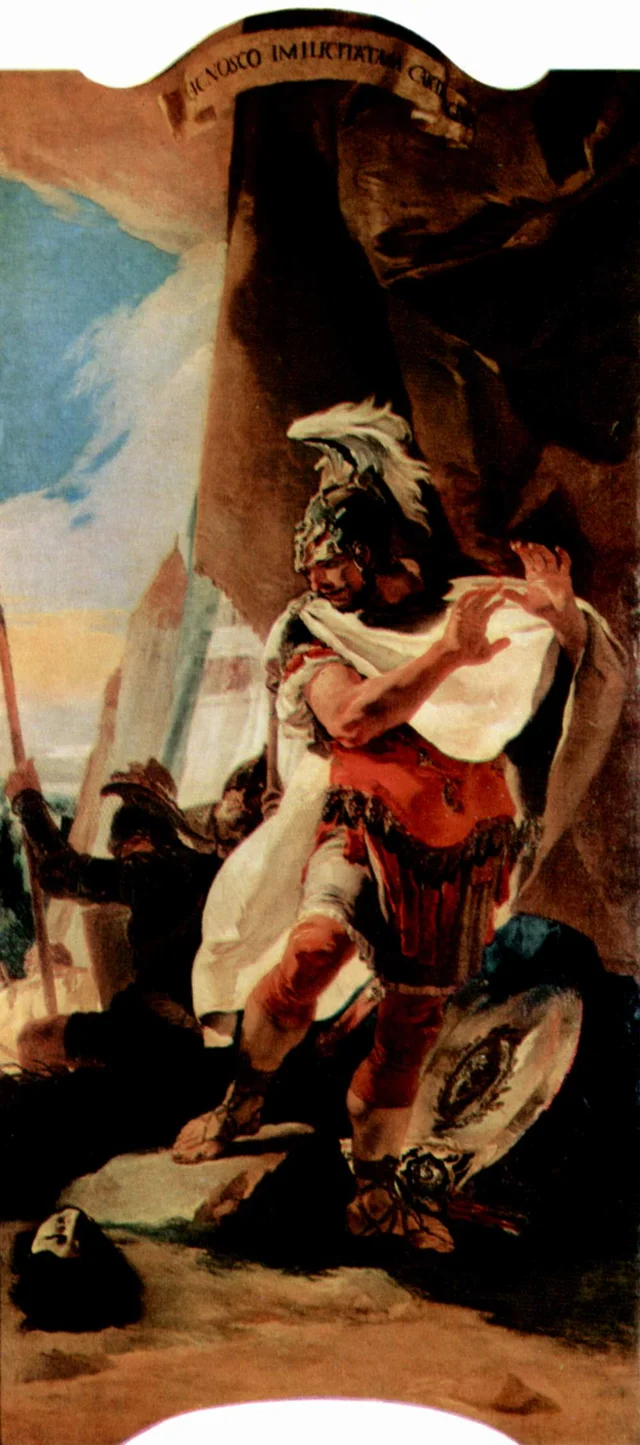 Hannibal recognises the head of his brother HasdrubalGiovanni Battista Tiepolo, 1729
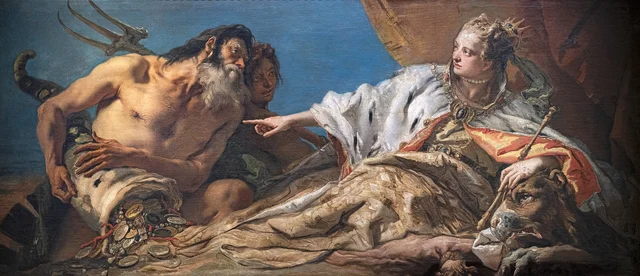 Neptune Offering Gifts to VeniceGiovanni Battista Tiepolo, 1740
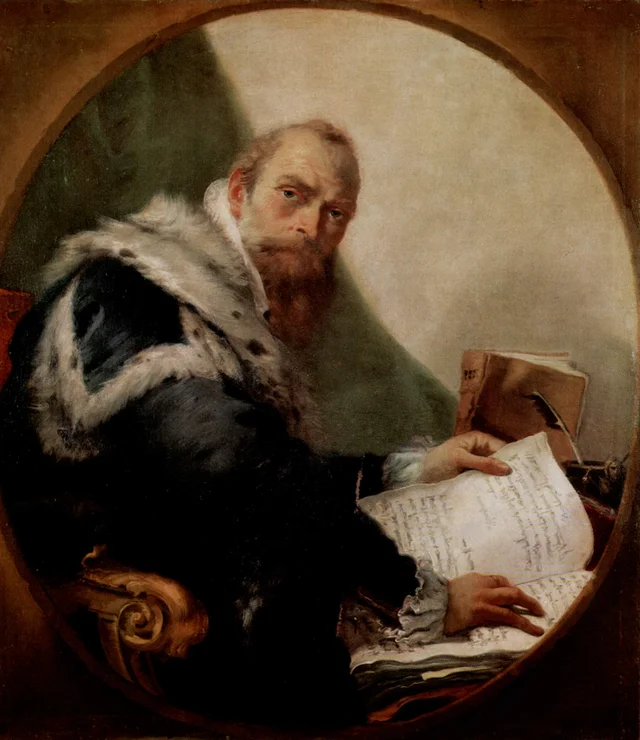 Portrait of Antonio RiccobonoGiovanni Battista Tiepolo, 1745
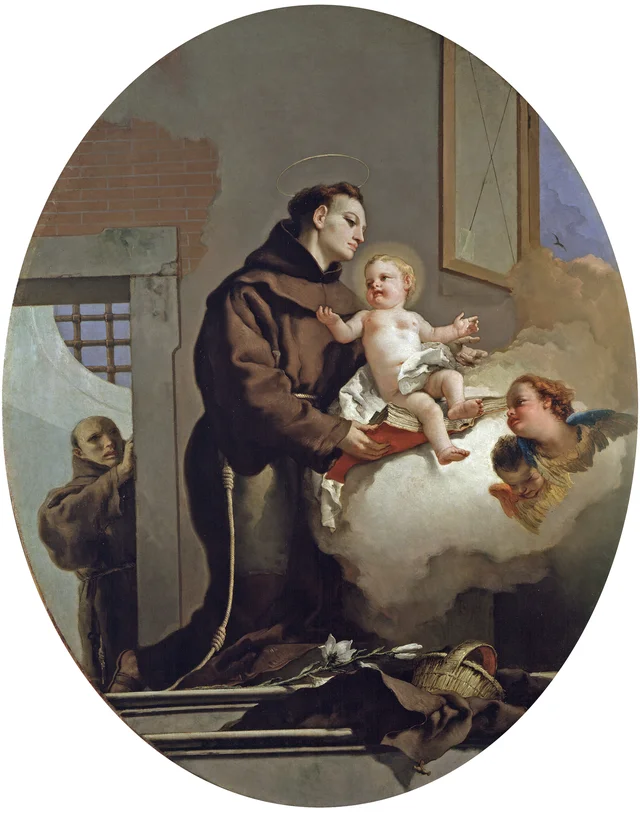 Saint Anthony of Padua with the Infant ChristGiovanni Battista Tiepolo, 1767
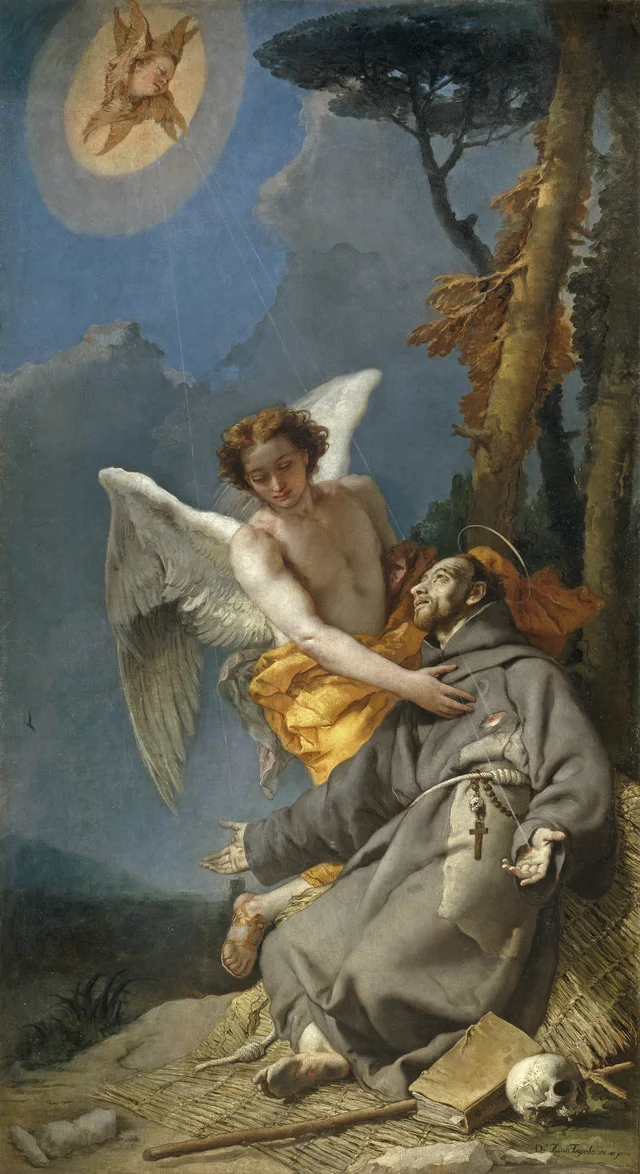 Saint Francis of Assisi receiving the StigmataGiovanni Battista Tiepolo, 1767
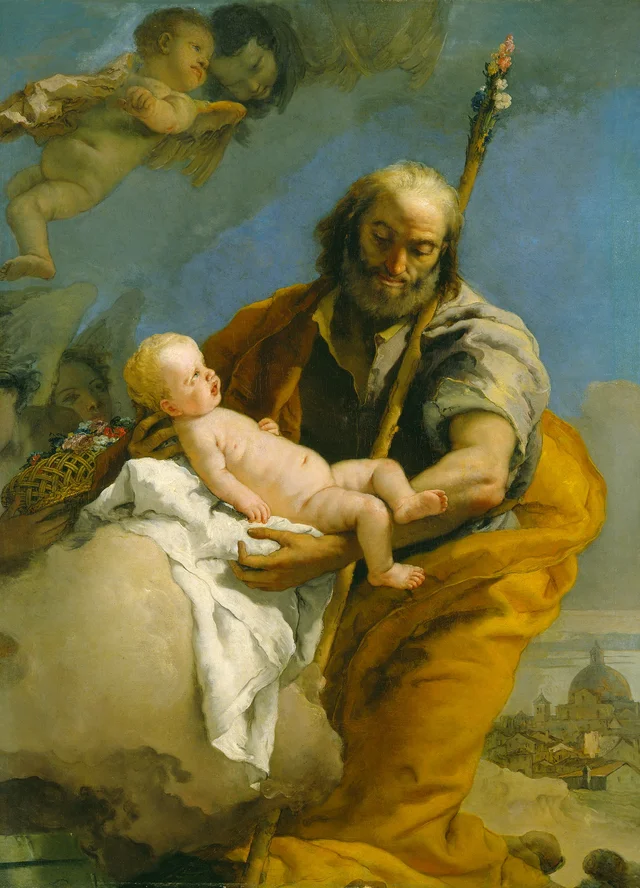 Saint Joseph and the Christ ChildGiovanni Battista Tiepolo, 1767
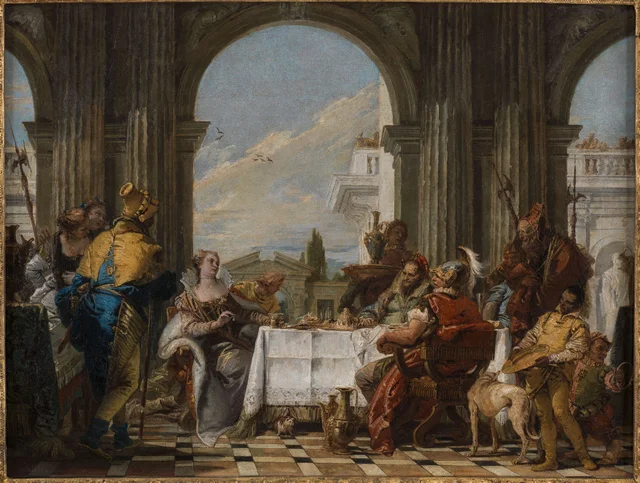 The Banquet of CleopatraGiovanni Battista Tiepolo, 1742
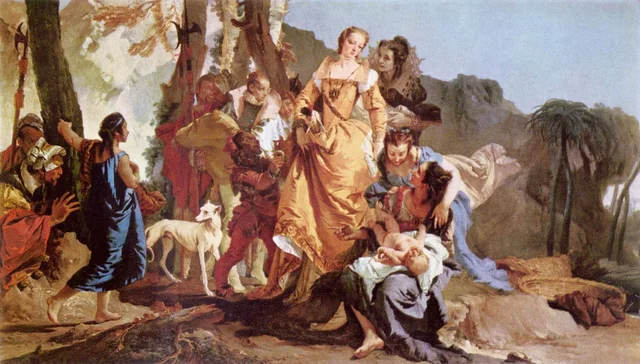 The Finding of MosesGiovanni Battista Tiepolo, 1740
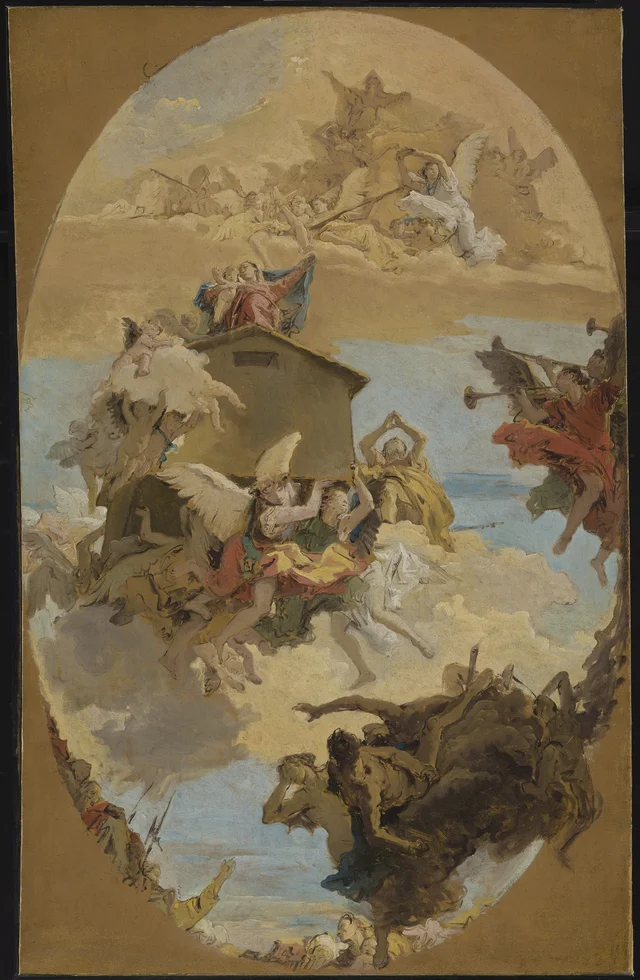 The Miracle of the Holy House of LoretoGiovanni Battista Tiepolo, 1743
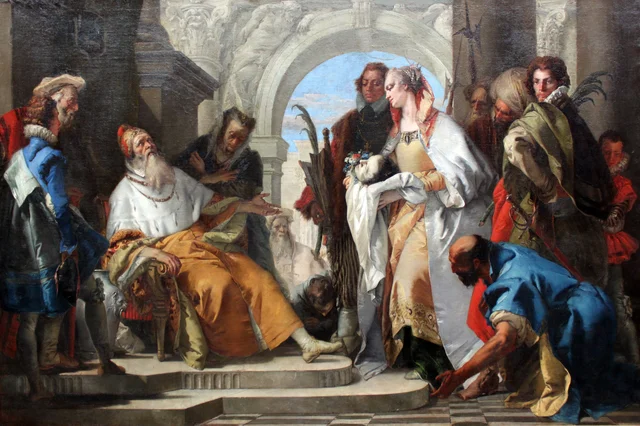 The Patron Saints of the Crotta FamilyGiovanni Battista Tiepolo, 1750
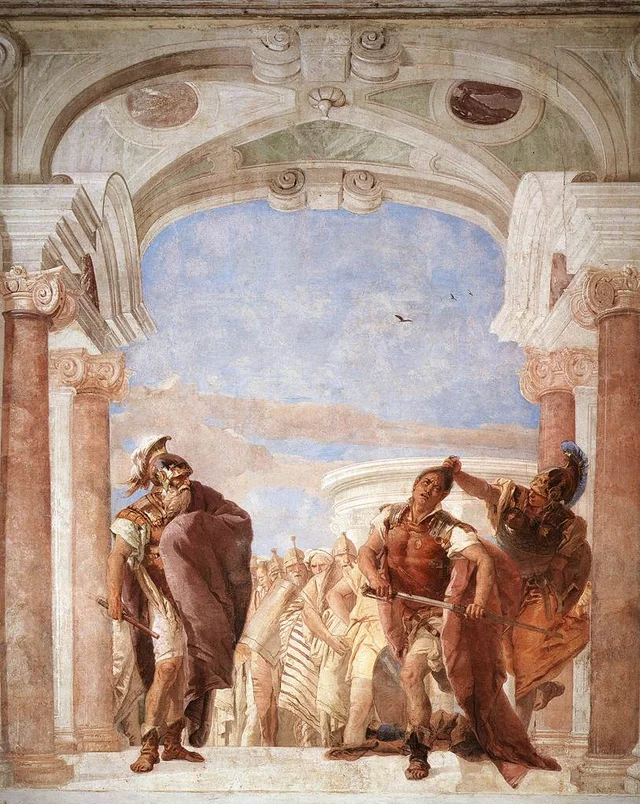 The Rage of AchillesGiovanni Battista Tiepolo, 1757
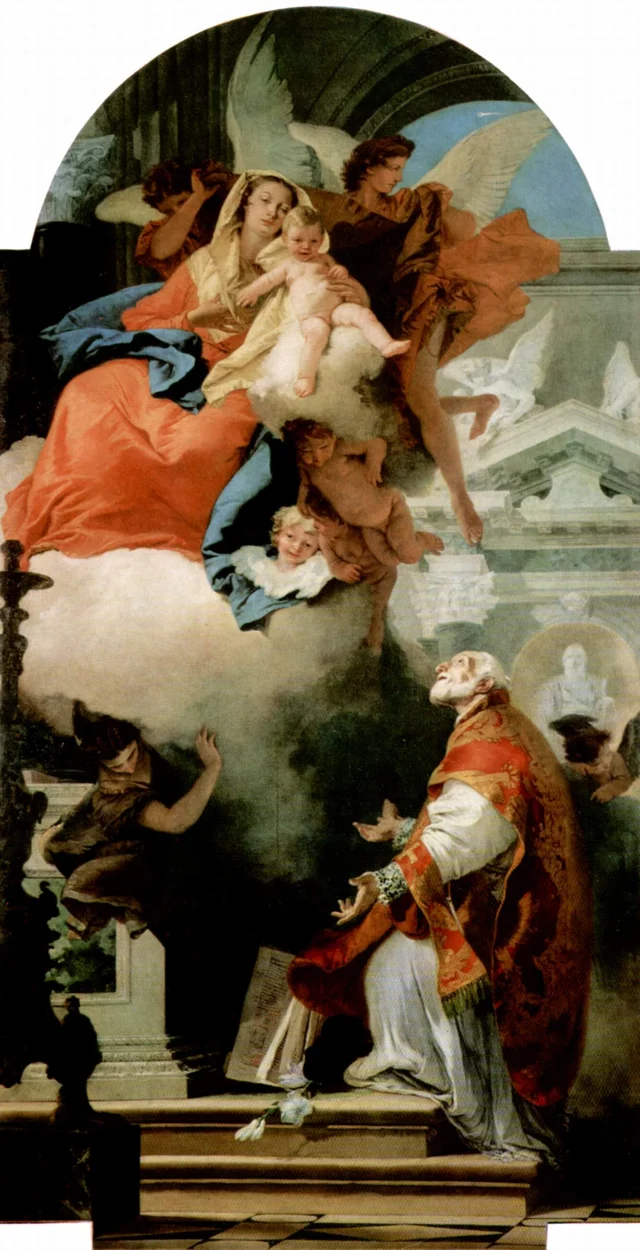 The Virgin Appearing to St Philip NeriGiovanni Battista Tiepolo, 1740
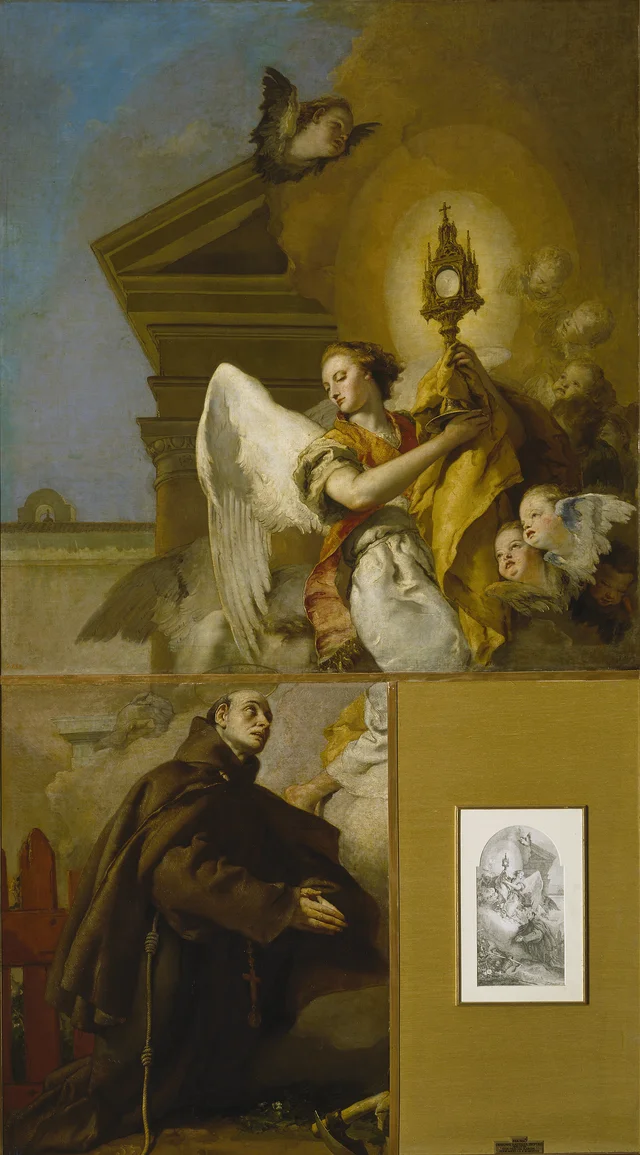 The Vision of Saint Paschal BaylonGiovanni Battista Tiepolo, 1767
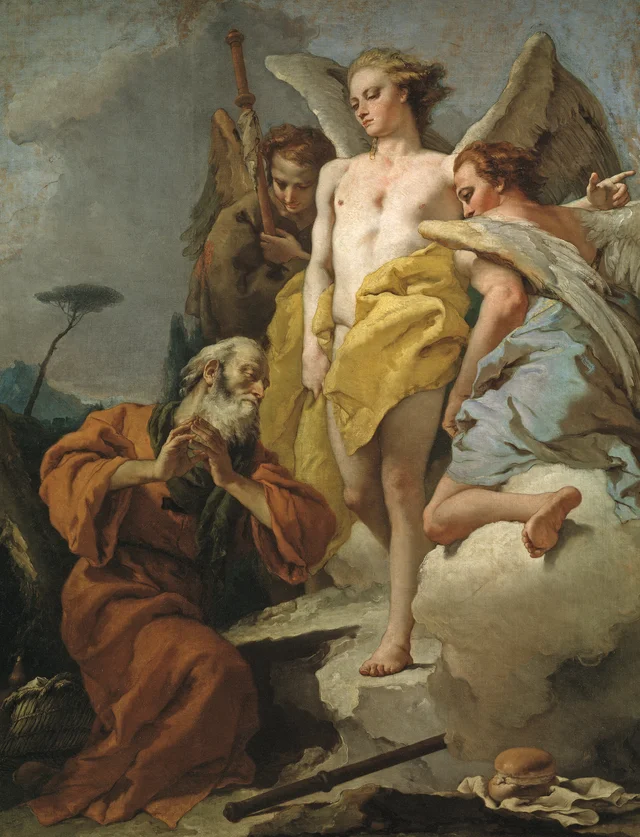 Abraham and the three AngelsGiovanni Battista Tiepolo, 1750
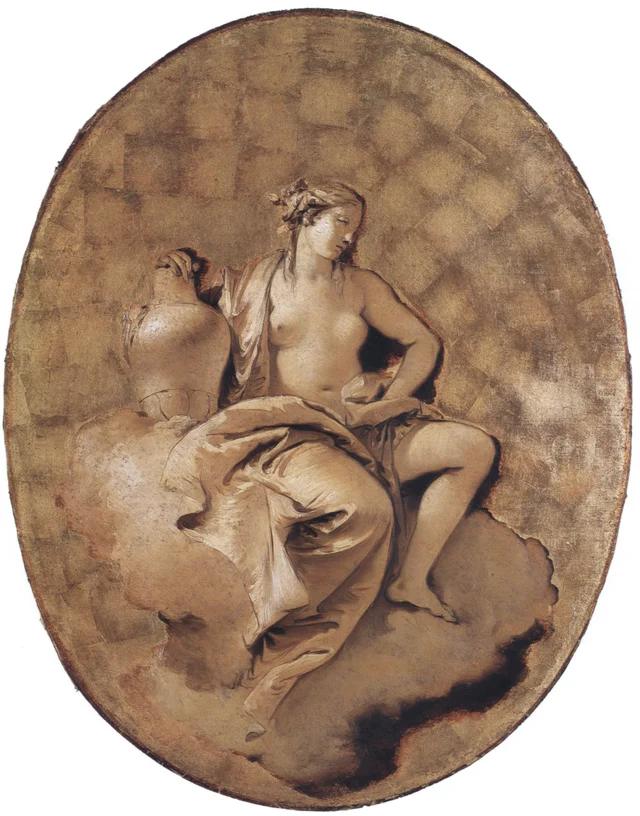 A Female Allegorical FigureGiovanni Battista Tiepolo, 1740
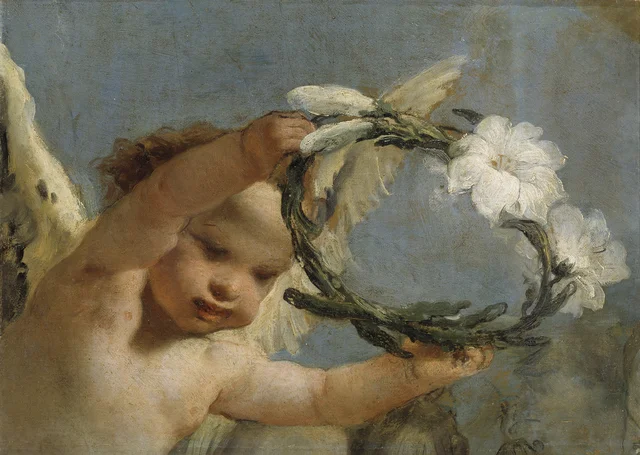 Angel with a Crown of LiliesGiovanni Battista Tiepolo, 1767