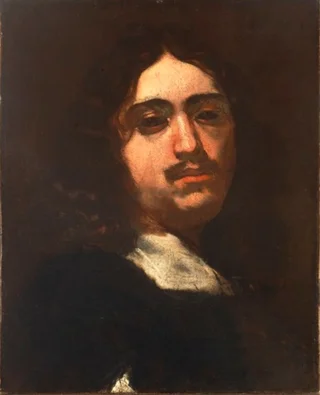
Jusepe de Ribera
1591–1652 · Crown of Aragon · Baroque
The story
In 1616 a young Spanish painter left Rome for Naples, one step ahead of creditors he could not pay. Naples was then a Spanish possession, ruled by a viceroy sent from Madrid, so a Spaniard there could work for the local Neapolitan elite and for visiting Spanish nobles at once. Ribera settled in for good. That same year he married Caterina Azzolino, daughter of a Neapolitan painter, a match that opened doors a newcomer needed.
He painted in the dramatic dark-into-light manner pioneered by the Italian painter Caravaggio, who had worked in Naples a few years earlier and died there in 1610. Ribera pushed the naturalism further, painting martyred saints, aged philosophers and the flayed satyr Marsyas with a bluntness that earned him the nickname Lo Spagnoletto, the little Spaniard. Spanish viceroys bought his canvases and shipped them home to Spain, which is how a painter who never returned there still became one of its most famous artists, ranked today alongside other Spanish Baroque masters like Diego Velázquez and Francisco de Zurbarán.
By the early 1630s his lighting had softened from stark contrast toward something more diffused. A 1642 painting of a beggar boy with a clubbed foot, now in the Louvre museum in Paris, shows the boy grinning and holding a paper inscribed, in Latin, with a request for alms for the love of God.
Works
115 works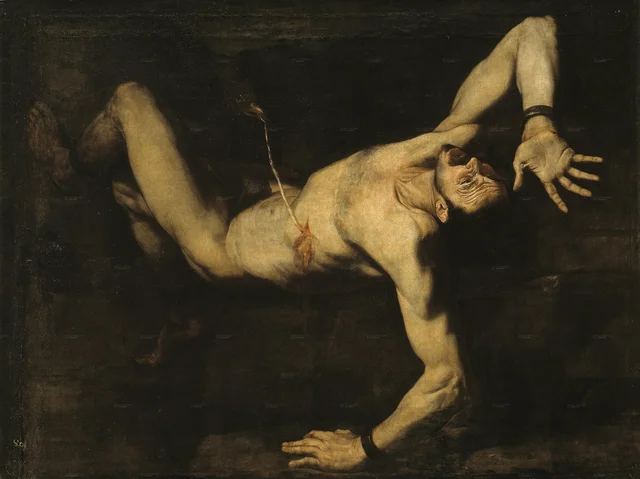 TityosJusepe de Ribera, 1632
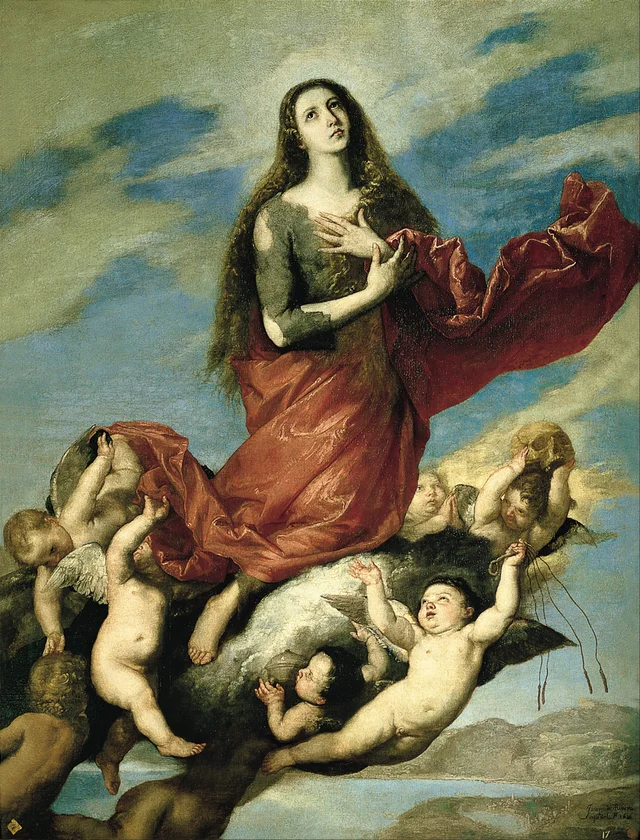 Assumption of Mary MagdaleneJusepe de Ribera, 1636
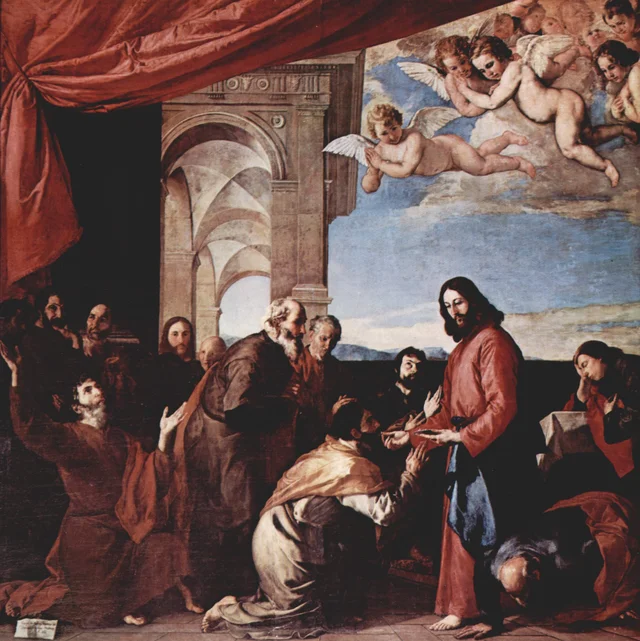 Communion of the ApostlesJusepe de Ribera, 1651
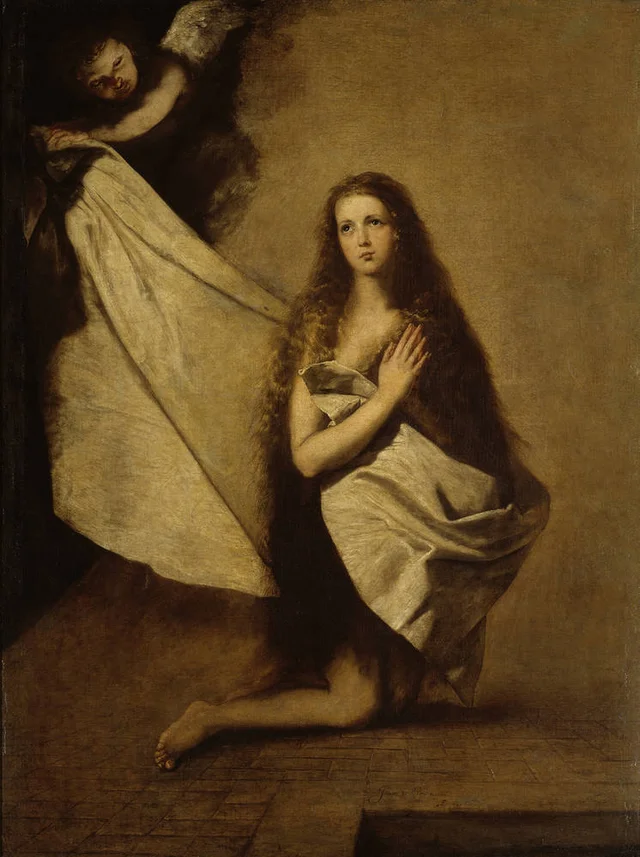 Saint AgnesJusepe de Ribera, 1640
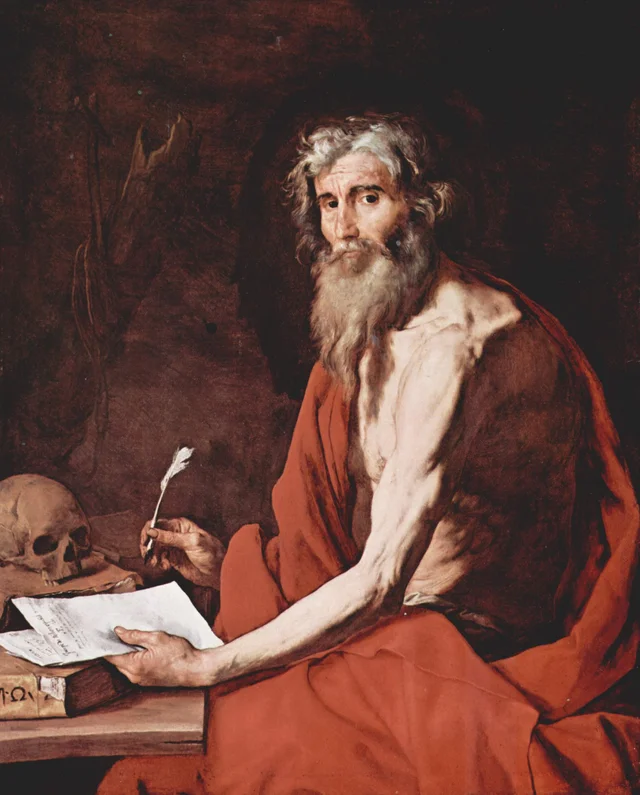 Saint JeromeJusepe de Ribera, 1651
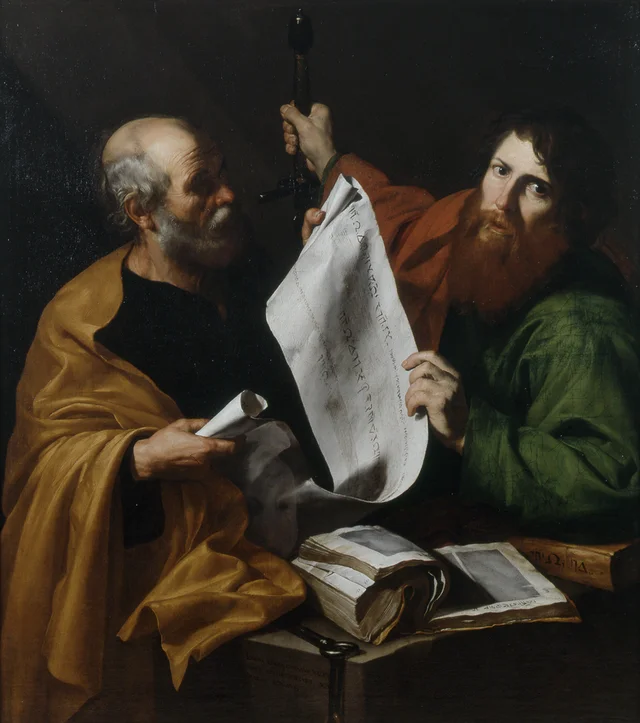 Saint Peter and Saint PaulJusepe de Ribera, 1616
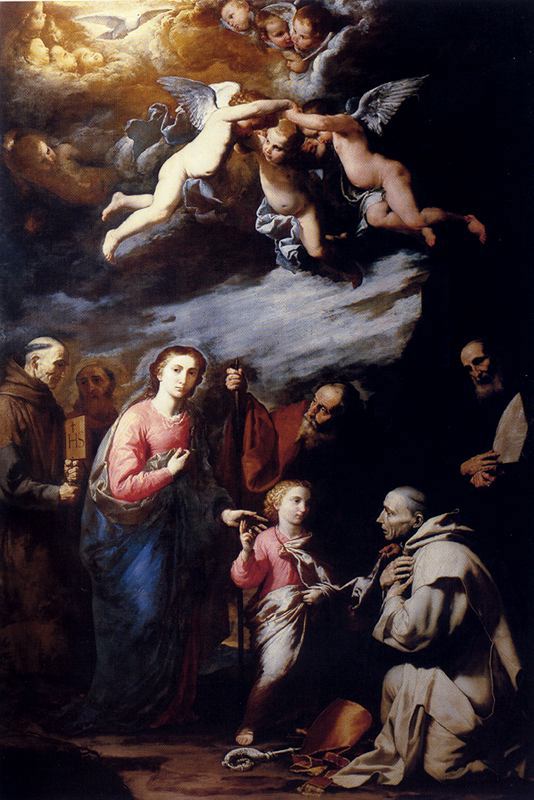 The Earthly Trinity with Saints and God the FatherJusepe de Ribera, 1630
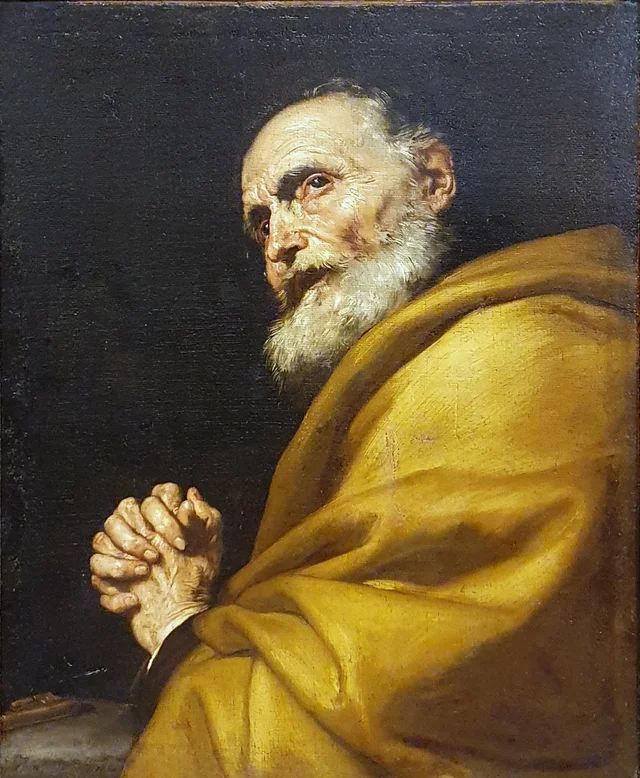 The Penitent St. PeterJusepe de Ribera, 1635
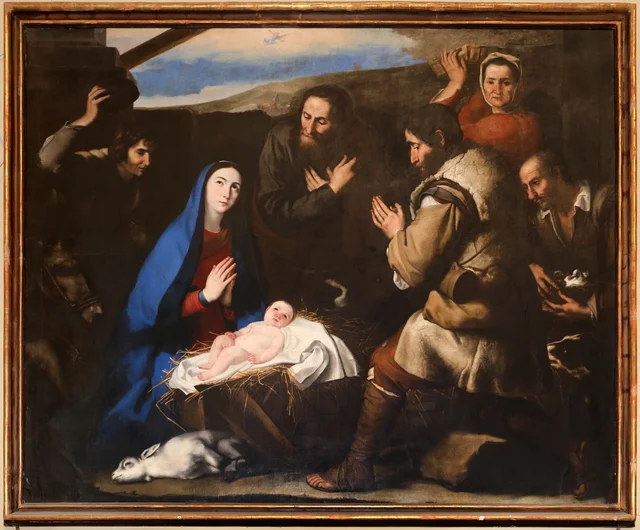 Adoration of the shepherdsJusepe de Ribera, 1650
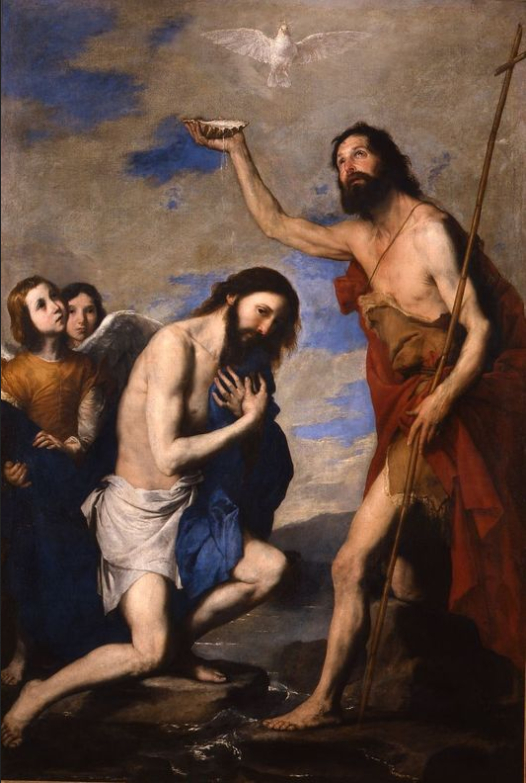 Baptism of ChristJusepe de Ribera, 1643
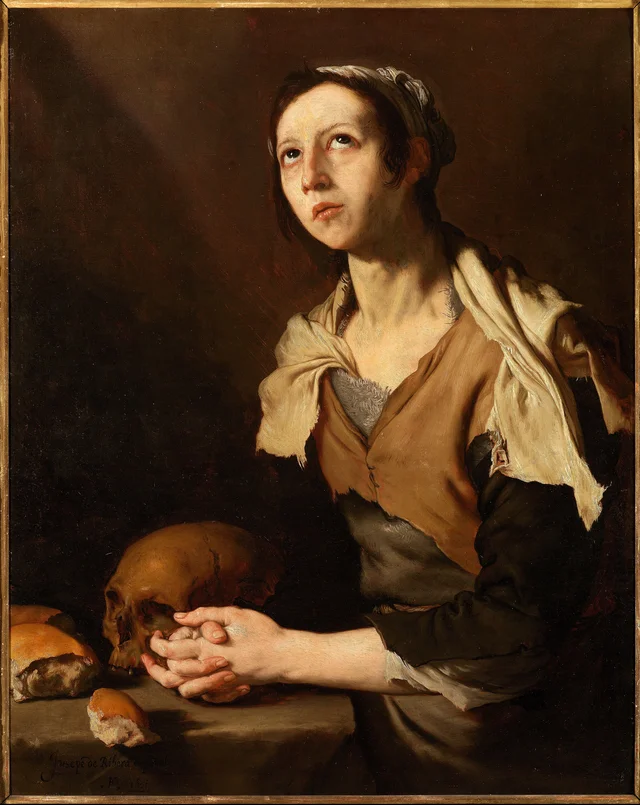 Mary of EgyptJusepe de Ribera, 1651
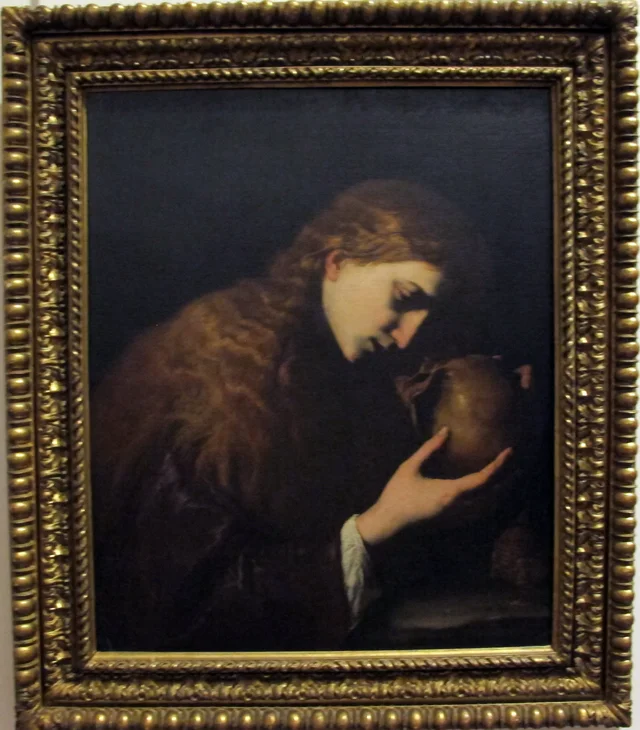 Penitent MagdaleneJusepe de Ribera
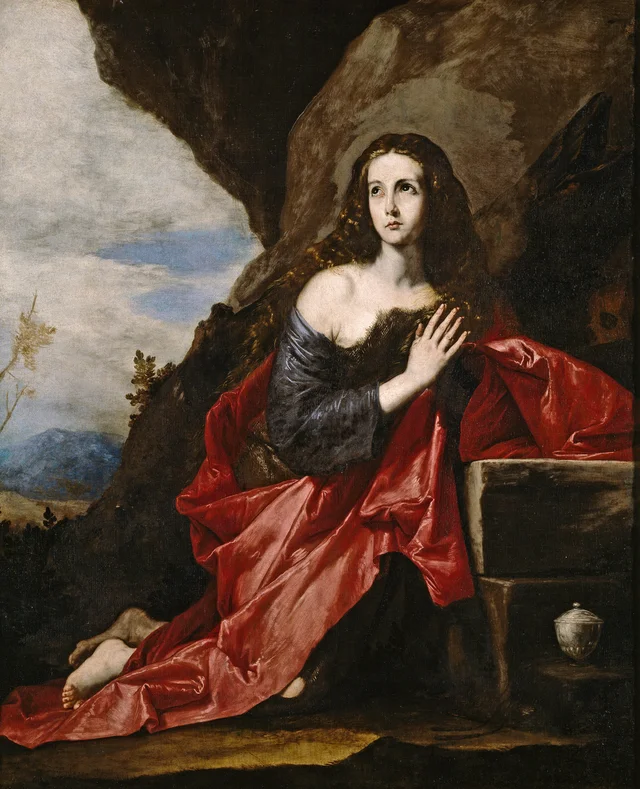 Penitent MagdaleneJusepe de Ribera, 1641
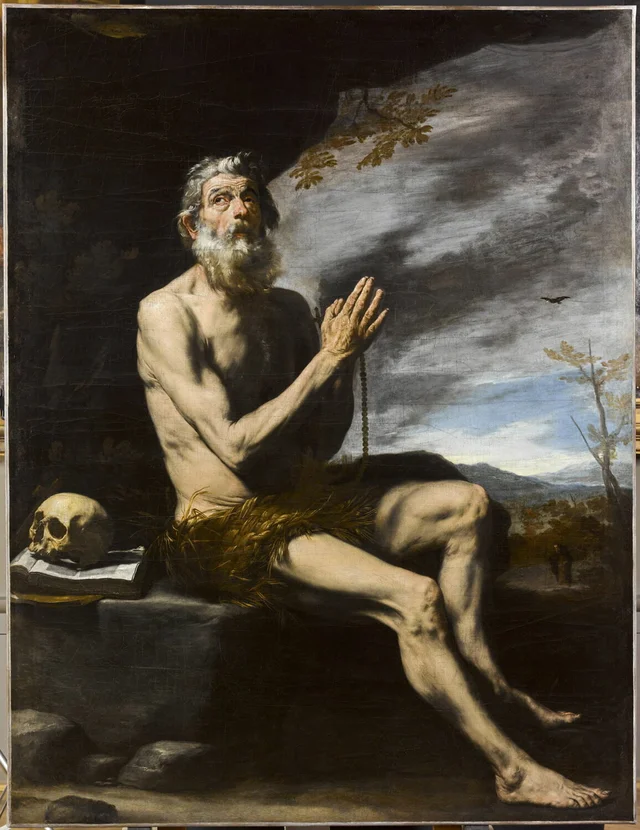 Saint Paul the HermitJusepe de Ribera, 1642
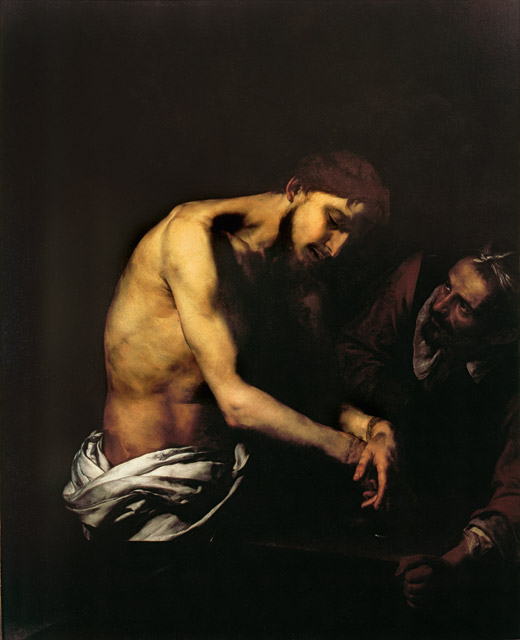 The Flagellation of ChristJusepe de Ribera, 1618
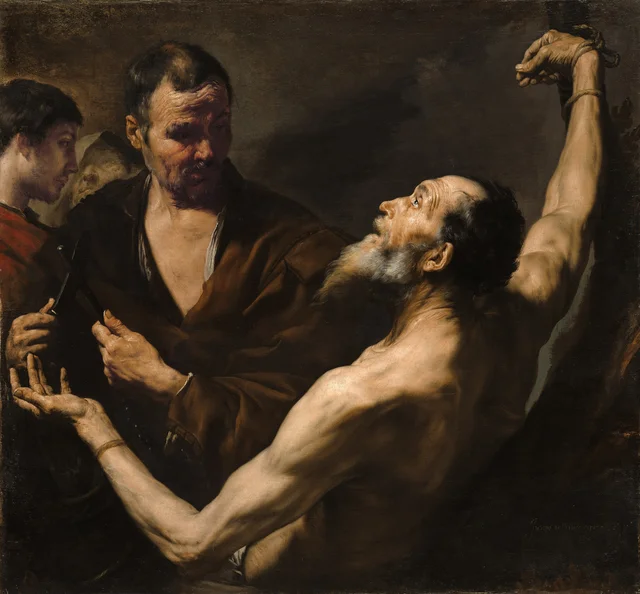 The Martyrdom of Saint BartholomewJusepe de Ribera, 1634
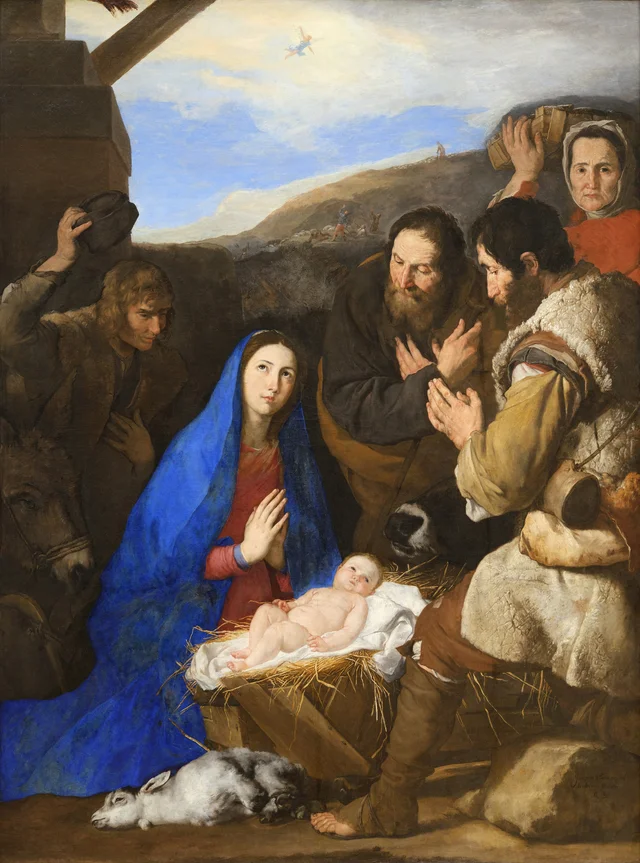 Adoration of the ShepherdsJusepe de Ribera, 1650
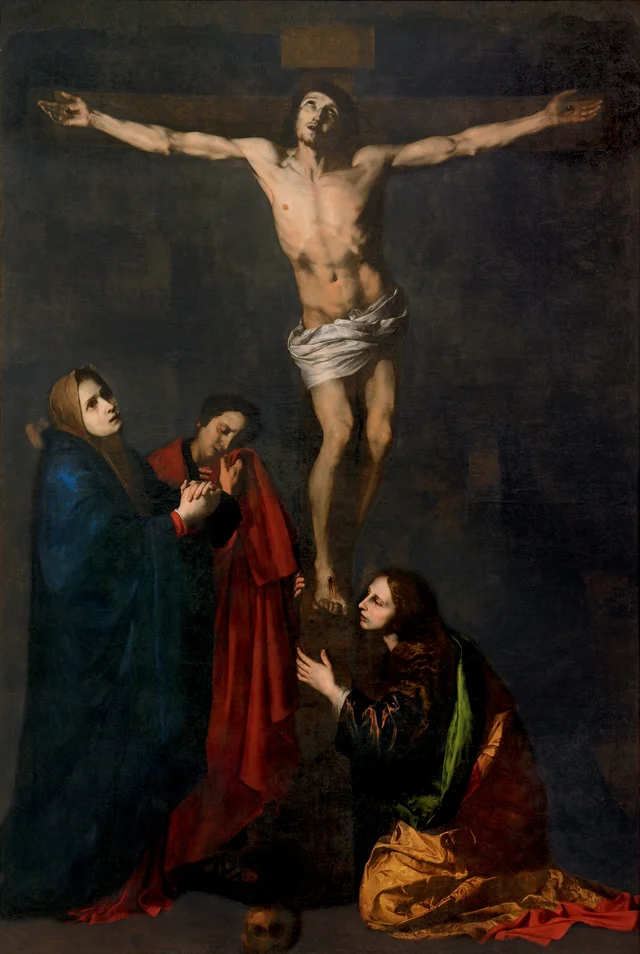 CalvaryJusepe de Ribera, 1618
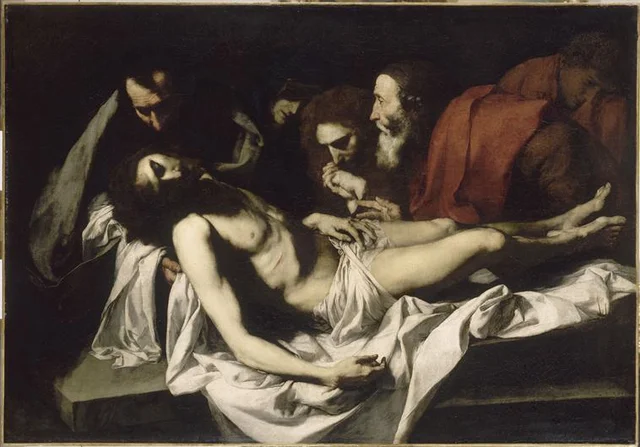 Deposition of ChristJusepe de Ribera, 1628
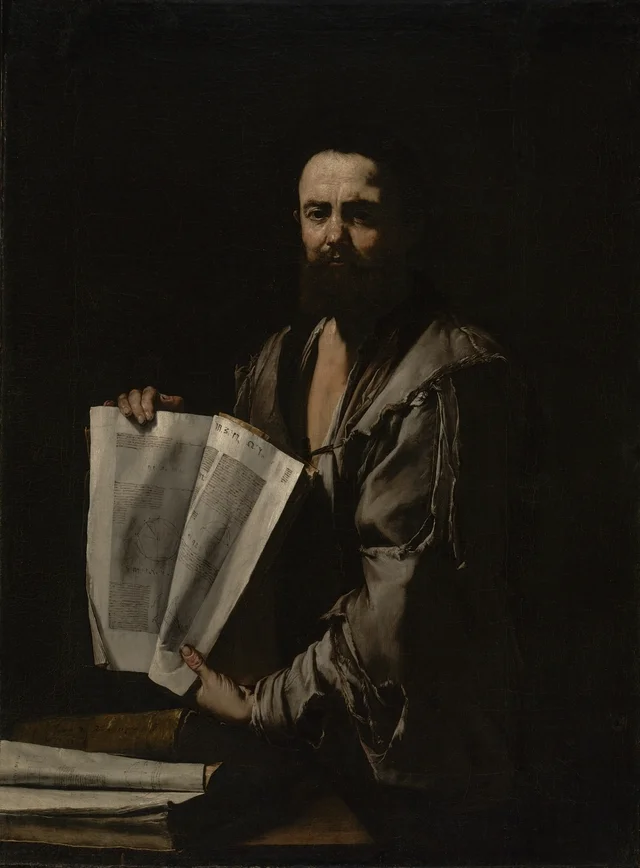 EuclidJusepe de Ribera, 1630
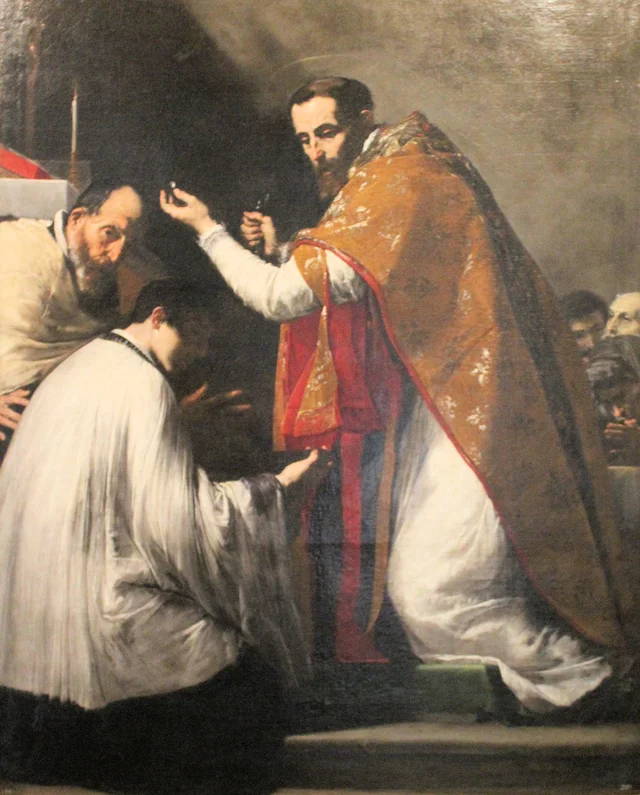 Le Miracle de saint DonatJusepe de Ribera, 1652
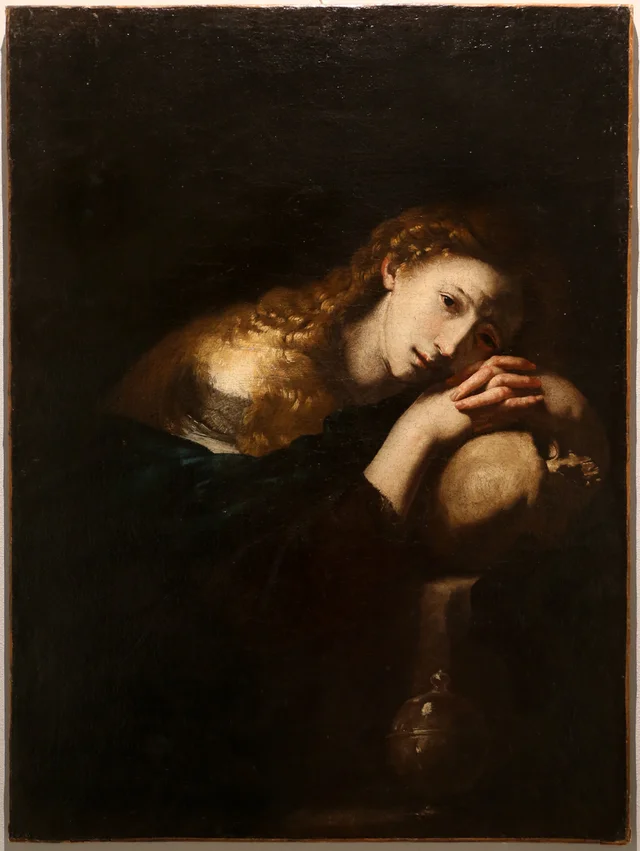 Magdalene in meditation of the skullJusepe de Ribera, 1630
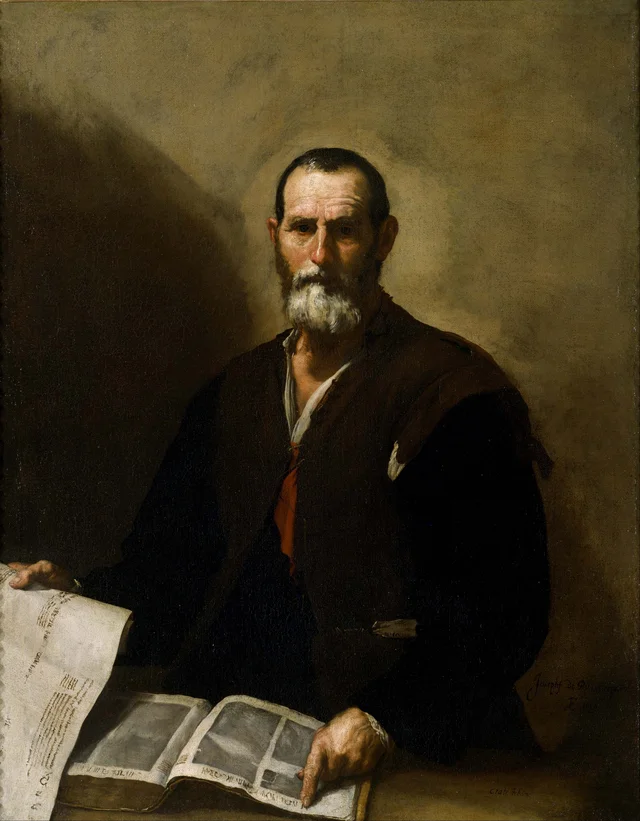 Philosopher CratesJusepe de Ribera, 1636
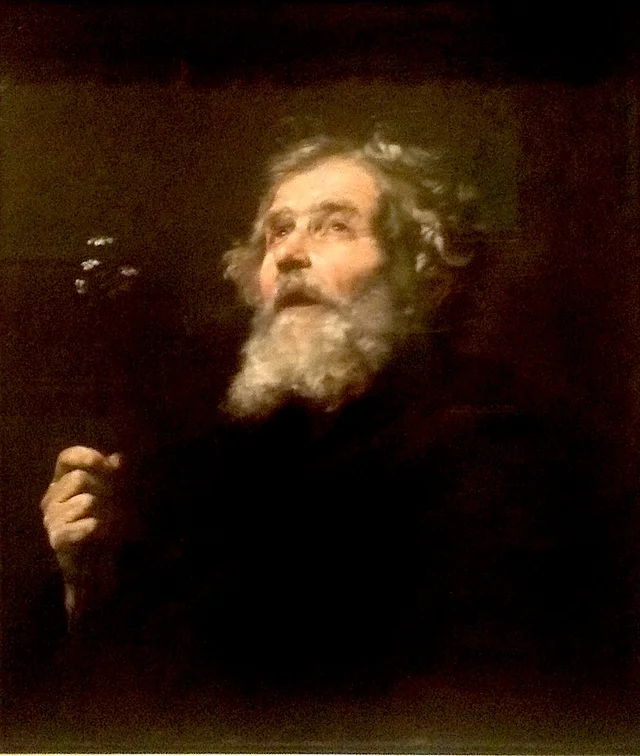 Saint JosephJusepe de Ribera, 1635
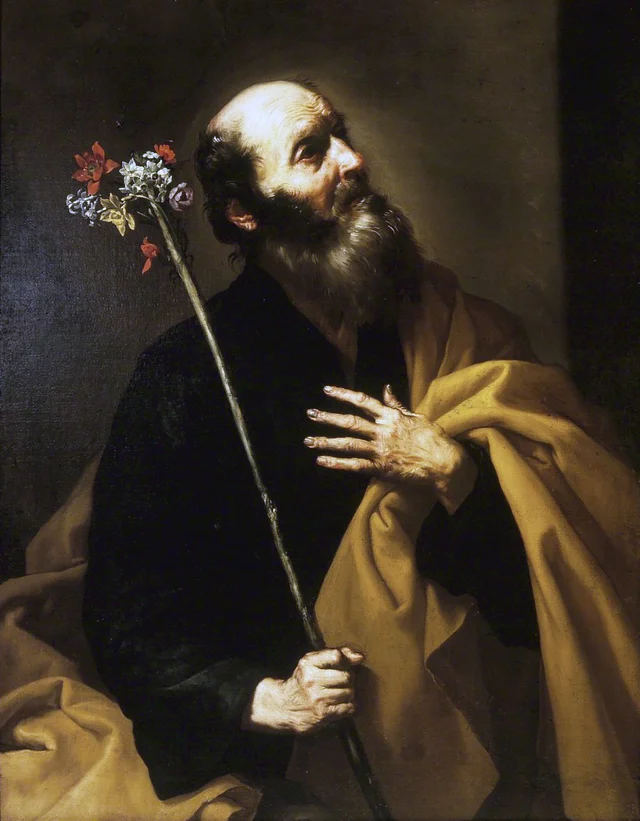 Saint Joseph with the Flowering RodJusepe de Ribera, 1630