Matthias Grünewald
1480–1528 · Holy Roman Empire · German Renaissance
The story
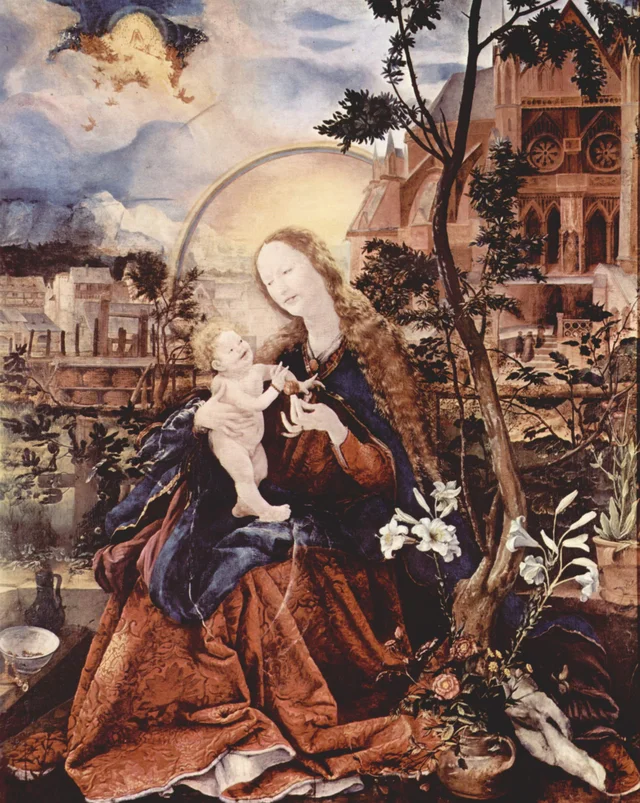
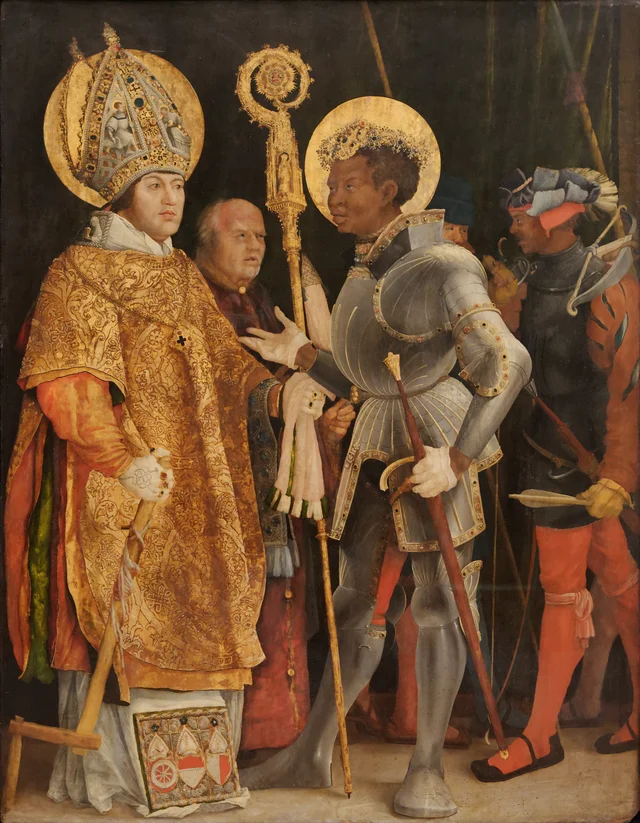
Around 1512 a monastery hospital at Isenheim, in Alsace, commissioned a huge altarpiece for its chapel. The monks there, of the Antonite order, cared for people dying of ergotism, a disease then called Saint Anthony's fire that came from eating fungus-infected rye and rotted the limbs with gangrene and burning pain. Matthias Grünewald painted its central image for exactly those patients.
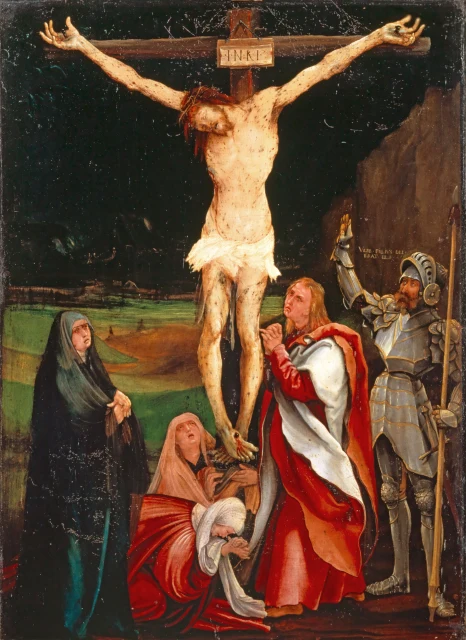
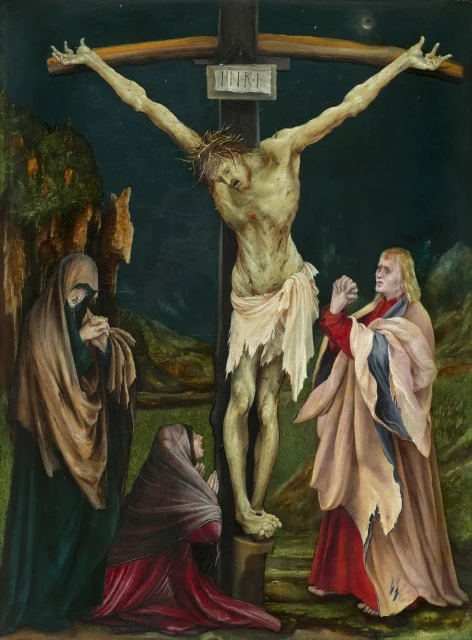
His Crucifixion is one of the most harrowing ever made. Christ's body hangs greenish and covered in sores, the fingers clawing at the air, the flesh torn as if by the very disease the patients suffered. The point was consolation. A sick man looking up saw a God who had endured a body as ruined as his own.
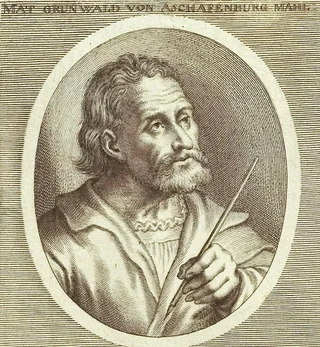
Grünewald was nearly forgotten for centuries, and even his name is a later mistake, since documents suggest he was really called Mathis Gothart Nithart. He worked as a court painter and engineer for the archbishops of Mainz, then seems to have fallen out of favour, possibly for sympathising with the peasant uprisings of the 1520s. Fewer than a dozen of his paintings survive. The Isenheim panels now hang in a former convent in Colmar, the Unterlinden Museum, opened out flat so visitors can walk around what was once a folding shrine.