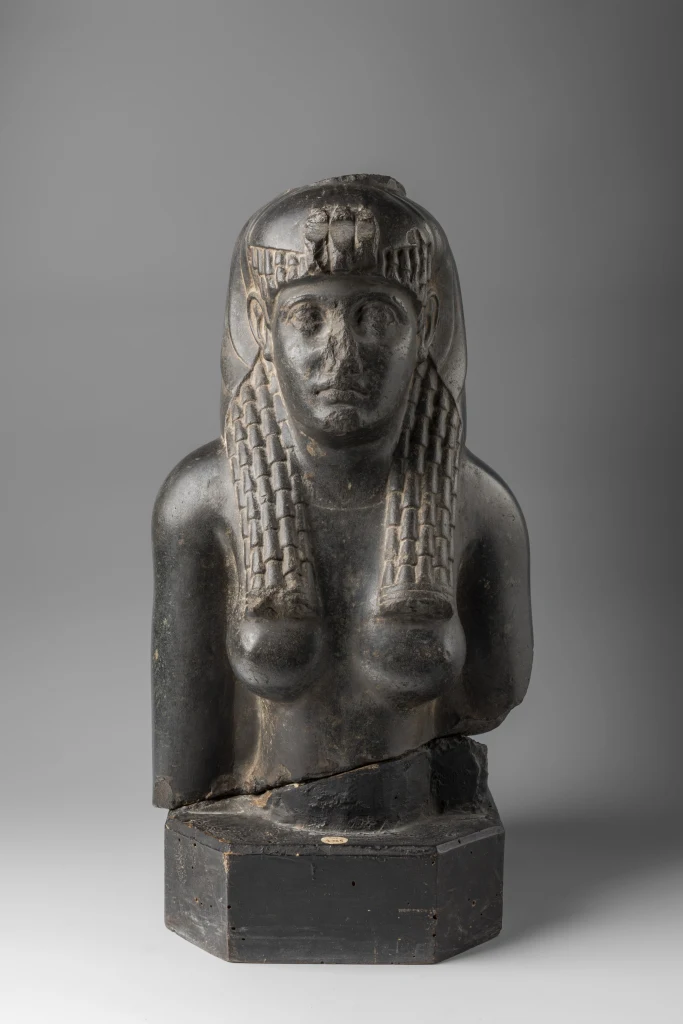
Bust of a Ptolemaic Queen
Details
The story
In the second half of the 2nd century BC, the women of the Ptolemaic house were far more than consorts. Queens shared the throne with their brothers, husbands and sons, official documents were dated by their names as well as the king's, and in the temple reliefs of Egypt they stand beside him before the gods. This basalt bust comes from those decades. The museum dates it between 150 and 100 BC and does not say who she is.
An Italian study of 1995 picked out what makes her unusual. Her face mixes Greek and Egyptian ways of carving with features that look personal, and on her brow she wears three cobras, the royal uraeus tripled, as only a handful of other Ptolemaic queens' statues do. The author suggested the extra serpents could stand for claims over particular lands. The study also read her uneven shoulders as a sign that one arm once held a cornucopia, the horn of plenty that Ptolemaic queens carry in their statues. The bust belongs to the museum's Old Fund, the holdings gathered between 1824 and 1882, and where it was found is not recorded.
More works by Unknown Egyptian artist (Late Period or Ptolemaic)
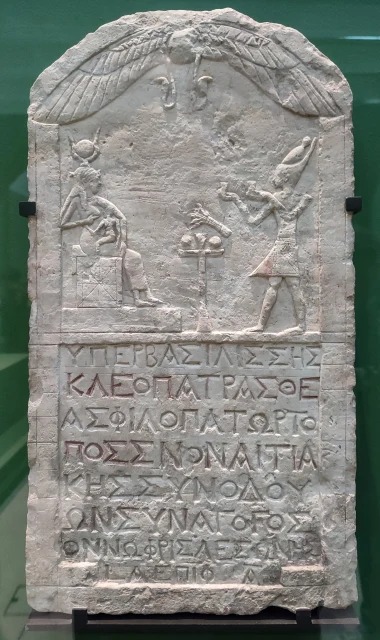 Arched Stela of Cleopatra VII Offering to Isis Nursing HarpocratesUnknown Egyptian artist (Late Period or Ptolemaic), -51
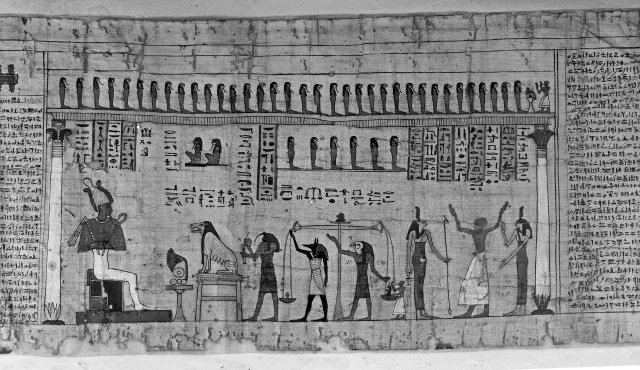 Book of the Dead of PetamunnebnesetawyUnknown Egyptian artist (Late Period or Ptolemaic)
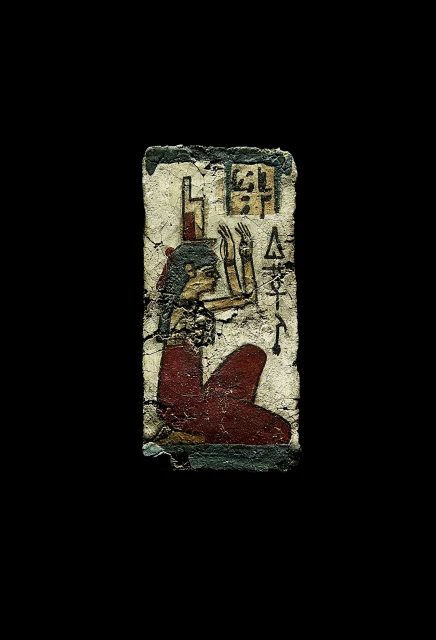 Cartonnage Plaque with Isis MourningUnknown Egyptian artist (Late Period or Ptolemaic)
 Cat CoffinUnknown Egyptian artist (Late Period or Ptolemaic), -498
 Head Attributed to Ptolemy IIUnknown Egyptian artist (Late Period or Ptolemaic), -265