Cat Coffin
Details
The story
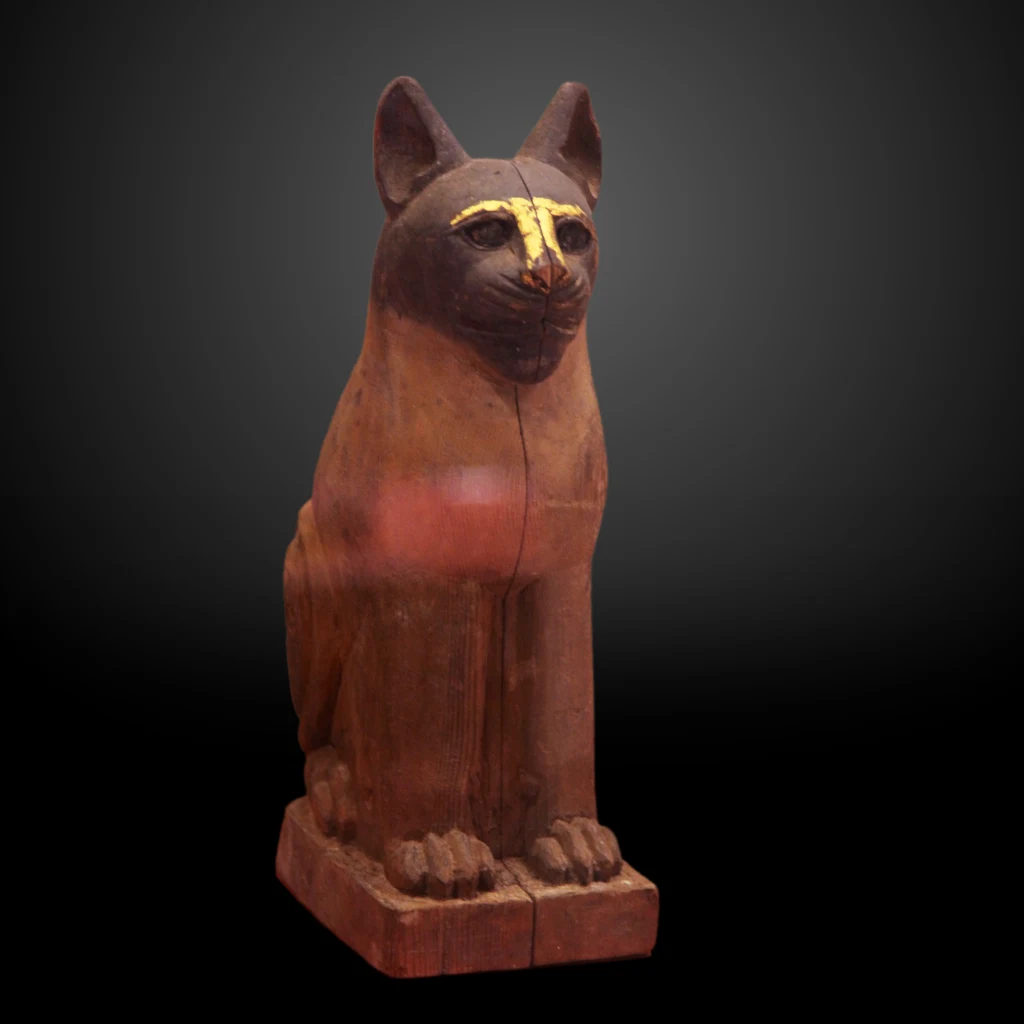
Herodotus, the Greek historian who travelled in Egypt in the 5th century BC, wrote that when a cat died it was carried to the city of Bubastis, in the Nile Delta, to be embalmed and buried in sacred chambers. Bubastis was the city of Bastet, the goddess who took the form of a cat. In the Late Period, the last centuries before Alexander the Great reached Egypt, cats were mummified in enormous numbers at her shrines and at other sanctuaries. Many were not pets but offerings, young animals raised at the temples and killed so that pilgrims could dedicate them to the goddess.
This wooden coffin was made to hold one of those mummies. It is carved as a cat sitting upright on a small base, ears pricked, front paws together, and it is built in two halves that closed around the body. The head is painted dark, and the brows and the bridge of the nose were picked out in gold, which still catches the light. It came to the Louvre in 1852 with the collection of Antoine Clot, a French doctor who ran the medical service of Muhammad Ali, the ruler of Egypt, and had been given the title of Bey.
More works by Unknown Egyptian artist (Late Period or Ptolemaic)
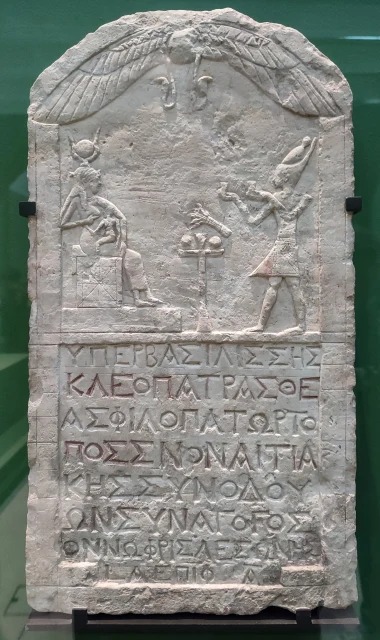 Arched Stela of Cleopatra VII Offering to Isis Nursing HarpocratesUnknown Egyptian artist (Late Period or Ptolemaic), -51
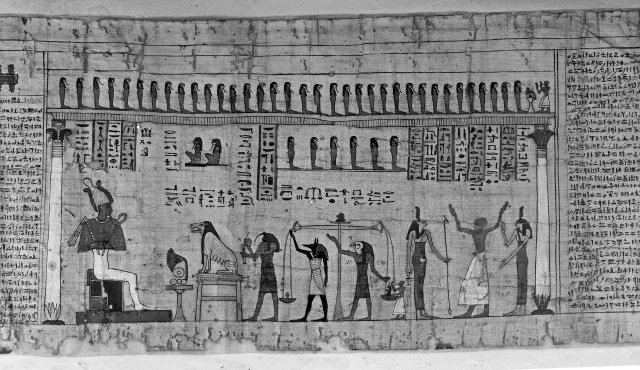 Book of the Dead of PetamunnebnesetawyUnknown Egyptian artist (Late Period or Ptolemaic)
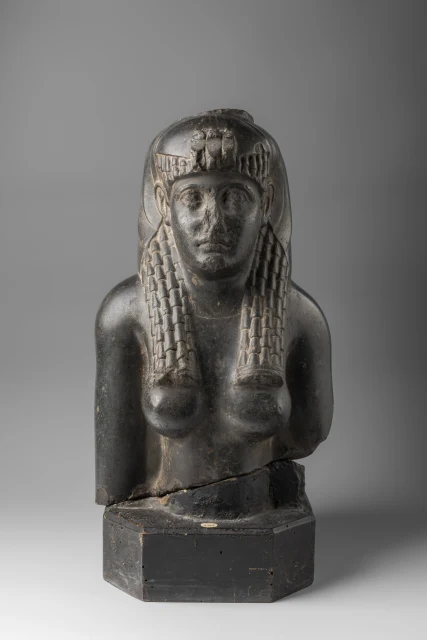 Bust of a Ptolemaic QueenUnknown Egyptian artist (Late Period or Ptolemaic), -125
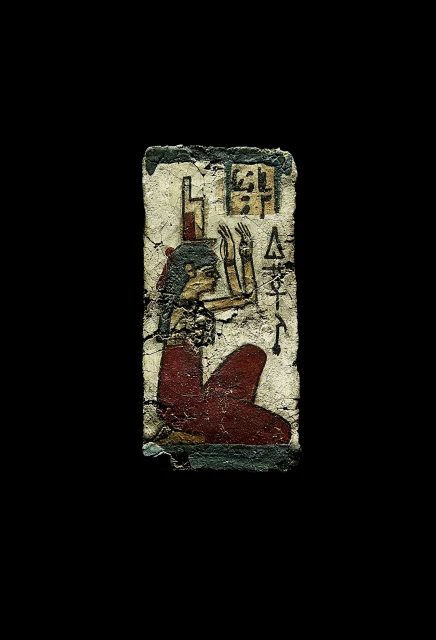 Cartonnage Plaque with Isis MourningUnknown Egyptian artist (Late Period or Ptolemaic)
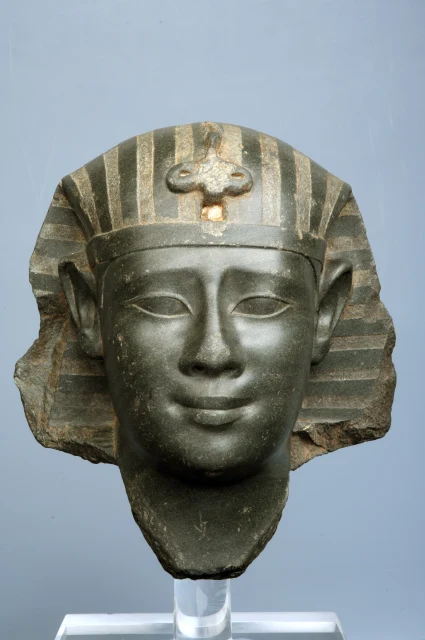 Head Attributed to Ptolemy IIUnknown Egyptian artist (Late Period or Ptolemaic), -265