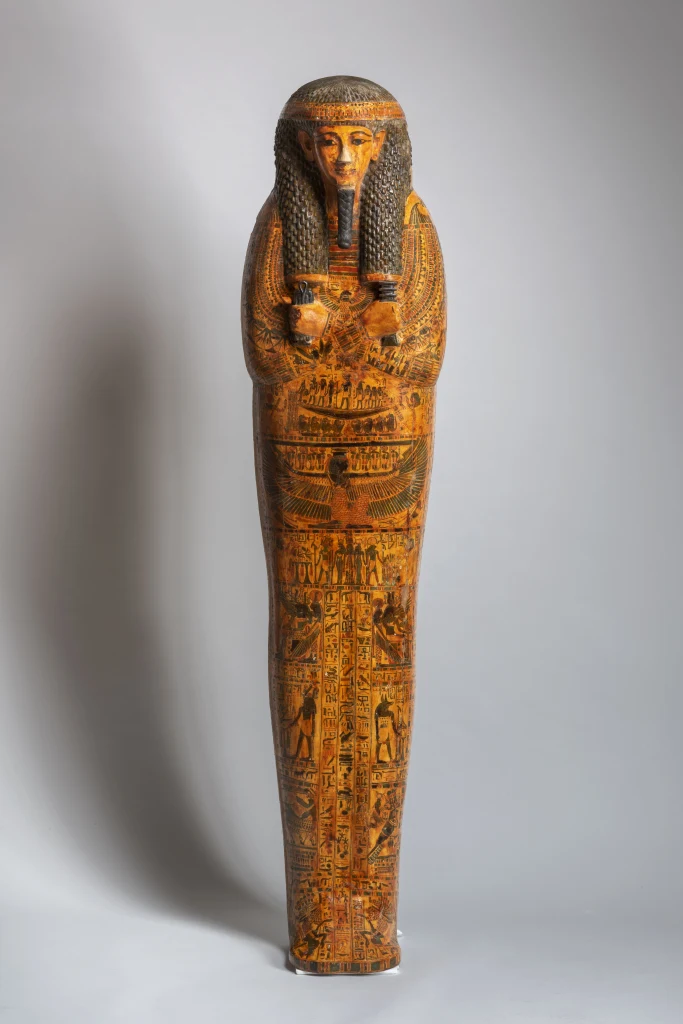
Inner Coffin of Butehamun
Details
The story
Lift the lid of this coffin and its inner face is written over in hieratic, the fast cursive script that scribes used for everyday business. The text is the Opening of the Mouth, one of the oldest rituals in Egypt. At the funeral a priest touched the mouth and eyes of the dead, or of a statue, with special instruments, among them a small adze, so that the dead could breathe, see, eat and speak again. Painted inside the coffin, the ritual stayed in force for ever, directly above the face. The museum calls it the exceptional feature of Butehamun's set, and the same text runs inside the false lid, the body-shaped board that lay on top of the wrapped dead man.
By this time an outer coffin, an inner coffin and a false lid made up the standard burial set for a man of rank. Butehamun's three pieces were probably found in an older tomb at Deir el-Medina, the tomb of a man named Nakhtmin, known today as Theban Tomb 291. Where Butehamun himself ended up is not known. The museum dates the coffins to the 21st Dynasty, between 1076 and 944 BC.
More works by Unknown Egyptian artist (Third Intermediate Period)
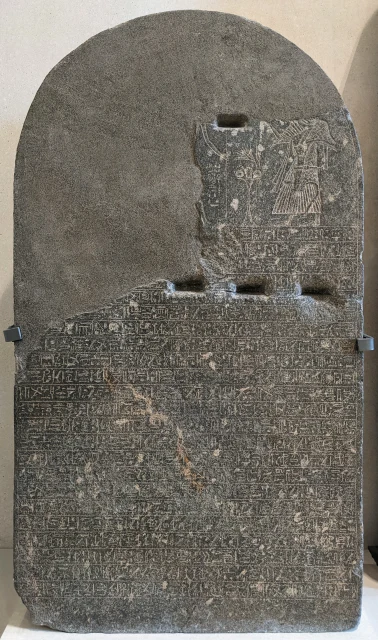 Banishment StelaUnknown Egyptian artist (Third Intermediate Period), -1022
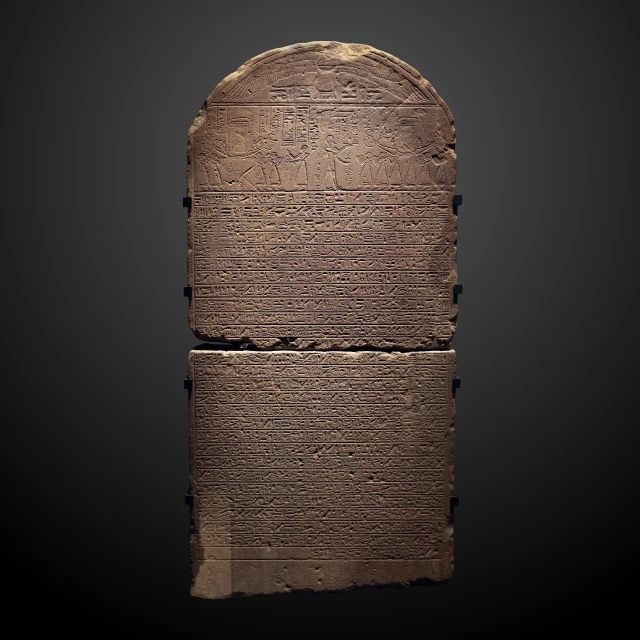 Bentresh StelaUnknown Egyptian artist (Third Intermediate Period), -1006
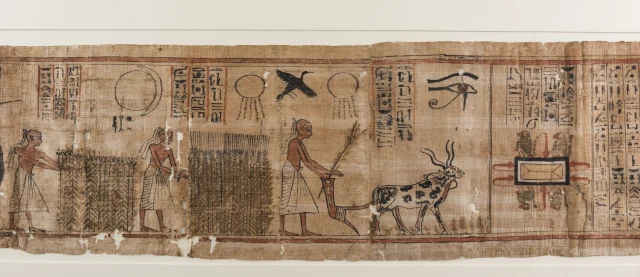 Book of the Dead of NebhepetUnknown Egyptian artist (Third Intermediate Period)
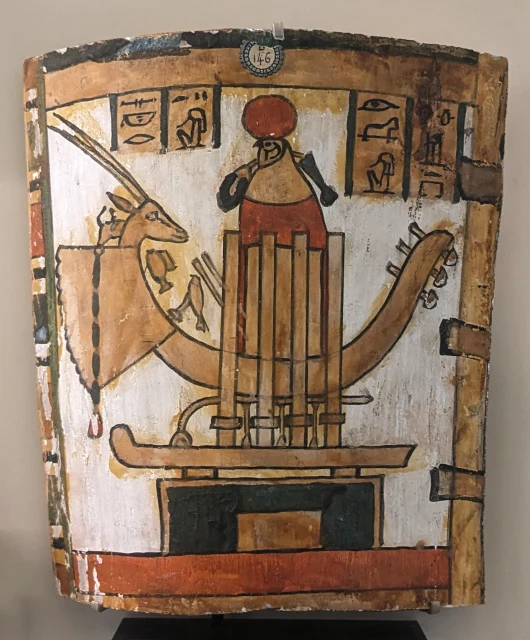 Cartonnage Fragment with the Barque of SokarUnknown Egyptian artist (Third Intermediate Period), -867
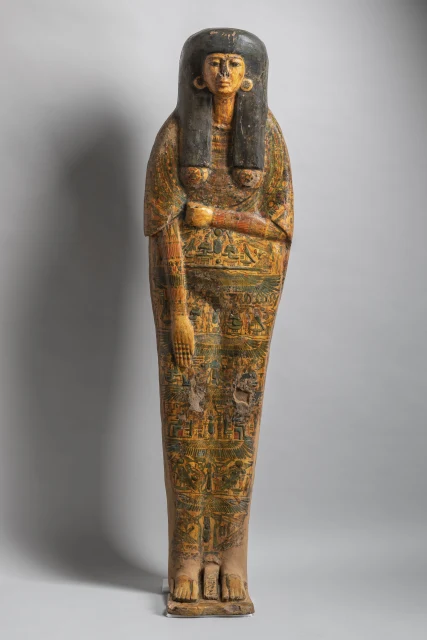 Coffin of TamutmutefUnknown Egyptian artist (Third Intermediate Period), -934