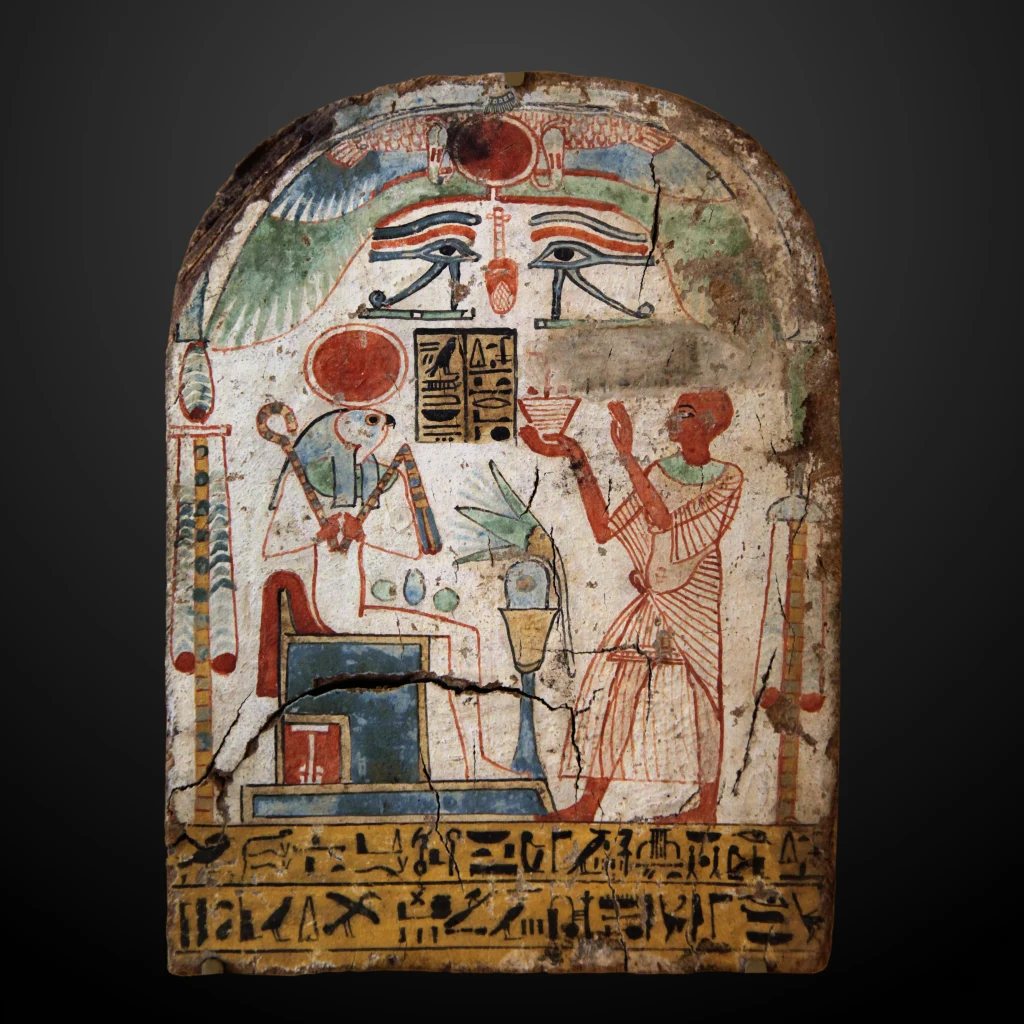
Stela of a Man Offering Incense to Ra-Horakhty
Details
The story
The hieroglyphs on this small stela give the name of the man offering incense. He is Padiiset, meaning the one whom Isis gave, and he held the title of god's father of Amun-Ra, a priestly rank in the service of the great god of Thebes. His shaven head goes with the office, since Egyptian priests shaved their heads and bodies to stay pure before the god.
In a pleated kilt and a shirt with pleated sleeves, he holds out the incense to Ra-Horakhty, the falcon-headed sun god, who sits before a table of offerings with a flail and a crook. In the rounded top a winged sun disc with cobras spreads above two udjat eyes, and at the sides stand the signs for West and East. The wooden panel is only about 20 centimetres tall, painted in six colours. The Louvre dates it by its style, with a question mark, to the 22nd Dynasty, between the 10th and 8th centuries BC, and in 2018 it travelled to Grenoble for an exhibition on the priests and singers who served Amun at Thebes.
More works by Unknown Egyptian artist (Third Intermediate Period)
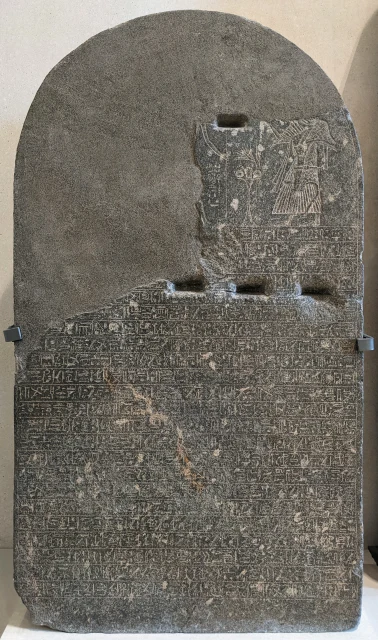 Banishment StelaUnknown Egyptian artist (Third Intermediate Period), -1022
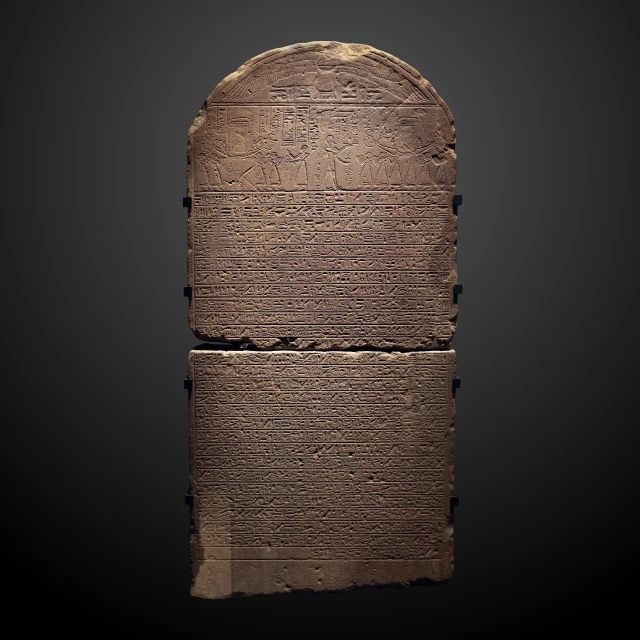 Bentresh StelaUnknown Egyptian artist (Third Intermediate Period), -1006
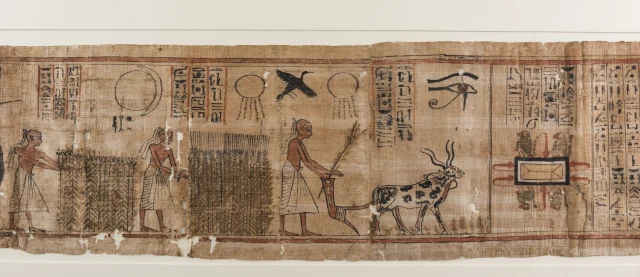 Book of the Dead of NebhepetUnknown Egyptian artist (Third Intermediate Period)
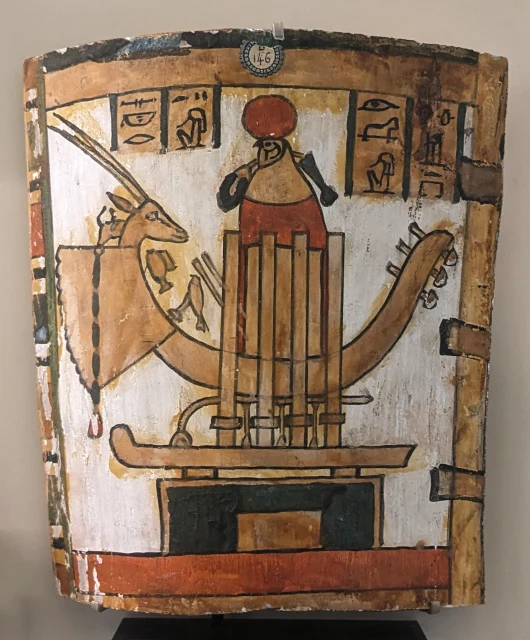 Cartonnage Fragment with the Barque of SokarUnknown Egyptian artist (Third Intermediate Period), -867
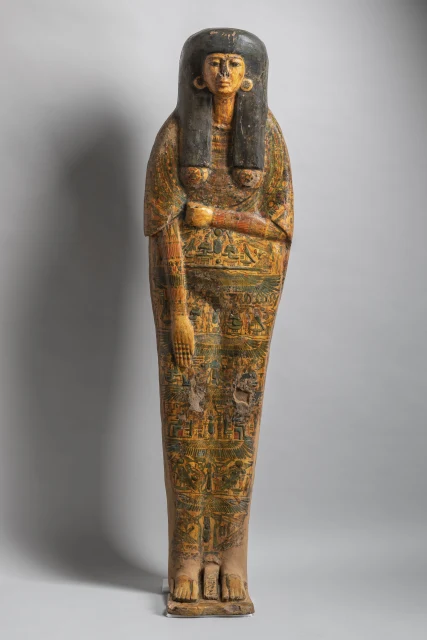 Coffin of TamutmutefUnknown Egyptian artist (Third Intermediate Period), -934