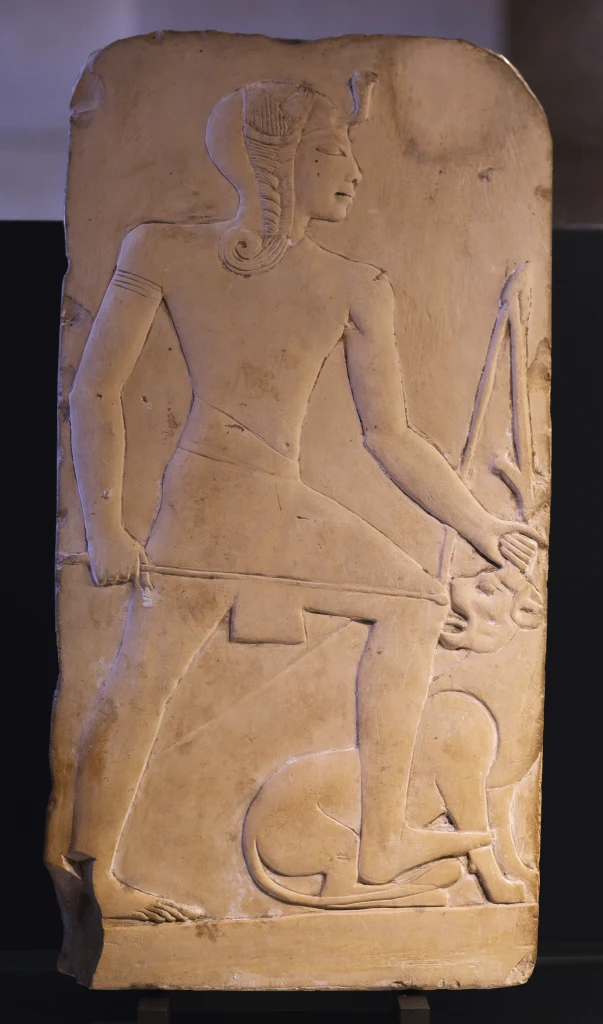
Stela of a Young Royal or Divine Figure Overpowering a Lion
Details
The story
There is no inscription on this small slab, under 30 centimetres high, so nobody can say for certain who the figure is. A boy in a kilt, with a band on his upper arm, pins a crouching lion under his leg, grips it by the head and holds a bow and arrows. On his brow rears a cobra, the uraeus that marked kings and gods, and from the side of his head hangs a long plaited lock, the side-lock Egyptians gave to children. Princes wore it, and so did child gods.
The Louvre leaves both readings open. He may be a young royal, or a god overpowering harmful animals, perhaps Horus the child, whom the Greeks later called Harpocrates, or Shed, a youthful god whose name is usually translated as saviour. In the New Kingdom ordinary Egyptians prayed to Shed for protection against snakes, scorpions and wild beasts.
The date is just as open. The museum suggests the Ramesside period, the age of the kings named Ramesses, with a question mark, and on grounds of style it allows anything from then down to the 21st or 22nd Dynasty, roughly the 13th to the 8th century BC. The stela came to the Louvre in 1827 with the collection of Bernardino Drovetti, consul general of France in Egypt, and stands today in the room devoted to gods and magic.
More works by Unknown Egyptian artist (Ramesside period)
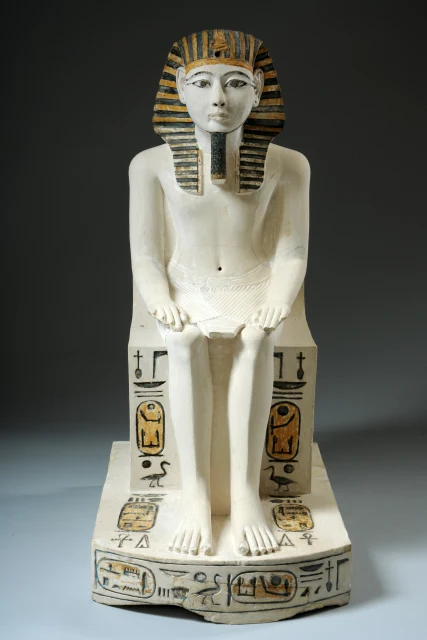 Cult Statue of Amenhotep IUnknown Egyptian artist (Ramesside period), -1242
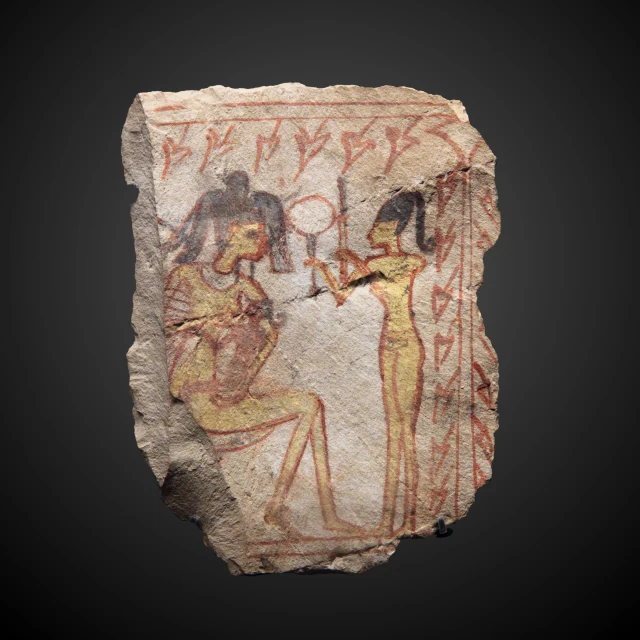 Figured Ostracon: Servant Presenting a Mirror to Her MistressUnknown Egyptian artist (Ramesside period), -1182
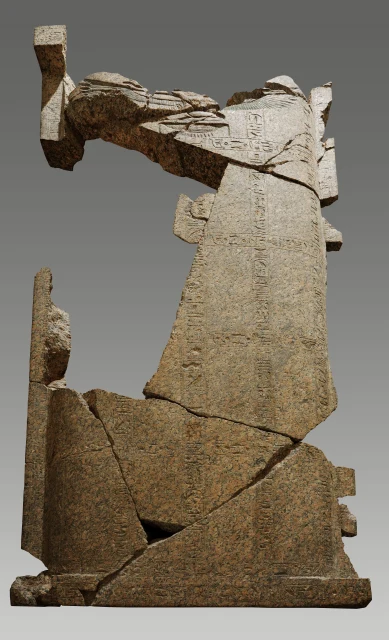 Lid of the Sarcophagus of Queen NefertariUnknown Egyptian artist (Ramesside period), -1246
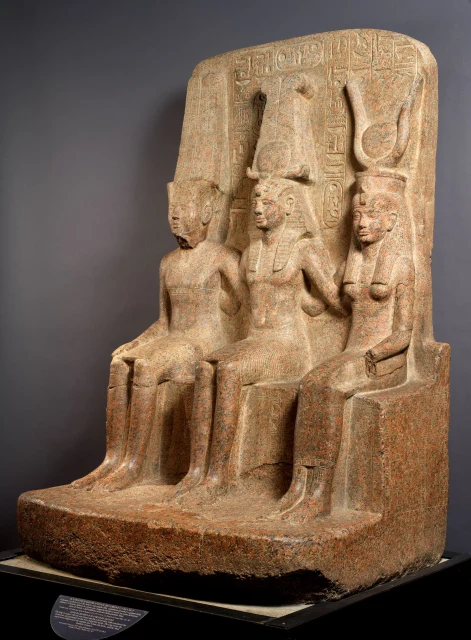 Ramesses II Seated between Amun and MutUnknown Egyptian artist (Ramesside period), -1246
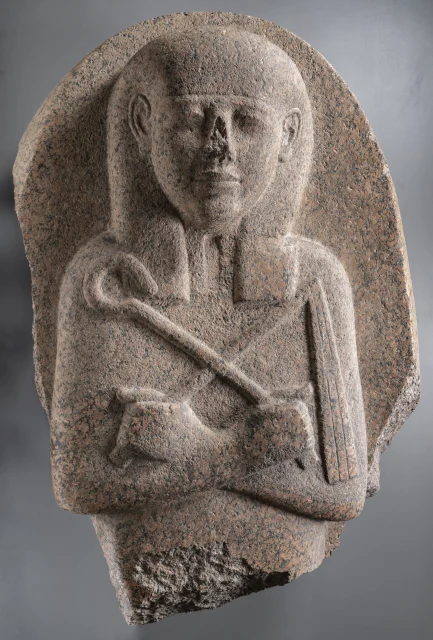 Sarcophagus Lid of Prince KhaemwasetUnknown Egyptian artist (Ramesside period), -1168