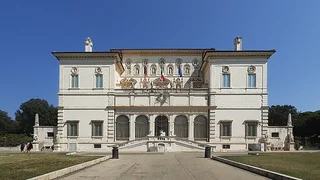
The story
The Galleria Borghese was assembled by a man who could take almost anything he wanted. Cardinal Scipione Borghese was the nephew of Pope Paul V, and he used that power to gather art with an appetite that sometimes crossed into simply confiscating it, building a suburban villa on the edge of Rome between 1613 and 1616 purely to display the results.
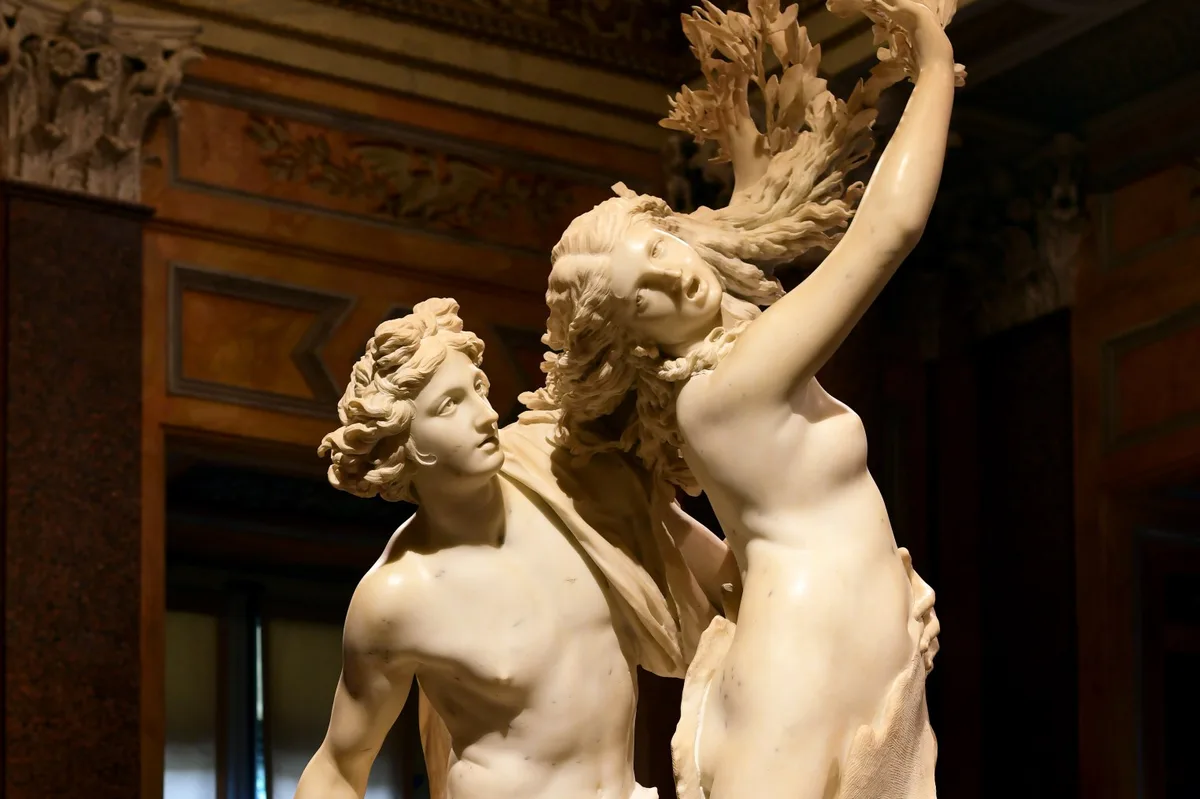
His great discovery was the young Gian Lorenzo Bernini, and the villa still holds the marbles Bernini carved for him in his twenties. In Apollo and Daphne the fleeing nymph is caught turning into a laurel tree, bark climbing her legs and leaves sprouting from her fingers as the god reaches her. Nearby, his Pluto seizes Proserpina and his fingers press visibly into her marble thigh, and his David twists mid-throw with his lip bitten in concentration.
The painting rooms are just as strong. The gallery owns six Caravaggios, more than any other museum, among them the Boy with a Basket of Fruit and a sickly young self-portrait as Bacchus, hung beneath ceilings crowded with Baroque fresco. Because the rooms are small, entry is by timed ticket for two hours at a time.
More articles
Collection
237 works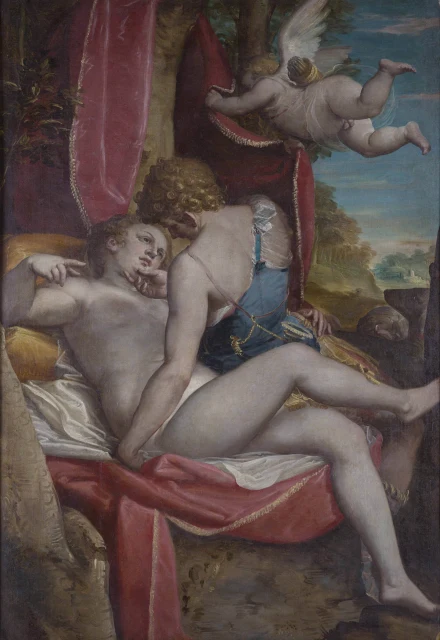 Venus and AdonisLuca Cambiaso, 1570
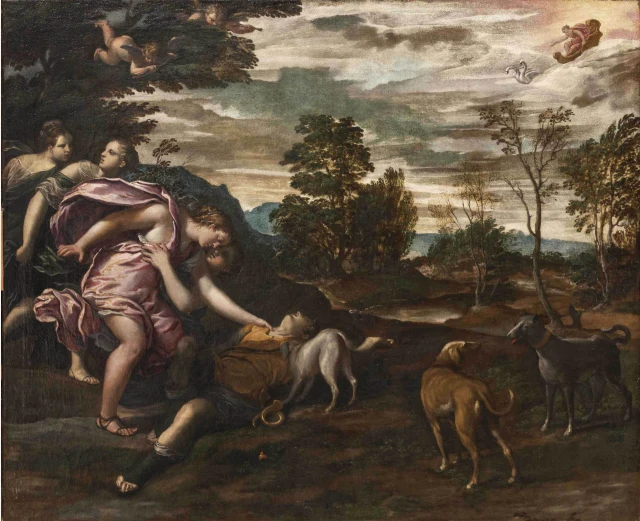 Venus and AdonisScarsellino, 1600
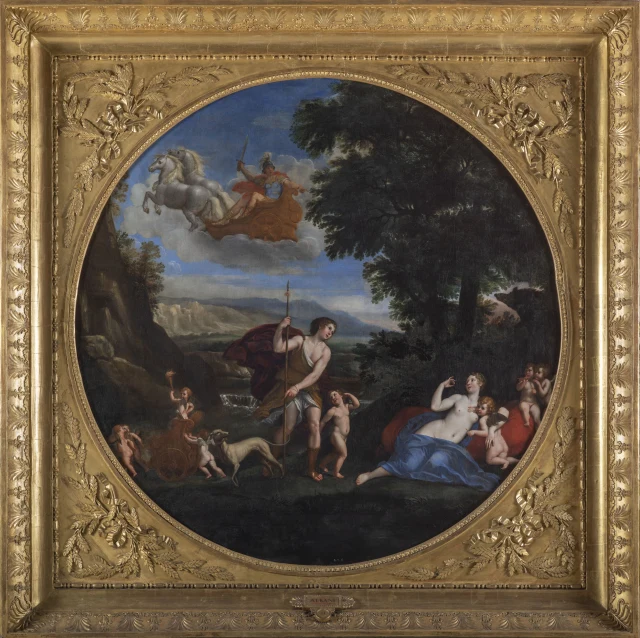 Venus and Adonis (Autumn)Francesco Albani, 1617
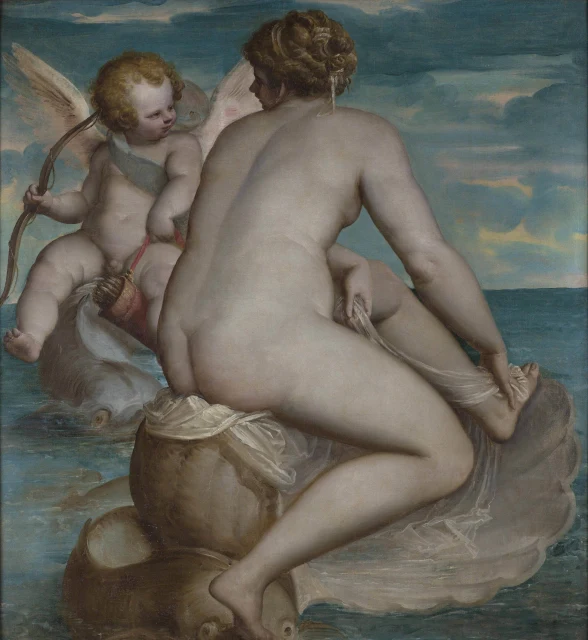 Venus and Cupid at SeaLuca Cambiaso, 1562
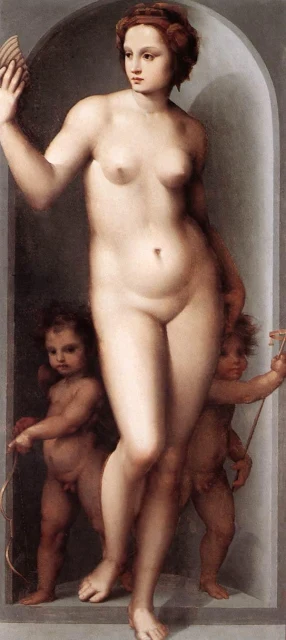 Venus and Two CupidsAndrea Piccinelli, called Il Brescianino, 1525
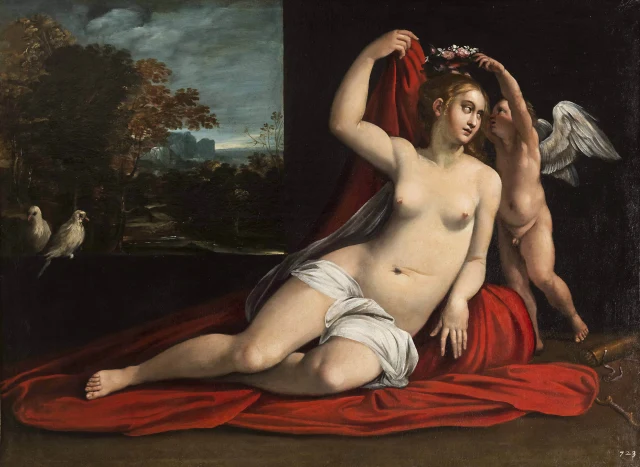 Venus Crowned by CupidGiuseppe Cesari
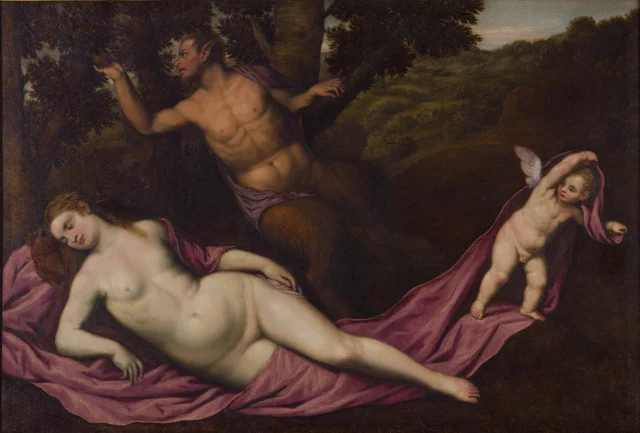 Venus, Cupid and a SatyrParis Bordone, 1560
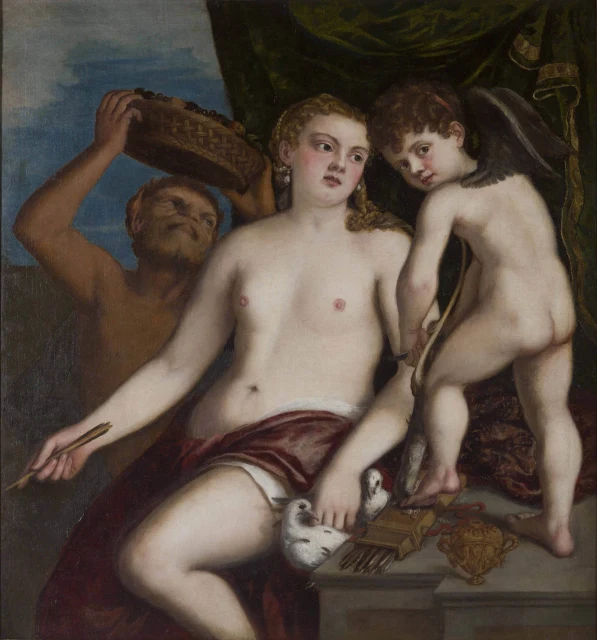 Venus, Cupid and a SatyrAttributed to Alessandro Varotari, 1625
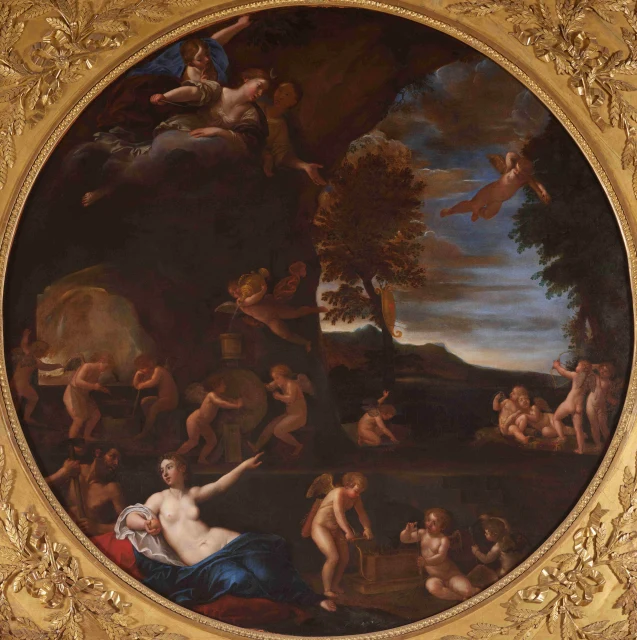 Venus in Vulcan's Forge (Summer)Francesco Albani, 1617
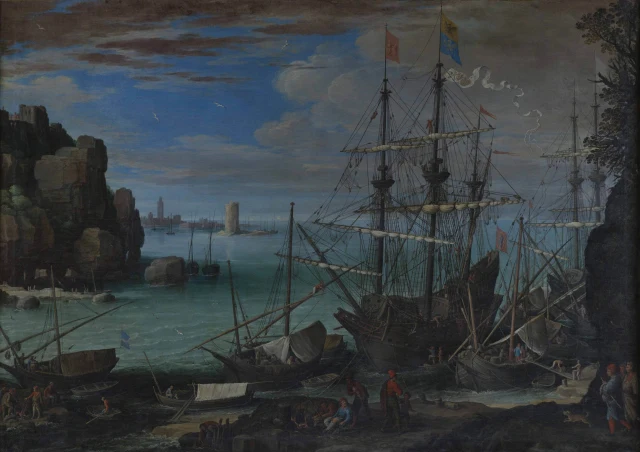 View of a SeaportPaul Bril, 1611
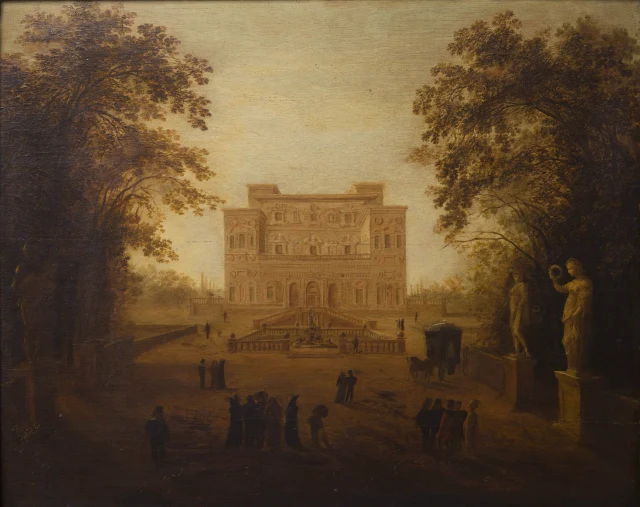 View of the Villa BorgheseAbraham van Cuylenborch, 1636
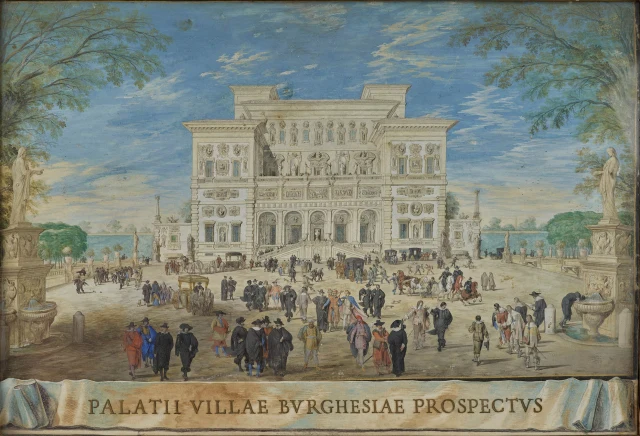 View of Villa BorgheseJohann Wilhelm Baur, 1636