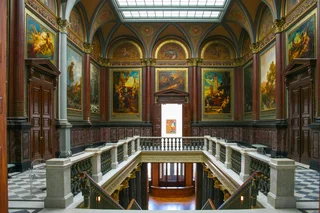
The story
Most people come to the Hamburger Kunsthalle for one figure: a man in a green coat standing on a rocky peak, his back to us, looking out over a sea of drifting fog. Caspar David Friedrich painted this 'Wanderer above the Sea of Fog' around 1818, and it has become the defining image of German Romanticism, reproduced on more book covers than almost any other painting.
The museum around it opened in 1869, a grand civic gallery built by the merchants of this trading city, and it has kept collecting ever since across three linked buildings, including a cube of pale stone added in the 1990s for modern art.
The Friedrich is the anchor of a deep 19th-century collection, and the picture itself only reached Hamburg in 1970. The rooms carry you on to Manet and the German Impressionist Max Liebermann, then into Klee, Kirchner and the 20th century. But it is that lone traveller on the crag, turned away from every visitor who stops in front of him, that the crowds photograph.
Collection
38 works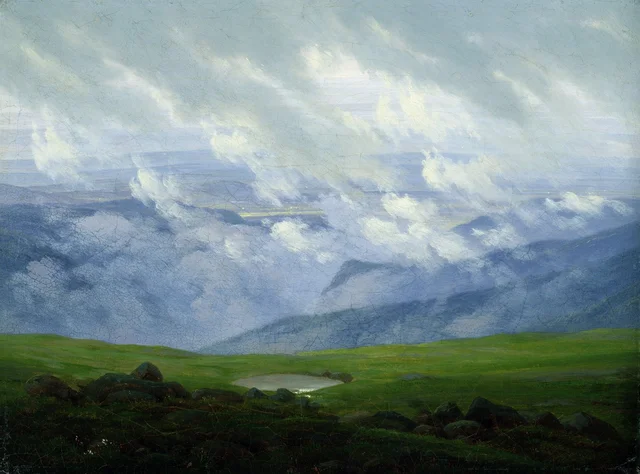 Drifting CloudsCaspar David Friedrich, 1820
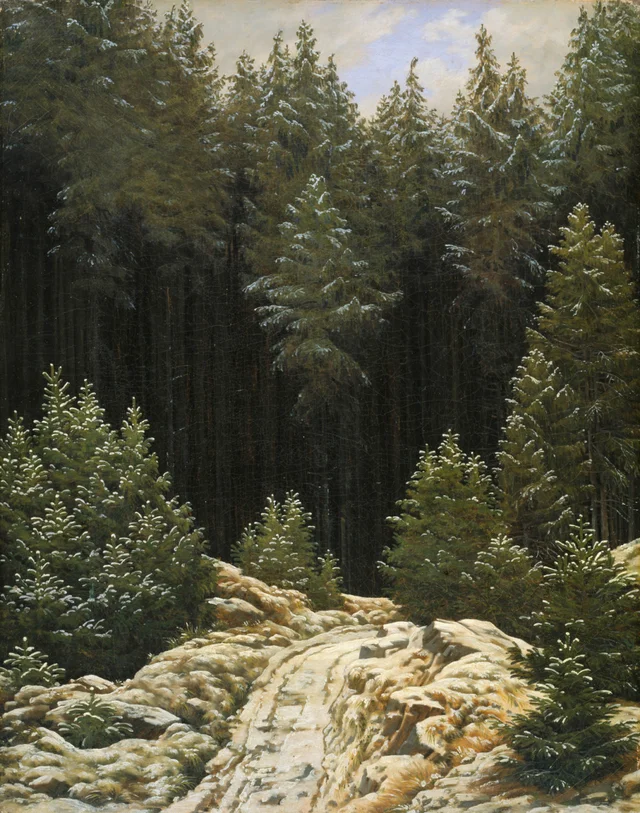 Early SnowCaspar David Friedrich, 1827
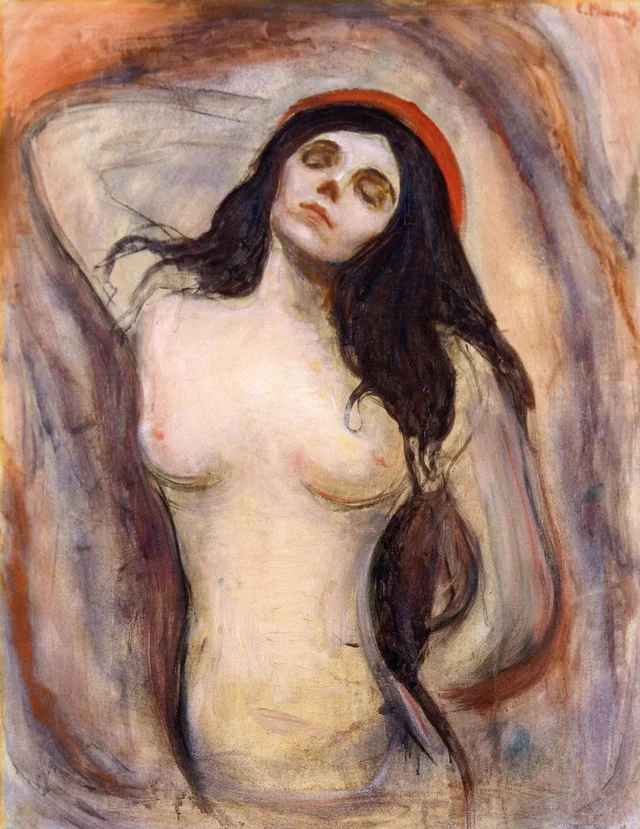 MadonnaEdvard Munch, 1894
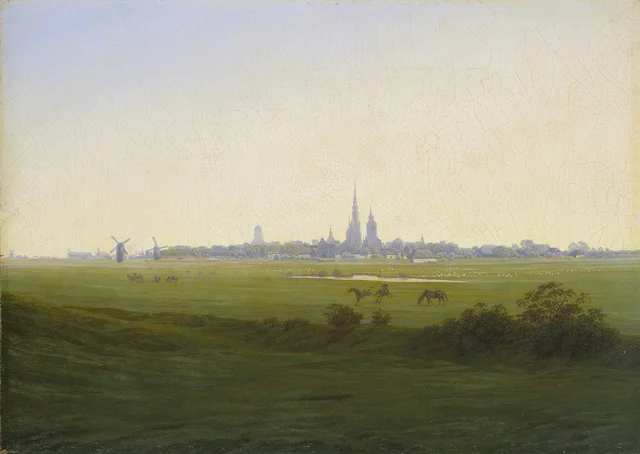 Meadows near GreifswaldCaspar David Friedrich, 1821
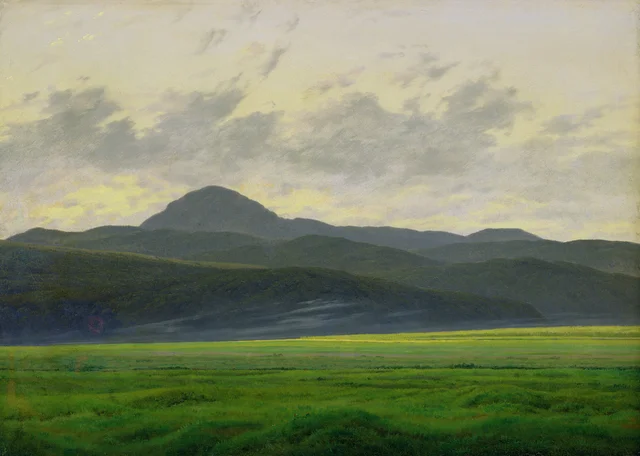 Mountain landscape in BohemiaCaspar David Friedrich, 1830
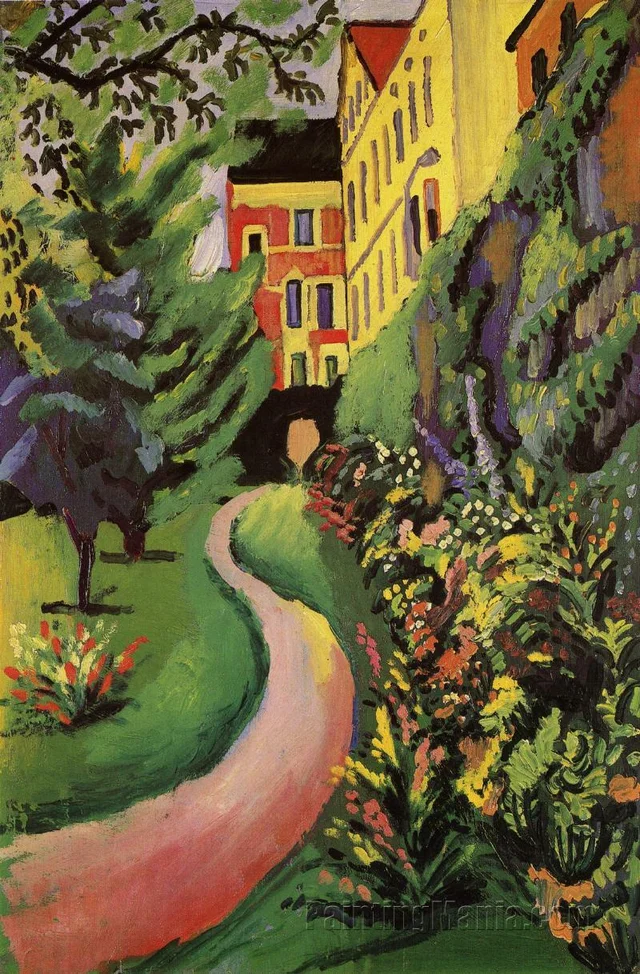 Our garden with blooming bordersAugust Macke, 1912
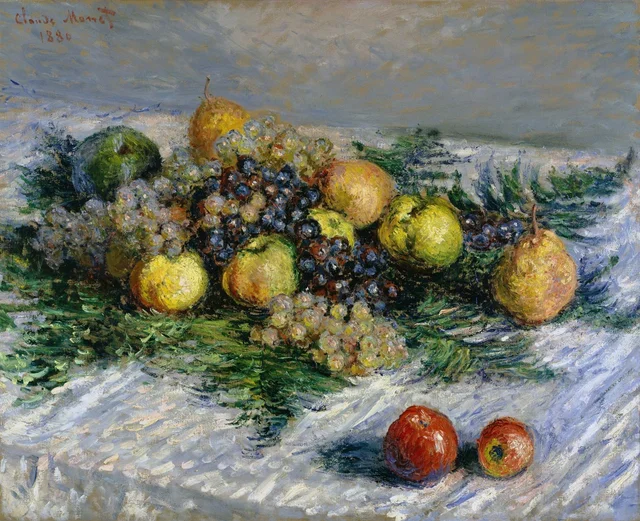 Pears and GrapesClaude Monet, 1880
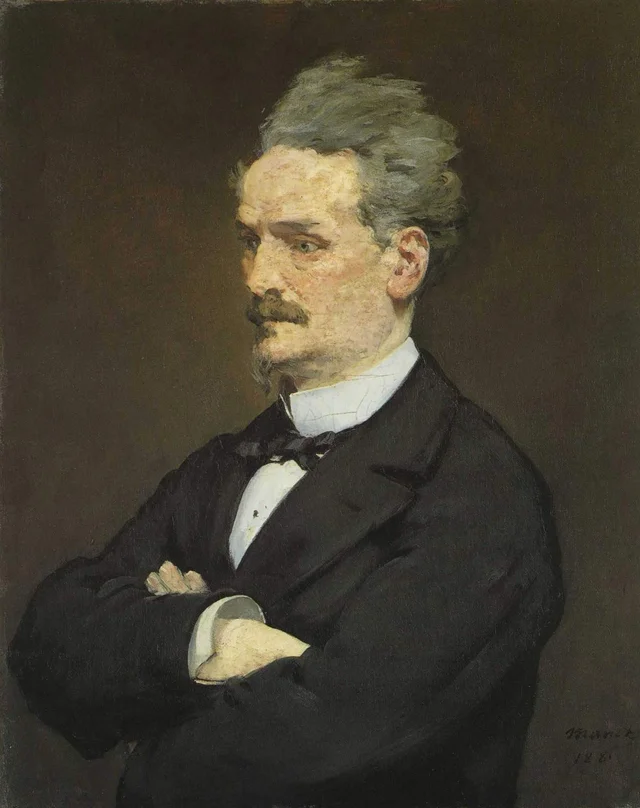 Portrait of Henri RochefortÉdouard Manet, 1881
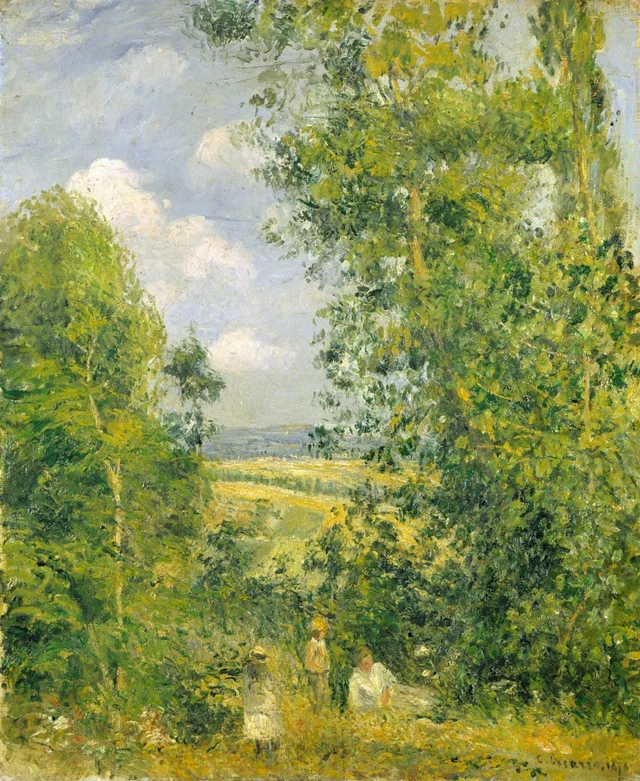 Resting in the Woods (côte des Grouettes), PontoiseCamille Pissarro, 1878
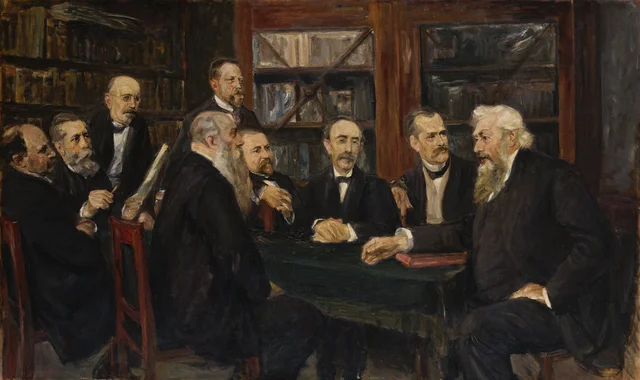 The Hamburg Professors ConventionMax Liebermann, 1906
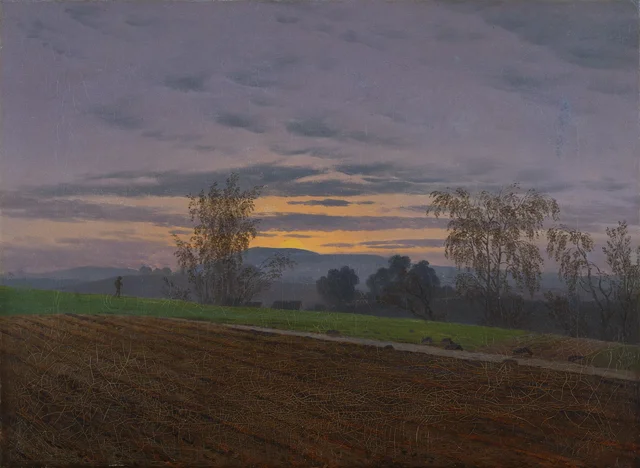 The Ploughed FieldCaspar David Friedrich, 1830
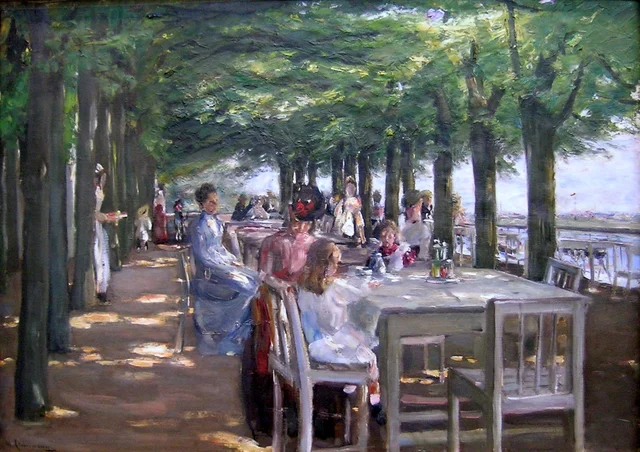 The Terrace at the Hotel Louis C. Jacob in Nienstedten on the ElbeMax Liebermann, 1902
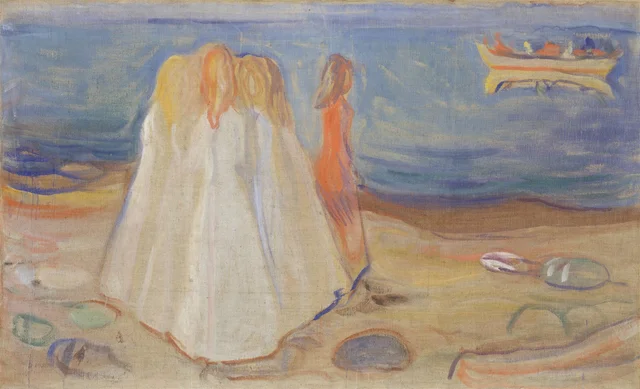 Young Women on the Beach (The Reinhardt Frieze)Edvard Munch, 1906