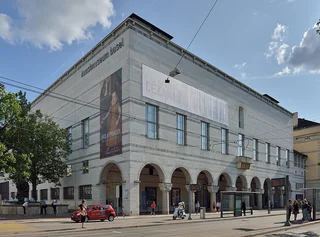
The story
Basel can claim the oldest public art collection in the world, and it began as a rescue. In 1661 the collection assembled by the Amerbach family, rich in works by Hans Holbein the Younger, was about to be sold to Amsterdam. The city and its university bought it instead, and a few years later they put it on show, which made it a museum open to ordinary citizens more than a century before the Louvre.
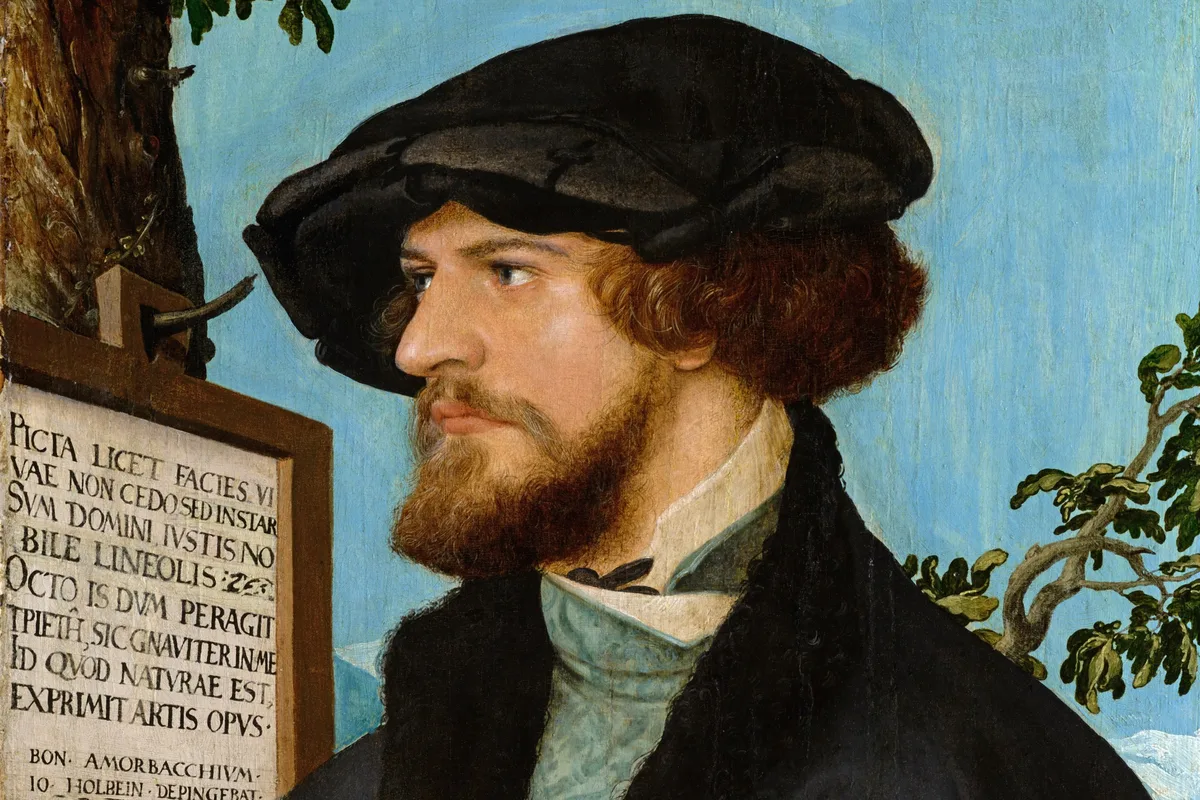
That Holbein group is still the heart of the place. Holbein lived and worked in Basel before he left for the English court, and the museum holds his portraits, designs and the unsettling Dead Christ in the Tomb, a narrow, coffin-shaped panel of a corpse so bleakly real that Dostoevsky, who saw it here, said it could make a believer lose their faith.
The building of 1936 carries the story onward through Böcklin, a deep run of Cubism and a floor of postwar and contemporary art, all of it added over the centuries to the cabinet the Amerbachs sold in 1661.
More articles
Collection
430 works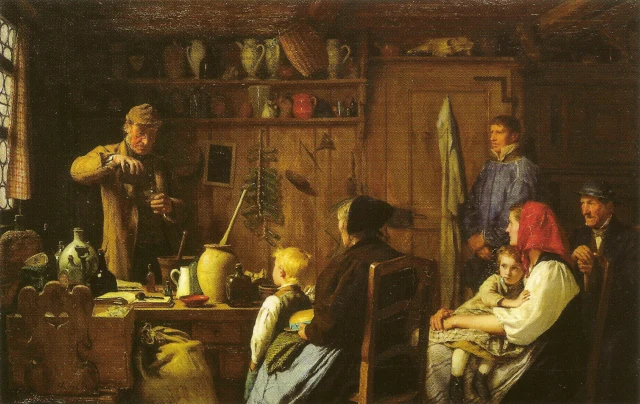 The Village DoctorAlbert Anker, 1879
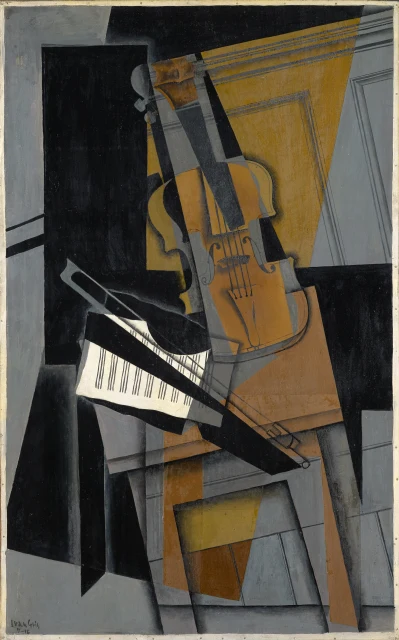 The ViolinJuan Gris, 1916
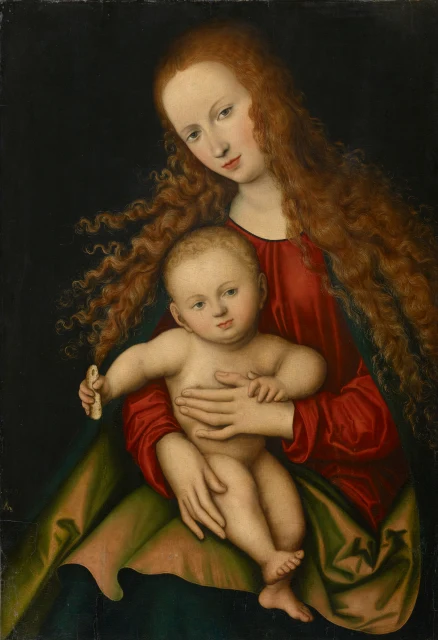 The Virgin and ChildLucas Cranach the Elder, 1529
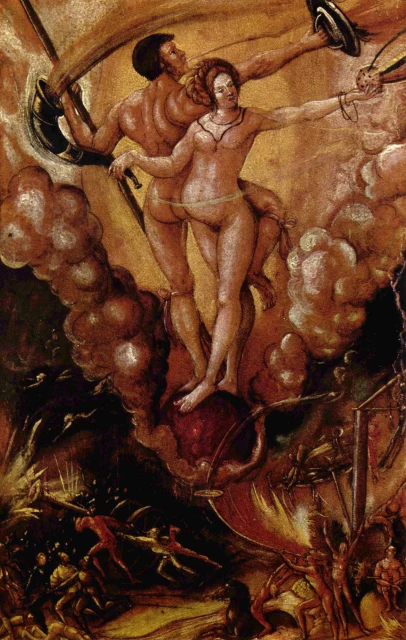 The Wild ArmyUrs Graf, 1520
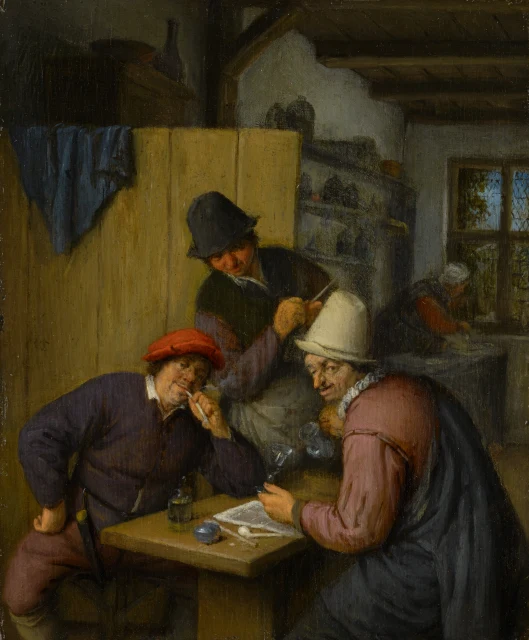 Three Drinking and Smoking Farmers in a TavernAdriaen van Ostade, 1667
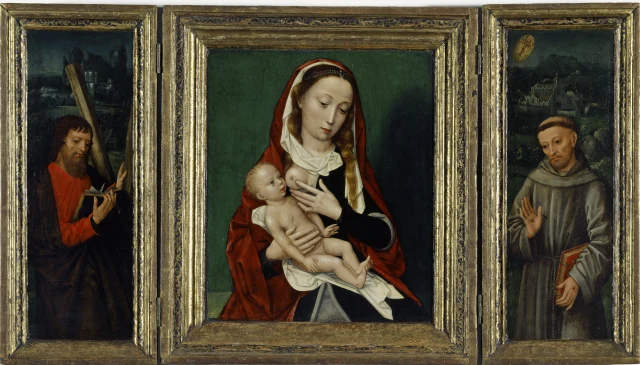 Triptych of Mary and Child with Saints Andrew and FrancisAmbrosius Benson, 1521
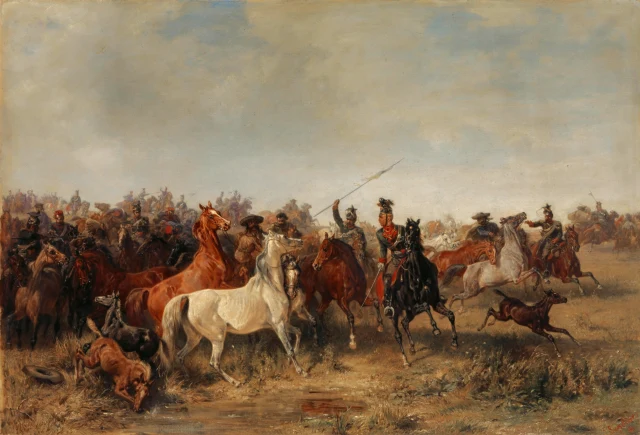 Ulans Driving off a Herd of Horses from Honvéd HussarsFranz Adam, 1864
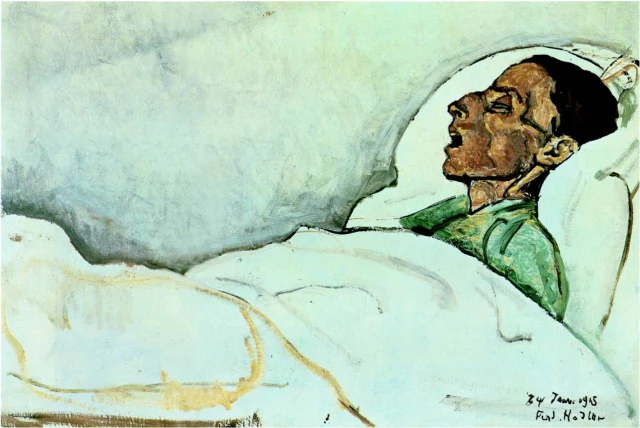 Valentine Godé-Darel one day before her deathFerdinand Hodler, 1915
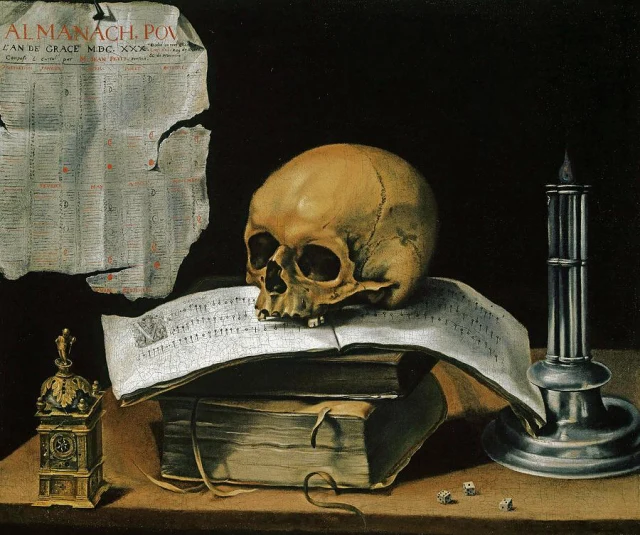 VanitasSebastian Stoskopff, 1630
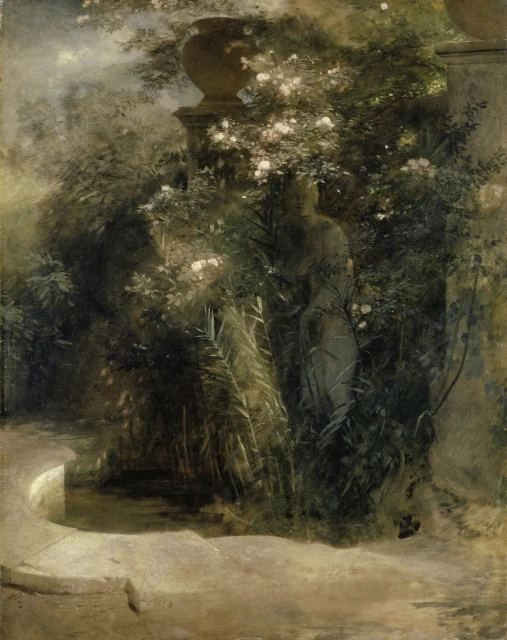 Venus AbandonedArnold Böcklin, 1850
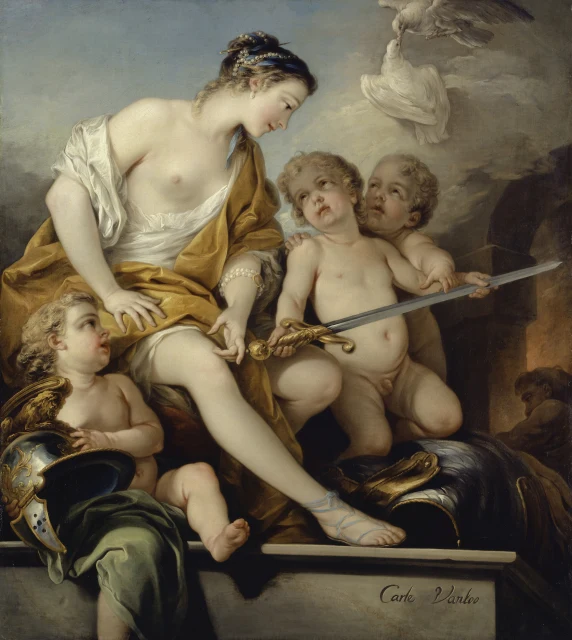 Venus and Cupids with the Arms of MarsCharles-André van Loo, 1743
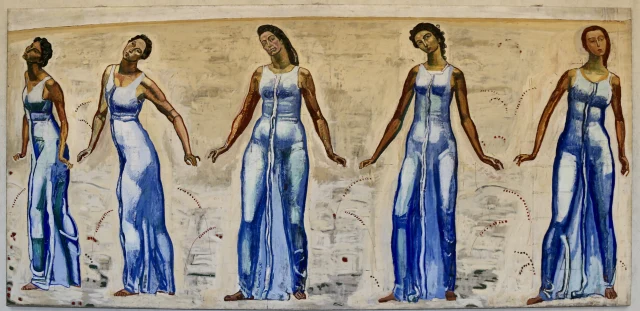 View into InfinityFerdinand Hodler
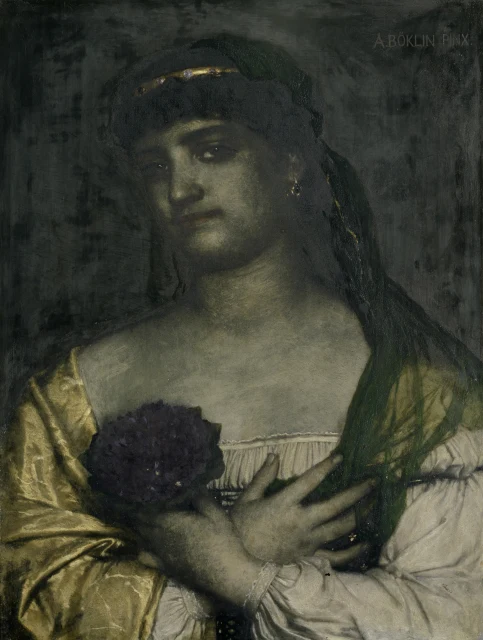 ViolaArnold Böcklin, 1866
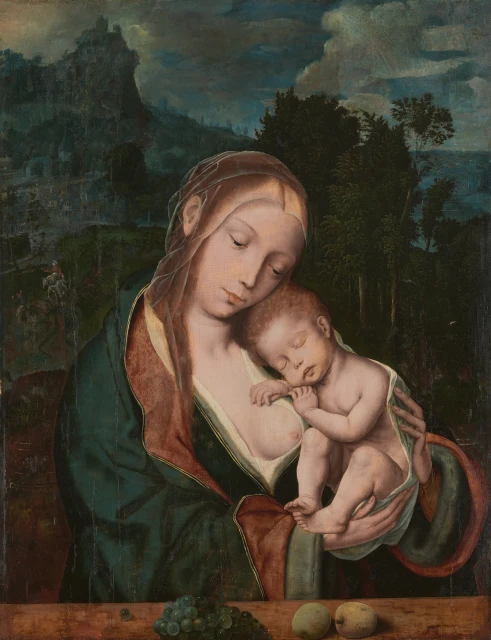 Virgin and ChildMaster of the Mansi Magdalen, 1524
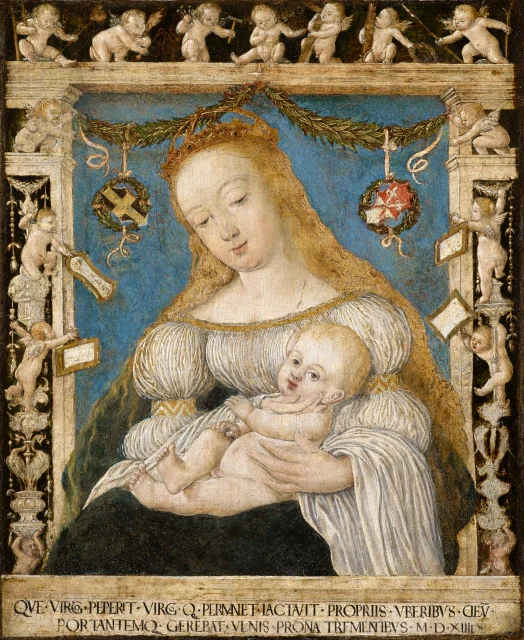 Virgin and ChildAmbrosius Holbein, 1514
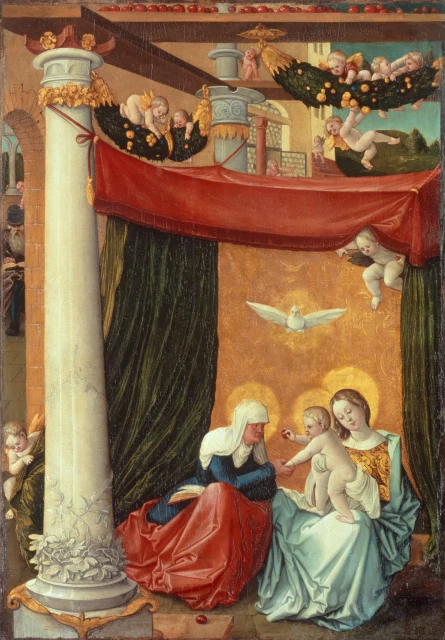 Virgin with Child and Saint AnneHans Baldung Grien, 1513
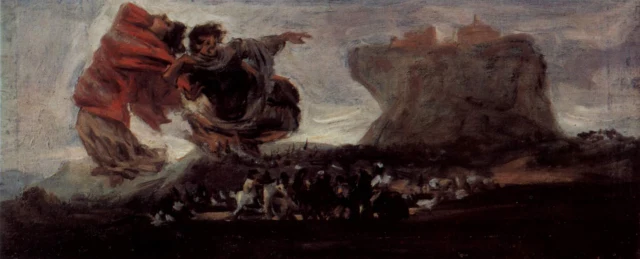 VisionFrancisco Domingo Marqués, 1880
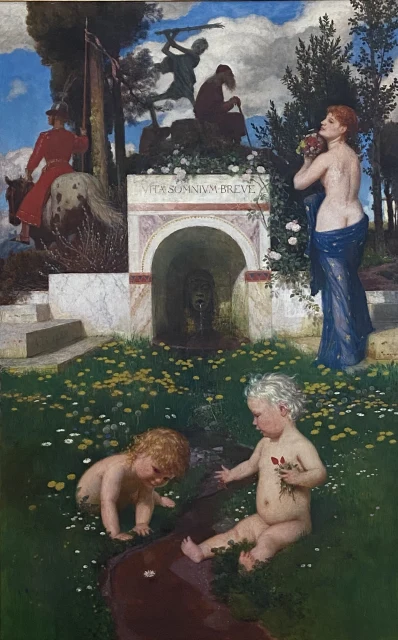 Vita somnium breveArnold Böcklin, 1888