The story
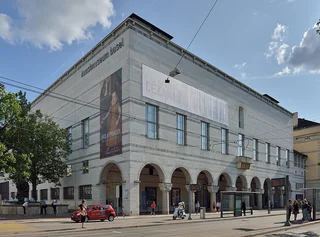
Basel can claim the oldest public art collection in the world, and it began as a rescue. In 1661 the collection assembled by the Amerbach family, rich in works by Hans Holbein the Younger, was about to be sold to Amsterdam. The city and its university bought it instead, and a few years later they put it on show, which made it a museum open to ordinary citizens more than a century before the Louvre.
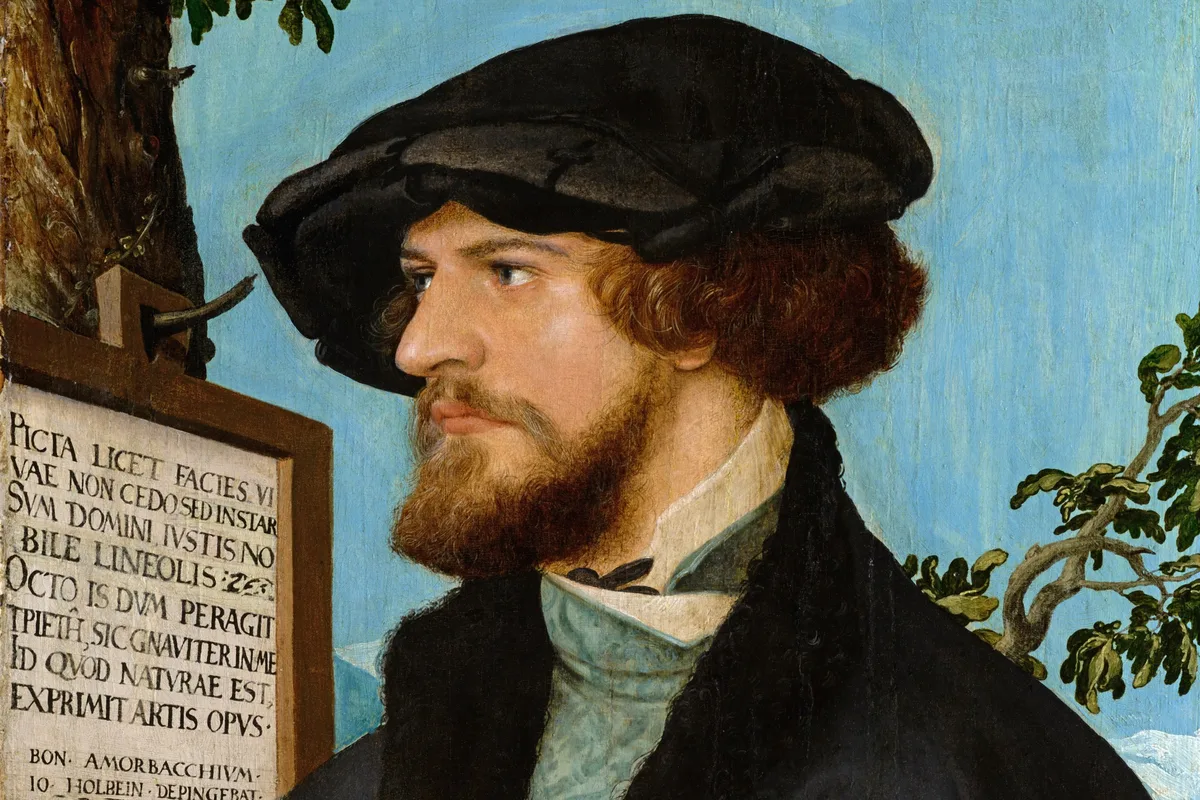
That Holbein group is still the heart of the place. Holbein lived and worked in Basel before he left for the English court, and the museum holds his portraits, designs and the unsettling Dead Christ in the Tomb, a narrow, coffin-shaped panel of a corpse so bleakly real that Dostoevsky, who saw it here, said it could make a believer lose their faith.
The building of 1936 carries the story onward through Böcklin, a deep run of Cubism and a floor of postwar and contemporary art, all of it added over the centuries to the cabinet the Amerbachs sold in 1661.
More articles
Collection
430 works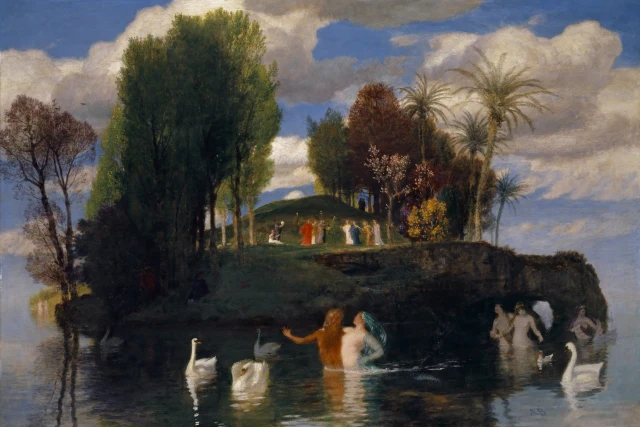 The Island of LifeArnold Böcklin, 1888
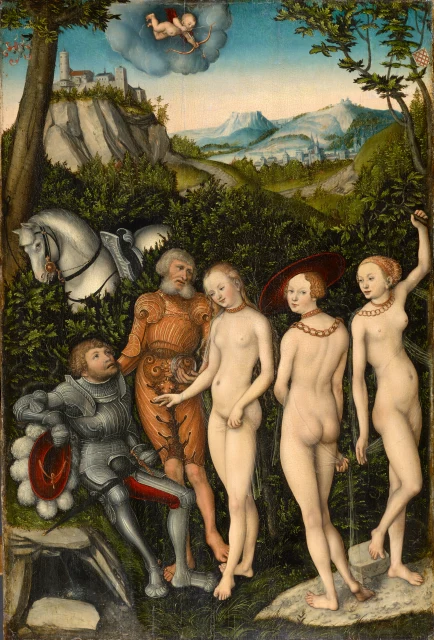 The Judgement of ParisLucas Cranach the Elder, 1528
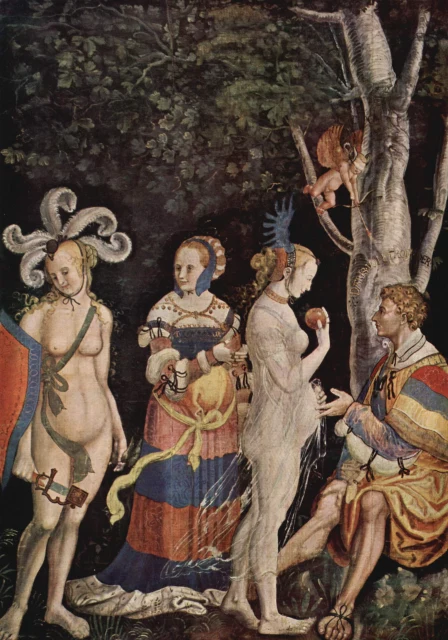 The Judgement of ParisNiklaus Manuel, 1517
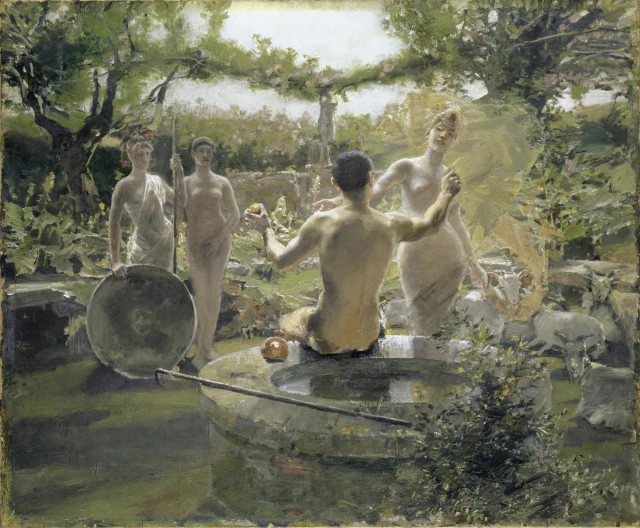 The Judgment of ParisAlbert von Keller, 1891
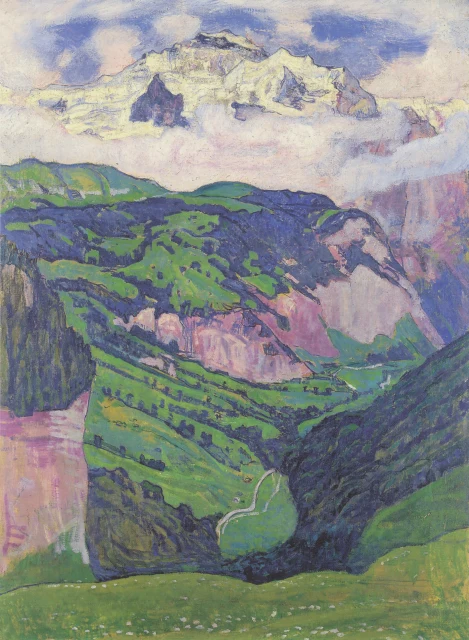 The Jungfrau seen from IsenfluhFerdinand Hodler, 1902
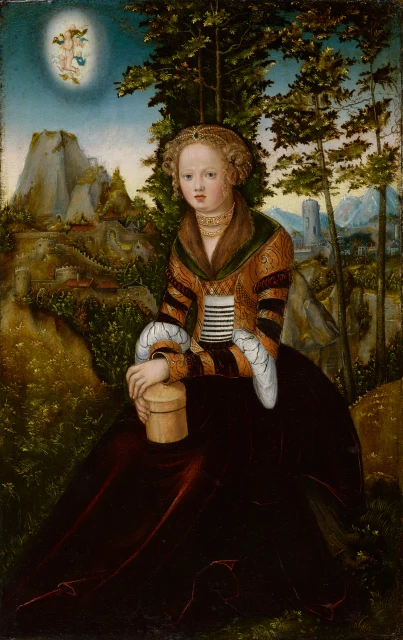 The MagdalenLucas Cranach the Elder, 1525
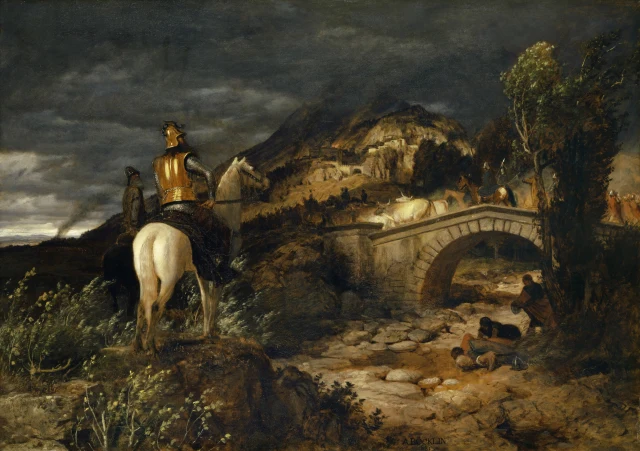 The March of the GothsArnold Böcklin, 1881
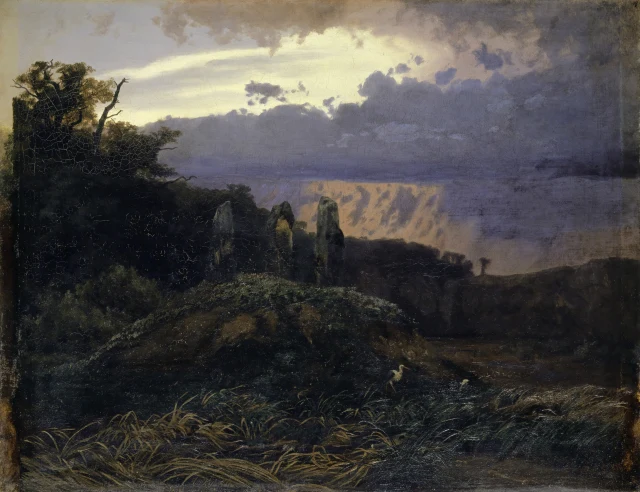 The Megalithic TombArnold Böcklin, 1847
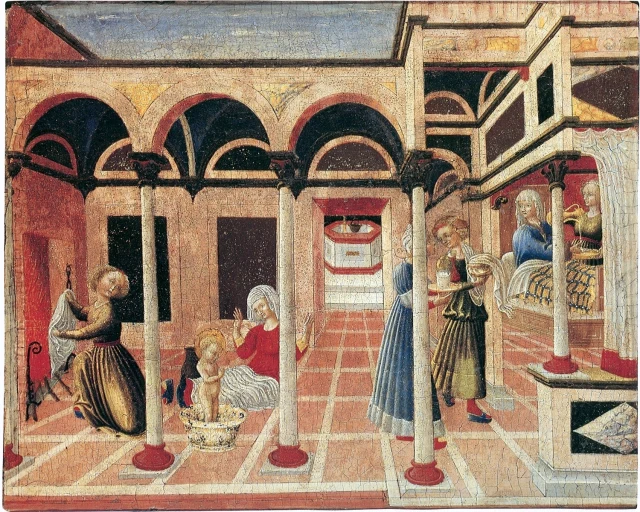 The Miracle at the Birth of Saint NicholasPietro di Giovanni d'Ambrogio, 1437
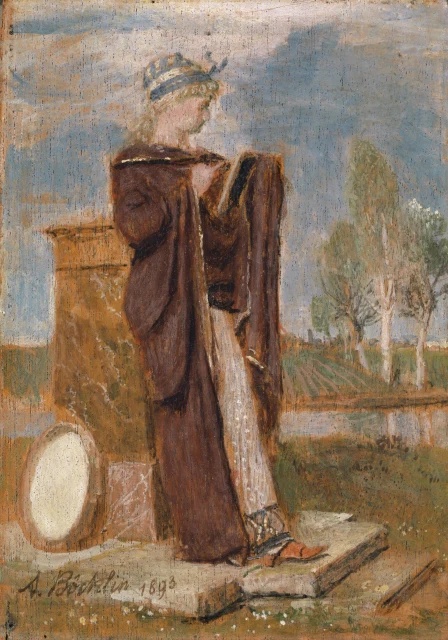 The Muse ThaliaArnold Böcklin, 1893
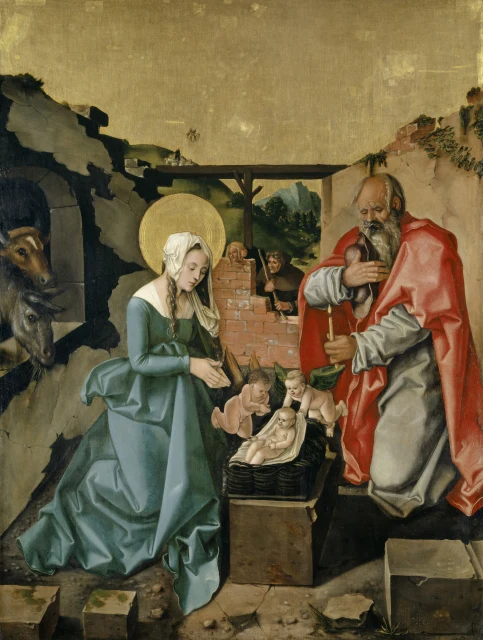 The NativityHans Baldung Grien, 1510
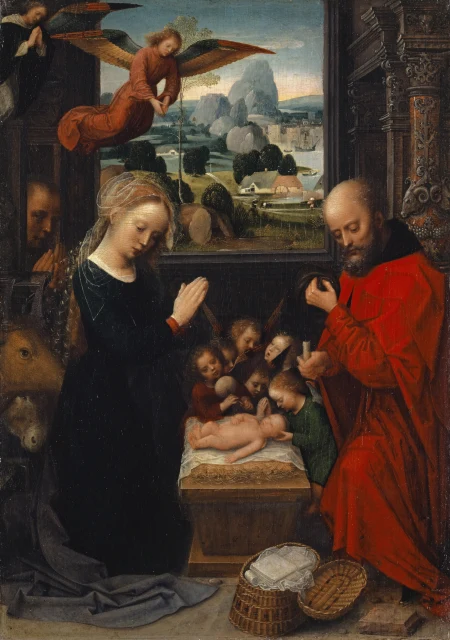 The NativityAdriaen Isenbrandt, 1525
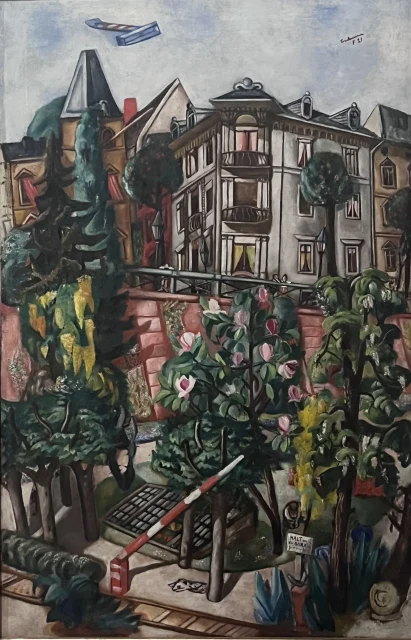 The Nizza in Frankfurt am MainMax Beckmann, 1921
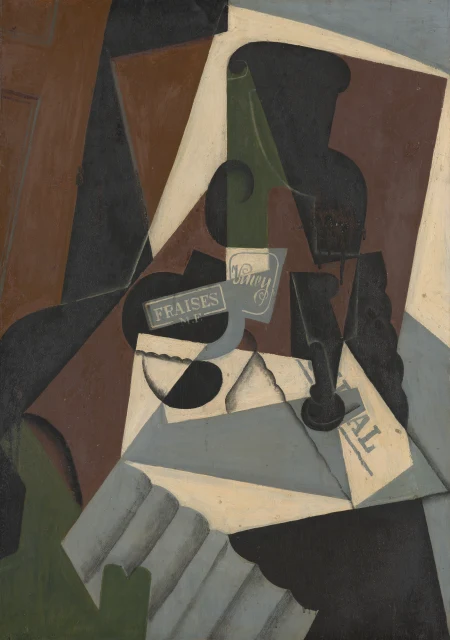 The Pot of Strawberry JamJuan Gris, 1917
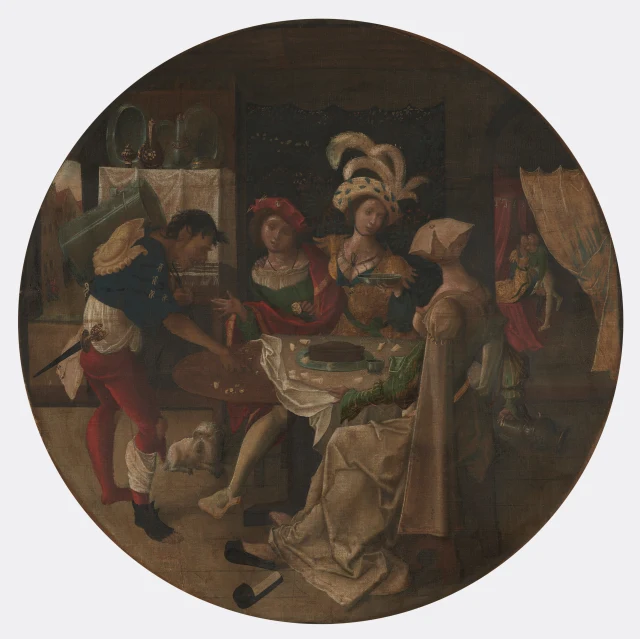 The Prodigal SonJan de Beer, 1520
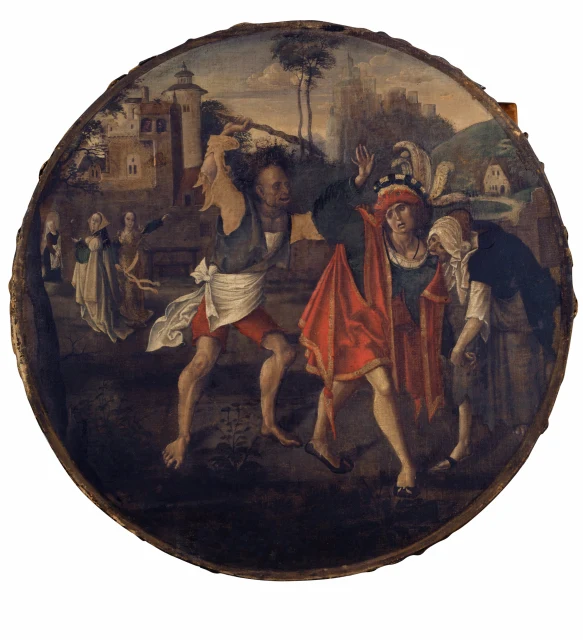 The Prodigal Son Driven from the BrothelJan de Beer, 1520
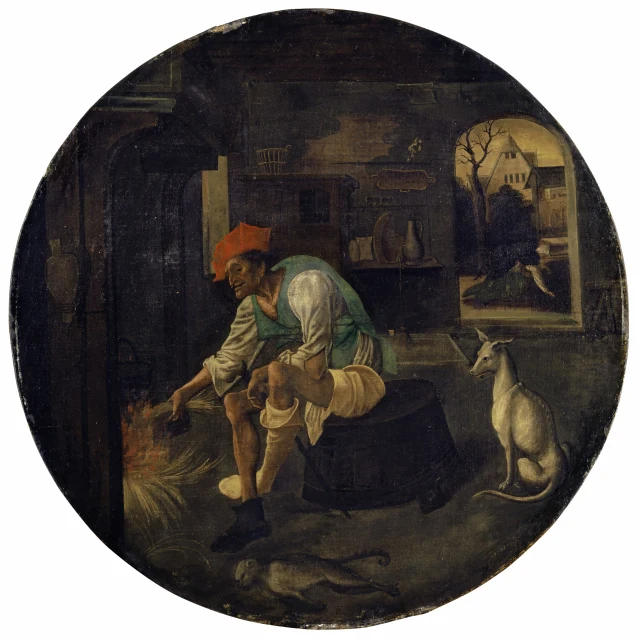 The Prodigal Son in MiseryJan de Beer, 1520
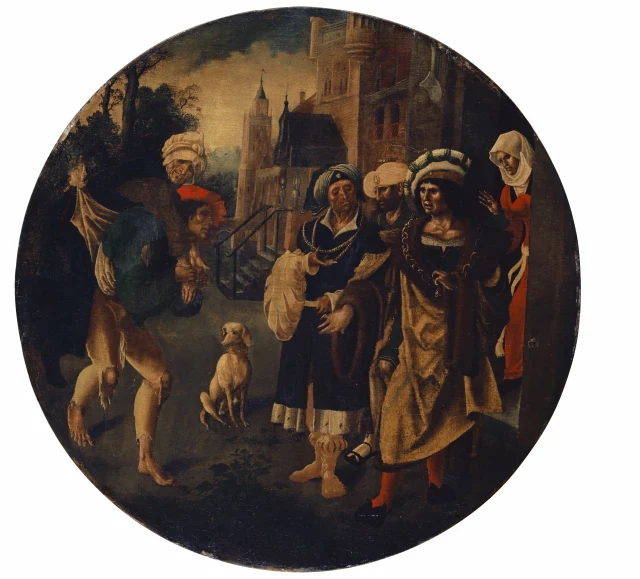 The Prodigal Son Turned Away by a Rich ManJan de Beer, 1520
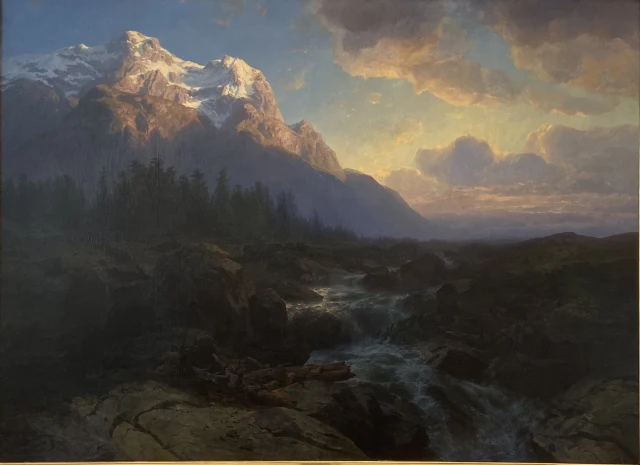 The Rosenlaui Valley with the WetterhornAlexandre Calame, 1856
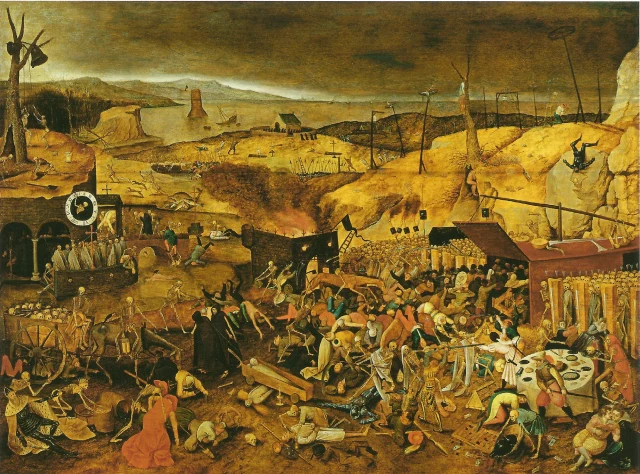 The Triumph of DeathPieter Brueghel the Younger, 1626