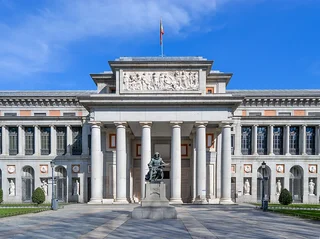
The story
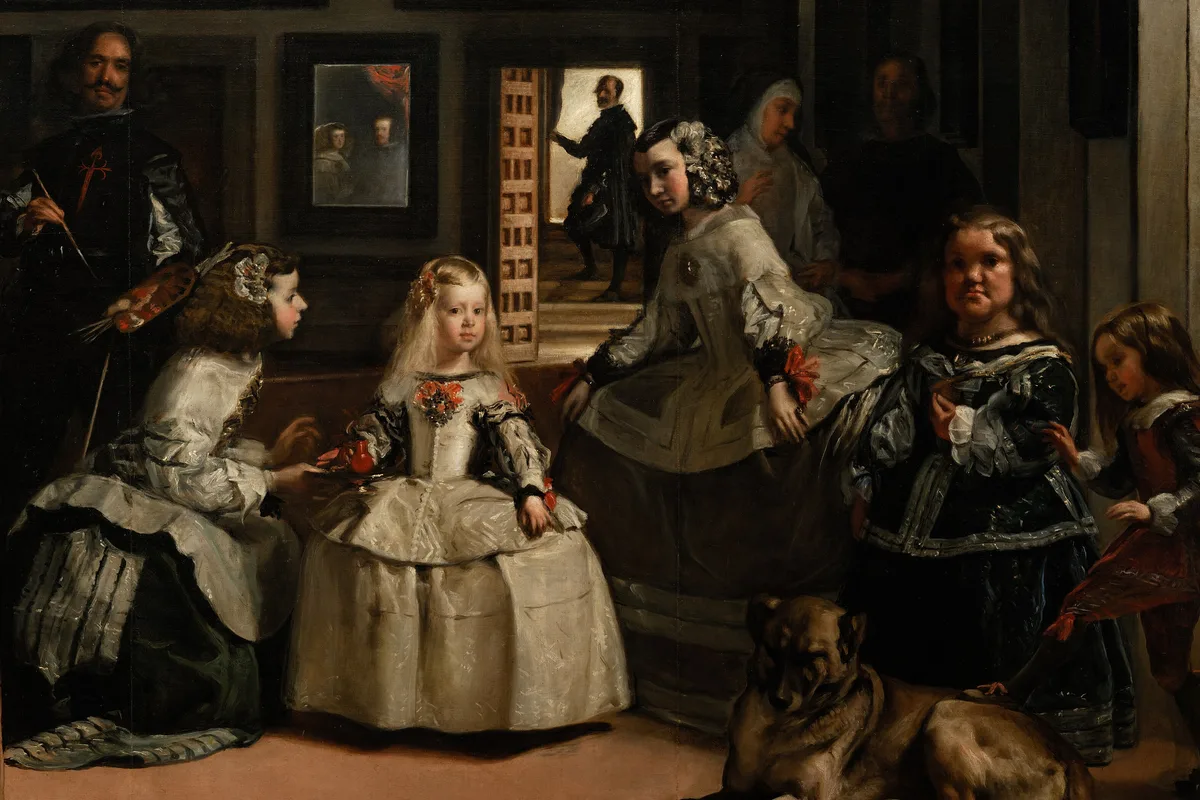
The Prado is a king's collection made public. For three centuries the Spanish Habsburgs and Bourbons bought and commissioned on a royal scale, and their taste is the museum: Titian and Rubens whom the kings loved, Velazquez who served the Spanish court for most of his life. His Las Meninas hangs at the heart of the building, the painter looking out from behind his own canvas in a room of the old royal Alcazar.
The gallery opened in 1819 in a building the architect Juan de Villanueva had first designed as a hall of natural science. Its walls carry the darker turns of Spanish art alongside its splendour, Goya's Third of May 1808, the firing squad lifting its lanterns in the dark, and the Black Paintings he put straight onto the walls of his own house late in life, deaf and withdrawn, and never meant to show.
The oldest of its great treasures predates that royal Spanish taste, Hieronymus Bosch's Garden of Earthly Delights, the three-panelled vision of paradise, desire and hell, later brought into Philip II's collection and sent to his monastery-palace of El Escorial. Now it draws crowds to what only the court was once allowed to see.
More articles
Collection
870 works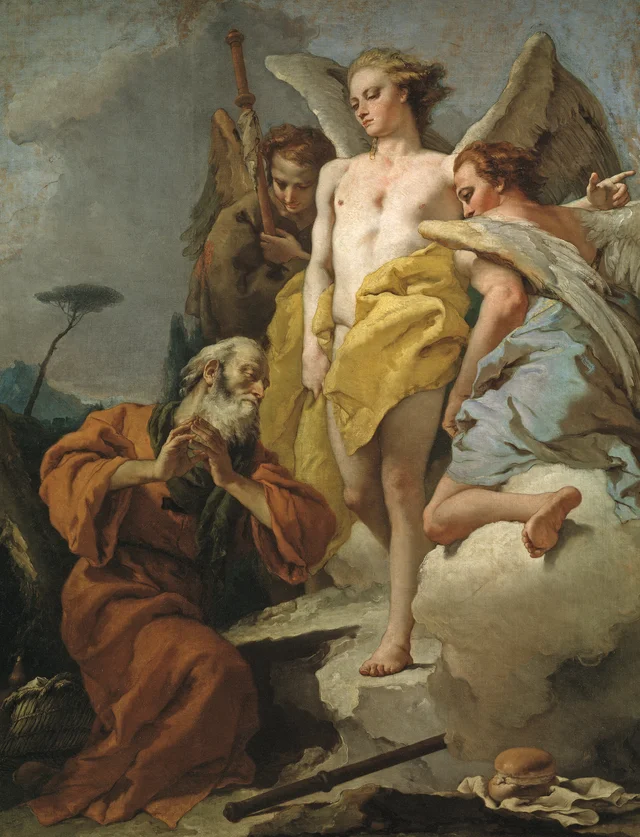 Abraham and the three AngelsGiovanni Battista Tiepolo, 1750
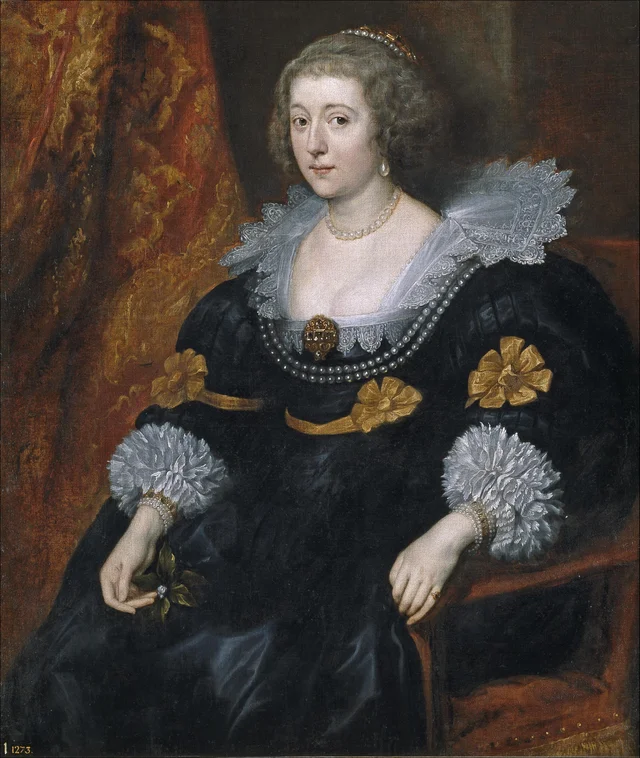 Amalia de Solms-BraunfelsAnthony van Dyck, 1631
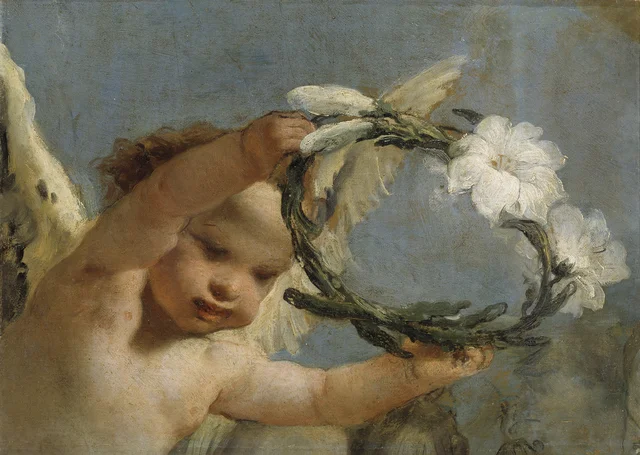 Angel with a Crown of LiliesGiovanni Battista Tiepolo, 1767
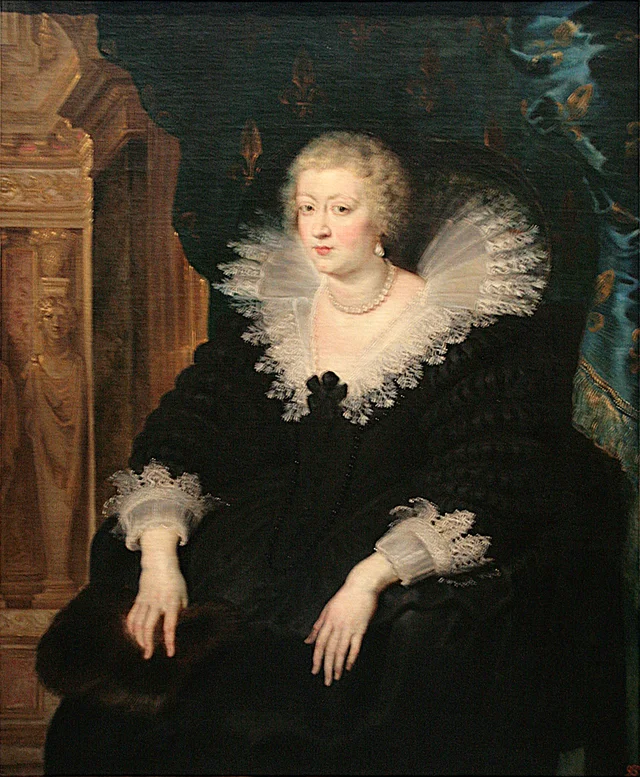 Anne of Austria, Queen of FrancePeter Paul Rubens, 1622
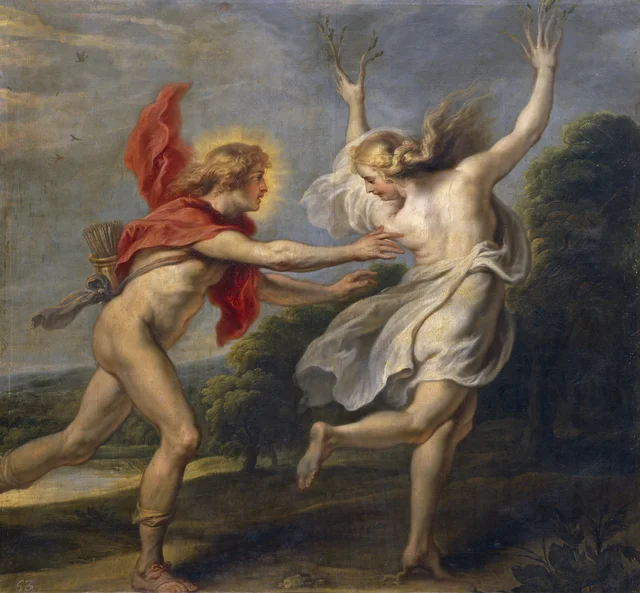 Apollo and DaphneTheodoor van Thulden, 1636
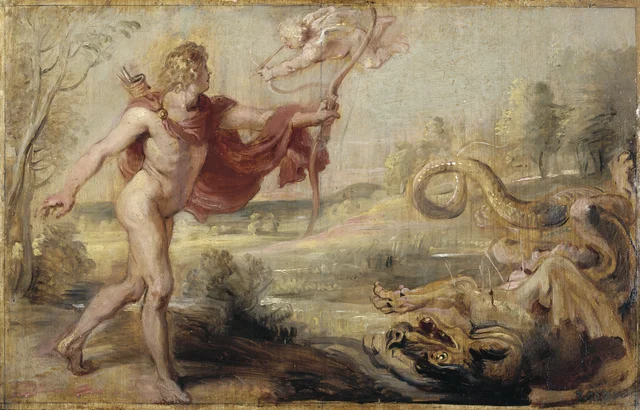 Apollo and the PythonPeter Paul Rubens, 1636
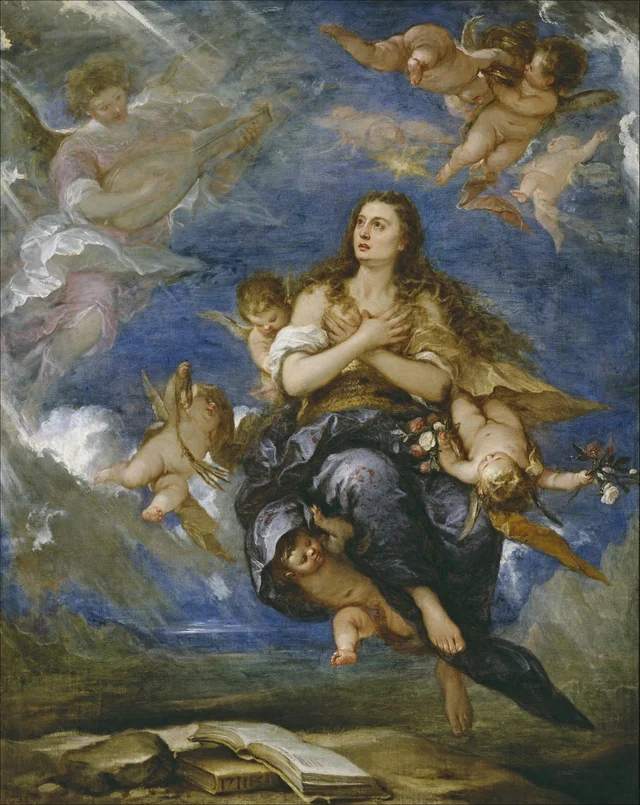 Assumption of Mary MagdaleneJosé Antolínez, 1670
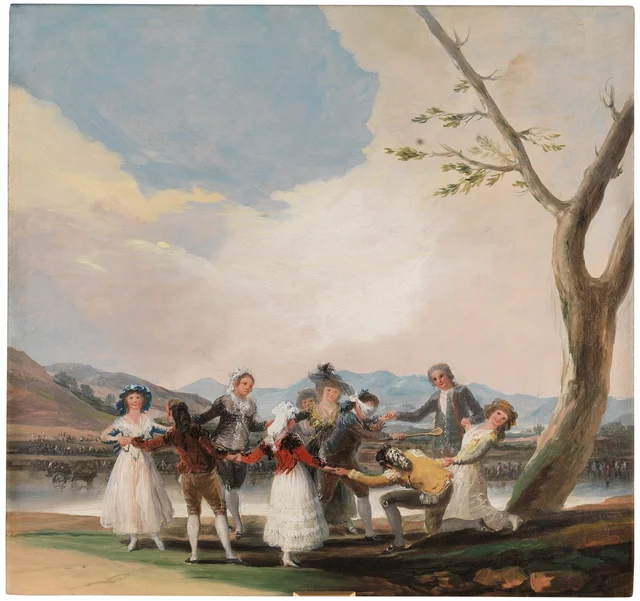 Blind Man's Bluff (sketch)Francisco Goya, 1789
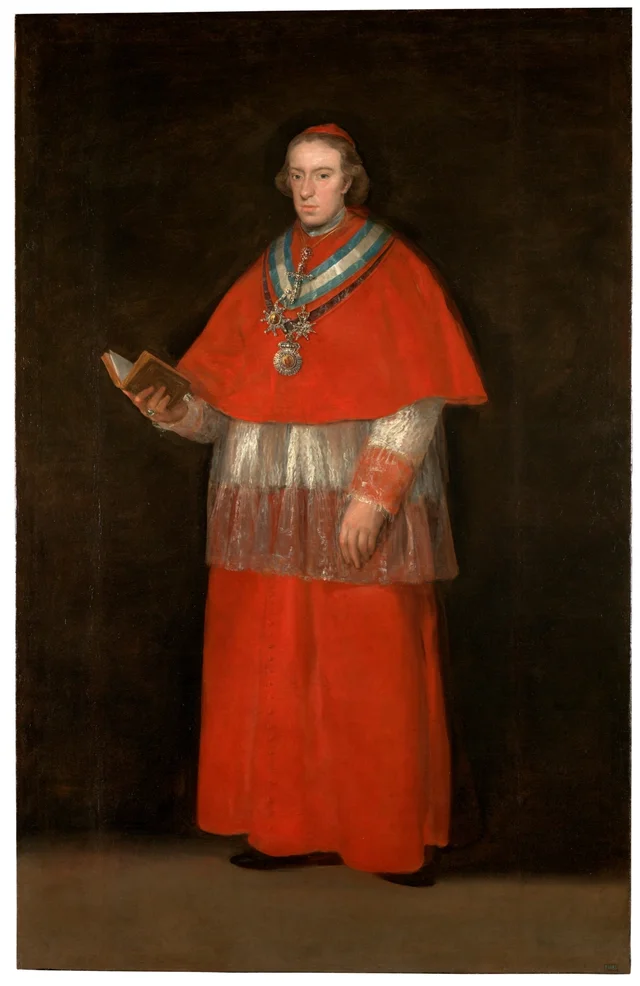 Cardinal Luis María de Borbón y VallabrigaFrancisco Goya, 1800
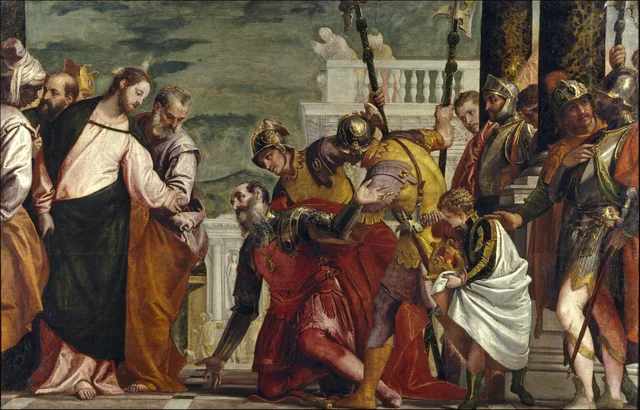 Christ and the CenturionPaolo Veronese, 1571
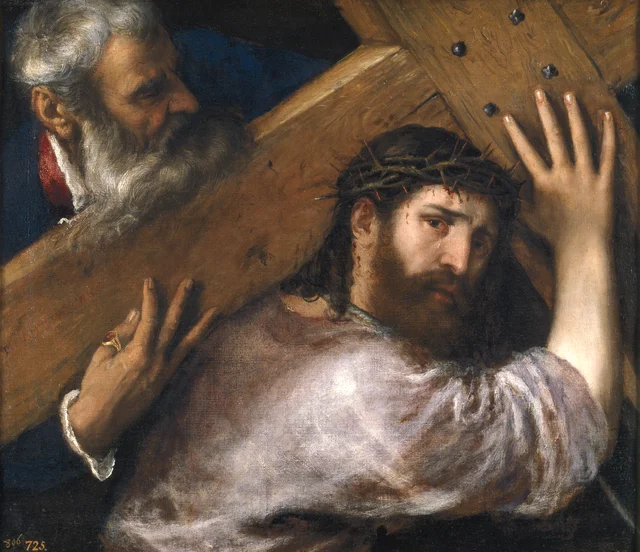 Christ carrying the CrossTitian, 1565
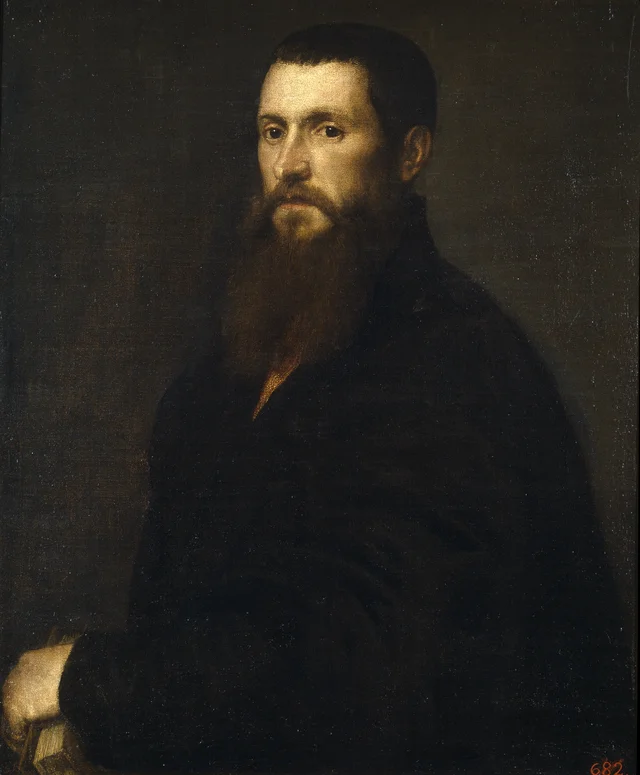 Daniele Barbaro, Patriarch of AquileiaTitian, 1545
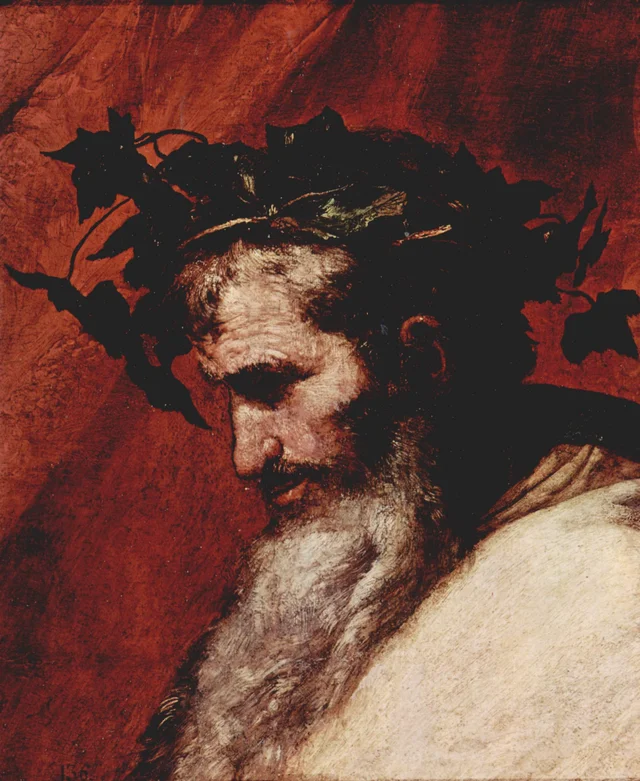 Detail of the Head of BacchusJusepe de Ribera, 1636
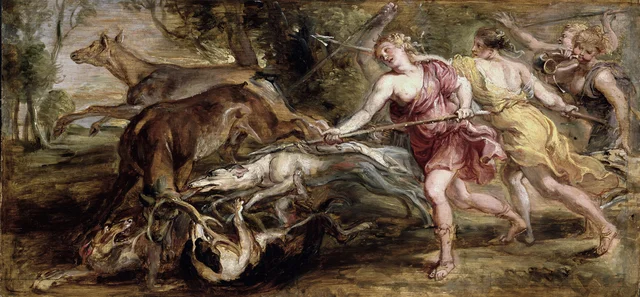 Diana and her Nymphs HuntingPeter Paul Rubens, 1636
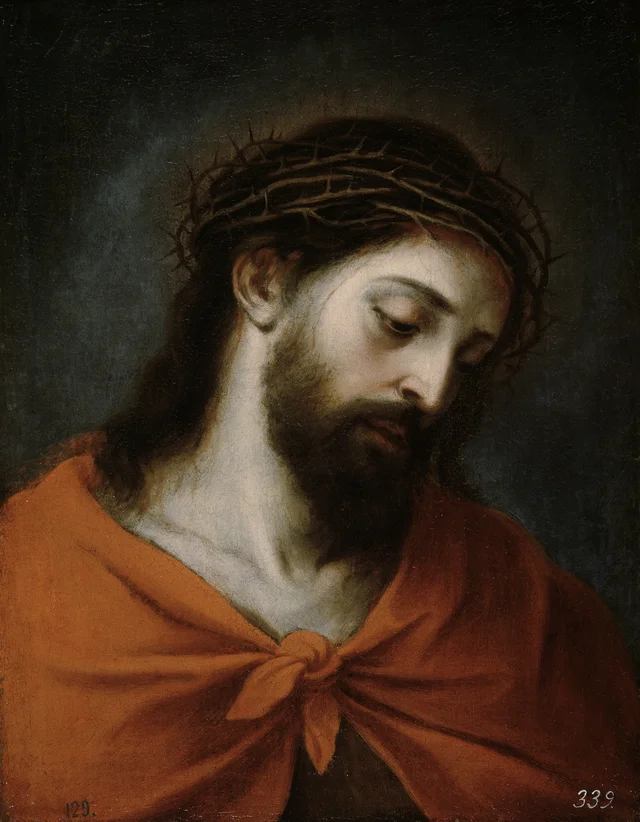 Ecce HomoBartolomé Esteban Murillo, 1665
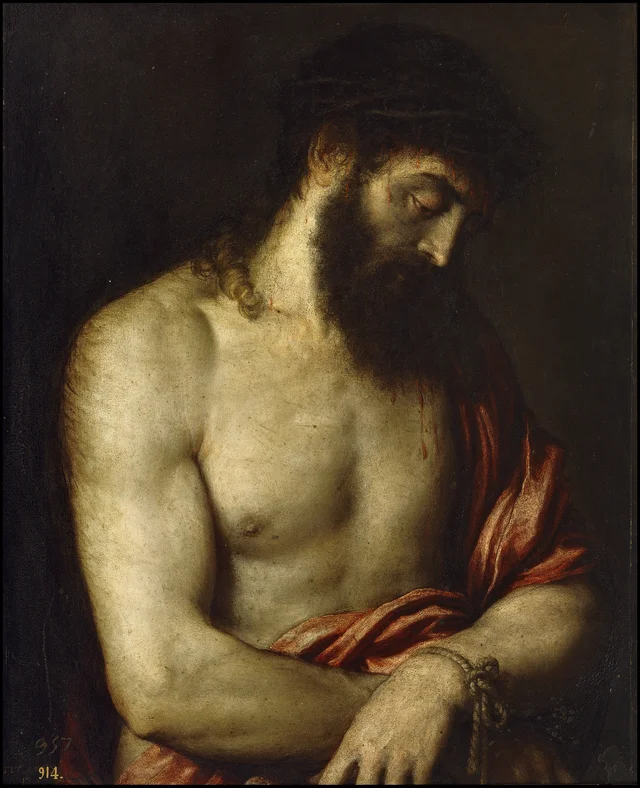 Ecce HomoTitian, 1546
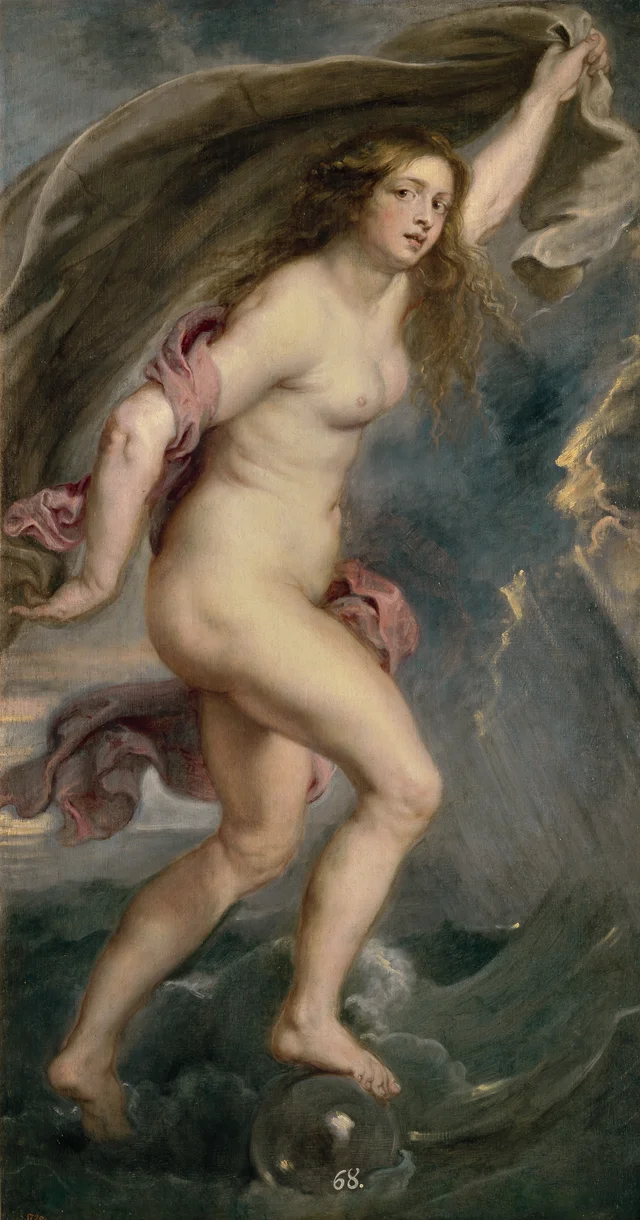 FortunePeter Paul Rubens, 1636
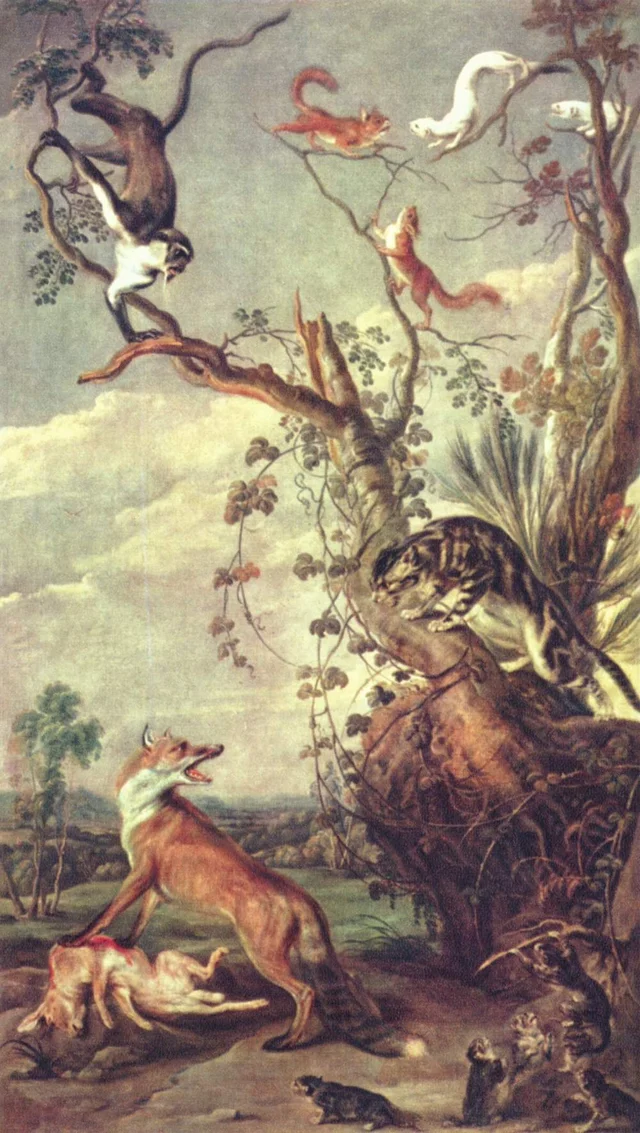 Fox and catFrans Snyders, 1636
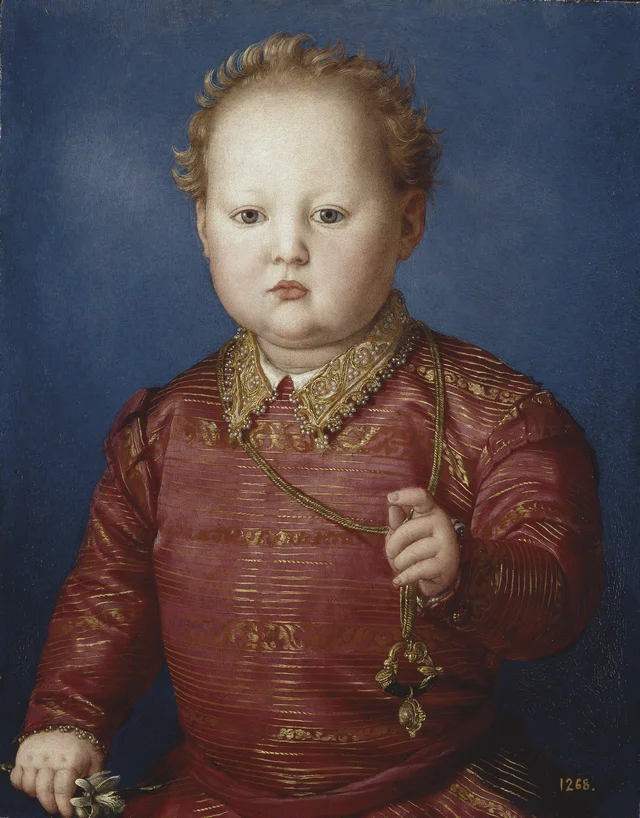 Garzia de' MediciBronzino, 1550
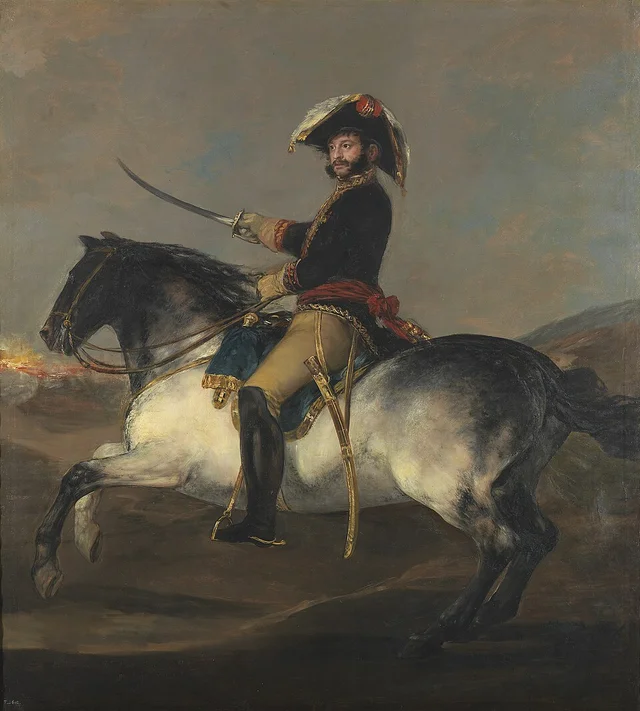 General José de Palafox on HorsebackFrancisco Goya, 1814
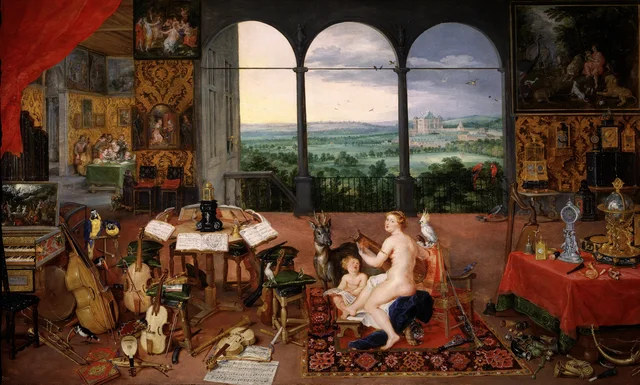 HearingJan Brueghel the Elder, 1617
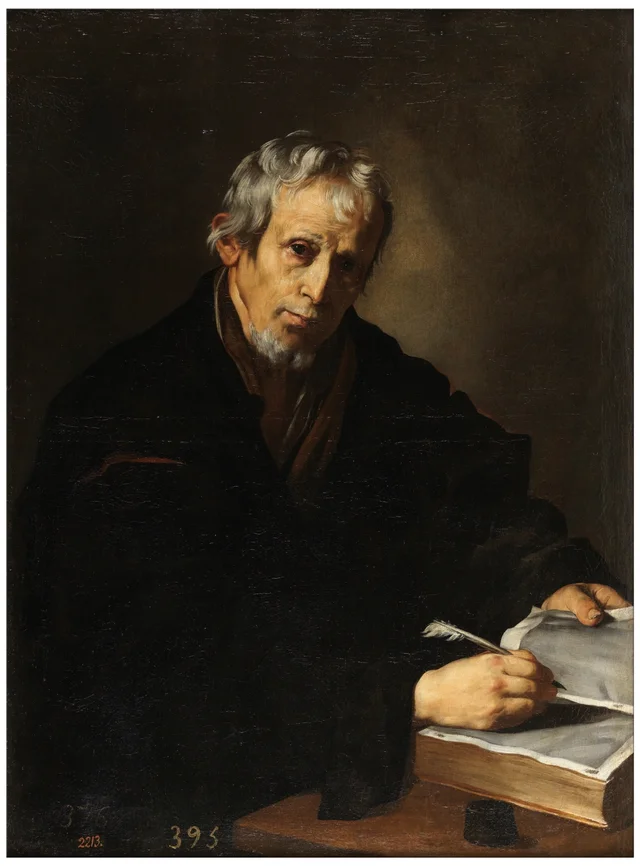 HeraclitusJusepe de Ribera, 1615
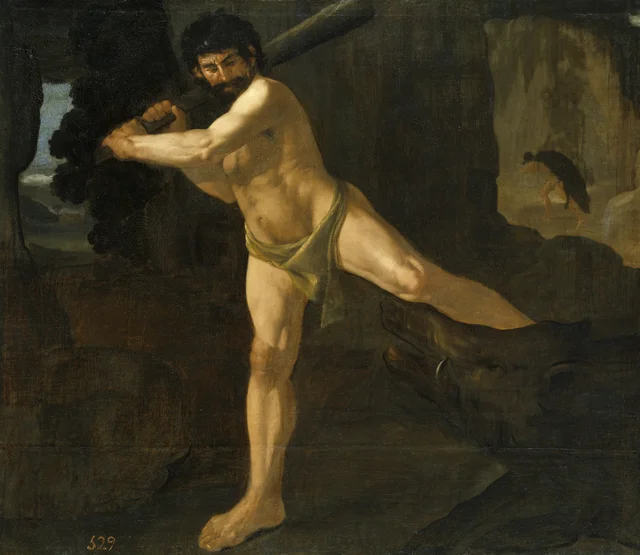 Hercules and the Erymanthian BoarFrancisco de Zurbarán, 1634
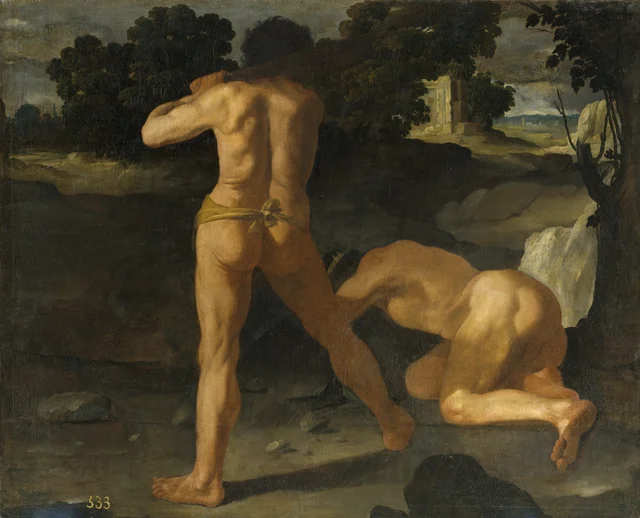 Hercules defeats King GeryonFrancisco de Zurbarán, 1634
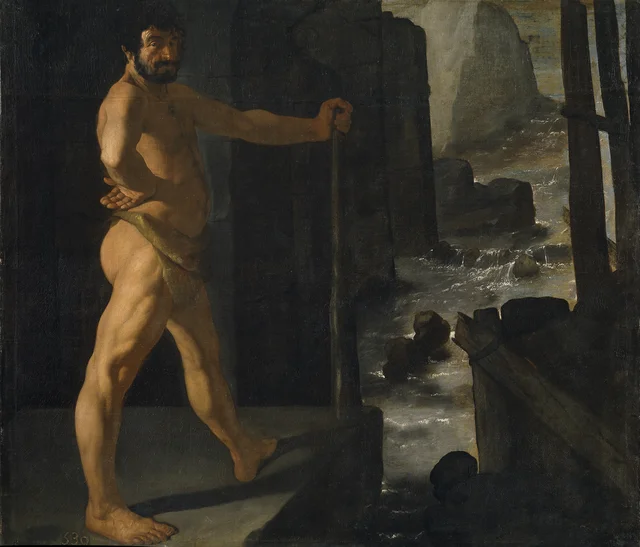 Hercules diverting the Course of the River AlpheusFrancisco de Zurbarán, 1634