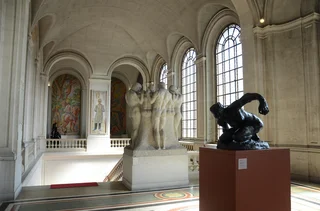
The story
Geneva's biggest museum is a deliberately encyclopedic one, the kind that tries to show everything from Egyptian mummies and Greek vases to armour, watches and paintings under a single roof. It was built between 1903 and 1910 with money left by a local banker, Charles Galland, and holds several hundred thousand objects.
Its most important painting is a small panel from 1444. In the Miraculous Draught of Fishes, the Basel painter Konrad Witz set the Gospel scene on the shore of Lake Geneva itself, painting the Salève mountain and the city's real coastline behind Christ. It is often called the first faithful portrait of a real place in European art.
The rest of the fine-art rooms run from the Renaissance through to Hodler and Vallotton, the Swiss painters of around 1900, and the lower floors give as much space to swords, clocks and Geneva enamels as to canvases.
Collection
6 works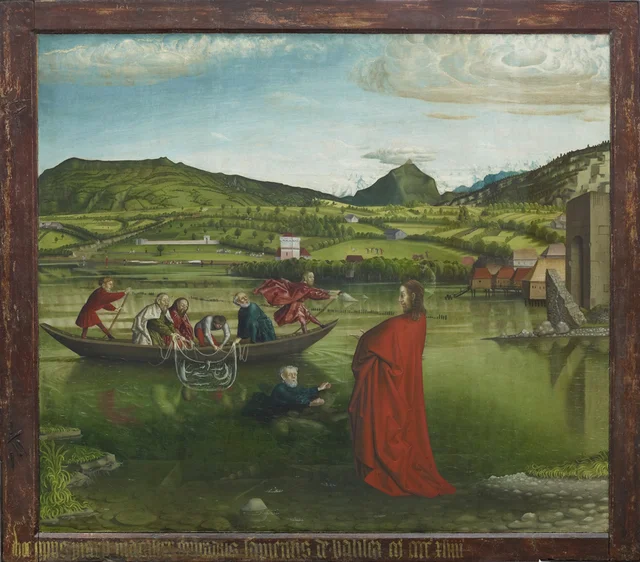 The Miraculous Draft of FishesKonrad Witz, 1444
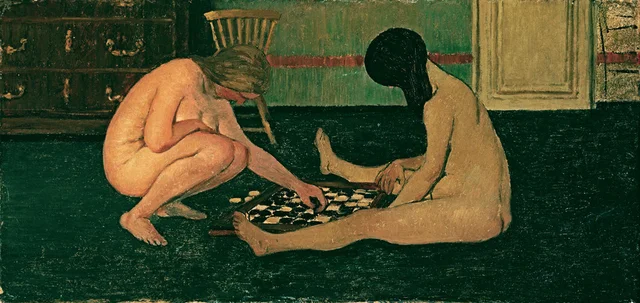 Naked Women playing CheckersFélix Vallotton, 1897
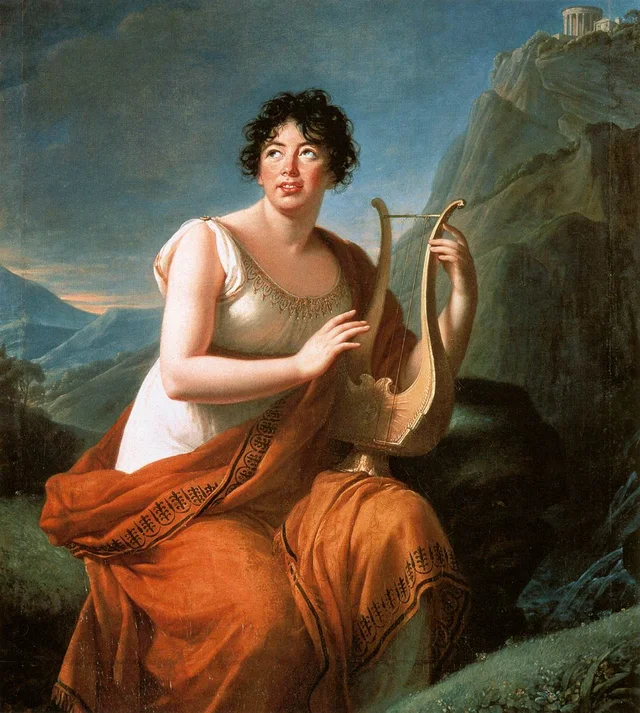 Portrait of Madame de Staël as Corinne on Cape MisenumÉlisabeth Louise Vigée Le Brun, 1808
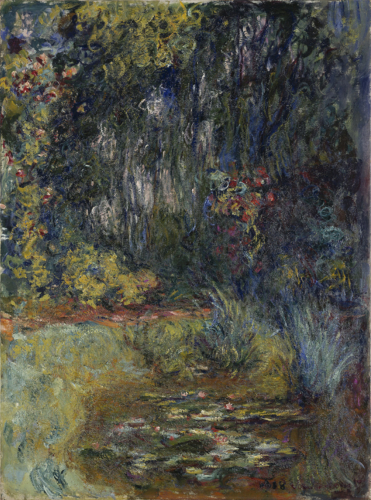 Corner of the basin of the NymphéasClaude Monet, 1918
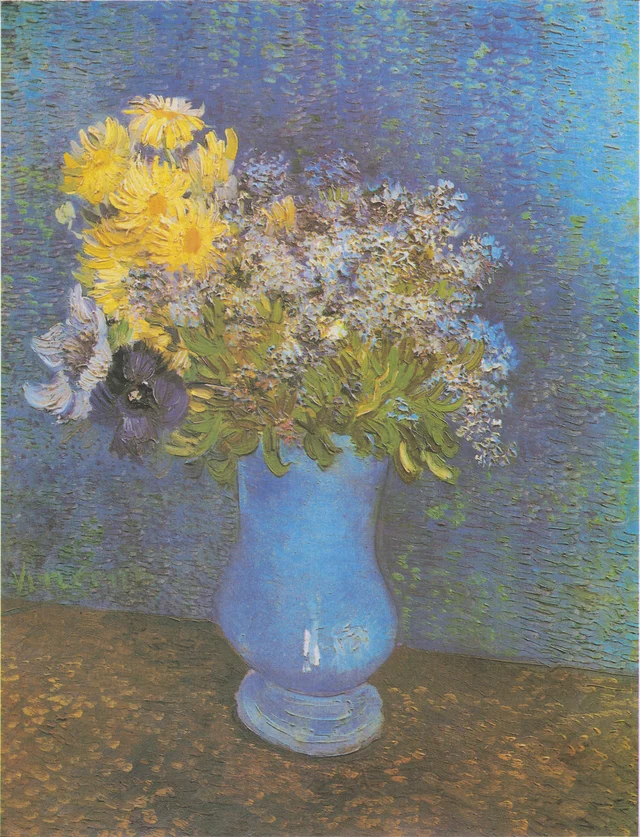 Vase with Lilacs, Daisies and AnemonesVincent van Gogh, 1887
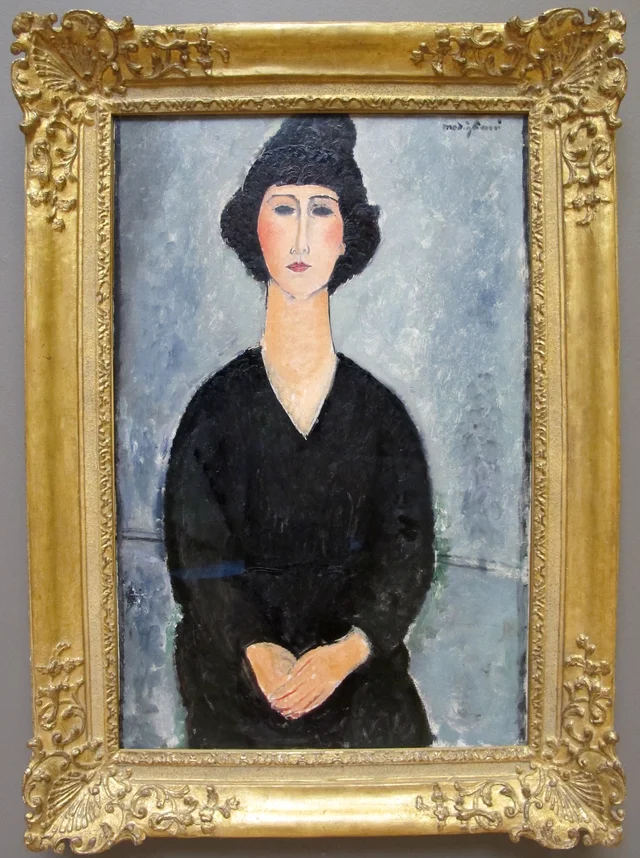 Woman in a Black DressAmedeo Modigliani, 1917