The story
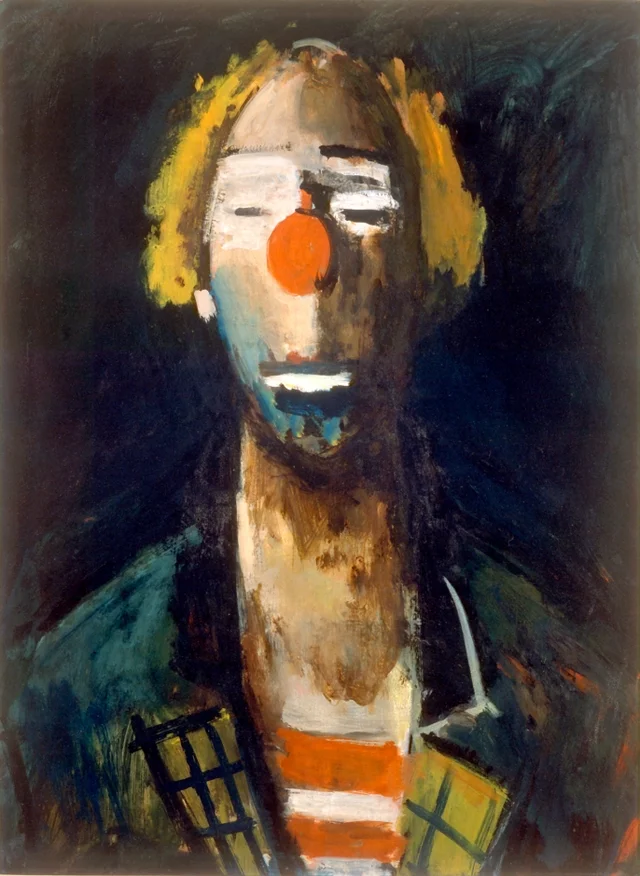
In 1936 and 1937, while working on two large views of Luxembourg and Clervaux for his country's pavilion at the Paris World's Fair, the painter Joseph Kutter fell ill with a disease his doctors could neither name nor cure. The clowns he had been painting since 1935 turned dark and anxious, and Head of a Clown, from around 1937, reads almost as a self-portrait. Kutter, Luxembourg's best known Expressionist, died in 1941, and this museum holds more than 90 of his works.
The National Museum of Archaeology, History and Art stands on the Fish Market, one of the oldest corners of Luxembourg City's upper town. It grew out of an archaeological society founded in 1845, and in 2002 a new building by the architect Christian Bauer opened beside the old one, with many of its rooms set underground.
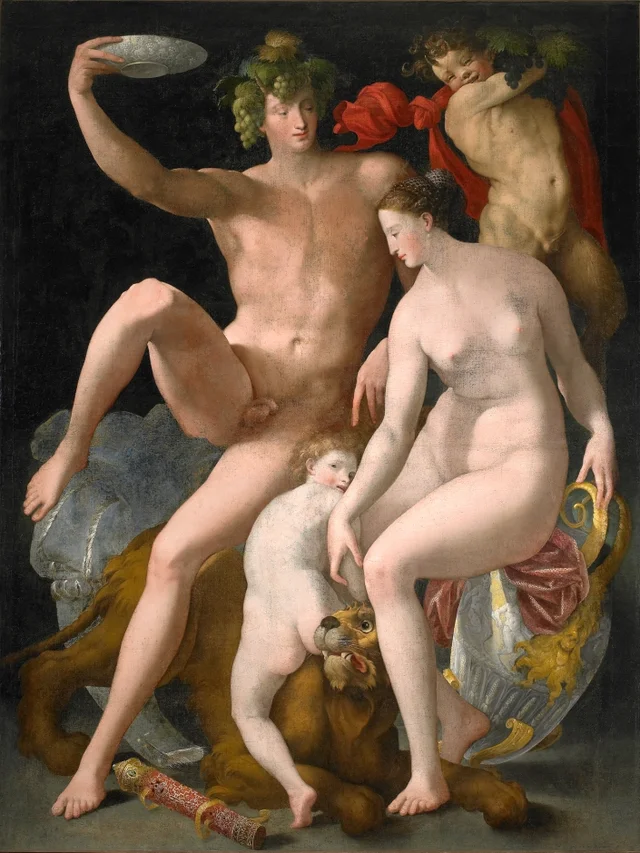
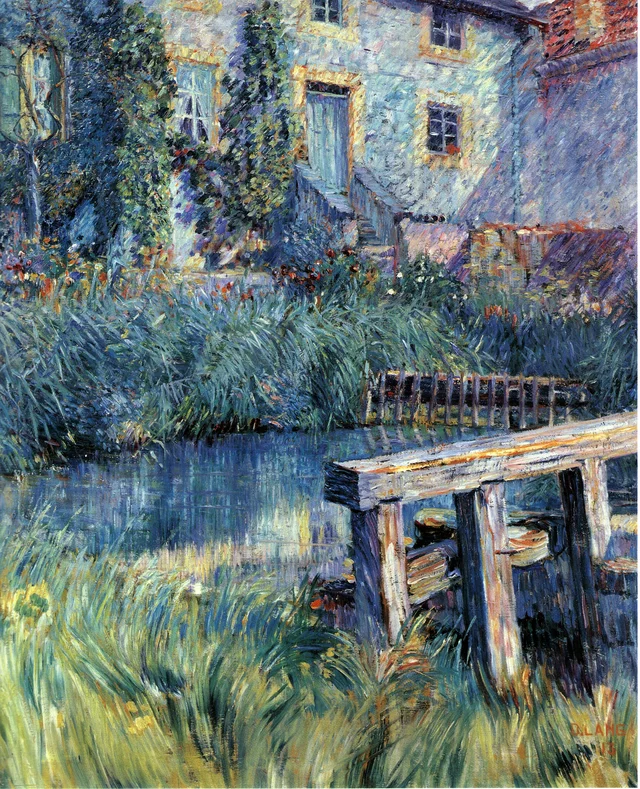
The art floors hold Luxembourg painters such as Dominique Lang, whose The Weir dates from 1913, along with older European works. The most debated is Bacchus, Venus and Cupid, a mannerist canvas with Cupid riding a lion in the foreground. Scholars have cautiously linked it to a Bacchus and Venus that Rosso Fiorentino, the Florentine brought to France by Francis I in 1530, painted for the king, though its worn surface makes the attribution hard to confirm.