The story
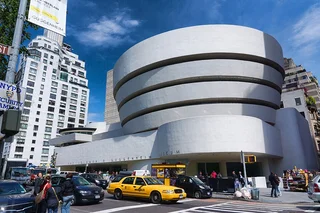
Frank Lloyd Wright spent 16 years on the building at the edge of Central Park, and he did not live to see it open. The Solomon R. Guggenheim Museum received its first visitors in October 1959, six months after the architect's death, and it looked like nothing else on Fifth Avenue: a white concrete spiral, wider at the top, a shape critics compared to a washing machine and a snail.
The idea was that you would ride the elevator to the top and walk down one continuous ramp, the art beside you the whole way. Painters worried their pictures would hang crooked on a sloping wall in a curving room. Visitors have argued about it ever since, which is part of why they come.
Behind it was a particular taste. The mining magnate Solomon Guggenheim, guided by a German painter and advisor named Hilla Rebay, collected what she called non-objective painting, pure abstraction, and above all the work of Wassily Kandinsky. Rebay wanted Wright to build a 'temple of spirit' for it, and he obliged. The museum still holds one of the deepest collections of Kandinsky anywhere, hung along that same slow downward ramp.
Collection
68 works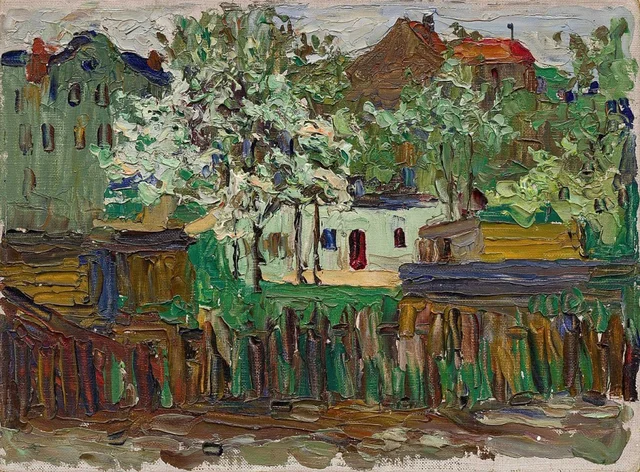 MunichWassily Kandinsky, 1901
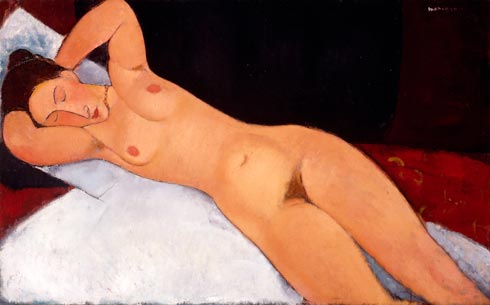 NudeAmedeo Modigliani, 1917
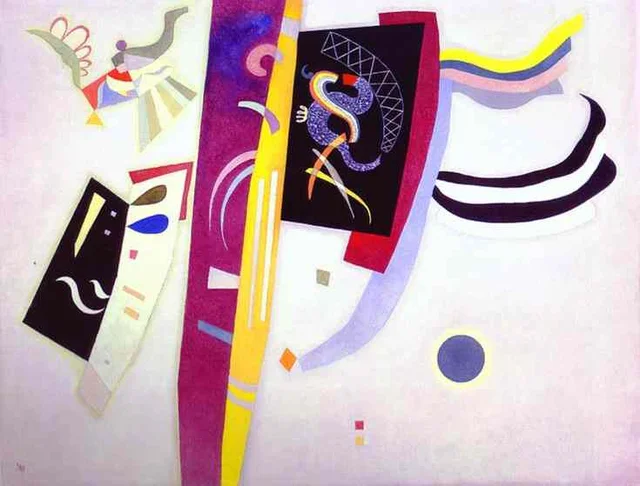 Orange VioletWassily Kandinsky, 1935
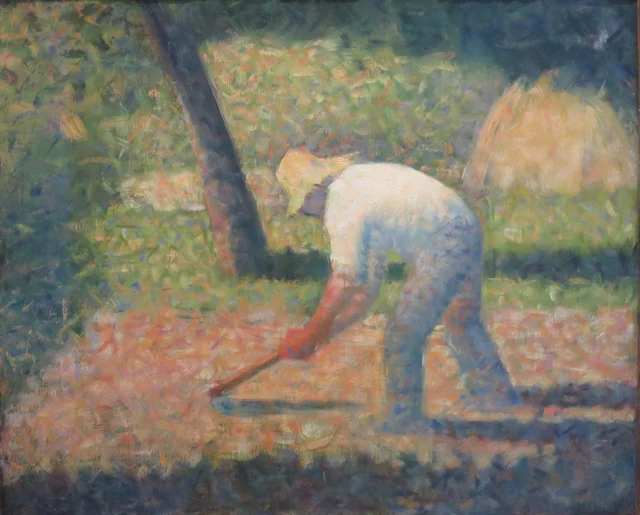 Peasant with Hoe IIGeorges Seurat, 1882
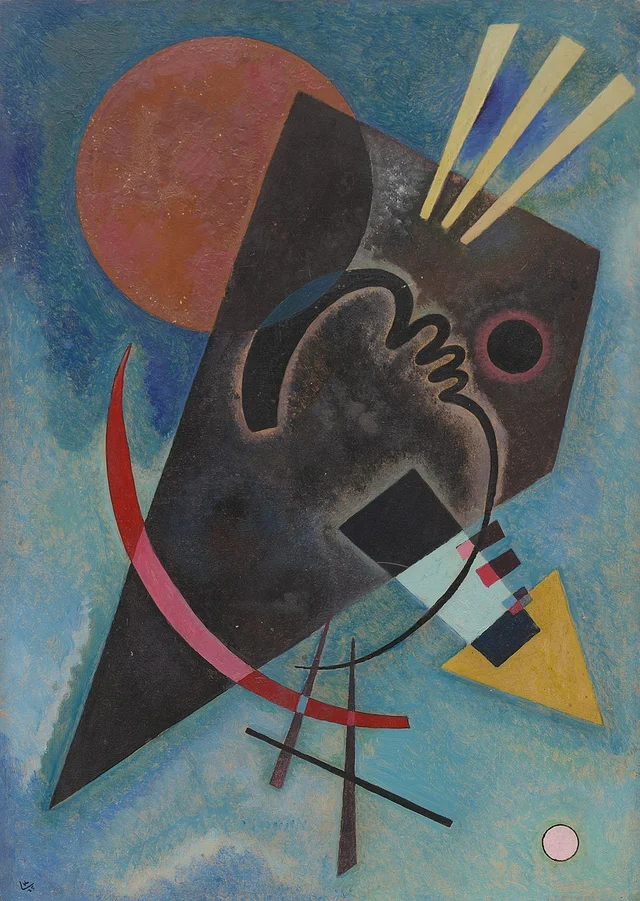 Pointed and RoundWassily Kandinsky, 1925
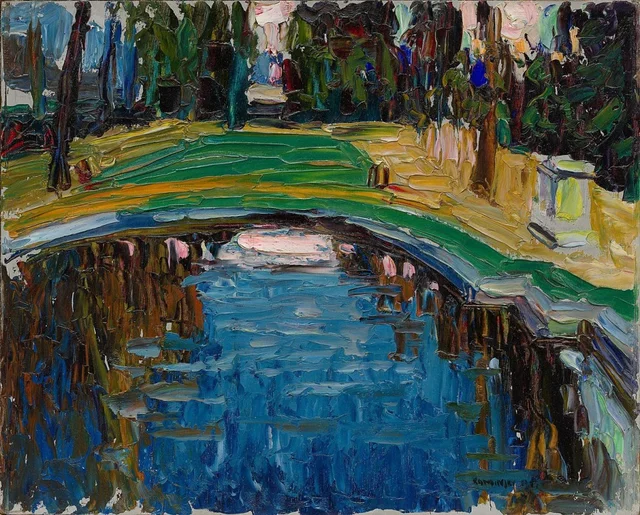 Pond in the ParkWassily Kandinsky, 1906
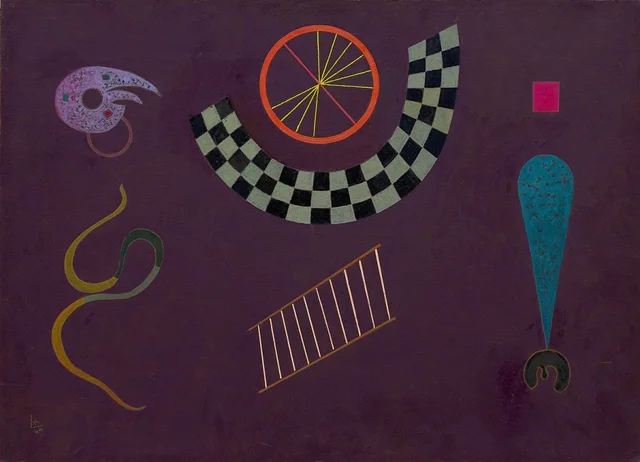 Ribbon with SquaresWassily Kandinsky, 1944
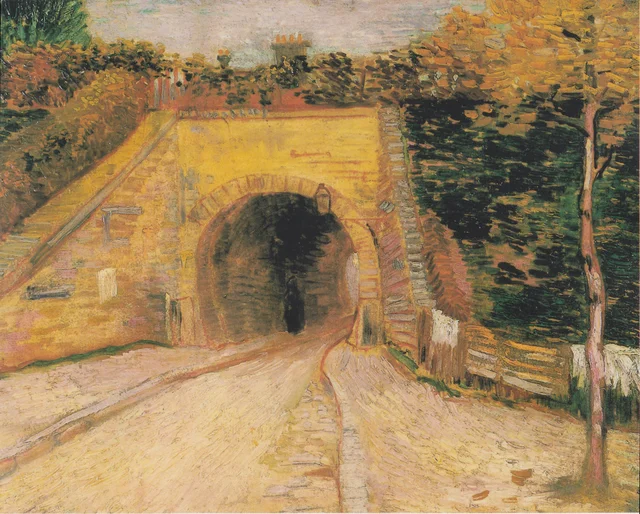 Roadway with UnderpassVincent van Gogh, 1887
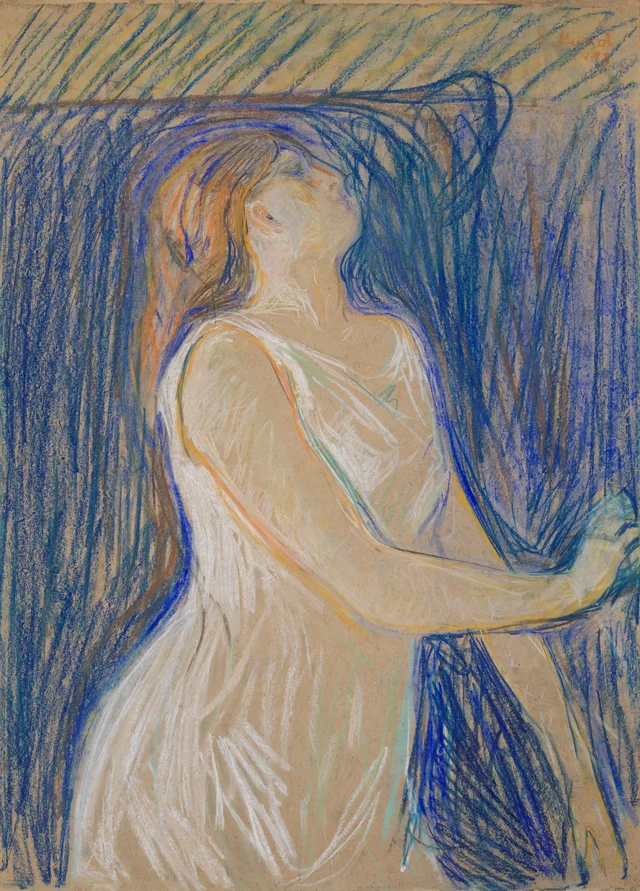 Sketch of the Model PosingEdvard Munch, 1893
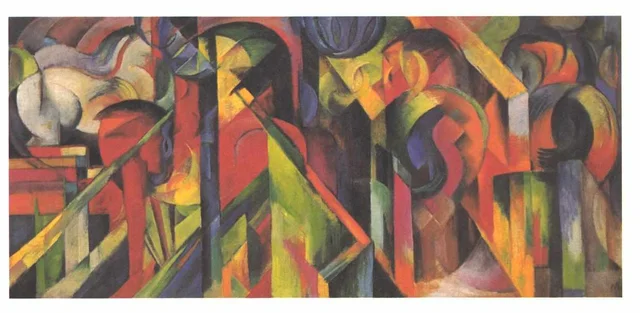 StablesFranz Marc, 1913
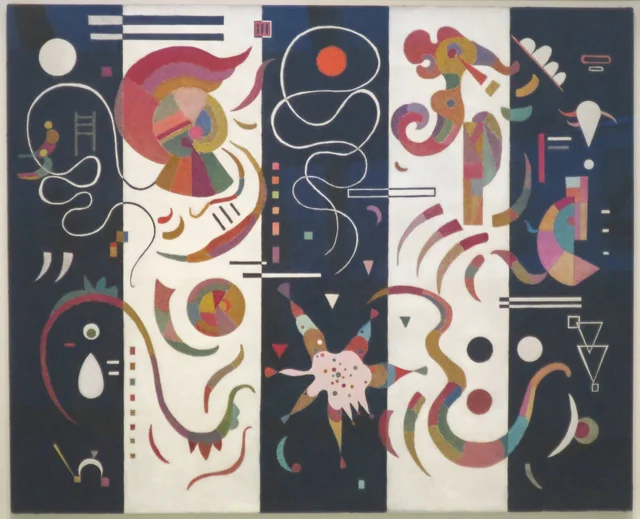 StripedWassily Kandinsky, 1934
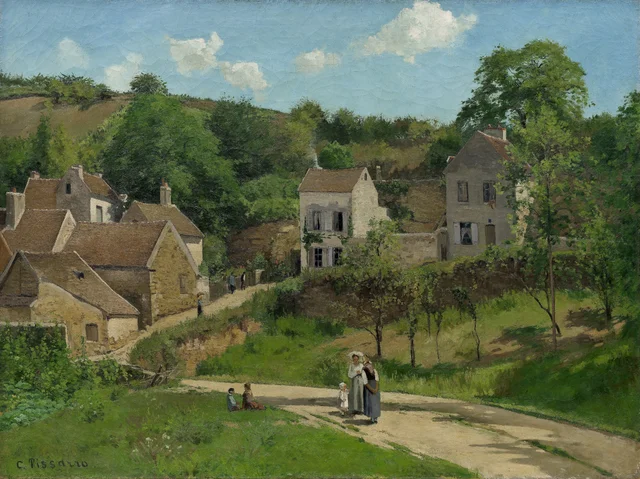 The Hermitage at PontoiseCamille Pissarro, 1867
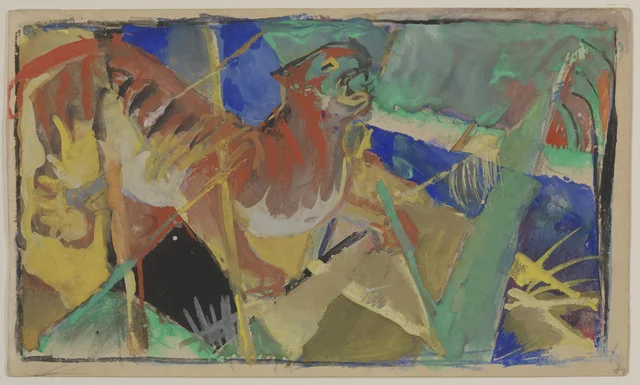 Tiger in the JungleFranz Marc, 1912
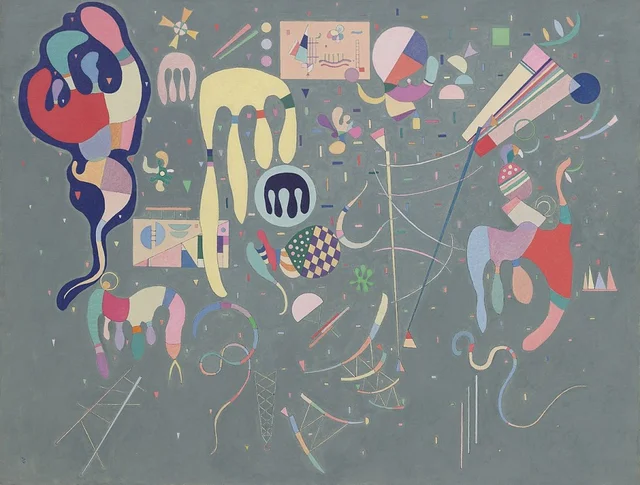 Various ActionsWassily Kandinsky, 1941
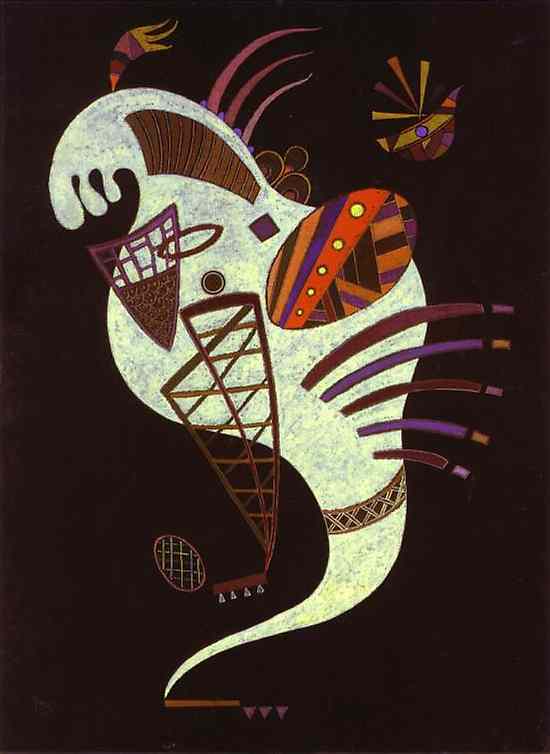 White FigureWassily Kandinsky, 1943
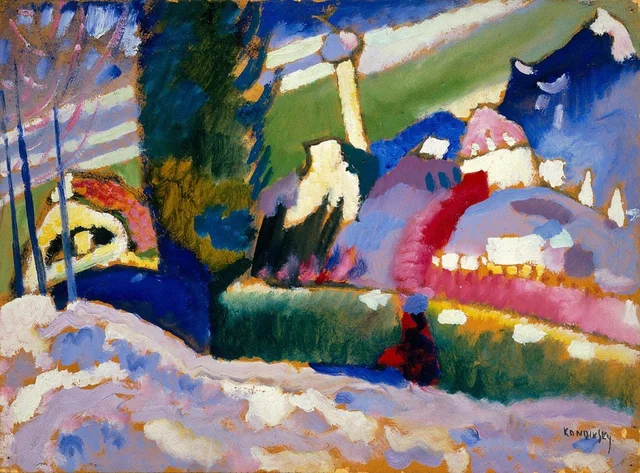 Winter Landscape with ChurchWassily Kandinsky, 1910
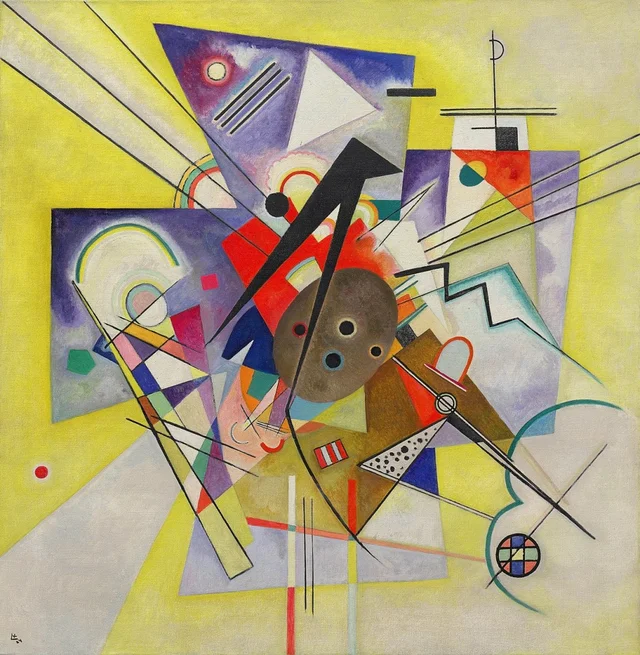 Yellow AccompanimentWassily Kandinsky, 1924
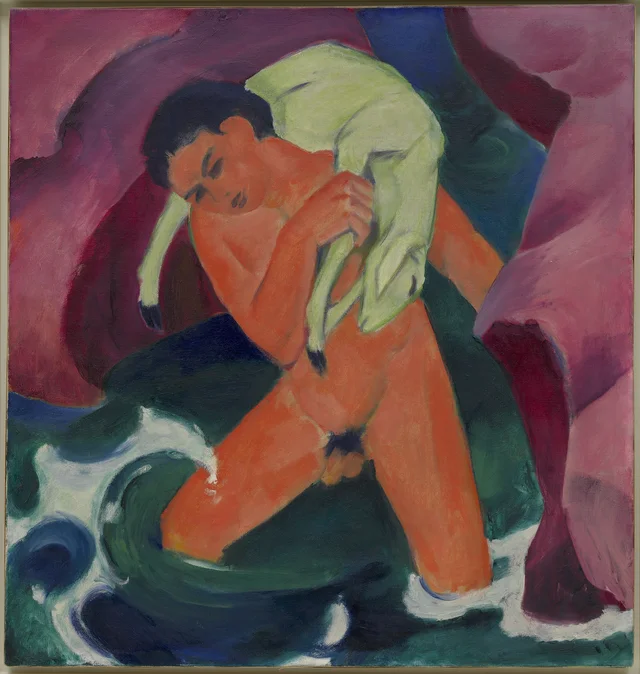 Young Boy with a Lamb; The Good ShepherdFranz Marc, 1911