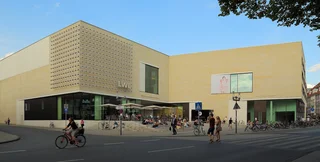
The story
Münster's state museum tries to hold a thousand years of art in one place. It grew out of a Westphalian art society founded in 1831, opened in 1908, and reopened in 2014 in a bright new building of pale stone in the old city centre, a few steps from the cathedral.
Its deepest roots are local and medieval: Westphalian altarpieces, carved saints and stained glass from the region's churches, alongside paintings by the Cranach workshop. The modern rooms turn to the German avant-garde, above all August Macke, the Expressionist born in Westphalia and killed early in the First World War, shown with his colleagues from the Blaue Reiter and Brücke groups.
The collection reaches on to Gerhard Richter and living artists, and every ten years the museum spills outdoors for Skulptur Projekte, when new sculpture is set loose across the streets and parks of Münster.
Collection
19 works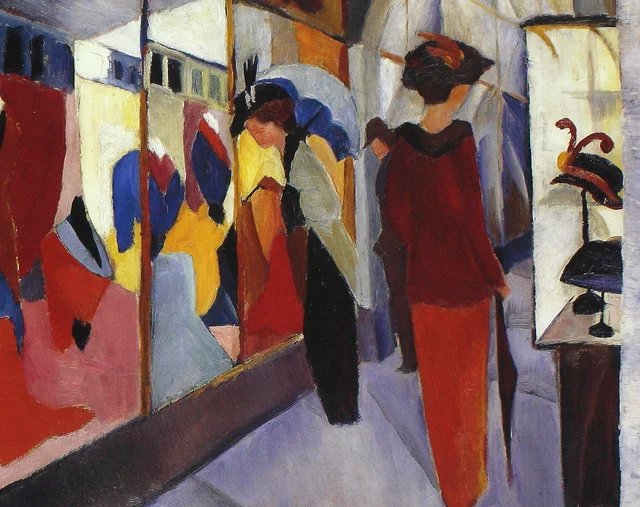 The Fashion StoreAugust Macke, 1913
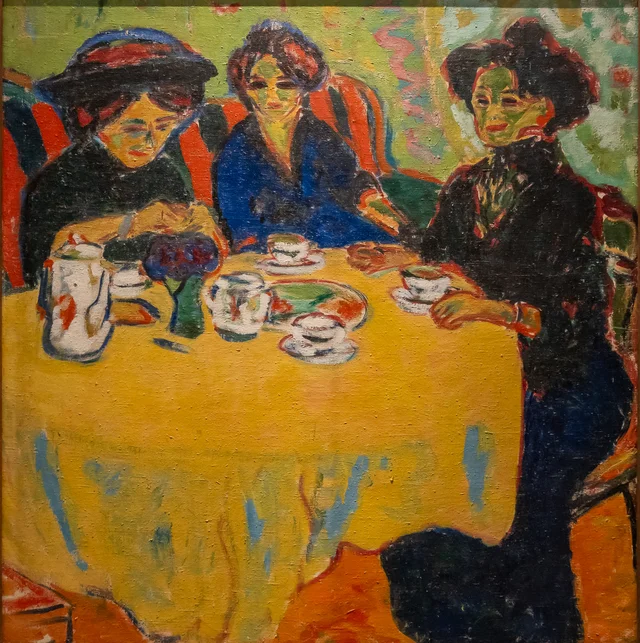 Coffee Table (recto), On Fehmarn (verso)Ernst Ludwig Kirchner, 1908
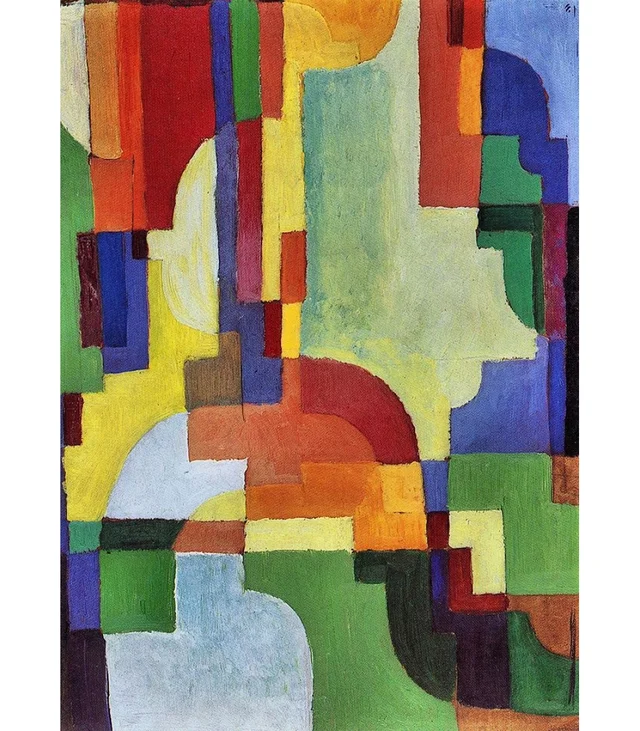 Color Forms IAugust Macke, 1913
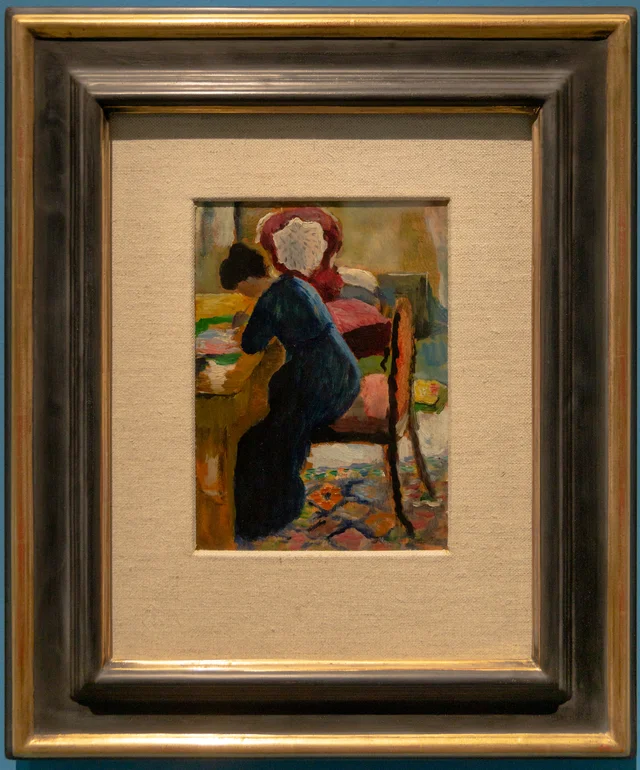 Elisabeth at the deskAugust Macke, 1909
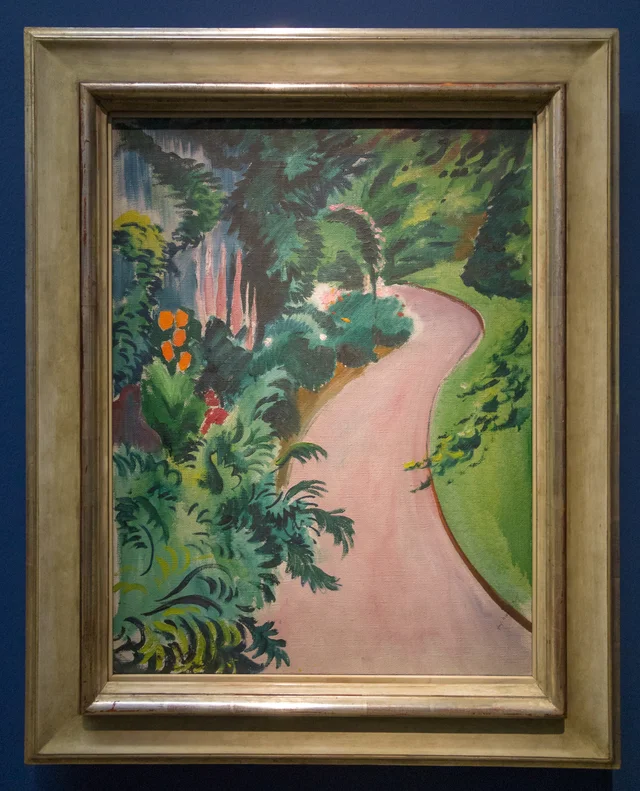 Garden pathAugust Macke, 1912
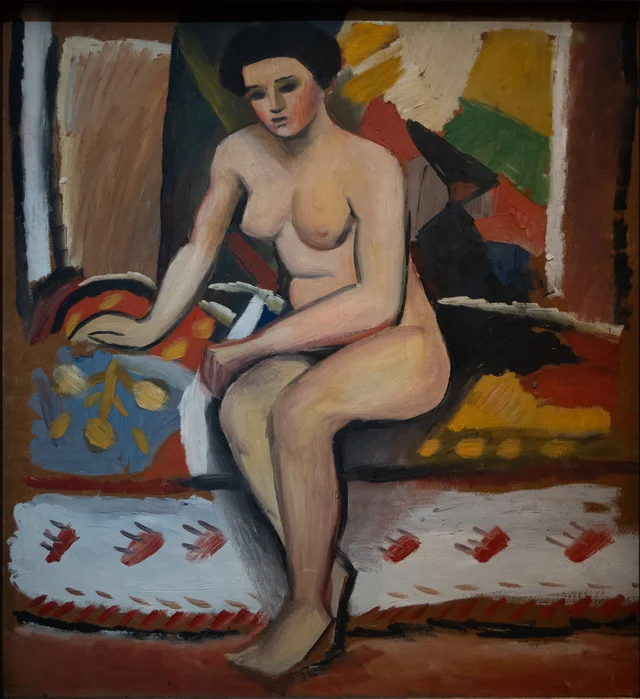 NudeAugust Macke, 1913
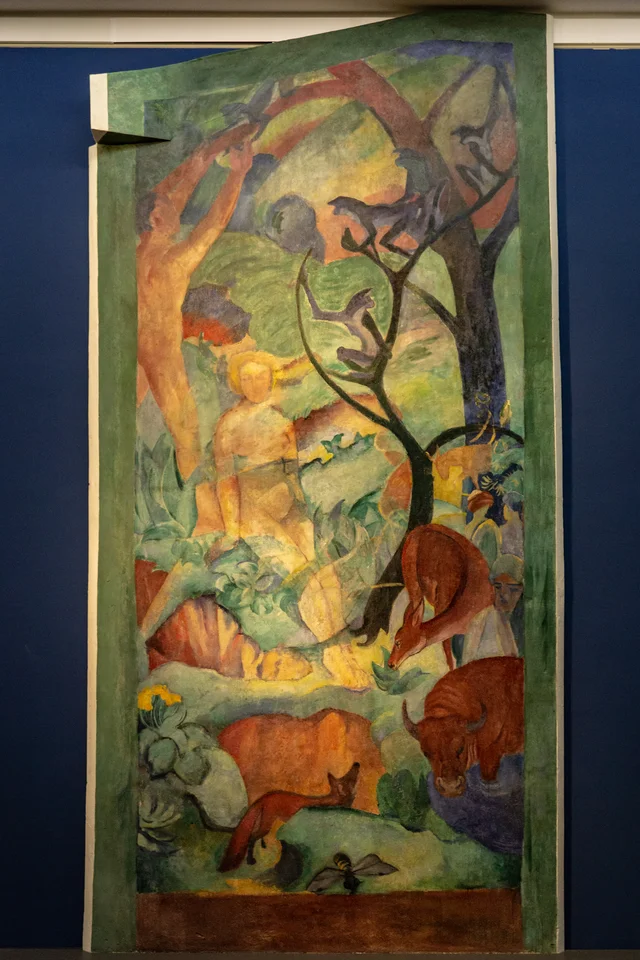 ParadiseFranz Marc, 1912
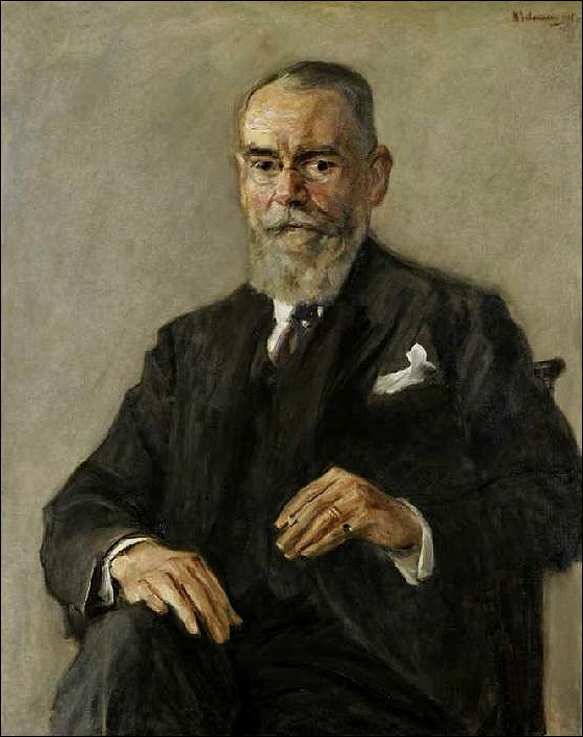 Portrait of August BatschariMax Liebermann, 1918
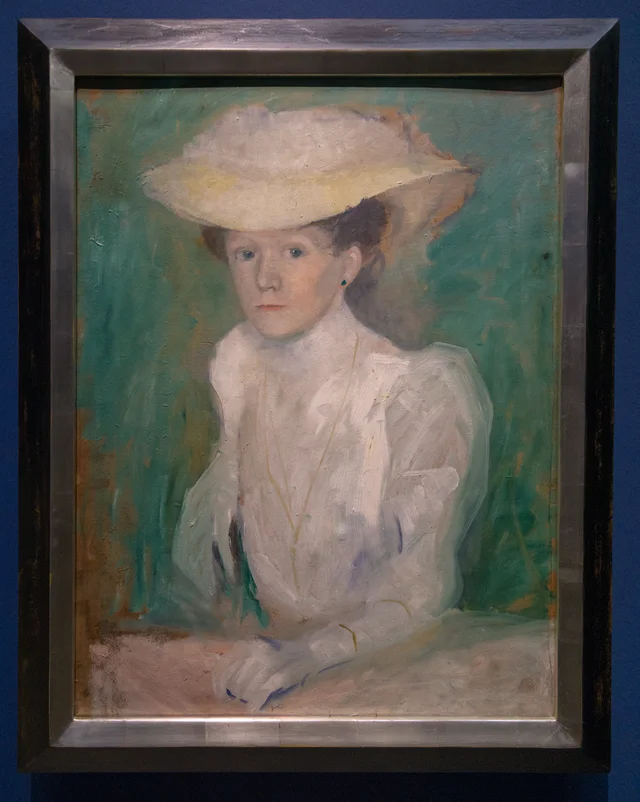 Portrait Ottilie Macke in a white blouseAugust Macke, 1907
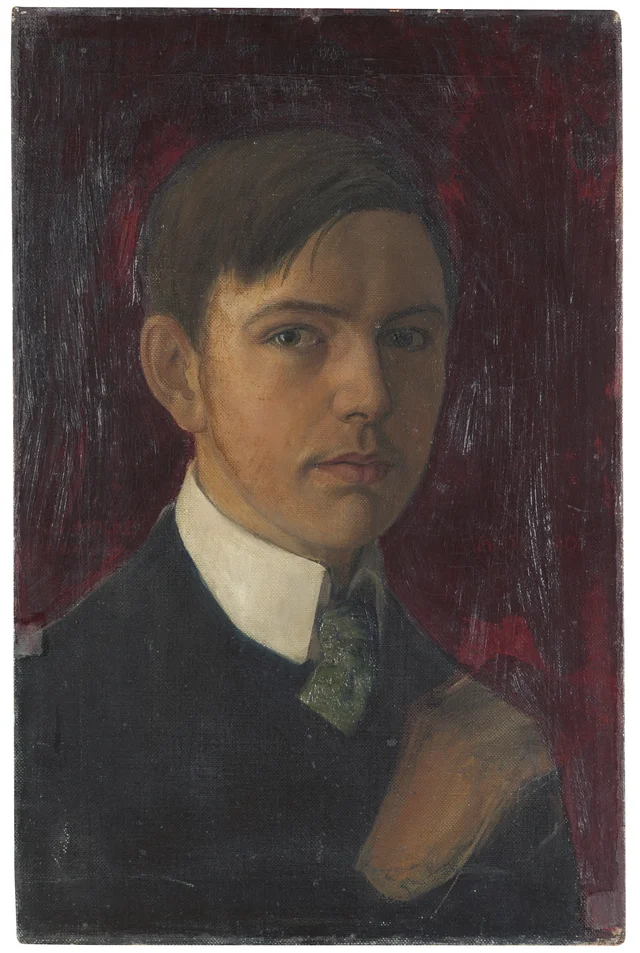 Self PortraitAugust Macke, 1906
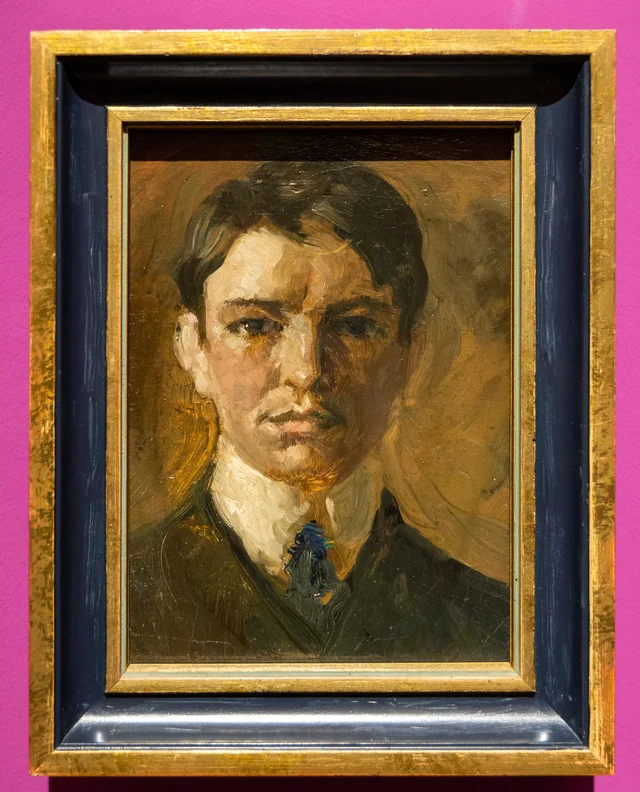 Self-portrait, 1907August Macke, 1907
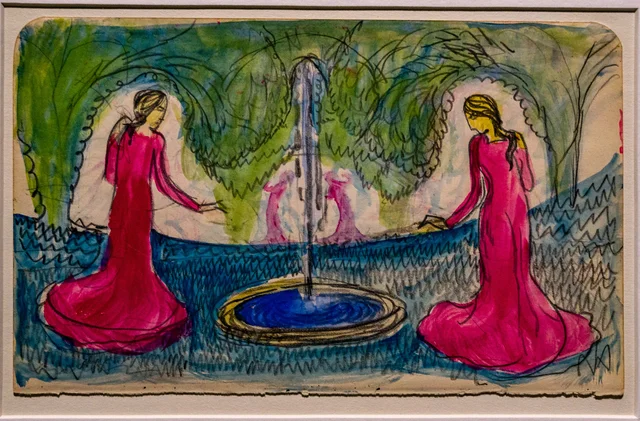 Sketchbook Nr. 27 A S. 22 verso Round dance at the fountainAugust Macke, 1907
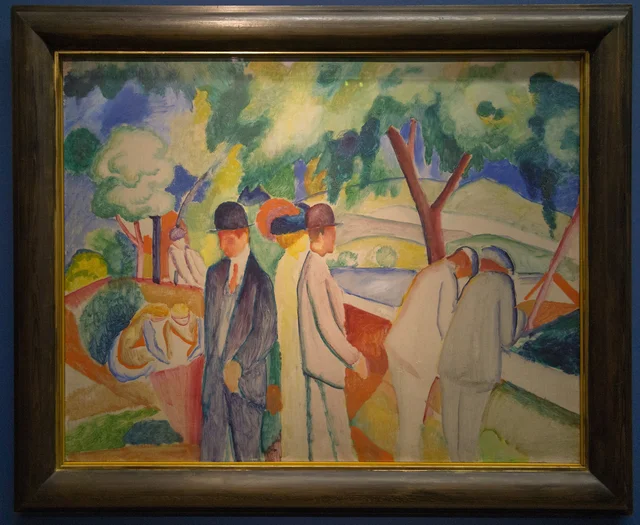 Stroller (Large bright stroll)August Macke, 1913
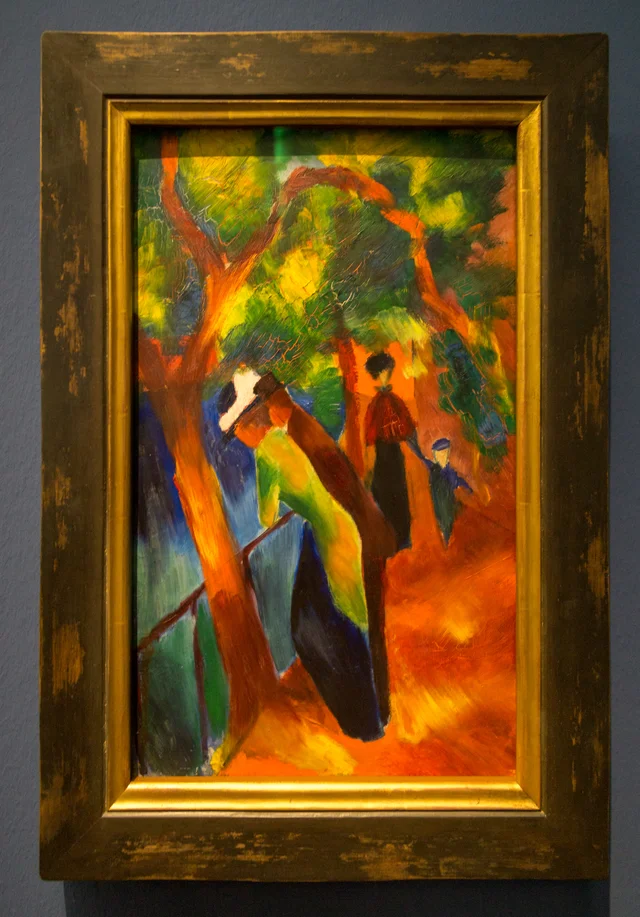 Sunny PathAugust Macke, 1913
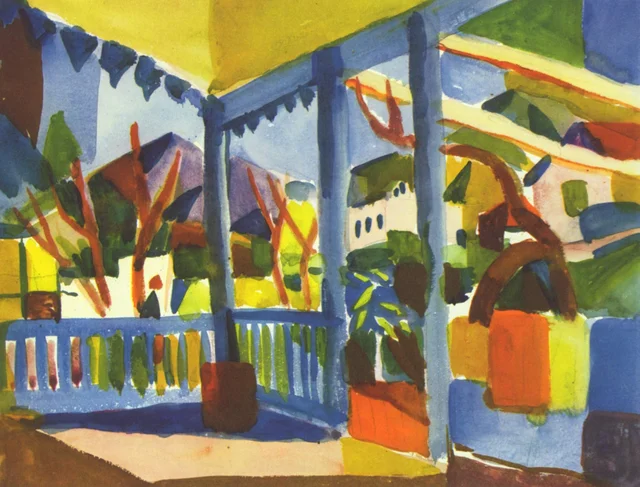 Terrace of the Country House in St. GermainAugust Macke, 1914
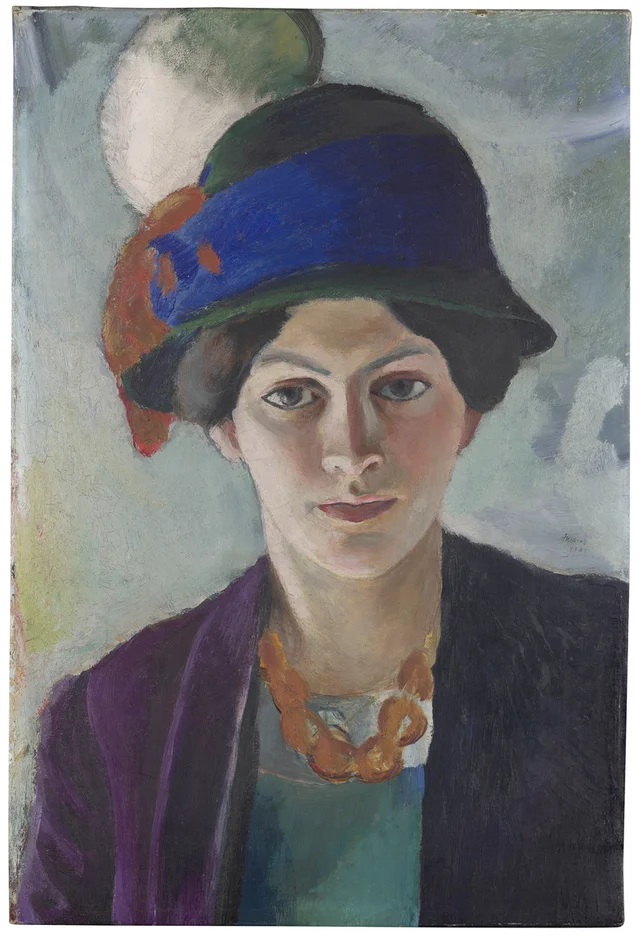 The Artist's Wife with HatAugust Macke, 1909
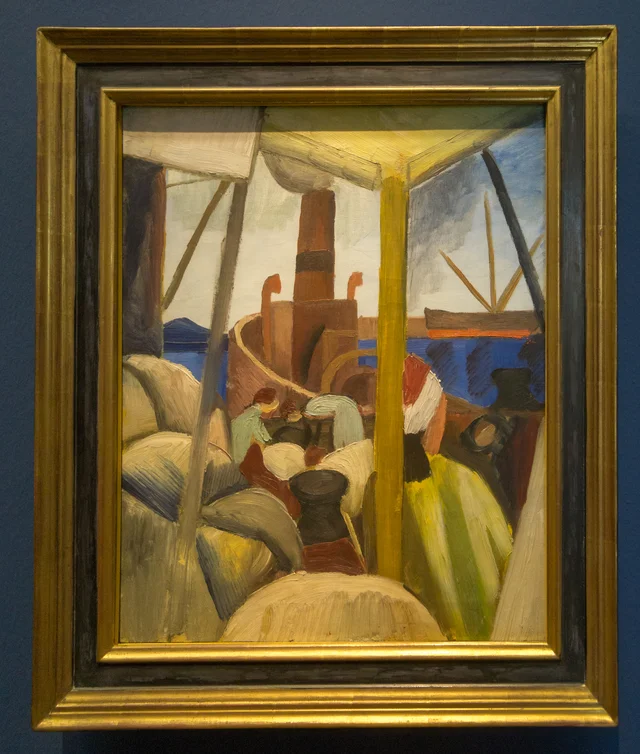 Tunisian HarbourAugust Macke, 1914
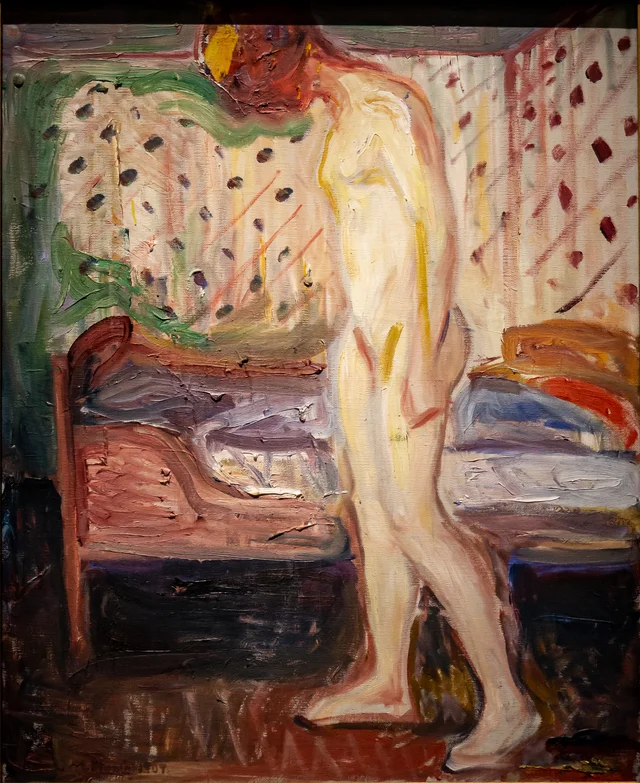 Weeping WomanEdvard Munch, 1909
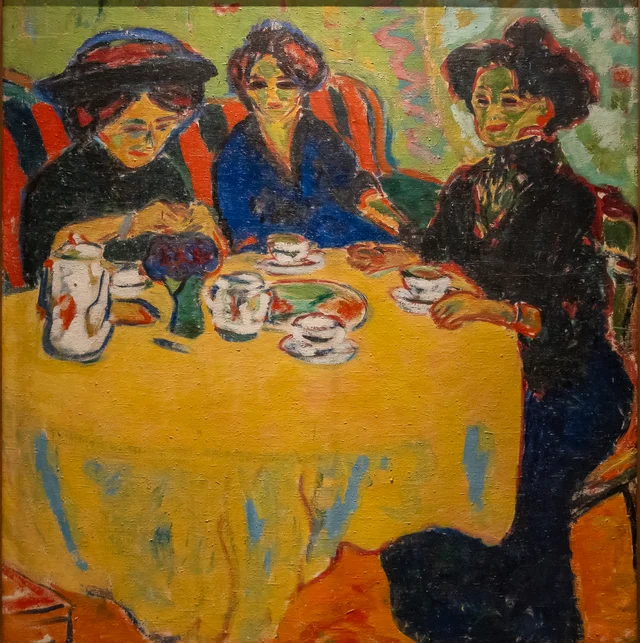 Women drinking CoffeeErnst Ludwig Kirchner, 1908