
La historia
En la primavera de 1945 la Gemäldegalerie perdió unas 400 de sus pinturas en cuestión de días. Las obras de mayor tamaño, lienzos demasiado grandes para bajar por los pozos de la mina donde se había escondido el resto de la colección, se habían dejado en una enorme torre antiaérea de hormigón en el parque berlinés de Friedrichshain. Cuando cesaron los combates, se declararon dos incendios en la torre, nadie sabe muy bien cómo, y desaparecieron diez Rubens, varios Caravaggios y obras de Veronés y Van Dyck. De ellas solo queda una serie de fotografías en blanco y negro tomadas en los años veinte, cuando se envió a un fotógrafo del museo a registrar cada cuadro de las paredes.
Las pinturas que se salvaron son la razón por la que la galería sigue estando entre las grandes colecciones de arte europeo, más o menos del siglo XIII al XVIII. Hoy se ubica en el Kulturforum, un conjunto de edificios modernistas cerca de donde discurría el Muro de Berlín, con sus fondos reconstruidos y reunidos después de que la propia ciudad quedara partida y luego reunida.
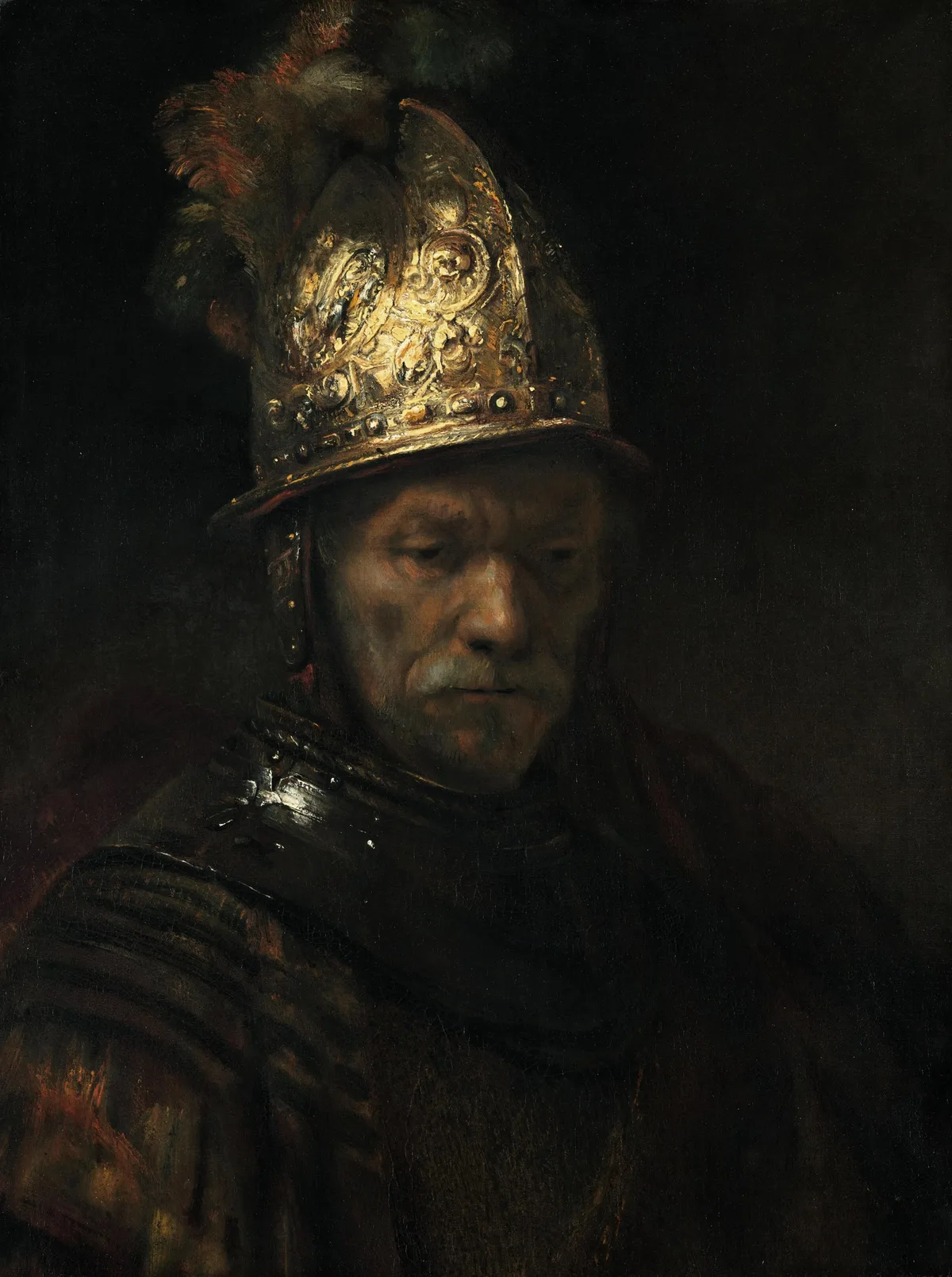
Las salas albergan Rembrandts a docenas y la Mujer con collar de perlas de Vermeer, atrapando la luz junto a una ventana. Está también el llamado Hombre del yelmo de oro, un yelmo reluciente de soldado que emerge de la sombra, admirado durante generaciones como un Rembrandt hasta que un estudio minucioso en los años ochenta lo atribuyó a un pintor de su círculo. El museo lo mantuvo en la pared bajo su viejo apodo.
Más artículos
Colección
169 obras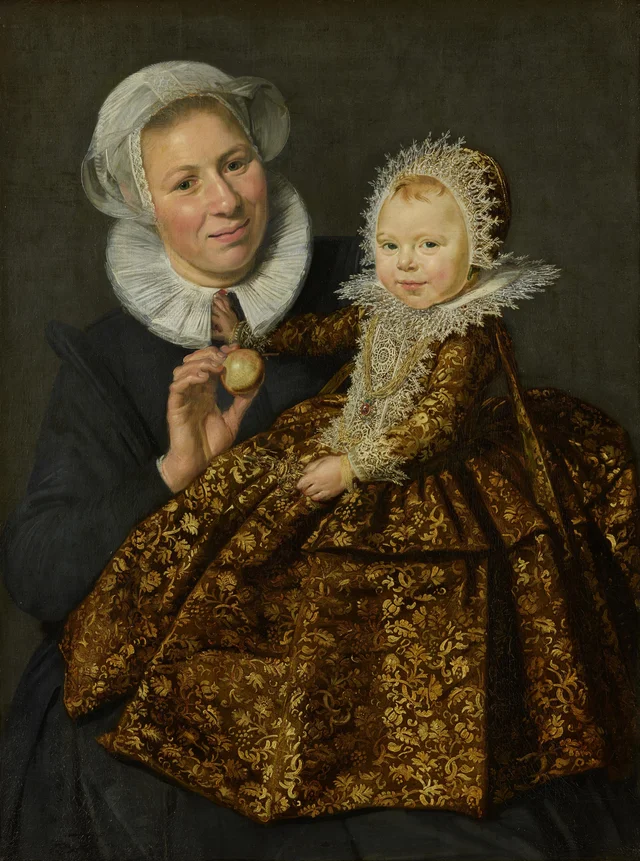 Catharina Hooft con su nodrizaFrans Hals, 1620
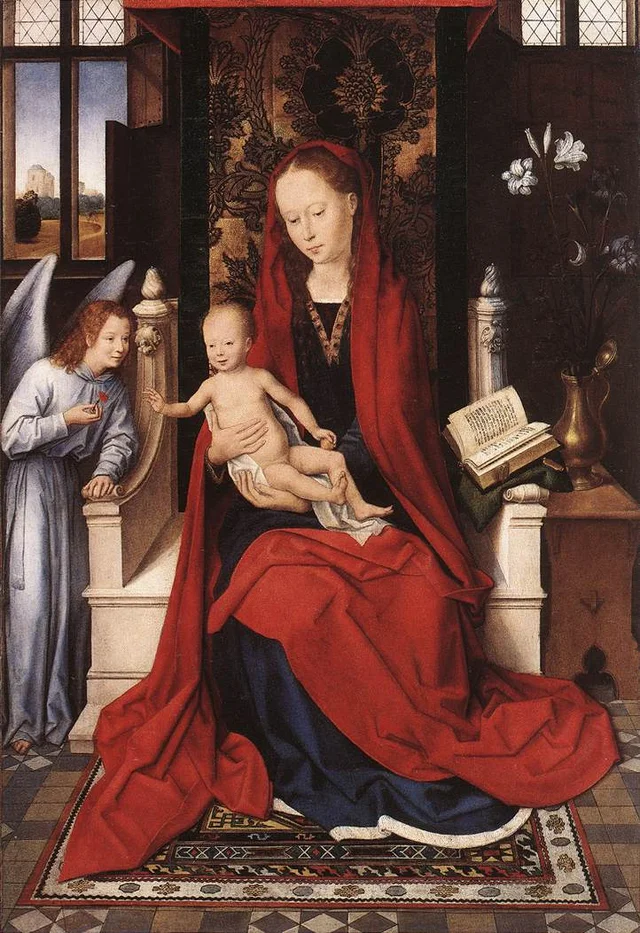 Virgen entronizada con el Niño y un ángelHans Memling, 1485
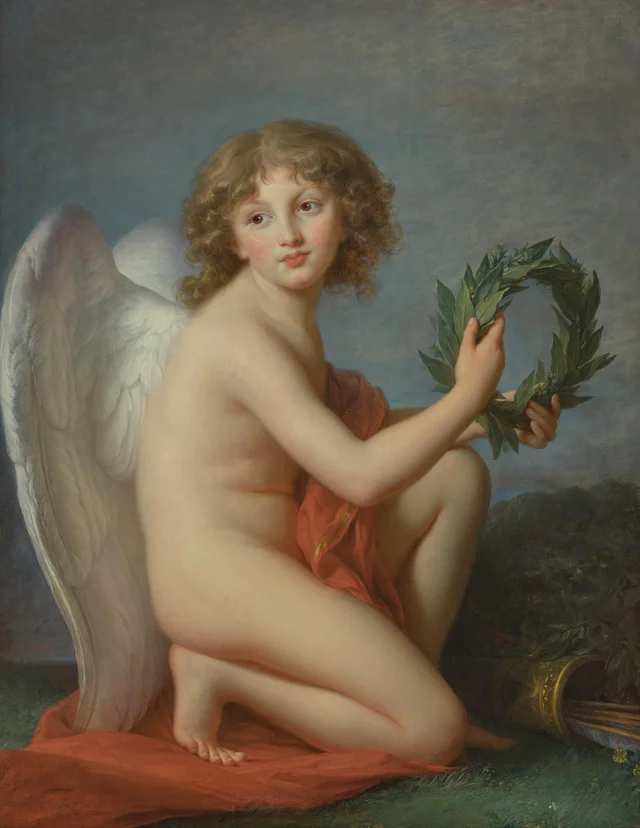 Heinrich Lubomirski como el Genio de la FamaÉlisabeth Louise Vigée Le Brun, 1787
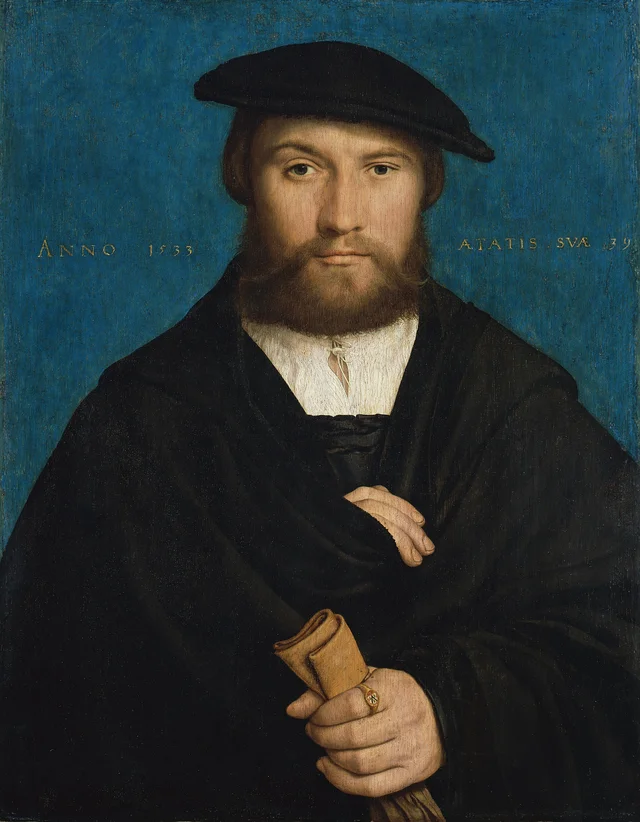 Hermann Hillebrandt de WedighHans Holbein el Joven, 1533
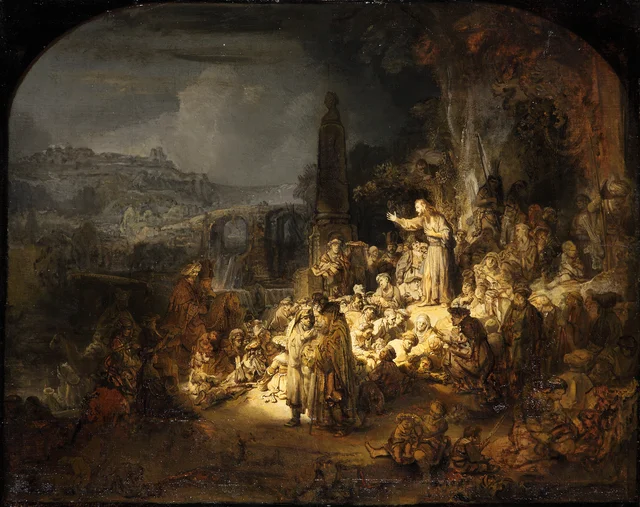 San Juan Bautista predicandoRembrandt, 1634
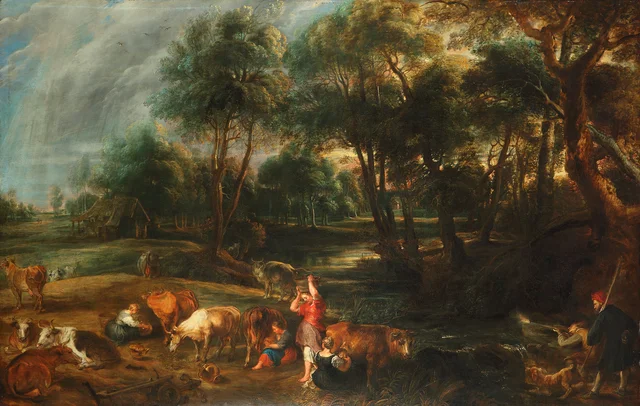 Paisaje con vacas y cazadores de avesPedro Pablo Rubens, 1636
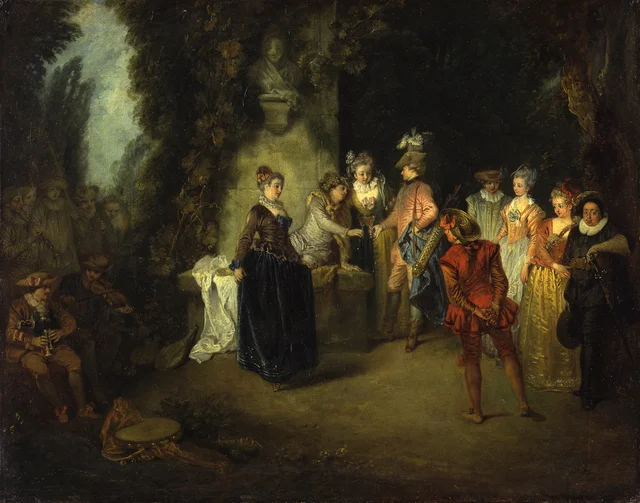 El amor en el Teatro FrancésJean-Antoine Watteau, 1716
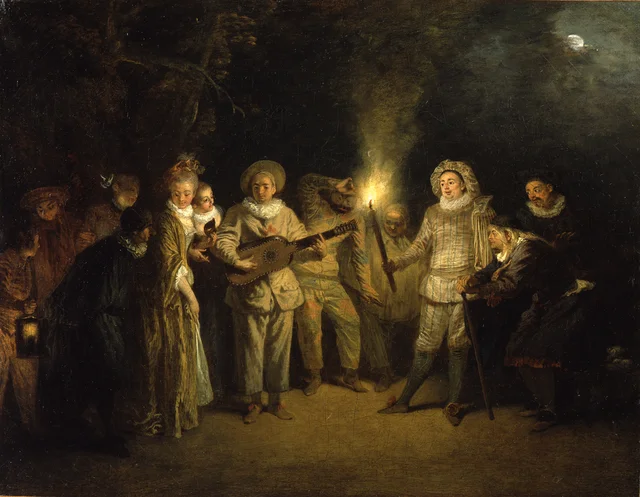 El amor en el teatro italianoJean-Antoine Watteau, 1716
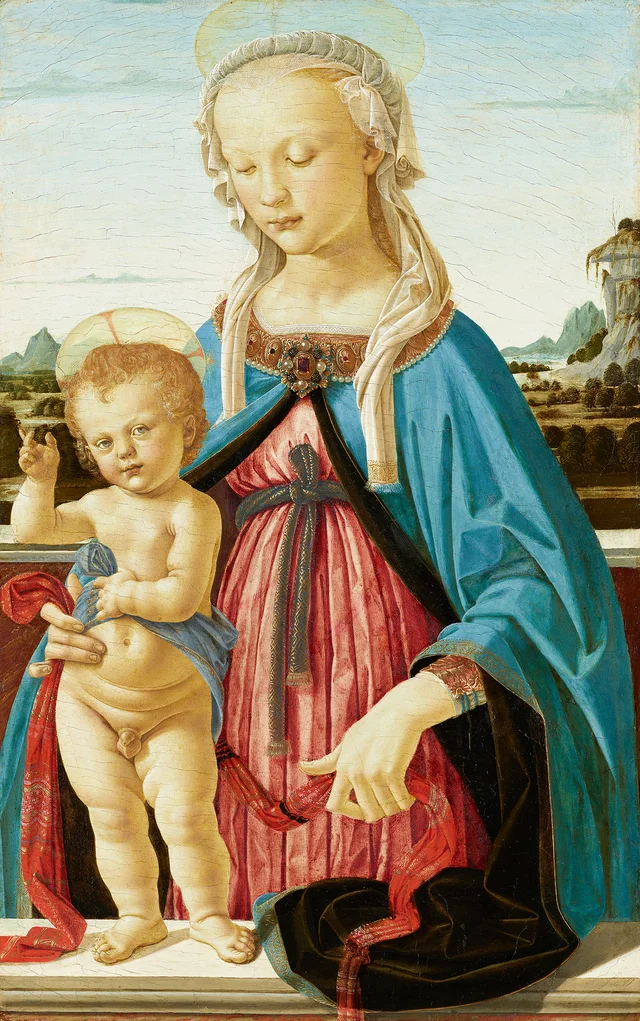 Virgen con el NiñoAndrea del Verrocchio, 1473
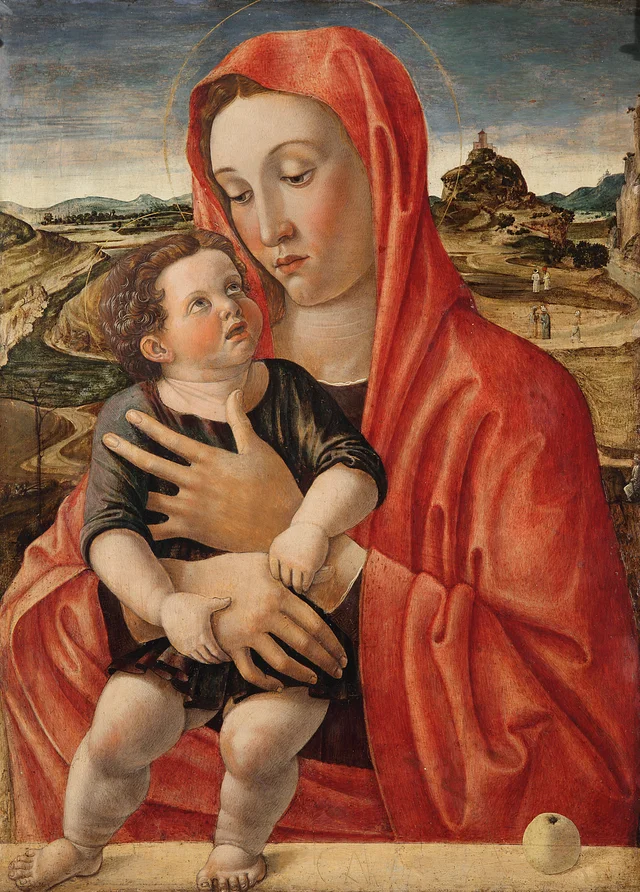 Virgen con el NiñoGiovanni Bellini, 1460
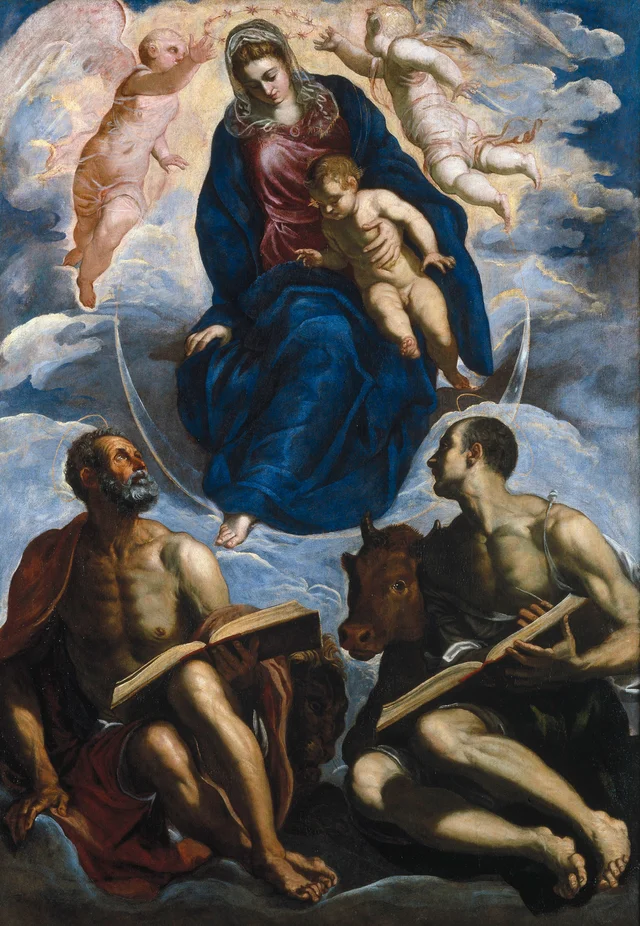 La Virgen con el Niño, venerada por san Marcos y san LucasJacopo Tintoretto, 1565
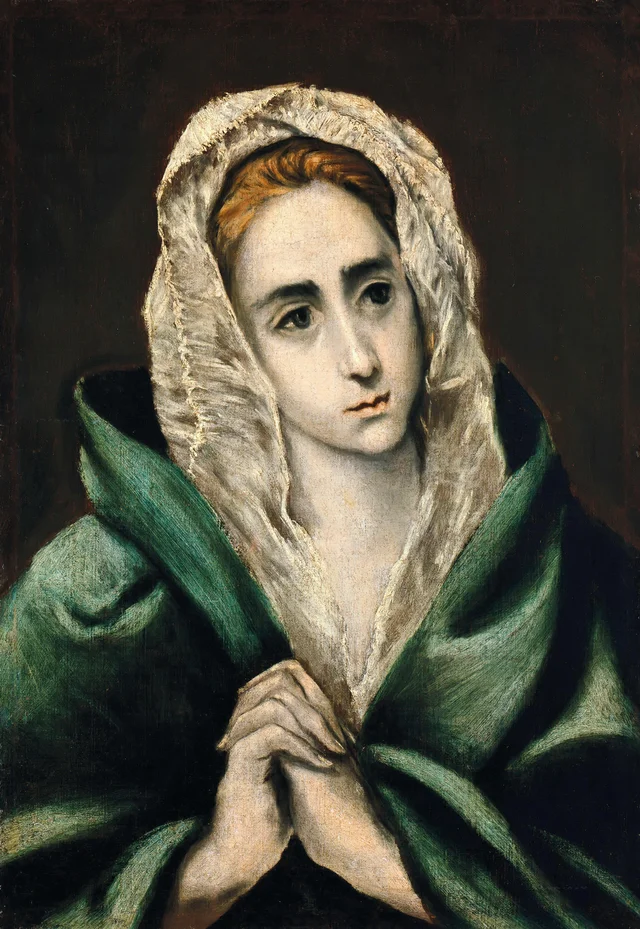 Mater DolorosaEl Greco, 1580
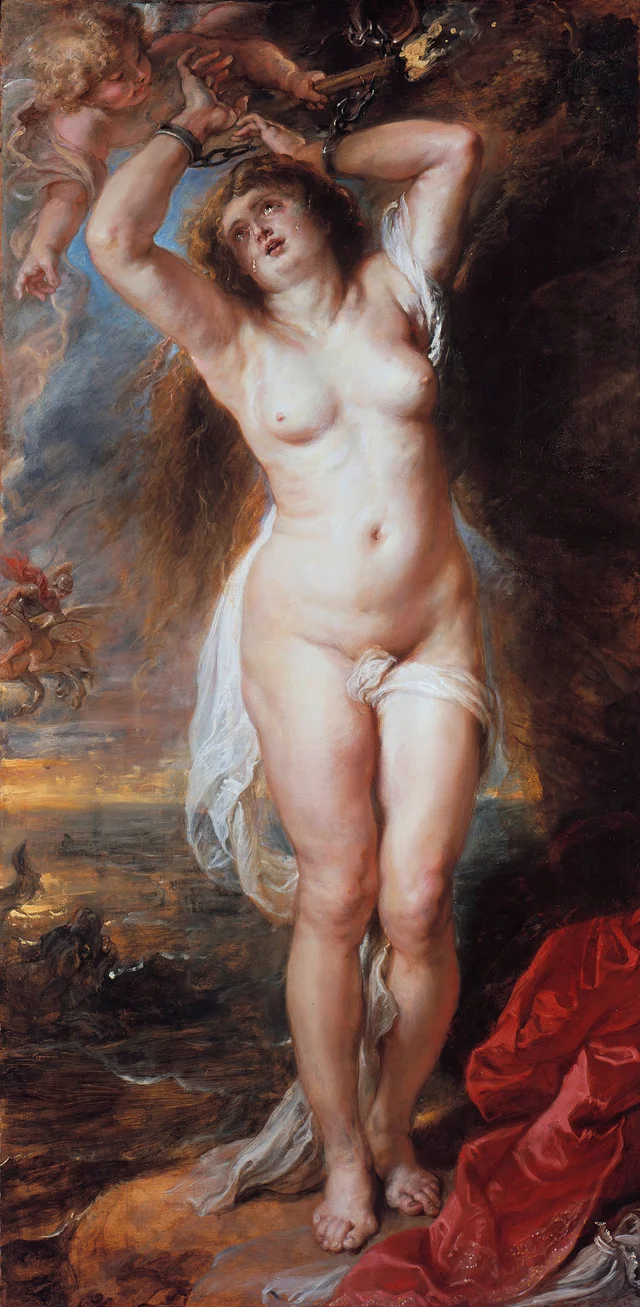 Perseo liberando a AndrómedaPedro Pablo Rubens, 1638
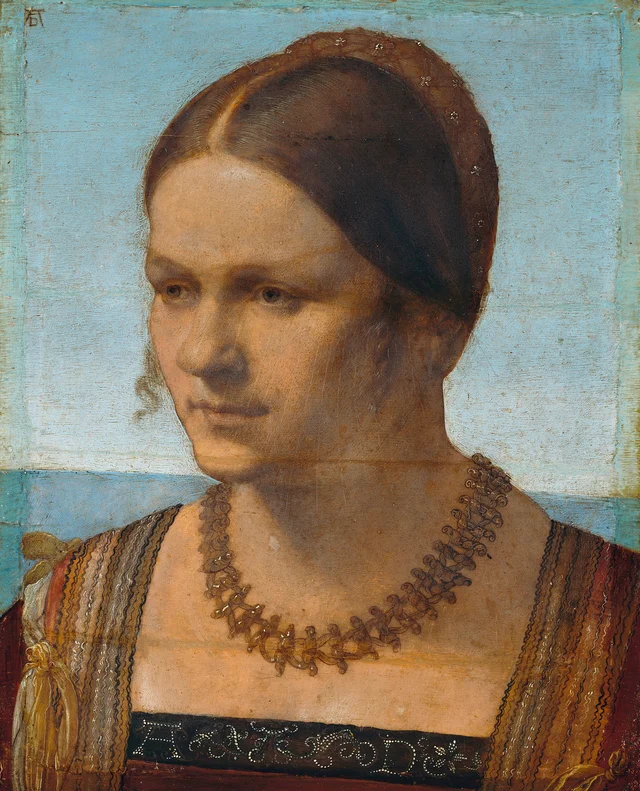 Retrato de una joven venecianaAlberto Durero, 1506
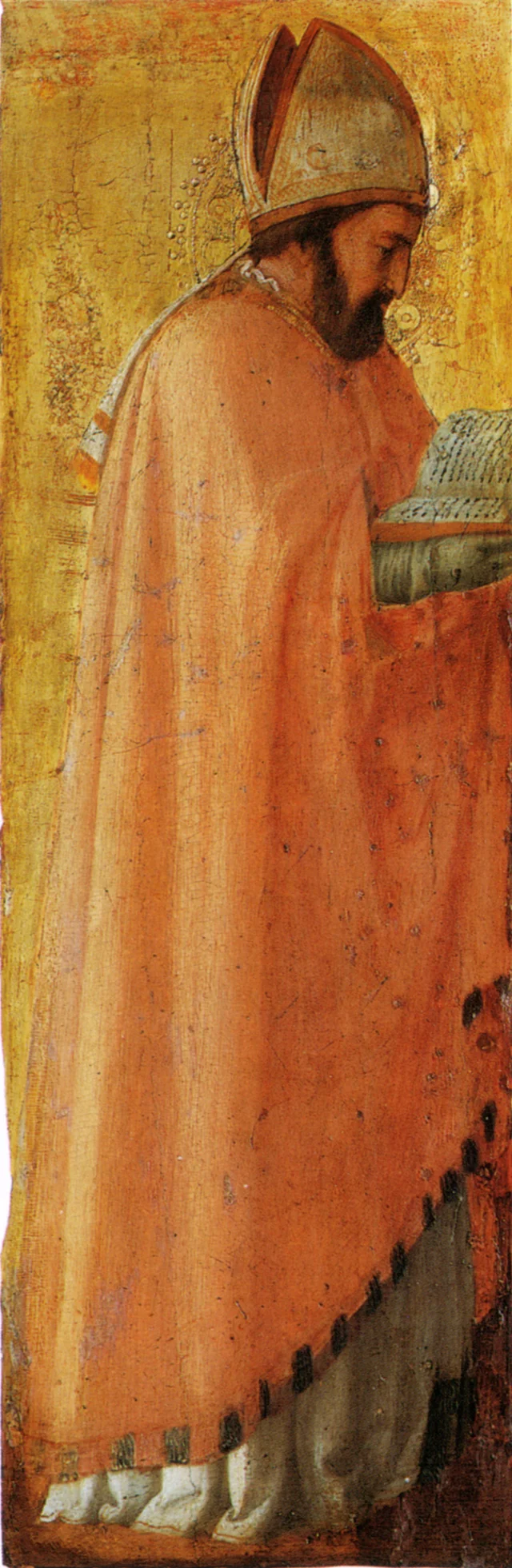 San AgustínMasaccio, 1426
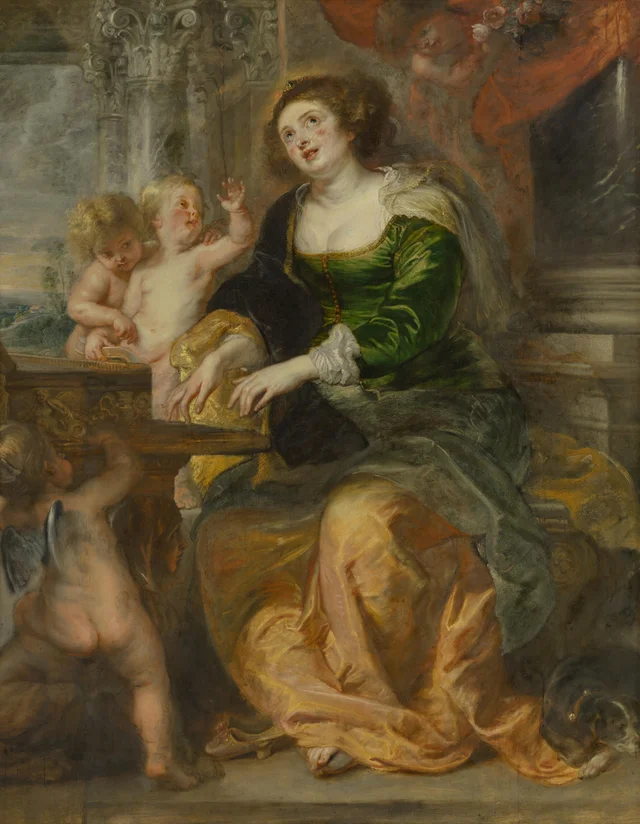 Santa Cecilia tocando el virginalPedro Pablo Rubens, 1640
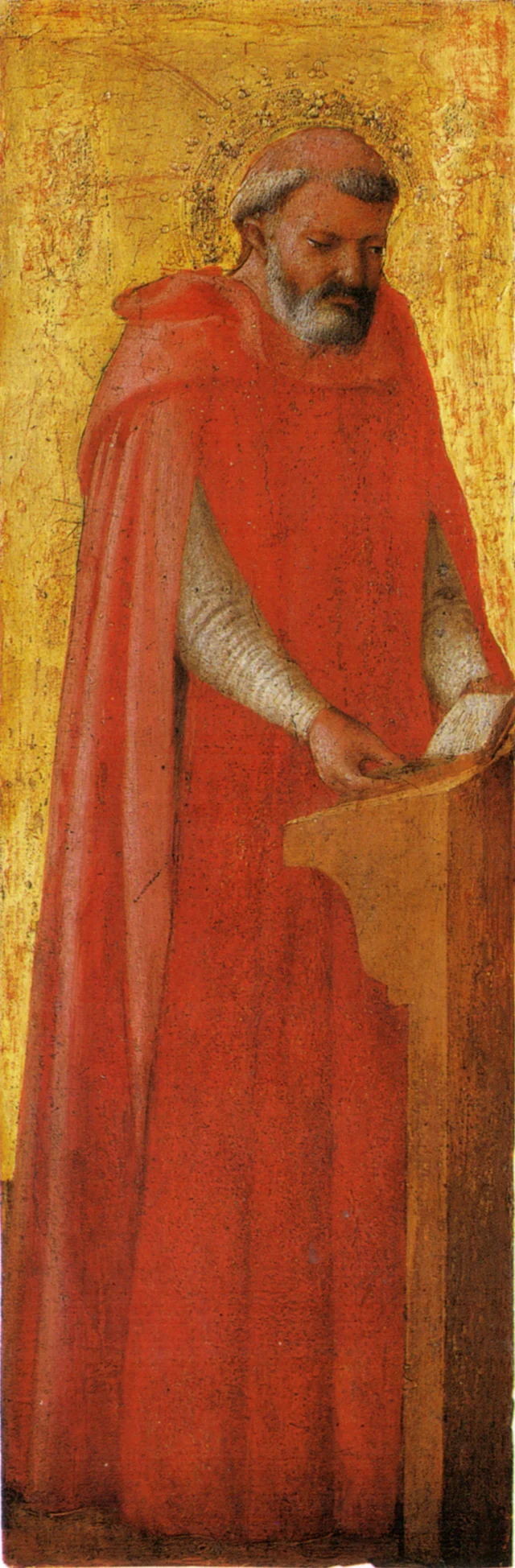 San JerónimoMasaccio, 1426
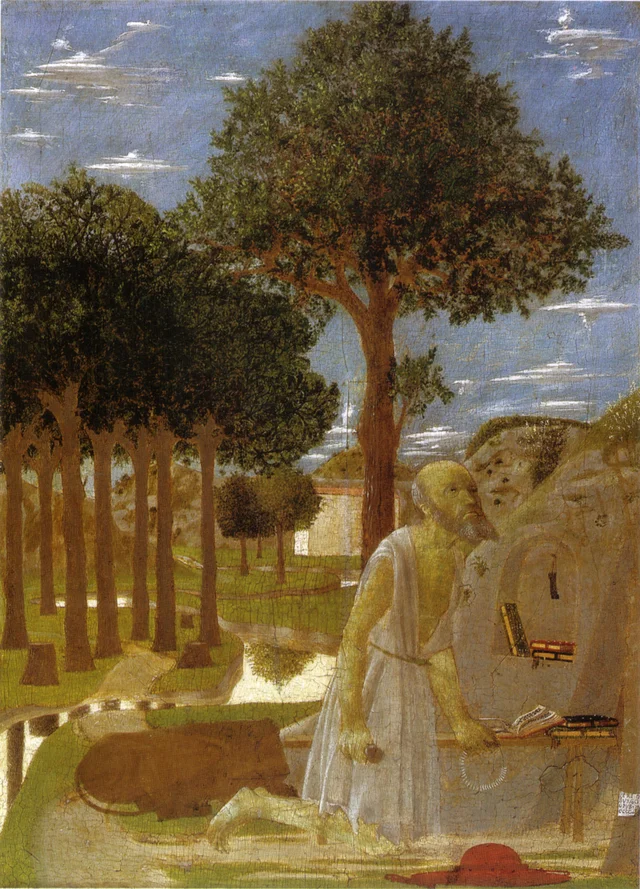 San Jerónimo penitentePiero della Francesca, 1450
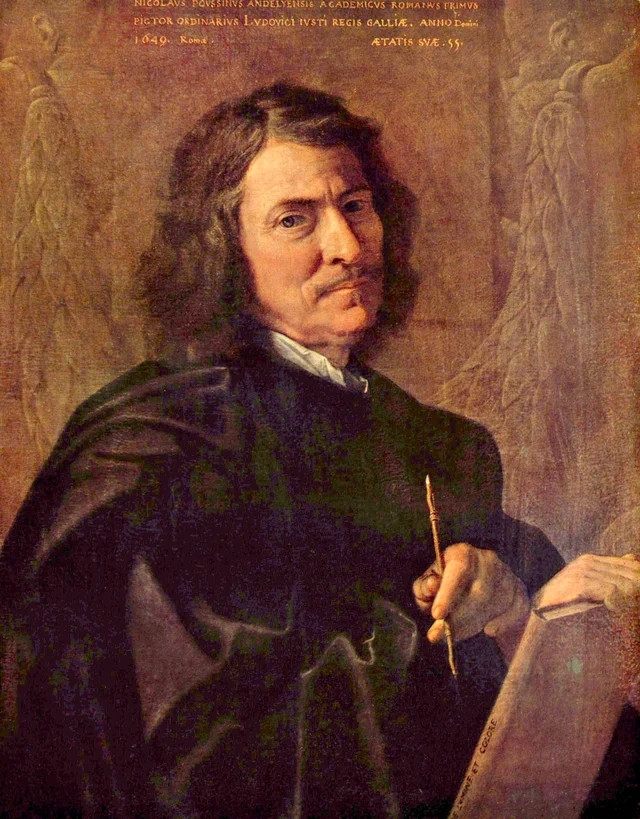 AutorretratoNicolas Poussin, 1649
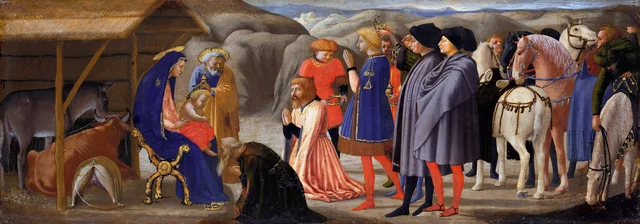 La adoración de los Reyes MagosMasaccio, 1426
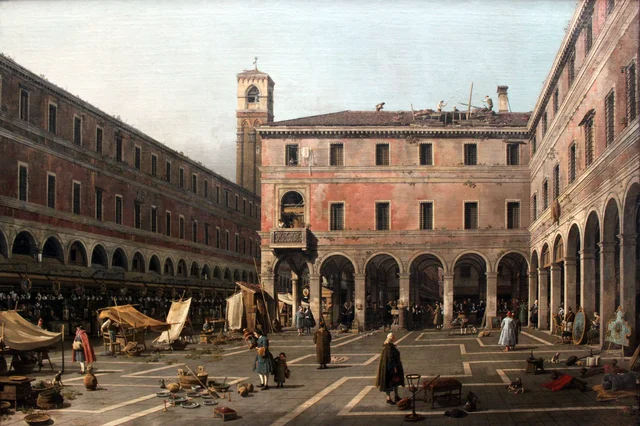 El Campo di RialtoCanaletto, 1758
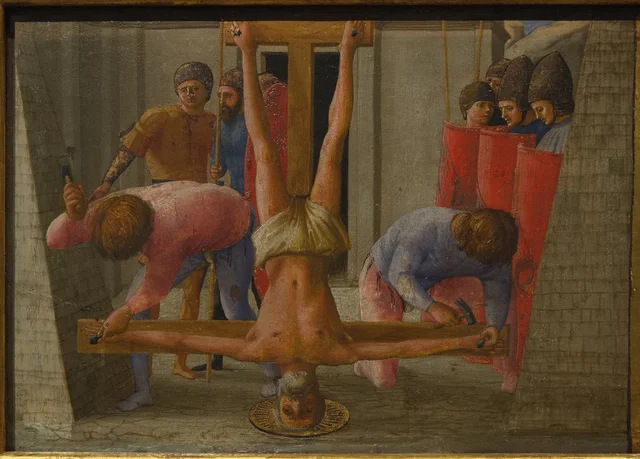 La crucifixión de san PedroMasaccio, 1426
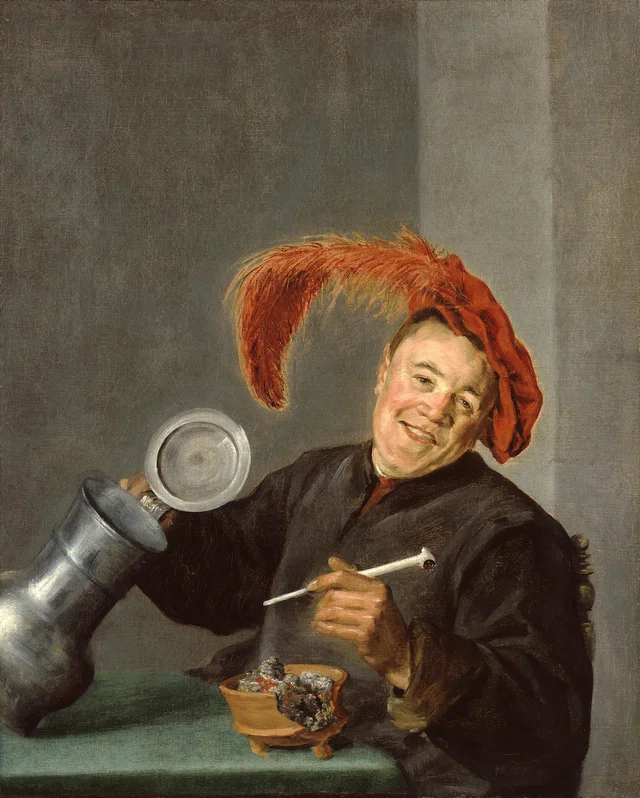 El alegre bebedorJudith Leyster, 1629
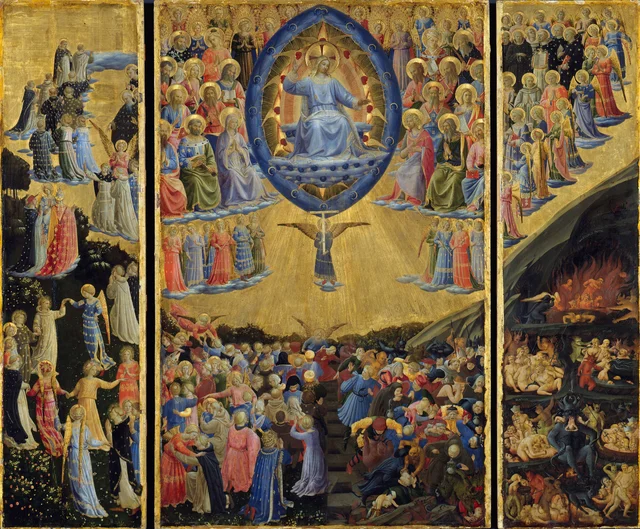 Tríptico: El Juicio FinalFra Angelico, 1450
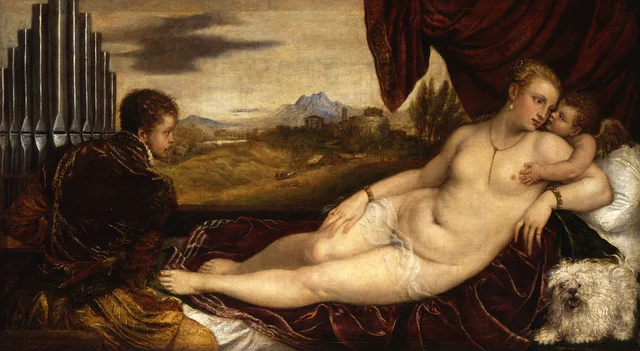 Venus con el organistaTiziano, 1550