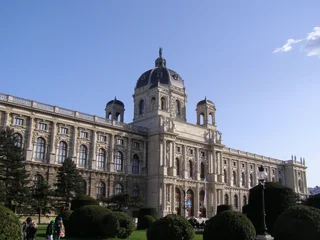
La historia
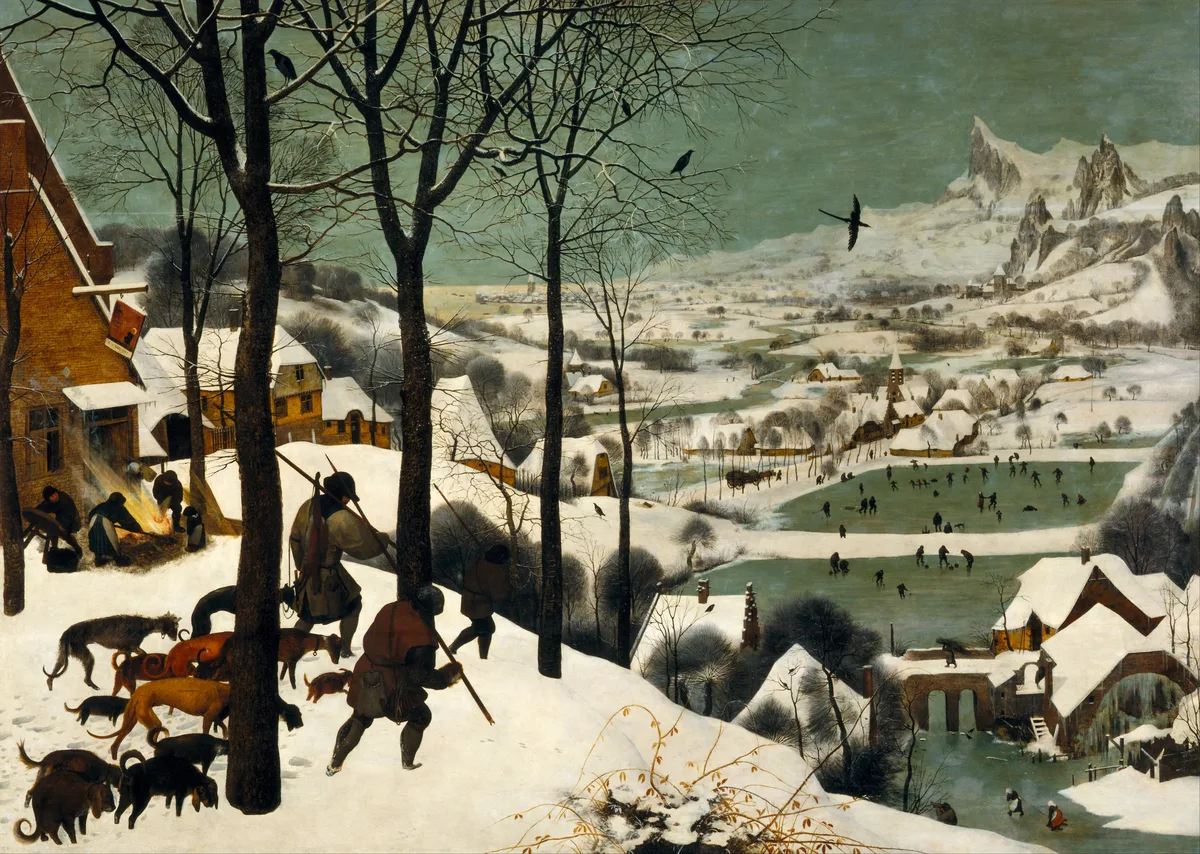
Una sala de la primera planta reúne más pinturas de Pieter Bruegel el Viejo que ningún otro lugar de la tierra, alrededor de una docena, entre ellas Cazadores en la nieve, la hilera de cazadores cansados y sus perros avanzando penosamente sobre una colina por encima de un valle helado, pintada en 1565. Que Viena las posea se debe a los Habsburgo, la dinastía que gobernó buena parte de Europa durante siglos y empleó buena parte de ese poder en comprar arte.
El museo se construyó justo para lucir todo eso. El emperador Francisco José lo inauguró en 1891 en la Ringstraße, el gran bulevar trazado donde se alzaban las viejas murallas de Viena, en un edificio palaciego de Gottfried Semper y Karl von Hasenauer, con la escalinata decorada por el joven Gustav Klimt antes de convertirse en el Klimt del oro y el escándalo. La idea era reunir bajo un solo techo las dispersas colecciones imperiales y dejar entrar al público.
Así, las paredes se leen como un inventario del alcance de los Habsburgo. El arte de la pintura de Vermeer, con el artista visto de espaldas ante su caballete, que la familia guardó como uno de sus tesoros. Salas de Tiziano, Rubens y Velázquez, cuyos retratos cortesanos españoles de pequeñas y solemnes infantas llegaron a Viena por los matrimonios que unían las dos ramas de la familia. Y bajo las pinacotecas está la Kunstkammer, un laberinto de marfiles tallados, autómatas de relojería y copas de piedras preciosas reunido por emperadores que deseaban lo extraño y lo ingenioso tanto como lo bello. Su objeto más famoso es un salero de oro que Benvenuto Cellini hizo para el rey de Francia.
Más artículos
Colección
381 obras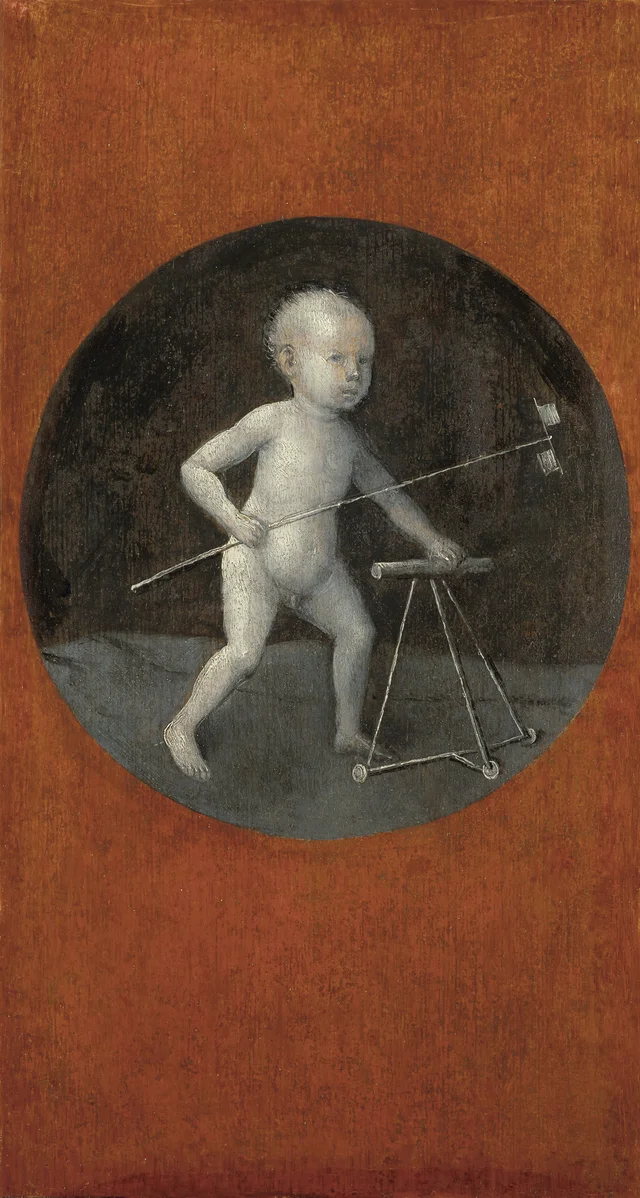 El Niño Jesús con andadorEl Bosco, 1500
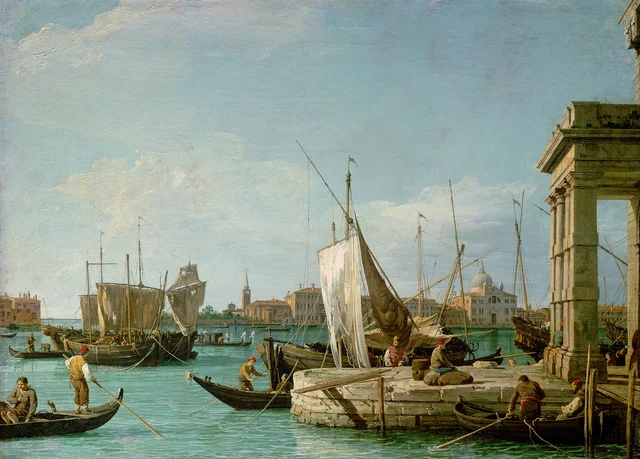 La Punta della DoganaCanaletto, 1726
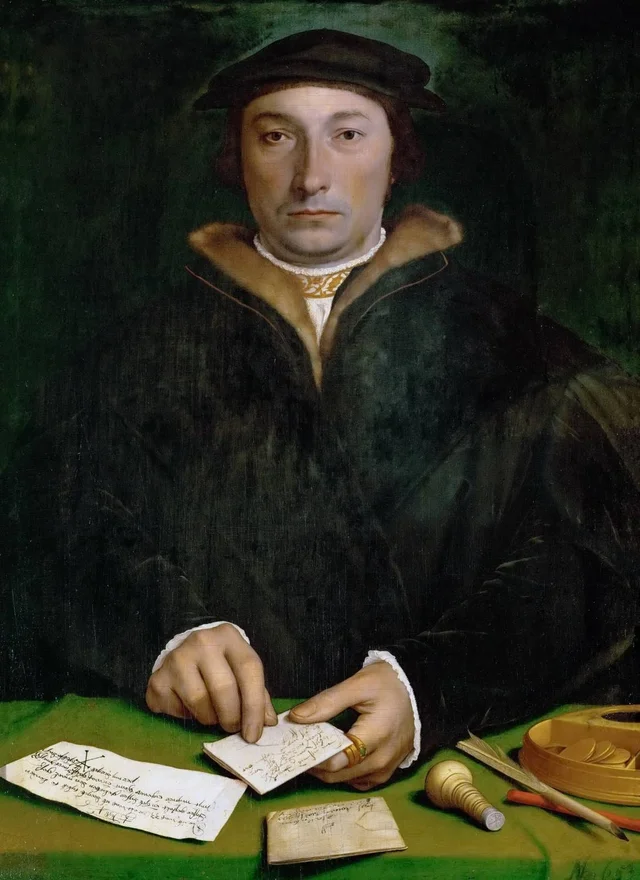 El mercader de Duisburgo Dirck TybisHans Holbein el Joven, 1533
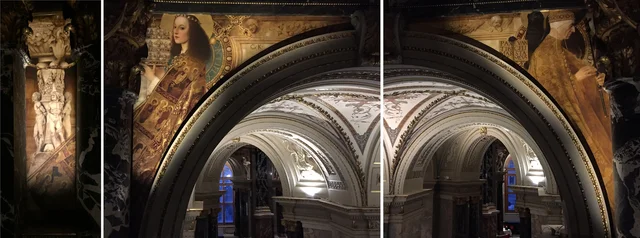 El Quattrocento en Roma y en VeneciaGustav Klimt, 1891
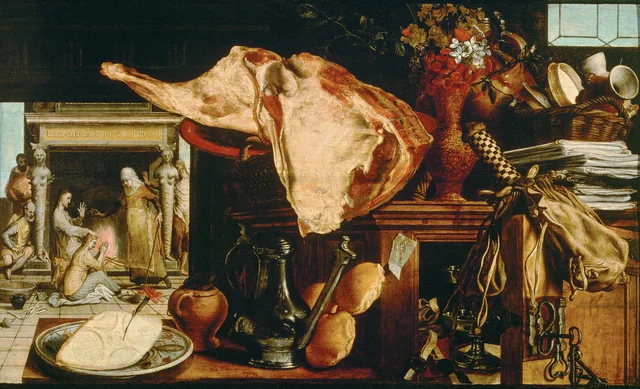 Naturaleza muerta vanitas con Cristo en casa de Marta y MaríaPieter Aertsen, 1552
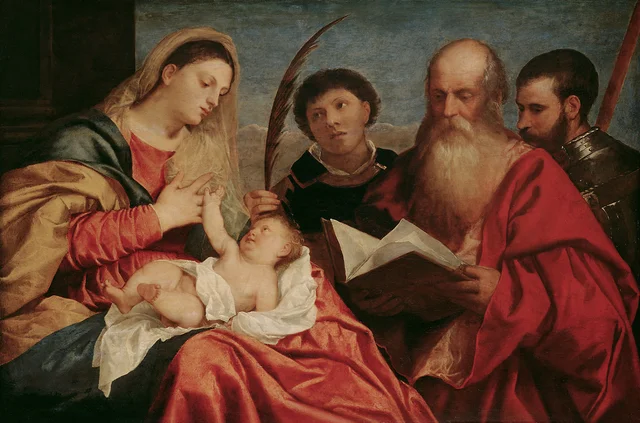 Virgen con el Niño y los santos Esteban, Jerónimo y MauricioTiziano, 1520
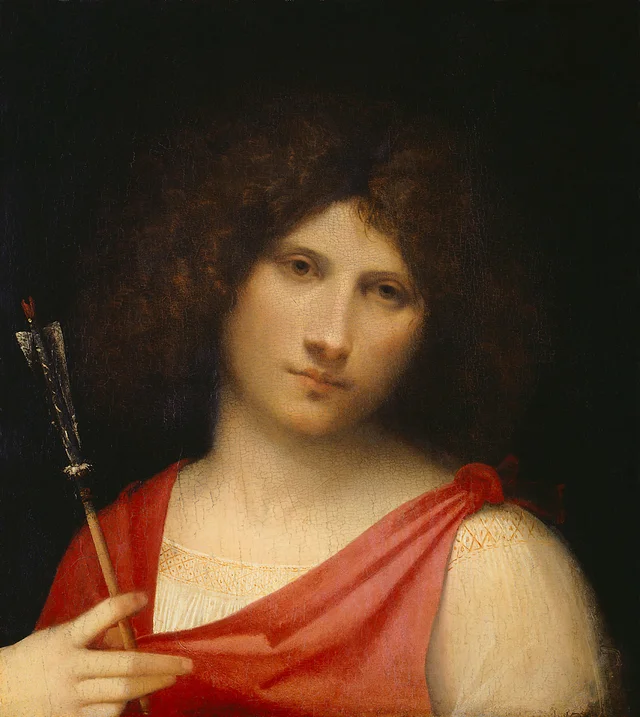 Joven con una flechaGiorgione, 1505
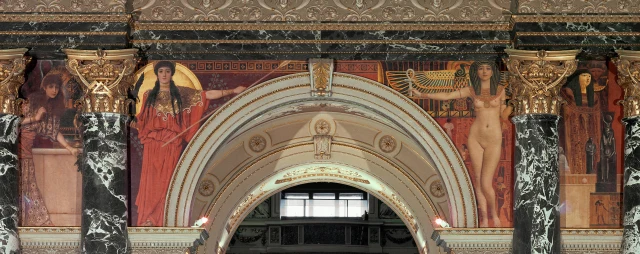 Antigua Grecia y Antiguo EgiptoGustav Klimt, 1891
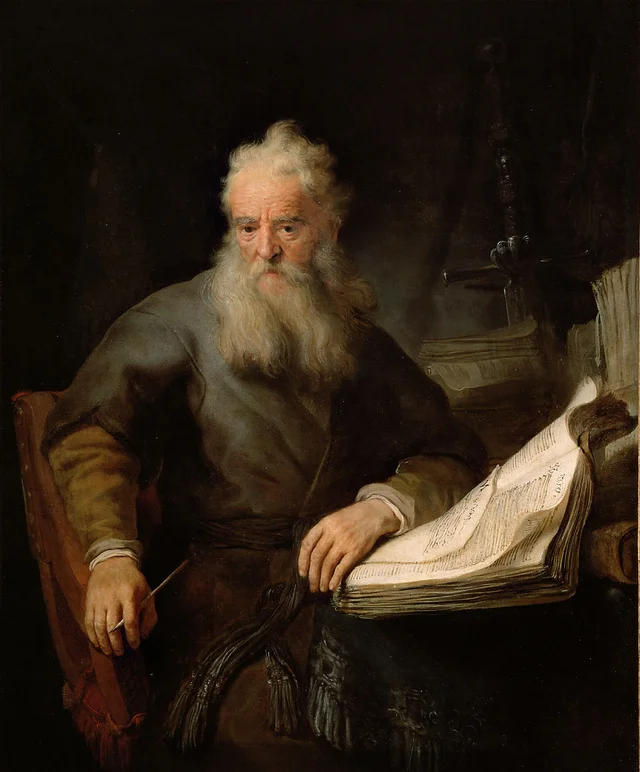 El apóstol PabloAtribuido a Rembrandt, 1633
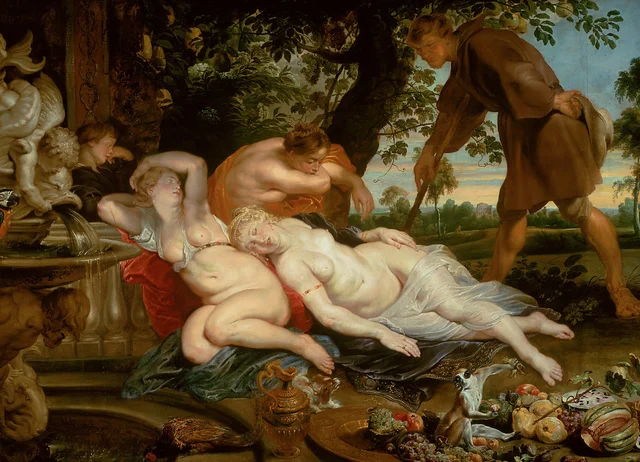 Cimón e IfigeniaPedro Pablo Rubens, 1617
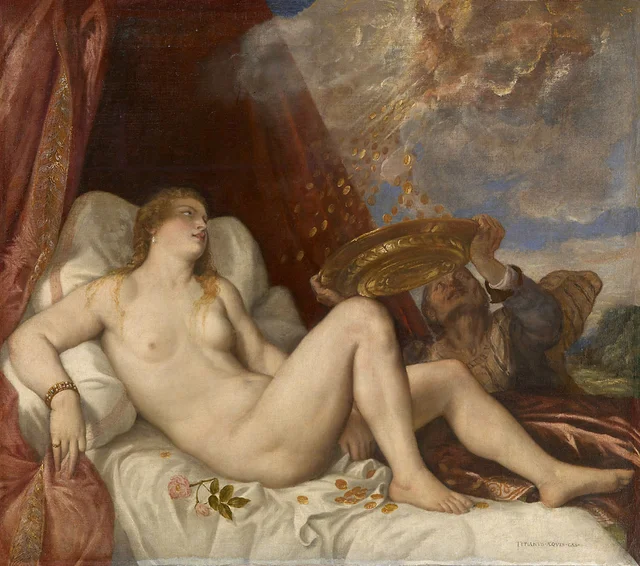 DánaeTiziano, 1550
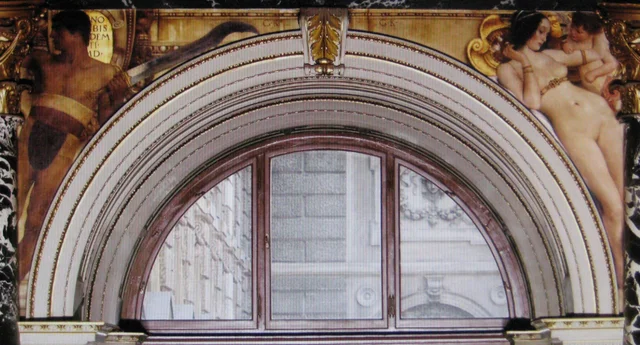 Florencia del Cinquecento y el QuattrocentoGustav Klimt, 1891
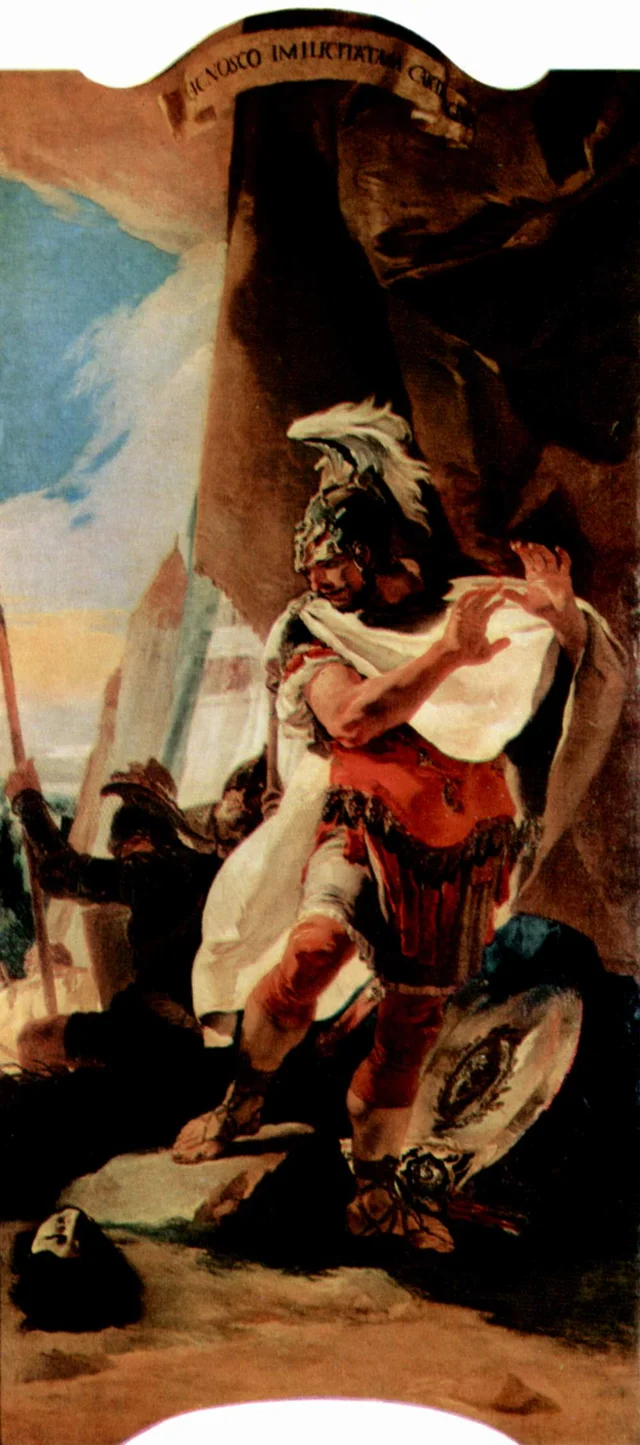 Aníbal reconoce la cabeza de su hermano AsdrúbalGiovanni Battista Tiepolo, 1729
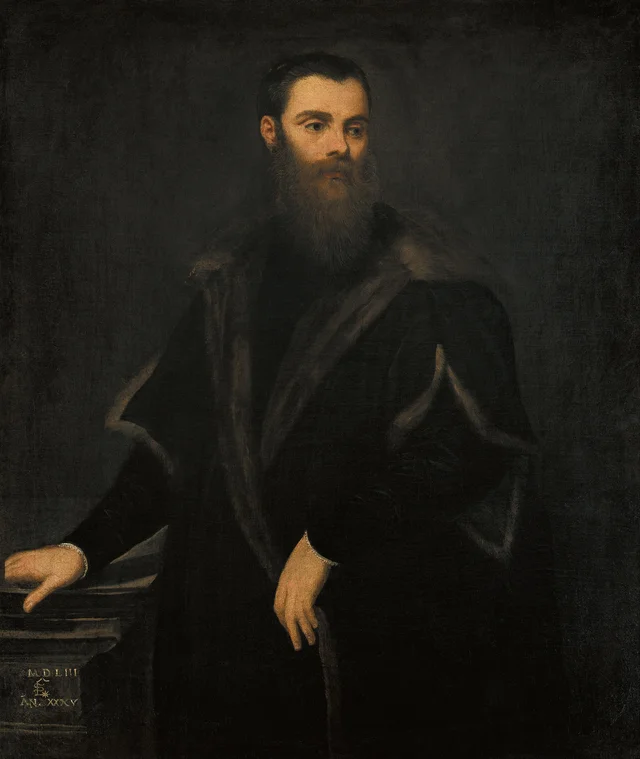 Lorenzo SoranzoJacopo Tintoretto, 1553
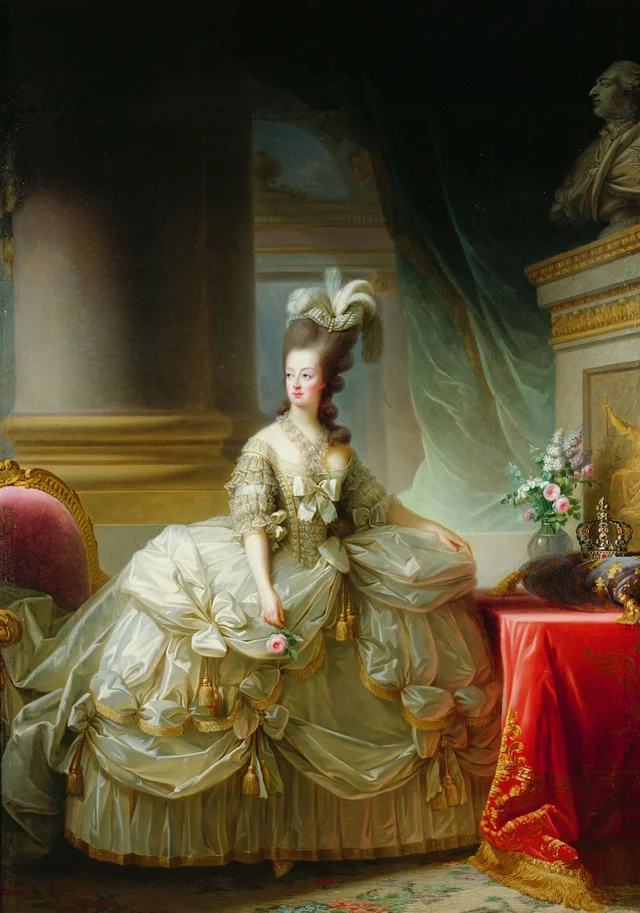 María Antonieta con traje de corteÉlisabeth Louise Vigée Le Brun, 1778
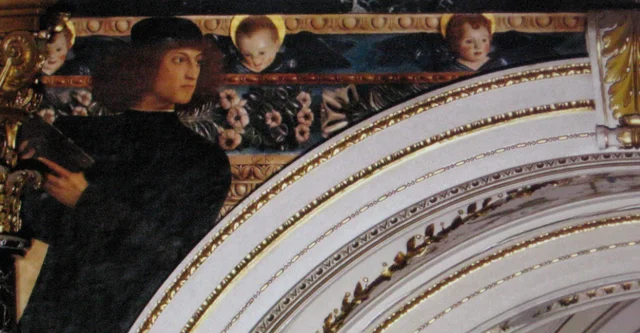 Arte italiano antiguoGustav Klimt, 1891
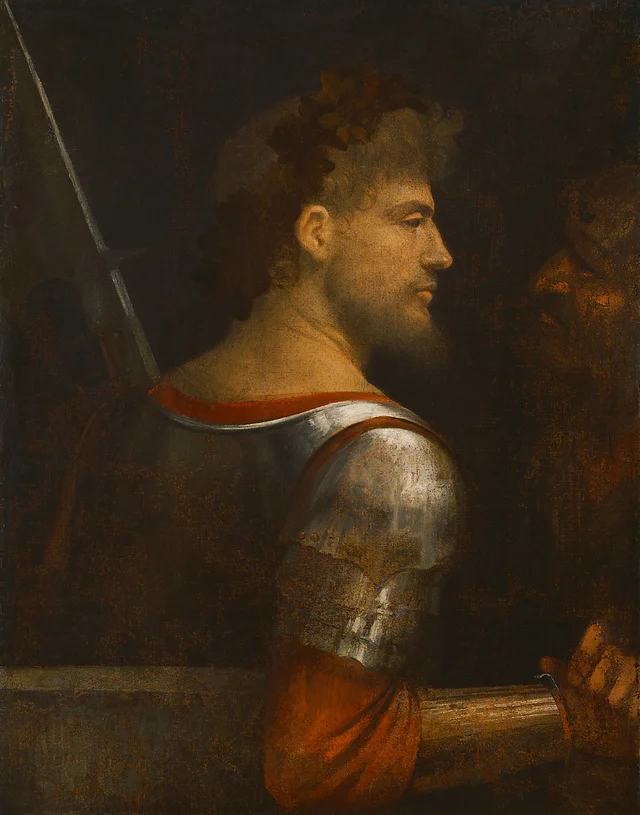 Retrato de un guerreroGiorgione, 1500
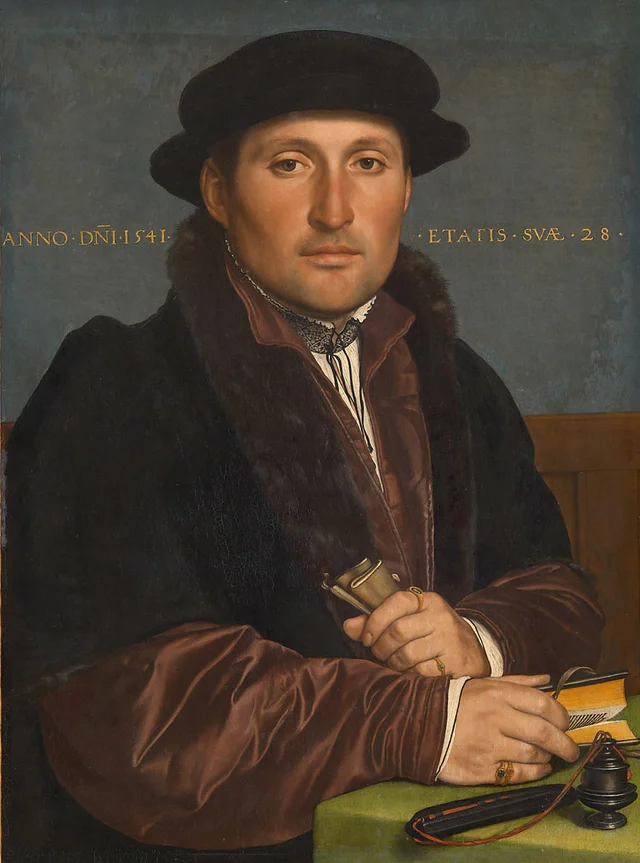 Retrato de un joven mercaderHans Holbein el Joven, 1541
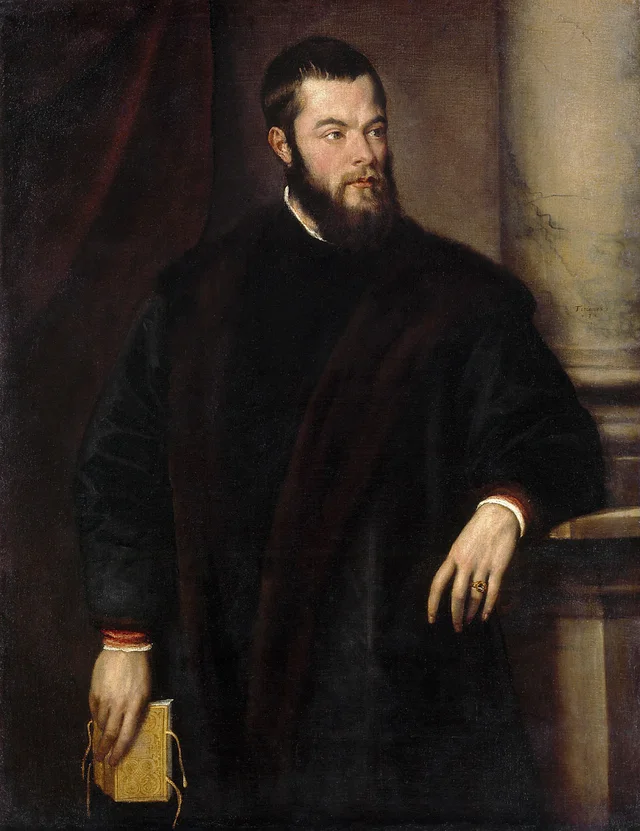 Retrato de Benedetto VarchiTiziano, 1540
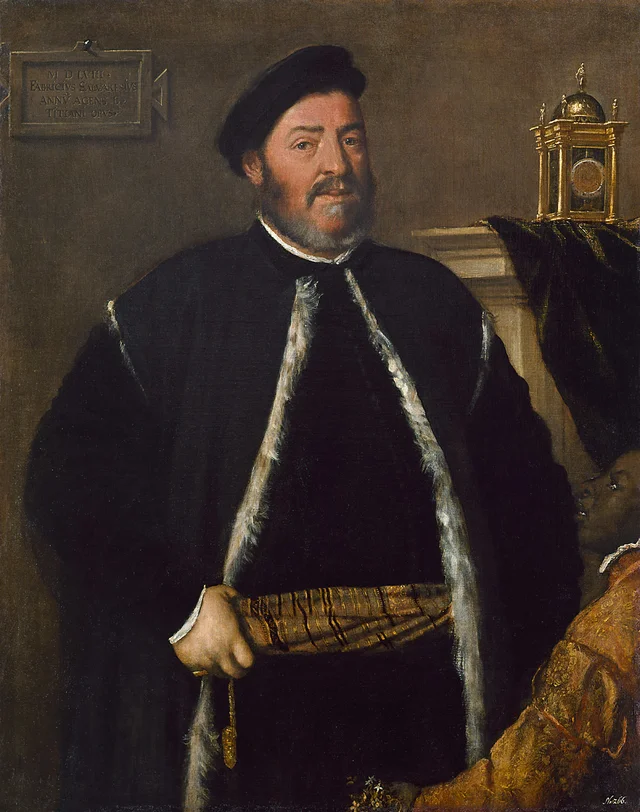 Retrato de Fabrizio SalvaresioTiziano, 1558
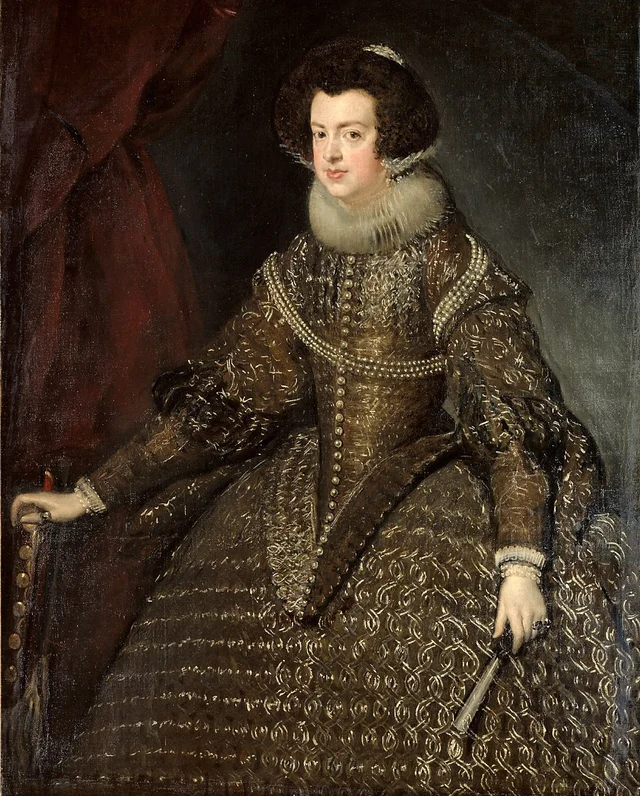 Isabel de Borbón, reina de España (1602-1644)Diego Velázquez y taller, 1632
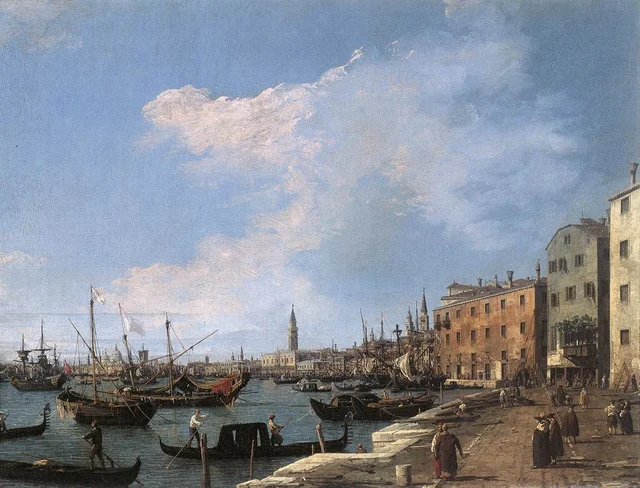 Riva degli SchiavoniCanaletto, 1730
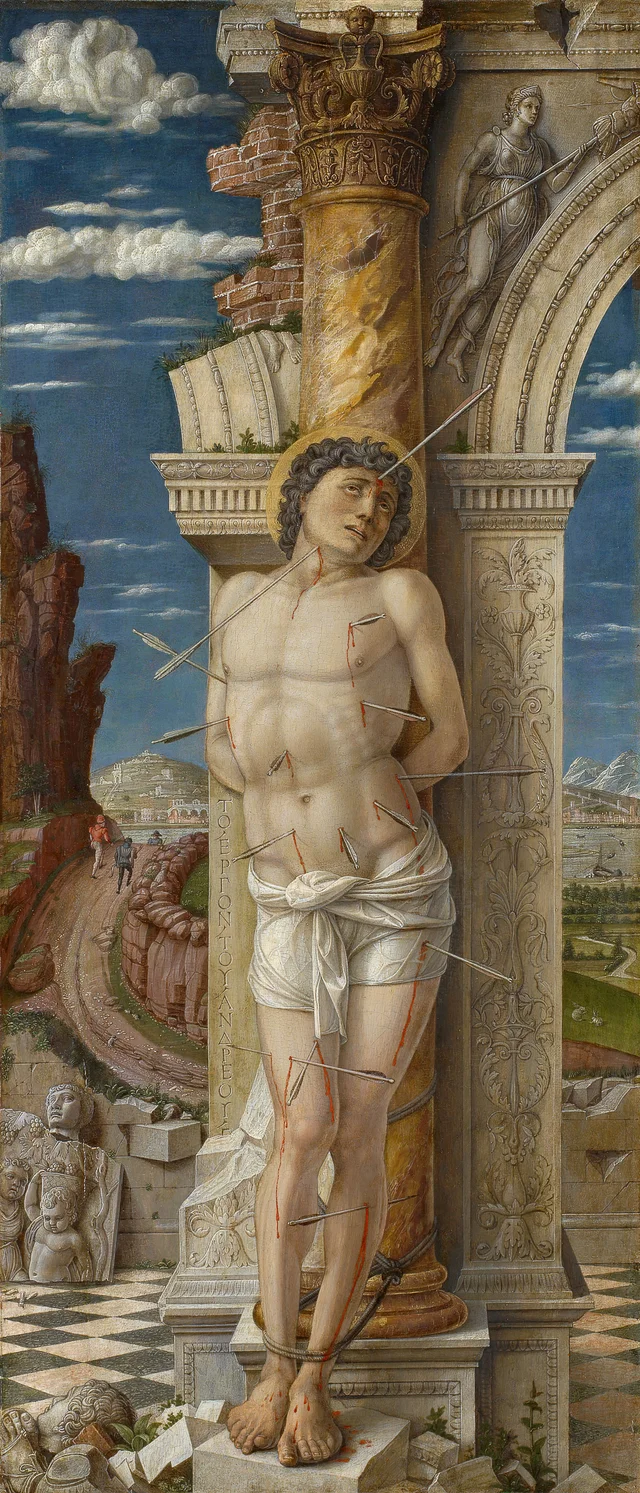 San SebastiánAndrea Mantegna, 1458
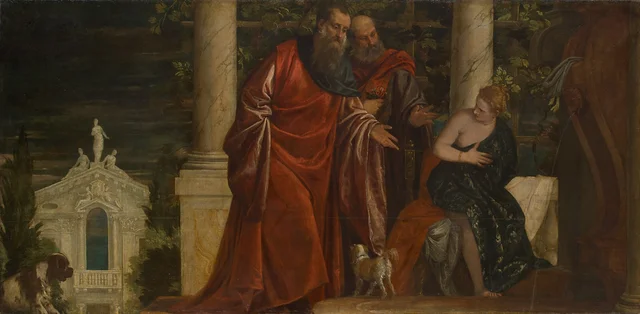 Susana y los viejosPaolo Veronese y taller, 1585
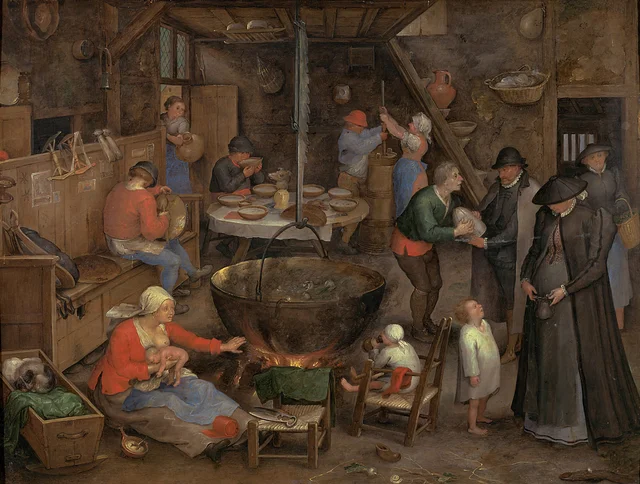 La visita a la granjaJan Brueghel el Viejo, 1597